
Start a High-Protein, Low-Carb Diet: Quick Starter Plan
A high-protein, low-carb approach can help you stay satisfied, support muscle growth, and keep energy levels steady throughout the day. If you’re unsure where to begin, this practical guide breaks down the essentials and gives realistic tips you can use right away.
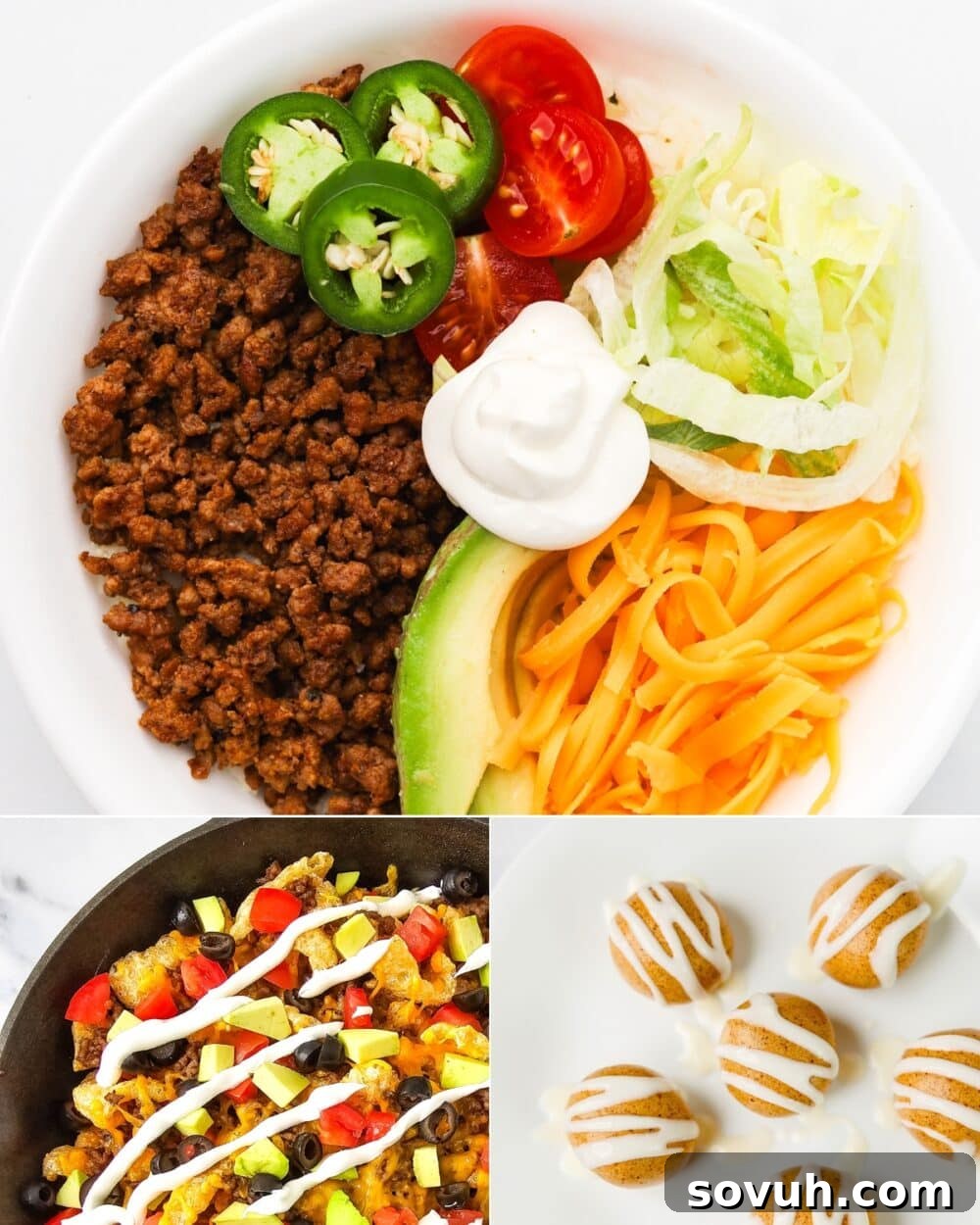
How to Start a High Protein, Low Carb Diet
This way of eating focuses on increasing protein, eating healthy fats, and limiting carbohydrates—especially refined and starchy carbs—to keep blood sugar steady and curb cravings. Here’s a clear, practical breakdown to help you get started:
✔ Protein — Make protein the foundation of most meals. It promotes fullness and preserves muscle mass. A common target is at least 100 g per day for many people, but individual needs vary by body size, activity level, and goals.
✔ Carbohydrates — Prioritize fiber-rich, non-starchy vegetables instead of breads, pastas, and sweets. Many people aim for 50 g or fewer net carbs per day; those following a ketogenic plan often limit carbs to around 20 g.
✔ Fats — Include healthy fats to improve satiety and nutrient absorption, but keep protein as the main focus of your meals.
High Protein, Low Carb Food List
Best Protein Sources
- Chicken — thighs, breasts, ground
- Turkey — ground, breast, deli slices
- Beef — steak, ground beef, lean cuts; protein powders can supplement when needed
- Pork — chops, tenderloin, ham
- Eggs — whole eggs and egg whites
- Fish & seafood — salmon, tuna, shrimp, cod
- Dairy — plain Greek yogurt, cottage cheese, hard cheeses
- Plant-based — tofu, tempeh, edamame, and plant protein powders
Low Carb Vegetables
- Spinach
- Broccoli
- Cauliflower
- Zucchini
- Bell peppers
- Asparagus
- Cabbage
Healthy Fats
- Avocados
- Olive oil
- Butter or ghee
- Nuts & seeds — almonds, walnuts, chia seeds
Low Carb Fruits
- Berries — strawberries, raspberries, blackberries
- Avocado
- Olives
What to Avoid — Hidden Carbs & Sneaky Sugar Traps
Avoid foods that are high in refined carbs, starches, or added sugars. Common items to limit or skip include:
- Bread, pasta, rice, tortillas, and many cereals
- Potatoes, sweet potatoes, corn, and other starchy vegetables
- Legumes like beans, lentils, and chickpeas (these are nutritious but can be higher in carbs)
- Most high-sugar fruits such as bananas, apples, grapes, and mangoes
- Flavored yogurts and many dairy desserts that contain added sugar
- Sugary drinks, fruit juices, and sweetened coffee beverages
- Processed snacks like chips, crackers, and many granola bars
- Sauces and condiments with added sugar—check labels for ketchup, BBQ and teriyaki sauces
Sample 3-Day High Protein, Low Carb Meal Plan
Day 1
🥓 Breakfast — Scrambled eggs with bacon and avocado
🥗 Lunch — Grilled chicken over a spinach salad with feta and olive oil
🍳 Dinner — Pan-seared salmon with roasted asparagus and garlic butter
Day 2
🍳 Breakfast — Plain Greek yogurt with almonds and a sprinkle of cinnamon
🥩 Lunch — Burger patty (no bun) topped with cheddar, avocado, and sautéed mushrooms
🐟 Dinner — Shrimp stir-fry with zucchini noodles and coconut aminos
Day 3
🥑 Breakfast — Cottage cheese with raspberries and chia seeds
🍗 Lunch — Baked chicken breast with roasted cauliflower and a drizzle of olive oil
🥩 Dinner — Ribeye steak with buttered broccoli and a Caesar-style salad without croutons
Tips To Make It Easy
Planning and small habits make this way of eating sustainable. Try these practical tips:
- Meal prep: Cook protein and vegetables in bulk to save time—grilled chicken thighs, roasted vegetables, and hard-boiled eggs are reliable staples.
- Smart snacks: Keep simple options on hand—cheese sticks, beef jerky, hard-boiled eggs, or rolled deli meat make fast, filling snacks.
- Electrolytes: Low-carb shifts can reduce water and electrolyte levels. Add a bit of salt to meals and consider magnesium and potassium sources if you feel lightheaded or tired.
- Protein powders: Use a protein powder (whey, milk, casein, or plant-based) when you need a quick, convenient boost, especially on busy days or after workouts.
- Variety and flavor: Rotate proteins, try different seasonings and dressings, and use herbs and spices to keep meals interesting.
- Be satisfied: Eat enough food to feel comfortably full—undereating can backfire and lead to cravings.
- Start simple: The best plan is one you can stick with. Focus on whole foods, simple recipes, and steady progress.
FAQ: Common Questions About a High Protein, Low Carb Diet
1. How many carbs should I eat per day?
Many people aim for 50 g or fewer net carbs per day on a low-carb approach. If you’re following a ketogenic protocol, targets are commonly around 20 g per day. Adjust based on your goals and how you feel.
2. Will I feel tired when I cut carbs?
Some people experience temporary fatigue as the body adapts. Staying hydrated and replenishing electrolytes—salt, potassium, and magnesium—often helps reduce symptoms.
3. Can I still eat dairy?
Yes. Choose higher-protein, lower-carb dairy options like plain Greek yogurt, cottage cheese, and hard cheeses, and watch for added sugars in flavored products.
4. Do I need to count calories?
Not always, but if weight loss is your goal, maintaining a calorie deficit matters. Tracking meals with a reliable food-tracking tool can help you confirm protein intake and overall calories.
5. What can I eat when I’m craving carbs?
Swap high-carb foods for lower-carb alternatives such as zucchini noodles for pasta, cauliflower rice for rice, or chaffles (cheese and eggs) in place of bread.
6. Can I eat fruit on a low carb diet?
Yes, in moderation. Favor low-sugar fruits like berries and avocados over high-sugar options such as bananas or mangoes.
7. Is a high protein, low carb diet good for muscle building?
Yes. Adequate protein supports muscle repair and growth, and pairing it with strength training helps maximize results. Managing carbs can also assist with body composition goals.
8. What about cheat meals?
If you want occasional higher-carb days, consider planned carb cycling—eating more carbs on workout or higher-activity days—rather than unrestricted cheat meals.
If you’d like more recipe ideas, look for collections of high-protein, low-carb breakfasts, lunches, soups, salads, and snacks to keep your meal plan varied and satisfying.
PIN FOR LATER!

Tip: A printable, color-coded food list can be a helpful visual guide to hit your protein and low-carb goals more easily—consider creating or downloading one to keep in your kitchen or pantry.
Always tailor any diet to your personal needs. If you have medical conditions, are pregnant or breastfeeding, or take medications, consult a healthcare professional before making major changes to your eating plan.











