
How to Start a High-Protein, Low-Carb Diet: Beginner’s Guide
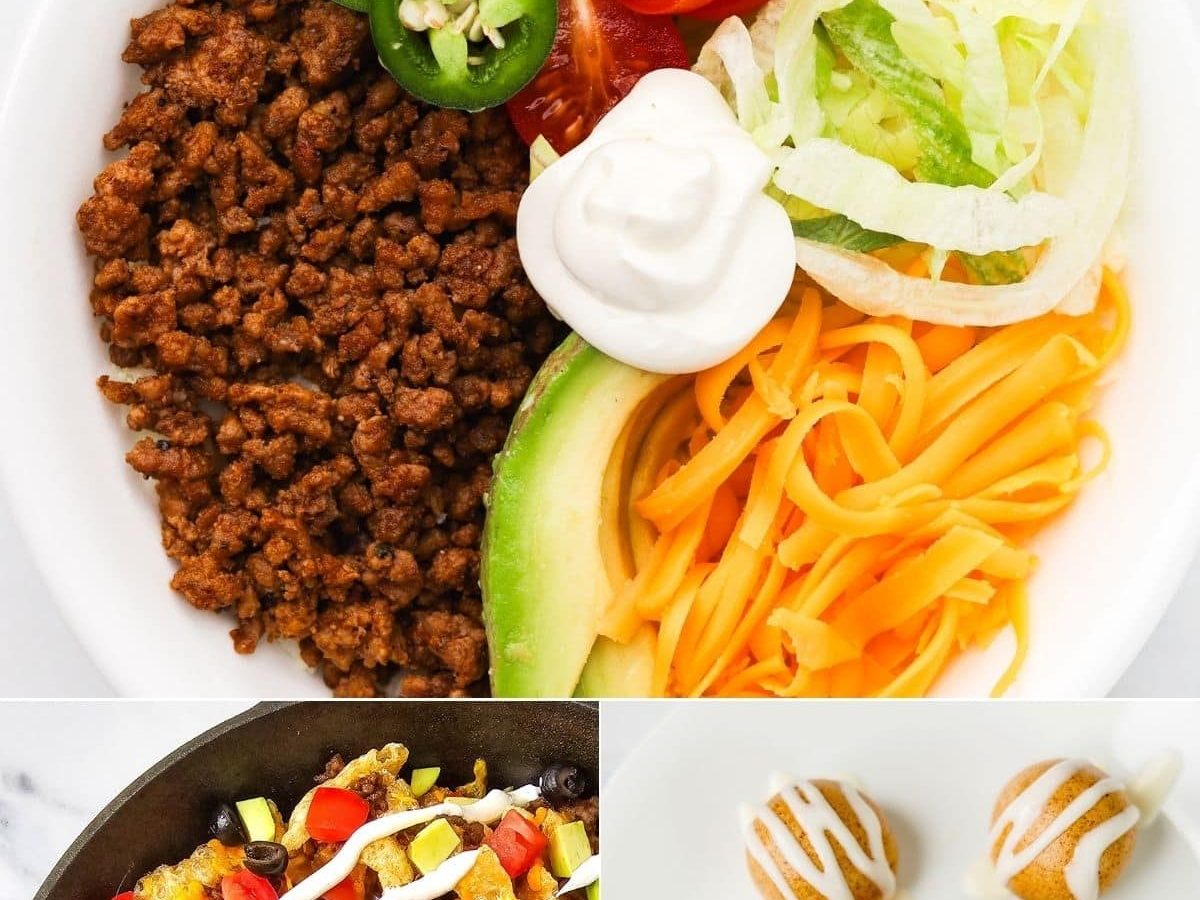
A high-protein, low-carb approach can help you stay satisfied, support muscle growth, and maintain steady energy throughout the day. If starting feels overwhelming, this clear, practical guide will help you adopt the plan in real life, with straightforward rules, food ideas, a sample meal plan, and tips to make it sustainable.
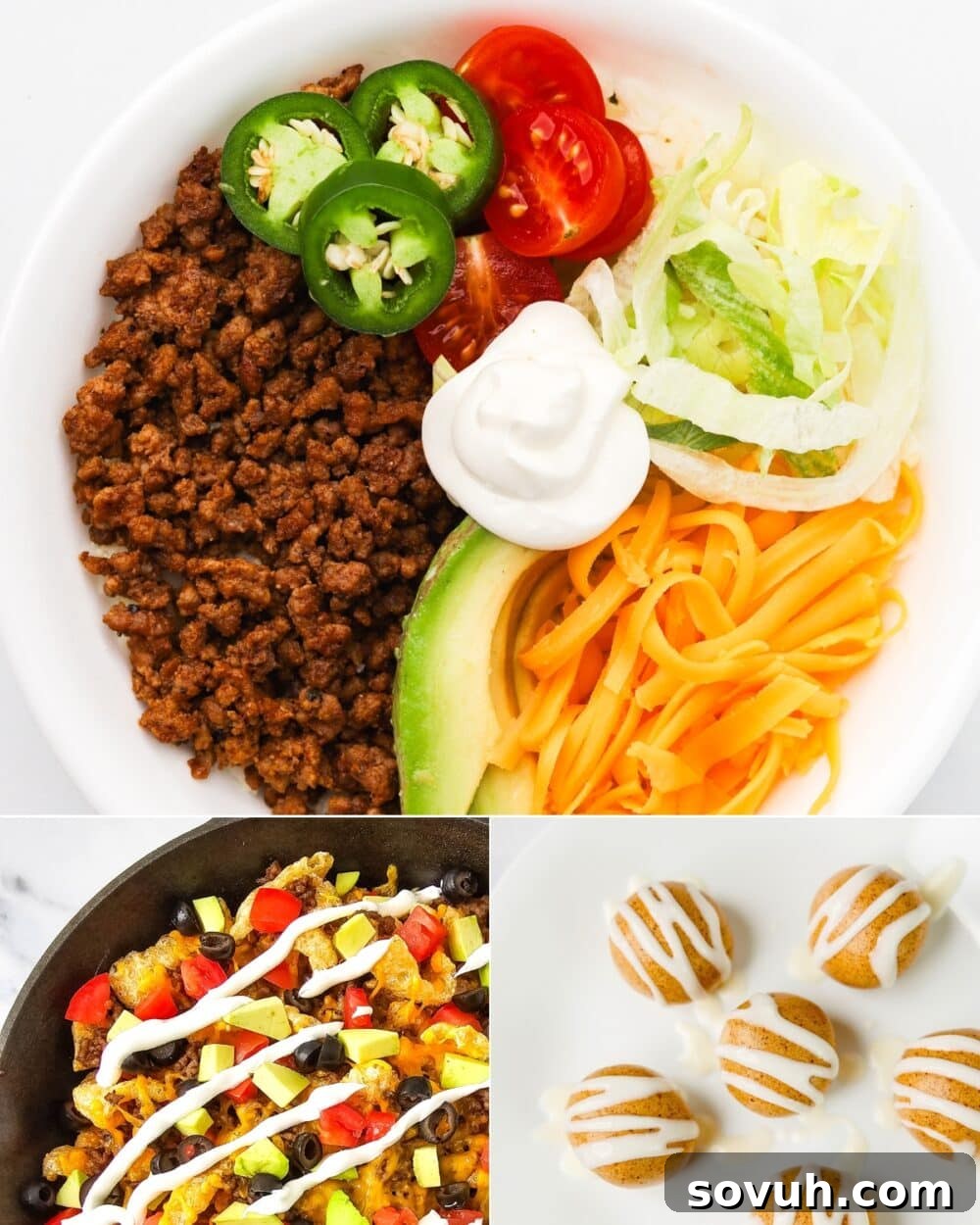
How to Start a High-Protein, Low-Carb Diet
The basic idea is to prioritize protein, include healthy fats, and limit carbohydrates—especially refined and starchy carbs—to keep blood sugar stable and reduce cravings. Here are the core principles:
✔ Protein — Make protein the foundation of most meals. It helps with satiety and muscle repair. Depending on your size and goals, many people aim for 100 grams or more per day, but adjust to your needs.
✔ Carbohydrates — Focus on fiber-rich, non-starchy vegetables and minimize bread, pasta, rice, and other refined carbs.
✔ Fats — Include healthy fats for flavor and fullness, but keep protein as the main macronutrient.
High-Protein, Low-Carb Food List
Best Protein Sources
- Chicken — thighs, breasts, ground
- Turkey — ground, breast, deli slices (watch added sugars in processed deli meats)
- Beef — steak, ground beef, lean cuts, protein powder if needed
- Pork — chops, tenderloin, ham (choose minimally processed options)
- Eggs — whole eggs and egg whites for versatility
- Fish and seafood — salmon, tuna, shrimp, cod
- Dairy — Greek yogurt, cottage cheese, hard cheeses (watch flavored varieties)
- Plant-based proteins — tofu, tempeh, and plant protein powders for vegetarian or vegan options
Low-Carb Vegetables
- Spinach
- Broccoli
- Cauliflower
- Zucchini
- Bell peppers
- Asparagus
- Cabbage
Healthy Fats
- Avocados
- Extra-virgin olive oil
- Butter or ghee for cooking
- Nuts and seeds — almonds, walnuts, chia seeds
Low-Carb Fruits
- Berries — strawberries, raspberries, blackberries
- Avocado (technically a fruit)
- Olives
What to Avoid — Hidden Carbs and Sneaky Sugar Traps
Avoid foods that add a lot of carbs or added sugars without providing much protein or fiber. Common culprits include:
- Bread, pasta, rice, tortillas, and many boxed cereals
- Starchy vegetables like potatoes, sweet potatoes, and corn
- Legumes such as beans, lentils, and chickpeas (higher in carbs)
- Most high-sugar fruits such as bananas, apples, grapes, and mangoes
- Flavored or sweetened yogurts and many commercial smoothies
- Sugary drinks — soda, fruit juices, and sweetened coffee beverages
- Processed snacks — chips, crackers, many granola bars and pastries
- Sauces with added sugar — ketchup, BBQ, teriyaki, and some pre-made dressings
Sample 3-Day High-Protein, Low-Carb Meal Plan
Below are simple, real-food examples you can adapt. Portions depend on your calorie needs; add extra veggies or a small snack if you need more energy.
Day 1
🥓 Breakfast — Scrambled eggs with bacon and sliced avocado
🥗 Lunch — Grilled chicken over a spinach salad with feta and olive oil dressing
🍳 Dinner — Pan-seared salmon with roasted asparagus and garlic butter
Day 2
🍳 Breakfast — Plain Greek yogurt topped with almonds and a dash of cinnamon
🥩 Lunch — Burger patty (no bun) with cheddar, avocado, and sautéed mushrooms
🐟 Dinner — Shrimp stir-fry with zucchini noodles and a splash of coconut aminos
Day 3
🥑 Breakfast — Cottage cheese with raspberries and chia seeds
🍗 Lunch — Roasted chicken breast with cauliflower and a drizzle of olive oil
🥩 Dinner — Ribeye steak with buttered broccoli and a Caesar-style salad without croutons
Tips to Make It Easy
These practical strategies help you stick with the plan without extra stress:
- Meal prep: Batch-cook proteins and roast vegetables so healthy meals are ready to go. Ideas: grilled chicken thighs with roasted veggies, hard-boiled eggs and cheese sticks for snacks, and pre-formed burger patties.
- Hydration and electrolytes: Low-carb shifts often cause faster water and mineral loss. Add a pinch of salt to meals and include magnesium- and potassium-rich foods or supplements if needed to reduce headaches and fatigue.
- Simple snacks: Keep cheese sticks, beef jerky, hard-boiled eggs, or deli-meat roll-ups on hand for quick, satisfying options.
- Protein powder for convenience: Use a quality protein powder (whey, milk, beef, casein, or plant-based) when you need a fast, low-carb boost.
- Keep it interesting: Rotate seasonings, sauces, and protein sources so meals don’t become repetitive.
- Eat enough: Prioritize satisfying meals so you don’t under-eat and end up overly hungry later.
- Start simple: The best plan is one you can maintain—focus on whole foods and consistency rather than perfection.
FAQ: Common Questions About a High-Protein, Low-Carb Diet
1. How many carbs should I eat per day?
Many people following a high-protein, low-carb approach aim for 50 grams of net carbs or fewer per day. Those following a ketogenic approach usually target 20 grams or fewer. Adjust based on your energy needs and how your body responds.
2. Will I feel tired when I cut carbs?
Some people experience a short adjustment period. Staying well-hydrated and maintaining electrolytes—salt, potassium, and magnesium—can reduce fatigue as your body adapts.
3. Can I still eat dairy?
Yes. Choose high-protein, low-carb dairy like plain Greek yogurt, cottage cheese, and hard cheeses. Watch for added sugars in flavored products.
4. Do I need to count calories?
Not always, but if weight loss is your goal, maintaining a calorie deficit matters. Tracking can help initially to learn portion sizes and ensure you’re meeting protein targets.
5. What can I eat when I’m craving carbs?
Swap lower-carb alternatives for familiar comfort foods: zucchini noodles in place of pasta, cauliflower rice instead of regular rice, or chaffles (cheese + eggs) instead of bread-based options.
6. Can I eat fruit on a low-carb diet?
Yes, in moderation. Choose lower-sugar fruits like berries, avocado, and olives rather than higher-sugar fruits like bananas or mangoes.
7. Is a high-protein, low-carb diet good for muscle building?
High protein supports muscle repair and growth. Reducing excess carbs can help with body composition goals while preserving lean mass—combine with resistance training for best results.
8. What about cheat meals?
If you want to include higher-carb meals occasionally, consider strategies like carb cycling—eating more carbs on training days—to balance enjoyment with progress.
Looking for recipe ideas? There are many collections of high-protein, low-carb recipes to inspire breakfasts, lunches, dinners, soups, salads, snacks, and desserts to keep your meal plan varied and enjoyable.
Save this guide for later and refer back to it as you build your routine.

Practical tools such as a simple food list or printable chart can help you hit your protein goals and choose the best high-protein, low-carb foods at a glance.











