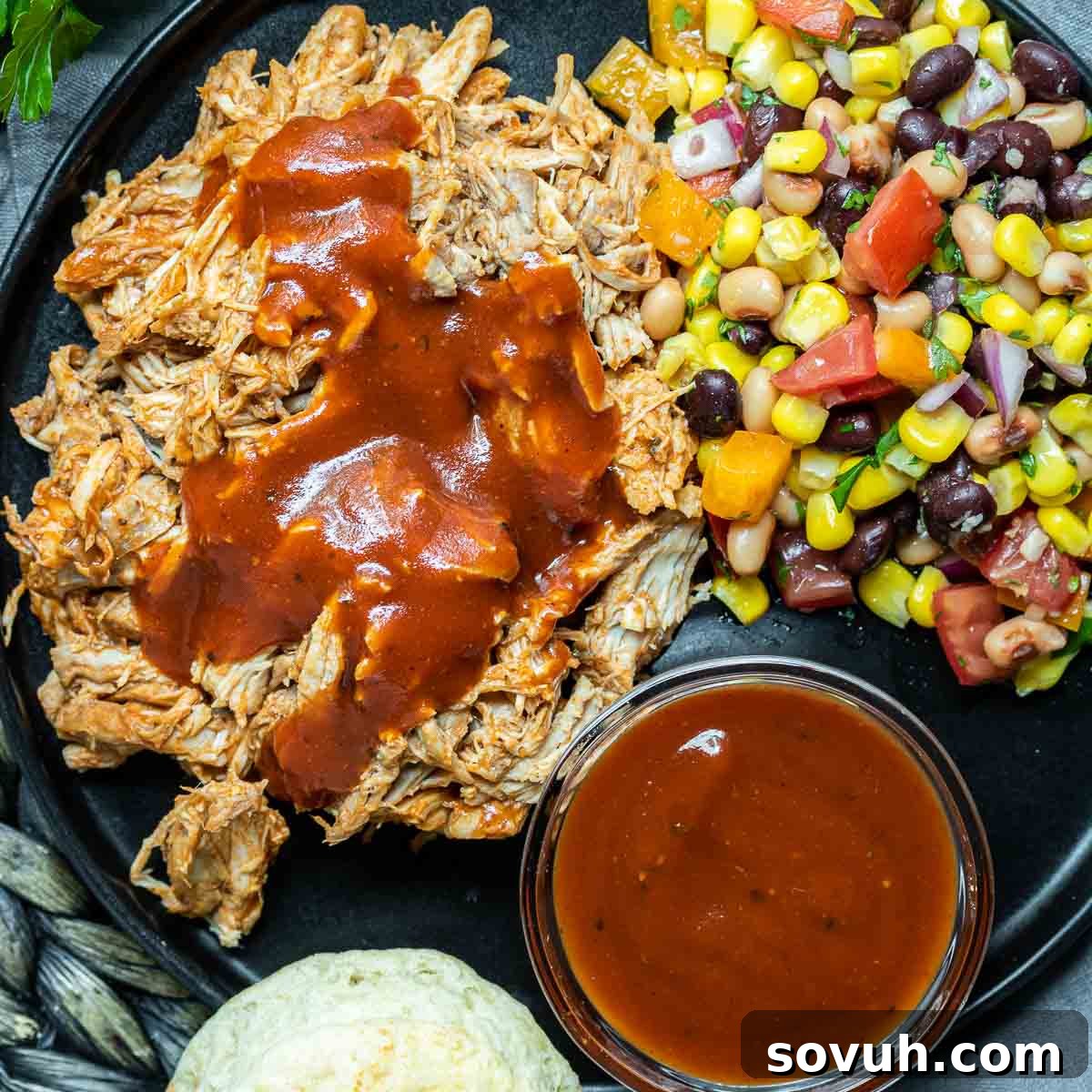
Welcome to the ultimate guide for making succulent, fall-apart pulled pork right in your pressure cooker. Forget hours of slow roasting; with this revolutionary recipe, you can achieve perfectly tender pork shoulder in just a little over an hour, making it an ideal choice for any BBQ craving or last-minute gathering.
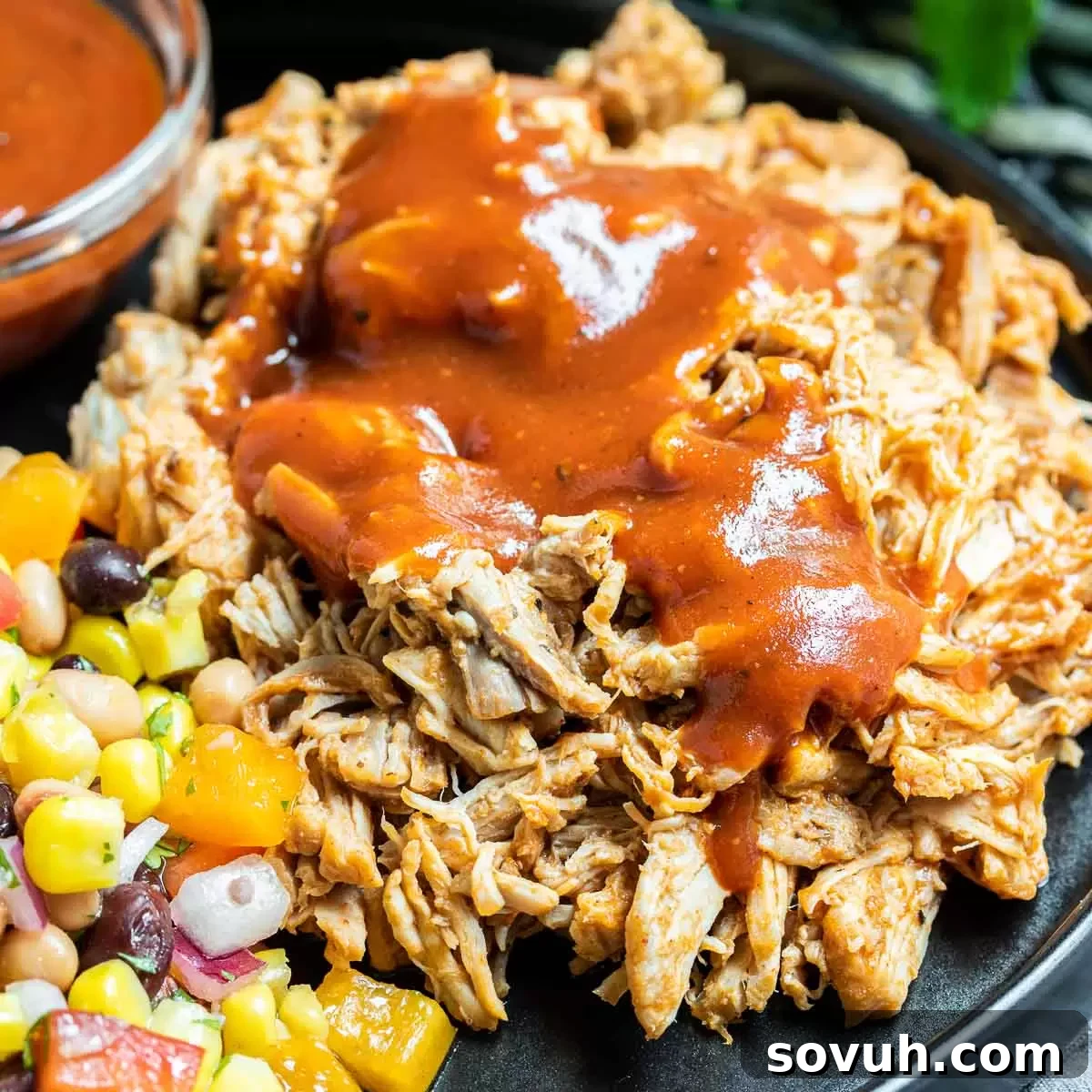
Traditionally, achieving that melt-in-your-mouth tenderness in pulled pork requires many hours of low and slow cooking, often in a smoker or slow cooker. However, modern kitchen appliances like the Instant Pot or any electric pressure cooker revolutionize this process, cutting down the cooking time dramatically to make this beloved BBQ staple accessible even on busy weeknights. This method is a game-changer for anyone craving authentic BBQ flavors without the extensive wait.
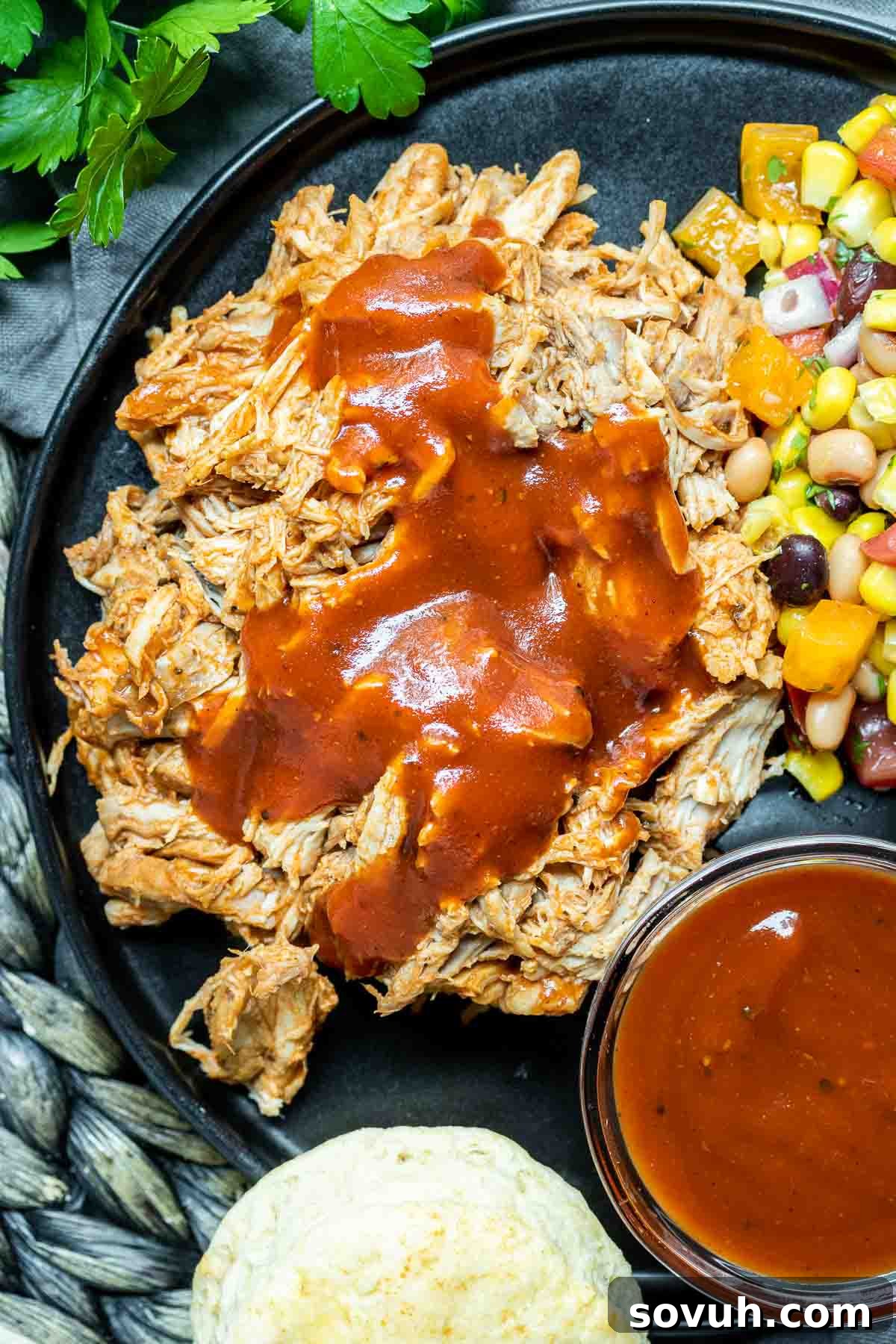
When your pork emerges from the pressure cooker, it will be incredibly tender, juicy, and effortless to shred with just a fork. Once shredded, simply toss it with your favorite BBQ sauce to infuse it with that classic smoky, sweet, or tangy flavor. This versatile dish is perfect served alongside classic BBQ sides such as Instant Pot Collard Greens, savory Instant Pot Baked Beans, a refreshing Keto Avocado Coleslaw, or even a vibrant Cowboy Caviar. Its ease of preparation makes it a go-to for summer celebrations, game day feasts, and potluck contributions, ensuring you can feed a crowd with minimal stress and maximum flavor.
Mastering Pressure Cooker Pulled Pork: Your Go-To Recipe for Tender BBQ Fast
Note: This post may contain affiliate links. That means if you click on a link and make a purchase we may receive a small commission. Thank you for supporting our content!
Table of Contents
- Why Pressure Cooker Pulled Pork is a Game Changer
- Essential Ingredients You’ll Need
- Step-by-Step Instructions for Tender Pulled Pork
- Pressure Cooker vs Instant Pot: Understanding the Difference
- Creative Recipes That Use Pulled Pork
- The Sear Debate: Is It Necessary?
- Techniques for Shredding or “Pulling” Pork
- Exploring Alternative Cuts of Meat for Pulled Pork
- What to Serve With Pulled Pork: Classic and Creative Pairings
- Storage Tips for Freshness
- How to Safely Thaw Frozen Pulled Pork
- Reheating Your Pressure Cooker Pulled Pork
- Frequently Asked Questions About Pulled Pork
Why Pressure Cooker Pulled Pork is a Game Changer
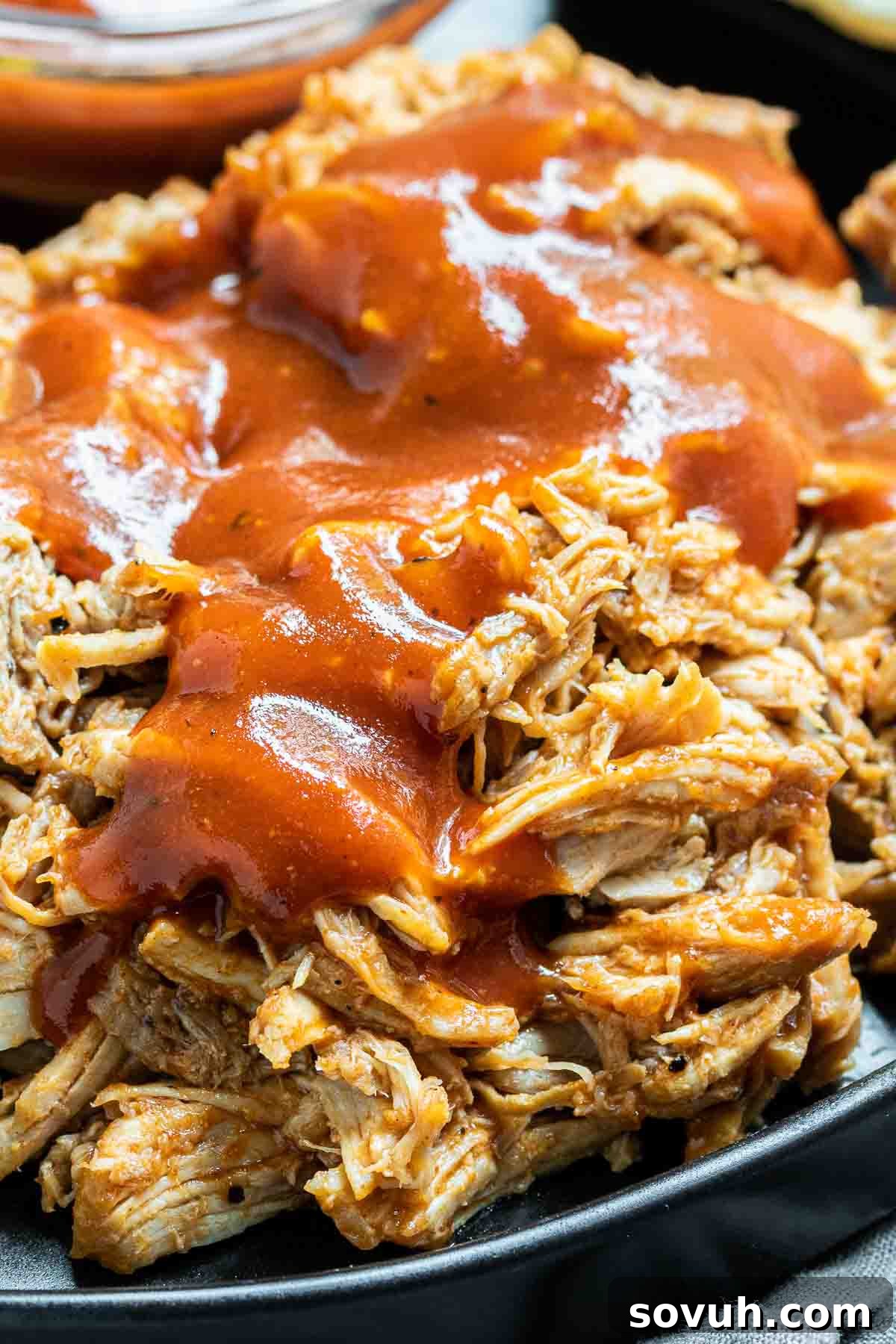
In the realm of comfort food, pulled pork reigns supreme, but its traditional preparation often deters home cooks due to the extensive cooking times. This is precisely where the pressure cooker shines, transforming a multi-hour endeavor into an efficient, one-hour process. The high-pressure environment tenderizes even tough cuts of pork to perfection, locking in moisture and flavor that would typically require hours of slow rendering. This method ensures that busy families or spontaneous entertainers can enjoy a deeply flavorful, fall-apart pulled pork without sacrificing their entire day to the kitchen. It’s not just about speed; it’s about consistency, convenience, and delivering an exceptionally juicy result every single time. Moreover, pressure cooking enhances nutrient retention and makes cleanup easier, as everything cooks in one pot.
Essential Ingredients You’ll Need
Crafting delicious pressure cooker pulled pork starts with selecting the right ingredients. Here’s a breakdown of what you’ll need and why each component is vital for that signature tender and flavorful result:
- Pork Shoulder (Pork Butt) – This is unequivocally the best cut of meat for pulled pork, and our preferred choice for this recipe. Its generous marbling of fat and connective tissue breaks down beautifully under pressure, yielding consistently tender and juicy pork. While the recipe specifies “pork shoulder,” “Boston butt” is often used interchangeably and refers to a cut from the upper part of the shoulder, equally excellent for this dish. The fat renders down, moistening the meat from within, creating that sought-after succulent texture. If this cut is unavailable, don’t fret; we offer several other fantastic options below.
- Signature Spice Rub – A well-balanced spice rub is the secret to a deeply flavorful pulled pork that doesn’t rely solely on BBQ sauce. Our preferred blend includes onion powder, garlic powder, salt, mustard powder, and black pepper, providing a robust base of savory flavor. You can easily customize this rub with smoked paprika for a deeper smoky note, a tablespoon of brown sugar for a hint of caramelization, or a pinch of cayenne for a subtle kick. The rub creates a delicious crust and infuses the meat from the inside out, building layers of taste.
- Your Favorite BBQ Sauce – The choice of BBQ sauce can define the character of your pulled pork. Whether you prefer a sweet and smoky Kansas City style, a tangy Carolina vinegar-based sauce, a spicy Texas variety, or a rich Memphis dry rub, select one that excites your palate. For those following a ketogenic diet, simply opt for a high-quality, keto-friendly BBQ sauce, and this recipe remains perfectly compliant. Consider making a delicious homemade BBQ sauce for an extra special touch, allowing you full control over the ingredients and flavor profile.
- Water or Broth – A small amount of liquid is essential for creating the steam necessary for pressure cooking and to prevent scorching. While water works perfectly, using chicken or vegetable broth can add an extra layer of savory depth to your pork, enhancing the overall flavor profile and contributing to a richer final sauce.
For this recipe, we utilized a 6-quart Instant Pot, a popular and reliable electric pressure cooker model. Most 6-quart or 8-quart pressure cookers will work perfectly for this recipe, offering ample space for the pork and liquid.
New to using an Instant Pot? Get started with confidence! Our comprehensive beginner’s guide on “How to Use an Instant Pot” will walk you through everything you need to know to operate your appliance safely and effectively.
Step-by-Step Instructions for Tender Pulled Pork
Follow these simple, clear steps to achieve perfectly tender, flavorful pulled pork in your pressure cooker with minimal effort:
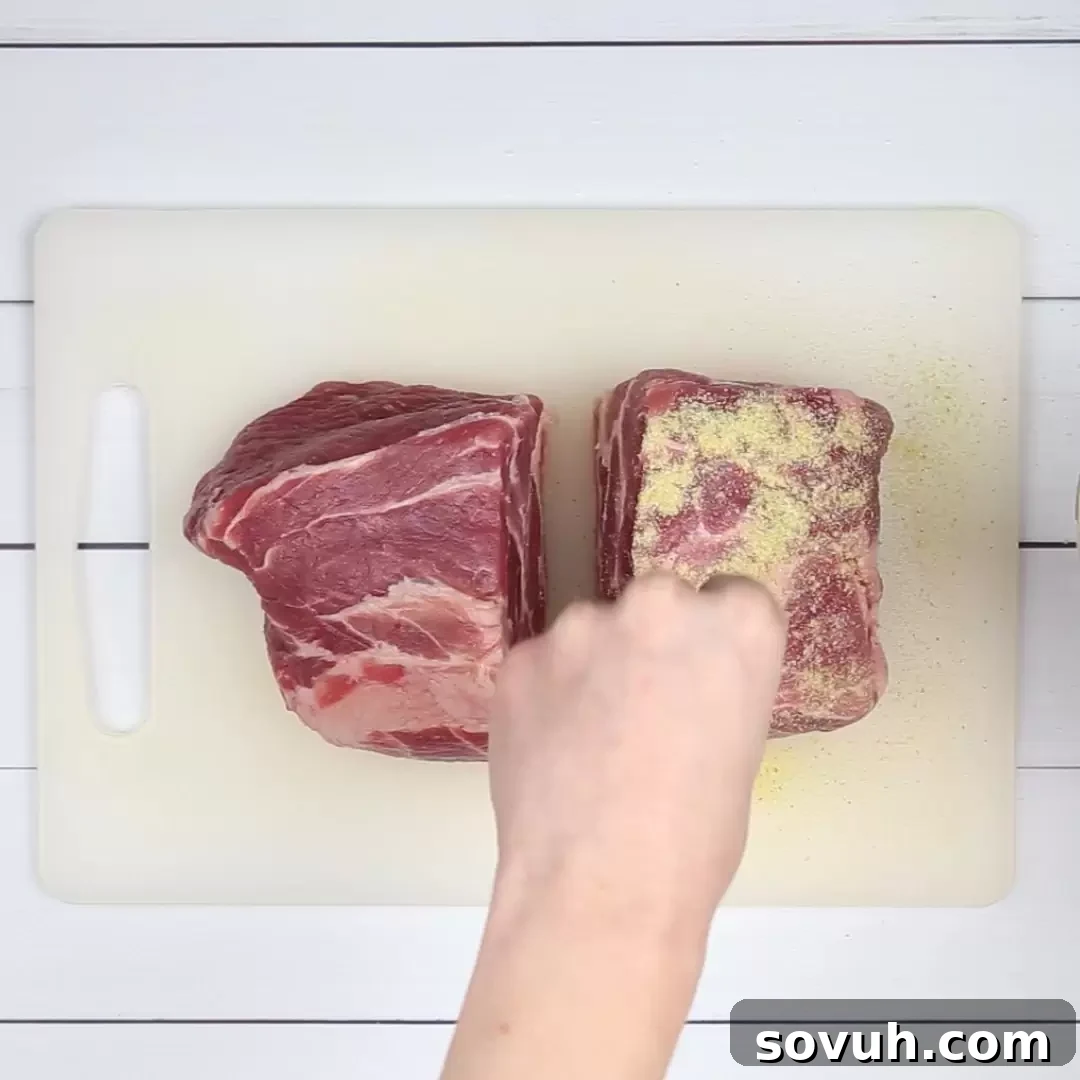
- Step 1: Create the Dry Rub. In a small bowl, combine all your chosen dry spices – 1 tablespoon onion powder, 1 teaspoon garlic powder, 1 tablespoon mustard powder, 2 teaspoons salt, and 1/2 teaspoon black pepper. Stir them together thoroughly to ensure an even blend. This balanced dry rub will infuse the pork with deep, aromatic flavor from the very beginning.
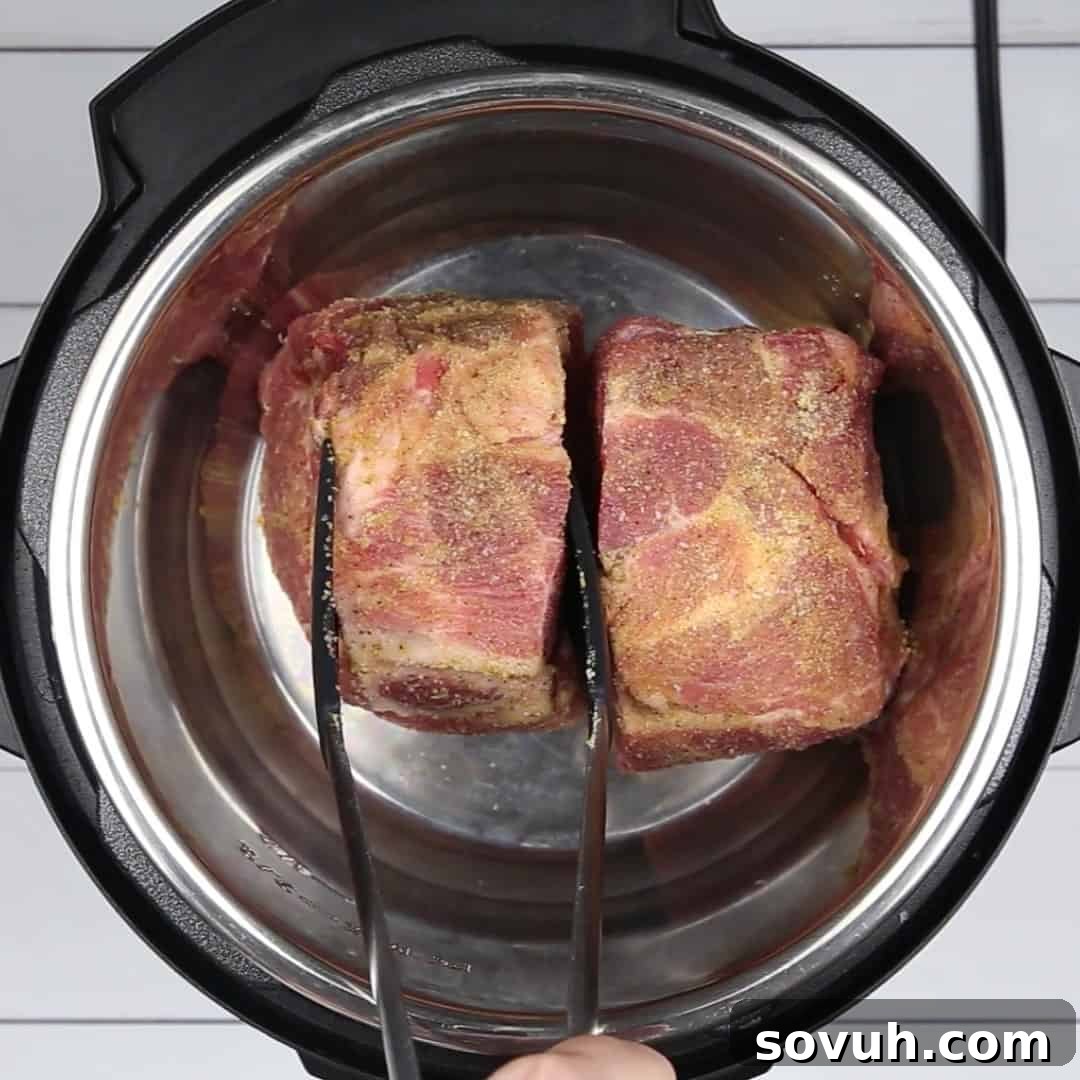
- Step 2: Prepare the Pork. If your pork shoulder is a large, single piece, cut it into two manageable, roughly 1-pound portions. This strategic cut helps the meat cook more evenly and allows the spice rub to penetrate better, maximizing flavor. Generously rub the prepared spice mixture all over each piece of pork, ensuring every surface is completely coated for maximum seasoning.
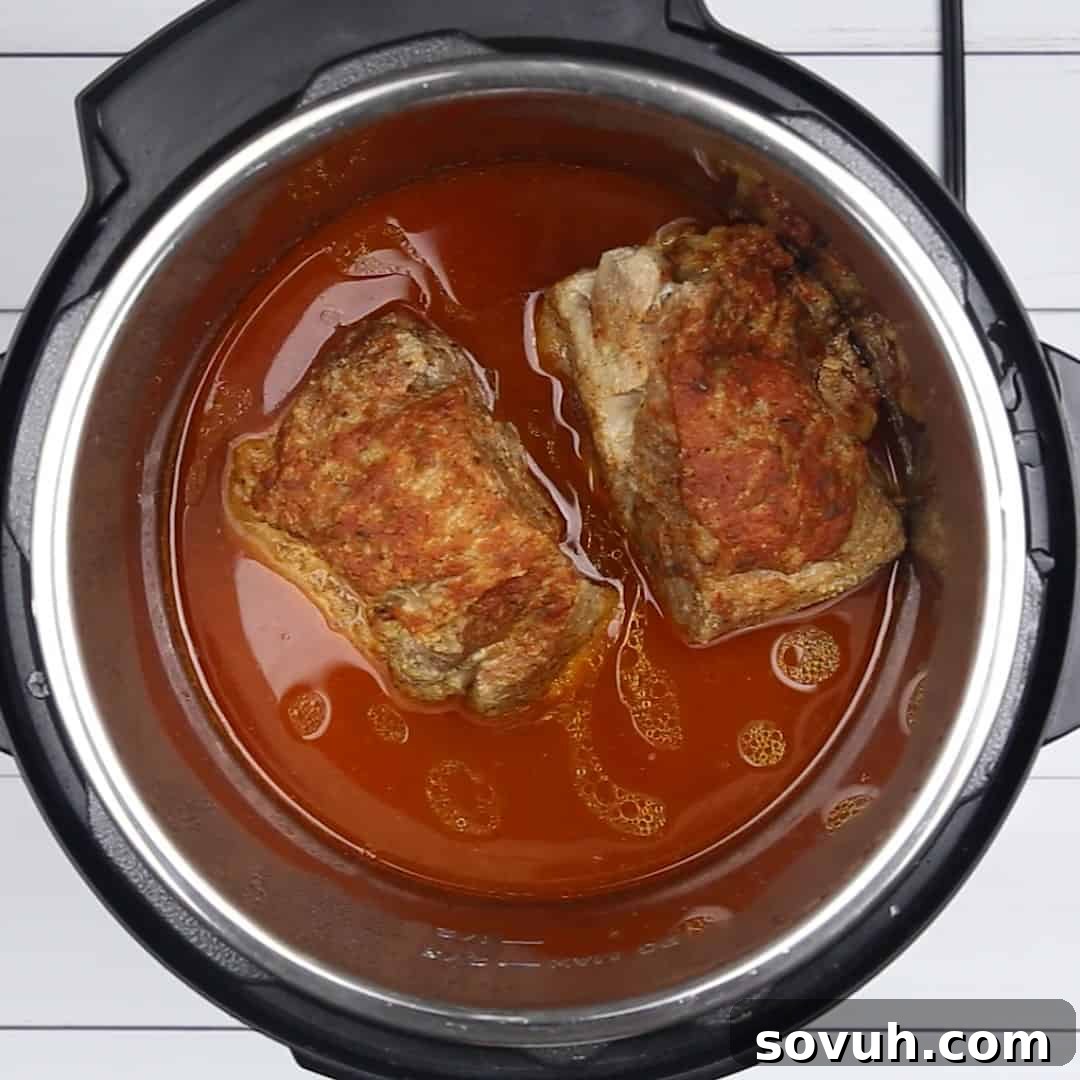
- Step 3: Pressure Cook. Carefully place the seasoned pork into the inner pot of your pressure cooker. Pour in 1/2 cup of your favorite BBQ sauce and 1/2 cup of water (or broth). Lock the lid securely in place and turn the steam release valve to the SEALING position. Set your pressure cooker to cook on HIGH pressure for 40 minutes for approximately 2 pounds of pork. For larger cuts (2-3 pounds), you might extend the cooking time to 60-75 minutes to ensure ultimate tenderness.
- Step 4: Natural Release and Vent. Once the cooking cycle is complete and the pressure cooker’s timer goes off, allow the pressure cooker to perform a natural pressure release for 10 minutes. This crucial step is vital for the meat to reabsorb its juices, ensuring it remains incredibly moist and tender. After 10 minutes, carefully turn the steam release valve to the VENTING position to quickly release any remaining pressure. Wait until the floating valve drops completely before safely removing the lid.
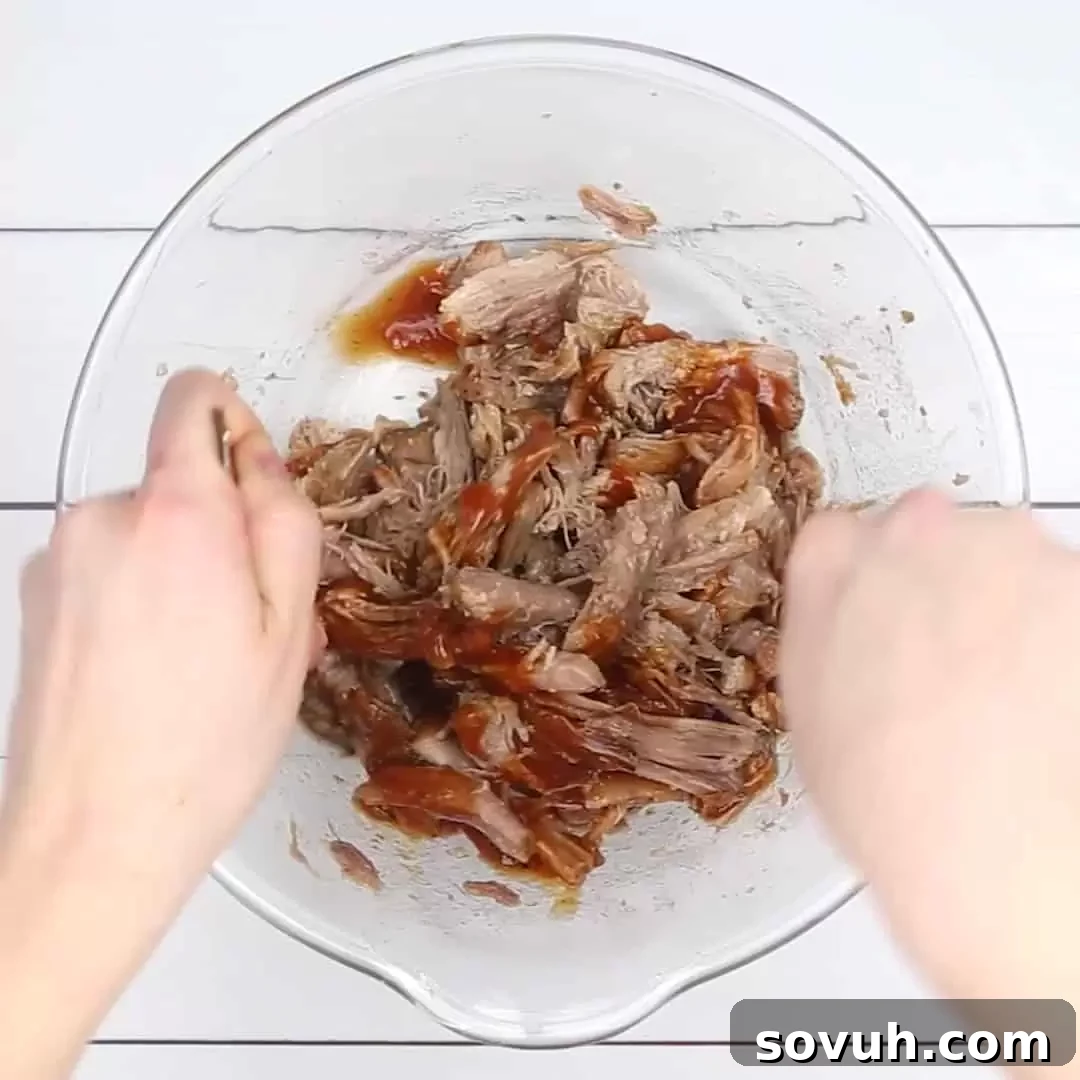
- Step 5: Shred and Serve. Gently remove the incredibly tender pork from the pressure cooker, transferring it to a large bowl or a sturdy cutting board. Leave the flavorful cooking liquid behind in the pot; it contains rendered fat and spices that you can use later to moisten the pork or even thicken into a delicious sauce if desired. Using two forks or specialized meat claws, easily shred the pork into your desired consistency. Stir in additional BBQ sauce to taste, ensuring every strand is coated in deliciousness and has the perfect level of moisture.
- Step 6: Enjoy! Serve your freshly made pressure cooker pulled pork immediately, piled high on soft slider buns, or as a delectable component in various other dishes. This recipe is designed for maximum flavor and minimum fuss, making it an instant crowd-pleaser.
Pressure Cooker vs Instant Pot: Understanding the Difference
The terms “pressure cooker” and “Instant Pot” are often used interchangeably, leading to some confusion among home cooks. While an Instant Pot is indeed a type of pressure cooker, the distinction is important for clarity and understanding the versatility of modern kitchen appliances.
A pressure cooker is a fundamental cooking appliance designed to cook food rapidly by creating a high-pressure, high-temperature environment. It consists of a sealed pot with a locking lid that traps steam, causing the internal pressure and temperature to rise significantly above the boiling point of water. This unique process drastically reduces cooking times for a wide array of foods, from tough cuts of meat and beans to grains and vegetables, making them incredibly tender and flavorful.
An Instant Pot, conversely, is a specific brand of electric multi-cooker that gained immense popularity for its versatility and user-friendly features. While its primary function is electric pressure cooking, it often incorporates multiple other cooking modes such as slow cooking, sautéing, rice cooking, steaming, and even yogurt making, all controlled via digital interfaces. It represents a modernized evolution of the traditional stovetop pressure cooker, integrating enhanced safety mechanisms, programmed settings, and convenience features that make it a highly favored appliance in many kitchens.
Therefore, all Instant Pots are pressure cookers, but not all pressure cookers are Instant Pots. For this recipe, any electric pressure cooker (be it an Instant Pot, Ninja Foodi, Crock-Pot Express, etc.) will yield excellent results as the core cooking principles – the high-pressure environment that tenderizes the pork so effectively – remain consistent across brands. You can confidently use the appliance you own.
Want to give this recipe a try in a slow cooker? For those who prefer the traditional low and slow method, or if you don’t have a pressure cooker, we have you covered! Explore our equally delicious Slow Cooker BBQ Pulled Pork or our flavorful Slow Cooker Pulled Pork Carnitas recipes, which offer alternative cooking approaches for similar fantastic results.
Creative Recipes That Use Pulled Pork
Pulled pork isn’t just for sandwiches! Its rich, savory flavor and tender texture make it a fantastic base for a multitude of creative and delicious dishes. Repurpose your leftovers or make an extra-large batch specifically for these culinary adventures, making meal prep a breeze:
- Pulled Pork Enchilada Casserole: A comforting and flavorful twist on traditional enchiladas, layering shredded pork with tortillas, cheese, and a zesty enchilada sauce for a hearty, satisfying meal that’s perfect for feeding a family.
- Pulled Pork Tacos: Transform your pulled pork into vibrant and easy tacos by adding fresh toppings like crunchy cabbage slaw, tangy pickled onions, a sprinkle of cilantro, and a drizzle of crema. A quick and delicious weeknight dinner that’s endlessly customizable.
- Pulled Pork Quesadillas: Combine tender pulled pork with melting cheese (cheddar or Monterey Jack are great choices) between crispy tortillas for an irresistible appetizer or light meal. Serve with salsa, sour cream, and guacamole for a complete flavor experience.
- BBQ Pulled Pork Sliders: The quintessential way to serve pulled pork for parties! Small, manageable sandwiches piled high with pulled pork and often topped with a scoop of coleslaw for extra crunch and tang, perfect for feeding a crowd.
- Pulled Pork Pizza: Use pulled pork as a unique and flavorful topping for homemade or store-bought pizza crusts. Start with a BBQ sauce base, add mozzarella and pulled pork, and finish with red onion and fresh cilantro after baking for a gourmet touch.
- Pulled Pork Nachos: Layer pulled pork generously over crispy tortilla chips with copious amounts of melted cheese, spicy jalapeños, black beans, corn, and your favorite nacho toppings for an ultimate snack, appetizer, or party dish.
- Pulled Pork Mac and Cheese: Stir your shredded pork into a creamy, homemade macaroni and cheese for the ultimate comfort food fusion. The rich flavors meld beautifully for a truly indulgent meal.
The possibilities are endless once you have a batch of delicious pressure cooker pulled pork on hand, making it a fantastic staple for your meal rotation!
The Sear Debate: Is It Necessary?
A common question when preparing meat, especially when utilizing a pressure cooker, is whether searing it beforehand is truly essential. For pressure cooker pulled pork, the short answer is: no, it’s not strictly necessary, though it can offer subtle enhancements.
Traditionally, searing meat before cooking aims to create a caramelized crust through the Maillard reaction, which develops deeper, richer flavors and can help “lock in” juices. While this technique is highly beneficial for cooking methods like roasting, grilling, or stovetop frying, the unique environment of a pressure cooker achieves similar tenderizing and flavor-enhancing results through different means. The high heat and steam within the sealed pot work to break down connective tissues and infuse the meat with the flavors from the cooking liquid and spices, resulting in an inherently flavorful and moist product.
Many home cooks find that pressure-cooked meats inherently taste richer and more flavorful due to this rapid, intense cooking process. Therefore, if your primary goal is maximum convenience and speed, skipping the searing step will not significantly compromise the tenderness or overall deliciousness of your pulled pork. The pressure cooker will still deliver a fantastic result.
However, if you have a few extra minutes and desire an even deeper, more complex flavor profile with a hint of browned crust, you are absolutely welcome to sear the pork shoulder. Many modern electric pressure cookers, like the Instant Pot, feature a “Sauté” function that allows you to sear the pork directly in the pot before adding other ingredients and initiating pressure cooking. Simply pat the pork pieces dry, add a tablespoon of oil to the pot on the sauté setting, and sear until they achieve a desired golden-brown color on all sides. Then, proceed with the rest of the recipe instructions. It’s entirely a matter of personal preference and how much time you have available to dedicate to the prep phase.
Techniques for Shredding or “Pulling” Pork
Once your pork is perfectly cooked and fall-apart tender, the next step is to “pull” or shred it. This process is surprisingly easy and can be done using several common kitchen tools. Choose the method that best suits your equipment, the quantity of pork, and your desired shred consistency:
- The Traditional Two-Fork Method: This is the most classic and widely used approach, and it requires no special equipment. Simply take two sturdy forks, insert them into a piece of pork, and pull them in opposite directions to separate the meat fibers. This method allows for excellent control over the shred size, from chunky pieces perfect for robust sandwiches to finely shredded strands ideal for tacos, and it’s a very satisfying tactile experience.
- Meat Shredder Claws: For a more efficient and less messy experience, especially when dealing with larger quantities, consider investing in meat shredder claws. These handheld tools are designed with sharp, sturdy prongs that mimic a bear’s claws, making incredibly quick work of shredding large quantities of meat. You simply grip the meat with one claw and pull with the other, making shredding faster, easier on your hands, and keeping them cleaner.
- Stand Mixer (for large batches): This might sound unconventional, but a stand mixer fitted with a paddle attachment is a fantastic hack for shredding large batches of pork incredibly fast. Place the cooked pork into the mixer bowl, turn it on low speed for just a few seconds to a minute, and watch as the paddle effortlessly shreds the meat. Be cautious not to overmix, as it can turn the pork mushy if processed for too long. This method is particularly useful when preparing pulled pork for a big party or batch cooking for meal prep.
- Food Processor (for fine shredding): If you prefer a very finely shredded or almost minced texture, a food processor can be employed. Using the standard blade, place cooled pork into the bowl and give it a few quick pulses. This method is efficient for achieving a consistent, fine shred, which can be great for certain applications like stuffed peppers or small slider buns. Again, pulse carefully to avoid over-processing.
As you can see, there are multiple effective ways to shred pork, and the “right” method is simply the one that makes you happy and works best with your available tools. We’ve experimented with several, and all deliver great results depending on the desired outcome and quantity.
It’s worth noting that if you choose a leaner cut of meat, such as pork loin or tenderloin, these can be denser and might benefit more from the power of a stand mixer or food processor to achieve a well-pulled texture, as they might not shred as effortlessly with forks alone compared to a fatty pork shoulder.
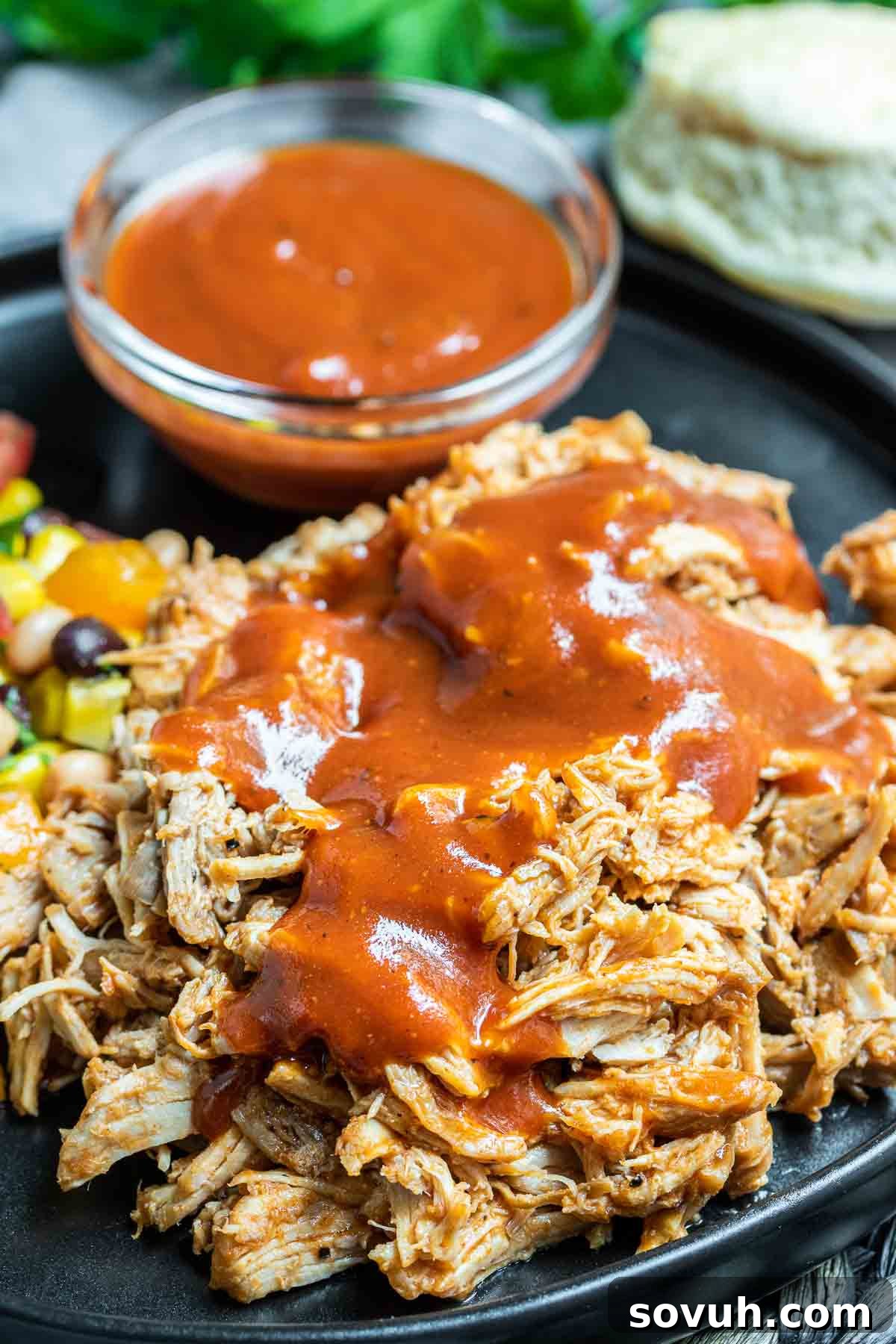
Exploring Alternative Cuts of Meat for Pulled Pork
While pork shoulder (often referred to as Boston Butt) is the undeniable champion for pulled pork due to its ideal fat-to-meat ratio and abundant connective tissue, several other cuts can also be transformed into delicious pulled pork in a pressure cooker. The key is selecting cuts that can withstand the cooking process and become tender, rather than dry. Understanding the characteristics of each cut will help you choose the best option for your needs:
- Pork Butt (Boston Butt): This is arguably the most common and highly recommended cut for pulled pork, technically originating from the upper part of the pork shoulder (above the picnic shoulder). It’s an excellent choice, often preferred for its slightly more consistent marbling and the ease with which it shreds. It offers a rich, deep pork flavor that is incredibly satisfying and holds up well to pressure cooking.
- Pork Loin: This is a leaner cut located along the back of the pig. While not as fatty as the shoulder, it can still be used for pulled pork, especially if you’re aiming for a healthier, less rich option. The trick with pork loin is to avoid overcooking it, as its low fat content makes it prone to drying out. Ensure ample cooking liquid is used, and consider reducing the cooking time slightly. It will likely require more external moisture (like extra BBQ sauce or broth) after shredding to achieve a moist consistency.
- Pork Belly: Known for its exceptionally high fat content and incredible flavor, pork belly can certainly be used for pulled pork, though it will result in a much richer, almost decadent dish. The abundant fat renders down to create incredibly tender meat. It’s more delicate than shoulder, so gentle handling during shredding is advised to maintain its texture. The rendered fat also contributes significantly to the overall moisture and taste.
- Pork Country-Style Ribs: Despite their name, these aren’t true ribs but boneless cuts from the blade end of the pork loin or shoulder. Because they are often cut from the shoulder meat, they share many of the desirable characteristics—rich flavor and inherent tenderness—that make pork shoulder ideal for pulling. They cook wonderfully in the Instant Pot, yielding tender, shreddable meat with minimal effort, and are often sold in smaller, more manageable pieces.
- Pork Picnic Shoulder: This is the lower part of the pork shoulder, typically sold with the skin on and sometimes a bone. It’s also excellent for pulled pork, offering a good balance of meat and fat. While it might require a bit more trimming after cooking to remove the skin and excess rendered fat, the meat itself becomes wonderfully tender and flavorful under pressure.
Each of these alternative cuts brings its own unique characteristics to the pulled pork, from varying fat levels to subtle differences in texture. Experimenting with different cuts can open up new flavor dimensions and cater to different dietary preferences, proving that delicious pulled pork can be made even when your top choice isn’t readily available.
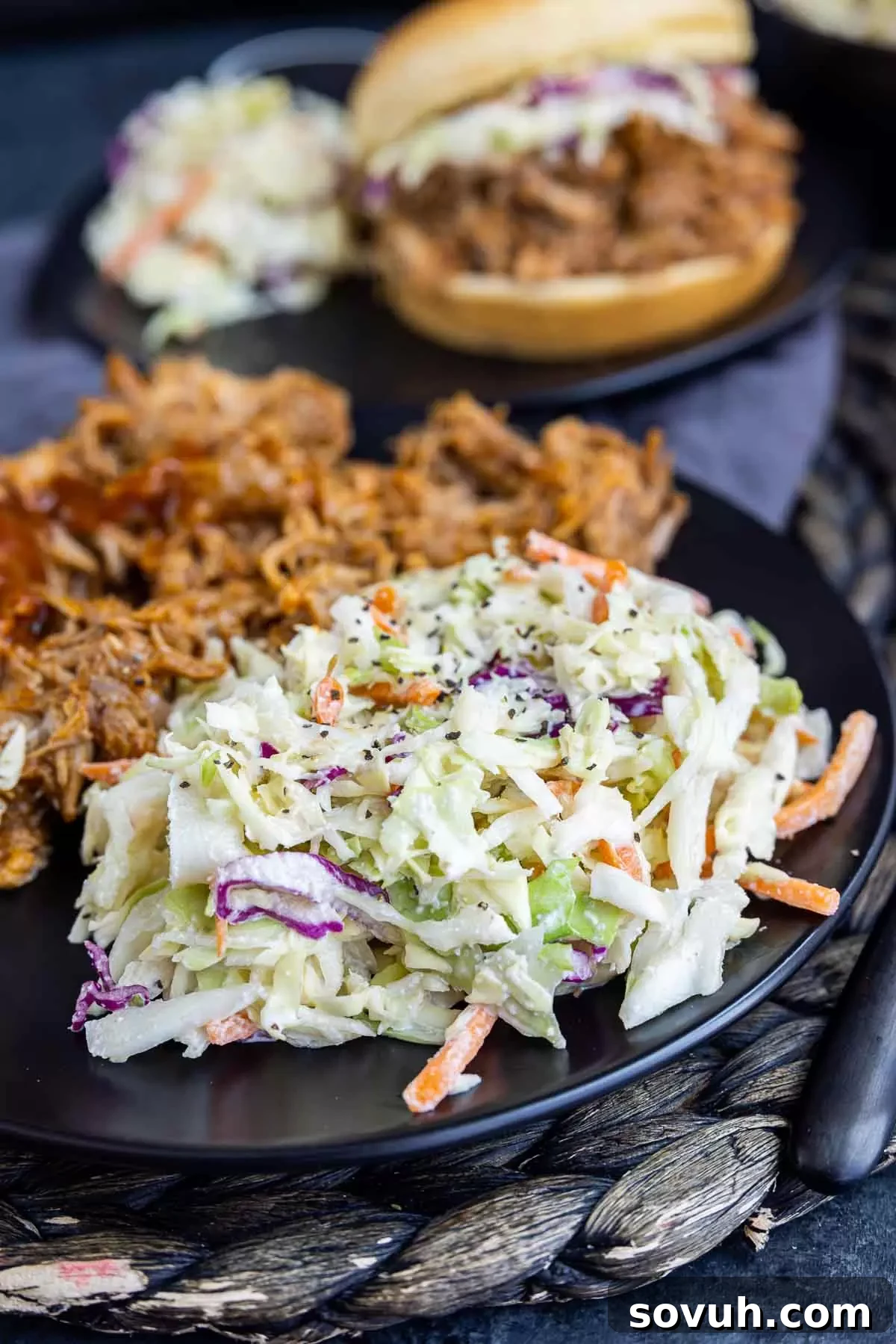
What to Serve With Pulled Pork: Classic and Creative Pairings
Pulled pork is incredibly versatile, making it easy to pair with a wide array of side dishes that complement its rich, savory, and often sweet or tangy flavors. Whether you’re planning a full BBQ spread, a casual get-together, or a simple weeknight meal, here are some delicious options that will elevate your pulled pork experience:
- Classic Coleslaw: A quintessential pairing, coleslaw offers a refreshing crunch and a tangy or creamy counterpoint to the richness of the pork. A creamy mayo-based coleslaw provides a comforting balance, while a vinegar-based slaw cuts through the richness with a bright, zesty flavor, helping to cleanse the palate.
- Hearty Baked Beans: Another beloved BBQ staple, baked beans contribute a delightful sweetness, smoky undertones, and complex, savory depth to the meal. Whether you use a quick canned version doctored up with a few extra ingredients or prepare them from scratch, their robust flavor pairs beautifully with pulled pork.
- Warm Cornbread: This Southern comfort food, with its slightly sweet and crumbly texture, is perfect for soaking up all the delicious juices and sauce from the pulled pork. Serve it warm with a generous dollop of butter or a drizzle of honey for an extra treat that enhances its comforting appeal.
- Refreshing Pasta Salad: A versatile and crowd-pleasing side, pasta salad can be customized in countless ways. Incorporate fresh vegetables like bell peppers and cherry tomatoes, different types of pasta (such as rotini or fusilli), and a variety of dressings (like a zesty Italian vinaigrette or a creamy dill dressing) to create a vibrant and satisfying complement to the main dish.
- Creamy Potato Salad: The ultimate summer BBQ side, potato salad is a comforting and satisfying addition that can be made ahead of time. Prepare it with a creamy mayo dressing, or a tangy mustard-based one, and load it with fresh herbs and vegetables like celery and red onion for added texture and flavor. It’s a fantastic make-ahead dish, as its flavors often improve overnight.
- Grilled Vegetables: Simple grilled corn on the cob, asparagus spears, or bell peppers offer a fresh, slightly smoky flavor that lightens the meal and adds nutritional value. A simple drizzle of olive oil, salt, and pepper is all you need.
- Crispy French Fries or Onion Rings: For a more indulgent side, a pile of hot, crispy french fries or golden onion rings can be a perfect companion to pulled pork sandwiches, adding a satisfying crunch.
- Pickles and Onions: A simple yet incredibly effective pairing, sliced dill pickles and thinly sliced red onions provide a sharp, acidic contrast that cleanses the palate and enhances the pork’s rich flavor profile.
Don’t hesitate to experiment with different flavors and textures to discover your personal favorite combinations. The beauty of pulled pork lies in its adaptability, making it a beloved dish that can be enjoyed with a diverse range of accompaniments!
Storage Tips for Freshness
Properly storing your pressure cooker pulled pork is crucial for maintaining its quality, flavor, and ensuring food safety. Whether you’re planning to enjoy leftovers within a few days or save some for future meals, these guidelines will help you keep your pulled pork fresh and delicious:
Refrigerator Storage Instructions:
- Cool Down Quickly: It is essential to allow the pulled pork to cool down to room temperature as quickly as possible, ideally within two hours after cooking. Spreading it out on a shallow tray or plate can help speed up the cooling process, preventing bacteria growth.
- Airtight Container: Once cooled, transfer the pulled pork into an airtight container. This is vital to prevent air exposure, which can dry out the meat, introduce contaminants, and lead to spoilage. Alternatively, you can wrap smaller portions tightly in several layers of plastic wrap or heavy-duty aluminum foil before placing them in a container.
- Label and Date: Always label your container with the contents and the date of preparation. Store the pulled pork in the refrigerator, where it will remain fresh and safe to eat for up to 3-4 days.
Freezer Storage Instructions:
- Complete Cooling: Ensure the pulled pork is completely cooled before freezing. Freezing warm food can raise the temperature of your freezer, affect other stored items, and compromise the texture of the pork upon thawing.
- Portioning for Convenience: Divide the pulled pork into individual serving sizes or meal-sized portions before freezing. This makes thawing and reheating much more convenient, as you only take out what you need, reducing waste. You can also freeze it with a little bit of its cooking liquid or BBQ sauce to maintain moisture.
- Freezer-Safe Packaging: Place the portions into freezer-safe airtight containers or heavy-duty resealable freezer bags. If using bags, press out as much air as possible before sealing to prevent freezer burn, which can severely compromise taste and texture, leaving the meat dry and discolored.
- Label and Date: Label each package with the contents and the date frozen. Stored correctly, pulled pork can maintain its quality in the freezer for up to 3-4 months. For optimal taste and texture, try to consume it within this timeframe.
By following these simple storage tips, you can extend the life of your delicious pressure cooker pulled pork and ensure you have a convenient, ready-to-eat meal component long after its initial preparation.
How to Safely Thaw Frozen Pulled Pork
Thawing frozen pulled pork safely is just as important as proper storage to prevent the growth of harmful bacteria and maintain its quality. Improper thawing can lead to foodborne illness, so always adhere to these guidelines:
Refrigerator Thawing (Recommended Method):
- Transfer to Refrigerator: The safest and most recommended way to thaw frozen pulled pork is to transfer it from the freezer to the refrigerator. Place the sealed container or bag on a plate or in a shallow dish to catch any condensation or drips, preventing cross-contamination.
- Allow Ample Time: Depending on the quantity and thickness of the pork, it will typically take 24-48 hours to thaw completely in the refrigerator. Plan ahead for this method, as it requires patience but guarantees food safety.
- Reheat Promptly: Once thawed in the refrigerator, the pulled pork should be reheated and consumed within 3-4 days. It is safe to refreeze pork that has been thawed in the refrigerator if it has not been cooked or if it hasn’t exceeded safe temperatures.
Cold Water Thawing (Quick Method):
- Sealed Packaging is Key: Ensure the pulled pork is in a leak-proof bag or container. This is absolutely critical to prevent water from contacting the meat, which can affect its texture, leach out flavor, and compromise its safety by introducing bacteria.
- Submerge in Cold Water: Place the sealed package of frozen pulled pork into a large bowl or clean sink filled with cold tap water. Do NOT use hot water, as this can quickly bring the outer layers of the pork into the “danger zone” (40°F – 140°F / 4°C – 60°C) where bacteria multiply rapidly.
- Change Water Frequently: Change the cold water every 30 minutes to ensure it remains cold and facilitates continuous, safe thawing. This method can thaw a 1-pound package in about an hour.
- Cook Immediately: Pork thawed using the cold water method should be cooked immediately after it has fully thawed. It should not be refrozen without being cooked first.
Microwave Thawing (Fastest Method, with caveats):
- Use Microwave-Safe Dish: Place the frozen pulled pork in a microwave-safe dish.
- Defrost Setting: Use your microwave’s defrost setting, or a low power setting, and thaw in short intervals (1-2 minutes), rotating and breaking up the pork as it thaws to ensure even defrosting.
- Cook Immediately: Meat thawed in the microwave must be cooked immediately after thawing because some parts of the food may have begun to cook during the defrosting process, making it unsafe to refreeze or hold at room temperature.
Always prioritize food safety when thawing any meat. By diligently following these instructions, you can ensure your pulled pork is thawed correctly and ready for a delicious reheating without any health concerns.
Reheating Your Pressure Cooker Pulled Pork
One of the best aspects of pressure cooker pulled pork is how well it reheats, allowing you to enjoy this delicious meal multiple times throughout the week. To preserve its tenderness and juiciness, adding a little extra moisture during reheating is often a good idea. Here are the most effective methods for bringing your pulled pork back to life:
- Oven Reheating (Best for large batches and maintaining texture):
- Preheat your oven to a moderate temperature of 325°F (160°C).
- Place the pulled pork in an oven-safe dish or baking pan. To prevent it from drying out, add a splash of water, chicken broth, or extra BBQ sauce (about 1/4 to 1/2 cup for a standard portion) to the bottom of the dish.
- Cover the dish tightly with aluminum foil to trap moisture and create a steaming environment.
- Bake for approximately 20-30 minutes, or until the pork is thoroughly heated through to an internal temperature of 165°F (74°C). The exact time will depend on the amount of pork being reheated. Stir halfway through for even heating.
- Stovetop Reheating (Great for smaller portions and quick adjustments):
- Transfer the pulled pork to a saucepan or skillet.
- Add a small amount of liquid, such as water, chicken broth, or your preferred BBQ sauce, to help keep it moist and prevent sticking.
- Heat over medium-low heat, stirring occasionally to ensure even heating and prevent scorching. Continue until it reaches an internal temperature of 165°F (74°C). This method allows for easy stirring and quick adjustments to temperature.
- Microwave Reheating (Quickest option for individual servings):
- Place an individual serving of pulled pork in a microwave-safe dish.
- Add a tablespoon or two of liquid (water, broth, or BBQ sauce) to help retain moisture and cover the dish with a damp paper towel or a microwave-safe lid.
- Heat on high for 1-2 minutes, stirring halfway through, until thoroughly heated. Always check for an internal temperature of 165°F (74°C). Be cautious not to overcook, as the microwave can dry out meat very quickly if not monitored.
Important Note: Always ensure that reheated pulled pork reaches an internal temperature of 165°F (74°C) to be safe for consumption. Using a meat thermometer is the most reliable way to check this. While reheated pulled pork might not be as perfectly juicy as when freshly cooked, adding a little extra liquid and warming it gently will help maintain its delicious flavor and tender texture. Don’t be shy with that extra splash of BBQ sauce or a drizzle of broth!
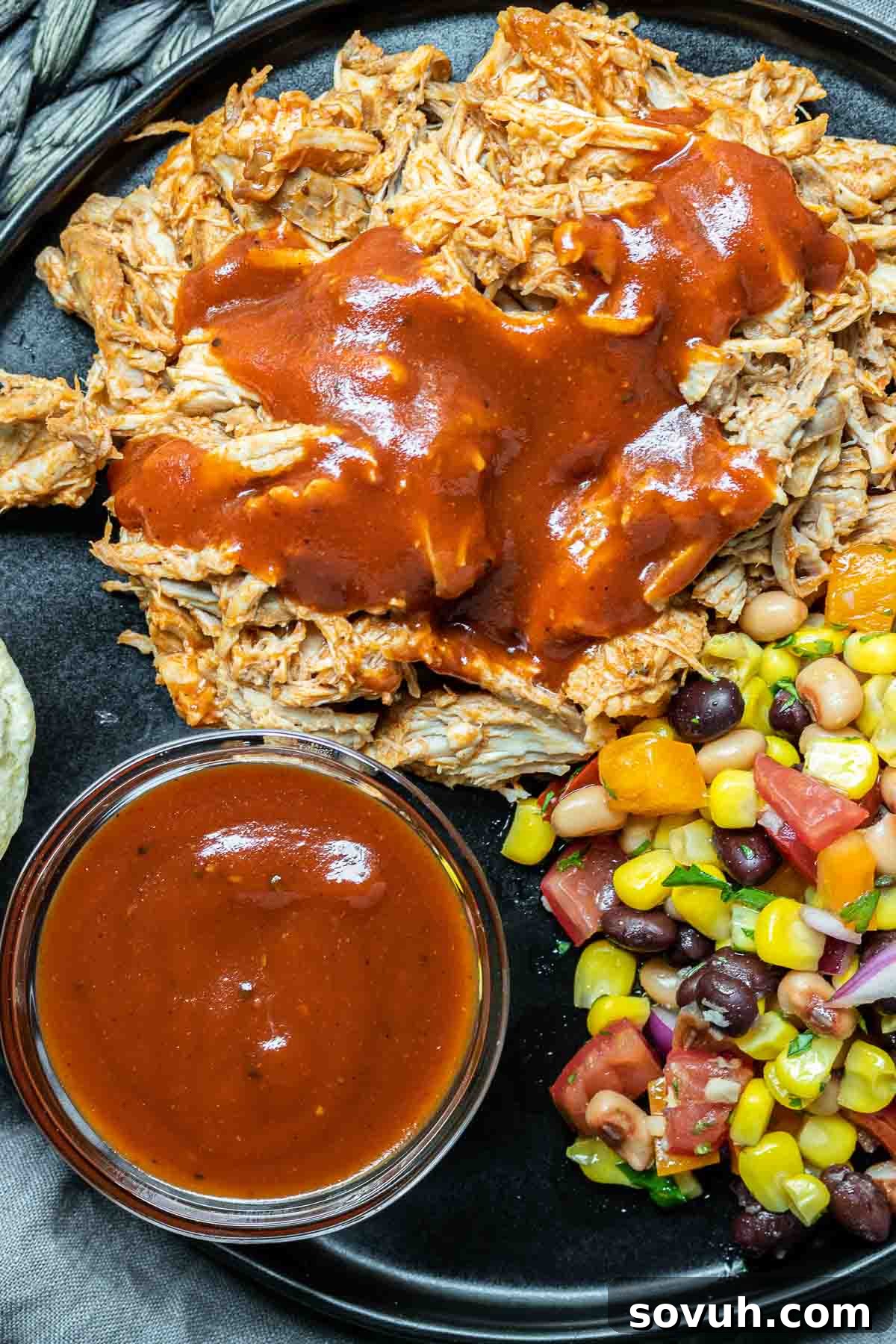
Frequently Asked Questions About Pulled Pork
While it might seem convenient, cooking large cuts of frozen pork (like a shoulder or butt) directly in a pressure cooker is generally not recommended. The exterior might cook too quickly while the interior remains frozen, leading to uneven cooking and potentially unsafe food temperatures. For the best results and paramount food safety, it’s always better to thaw your pork completely before pressure cooking.
Pork tenderloin is a very lean and tender cut of meat, making it excellent for quick-cooking methods like grilling, roasting, or pan-searing. However, it is not ideal for making traditional pulled pork. Pulled pork requires a cut with a good amount of fat and connective tissue, which breaks down during long, slow (or high-pressure) cooking to create that signature fall-apart tenderness. Pork tenderloin lacks these crucial characteristics and would likely become dry and tough if cooked to the point of “pulling” due to its low fat content.
The active pressure cooking time for Instant Pot pulled pork largely depends on the size and thickness of the pork cut. For a 1-pound pork shoulder cut into manageable pieces, typically around 40 minutes on HIGH pressure is sufficient. For larger cuts, such as a 2-3 pound pork shoulder, you should plan for 60 to 75 minutes on HIGH pressure. It’s crucial to remember that this “cook time” does not include the time it takes for the pressure cooker to build up pressure (which can be 10-20 minutes) or the mandatory natural pressure release time (at least 10 minutes). So, the total hands-off time will be longer than just the cook time, usually adding another 20-30 minutes.
The most reliable way to determine if your pork is fully cooked and ready for shredding is by checking its internal temperature with a meat thermometer. For perfectly tender, shreddable pulled pork, the internal temperature should reach between 195°F and 205°F (90°C and 96°C). While pork is safe to eat at 145°F, achieving the higher temperature allows the collagen and connective tissues to fully break down, resulting in that desirable fall-apart texture essential for pulled pork.
Absolutely! To add a delightful kick to your pulled pork, consider incorporating a pinch of cayenne pepper, red pepper flakes, or a dash of chipotle powder into your dry rub. You can also choose a naturally spicy BBQ sauce, or add a few dashes of your favorite hot sauce to the mixture before cooking. For an extra fiery punch, finely chop some fresh jalapeños or habaneros and add them to the pot along with the liquid ingredients.
No problem at all! If you find yourself out of your preferred BBQ sauce, you can easily create a simple yet flavorful liquid with common pantry ingredients. A mixture of ketchup, apple cider vinegar, a touch of brown sugar or maple syrup, Worcestershire sauce, and a dash of hot sauce (if desired) can serve as an excellent homemade substitute. Alternatively, a simple blend of chicken or vegetable broth with additional dry rub spices will still yield delicious, tender pork that you can sauce to your liking after shredding.
Like this recipe?
Make sure to follow us on Instagram and Pinterest for more delicious recipes and cooking inspiration like this.
8
15
50
1
5
Pressure Cooker Pulled Pork
Kat Jeter & Melinda Machado

Print Recipe
Ingredients
- 2 pounds Pork shoulder (or Boston butt)
- 1 tablespoon Onion powder
- 1 teaspoon Garlic powder
- 1 tablespoon Mustard powder
- 2 teaspoons Salt
- 1/2 teaspoon Black Pepper
- 1/2 cup BBQ sauce (plus more to taste)
- 1/2 cup Water (or chicken/vegetable broth)
Instructions
-
Cut the pork shoulder in half to create two roughly 1-pound pieces. This helps ensure even cooking and better flavor penetration.
-
Combine all dry spices (onion powder, garlic powder, mustard powder, salt, and pepper) in a small bowl. Rub this mixture generously over all surfaces of the pork pieces, ensuring they are fully coated.
-
Place the seasoned pork into your pressure cooker. Pour in the BBQ sauce and water (or broth) around the pork.
-
Securely lock the lid in place and turn the steam release valve to the SEALING position. Set the pressure cooker to cook on HIGH pressure for 40 minutes.
-
Once the cooking cycle is complete, allow the pressure cooker to naturally release pressure for 10 minutes. This is crucial for tenderness. After 10 minutes, carefully turn the valve to VENTING to release any remaining pressure before removing the lid.
-
Remove the tender pork from the pressure cooker, leaving the flavorful cooking liquid behind. Transfer the pork to a large bowl or cutting board and shred it using two forks or meat claws.
-
Stir in additional BBQ sauce to the shredded pork, adjusting to your preferred taste and moisture level. Serve immediately and enjoy your delicious homemade pulled pork!
Notes
Larger Cuts: If using a larger pork shoulder (e.g., 3-4 lbs), increase the pressure cooking time to 60-75 minutes, followed by a 15-minute natural pressure release to ensure it is thoroughly tender.
Serving Suggestions: This versatile pulled pork is fantastic on slider buns, as the filling for tacos or quesadillas, served over baked potatoes, or simply as a main dish with your favorite BBQ sides.
Nutrition
Main Dish, Dinner, Lunch
American, BBQ, Southern
