
Matcha Brands That Make Smooth, Creamy Lattes
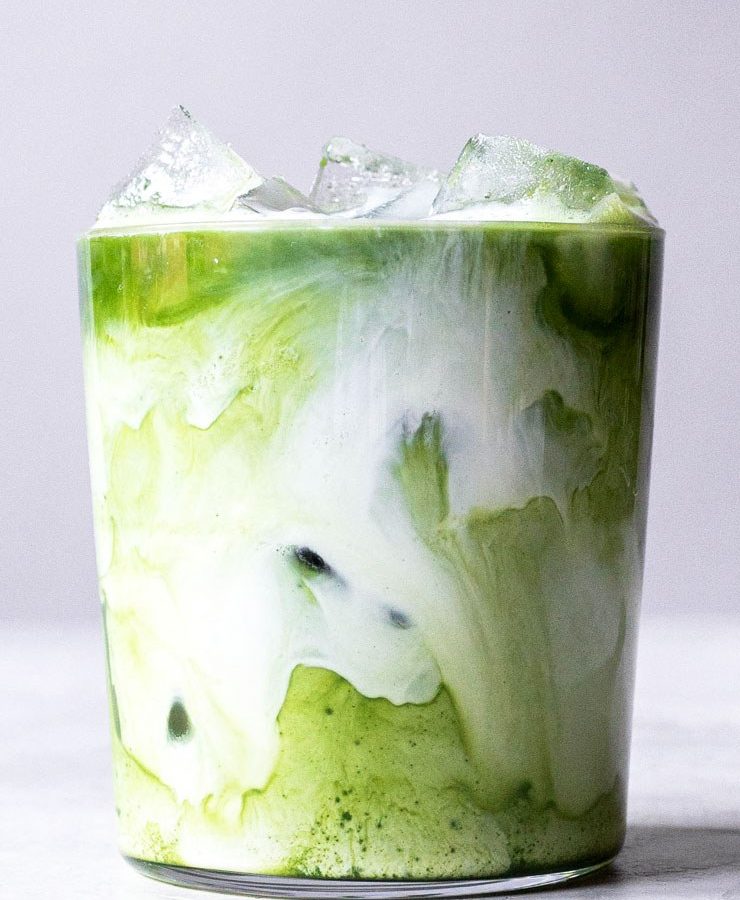
Choosing the wrong matcha can be an expensive mistake. Below you’ll find matcha brands and practical guidance I’ve personally tested and recommend specifically for making flavorful matcha lattes at home.
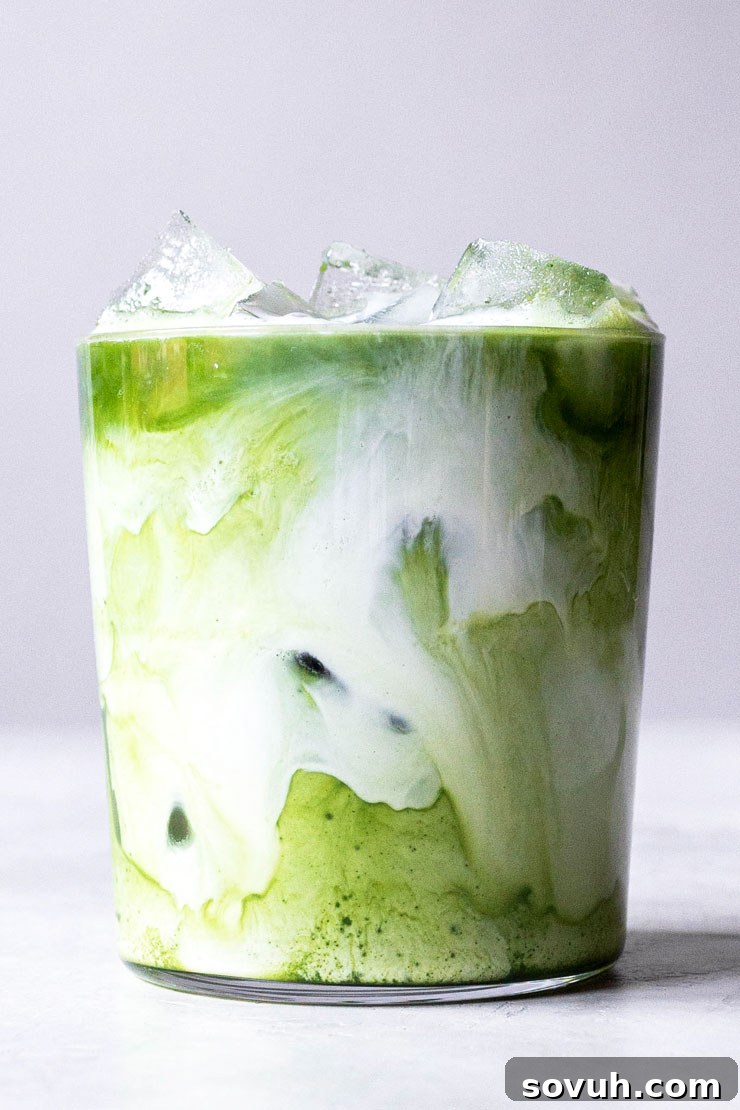
Matcha for Lattes
If you want matcha for lattes but feel overwhelmed by the many options, this guide will help you narrow the choices. I’ve sampled a wide range of products and have focused on matcha that performs well when combined with milk and sweeteners—matcha that keeps its color, aroma, and balance rather than getting lost in dairy.
Note from Jee

Matcha prices have risen significantly in recent years due to growing global demand and trade changes. There have even been reports of worldwide supply constraints. As a result, the price expectations for matcha suitable for lattes have shifted.
Where I once recommended matcha in the $20–$30 range for everyday lattes, I now suggest starting around $30 and choosing up to about $50 for a good balance of quality and value. Higher-end ceremonial matcha may be beautiful on its own, but subtle flavors can be masked by milk and sweeteners.
What to Look For
- Origin: Japan
Genuine matcha traditionally comes from Japan. While powdered green teas from other countries exist, matcha labeled or marketed as “real” matcha is typically Japanese in origin. Pay attention to provenance; very low prices can indicate a lower-quality product. - Price and value
For matcha you plan to mix with milk, aim for the $30–$50 range. This offers bright color and pleasant flavor without overpaying for subtleties that milk will mute. - Color and texture
A vibrant green hue and a fine, silky powder are signs of well-processed matcha. Bright green indicates fresher, younger leaves and careful shading and processing. Avoid dull, brownish powders. - Aroma and taste
Smell the matcha if possible: it should have a fresh, slightly sweet, vegetal scent rather than musty or stale notes. For lattes, look for balance—nutty, slightly sweet, and not overwhelmingly grassy. - Packaging and freshness
Good matcha comes in airtight, opaque containers to protect it from light and air. Check roast or packing dates if available and buy from retailers that store matcha properly.
Ceremonial vs. Culinary Grade
The labels “ceremonial” and “culinary” are commonly used outside Japan to help consumers choose, but they are not formal Japanese classifications. In Japan, producers use a range of specific grade names and terms to indicate quality and intended use. For lattes, you don’t need the most expensive ceremonial matcha; a mid-range matcha that is bright in color and balanced in flavor will perform best when combined with milk and sweetener.
Recommended Matcha For Lattes
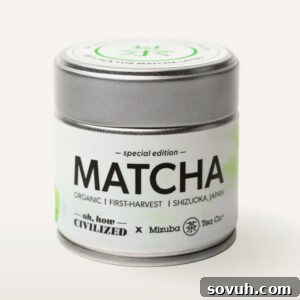
My Matcha Collab
Available from the producer
Ippodo Tea
Available from specialty tea retailers
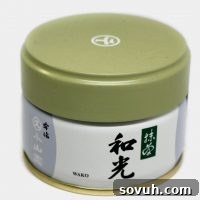
Marukyu Koyamaen
Sold through specialty tea shops
Preparing Matcha Lattes: Simple Tips
- Proportions
For a single 8–12 ounce latte, start with about 1/2 to 1 teaspoon (roughly 1–2 grams) of matcha. Adjust to taste—some prefer a bolder tea flavor, others a subtler note. - Mix first with a little water
Whisk the matcha with a small amount of hot (not boiling) water to create a smooth paste. This helps avoid clumps before adding milk. - Water temperature
Use water below boiling—typically around 160–175°F (70–80°C). Very hot water can bring out bitterness; warm water helps maintain sweetness and aroma. - Milk and sweeteners
Any milk (dairy or plant-based) works; oat and almond milks are popular for their creaminess. A touch of sweetener—honey, syrup, or sugar—can balance the tea if desired. - Tools
A small bamboo whisk (chasen) or a small electric frother will help create a smooth, frothy finish. A fine mesh sifter can prevent clumps when measuring powder. - Storage
Store matcha in an airtight, opaque container in a cool, dry place. For longer-term storage, refrigeration can help preserve freshness, but keep the container sealed to prevent moisture and odors.
Choosing the right matcha for lattes means prioritizing bright color, a fresh aroma, and balanced flavor over the most ceremonial or expensive options. With the brands and tips above, you should be able to find a reliable everyday matcha that tastes great with milk and holds up well to sweeteners and frothing.











