Brew Tea Like a Sommelier: Expert Techniques
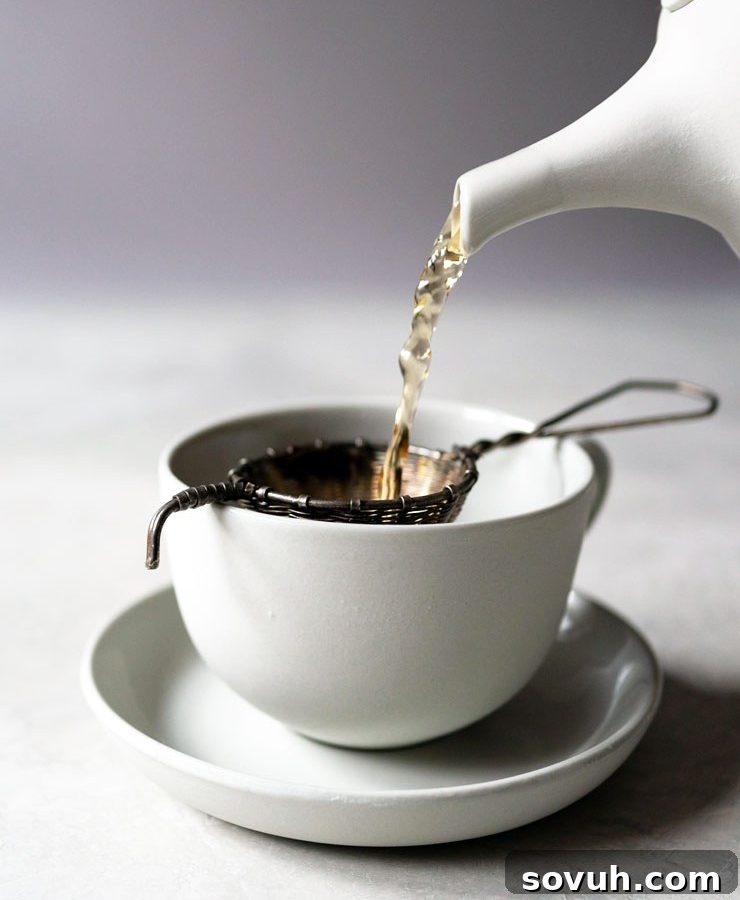
Making a perfect pot of tea comes down to attention to detail. Follow this clear, step-by-step guide from a certified tea sommelier to brew a clean, balanced cup every time.
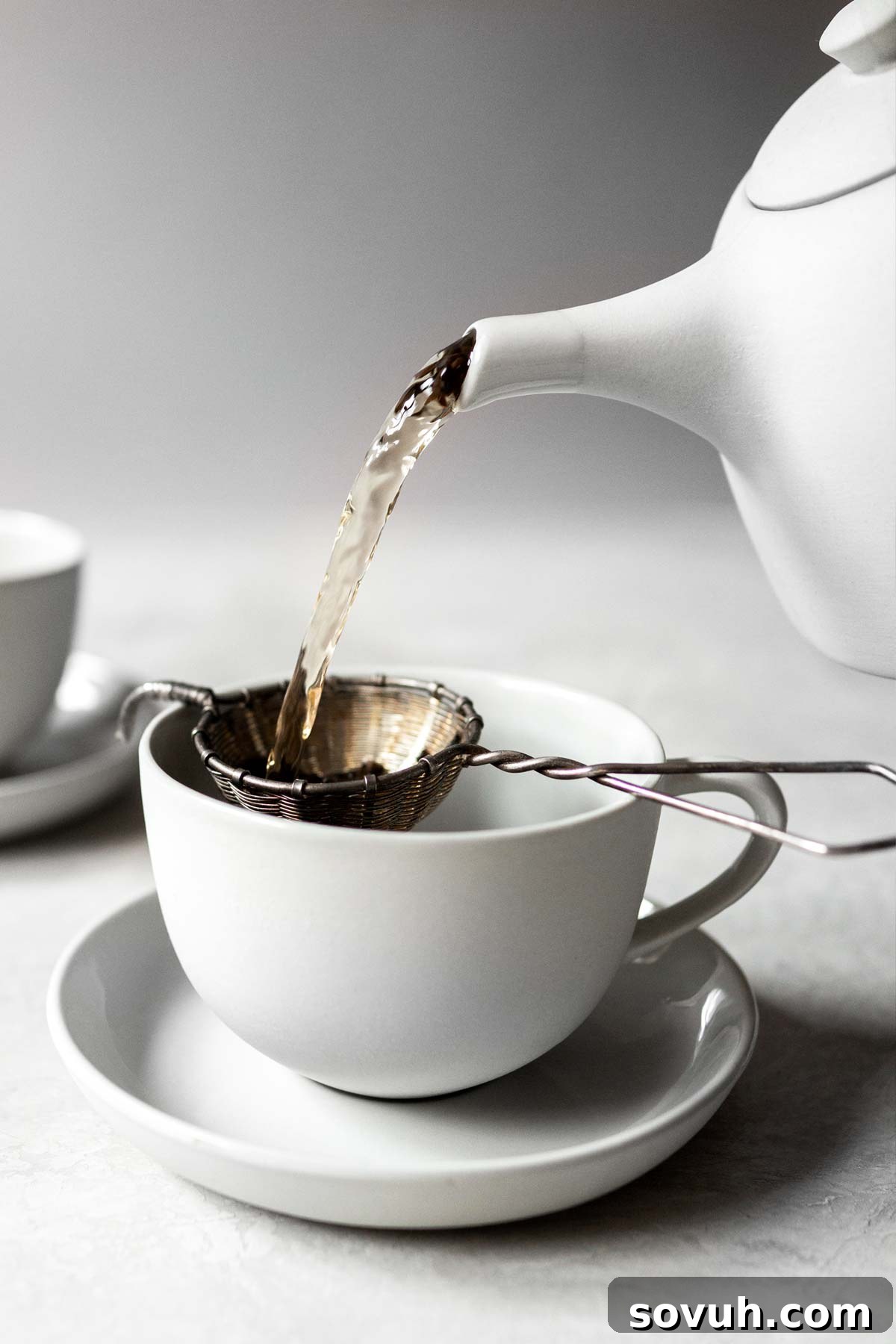
Proper Cup of Tea
At its simplest, tea is just leaves and hot water. To make a truly proper cup, though, a few extra steps will improve the flavor and clarity: control the water temperature, time the steep precisely, and warm your teapot so the infusion remains consistent. These small habits keep bitterness low and the tea’s aromas bright.
Note from Jee

As a certified tea sommelier, I recommend three essentials: an electric kettle with temperature control, a reliable timer to prevent oversteeping, and warming your teapot before brewing. Oversteeping or using water that’s too hot extracts excessive tannins and turns the cup bitter. The following step-by-step method includes practical notes and tips to help you brew better tea at home.
What You’ll Need
- Loose tea: Choose loose-leaf tea when possible. Whole or rolled leaves are higher quality than the finely broken pieces often found in standard tea bags.
- Filtered water: Water quality affects flavor. Use filtered or fresh cold water for a cleaner, more consistent cup.
- Teapot with infuser: A teapot with a roomy infuser gives leaves space to unfurl and release flavor evenly.
- Electric kettle with temperature settings: Different teas extract best at different temperatures. Being able to set the kettle preserves delicate flavors and prevents bitterness.
This guide covers general best practices; check your specific tea packaging for temperature and steeping times recommended by the producer.
Step-by-Step Instructions
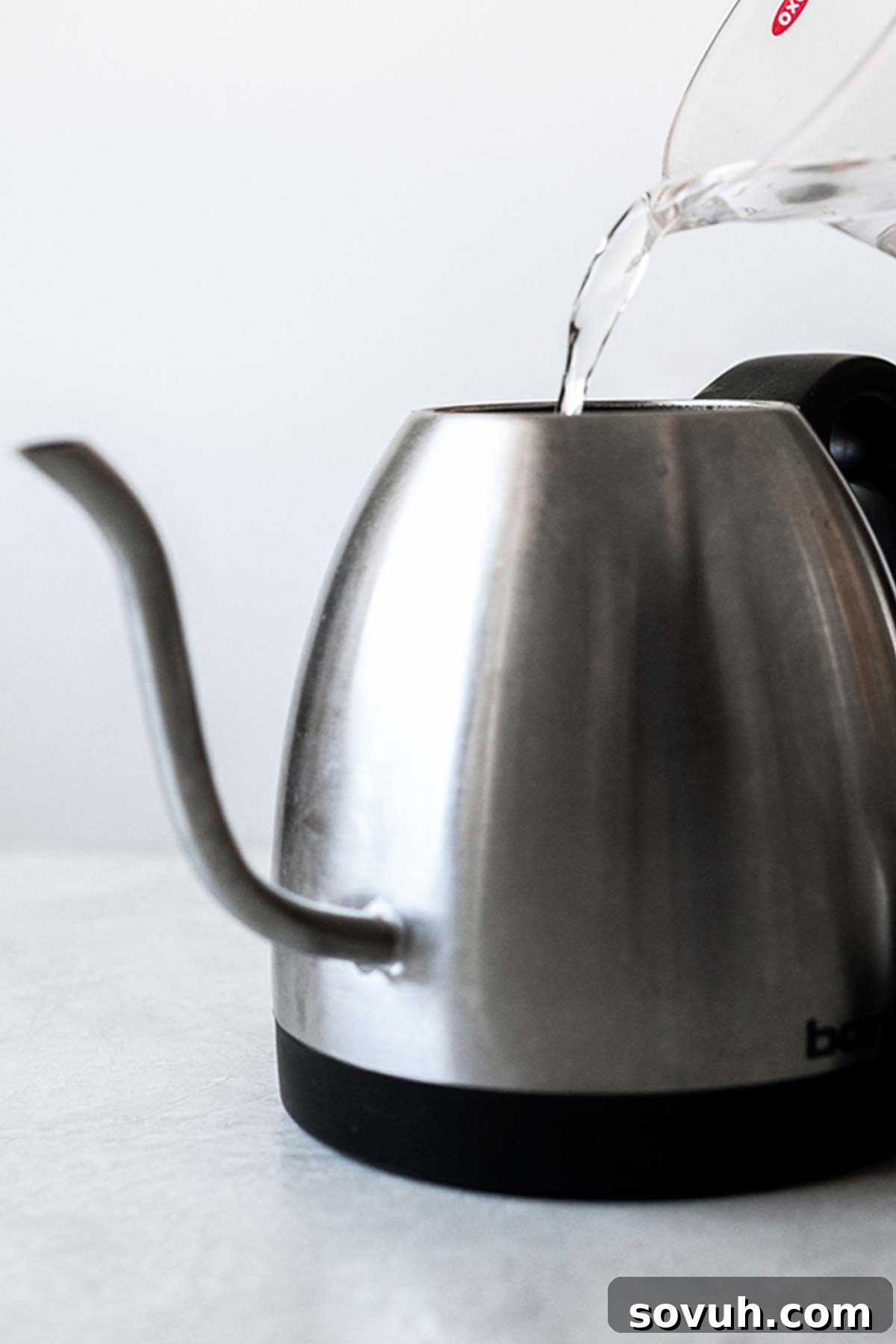
Step 1: Boil and set water temperature.
Different teas require different temperatures. For example, black teas generally brew near boiling (around 200–208°F), while green and white teas need cooler water (often 160–185°F). Use your kettle’s temperature setting or check the tea packaging.
Heat a little extra water than you need so you can warm the teapot in the next step.
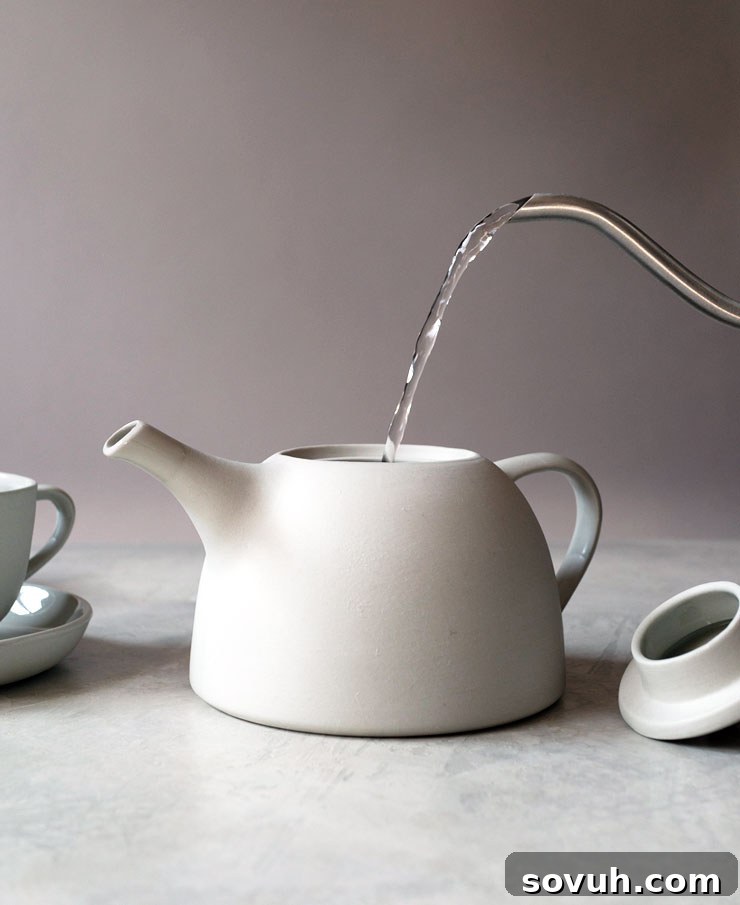
Step 2: Warm the teapot.
Pour some hot water into the teapot, swirl to warm the walls, then discard that water. Warming the teapot prevents the brewing water from cooling too quickly when it meets a cold vessel, ensuring a more even extraction.
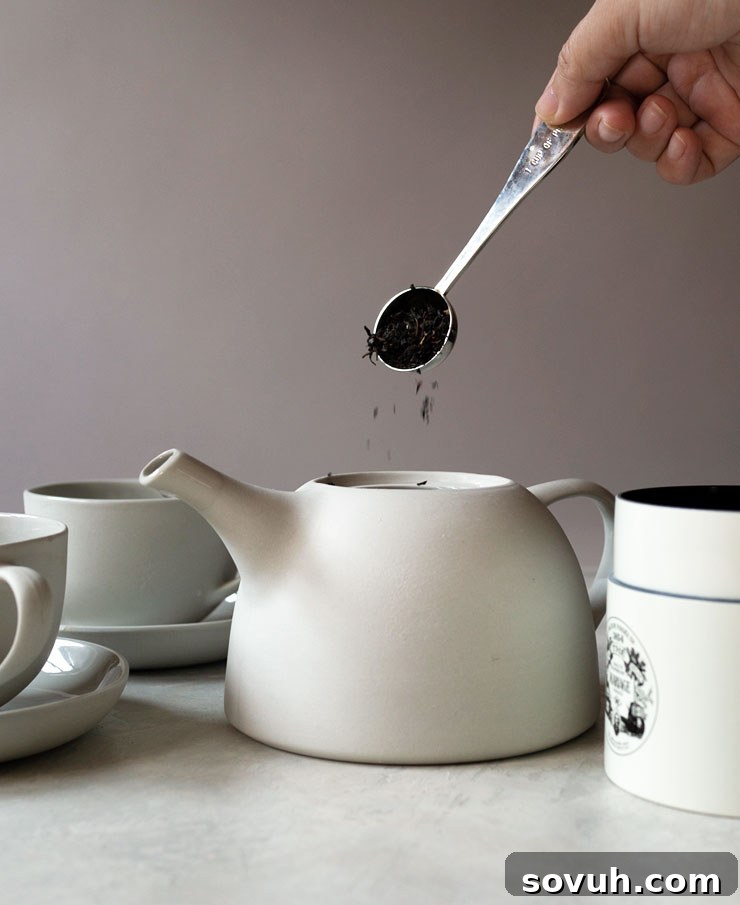
Step 3: Add tea leaves to the infuser.
Measure the leaves into the teapot or infuser first so they contact the water immediately and can begin to hydrate evenly.
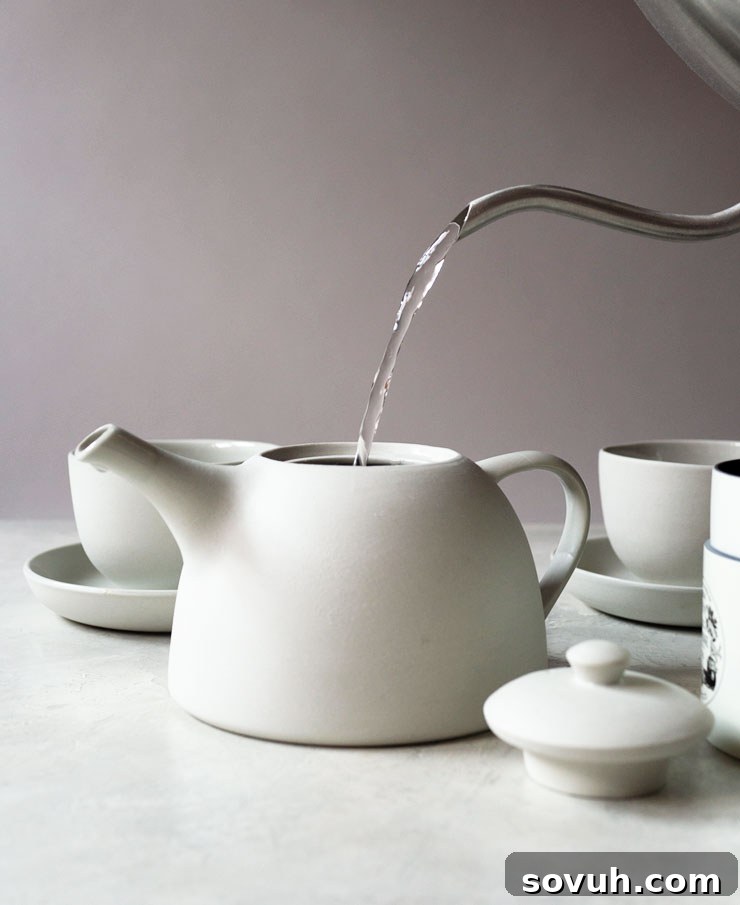
Step 4: Pour the hot water over the leaves.
Use water at the correct temperature and pour steadily to saturate all the leaves. Cover the teapot immediately to retain heat and aroma.
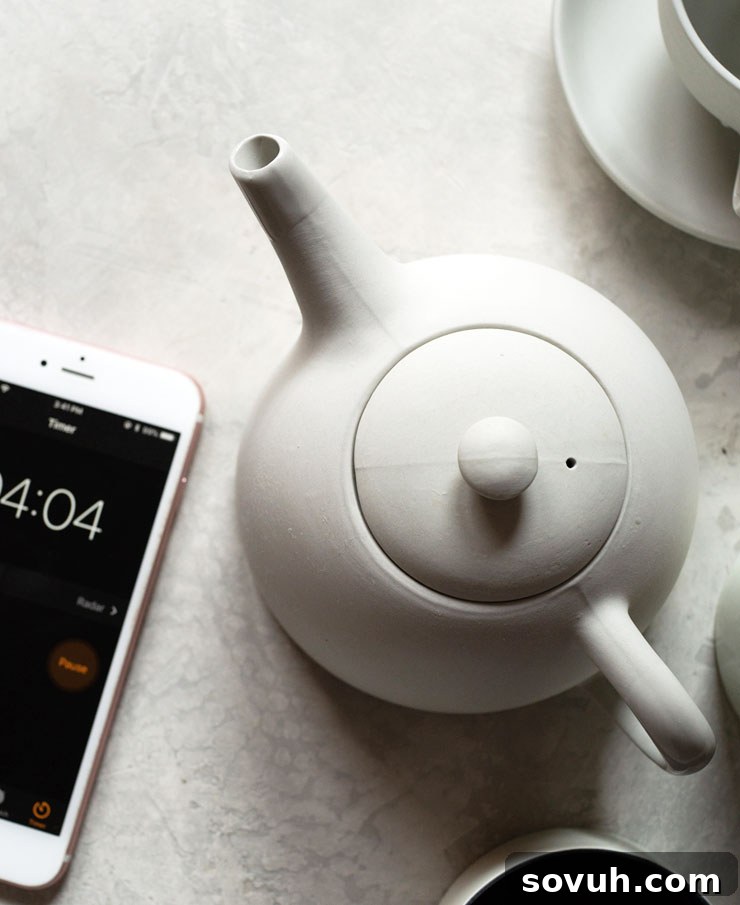
Step 5: Steep for the correct time.
Start a timer and steep according to the tea type. Typical steep times vary: green tea usually 1–3 minutes, black tea 3–5 minutes. Oversteeping releases excessive tannins and creates bitterness, so follow the recommended time.
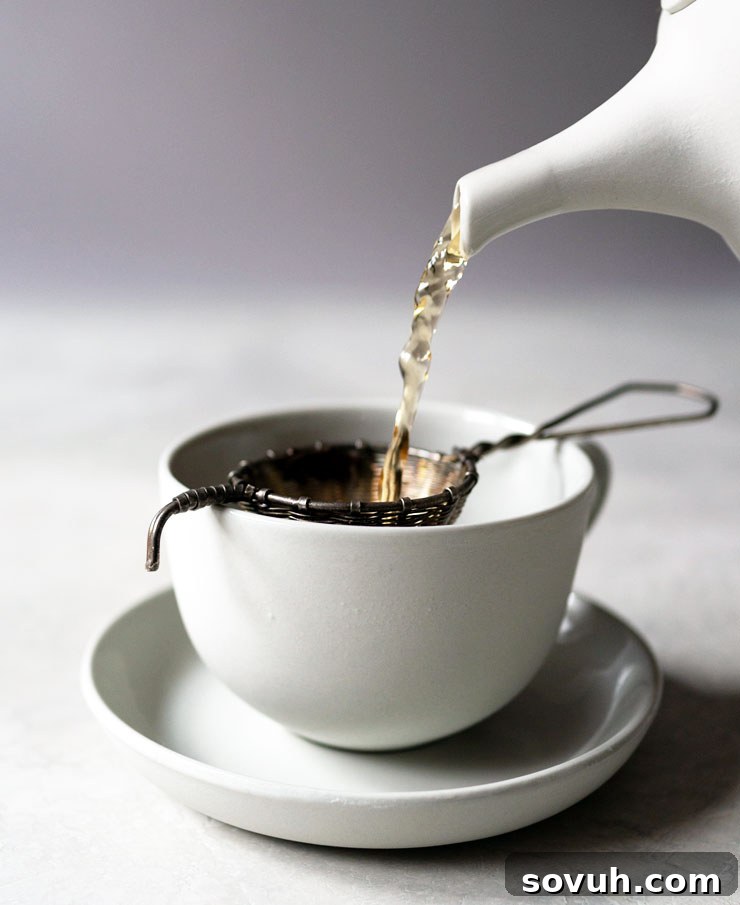
Step 6: Strain and serve.
Remove the leaves or lift the infuser before pouring to prevent continued steeping. Add milk or sugar only if it complements the style of tea you brewed. You can often re-steep the same leaves once or twice; for subsequent steeps, add one to two minutes to the steep time.
Tea Sommelier’s Tip
Avoid leaving leaves in the water after the first steep to prevent bitterness. Use a removable infuser or strain the leaves so later pours maintain the same flavor balance as the first.
How Much Tea for Each Cup?
A good rule of thumb is 1½ teaspoons of loose tea per 8-ounce cup of water. If you prefer a stronger cup, add more leaves rather than increasing steep time.
Questions You May Have
Microwaves heat unevenly and create hot and cold spots, making it hard to control water temperature. For consistent extraction, use an electric kettle or stovetop kettle so the water is uniformly hot.
Bitterness often comes from tannins released when leaves steep too long or from water that’s too hot. Reduce temperature or steep time, or use fewer leaves to avoid excessive tannin extraction.
Many standard tea bags contain broken tea pieces or “dust,” which extract quickly but lack nuance. Quality loose leaf tea consists of whole or rolled leaves that unfurl and produce clearer, more complex flavor.
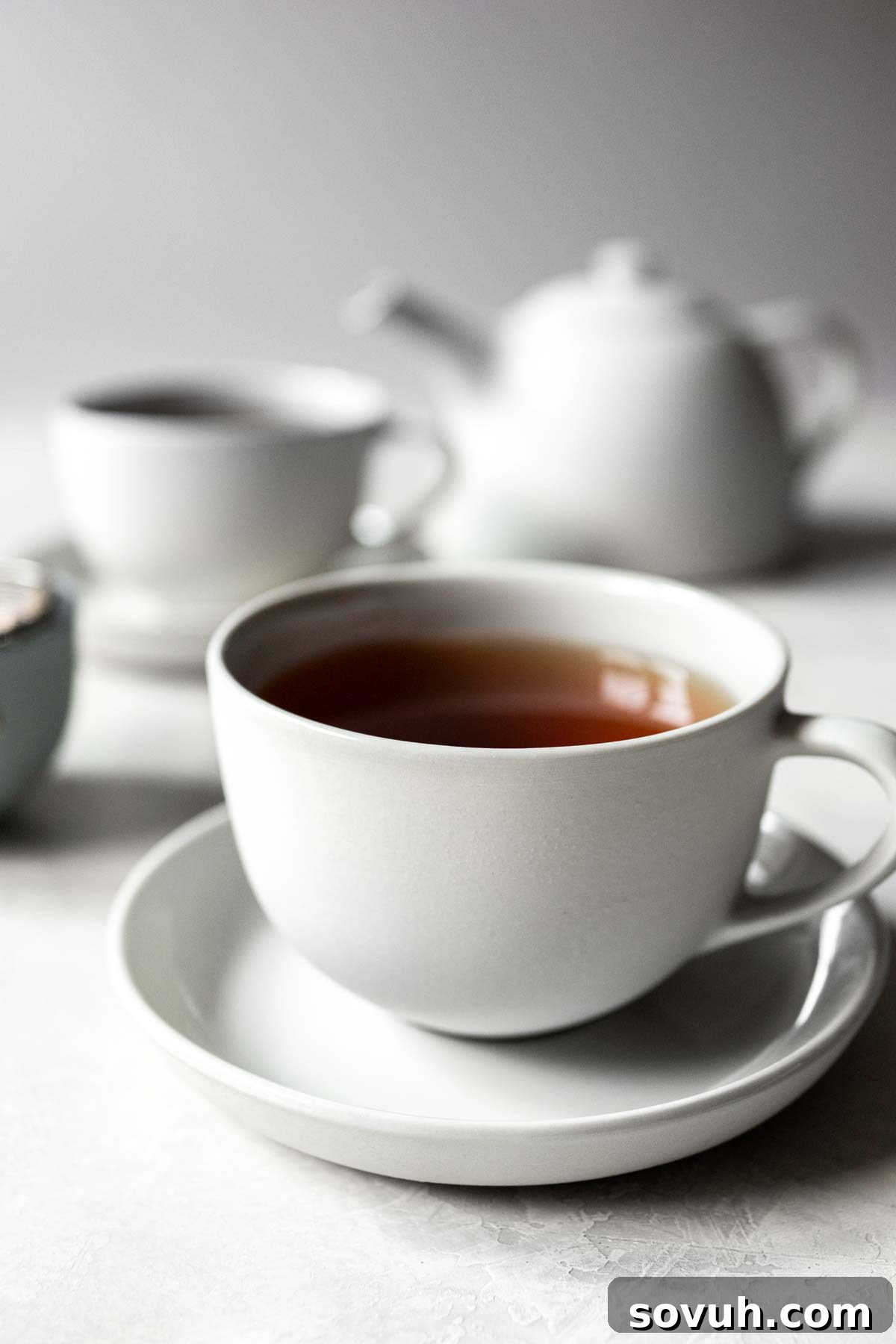
How to Make Tea Like a Tea Sommelier
Author: Jee Choe
Prep time: 2 minutes Total time: 7 minutes Yield: 2 servings
Ingredients
- 2 cups water, plus extra to warm the teapot
- 1 tablespoon loose black tea (adjust based on tea type and taste)
Instructions
- Boil water. Use filtered water. If using an electric kettle, set it to roughly 208°F for black tea or the temperature recommended on the tea packaging. Heat a little more water than needed so you can warm your teapot.
- Warm the teapot. Pour hot water into the teapot, swirl to warm, then discard the warming water. This keeps the brewing temperature stable.
- Add tea and pour hot water. Place the measured leaves in the infuser or teapot, then pour hot water over them so all leaves are saturated.
- Cover and steep. Steep according to the tea type—black tea around 3–5 minutes is common. Use a timer to prevent oversteeping.
- Strain and serve. Remove the leaves or infuser before pouring. Add milk or sweetener if desired. Re-steep leaves once or twice, adding 1–2 minutes to the steep time for subsequent brews.
Notes
- Standard ratio: about 1½ teaspoons of loose tea per 8-ounce cup.
- For a stronger cup, increase the amount of tea leaves rather than steeping longer.
Nutrition
Calories: 1 • Carbohydrates: 1 g • Sodium: 12 mg • Calcium: 7 mg
Nutrition information is an approximation.
If you try this step-by-step method, please leave a rating and share your experience in the comments below.