Starbucks Matcha Frappuccino: Menu, Calories, and Custom Orders
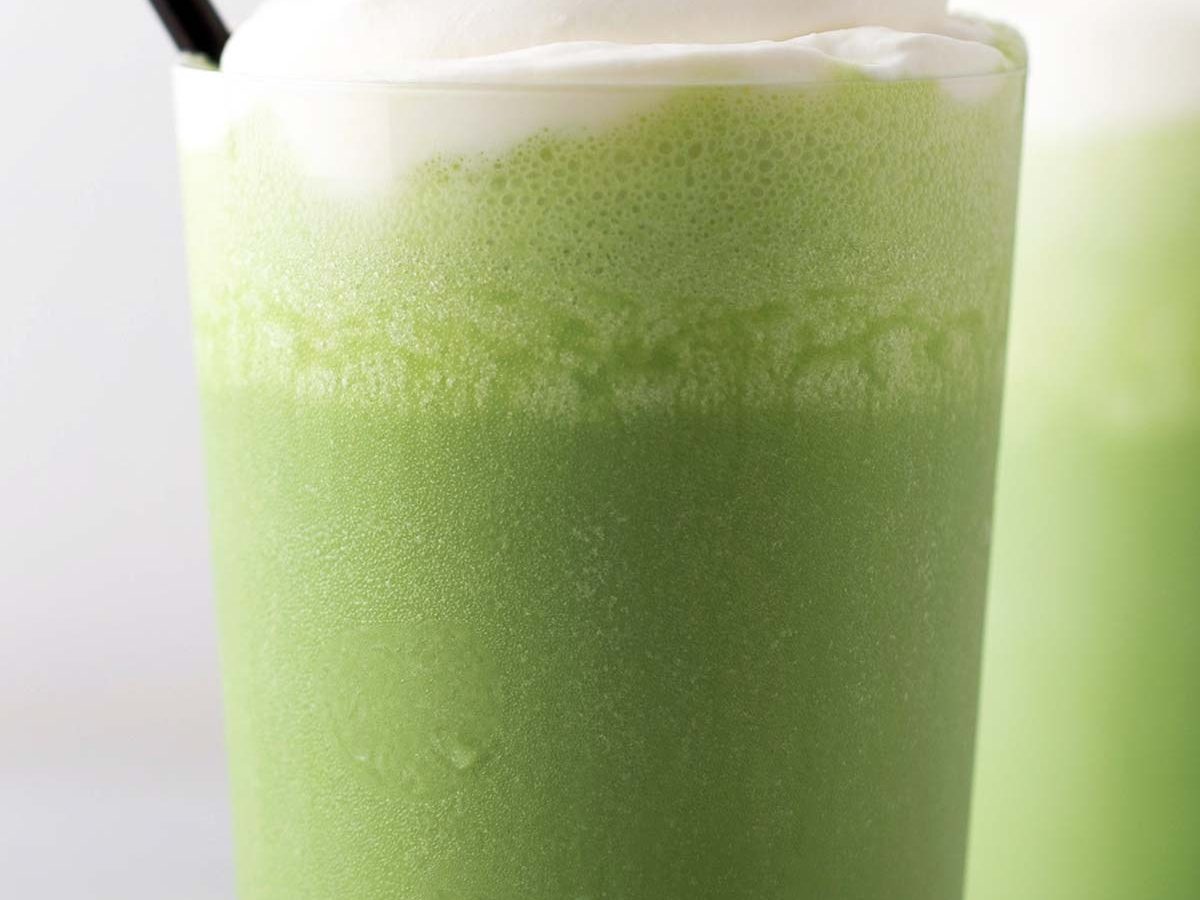
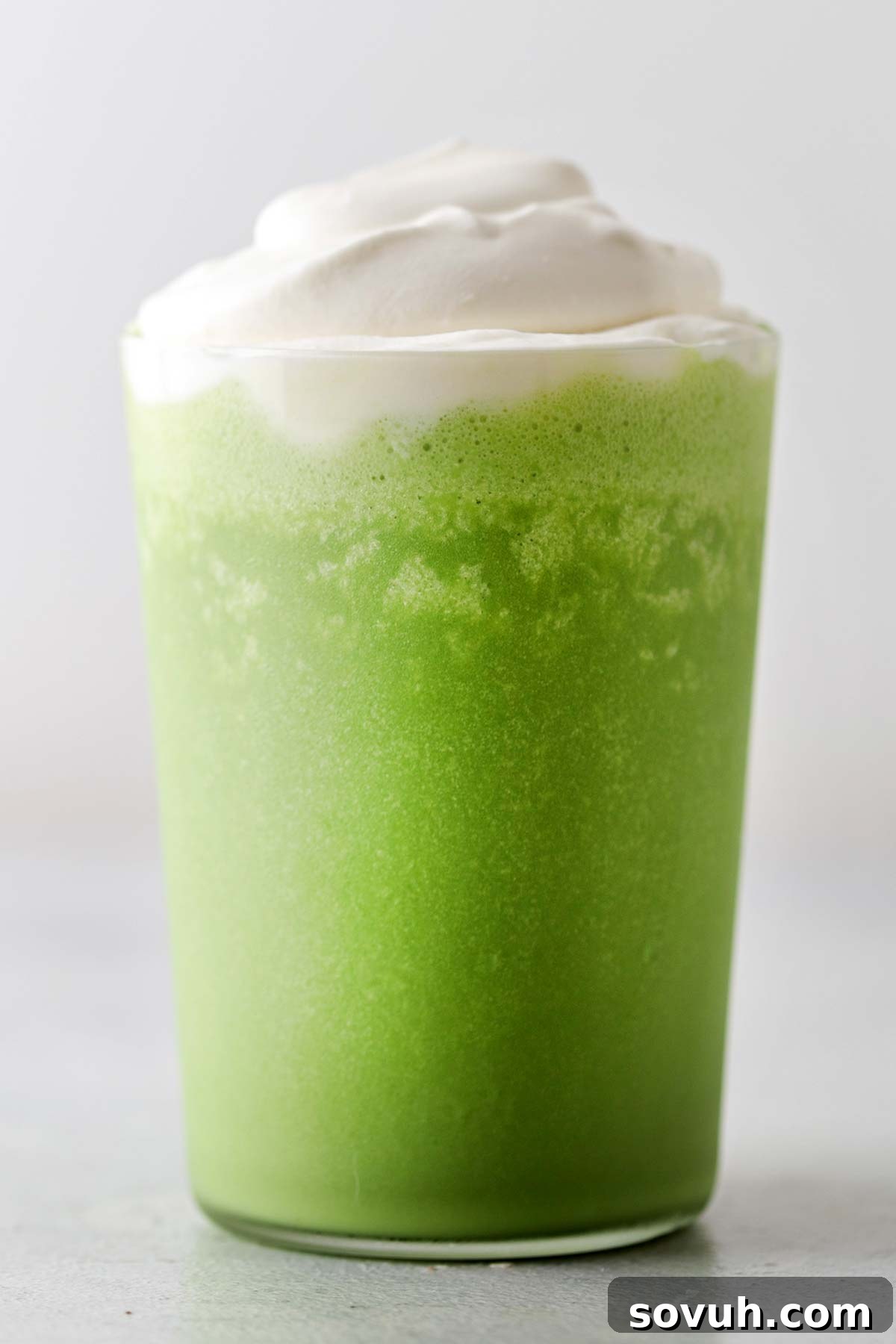
Delicious and perfectly sweet, this green tea frozen drink tastes remarkably like the Matcha Frappuccino from Starbucks. This guide shows how simple it is to make a homemade Matcha Frappuccino, from the smooth blended base to the light vanilla whipped cream on top.
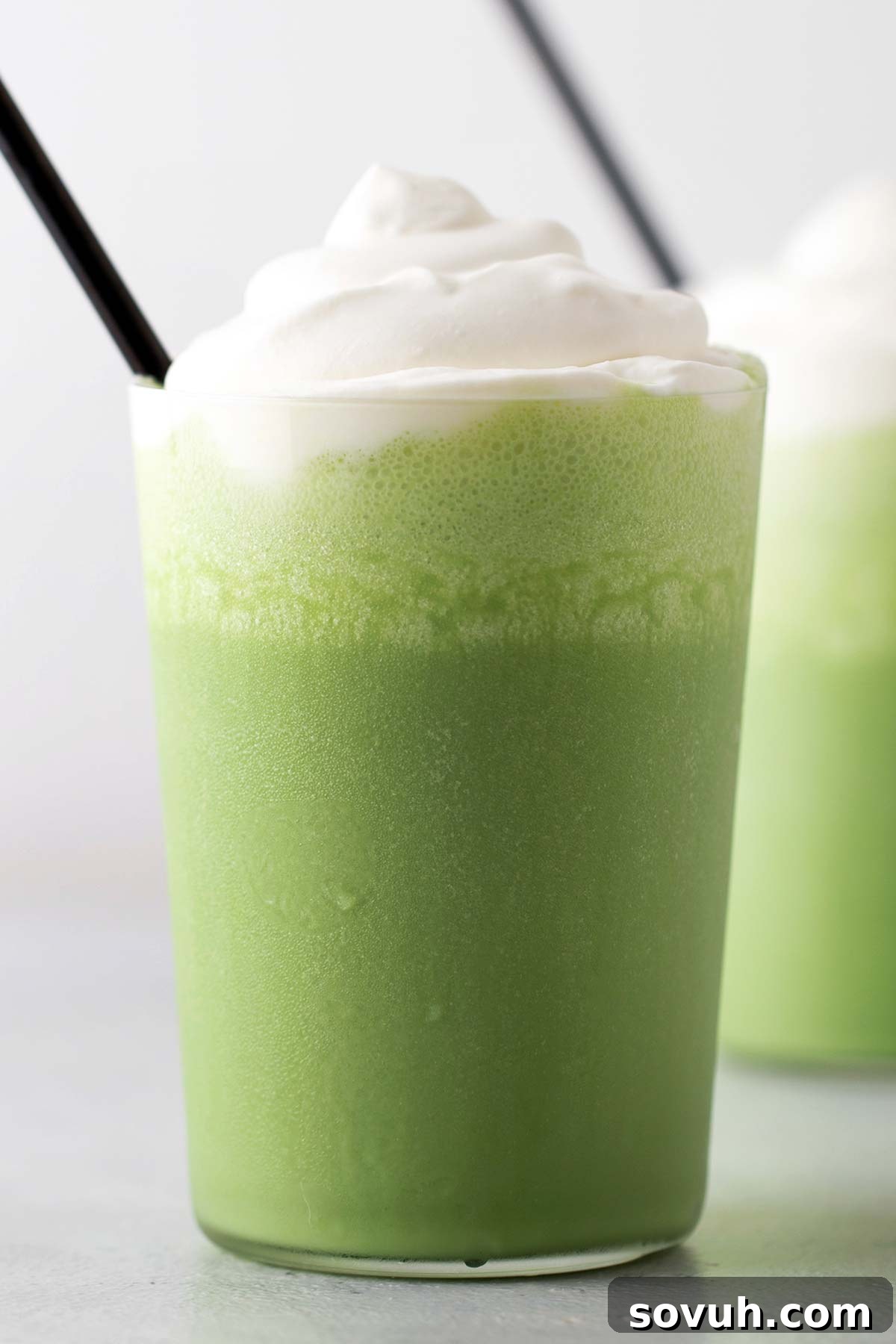
Homemade Matcha Frappuccino
A Matcha Frappuccino is a cold, blended green tea drink with caffeine and a creamy texture, finished with a crown of whipped cream. Commercial versions use a Frappuccino base syrup to achieve that smooth, emulsified consistency. This recipe recreates that mouthfeel with a simple homemade base syrup and easy techniques so you can enjoy a grande-size (16 oz) version at home.
Note from Jee

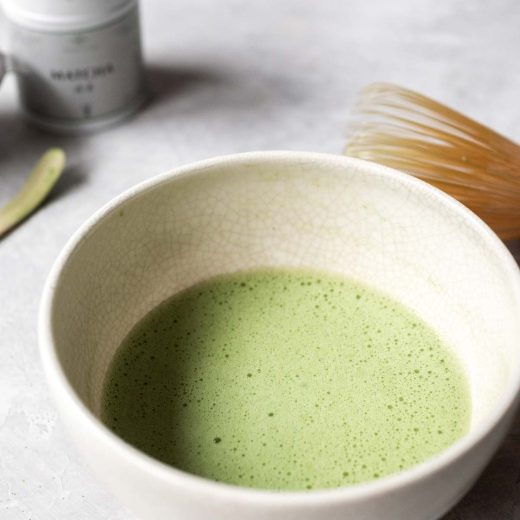
Many packaged matcha blends are pre-sweetened, and sugar is often the primary ingredient in those mixes. I tested several sweetened matcha powders and found they didn’t match the bright color and clean green tea flavor of the drink I was trying to copy. Using high-quality unsweetened matcha produces a truer color and fresher taste; then you can control the sweetness with your syrup.
Recipe Summary
- This frozen drink is made by blending unsweetened matcha, milk, vanilla syrup, ice, and a homemade Frappuccino base syrup to create the classic smooth texture.
- Vanilla whipped cream is quick to make from heavy cream and vanilla syrup; a handheld milk frother whips it to soft peaks in seconds.
- The recipe yields one grande-size (16 ounces) Matcha Frappuccino, topped with vanilla whipped cream.
Ingredient Notes
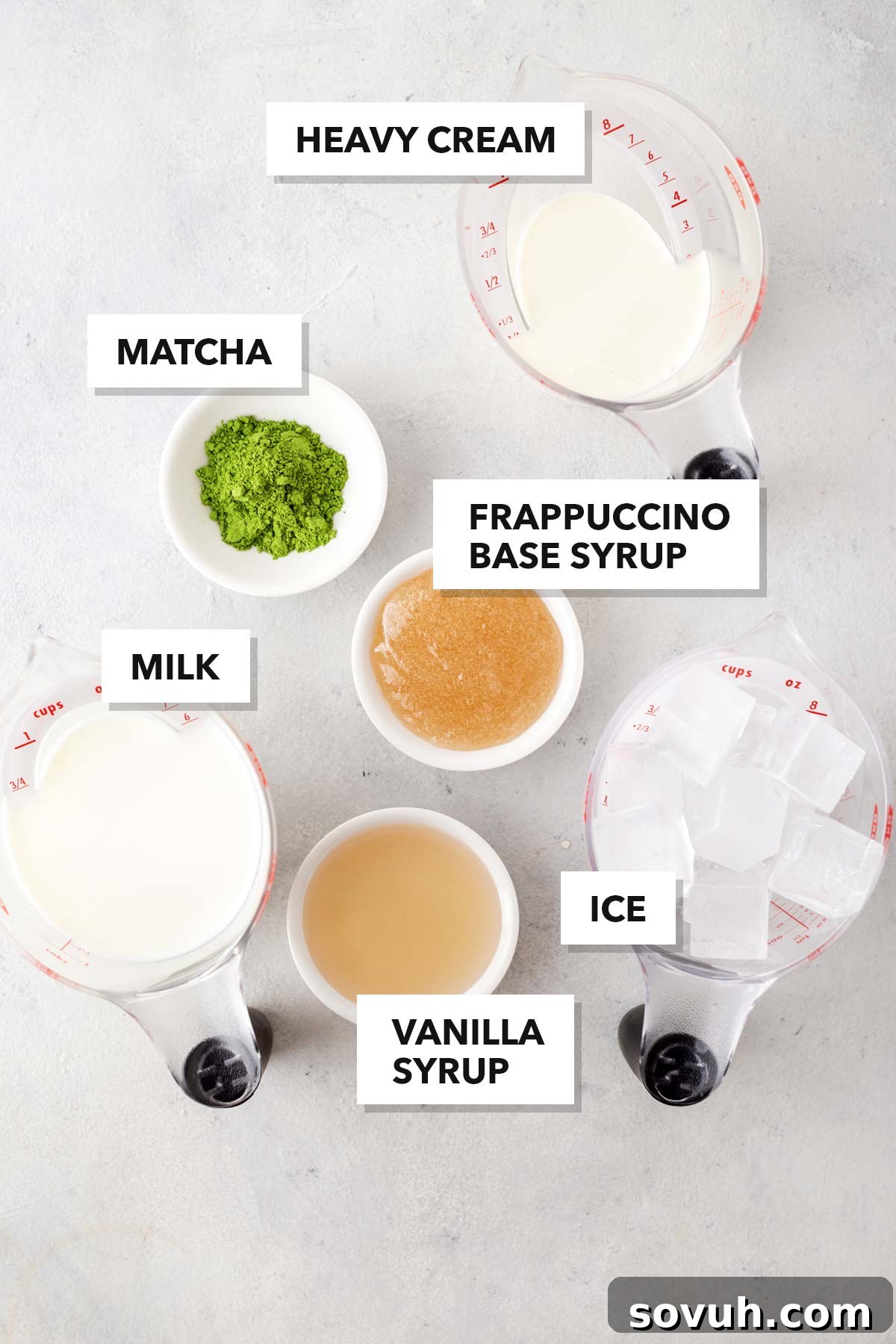
- Frappuccino base syrup: This is the crucial ingredient that helps keep the blended drink stable and creamy. Make a batch ahead and store it chilled so it’s ready when you blend.
- Matcha: Choose bright green, high-quality powder for the best flavor and color. Lower-cost matcha often looks dull or brownish. Expect to spend more for a vivid, grassy matcha.
- Milk: Starbucks uses whole milk, but you can substitute your preferred milk (dairy or plant-based) to suit taste and dietary needs.
- Vanilla syrup: Use either store-bought or homemade vanilla syrup to sweeten the drink and the whipped cream.
- Heavy cream: Needed for the whipped cream topping; whip until soft peaks form for a fluffy finish.
- Ice: Use fresh, clean ice for the best texture. Add ice last when blending for an even, slushy consistency.
For full ingredient amounts and step-by-step instructions, see the recipe card below.
Step-by-Step Instructions
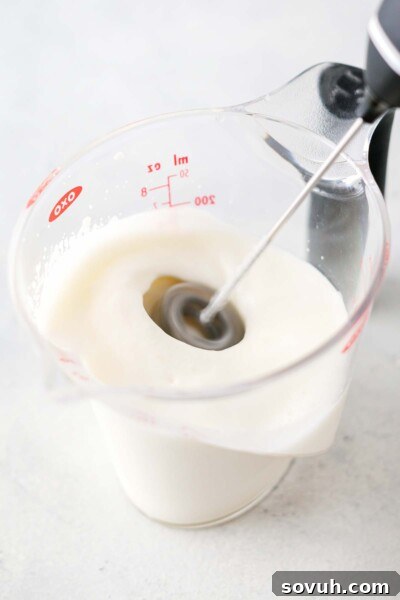
Step 1: Make the vanilla whipped cream. Combine heavy cream and vanilla syrup, then whisk with a handheld milk frother until soft peaks form. A frother speeds this up and creates very light, pillowy cream. Set aside.
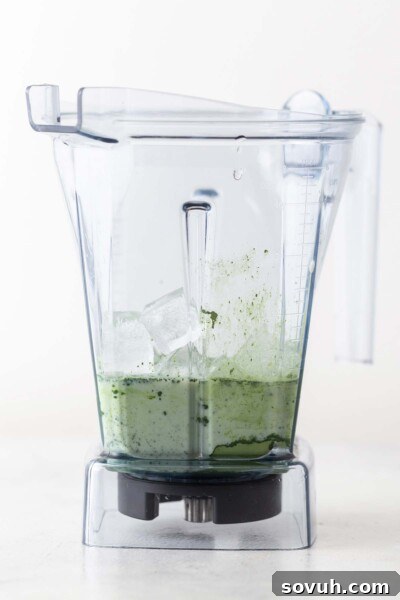
Step 2: In a blender, add milk, vanilla syrup, matcha, and the Frappuccino base syrup. Start the blender on low to combine the liquids, then add the ice and increase to high. Blend until smooth and evenly slushy; use a tamper or pause and stir if necessary to help the ice incorporate.
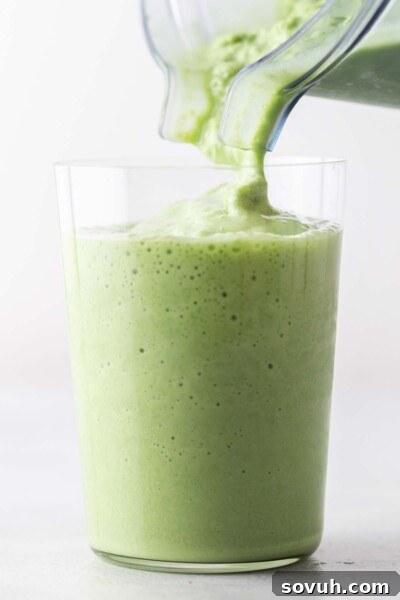
Step 3: Pour the blended Matcha Frappuccino into a chilled cup, leaving space for the whipped cream on top.
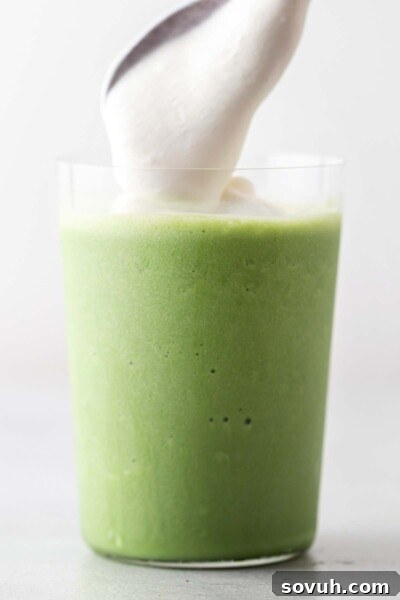
Step 4: Spoon or pipe the vanilla whipped cream onto the drink and serve immediately for the best texture and presentation.
Expert Tips
- Make the Frappuccino base syrup first; it’s what prevents separation between ice and liquid and gives the drink its signature creaminess.
- Add liquids to the blender before the ice. Starting with liquid helps the blades run efficiently and gives a smoother blend.
- Whisk heavy cream and vanilla syrup until soft peaks form. Using a handheld frother, this typically takes around 30 seconds for fluffy results—longer whisking will yield stiffer cream.
- Invest in a good-quality unsweetened matcha for brighter color and fresher flavor; lower-cost powders can appear muddy and lack vibrancy.
Related
- Matcha Bubble Tea
- Iced Matcha (Cold Brew Matcha)
- Matcha Milkshake
- Strawberry Frappuccino (copycat)
- Java Chip Frappuccino (copycat)
Save this recipe for later by pinning an image or bookmarking the page in your browser.
Starbucks Matcha Frappuccino
By: Jee Choe, Certified Tea Sommelier
Delicious and perfectly sweet, this homemade Matcha Frappuccino captures the smooth texture and balanced sweetness of the café version, and includes an easy vanilla whipped cream topping.
Prep Time: 5 minutes • Total Time: 5 minutes • Yield: 1 serving (16 ounces)
Ingredients
Matcha Frappuccino
- ⅔ cup whole milk (or milk of choice)
- 2 tablespoons vanilla syrup
- 2 teaspoons unsweetened matcha powder
- 1 cup ice
- 1 tablespoon homemade Frappuccino base syrup
Vanilla Whipped Cream
- ¼ cup heavy cream
- 1 tablespoon vanilla syrup
Instructions
- Whip the cream: Combine ¼ cup heavy cream with 1 tablespoon vanilla syrup. Use a handheld milk frother or a whisk to whip until soft peaks form. Set aside.
- Blend the Frappuccino: In a blender, combine ⅔ cup milk, 2 tablespoons vanilla syrup, 2 teaspoons matcha powder, and 1 tablespoon Frappuccino base syrup. Start blending low to dissolve the powders, then add 1 cup of ice and blend on high until smooth and slushy. Pause to stir or tamp if the ice clumps.
- Assemble: Pour the blended matcha drink into a cup, leaving room for the whipped cream.
- Finish: Top with the prepared vanilla whipped cream and serve immediately.
Notes
- The Frappuccino base syrup stabilizes the blend and prevents separation—prepare it in advance and keep it chilled.
- Always add liquids first and ice last to get a consistent blend; adding ice first can overwork the blender and produce uneven texture.
- Use whole milk for the creamiest result, or choose your preferred milk for dietary needs.
- Whisk the heavy cream and vanilla syrup until soft peaks form—about 30 seconds with a frother—for the lightest, fluffiest topping.
- For the best color and flavor, select high-quality unsweetened matcha. Brighter green indicates higher grade matcha.
Nutrition
Calories: 651
Carbohydrates: 97 g
Protein: 10 g
Fat: 27 g (Saturated fat 17 g)
Cholesterol: 98 mg • Sodium: 174 mg
Sugar: 96 g
Vitamin A: 1538 IU • Calcium: 245 mg
Nutrition information is automatically calculated and should be used as an estimate.