5 Benefits of Rose Tea for Skin, Digestion and Relaxation
Discover the many ways caffeine-free rose tea can support your well-being, from calming the mind to helping protect cells and supporting immune function.
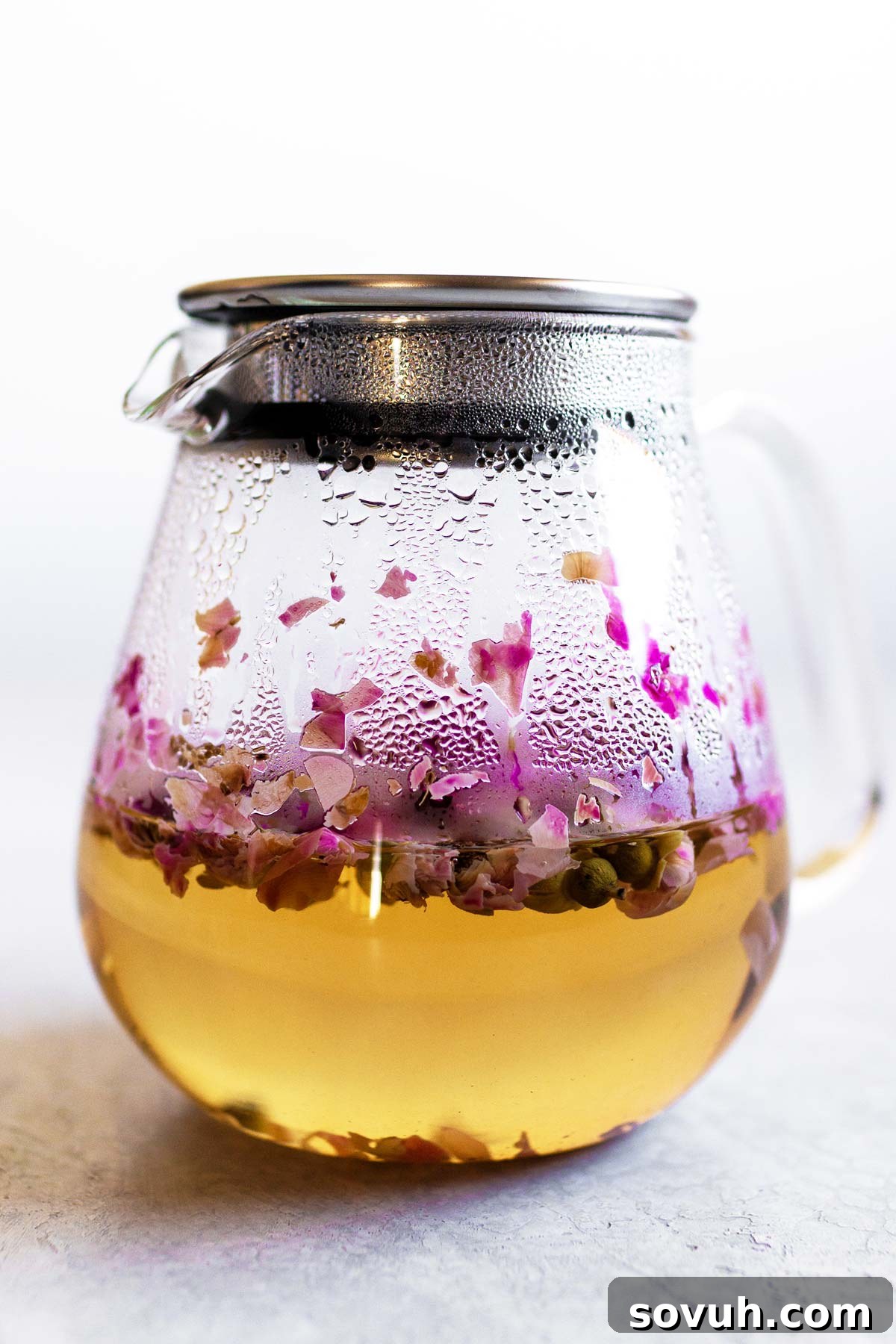
What Is Rose Tea?
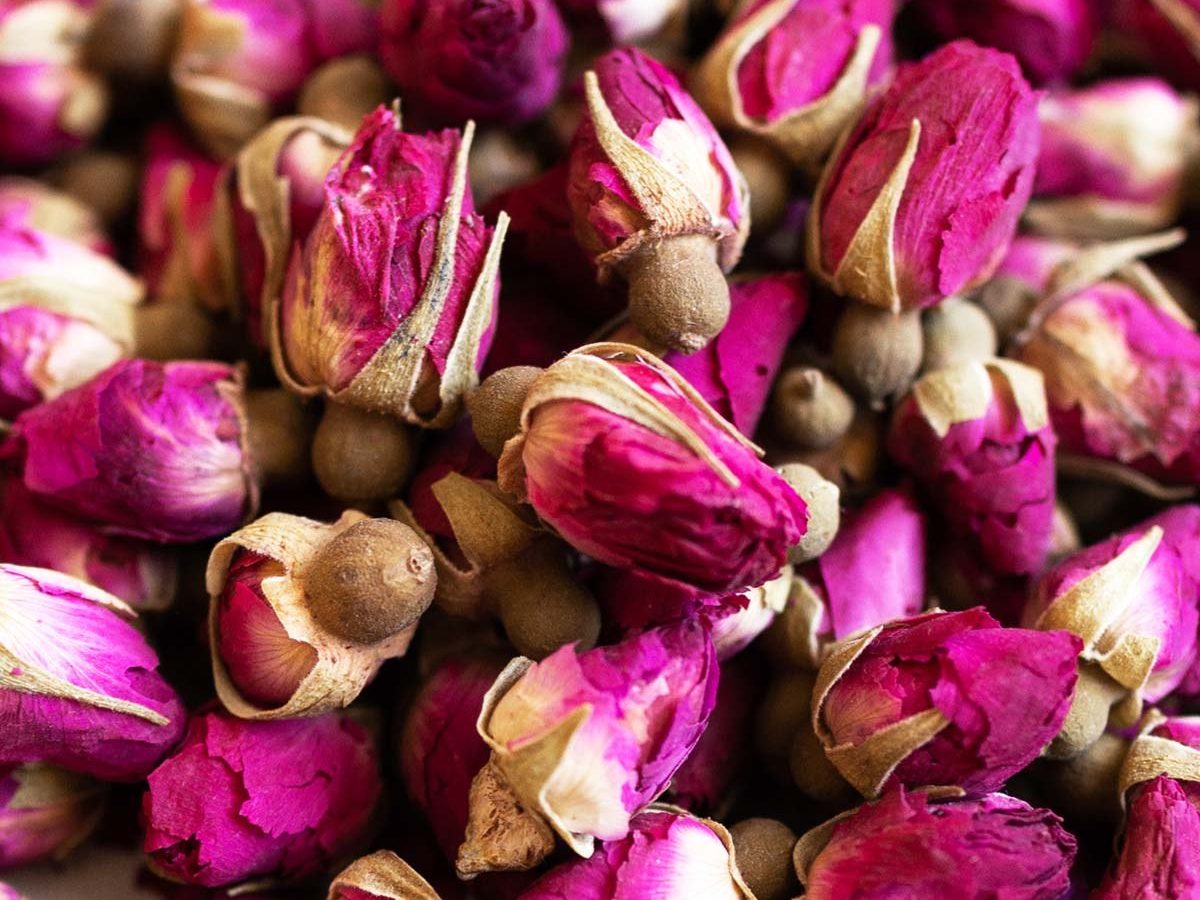
Rose tea is an herbal infusion made by steeping dried or fresh rose petals or rosebuds in hot water. Because it’s derived from the flowers rather than the Camellia sinensis plant, pure rose tea is naturally caffeine-free and enjoyed for both its delicate floral flavor and its soothing aroma.
Some blends combine rose petals with black or green tea. Those versions contain caffeine, so check the ingredients if you avoid stimulants or prefer a bedtime beverage.
RELATED: Rose Iced Tea
5 Rose Tea Health Benefits
1. Offers Antioxidants
Rose petals are rich in antioxidant compounds, including flavonoids, carotenoids, and anthocyanins. Antioxidants help neutralize free radicals and can protect cells from oxidative stress, which contributes to aging and a range of chronic conditions. Enjoying a cup of rose tea is an easy way to add these plant-based antioxidants to your routine.
A notable pigment group in roses, anthocyanins, also gives many rose varieties their pink to red hues and carries antioxidant activity.
2. Manages Inflammation
The antioxidant compounds in rose tea are believed to help modulate inflammatory processes. By interfering with cellular pathways that drive inflammation, these compounds may help reduce inflammatory stress over time, which is beneficial for long-term cellular health.
Including antioxidant-rich herbal teas like rose tea as part of a balanced diet can be one of several lifestyle choices that support inflammation management.
3. Supports Immune Function
Rose petals contain vitamin C and other nutrients that play roles in maintaining a healthy immune system. Vitamin C supports the function of white blood cells, which are central to the body’s defense against infections. While rose tea is not a cure or treatment for illness, it can contribute modestly to daily vitamin C intake when consumed regularly as part of a varied diet.
4. Contains No Caffeine
Pure rose tea is caffeine-free, making it a suitable option for people who are sensitive to caffeine, those avoiding stimulants, or anyone seeking a calming warm beverage in the evening. When selecting ready-made mixes, verify that no black or green tea leaves have been added if you want to avoid caffeine entirely.
5. Promotes Calmness
Rose has long been valued for its gentle, soothing aroma. Research points to a relaxing effect associated with rose fragrances and extracts, and sipping rose tea can be a pleasant ritual that encourages relaxation. The combined sensory experience—warmth, aroma, and flavor—can make rose tea a comforting part of a stress-reduction routine.
The ritual of preparing and enjoying a cup of rose tea can be as beneficial as the beverage itself when it helps you slow down and unwind.
Side Effects of Rose Tea
Rose tea is generally considered safe for most people when consumed in typical food amounts. However, a few precautions are worth noting:
- Individuals with allergies to roses or related plants should avoid rose tea or try a small amount first to check for reactions.
- If you are pregnant, breastfeeding, taking medications, or have a medical condition, consult your healthcare provider before making herbal infusions a regular habit.
- As with any herbal product, quality matters—use culinary-grade rose petals or products from reputable sources to reduce the risk of contaminants or pesticides.
When enjoyed in moderation, rose tea can be a flavorful, caffeine-free addition to a healthy lifestyle.
Related
- Rose Lemonade
- Rose Bubble Tea
- Rose Syrup
- Rose Cold Foam
- 7 Benefits of Drinking Cinnamon Tea
- 7 Benefits of Drinking Nettle Tea