Hibiscus Tea Benefits: 15 Science-Backed Reasons to Drink It
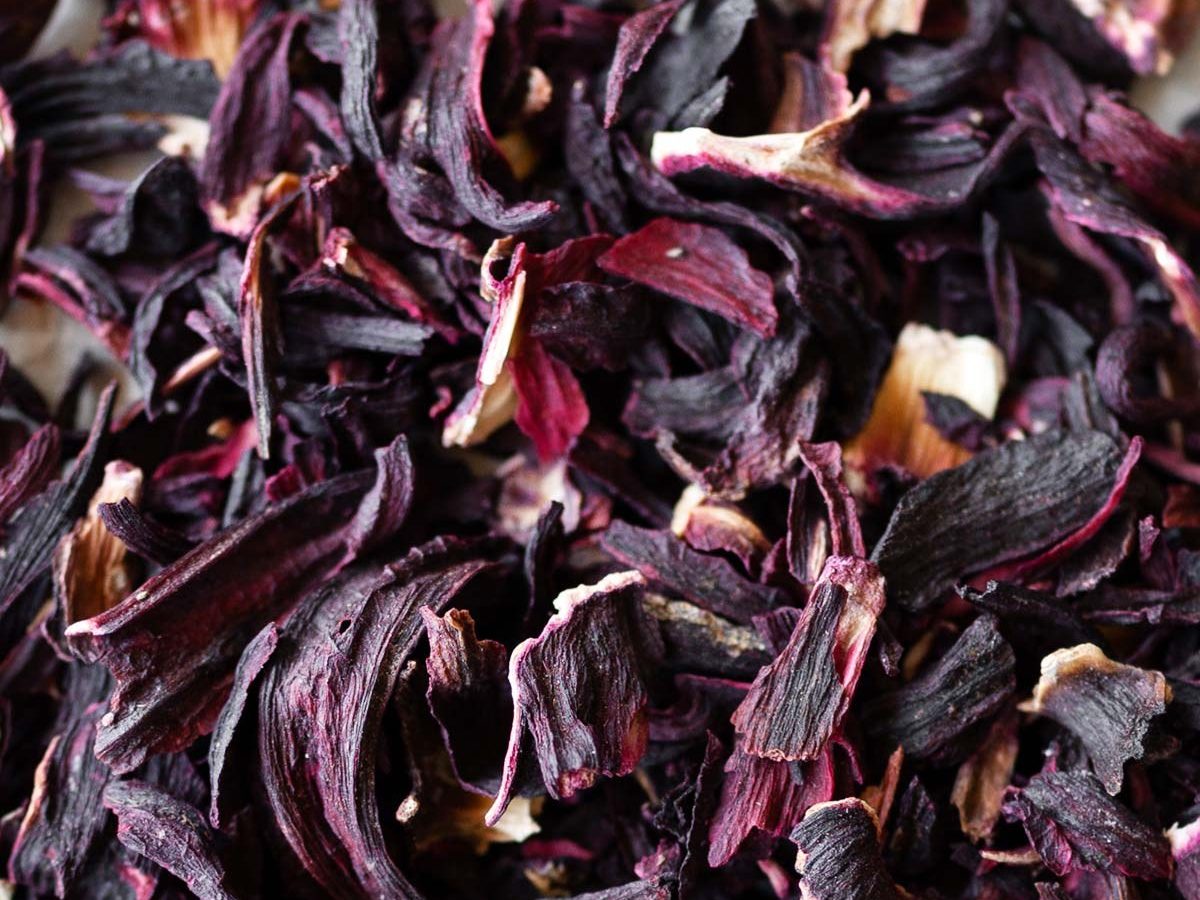
Hibiscus tea is a vibrant, tart herbal infusion made from the dried calyces of the hibiscus flower. Rich in vitamins, minerals and plant compounds, it’s enjoyed hot or cold around the world for its refreshing flavor and potential health-promoting properties. Below you’ll find an overview of what hibiscus tea is, how it may support health, and a few precautions to keep in mind.
What Is Hibiscus Tea?
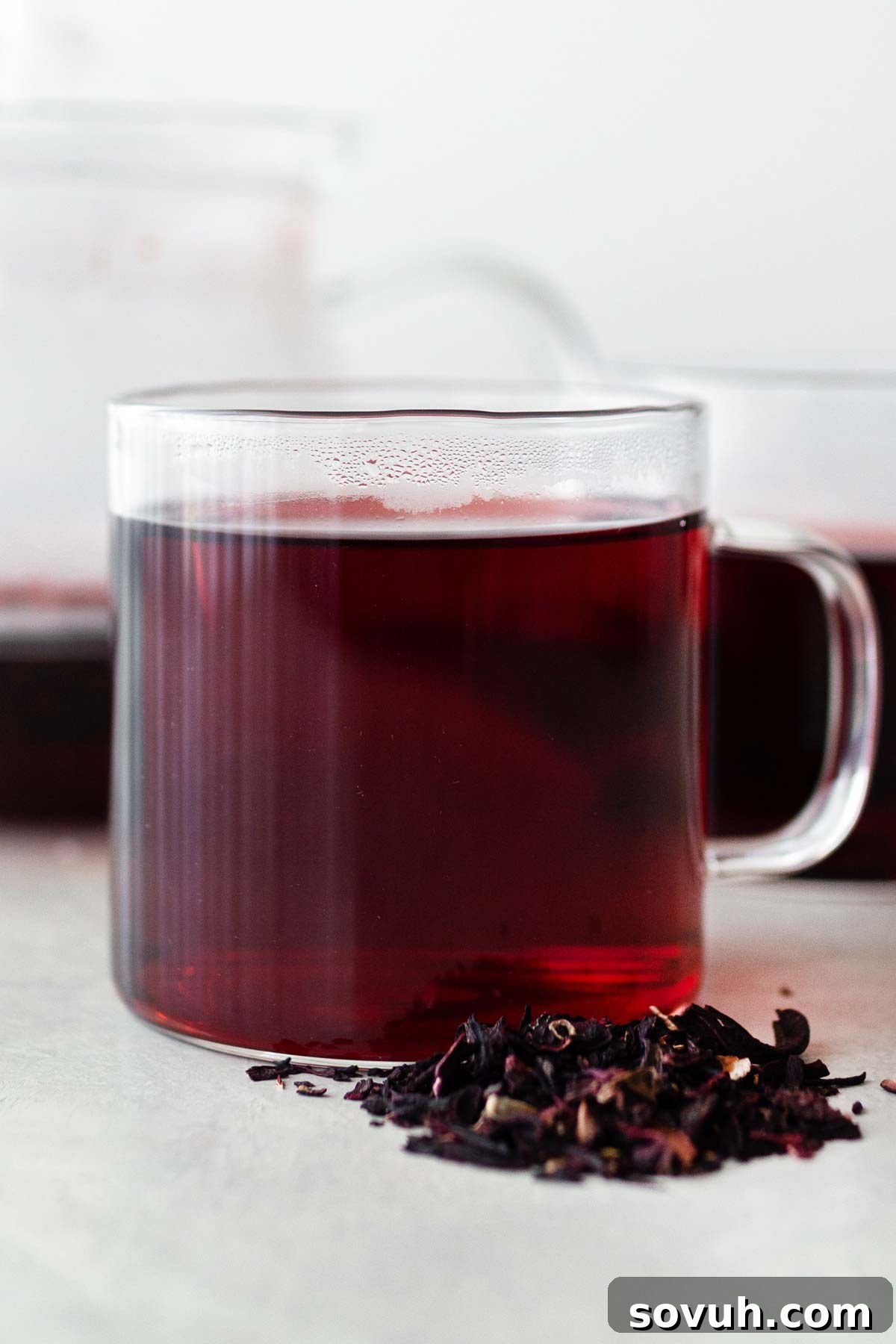
Hibiscus tea is prepared by steeping the dried calyces—the cup-like structures that support the flower petals—of the hibiscus plant in hot water. Native to tropical regions of Asia and other warm climates, hibiscus produces a naturally deep red brew thanks to anthocyanins, the pigments that also act as antioxidants. The tea is naturally caffeine-free and can be enjoyed plain or lightly sweetened. When selecting hibiscus for tea, choose food-grade, single-ingredient dried calyces for the cleanest flavor and best results.
My Hibiscus Tea Pick
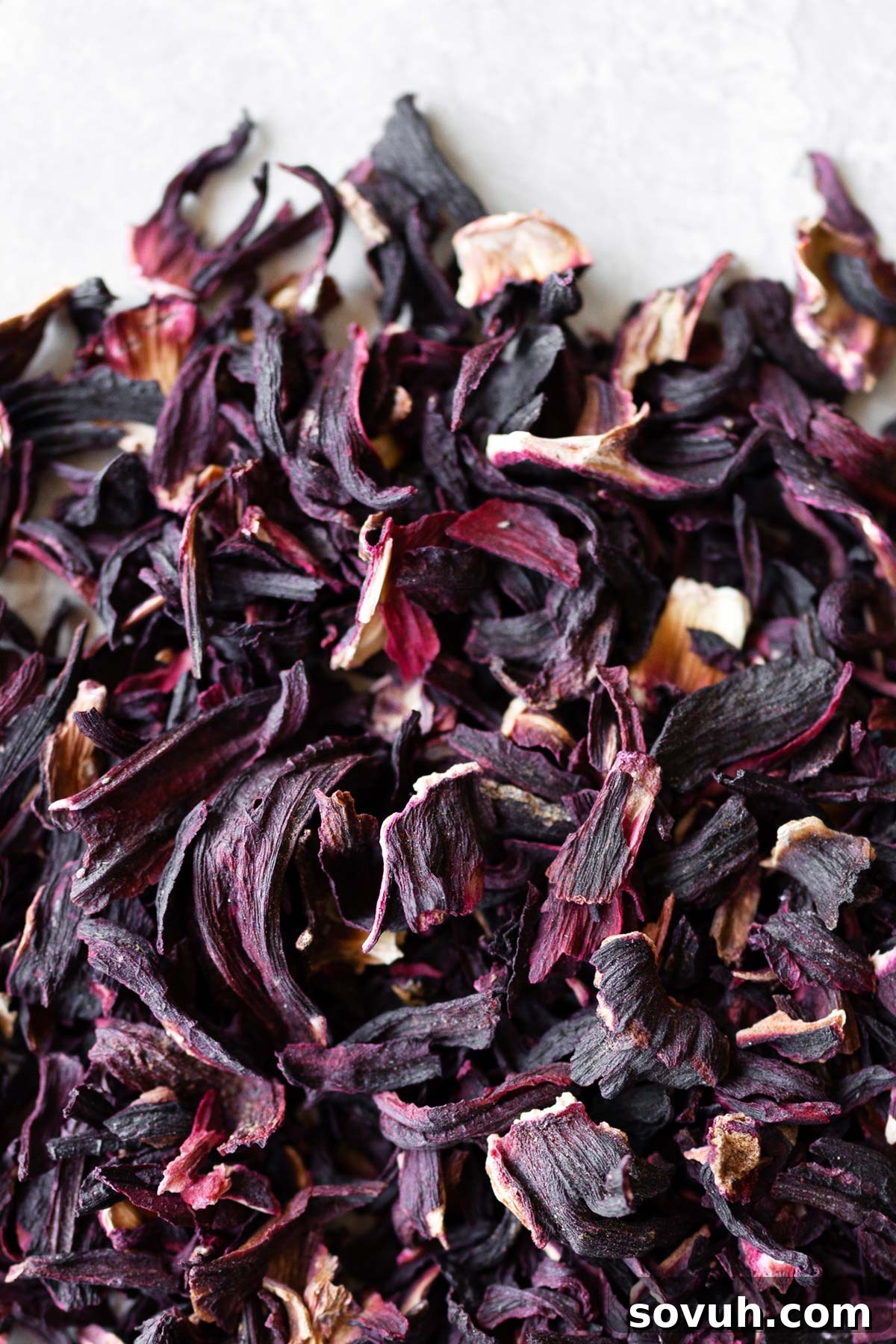
Always choose food-grade dried hibiscus flowers with a single ingredient listed as hibiscus. This ensures no unwanted additives or flavors are present.
15 Hibiscus Tea Health Benefits
1. Rich Source of Antioxidants
Hibiscus contains several antioxidant compounds, including vitamin C, flavonoids and anthocyanins. These antioxidants help neutralize free radicals and reduce oxidative stress, which is linked to chronic conditions such as heart disease and certain cancers.
2. Reduces Inflammation
Antioxidant compounds in hibiscus also have anti-inflammatory effects. Regular consumption may help lower levels of inflammation in the body, supporting overall cellular health and reducing risk factors for inflammatory diseases.
3. Supports Brain Health
By reducing oxidative damage and inflammation, hibiscus tea may help protect neurons and support cognitive function. These protective effects could play a role in lowering the long-term risk of neurodegenerative disorders.
4. Promotes Eye Health
Hibiscus contains vitamin A and anthocyanins, nutrients that support healthy vision and circulation to the eyes. These compounds contribute to retinal health and may help reduce the risk of certain age-related eye conditions.
5. Helps Manage Blood Pressure
Hibiscus tea has been associated with improvements in blood pressure by helping the blood vessels relax and dilate. For people with elevated blood pressure, incorporating hibiscus tea into a balanced routine may support cardiovascular health, though medical guidance is important if you are taking blood-pressure medications.
6. Supports Healthy Cholesterol Levels
Some evidence suggests hibiscus can help reduce levels of LDL (“bad”) cholesterol. Lowering LDL cholesterol helps protect arteries and reduce long-term cardiovascular risk when combined with a healthy lifestyle.
7. May Aid Weight Management
Hibiscus has been studied for potential effects on metabolism and body weight. While not a standalone weight-loss solution, it may support metabolic balance as part of a calorie-controlled diet and active lifestyle.
8. Supports Liver Health
By combating inflammation and supporting healthy cholesterol levels, hibiscus may help protect liver function over time. Antioxidant activity can reduce stress on the liver and help preserve its ability to detoxify the body.
9. Exhibits Antibacterial Activity
Compounds in hibiscus have shown antibacterial properties in laboratory studies, helping to inhibit the growth of certain bacteria. This activity may contribute to oral health and help reduce bacteria that cause gum inflammation.
10. Helps Regulate Blood Sugar
Hibiscus tea may reduce post-meal blood sugar spikes and support insulin response, which can be helpful for maintaining stable blood glucose levels. People with diabetes or who take blood-glucose-lowering medications should consult their healthcare provider before adding hibiscus tea to their routine.
11. Supports the Immune System
With a notable vitamin C content, hibiscus supports immune function by helping immune cells respond to pathogens and aiding overall resistance to common illnesses.
12. Promotes Skin Health
Vitamin C is essential for collagen production, and hibiscus can help support skin elasticity and resilience. Regular intake, along with skin-sparing habits like sun protection, can help maintain a healthy complexion.
13. Aids Wound Healing
Vitamin C supports tissue repair by promoting collagen synthesis, which is critical for effective wound healing. Hibiscus tea can contribute to the dietary vitamin C needed for healthy recovery from minor cuts and scrapes.
14. Enhances Iron Absorption
Because vitamin C aids the absorption of dietary iron, drinking hibiscus tea with iron-containing meals may help improve iron uptake and support healthy red blood cell function.
15. Hydrates and Replenishes Electrolytes
Hibiscus tea contributes to daily fluid intake and contains minerals that help maintain hydration. It can be a refreshing, hydrating choice on hot days or after physical activity.
4 Side Effects and Precautions
1. May Lower Blood Pressure
Because hibiscus can lower blood pressure, people who already have low blood pressure or those taking antihypertensive medications should consult a healthcare professional before consuming it regularly.
2. Can Affect Blood Sugar
Hibiscus may lower blood sugar levels. If you have hypoglycemia or are on blood-sugar-lowering drugs, discuss hibiscus use with your provider to avoid unexpected drops in glucose.
3. Potential Allergic Reactions
Some individuals may be allergic to hibiscus or have cross-reactivity with related plants. If you experience itching, hives, swelling or breathing difficulties after drinking hibiscus tea, discontinue use and seek medical advice.
4. Estrogenic Effects
Hibiscus contains compounds with mild estrogen-like activity. People who are pregnant, breastfeeding, or who have conditions sensitive to estrogen should consult their healthcare provider before using hibiscus regularly.
Related
- Hibiscus Tea
- Hibiscus Lemonade
- Hibiscus Cold Foam
- Hibiscus Strawberry Bubble Tea