Carnivore Diet for Beginners: Quick Start Plan and Tips

If you’re curious about starting the carnivore diet—meat, eggs, and perhaps some dairy—you’ve come to the right place. No carbs, no vegetables, and far fewer rules than most eating plans. The appeal is simplicity: straightforward meals that are satisfying and easy to follow. This practical beginner’s guide explains how to start the carnivore diet in ten simple steps so you can cut through confusion, get consistent results, and decide whether this approach fits your life.
Carnivore Diet For Beginners
People try the carnivore diet for many reasons—more energy, clearer focus, improved digestion, or modest weight loss. This eating plan removes plant foods and centers eating on animal-based protein and fats. There’s no calorie counting and no macro tracking required for most people; instead, you rely on whole animal foods to keep you full and energized. Think of it as an ultra-simple, meat-focused approach that shares some principles with low-carb lifestyles but is far more restrictive in food choices.
Switching to an all-animal diet can feel extreme at first. It’s common to worry about satisfaction, nutrient balance, or missing familiar foods like salads. Many people who try it report steady energy, reduced cravings, and better mental clarity after an adaptation period. The plan works best when you keep meals simple, choose nutrient-dense cuts, and allow time for your body to adjust.
Below are ten practical steps to help you start the carnivore diet sensibly and sustainably. Each step focuses on clear actions that make the transition easier and more manageable.
How To Start The Carnivore Diet – The Easy Way

1. Understand the Basics of the Carnivore Diet
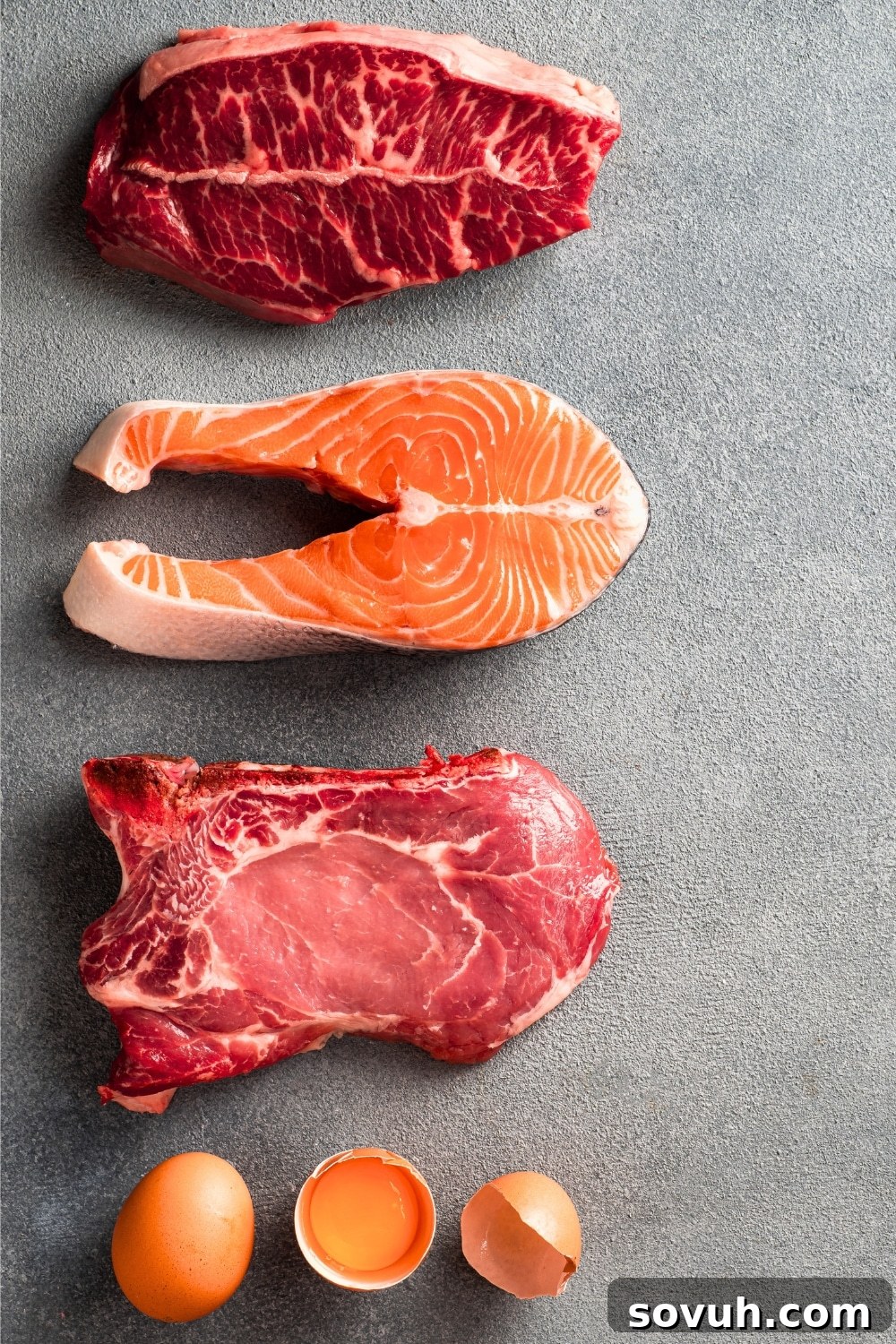
The carnivore diet focuses exclusively on animal foods: meat, fish, eggs, animal fats, and, in some approaches, limited dairy. It excludes plant foods entirely. The emphasis is on whole, unprocessed animal products as the primary source of calories and nutrients. If it’s from an animal, it’s generally allowed; if it’s from a plant, it’s excluded on a strict plan.
Carnivore Diet Sample Food List
- Meat – Beef (ribeye, ground beef, brisket), lamb, pork, game meats
- Poultry – Chicken, turkey, duck
- Fish & Seafood – Salmon, sardines, mackerel, shrimp, crab, lobster
- Organ Meats – Liver, heart, kidneys, tongue (nutrient-dense options)
- Eggs – Whole eggs, including yolks
- Animal Fats – Beef tallow, lard, duck fat, ghee, butter (if tolerated)
- Bone Broth – Beef or chicken bone broth for added minerals and hydration
- Dairy (optional) – Heavy cream and hard cheeses for a more relaxed approach
2. Clear Out Non-Carnivore Foods from Your Kitchen

Remove obvious carbs and processed items—grains, sugary snacks, and seed oils—from easy reach. Clearing your pantry reduces temptation and makes meal planning simpler. If you take a more relaxed approach, you may still keep coffee or a few seasonings, but eliminating processed foods is a helpful first step.
3. Choose Your Animal-Based Protein Sources Wisely
Prioritize nutrient-rich and higher-fat cuts like grass-finished beef, lamb, and organ meats such as liver to cover more vitamins and minerals. Fatty fish and seafood add important omega-3s. Eating a variety of animal parts—muscle meat, organs, and fatty cuts—helps reduce the risk of nutrient gaps while keeping meals satisfying.
Product note: Some people use meat-based meal bars or products as convenient options, but whole foods remain the best foundation for nutrition on a carnivore plan.
4. Focus on Healthy Fats for Fuel
Dietary fat provides steady energy on a carnivore plan. Include fatty cuts of meat, tallow, butter, and other animal fats to stay satiated and support metabolic adaptation. Fat is the core fuel source once you reduce or eliminate carbs.
5. Limit Meals to 2-3 Daily
Many people find two to three structured meals per day works well: it stabilizes hunger, reduces grazing, and can improve digestion. Regular meal timing also helps you notice natural hunger cues rather than eating out of habit.
6. Keep Beverages Simple and Sugar-Free

Stick with water, black coffee, and unsweetened tea if you choose. Avoid sugar-sweetened drinks and flavored beverages that add carbs. Staying well hydrated and maintaining electrolytes supports overall well-being during the diet transition.
7. Prepare for the Initial Adaptation Phase
Expect an adjustment period as your body switches from carbohydrate to fat metabolism. Temporary symptoms—often called “keto flu”—can include fatigue, mild headaches, or changes in digestion. Increasing salt and electrolytes and resting as needed can ease this phase for many people.
8. Skip the Calorie Counting
On the carnivore diet, many people rely on appetite and satiety rather than strict calorie tracking. Listening to hunger cues can simplify eating and help you rebuild a healthier relationship with food. If weight loss or other specific goals are a priority, monitor progress and adjust portions as needed.
9. Experiment with Cooking Methods

Varying cooking methods—grilling, roasting, pan-searing, sous-vide, or air frying—keeps meals interesting and brings out different textures and flavors in animal foods. Small technique changes can make sticking to the plan more enjoyable long term.
10. Commit to 30 Days for Optimal Health Benefits
Give yourself at least 30 days to properly evaluate how the carnivore diet affects your energy, mood, digestion, and cravings. Short-term results can be encouraging, and a month provides time for initial adaptation and clearer feedback on how the plan fits your goals.

Frequently Asked Questions About The Carnivore Diet
- Can I have coffee or tea on the carnivore diet? Strict carnivores avoid plant-derived items, but many people following a relaxed carnivore approach still drink black coffee or unsweetened tea because they contain minimal carbs and calories. If you prefer to be strict, hot bone broth is a warming, animal-based alternative.
- What about spices? Small amounts of salt and simple seasonings are common on relaxed versions of the diet. Strict followers generally limit seasonings to salt only to stay aligned with a meat-only philosophy.
- Can I include honey? Honey is high in sugar and not derived from animal muscle, so it’s usually excluded on a strict carnivore plan. Some relaxed followers use tiny amounts, but it’s best avoided if you want to maintain ketosis or prioritize fat loss.
- Are sweeteners allowed? Most sweeteners are plant-derived and are typically avoided on a strict carnivore diet. Some people using a more flexible approach may include small amounts of low-carb sweeteners while transitioning, but they can perpetuate sweet cravings for some individuals.
- Is sparkling water allowed? Plain, unflavored sparkling water is generally acceptable. Avoid varieties labeled with “natural flavors” if you follow a strict interpretation, since those may include plant-derived additives.
- How does carnivore differ from keto and ketovore? Carnivore centers solely on animal foods. Keto is a low-carb, high-fat diet that includes plant-based fats and low-carb vegetables. Ketovore is a middle ground: mostly animal-based but allowing small amounts of low-carb plant foods.
- Is dairy allowed? High-fat dairy like butter, ghee, heavy cream, and some cheeses are often included in relaxed carnivore approaches. Strict followers may avoid dairy entirely.
- Do I need organ meats? Organ meats are nutrient-dense and recommended when possible to help cover micronutrient needs, but they aren’t mandatory—especially for beginners. Varying animal foods reduces the risk of deficiencies.
- Is this diet safe for people with medical conditions? Some people report health improvements, but major dietary changes warrant medical supervision if you have high blood pressure, kidney disease, or other chronic conditions. Consult your healthcare provider before starting.
- Can this diet cause nutrient deficiencies? A carnivore diet supplies complete animal proteins and fats but may lack certain plant-based nutrients and fiber. Including organ meats and a variety of animal foods can help mitigate gaps. Periodic health checks and lab tests are wise for long-term followers.
- What about mental health benefits? Many report improved focus, clarity, and stable mood, often attributed to steadier blood sugar and reduced inflammation. These observations are largely anecdotal and can vary between individuals.
- Is the carnivore diet a good long-term choice? Long-term effects are still being studied. Some people use the diet temporarily to achieve specific goals and then transition to a less restrictive eating pattern. Regularly monitor how you feel and work with a clinician for ongoing guidance.
If you want practical ideas to get started, look for carnivore-focused recipe collections, meal-prep suggestions, and simple snack ideas that center on whole animal foods. Planning a few go-to meals will make the first month much easier and more enjoyable.
Pin for later!