Carnivore Diet for Beginners: Quick Start Guide
If you’re considering the carnivore diet for beginners—meat, eggs, and select animal products only—this guide will help you get started cleanly and confidently. The carnivore approach strips away diet complexity: no carbs, no vegetables, and minimal food rules. Many people are drawn to it for simplicity, satiety, and the potential for improved energy and focus. This guide summarizes what you need to know in clear, practical steps so you can start safely and stick with it if it works for you.
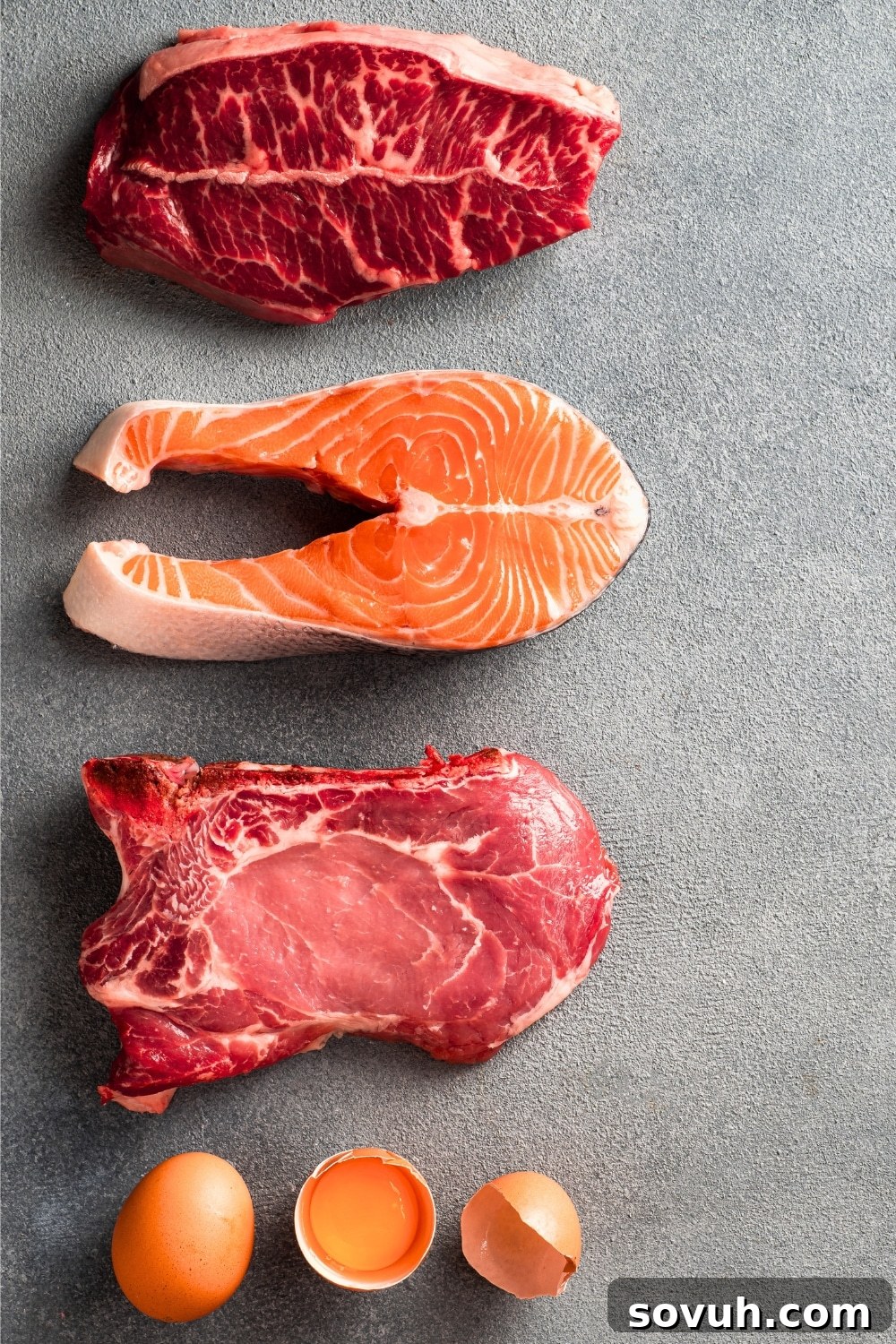
Carnivore Diet for Beginners
People try the carnivore diet for different reasons: better energy, improved mental clarity, or weight loss. The core idea is simple—fuel your body primarily with animal foods and reduce or eliminate plant-based foods and processed items. You don’t need to count calories or obsess over macros when you prioritize whole animal foods. For many, the result is fewer cravings and a more stable appetite.
Switching to an animal-based eating pattern can feel unusual at first, and it’s normal to question whether it’s satisfying or healthy. Many people report feeling fuller between meals, less tempted by sweets, and more focused. This guide presents a practical, no-nonsense 10-step plan to help beginners transition safely and get a fair trial of the diet.
Below are straightforward steps to begin the carnivore diet, followed by common questions and practical advice to make the transition easier.
How to Start the Carnivore Diet — The Easy Way
1. Understand the Basics of the Carnivore Diet
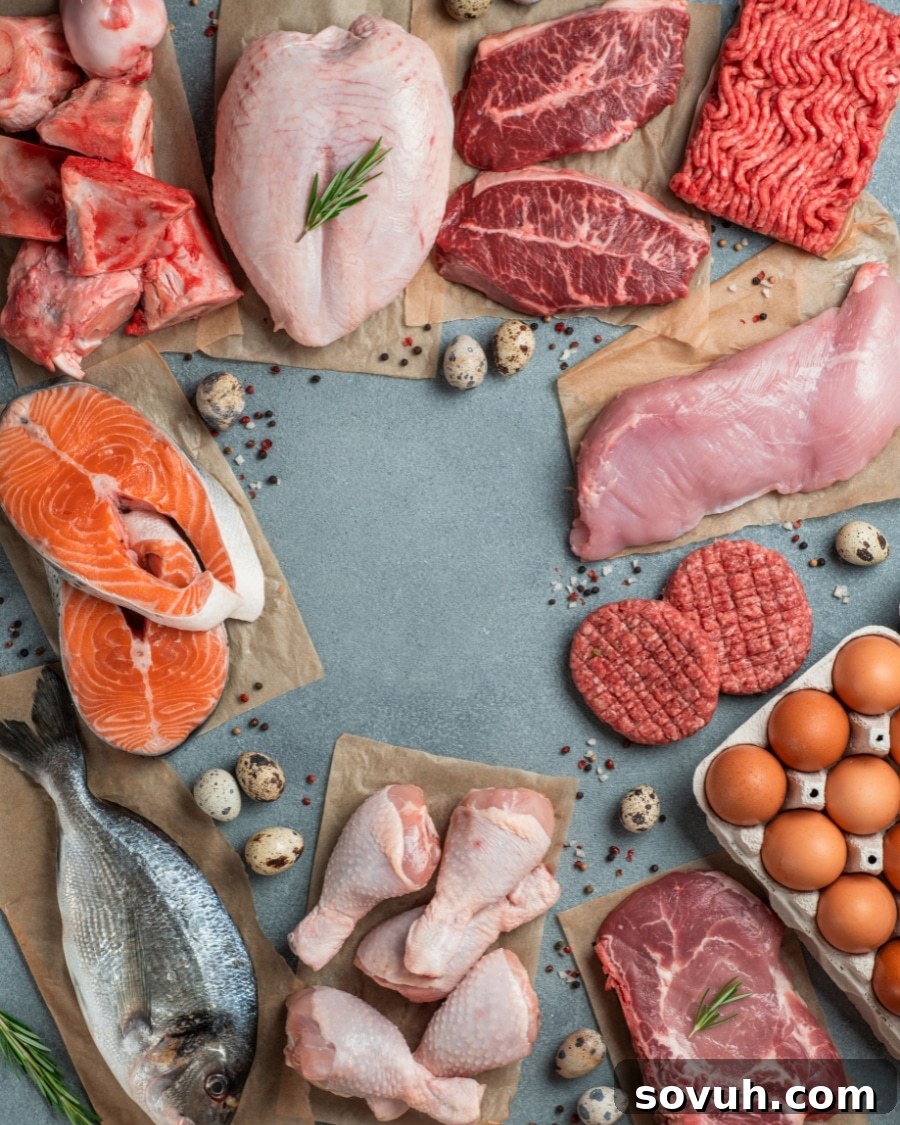
The carnivore diet is an animal-based eating pattern that emphasizes meat, eggs, and select dairy for those who tolerate it. It removes plant foods entirely, focusing on whole animal foods as primary fuel. Think of it as a very focused, simplified approach: if it came from an animal, it’s usually allowed.
Carnivore Diet Sample Food List
- Meat – Beef (ribeye, ground beef, brisket), lamb, pork, veal, bison, venison
- Poultry – Chicken, turkey, duck
- Fish & Seafood – Salmon, sardines, mackerel, shrimp, crab, lobster
- Organ Meats – Liver, heart, kidneys, tongue (nutrient-dense)
- Eggs – Whole eggs, including yolks
- Animal Fats – Beef tallow, lard, duck fat, butter, ghee
- Bone Broth – Beef or chicken bone broth for hydration and minerals
- Dairy (optional) – Heavy cream and hard cheeses for a more relaxed approach
2. Clear Out Non-Carnivore Foods from Your Kitchen

Remove obvious non-carnivore items like grains, sugary snacks, and seed oils. Reducing temptations makes it easier to stay consistent. If you prefer a less strict trial, some people keep coffee, limited spices, or a small amount of honey, but a cleaner start simplifies results and feedback from your body.
3. Choose Your Animal-Based Protein Sources Wisely
Prioritize nutrient-dense, fatty cuts and organ meats where possible. Grass-finished beef, fatty fish, and liver supply valuable vitamins and minerals that can be harder to obtain on an animal-only plan. These choices support sustained energy and overall nutrient intake.
4. Focus on Healthy Fats for Fuel
Fat provides most of the calories on a carnivore diet. Fatty cuts, tallow, butter, and ghee help maintain energy, reduce hunger, and support metabolic adaptation. Including enough fat prevents low-energy periods that can occur when fat intake is too low.
5. Limit Meals to 2–3 Daily
Eating two to three satisfying meals per day helps manage appetite and supports digestion. This structure discourages frequent snacking, which can undermine fat-adapted energy and make it harder to notice the diet’s effects.
6. Keep Beverages Simple and Sugar-Free

Stick to water, plain sparkling water, black coffee, or unsweetened tea if you choose. Avoid sugary drinks and fruit juices that will disrupt blood sugar stability. Hydration and electrolyte balance are important during the initial transition.
7. Prepare for the Initial Adaptation Phase
Expect a short adaptation period often called the “keto flu” when carb intake drops dramatically. Symptoms may include fatigue, headache, or digestive changes. Increasing salt and electrolytes and getting adequate rest can reduce these effects as your body switches to burning fat for fuel.
8. Skip the Calorie Counting
Many people benefit from listening to natural hunger and fullness signals rather than tracking every calorie. Focusing on nutrient-dense animal foods and eating until satisfied often leads to natural portion control and fewer cravings.
9. Experiment with Cooking Methods

Varying preparation techniques—grilling, roasting, pan-searing, or air frying—keeps meals interesting and improves texture. Simple seasonings like salt and pepper can enhance flavor without adding carbs, and trying new methods helps with long-term adherence.
10. Commit to 30 Days for Optimal Health Benefits
Give the diet at least 30 days to judge its effects on your sleep, mood, cravings, and energy. Many people notice changes within weeks, but a full month provides a clearer picture of whether this approach suits your goals and lifestyle.
Frequently Asked Questions About the Carnivore Diet
- Can I have coffee or tea? Purists avoid all plant-derived items, but many people following a relaxed carnivore plan include black coffee or unsweetened tea. If you want the strictest approach, warm bone broth is an animal-based alternative.
- What about spices? Strict carnivores typically use only salt. A relaxed approach may include minimal seasonings like pepper or simple herbs to make meals more palatable.
- Is honey allowed? Honey is high in sugars and generally avoided on a strict carnivore or ketogenic approach. Some relaxed followers use small amounts for flavor, but it can interfere with ketosis and appetite control.
- Are sweeteners permitted? Most non-animal sweeteners are avoided on strict carnivore plans. On a more flexible approach, some people use low-carb sweeteners temporarily during transition, but they can perpetuate cravings for sweetness.
- Is sparkling water acceptable? Plain sparkling water is generally fine. Avoid flavored varieties with added natural flavors or sweeteners if you follow a strict version.
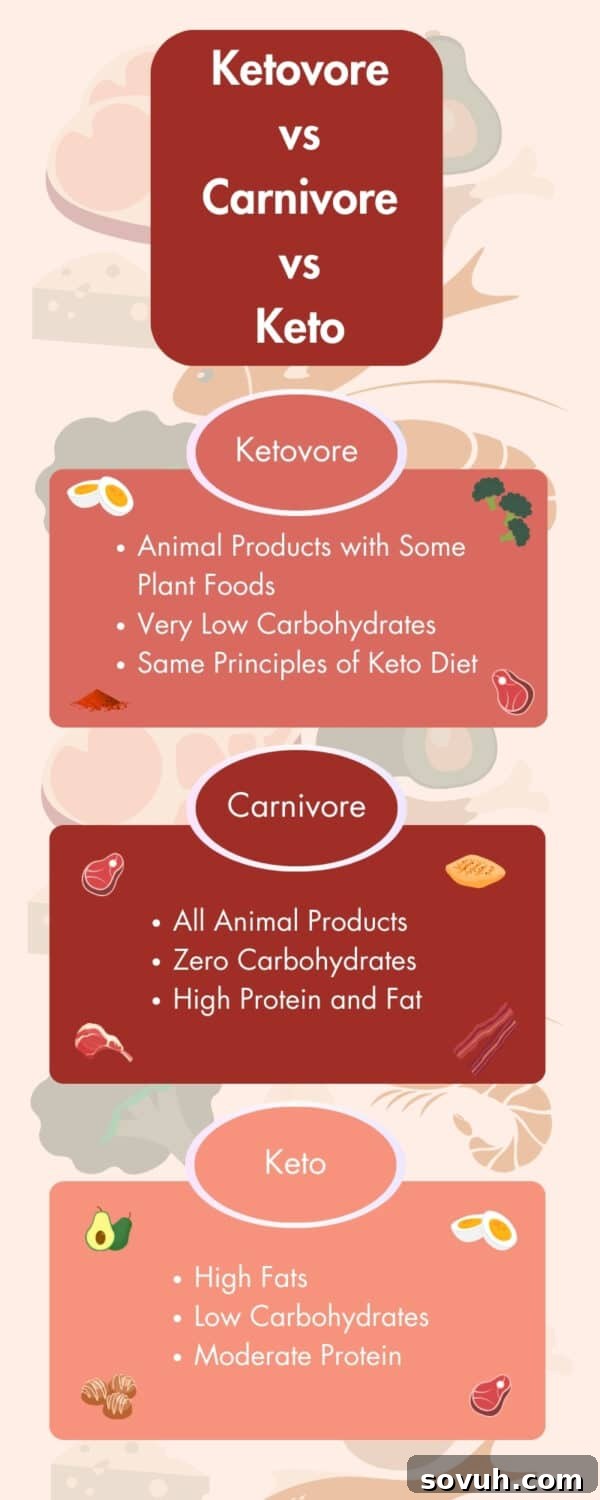
- How does carnivore differ from keto or ketovore? Carnivore focuses on animal foods only. Keto allows low-carb plant foods like leafy greens and nuts to maintain ketosis. Ketovore is a hybrid, emphasizing meat but permitting small amounts of low-carb plant foods for variety and nutrients.
- Is dairy allowed? High-fat dairy like butter, ghee, heavy cream, and some cheeses are common in relaxed carnivore plans. Strict followers avoid dairy to keep the diet meat-only. Individual tolerance varies.
- Should I eat organ meats? Organ meats are highly nutrient-dense and recommended when possible, but they are not mandatory. If you dislike them, diversify cuts and include fatty fish and eggs to help cover nutrient needs.
- Is the diet safe for people with chronic conditions? Individual responses vary. People with high blood pressure, kidney issues, or other health concerns should consult a healthcare provider before making major dietary changes.
- Can it cause nutrient deficiencies? A well-planned animal-based diet can provide many essential nutrients, especially if organ meats are included. However, it lacks plant-derived fiber and certain phytonutrients; periodic health monitoring is wise.
- What about mental health benefits? Many report improved clarity, focus, and stable energy after switching to an animal-based diet, likely related to more stable blood sugar and fewer inflammatory foods. Results are individual and largely anecdotal.
- Is it a good long-term choice? Long-term effects are still being researched. Some people follow carnivore for months and then transition to a more diverse low-carb or ketovore approach to broaden nutrient intake.
For meal ideas and inspiration, consider searching for carnivore breakfast, snack, dessert, and recipe collections designed for beginners. Trying a variety of preparations and cuts will make the diet easier to sustain if you decide to continue beyond the initial trial.