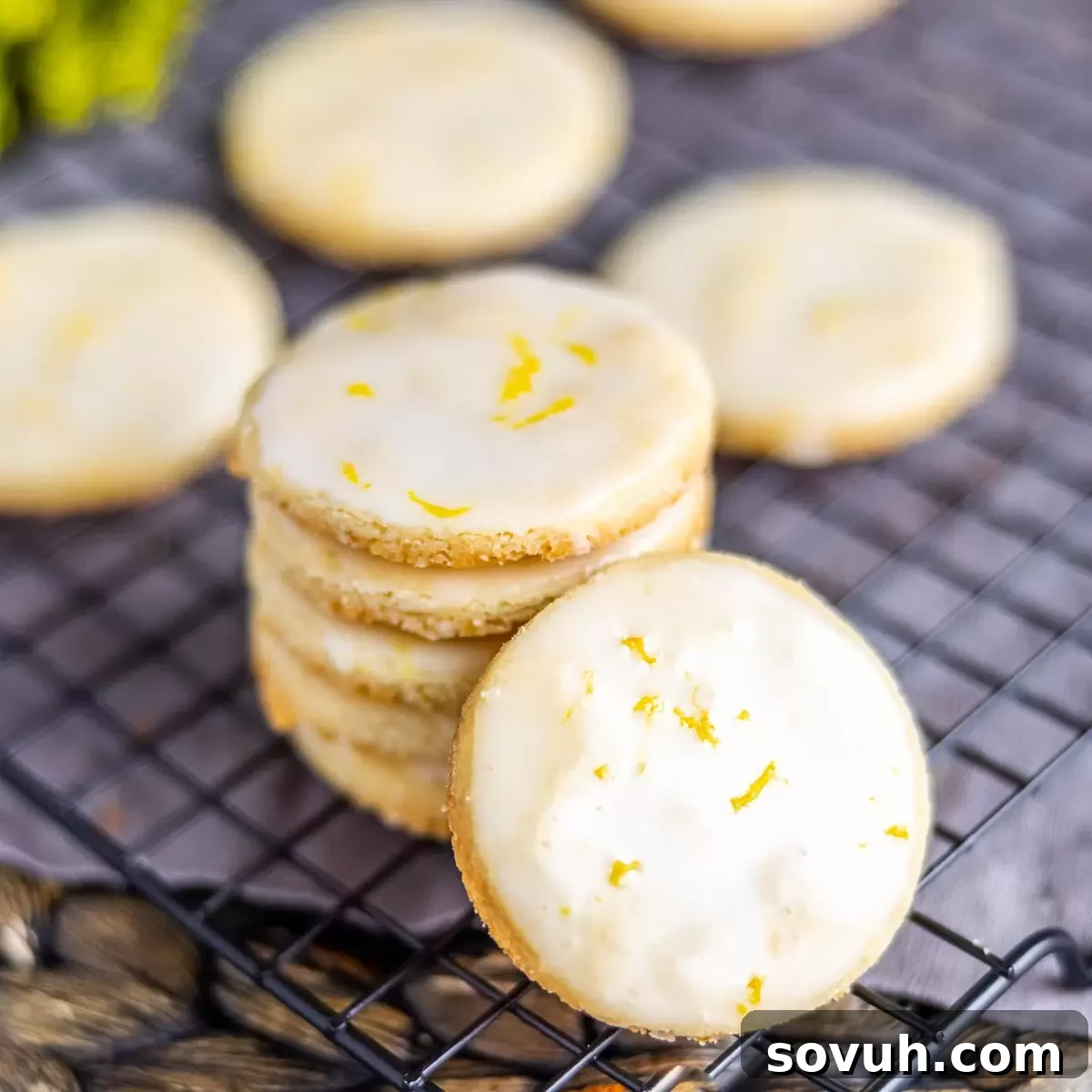
Indulge in the bright and buttery delight of these Lemon Shortbread Cookies. A refreshing classic, these tender butter cookies are generously coated with a sweet, tangy lemon glaze, offering an irresistible burst of citrus flavor. This easy-to-follow recipe is destined to become a staple in your kitchen!
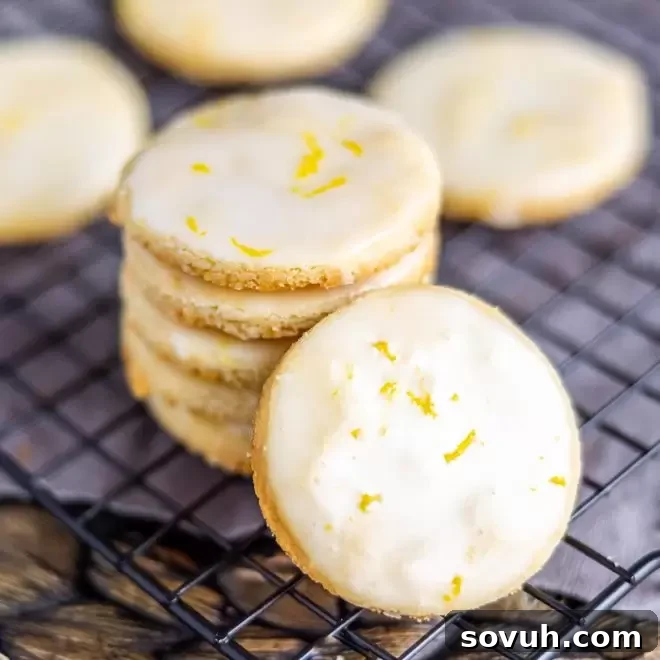
The Irresistible Charm of Lemon Shortbread Cookies
There’s something uniquely enchanting about lemon desserts, and these easy lemon shortbread cookies perfectly capture that bright, zesty essence. Each bite delivers a harmonious blend of delicate buttery texture and vibrant citrus flavor, infused directly into the cookie dough and crowned with a glistening, sweet-tart lemon glaze. If you’re a devoted fan of lemon treats, you’ll find these cookies to be a true revelation.
While lavish desserts like a creamy lemon icebox pie or elegant lemon cupcakes are fantastic for special occasions, they often require more time and effort. Our classic shortbread cookie recipe offers all the sophisticated flavor without the fuss, making it a perfect anytime indulgence. Chances are, you already have most of the ingredients in your pantry, ready to transform into a batch of sun-kissed cookies.
These versatile lemon shortbreads are a wonderful addition to any season. Their sunny flavor makes them an ideal pick-me-up on a dreary day or a refreshing treat during warmer months. They’re also a splendid choice for holiday gatherings, brightening up Easter dessert tables, adding a touch of elegance to Mother’s Day brunch, or simply serving as a delightful homemade snack. For an extra special presentation, consider pairing them with a side of luscious homemade lemon curd – perfect for sandwiching between two cookies for the ultimate citrus experience!
Note: This post may contain affiliate links. That means if you click on a link and make a purchase, we may receive a small commission. Thank you for your support!
Essential Ingredients for Lemon Shortbread Perfection
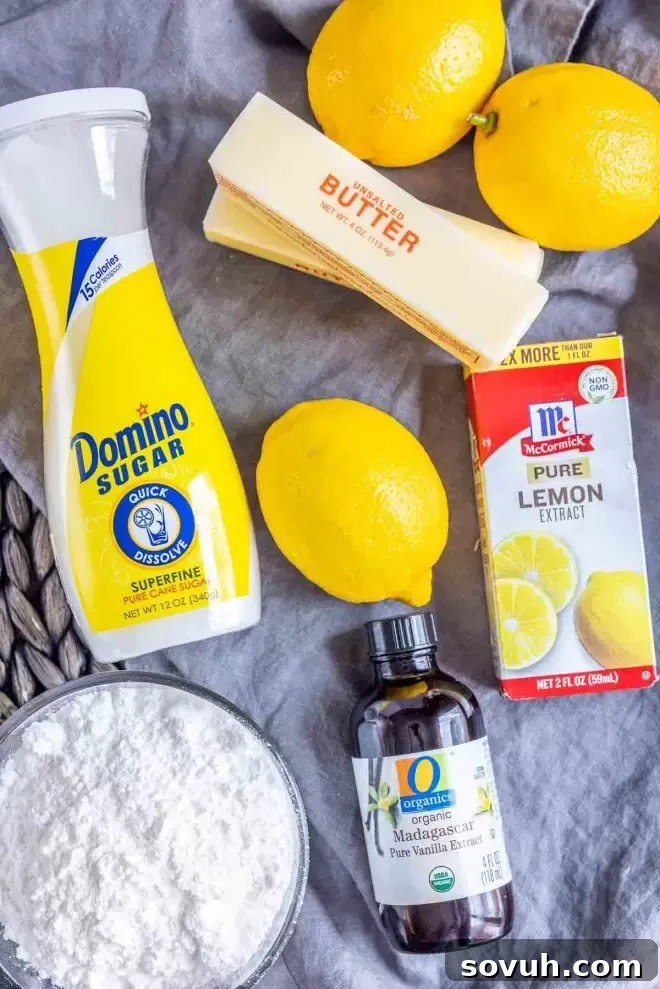
Crafting these delectable lemon shortbread cookies requires two distinct sets of ingredients: one for the incredibly tender cookies themselves, and another for the bright, sweet lemon glaze that finishes them beautifully. Using quality ingredients ensures the best flavor and texture in your homemade shortbread.
For the Buttery Lemon Shortbread Cookies, you’ll need:
- All-purpose flour: The foundation of our cookies. All-purpose flour provides the perfect structure for a tender yet crumbly shortbread texture. While other flours exist, sticking to all-purpose is recommended for consistent results in this recipe.
- Unsalted butter: This is the star of shortbread, contributing to its rich flavor and signature melt-in-your-mouth texture. Always use unsalted butter at room temperature. This allows it to cream properly with the sugar, incorporating air for a lighter cookie and ensuring a smooth, evenly mixed dough.
- Caster sugar: Also known as superfine granulated sugar, caster sugar is preferred for shortbread. Its finer crystals dissolve more quickly and evenly into the butter, resulting in a wonderfully smooth dough and a delicate, non-gritty texture in the baked cookie. While regular granulated sugar can be used in a pinch, be aware it might yield a slightly coarser texture.
- Flavoring agents:
- Lemon Zest: The true essence of lemon comes from its zest. Zesting one fresh lemon provides aromatic oils that infuse the dough with a vibrant, natural citrus flavor, far more potent than extract alone.
- Vanilla extract: A touch of vanilla extract complements the lemon beautifully, adding depth and warmth to the overall flavor profile without overpowering the citrus notes.
- Lemon extract: This enhances the lemon flavor, ensuring a pronounced and consistent citrus brightness throughout the cookie. It acts as a concentrated boost alongside the fresh zest.
- Salt: Just a small amount of salt is crucial for balancing the sweetness and enhancing all the other flavors, making the lemon notes pop even more.
For the Irresistible Lemon Glaze, you’ll need:
- Powdered Sugar: Also known as confectioners’ sugar, powdered sugar is essential for a smooth, lump-free glaze. Its finely milled texture dissolves instantly, creating a silky icing that sets beautifully without any grittiness.
- Lemon extract: This provides a pure, concentrated lemon flavor for the glaze, ensuring every bite has a bright, refreshing citrus finish.
- Water: Used to achieve the perfect consistency for your glaze. You can use tap or filtered water; the key is to add it gradually until you reach a pourable, syrupy texture.

Step-by-Step Instructions for Perfect Lemon Shortbread Cookies
Follow these detailed steps to achieve perfectly tender, flavorful, and beautifully glazed lemon shortbread cookies every time. Precision and patience are key for that exquisite crumbly texture and vibrant citrus kick.
Making the Cookies:
- Prepare Your Oven and Butter: Before you begin mixing, preheat your oven to 350°F (175°C). Ensure your unsalted butter is at true room temperature (soft enough to indent with a finger, but not melted). This is crucial for proper creaming.
- Cream Butter and Sugar: In a medium mixing bowl, using an electric mixer, beat the room temperature butter until it is light, fluffy, and creamy, typically for 2-3 minutes. Gradually add the caster sugar, continuing to beat until the mixture is thoroughly combined, light in color, and aerated.
- Infuse with Flavor: Add the fresh lemon zest, vanilla extract, lemon extract, and a pinch of salt to the creamed butter mixture. Continue to mix on low speed until all these flavorings are just combined and evenly distributed throughout the dough.
- Incorporate Flour Gently: Slowly add the all-purpose flour, one cup at a time, to the wet ingredients. Mix on the lowest speed until the dough just starts to come together and no dry streaks of flour remain. Be careful not to overmix, as this can develop the gluten and result in tough cookies.
- First Chill for Firmness: Gather the dough into a ball and gently flatten it into a disc. Wrap the dough tightly in plastic wrap and place it in the refrigerator to chill for at least 1 hour. This chilling time is essential for the butter to firm up, preventing the cookies from spreading excessively during baking.
- Roll and Cut the Dough: After the dough has chilled, remove it from the refrigerator. Lightly flour your work surface and your rolling pin. Roll the dough out evenly to a thickness of about 1/4 inch (approximately 6mm).
- Shape Your Cookies: Use a 3-inch round cookie cutter to cut out your cookies. While round is classic, feel free to experiment with other shapes! Carefully transfer the cut-outs to a baking sheet lined with parchment paper, leaving a small space between each cookie.
- Second Chill for Stability: Once all your cookies are cut and placed on the baking sheet, transfer the entire tray into the refrigerator for another 20 minutes. This second chill is a professional baker’s secret for ensuring the cookies hold their crisp edges and don’t spread too much in the oven.
- Bake to Golden Perfection: Remove the chilled cookies from the fridge and place the baking sheets into the preheated oven. Bake for 8 to 10 minutes, or until the edges of the cookies are a very light golden brown. They should still look pale in the center.
- Cool Completely: Allow the baked cookies to cool on the baking sheet for about 5-10 minutes before carefully transferring them to a wire cooling rack to cool completely. They must be entirely cool before glazing.
Mastering the Zesty Lemon Glaze
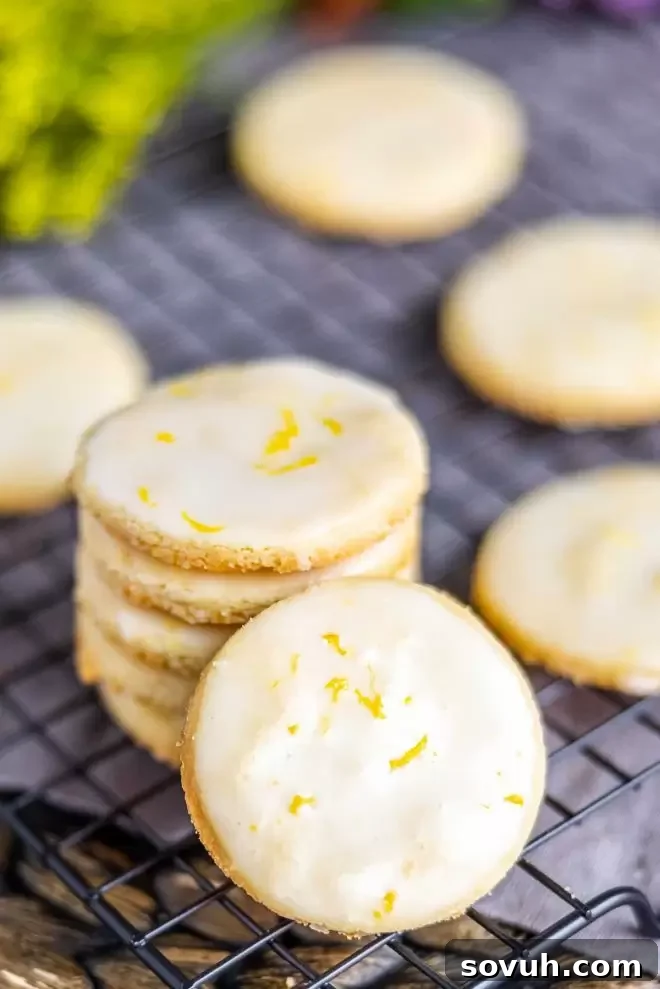
The sweet and tangy lemon glaze is what truly elevates these shortbread cookies, adding a beautiful finish and an extra layer of bright citrus flavor. It’s surprisingly simple to make, but getting the consistency just right is key for a perfect coat.
- Prepare the Glaze: In a small bowl, combine the powdered sugar and lemon extract. Begin adding water, 1 teaspoon at a time, whisking thoroughly after each addition. The goal is to achieve a consistency that is thin enough to drizzle or dip, similar to thin syrup, but not so thin that it runs off the cookies completely. It should slowly drip from your spoon.
- Glaze the Cooled Cookies: Once your cookies are completely cool and your glaze is ready, you have a couple of options. You can use a spoon to drizzle the glaze decoratively over the tops of the cookies for a rustic look, or for a more even coating, carefully turn each cookie upside down and dip its top surface into the glaze.
- Smooth and Set: If dipping, use the bottom of a spoon or a small offset spatula to gently smooth the glaze over the top of the cookie, ensuring an even layer. Immediately place the glazed cookies back onto the wire cooling rack (with parchment paper or wax paper underneath to catch drips) to allow the glaze to set and firm up completely.
Optional Finishing Touch: For an extra visual appeal and a fresh burst of aroma, sprinkle a tiny amount of fresh lemon zest over the wet glaze right after glazing. The zest will adhere as the glaze sets, adding a beautiful pop of color and an enhanced citrus fragrance.
Caster Sugar vs. Granulated Sugar: Why It Matters for Shortbread
When it comes to baking, the type of sugar you choose can significantly impact the final texture of your goods. In the realm of shortbread, the debate often centers around caster sugar versus granulated sugar. While both are essentially refined sugar, their granular size makes a notable difference.
Caster sugar, also known as superfine sugar, boasts much finer crystals than standard granulated sugar. This characteristic offers several advantages, especially in delicate baked goods like shortbread. Its primary benefit is its ability to dissolve more rapidly and evenly into fats and liquids. In recipes such as meringues, soufflés, and indeed, shortbread, this quick dissolution is crucial in preventing a gritty texture. When creaming butter and sugar, superfine crystals integrate more seamlessly, creating a smoother, more homogeneous mixture that contributes to a tender, melt-in-your-mouth crumb.
Granulated sugar, or regular table sugar, has larger crystals. While perfectly suitable for many baking applications, its coarser texture means it takes longer to dissolve. If used in shortbread, it might not fully dissolve into the butter during the creaming process, potentially leading to a slightly gritty mouthfeel in the finished cookie. For recipes where the texture is paramount, like the delicate crumb of shortbread, the subtle difference provided by caster sugar truly makes a difference.
While you can generally substitute one for the other in terms of sweetness (they have the same chemical composition and water content), the textural outcome will differ. In this lemon shortbread recipe, we specifically recommend caster sugar because it ensures a flawlessly smooth dough and contributes to that signature soft, crumbly shortbread texture that is so highly prized.
The Crucial Step: Why Chill Shortbread Dough Before Baking
If you’ve ever baked cookies only to find them spread into flat, shapeless puddles on your baking sheet, you might have skipped a critical step: chilling the dough. For shortbread cookies, with their notoriously high butter content, chilling is not just a recommendation—it’s an absolute necessity for achieving that perfect, crisp, and beautifully shaped result.
Here’s the science behind why chilling your shortbread dough is so important:
- Firms the Butter: Shortbread dough is rich in butter. At room temperature, butter is soft, and in a warm oven, it melts quickly. If you bake unchilled dough, the butter will melt rapidly before the flour has a chance to set the cookie’s structure. This causes the dough to spread outwards, resulting in thin, flat, and often greasy cookies. Chilling the dough solidifies the butter, allowing it to melt more slowly and gradually in the oven. This slower melting process gives the cookie structure time to set, resulting in a thicker, perfectly shaped cookie.
- Prevents Excessive Spreading: As mentioned, hardened butter melts slower. This means the cookies retain their shape much better during baking. The edges stay defined, and any intricate cut-out patterns are preserved, giving you beautifully uniform shortbreads.
- Develops Flavor: While less critical for shape, chilling also allows the flavors in the dough—especially the lemon zest and extracts—to meld and deepen. This leads to a more pronounced and harmonious flavor in the final product.
- Makes Dough Easier to Handle: Cold dough is less sticky and much easier to roll out and cut without it tearing or becoming overly soft. This is especially helpful if you’re working with intricate cookie cutters.
In essence, skipping the chilling step is a recipe for disaster, likely ending with a pan full of melted, unappetizing cookies. So, do not underestimate the power of refrigeration in this recipe!
Expert Tip for Reshaping: Even with chilling, sometimes cookies might spread ever so slightly. To ensure perfectly neat edges, keep your cookie cutter handy. Immediately after removing the hot cookies from the oven, gently place the cookie cutter around each cookie and give it a slight twist. This carefully trims and neatens the edges while the cookies are still warm and pliable, reshaping them back into flawless circles. Just be careful, as the cutter and cookies will be hot!

Storing Your Lemon Shortbread Cookies
Proper storage is essential to maintain the freshness, crispness, and delicious flavor of your homemade lemon shortbread cookies. Here’s how to keep them at their best:
At Room Temperature:
Once the lemon glaze is completely dry and hardened (this is crucial to prevent stickiness), arrange the cookies in an airtight container. To prevent them from sticking together or becoming soggy, place a layer of wax paper or parchment paper between each stack of cookies. Seal the container tightly and store it at room temperature. When stored correctly, these lemon shortbread cookies will stay fresh and delicious for up to 1 week.
For Freezing (Long-Term Storage):
Lemon shortbread cookies freeze exceptionally well, allowing you to enjoy them long after baking. For best results, follow these steps:
- Ensure Glaze is Dry: Just like with room temperature storage, make sure the lemon glaze is completely firm and dry before freezing.
- Layer in Freezer Bag: Place the cookies in a gallon-sized freezer bag or a freezer-safe container. Again, use wax paper or parchment paper between each layer of cookies to prevent them from freezing together.
- Remove Air and Seal: If using a freezer bag, remove as much air as possible before sealing it tightly. If using a rigid container, ensure the lid is sealed securely.
- Protect from Crushing: If you’re concerned about the cookies getting crushed in a busy freezer, consider placing the prepared freezer bag inside a more rigid, freezer-safe container for added protection.
- Freeze: Store the cookies in the freezer for up to 1 month.
- Thawing: When you’re ready to enjoy them, simply remove the desired number of cookies from the freezer and let them thaw at room temperature for about 30-60 minutes before serving.

Craving More Lemon Desserts?
If these bright and zesty lemon shortbread cookies have ignited your passion for citrus sweets, you’re in luck! Lemon offers such incredible versatility in baking, from creamy pies to light and airy meringues. Here are some more delightful lemon dessert recipes to inspire your next baking adventure:
- Lemon Chess Pie
- Lemon Pound Cake
- Lemon Meringue Cookies
- Lemon Curd Tartlets
- Lemon Berry Napoleon
- No Bake Lemon Meringue Dip
- Lemon Icebox Pie
Did you enjoy this recipe?
Make sure to follow us on Instagram and Pinterest for more delicious recipes and baking inspiration!
Lemon Shortbread Cookies
Servings: 18 cookies
Prep Time: 2 hours
Cook Time: 20 minutes
Total Time: 2 hours 20 minutes
Created By: Kat Jeter & Melinda Machado

Print Recipe
Ingredients
For the Cookies:
- 2 cups All-purpose flour
- 1 cup Unsalted butter, room temperature
- 1/2 cup Caster sugar (superfine granulated sugar)
- 1 tablespoon Lemon zest
- 1/2 teaspoon Vanilla extract
- 1/2 teaspoon Lemon extract
- 1/4 teaspoon Salt
For the Lemon Glaze:
- 1 cup Powdered Sugar
- 1/2 teaspoon Lemon extract
- 2-3 teaspoons Water
Instructions
- Preheat oven to 350 °F (175 °C).
- In your mixing bowl, beat room temperature butter until it is creamy.
- Add the caster sugar and mix thoroughly until light and fluffy.
- Add lemon zest, vanilla extract, lemon extract, and salt; continue mixing until well combined.
- Gradually add the all-purpose flour, one cup at a time, mixing until the dough just comes together. Be careful not to overmix.
- Form the dough into a ball, flatten it slightly, then wrap it tightly in plastic wrap. Chill in the refrigerator for at least 1 hour.
- Remove the chilled dough from the refrigerator.
- Lightly flour your work surface and a rolling pin. Roll the dough out to approximately 1/4 inch (about 6mm) thickness.
- Using a 3-inch round cookie cutter (or your preferred shape), cut out the cookies.
- Carefully place the cookie cut-outs onto a baking sheet lined with parchment paper, leaving a small space between each.
- Place the baking sheet with the cut cookies back into the refrigerator for another 20 minutes. This second chill is crucial for maintaining shape.
- Remove from refrigerator and bake for 8-10 minutes, or until the edges are lightly golden brown.
- Once baked, remove the cookies from the oven and let them cool on the baking sheet for 5-10 minutes. Then remove from the baking sheet and let them cool completely on a cooling rack.
- While the cookies are cooling, prepare the lemon glaze. In a small bowl, whisk together the powdered sugar, lemon extract, and water. Add water one teaspoon at a time until the glaze reaches a smooth, pourable consistency, similar to thin syrup.
- Once the cookies are completely cooled and the glaze is ready, you can either drizzle or spoon the glaze over the tops of the cookies, or carefully dip the top surface of each cookie into the glaze.
- If dipping, use the bottom of a spoon to gently smooth the glaze over the top before placing the cookie back on the cooling rack to allow the glaze to set and firm up.
- Allow the icing to harden completely before serving or storing the cookies.
Notes
- Tip for Perfect Shapes: If your cookies spread slightly during baking, immediately after removing them from the oven, gently use the same cookie cutter to re-trim the edges while they are still hot and pliable. This helps them maintain their perfect circular shape.
- Optional Garnish: For an extra burst of color and aroma, sprinkle a tiny bit of fresh lemon zest over the wet glaze before it sets.
Nutrition Information (Estimated Per Cookie)
- Serving Size: 1 cookie
- Calories: 189 kcal
- Carbohydrates: 23g
- Protein: 2g
- Fat: 10g
- Saturated Fat: 7g
- Trans Fat: 1g
- Cholesterol: 27mg
- Sodium: 34mg
- Potassium: 19mg
- Fiber: 1g
- Sugar: 12g
- Vitamin A: 315 IU
- Vitamin C: 1mg
- Calcium: 6mg
- Iron: 1mg
Nutrition Disclaimer: We are not certified nutritionists. Nutrition facts are an estimate and are provided as a courtesy. They are generated by an online API which recognizes ingredient names and amounts and makes calculations based on the serving size. Results may vary.
Course: Dessert
Cuisine: American
