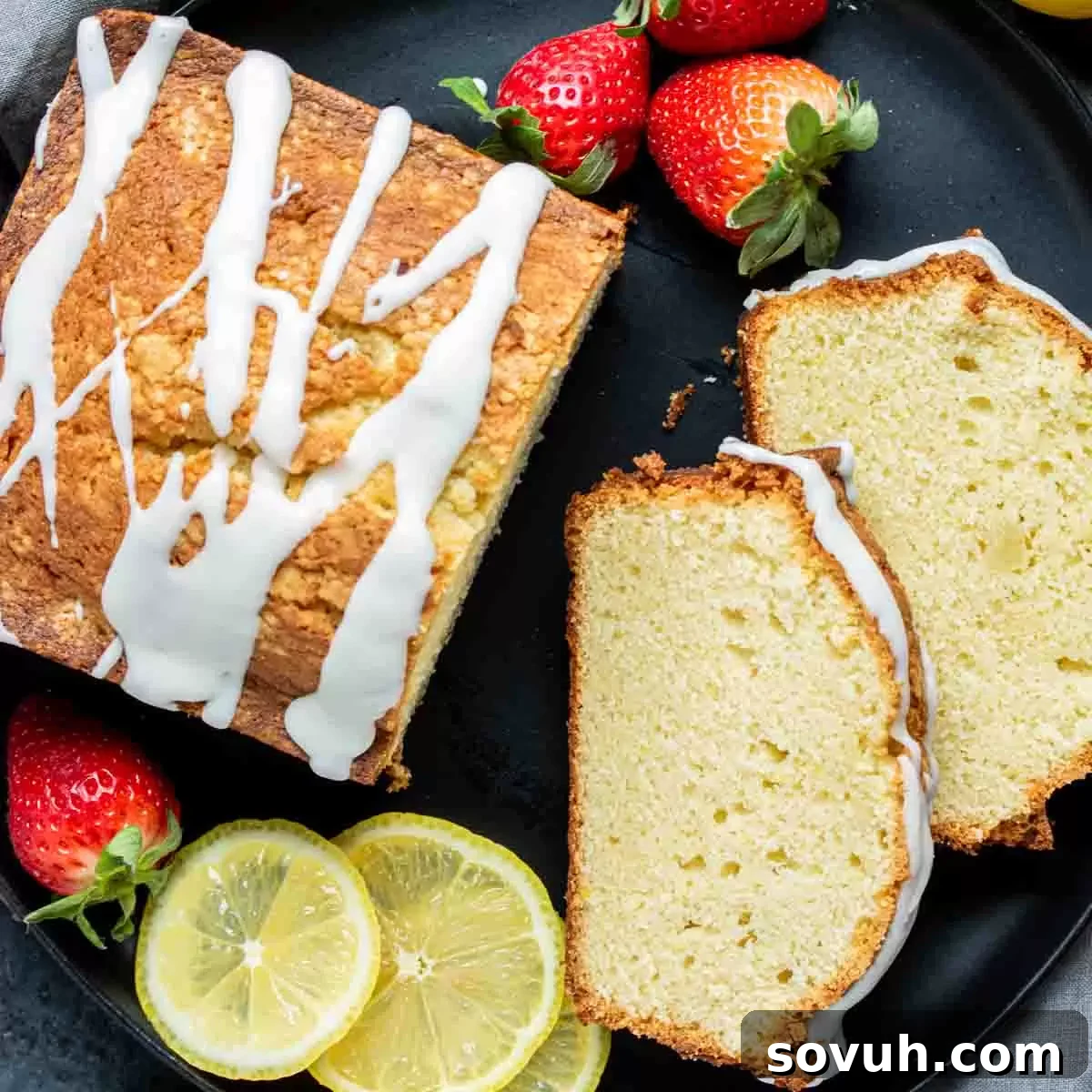
Indulge in a slice of pure sunshine with this easy-to-make, incredibly moist Lemon Pound Cake. Bursting with bright citrus flavor and topped with a luscious lemon glaze, this homemade lemon loaf is an absolute dream come true for any lemon lover. If you’ve ever craved the iconic Starbucks Lemon Loaf, prepare to be amazed, because this copycat recipe delivers that same delightful experience right in your kitchen. Perfect for a refreshing spring brunch, a sweet summer potluck, or simply as a treat to brighten any day, this lemon pound cake promises a tender crumb and an unforgettable taste that will have everyone asking for more.
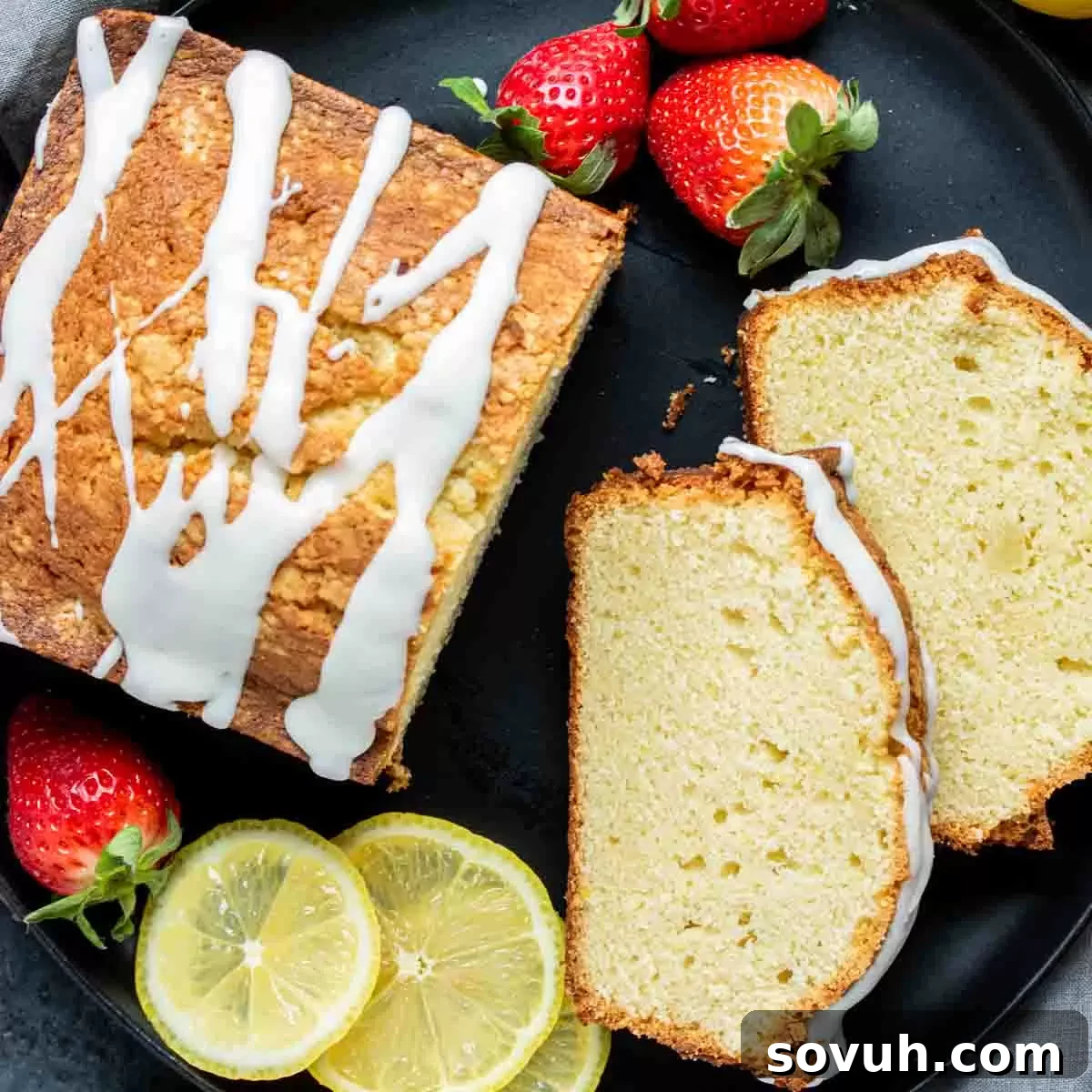
Why You’ll Adore This Lemon Pound Cake (Starbucks Copycat!)
There’s something truly special about a classic lemon pound cake, and this recipe elevates it to a whole new level. It’s not just moist; it’s luxuriously tender, practically melting in your mouth with every bite. The vibrant citrus notes are perfectly balanced with just the right amount of sweetness, making it an irresistible dessert or a delightful accompaniment to your morning coffee. As a dedicated fan of the Starbucks Lemon Loaf, I spent countless hours perfecting this copycat version, and I truly believe it captures the essence of that beloved treat, and perhaps even surpasses it.
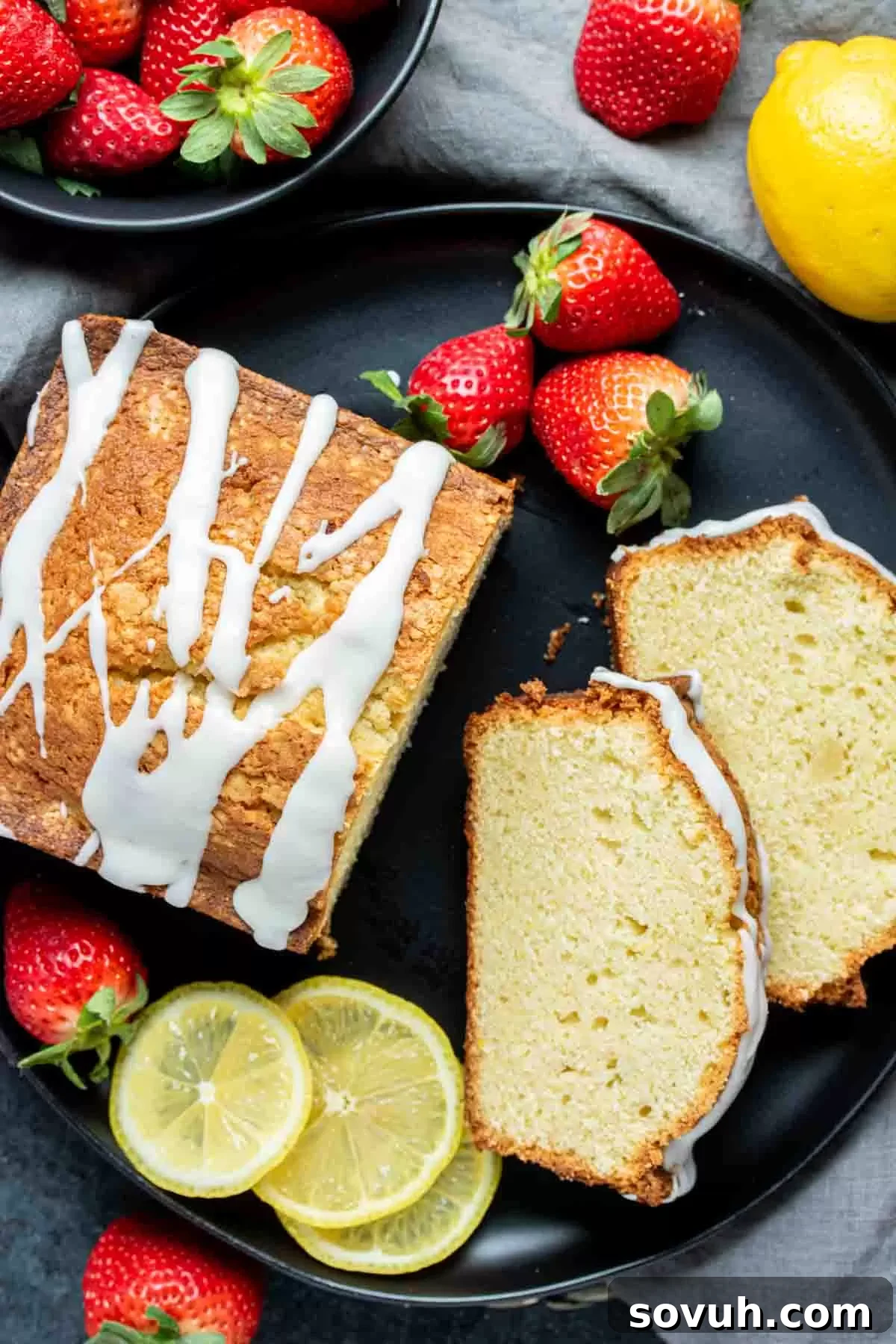
The star of the show, beyond the cake itself, is undoubtedly the simple yet divine lemon glaze. Its bright, tangy sweetness creates a beautiful contrast with the rich cake, adding an extra layer of flavor and moisture. Honestly, it’s so good that an “extra taste test” (or two!) before frosting the cake is practically mandatory. You’ll find yourself wanting to savor every drop of that lemony goodness. While the glaze is a must-try for many, if you prefer a less sweet option, feel free to skip it entirely. Instead, crown your lemon loaf with a generous dollop of freshly whipped cream and a scattering of juicy, ripe summer strawberries for a lighter, equally enchanting dessert.
This versatile cake is an ideal centerpiece for a variety of gatherings. It’s wonderfully similar to my cherished sour cream pound cake, making it a fantastic choice for elegant baby showers, joyful wedding showers, festive Mother’s Day brunches, or even as a refreshing treat for Easter dinner. But let’s be real, a cake this good doesn’t need a special occasion; it’s perfect for any day that calls for a little extra brightness.
Note: This post may contain affiliate links. That means if you click on a link and make a purchase we may receive a small commission. Thank you for supporting our site!
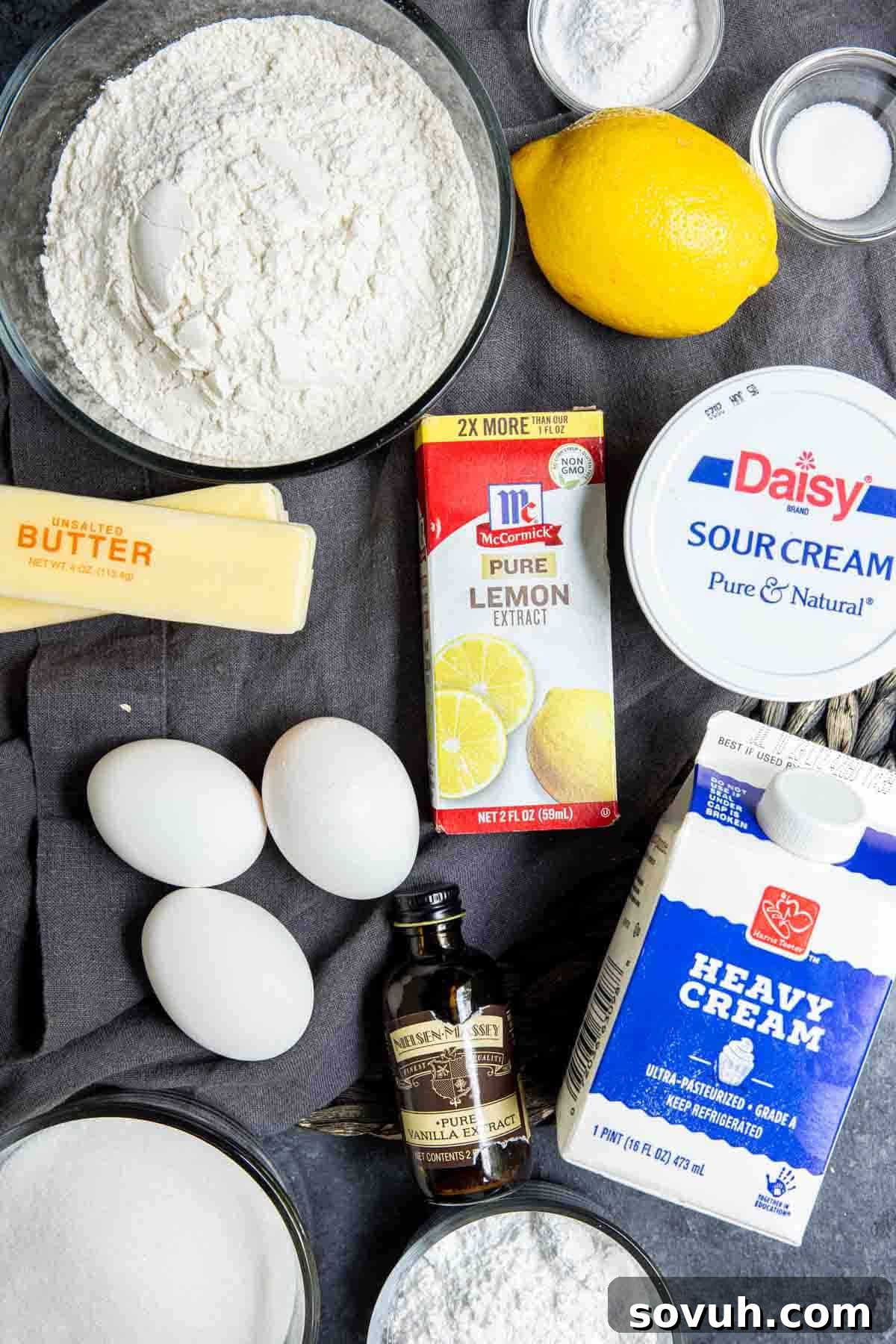
Essential Ingredients for Your Moist Lemon Pound Cake
Crafting the perfect lemon pound cake starts with understanding the role of each ingredient. Here’s a detailed look at what you’ll need and why it matters:
- Unsalted Butter: The foundation of any good pound cake! Ensure your butter is at room temperature. This isn’t just a suggestion; it’s crucial for achieving a smooth, well-emulsified batter when creamed with sugar. Room temperature butter incorporates air more effectively, contributing to the cake’s light yet dense texture.
- Granulated Sugar: Provides essential sweetness and helps create that classic tender crumb. When creamed with butter, it creates tiny air pockets, further aiding in the cake’s rise and texture.
- Sour Cream: This is our secret weapon for an unbelievably moist cake. Its high fat content adds richness, while its acidity reacts with baking soda to tenderize the cake, resulting in an exquisitely soft and dense texture. It also adds a subtle tang that beautifully balances the sweetness.
- Salt: A pinch of salt is vital for enhancing all the other flavors, particularly the lemon, making the cake taste richer and more complex, rather than just sweet.
- Baking Soda: Our leavening agent! Activated by the acidity in the sour cream, baking soda helps the cake rise, ensuring a lighter texture without sacrificing the characteristic pound cake denseness.
- All-Purpose Flour: The primary structural ingredient. Ensure you measure it correctly (lightly spoon into a measuring cup and level off) to avoid a dry or overly dense cake.
- Large Eggs: Eggs bind all the ingredients together, provide structure, and contribute to the cake’s rich flavor and golden hue. Like butter, having them at room temperature helps them incorporate more smoothly into the batter.
- Flavoring (Vanilla Extract, Lemon Extract, and Fresh Lemon Zest): This trio is what gives our pound cake its signature, irresistible lemon flavor. Vanilla extract adds a warm, underlying sweetness. Lemon extract intensifies the bright lemon notes, while fresh lemon zest provides aromatic oils and a vibrant, authentic citrus punch that store-bought extracts alone can’t replicate. Always use fresh lemons for the zest!
- Powdered Sugar (Confectioners’ Sugar): The base for our heavenly icing. Its fine texture creates a smooth, lump-free glaze.
- Whole Milk or Heavy Cream: Essential for achieving a rich, creamy, and opaque white icing. While skim milk or water can be used in a pinch, whole milk or heavy cream will yield the best consistency and flavor for the glaze, enhancing its luxurious feel.

Understanding Pound Cake: A Brief History
The term “pound cake” carries a fascinating history, harkening back to 18th-century Europe. Its name isn’t just a quirky label; it refers to the original recipe’s precise proportions. Traditionally, a pound cake was made with a literal pound of each of its four core ingredients: one pound of butter, one pound of sugar, one pound of flour, and one pound of eggs. This straightforward, equal-weight ratio made it incredibly easy to remember and prepare, even for novice bakers.
This classic formulation yielded a very dense, rich, and sturdy cake that kept well and traveled beautifully. Over the centuries, as baking science evolved and tastes broadened, the recipes adapted. Modern pound cakes often incorporate leavening agents like baking soda or baking powder, and additional ingredients such as sour cream, milk, or other flavorings to achieve a lighter texture and wider range of flavors, while still retaining that signature dense, moist crumb that defines a pound cake. Despite the variations, the spirit of that original, robust cake lives on in every tender slice.
Step-by-Step Guide to Baking the Perfect Lemon Pound Cake
Follow these detailed steps to create a truly irresistible lemon pound cake from scratch:
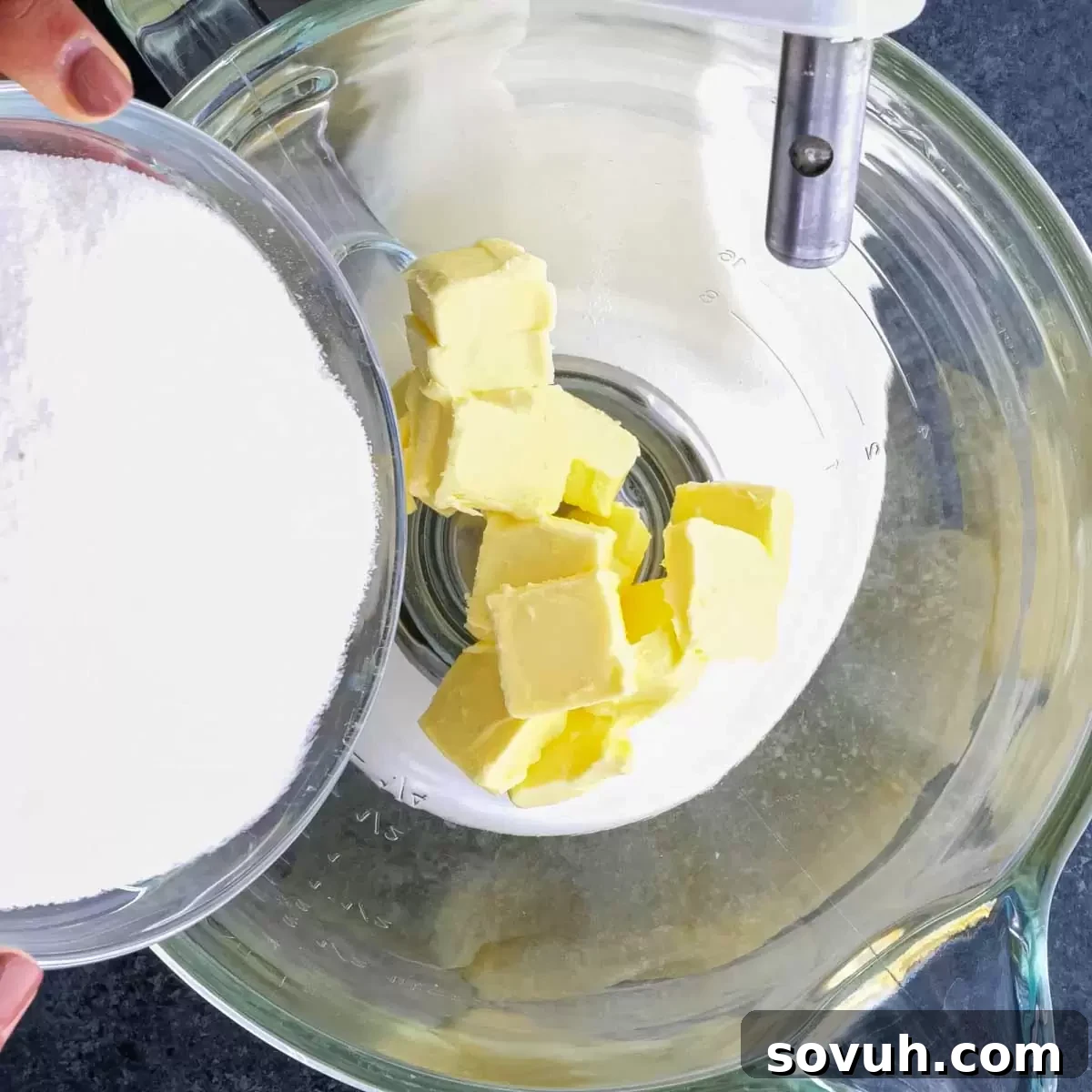
Step 1: Cream the Butter and Sugar. Begin by preheating your oven to 350°F (175°C). In the large bowl of your stand mixer fitted with the paddle attachment, or using a hand mixer, combine the softened butter and granulated sugar. Beat on medium speed for 3-5 minutes, or until the mixture is light, fluffy, and pale yellow. This critical step incorporates air, which is essential for the cake’s texture.
Step 2: Incorporate Sour Cream. Reduce the mixer speed to low and add the sour cream to the butter and sugar mixture. Mix thoroughly until it is just combined and smooth. Be careful not to overmix at this stage; just ensure it’s evenly distributed.
Step 3: Prepare Dry Ingredients. In a separate small bowl, whisk together the all-purpose flour, salt, and baking soda. This ensures the leavening and seasoning are evenly dispersed throughout the flour before adding it to the wet ingredients.
Step 4: Gradually Combine Wet and Dry. With the mixer still on low speed, slowly add the dry flour mixture to the sour cream mixture. Add about ½ cup of flour at a time, alternating with one egg, mixing briefly after each addition until just combined. Repeat this process until all the flour and eggs have been fully incorporated. Start and end with the flour mixture. This method helps prevent overmixing and ensures a tender cake.
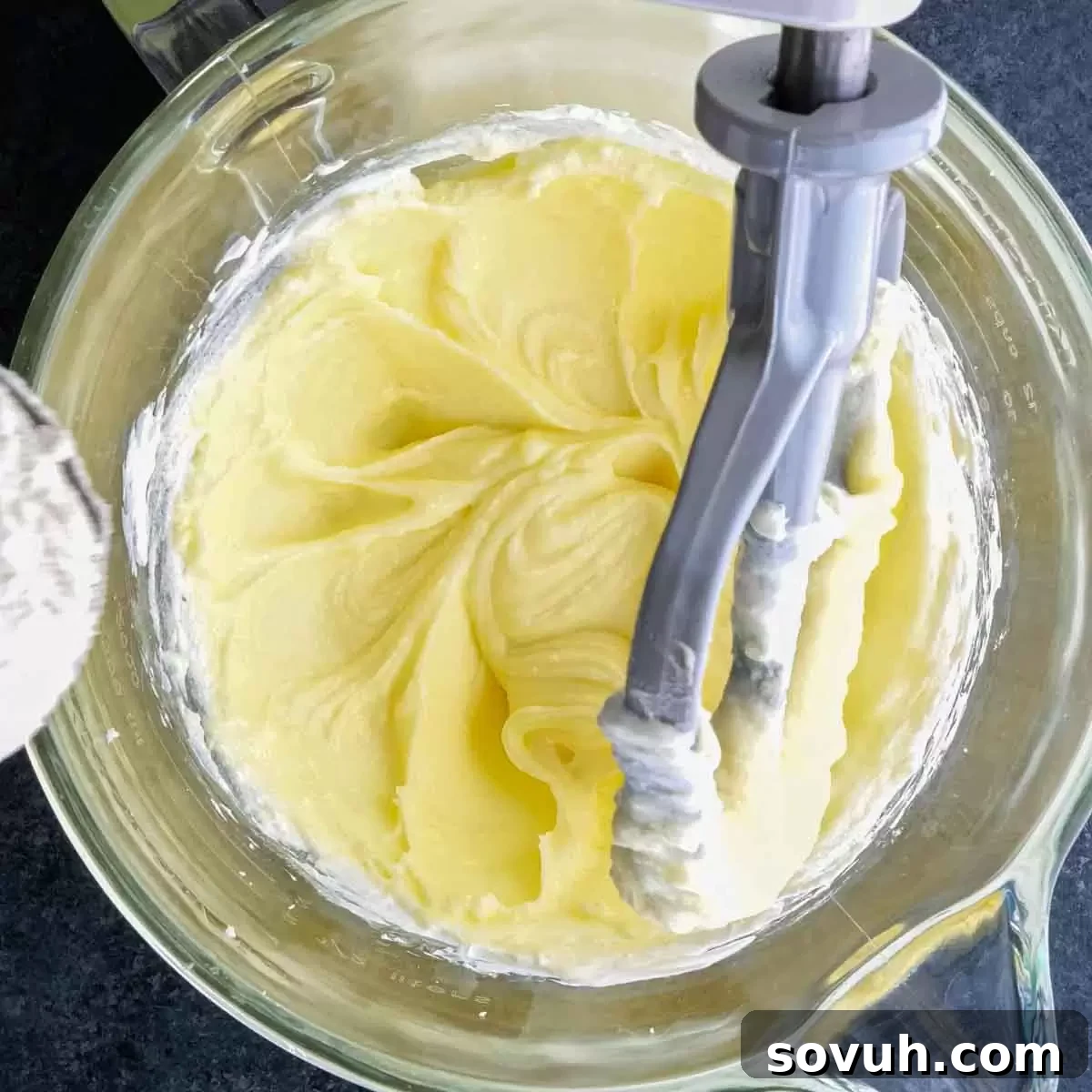
Step 5: Infuse the Flavor. Once the flour and eggs are incorporated, add the vanilla extract, lemon extract, and the finely grated fresh lemon zest to the batter. Mix on medium-low speed for just about 1 minute, or until the flavors are evenly distributed. Be careful not to overmix the batter at this point, as it can lead to a tough cake.

Step 6: Prepare Your Loaf Pan. Generously grease and flour a 9×5 inch loaf pan. For easy removal, line the bottom of the pan with a piece of parchment paper cut to fit, allowing extra paper to hang over the sides like “sling” handles. This ensures your beautiful pound cake comes out perfectly intact.
Step 7: Bake to Golden Perfection. Pour the prepared batter evenly into your greased and floured loaf pan. Bake in the preheated oven for 40 minutes to 1 hour. Baking times can vary, so keep an eye on it. The cake is done when a wooden skewer or toothpick inserted into the very center comes out clean or with only a few moist crumbs attached. Avoid opening the oven door too frequently during the first 30 minutes to prevent the cake from sinking.
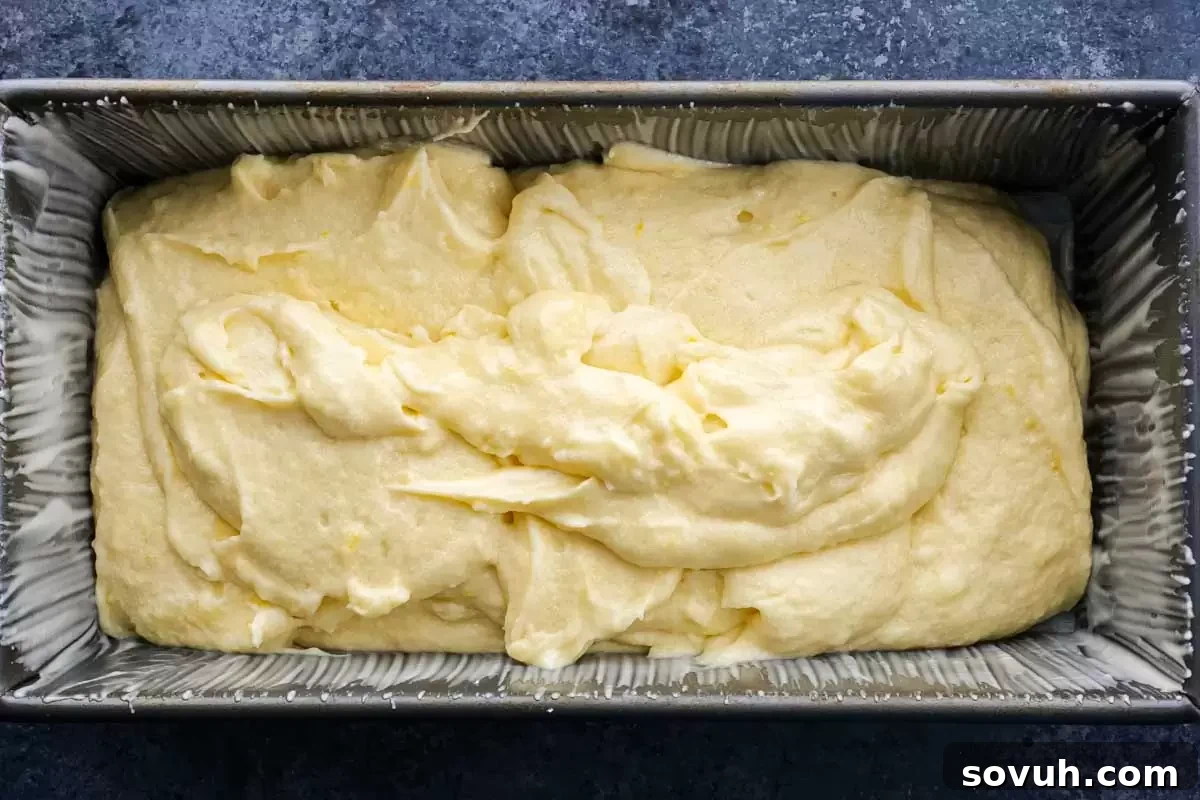
Step 8: Cool and Glaze. Once baked, remove the loaf pan from the oven and let the cake cool in the pan on a wire rack for about 15-20 minutes. This allows the cake to firm up slightly before you attempt to remove it. Carefully lift the cake out of the pan using the parchment paper handles and transfer it directly to the wire rack to cool completely. It’s crucial for the cake to be fully cooled before applying the icing; otherwise, the icing will melt and run off. Once cooled, spread or drizzle the prepared lemon icing generously over the top of the cake. For the glaze to set beautifully, place the glazed cake in the refrigerator for about 30 minutes to firm up.

Enjoy your homemade lemon pound cake masterpiece!
Mastering the Batter: Tips for a Tender Crumb
Achieving that coveted tender, dense-but-not-heavy texture in a pound cake is all about proper mixing. Overmixing is the arch-nemesis of a perfectly tender cake, as it overdevelops gluten in the flour, leading to a tough, rubbery result. Here’s how to master your batter for the best possible crumb:
- Room Temperature Ingredients: This cannot be stressed enough! Softened butter, room temperature eggs, and sour cream emulsify much better, creating a smooth, homogenous batter that traps air effectively. Cold ingredients will result in a lumpy, separated batter.
- Creaming Butter and Sugar First: This is your initial opportunity to incorporate air. Beat the butter and sugar together until they are truly light and fluffy. This process can take 3-5 minutes, depending on your mixer. This creates a stable base for the rest of the ingredients.
- Don’t Overmix with Sour Cream: Once the sour cream is added, mix just enough to combine. The goal is to blend, not to aerate further.
- Alternating Dry and Wet Ingredients: When adding the flour mixture and eggs, alternate them in small additions (e.g., flour, egg, flour, egg). This allows the ingredients to integrate evenly without overworking the gluten in the flour. Mix only until the streaks of egg or flour just disappear. The moment you see no more dry flour, stop the mixer.
- Flavoring Integration: Add your extracts and zest last. A quick mix of about 30-60 seconds on low speed is all that’s needed to distribute these vibrant flavors without developing excess gluten. Think “just combined,” not “beaten.”
- Scrape the Bowl: Periodically scrape down the sides and bottom of your mixing bowl with a rubber spatula to ensure all ingredients are evenly incorporated, preventing dry pockets or unmixed batter.
By following these guidelines, you’ll achieve a moist, tender, and perfectly textured lemon pound cake every single time.

Sour Cream Alternatives: Can You Make Lemon Pound Cake Without It?
While sour cream is truly a star ingredient in this moist lemon pound cake, contributing significantly to its tender texture and slight tang, it’s understandable that you might occasionally need an alternative. Before we dive into substitutes, let’s briefly reiterate why sour cream is so exceptional here:
The magic of sour cream lies in its dual action. Its high fat content guarantees an incredibly moist and dense cake, precisely the hallmark of a traditional pound cake. Furthermore, the acidity in sour cream reacts with the baking soda, creating a delicate leavening effect that results in that beautifully tender, fine crumb we all crave. This chemical reaction is key to preventing a heavy, brick-like cake.
Now, if sour cream isn’t an option, here are some excellent alternatives. Keep in mind that any substitution might slightly alter the final texture and flavor, but these options will still yield a delicious cake:
- Yogurt (Plain or Greek): This is hands-down the best substitute. Plain, full-fat yogurt (especially Greek yogurt) has a similar creamy texture and acidic profile to sour cream, making it an excellent swap. Opt for plain, unsweetened varieties to avoid unwanted flavors. If using Greek yogurt, you might thin it slightly with a teaspoon or two of milk to match sour cream’s consistency.
- Buttermilk: A classic baking ingredient, buttermilk is another fantastic acidic dairy product. Its thinner consistency means it contributes slightly less fat, but it still works wonders with baking soda to create a tender crumb. You can usually substitute buttermilk cup for cup with sour cream in recipes like this.
- Cottage Cheese (Blended): This might sound unusual, but it’s a surprisingly effective substitute! The curds of cottage cheese are rich in protein and fat. To use it, simply blend full-fat cottage cheese in a food processor until it’s completely smooth and creamy, resembling sour cream. Measure it out after blending. It will contribute moisture and richness, though the tang might be milder than sour cream or yogurt.
- Mayonnaise: Believe it or not, mayonnaise is an emulsion of oil and egg yolks, often containing vinegar or lemon juice, making it a decent fat and acid source. While it will definitely add moisture, it might introduce a slightly different flavor profile. Use a full-fat, neutral-tasting mayonnaise for best results, substituting cup for cup.
Whichever substitute you choose, the goal is to maintain the moisture and acidity that sour cream so perfectly provides, ensuring your lemon pound cake remains a delightful treat.
Creative Variations: Beyond Lemon
While our classic lemon pound cake is undeniably a showstopper, the beauty of this base recipe is its incredible versatility. Absolutely, you can substitute the lemon for a variety of other citrus fruits, creating an exciting array of flavor profiles! This is an excellent strategy when you’re baking for a crowd and want to offer diverse options, or simply when you’re in the mood to experiment.
Consider these delightful citrus variations:
- Orange Loaf Cake: A perennial favorite, an orange pound cake is bright, sweet, and comforting. Use fresh orange zest and orange extract (instead of lemon extract). The flavor is milder than lemon but equally refreshing. Serve it simply glazed or with candied orange slices. We even have a delicious Cranberry Orange Bread that’s perfect for the holidays!
- Lime Loaf Cake: For a zippier, slightly more tart experience, swap lemon for lime. Use fresh lime zest and lime extract. A simple lime glaze will enhance its vibrant character. This is particularly refreshing in warmer months.
- Grapefruit Loaf Cake: For those who appreciate a hint of bitterness and sophisticated tang, grapefruit pound cake is a revelation. Use fresh grapefruit zest and a touch of grapefruit juice in the glaze. It offers a more complex flavor profile that’s truly unique.
Beyond citrus, you could also explore other flavor profiles. Consider an almond pound cake (using almond extract and a sprinkle of sliced almonds) or a poppy seed pound cake (adding poppy seeds to the batter and a hint of almond extract). The key is to maintain the basic structure of the recipe while playfully introducing new extracts and zests to transform the flavor. Don’t be afraid to get creative and make this pound cake recipe your own!

Baking in Different Forms: Cupcakes and Mini Bundt Cakes
Absolutely, this incredibly versatile lemon pound cake recipe lends itself beautifully to other charming forms! Whether you’re planning a party or just prefer individual portions, you can effortlessly transform this loaf cake into delightful cupcakes or elegant miniature bundt cakes. Not only do they look appealing, but they also bake faster, making them a fantastic option for a quicker treat.
Here’s how to adapt the recipe for smaller baking vessels:
- Lemon Pound Cake Cupcakes: Prepare a standard muffin tin with paper liners. Fill each liner about two-thirds full with the batter. This recipe should yield approximately 18-24 cupcakes, depending on how full you fill them. Bake in a preheated 350°F (175°C) oven. Begin checking for doneness at around 15-18 minutes. The cupcakes are ready when a toothpick inserted into the center comes out clean. Be careful not to overbake, as cupcakes can dry out quickly due to their smaller size.
- Miniature Bundt Cakes: These are always a crowd-pleaser and add a touch of sophistication. Prepare your mini bundt cake pans by generously greasing and flouring them (or using a baking spray with flour). Fill each cavity about two-thirds full. Baking time will be similar to cupcakes, usually ranging from 18-25 minutes at 350°F (175°C). Again, test with a toothpick for doneness. Allow them to cool in the pan for 5-10 minutes before inverting them onto a wire rack to cool completely.
For both cupcakes and mini bundt cakes, the cooling and glazing process remains the same: ensure they are completely cool before drizzling or spreading with the lemon glaze. The individual portions make for easy serving and are perfect for grab-and-go treats or dessert buffets.
Storage Solutions: Keeping Your Lemon Pound Cake Fresh
One of the many wonderful qualities of pound cake is its excellent keeping quality. With proper storage, you can enjoy your homemade lemon loaf for days, or even months! Here’s how to ensure it stays as fresh and delicious as the day you baked it:
- Room Temperature: For immediate enjoyment, your lemon pound cake can be stored at room temperature for 1-2 days. The key here is airtightness. Wrap the entire cooled, glazed loaf tightly in plastic wrap, then again in aluminum foil. This dual layer protects it from drying out. Store it in a cool, dry place away from direct sunlight or heat sources.
- Refrigeration: If you want to extend its freshness, move the tightly wrapped cake to the refrigerator. When stored correctly, it will remain delicious for 4-5 days. Refrigeration is especially recommended if your kitchen is warm or humid, or if the cake contains fresh fruit toppings. Bring slices to room temperature for optimal flavor and texture before serving.
- Freezing for Long-Term Storage: This is where pound cake truly shines! You can freeze the entire loaf or individual slices for up to 6 months without significant loss of quality.
- To Freeze a Whole Loaf: Ensure the cake is completely cooled (and glazed, if desired, though freezing without glaze and adding it fresh after thawing is also an option). Wrap the loaf tightly in several layers of plastic wrap, then seal it securely in heavy-duty aluminum foil. For extra protection, place the foil-wrapped loaf into a freezer-safe zip-top bag.
- To Freeze Slices: This is great for portion control. Cut the cooled cake into individual slices. Place them on a baking sheet lined with parchment paper and freeze until firm (about 1-2 hours). Once firm, wrap each slice individually in plastic wrap and then aluminum foil. Store the wrapped slices in a freezer-safe container or bag.
Thawing Frozen Pound Cake: To serve, simply transfer the frozen cake (or slices) to the refrigerator overnight to thaw gently. Alternatively, you can place it on the counter at room temperature for a few hours. Once fully defrosted, it will be ready to enjoy, tasting almost as fresh as it did on day one.
The most crucial aspect of storage is always to keep the cake airtight. Exposure to air is the quickest way for it to become dry and stale.
Frequently Asked Questions (FAQs) About Lemon Pound Cake
Here are answers to some common questions you might have about baking and enjoying this delicious lemon pound cake:
- Can I use bottled lemon juice instead of fresh lemons for zest and flavor?
While bottled lemon juice can be used, we highly recommend fresh lemon zest and juice. Fresh zest contains aromatic oils that provide a much brighter, more authentic, and intense lemon flavor than bottled juice alone. Bottled juice can sometimes have a slightly metallic or less vibrant taste. For the best result, always opt for fresh lemons!
- Why is my pound cake dry or too dense?
A dry cake is often due to overbaking. Keep a close eye on your oven and use the toothpick test. A dense cake (in a negative way) usually results from overmixing the batter, which develops too much gluten, making the cake tough. Ensure your ingredients are at room temperature and mix only until just combined at each stage.
- Can I make this recipe gluten-free?
While this recipe uses all-purpose flour, many readers have successfully substituted it with a good quality 1:1 gluten-free baking flour blend (one that contains xanthan gum). Results may vary slightly in texture, but it’s generally a viable option. Always check the specific recommendations for your chosen gluten-free flour blend.
- What kind of loaf pan is best?
A light-colored metal loaf pan (standard 9×5 inches) is generally recommended as it conducts heat evenly and prevents over-browning. Darker pans can sometimes lead to darker crusts. If using a darker pan, you might need to slightly reduce the oven temperature or baking time. Always grease and flour thoroughly, and consider parchment paper for easy removal.
- How do I get the perfect consistency for the lemon glaze?
The key to a perfect glaze is to add the liquid (milk/cream and lemon extract) gradually to the powdered sugar. You want a consistency that’s thick enough to coat the back of a spoon and drizzle beautifully, but not so thick that it’s difficult to spread. If it’s too thick, add a tiny bit more milk; if too thin, add a teaspoon more powdered sugar. Whisk until completely smooth.
More Irresistible Cake Recipes
If you’ve enjoyed baking this lemon pound cake, you’re in for a treat! Explore more of our delightful cake recipes to satisfy your sweet cravings:
- Classic Sour Cream Pound Cake
- Decadent Sock It to Me Cake
- Tropical Pina Colada Cake Bites
- Classic Yellow Butter Cake Recipe
- The Best Homemade Coconut Cake
- Refreshing No Bake Strawberry Summer Cake
- Southern Hummingbird Cake
- Festive Red White and Blue Zinger Cake
- Discover More Amazing Cake & Cupcake Recipes…
Final Thoughts and Serving Suggestions
This lemon pound cake is more than just a dessert; it’s a celebration of simple, pure flavors that evoke comfort and joy. Whether you’re serving it alongside a cup of freshly brewed coffee, a fragrant tea, or as the sweet finale to a special meal, its bright, tangy notes and incredibly moist texture are sure to impress. Garnish with additional fresh lemon zest, a few sprigs of mint, or a handful of your favorite berries like raspberries or blueberries to add visual appeal and extra bursts of flavor. Consider warming a slice gently in the microwave for a few seconds before serving to enhance its tenderness. It’s also phenomenal with a scoop of vanilla bean ice cream or a dollop of crème fraîche for an elegant touch.
We hope you cherish this recipe as much as we do and that it brings a little ray of sunshine into your home. Happy baking!
Love this recipe?
Make sure to follow us on Instagram and Pinterest for more delicious recipes and inspiration.
Lemon Pound Cake Recipe
This Lemon Pound Cake is a Starbucks copycat recipe that doubles as a great easy dessert recipe and a simple brunch recipe.
Servings: 12
Prep Time: 15 mins
Cook Time: 1 hr
Total Time: 1 hr 15 mins
Created By: Kat Jeter & Melinda Machado
Print Recipe

Ingredients
For the Lemon Loaf:
- 1 cup unsalted Butter, room temperature
- 1 ½ cup Granulated Sugar
- ½ cup Sour cream
- ¼ teaspoon Salt
- ¼ teaspoon Baking soda
- 1 ½ cup All-Purpose Flour
- 3 large Eggs, room temperature
- 1 teaspoon Vanilla Extract (Affiliate Link)
- 1 tablespoon Lemon Extract
- Zest of 1 fresh lemon
For the Icing:
- 3 tablespoons unsalted Butter, room temperature
- 1½ cup Powdered sugar (Confectioners’ Sugar)
- 3 tablespoons Whole Milk or Heavy Cream
- 1 teaspoon Lemon Extract
Instructions
- Preheat oven to 350°F (175°C).
- In the bowl of your stand mixer, cream room temperature butter and sugar together until light and fluffy (3-5 minutes).
- Add sour cream to the butter mixture and combine thoroughly on low speed.
- In a small bowl, whisk together flour, salt, and baking soda.
- Slowly add the flour mixture to the sour cream mixture, adding ½ cup at a time and alternating it with the eggs, until all of the flour and eggs have been just incorporated. Mix only until no streaks of flour or egg remain.
- Add vanilla extract, lemon extract, and fresh lemon zest. Mix on medium-low speed for about 1 minute until well combined, being careful not to overmix.
- Prepare a 9×5 inch loaf pan by greasing and flouring it, then lining the bottom with a piece of parchment paper cut to fit (allowing overhang for easy removal).
- Pour the batter into the prepared loaf pan and bake for 40 minutes to 1 hour, or until a toothpick inserted into the center of the cake comes out clean.
- Let the cake cool completely on a wire rack. Once fully cooled, spread or drizzle the prepared icing over the cake and place it in the refrigerator for about 30 minutes to firm up.
- Slice and enjoy your delicious lemon pound cake!
Icing Instructions
- In a small bowl, whisk together the softened butter, powdered sugar, whole milk (or heavy cream), and lemon extract until completely smooth and of drizzling consistency. Add more milk or powdered sugar if needed to adjust thickness.
Nutrition Information (Estimated Per Serving)
Serving: 1 slice
- Calories: 420 kcal
- Carbohydrates: 52 g
- Protein: 3 g
- Fat: 22 g
- Saturated Fat: 13 g
- Cholesterol: 99 mg
- Sodium: 256 mg
- Potassium: 49 mg
- Sugar: 40 g
- Vitamin A: 735 IU
- Vitamin C: 0.1 mg
- Calcium: 27 mg
- Iron: 0.9 mg
Nutrition Disclaimer: We are not certified nutritionists. Nutrition facts are an estimate and are provided as a courtesy. They are generated by an online API which recognizes ingredient names and amounts and makes calculations based on the serving size. Results may vary.
Course: Dessert
Cuisine: American
