The Ultimate Guide to Crafting a Perfect Dutch Baby Pancake
Forget everything you thought you knew about breakfast pancakes. While traditional pancakes are certainly a beloved staple, the Dutch Baby offers an exquisite, effortlessly elegant, and undeniably impressive alternative. This German-inspired skillet pancake, often described as a glorious hybrid between a crepe, a pancake, and a popover, is a culinary marvel that transforms simple ingredients into a show-stopping dish. Light, airy, wonderfully fluffy, and just subtly sweet, a Dutch Baby is the ideal choice for those seeking a breakfast or brunch item that feels incredibly special yet is surprisingly simple to prepare. It’s a delightful experience for all breakfast enthusiasts, promising a golden, puffed-up masterpiece every time.
What Exactly is a Dutch Baby Pancake?
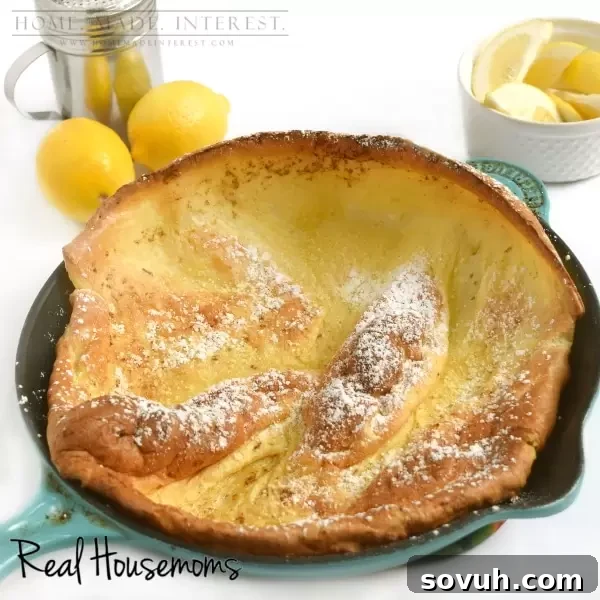
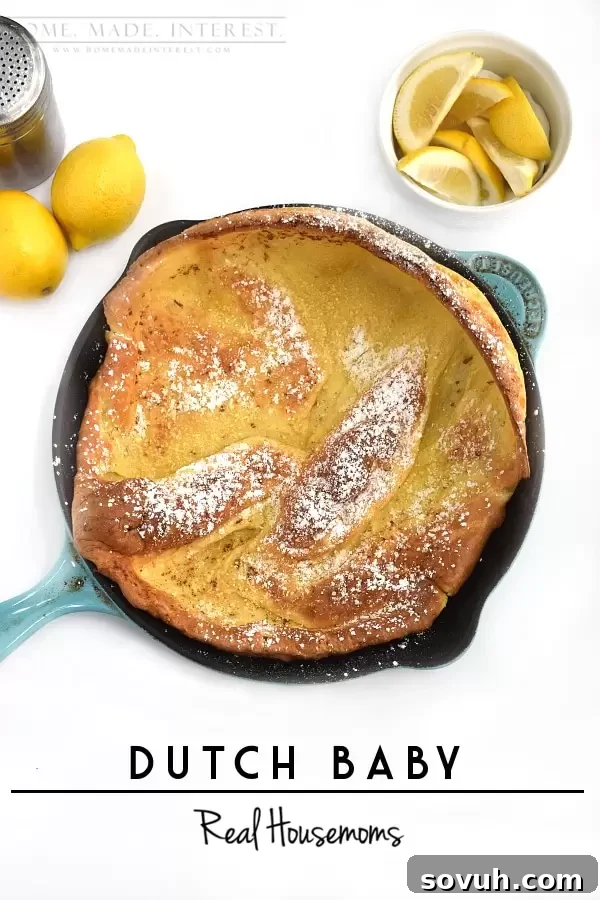
A Dutch Baby, also known as a German pancake or a Bismarck, is essentially a large, oven-baked pancake characterized by its dramatic puffing along the edges as it cooks, creating a beautiful, golden-brown crust and a soft, custardy center. Unlike its flatter, griddle-cooked cousins, the Dutch Baby is prepared in a hot oven, typically in a cast-iron skillet, allowing it to achieve its signature, impressive balloon-like rise. As soon as it’s removed from the heat, it gracefully deflates, forming a delectable bowl-like structure ready to be filled with your favorite toppings.
A Brief Glimpse into its History
Despite its name, the Dutch Baby is not actually Dutch. Its origins are often traced back to German Pfannkuchen (pancakes) or Poffertjes. The “Dutch” in its name is believed to be an Americanization of “Deutsch,” meaning German. The dish gained widespread popularity in the early 20th century in Seattle, Washington, credited to a family restaurant called Manca’s Cafe, where one of the owner’s daughters supposedly coined the term “Dutch Baby.” Over the decades, it has become a cherished breakfast tradition in many households, celebrated for its unique presentation and delightful texture.
Why Choose a Dutch Baby Over Traditional Pancakes?
Beyond its captivating appearance, there are several compelling reasons why the Dutch Baby stands out as an exceptional breakfast choice:
- Effortless Preparation: The batter comes together in minutes with minimal ingredients, often just whisked or blended.
- Hands-Off Cooking: Once the batter is poured into a preheated skillet, the oven does all the work. No more standing over a griddle, flipping individual pancakes! This frees up your hands to prepare other breakfast delights, like a generous serving of crispy bacon or a fresh fruit salad.
- Impressive Presentation: The dramatic puff and golden-brown edges make for an unforgettable “wow” factor at the breakfast table, perfect for entertaining guests or simply making a Sunday morning feel extra special.
- Versatile Flavor Profile: Its subtly sweet base allows it to be a canvas for an endless array of toppings, from sweet fruits and syrups to savory cheeses and herbs.
- Minimal Cleanup: Often baked and served directly in the same skillet, reducing the number of dishes.
Essential Ingredients for Your Perfect Dutch Baby
Creating a magnificent Dutch Baby requires only a handful of common pantry staples. The magic lies not in complex ingredients, but in their quality and preparation. Here’s what you’ll need:
- Eggs: The star of the show! Large eggs, preferably at room temperature, are crucial for achieving that characteristic light, airy, and custardy texture. They provide the structure and help the pancake puff beautifully.
- Milk: Whole milk is recommended for its richness, which contributes to a more flavorful and tender crumb. However, 2% milk can also work well. Ensure it’s at room temperature for optimal batter consistency.
- All-Purpose Flour: Simple all-purpose flour is all that’s needed. The key is to blend it thoroughly but avoid overmixing, which can lead to a tough pancake.
- Granulated Sugar: Just a touch of sugar helps to balance the flavors and contributes to the golden-brown crust. You can adjust this amount based on your preference or omit it if you plan on savory toppings.
- Vanilla Extract: A splash of good quality vanilla extract enhances the overall flavor, adding warmth and sweetness.
- Salt: A pinch of salt is vital for balancing the sweetness and bringing out the depth of other flavors.
- Unsalted Butter: Essential for greasing the hot skillet. The butter not only prevents sticking but also creates those coveted crispy, caramelized edges that are so delightful.
The Simple Art of Making a Dutch Baby Pancake
Follow these steps to create your own perfectly puffed Dutch Baby. Remember, precision and a hot oven are your best friends here!
Step 1: Preheat Your Oven and Skillet
This is arguably the most crucial step. Place a 10-inch cast-iron skillet (or another oven-safe, heavy-bottomed skillet) into your oven. Preheat the oven to a high temperature, typically 400°F (200°C), with the skillet inside. Allowing the skillet to get screaming hot is what helps the Dutch Baby puff dramatically. This usually takes about 10-15 minutes after the oven has reached temperature.
Step 2: Prepare the Batter
While the oven and skillet are preheating, assemble your batter. In a blender, combine the room temperature eggs, milk, flour, sugar, vanilla extract, and salt. Blend until the mixture is completely smooth and free of any lumps. This typically takes about 30-60 seconds. Alternatively, you can whisk the ingredients vigorously by hand, but ensure there are no visible lumps of flour. Let the batter rest for a few minutes while the skillet finishes preheating; this allows the flour to fully hydrate.
Step 3: Introduce Butter to the Hot Skillet
Carefully remove the blazing hot skillet from the oven using oven mitts. Add 2-3 tablespoons of unsalted butter to the skillet. Swirl the butter around until it melts and coats the entire bottom and sides of the pan. The butter should sizzle and brown slightly – this is exactly what you want for crispy edges.
Step 4: Pour and Bake
Immediately pour the smooth batter into the hot, buttered skillet. The batter should instantly begin to sizzle around the edges. Carefully return the skillet to the hot oven. Bake for 15-20 minutes, or until the Dutch Baby is dramatically puffed, deeply golden brown around the edges, and the center is set. Resist the urge to open the oven door during baking, as this can cause the pancake to deflate prematurely.
Step 5: Serve Immediately!
Once baked, carefully remove the skillet from the oven. You’ll notice the pancake begins to deflate almost immediately. This is completely normal and part of its charm. Transfer it to a cutting board or directly to the table. Slice into wedges and serve immediately with your desired toppings.
Tips for the Perfectly Puffed Dutch Baby
Achieving that glorious, sky-high puff is simpler than you might think with these expert tips:
- Hot Skillet is Non-Negotiable: This is the golden rule. A properly preheated cast-iron skillet creates instant steam, which is the magic behind the dramatic rise.
- Room Temperature Ingredients: Eggs and milk that are at room temperature emulsify better and create a smoother, more consistent batter, which contributes to a better puff.
- Don’t Peek: Opening the oven door during baking allows cold air in, which can cause your Dutch Baby to collapse before it’s fully set. Trust the process!
- Blend for Smoothness: While whisking by hand works, a blender ensures a perfectly smooth batter free of lumps, leading to a more uniform and impressive rise.
- Ample Butter: Don’t skimp on the butter in the hot pan. It helps create a non-stick surface and contributes immensely to the rich flavor and crispy edges.
- Serve Right Away: Dutch Babies are best enjoyed the moment they come out of the oven, while they are still warm and slightly puffed (before the final deflation).
Serving Suggestions and Toppings Galore
The beauty of the Dutch Baby lies in its versatility. While delicious on its own, it truly shines when adorned with a variety of toppings. Here are some classic and creative ideas:
- The Classic: Powdered Sugar & Fresh Lemon: This combination is traditional for a reason. The bright acidity of fresh lemon juice cuts through the richness of the pancake, and the dusting of powdered sugar adds a touch of simple sweetness. It’s an absolute must-try for first-timers.
- Fresh Fruits: Berries (strawberries, blueberries, raspberries), sliced bananas, peaches, or thinly sliced apples tossed with a bit of cinnamon are fantastic additions.
- Syrups & Sauces: A drizzle of pure maple syrup, honey, chocolate sauce, or a homemade fruit compote (like berry or apple cinnamon) elevates the flavor profile.
- Whipped Cream or Ice Cream: For a more decadent treat, a dollop of fresh whipped cream or a scoop of vanilla ice cream works wonderfully, especially with fruit toppings.
- Nut Butters & Jams: A spread of your favorite nut butter (peanut, almond) or fruit jam offers a comforting and satisfying option.
- Cinnamon Sugar: A simple mix of granulated sugar and cinnamon sprinkled over the warm pancake adds a cozy, aromatic touch.
Dutch Baby Variations to Explore
Don’t be afraid to get creative and experiment with different flavors to customize your Dutch Baby experience:
- Apple Cinnamon: Thinly slice an apple and sauté it briefly with a tablespoon of butter and a sprinkle of cinnamon and sugar before pouring in the batter. The apples will soften and caramelize as the pancake bakes.
- Chocolate Chip: Sprinkle a handful of chocolate chips over the batter once it’s in the hot skillet, right before placing it in the oven.
- Savory Dutch Baby: Omit the sugar from the batter. After baking, top with ingredients like sautéed mushrooms and spinach, grated cheese (cheddar or Gruyère), crispy bacon bits, smoked salmon and dill, or a fried egg. A dash of black pepper and a pinch of herbs like chives or parsley can further enhance savory versions.
- Spiced Versions: Add a pinch of nutmeg, cardamom, or pumpkin spice to the batter for an autumnal twist.
Frequently Asked Questions About Dutch Baby Pancakes
Got questions? We’ve got answers to help you master the Dutch Baby!
- Q: Why did my Dutch Baby not puff up?
A: The most common reasons are an oven or skillet that wasn’t hot enough, cold ingredients (especially eggs and milk), or opening the oven door during baking. Ensure everything is preheated and at room temperature, and resist peeking! - Q: Can I make the batter ahead of time?
A: While it’s best to use the batter immediately for the most dramatic puff, you can prepare it up to an hour in advance and store it in the refrigerator. Just give it a quick whisk before pouring. - Q: What kind of pan is best for a Dutch Baby?
A: A 10-inch cast-iron skillet is ideal due to its excellent heat retention, which is crucial for the puff. Heavy-bottomed, oven-safe stainless steel or ceramic pans can also work. - Q: Is it possible to make a gluten-free Dutch Baby?
A: Yes! You can substitute the all-purpose flour with a 1:1 gluten-free baking flour blend (ensure it contains xanthan gum) for a delicious gluten-free version. The texture might be slightly different but still delightful. - Q: Can I make individual Dutch Babies?
A: Absolutely! You can use smaller oven-safe ramekins or mini cast-iron skillets. Adjust baking time accordingly (usually shorter for smaller portions).
The Dutch Baby pancake is more than just a breakfast item; it’s an experience. The thrill of watching it rise in the oven, its golden hue, the inviting aroma, and the sheer delight of its light and custardy texture make it a truly memorable dish. Whether you’re making it for a special occasion or simply elevating a regular Sunday morning, this recipe promises to deliver joy and deliciousness. So, go ahead, gather your ingredients, preheat your skillet, and prepare to be amazed by the simple elegance of a perfect Dutch Baby!