Mastering Your Instant Pot: A Comprehensive Guide for Beginners and Beyond
Note: This post may contain affiliate links. That means if you click on a link and make a purchase we may receive a small commission. Thank you for supporting our content!
Welcome to the World of Instant Pot Cooking!
The Instant Pot has revolutionized home cooking, transforming complicated recipes and long cooking times into effortless, quick-and-easy meals. If you’ve recently acquired this versatile kitchen appliance or are simply curious about its capabilities, you’re in the right place. This comprehensive guide is designed to demystify the Instant Pot, providing you with all the essential knowledge to start cooking with confidence. From understanding its core functions to mastering pressure release methods and exploring delicious recipes, we’ll cover everything you need to become an Instant Pot pro.
What Exactly is an Instant Pot?
At its heart, an Instant Pot is much more than just a pressure cooker; it’s a multi-functional kitchen powerhouse. Depending on the model, it can seamlessly transition between roles such as a pressure cooker, slow cooker, rice cooker, steamer, sauté pan, yogurt maker, and food warmer. This all-in-one design makes it an invaluable asset for busy weeknights, meal prepping, and even preparing elaborate dishes with minimal effort. Its ability to drastically reduce cooking times while retaining nutrients and flavor is a game-changer for modern kitchens.
Choosing the Right Instant Pot Size
Instant Pot models come in various sizes to suit different household needs. The most common sizes are:
- 3-Quart: Perfect for individuals, couples, or small families (2-3 people). Ideal for side dishes, small batches of grains, or cooking for one.
- 5 or 6-Quart: The most popular and versatile size, suitable for families of 4-6 people. This size is excellent for most everyday meals, including roasts, stews, and larger portions of rice.
- 8-Quart: Designed for larger families (6+ members), entertaining, or those who frequently prepare big batches of food. It accommodates whole chickens and larger cuts of meat with ease.
Selecting the appropriate size is crucial for maximizing your Instant Pot experience. For a detailed breakdown of which model might be best for your lifestyle, we recommend consulting this informative article.
Understanding Instant Pot Pressure Levels
One of the key features of an Instant Pot is its ability to cook under pressure, significantly speeding up the cooking process. An electric pressure cooker like the Instant Pot typically operates at around 11.6 psi (pounds per square inch), reaching an internal temperature of approximately 242 degrees Fahrenheit. In contrast, traditional stovetop pressure cookers often operate at a higher pressure of around 15 psi. This slight difference means that if you’re adapting a recipe originally designed for a stovetop pressure cooker, you might need to increase the cooking time in your Instant Pot by a small margin to achieve similar results. However, with the rising popularity of the Instant Pot, most new pressure cooker recipes are now specifically tailored for electric models, making conversions less frequently necessary.
Essential Instant Pot Accessories
While your Instant Pot comes equipped to handle a wide array of cooking tasks, a few key accessories can further enhance its versatility and simplify your cooking process. Investing in these can unlock even more culinary possibilities:
- Trivet: Typically included with your Instant Pot, this metal rack lifts ingredients above the cooking liquid, making it essential for steaming, pot-in-pot cooking, or keeping food from sitting directly in water.
- Steamer Basket: Ideal for perfectly steaming vegetables, seafood, or even eggs without overcooking them in the liquid. A must-have for healthy meal preparation.
- Springform Pan: Expand your Instant Pot repertoire to include delicious baked goods and casseroles. This pan fits inside the stainless steel insert, allowing you to bake cheesecakes, lasagna, meatloaf, and more using the pot-in-pot method.
- Glass Lid: While not for pressure cooking, this lid is incredibly useful when using your Instant Pot’s slow cook, sauté, or keep warm functions. It allows you to monitor your food without heat loss and prevents splattering when browning meats.
- Silicone Egg Bite Molds / Egg Cups: Perfect for making popular sous vide-style egg bites, these molds are also great for individual desserts or portion control.
- Egg Steamer Rack: For cooking multiple eggs at once, this rack keeps them upright and prevents them from cracking, ensuring evenly cooked hard-boiled or soft-boiled eggs.
- Silicone Lid: Once your meal is cooked, simply swap the pressure lid for a silicone lid, and you can store the entire inner pot directly in the refrigerator. This minimizes dirty dishes and makes leftovers a breeze.
- Extra Stainless Steel Insert: A true time-saver! Having a spare inner pot allows you to cook multiple dishes in succession without having to wash the pot between each recipe, perfect for meal prepping or multi-course meals.
Mastering Pressure Release: Quick Release vs. Natural Release
Once your Instant Pot has completed its cooking cycle, releasing the pressure is a crucial step. There are two primary methods, each serving a different purpose and impacting your final dish:
Quick Release (QR)
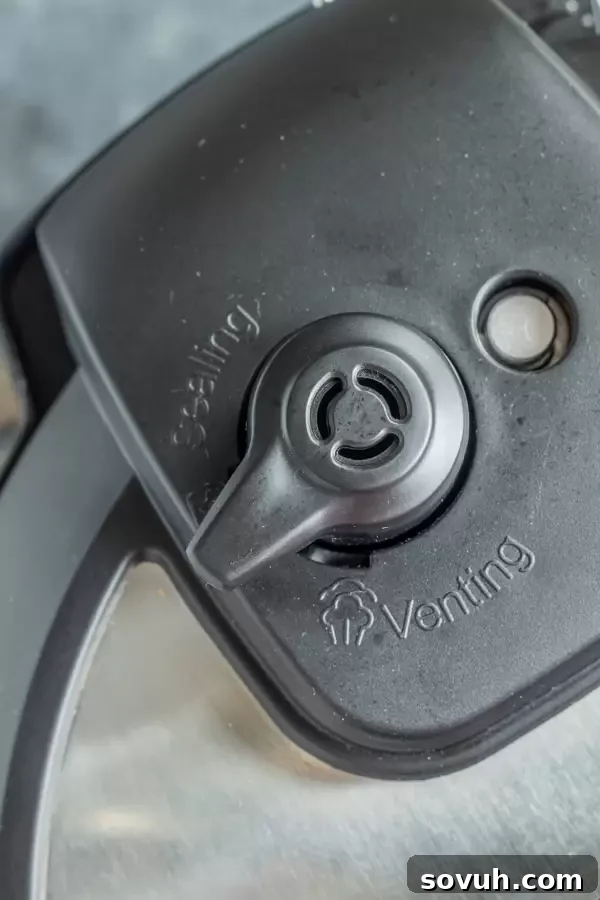
Method: When the cooking timer signals completion, immediately press CANCEL to turn off the Instant Pot. Then, carefully flip the pressure release valve on top of the lid from the “SEALING” position to the “VENTING” position.
Process: This method rapidly releases all the built-up steam and pressure. Be prepared for a powerful, visible stream of steam. Always keep your hands and face clear, and avoid placing the Instant Pot directly under cabinets to prevent steam damage.
When to Use: Quick Release is used when you want to stop the cooking process immediately. It’s ideal for delicate foods that can easily overcook, such as vegetables, pasta, seafood, or certain desserts. It prevents them from becoming mushy or overdone from residual heat.
Natural Release (NR)
Method: After the cooking timer finishes, press CANCEL and simply leave the Instant Pot undisturbed. The pressure will gradually dissipate on its own over time. The “Keep Warm” function often activates automatically during this period, but the actual cooking effectively stops once the pressure starts dropping.
Process: The internal pressure slowly decreases as the pot cools. This process continues to cook the food gently with residual heat. The float valve will eventually drop on its own once all pressure is released. At the end of the specified natural release time (e.g., “NR 10 minutes”), you can then manually flip the valve to “VENTING” to release any remaining pressure. Often, little to no steam will escape at this point.
When to Use: Natural Release is typically recommended for foamy or thick foods, such as soups, stews, grains, beans, and especially meats. It prevents sputtering or spraying of contents during release. For meats, it allows them to rest and become more tender and juicy, similar to how you’d rest meat after roasting. For grains and beans, it helps prevent burst skins and creates a better texture.
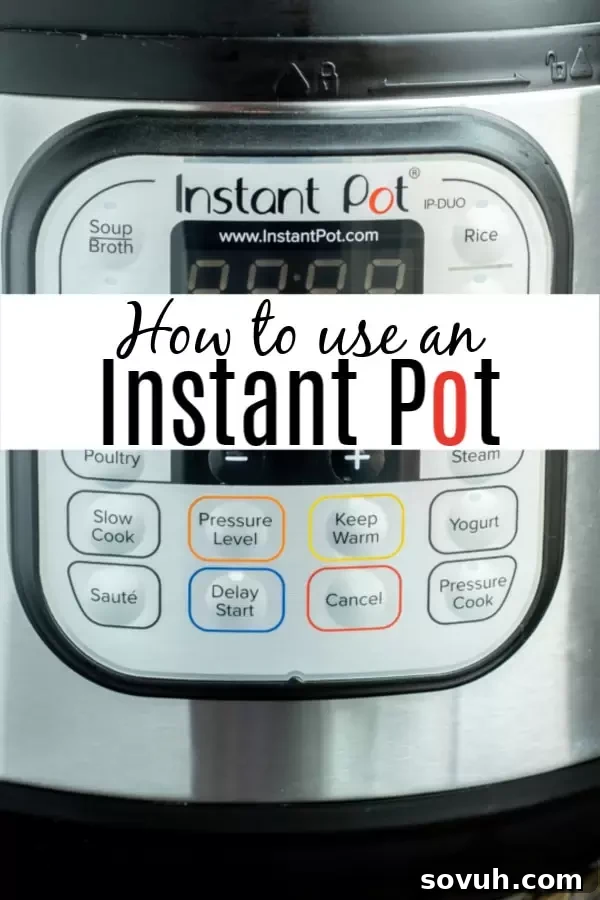
HOW TO USE AN INSTANT POT
Find this useful? Pin it to your Instant Pot board!
Follow Home. Made. Interest. on Pinterest
Your First Steps: Using an Instant Pot as a Pressure Cooker
Using your Instant Pot might seem daunting at first, but with a few simple steps, you’ll be pressure cooking like a pro. Always remember to perform the initial “water test” (check your Instant Pot manual for instructions) before cooking food, which helps you familiarize yourself with the process and ensures your unit is working correctly.
- Add Ingredients & Liquid: Follow your Instant Pot recipe carefully, ensuring all ingredients and the minimum required liquid are added to the inner pot. Liquid is crucial for building pressure; without it, the pot will not pressurize, and your food may burn.
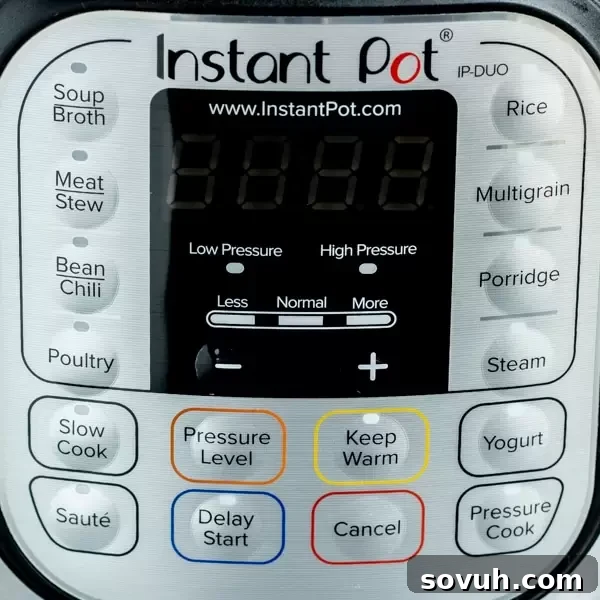
- Sautéing (Optional Pre-Step): Many recipes call for browning meat or sautéing vegetables before pressure cooking to build flavor. To do this, press the “SAUTE” button. You can typically cycle through “Less,” “Normal,” or “More” heat settings by pressing the button again. “Normal” is perfect for general sautéing and browning, while “More” offers higher heat for searing. “Less” is ideal for simmering or reducing sauces. Once done, hit “CANCEL.”
- Secure the Lid & Sealing Valve: Place the lid on the Instant Pot and turn it clockwise until it locks into place with an audible chime. Crucially, ensure the steam release handle (valve) on top of the lid is turned to the “SEALING” position. If it’s in “VENTING,” pressure will not build.
- Select Pressure Cook & Set Time: Press the “PRESSURE COOK” (or “MANUAL” on older models) button. Then, press “PRESSURE LEVEL” to toggle between “Low” or “High” pressure as specified by your recipe. Use the “–” and “+” buttons to adjust the cooking time. The Instant Pot will display “On” or a similar indicator as it begins to build pressure. This can take 5-15 minutes, depending on the volume and temperature of contents.
- Pressure Building & Cooking: Once the correct pressure is reached, the float valve will rise, and the countdown timer will begin. When the timer finishes, the Instant Pot will beep to alert you.
- Release Pressure: Immediately press “CANCEL” to stop the cooking. Now, perform either a Quick Release or Natural Release based on your recipe’s instructions.
- Quick Release: Carefully turn the steam release handle from “SEALING” to “VENTING.” A strong stream of steam will escape. Keep hands and face away.
- Natural Release: Do nothing and allow the pot to depressurize naturally for the time specified in the recipe. After this time, turn the handle to “VENTING” to release any residual pressure. Less steam will emerge, if any.
- Open and Serve: Once the float valve drops, indicating all pressure has been released, twist the lid counter-clockwise to open. Your delicious meal is ready to serve!
What Culinary Delights Can You Create in an Instant Pot?
The beauty of the Instant Pot lies in its incredible versatility. It excels at cooking a vast array of dishes, significantly reducing the time for traditionally slow-cooked meals and making everyday cooking more convenient. From hearty comfort foods to delicate desserts, your Instant Pot can handle it all:
- Soups and Stews: Achieve rich, deeply flavored broths and tender ingredients in a fraction of the time it would take on the stovetop. Think nourishing chicken noodle soup, robust beef stew, or creamy tomato soup.
- Meats: Transform tough cuts of meat like pot roasts, ribs, and pulled pork into fork-tender masterpieces in under an hour. It also cooks whole chickens, roasts, and even frozen meats with impressive results.
- Grains and Legumes: Perfect for cooking rice (white, brown, wild), quinoa, lentils, and dried beans from scratch without pre-soaking. The Instant Pot ensures fluffy, perfectly cooked grains every time.
- Pasta: Cook pasta directly in the pot with your sauce, resulting in a flavorful, one-pot meal that’s incredibly easy to clean up.
- Vegetables: Steam vegetables to perfection, preserving their nutrients and vibrant colors. It’s also great for making creamy mashed potatoes or tender corn on the cob.
- Breakfast Items: Prepare oatmeal, yogurt, hard-boiled eggs, or even delightful egg bites for a quick and nutritious start to your day.
- Desserts: Yes, you can bake in your Instant Pot! Cheesecakes, custards, and even certain cakes come out beautifully moist thanks to the pressure-cooking environment.
- Meal Prep: Its efficiency makes it ideal for batch cooking components for weekly meal prep, saving you time during busy weekdays.
Our Favorite Instant Pot Recipes to Get You Started:
Ready to put your new skills to the test? Here are a few beginner-friendly and incredibly delicious Instant Pot recipes that our community loves:
- Pressure Cooker Pulled Pork: Effortlessly tender pulled pork, perfect for sandwiches or tacos.
- Pressure Cooker Braised Short Ribs: Luxuriously rich and fall-off-the-bone short ribs made simple.
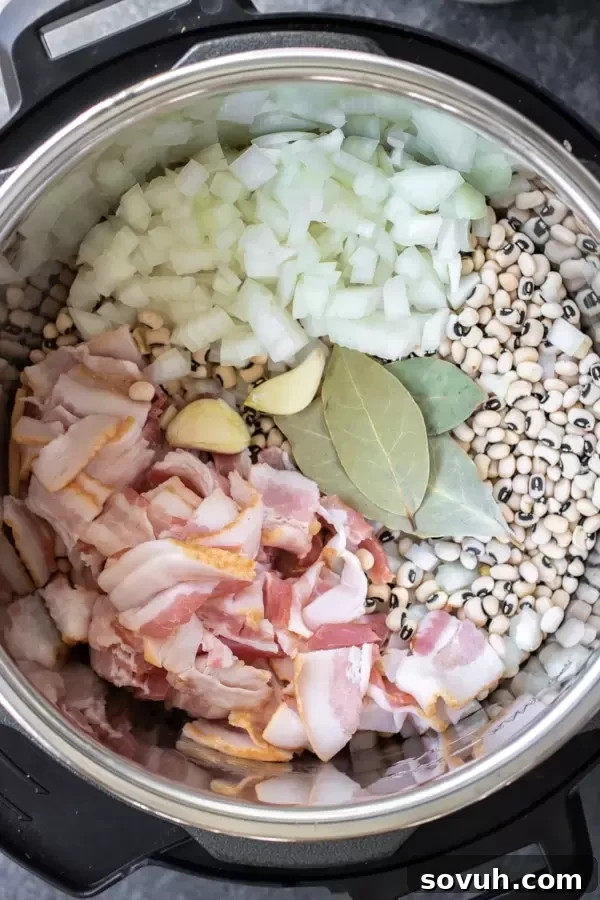
- Instant Pot Hoppin’ John: A traditional, flavorful black-eyed pea dish for good luck.
- Pressure Cooker Taco Soup: A quick, comforting, and customizable soup bursting with taco flavors.
- Pressure Cooker Chicken Enchilada Soup: All the flavors of chicken enchiladas in a heartwarming soup.
- Low Carb Instant Pot Sausage and Kale Soup: A healthy, hearty, and satisfying soup option.
Keeping Your Instant Pot Pristine: Cleaning Tips
Proper cleaning and maintenance are essential for the longevity and safe operation of your Instant Pot. Thankfully, most components are easy to clean:
- Base Unit: The main unit containing the heating element and control panel should *never* be submerged in water. Always unplug it before cleaning. Wipe down the exterior with a damp cloth and mild detergent, then dry thoroughly.
- Inner Pot: The stainless steel inner pot is fully removable and dishwasher safe. For stubborn food residue, a good soak in hot soapy water usually does the trick before scrubbing.
- Lid: The lid is top-rack dishwasher safe. Before placing it in the dishwasher, remove the sealing ring and the anti-block shield (a small metal cover on the underside of the lid’s steam release pipe).
- Sealing Ring: This silicone ring is crucial for creating a proper seal and should be hand-washed regularly with warm, soapy water. It can absorb food odors over time; soaking it in white vinegar or baking soda solution, or running it through the dishwasher, can help. Many users keep separate rings for savory and sweet dishes.
- Condensation Collector: This small cup at the back of the Instant Pot collects excess moisture. It’s removable and should be emptied and hand-washed after each use.
- Float Valve and Steam Release Valve: Ensure these are clear of food debris. The float valve can be gently wiggled to ensure it moves freely, and the steam release valve can be removed on most models for a thorough cleaning.
For detailed, model-specific cleaning instructions and additional tips, we highly recommend referring to the official Instant Pot care and cleaning guide HERE.
Embark on Your Instant Pot Journey!
You now have a solid foundation for understanding and confidently using your Instant Pot. This incredible appliance is designed to simplify your cooking, save you time, and expand your culinary horizons. Don’t be afraid to experiment with new recipes and different functions. The more you use it, the more intuitive it becomes, and soon you’ll wonder how you ever cooked without it.
We’re excited to see what delicious creations you’ll whip up. Share your favorite Instant Pot dishes or any questions you have in the comments below! Happy cooking!
