
White Tea and Cheese Pairing Guide
White Tea Pairing
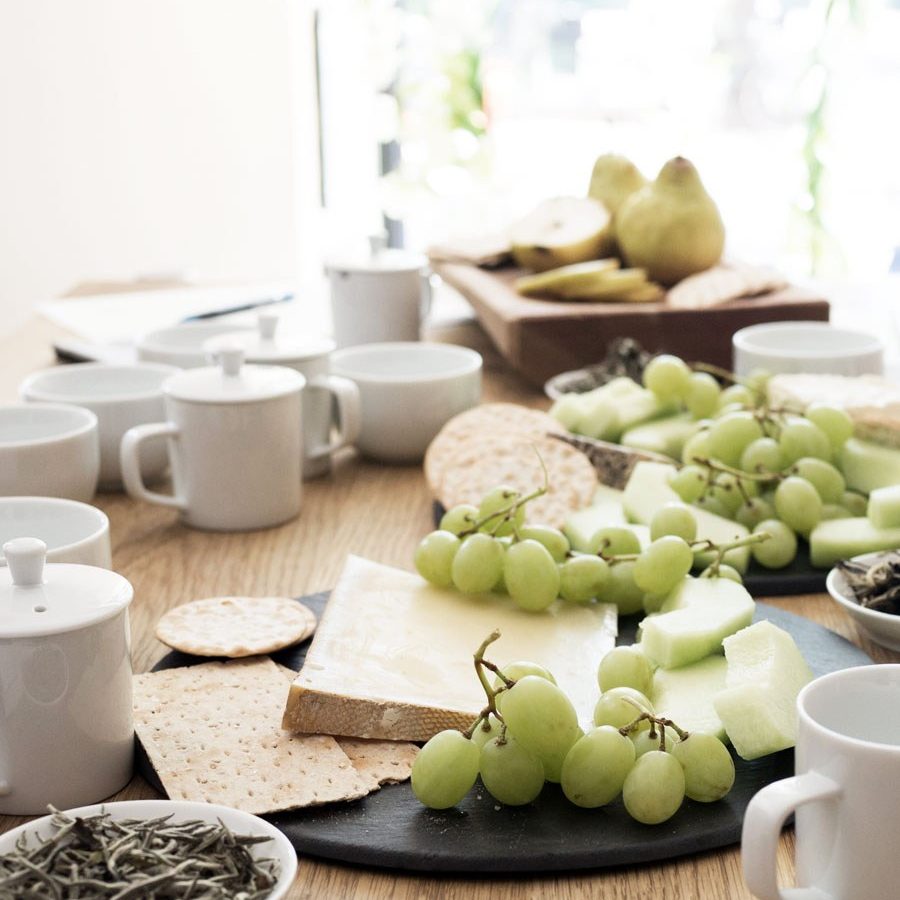
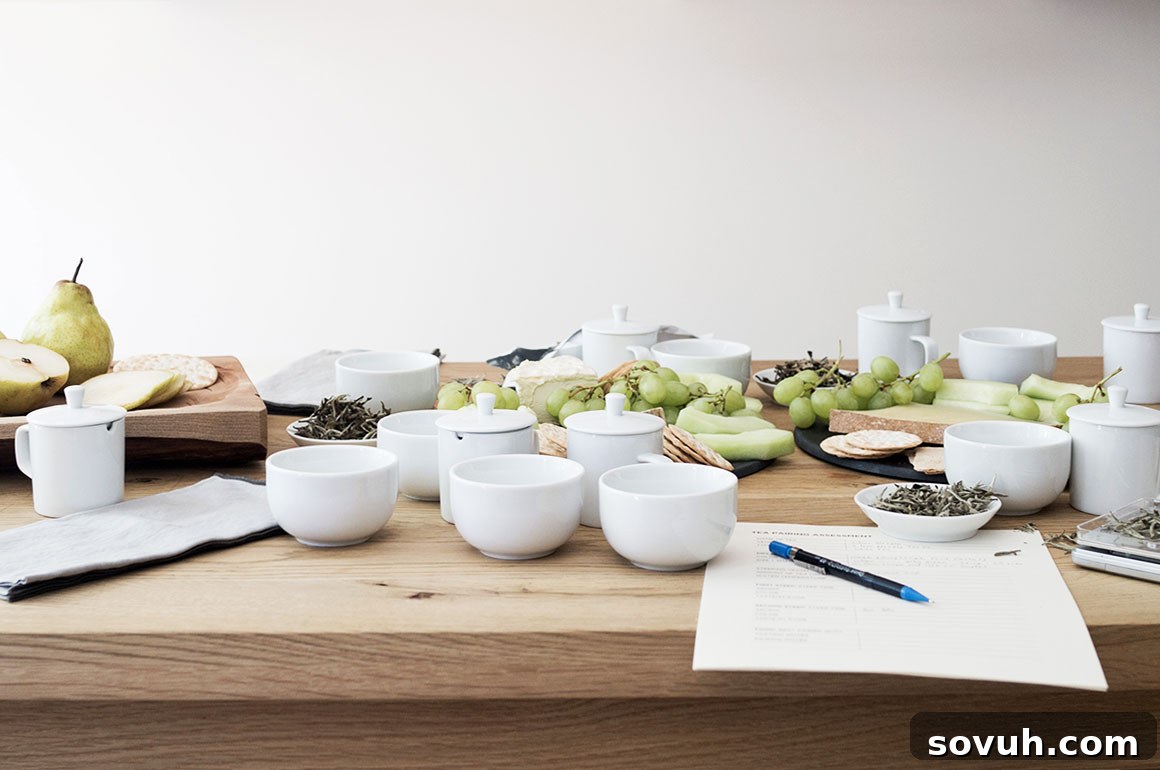
Three friends, three white teas, and three wedges of cheese made for an indulgent afternoon of tasting and conversation. Sara, Georgia, and I met at the French Cheese Board in Soho for a casual but focused white tea and cheese pairing session. We wanted to explore how the subtlety of white tea interacts with the textures and flavors of French cheeses.
We intentionally paired French cheeses with a selection of white teas to see which combinations complemented each other. The goal was to highlight how delicate teas can support, contrast, or amplify cheese flavors rather than overwhelm them.
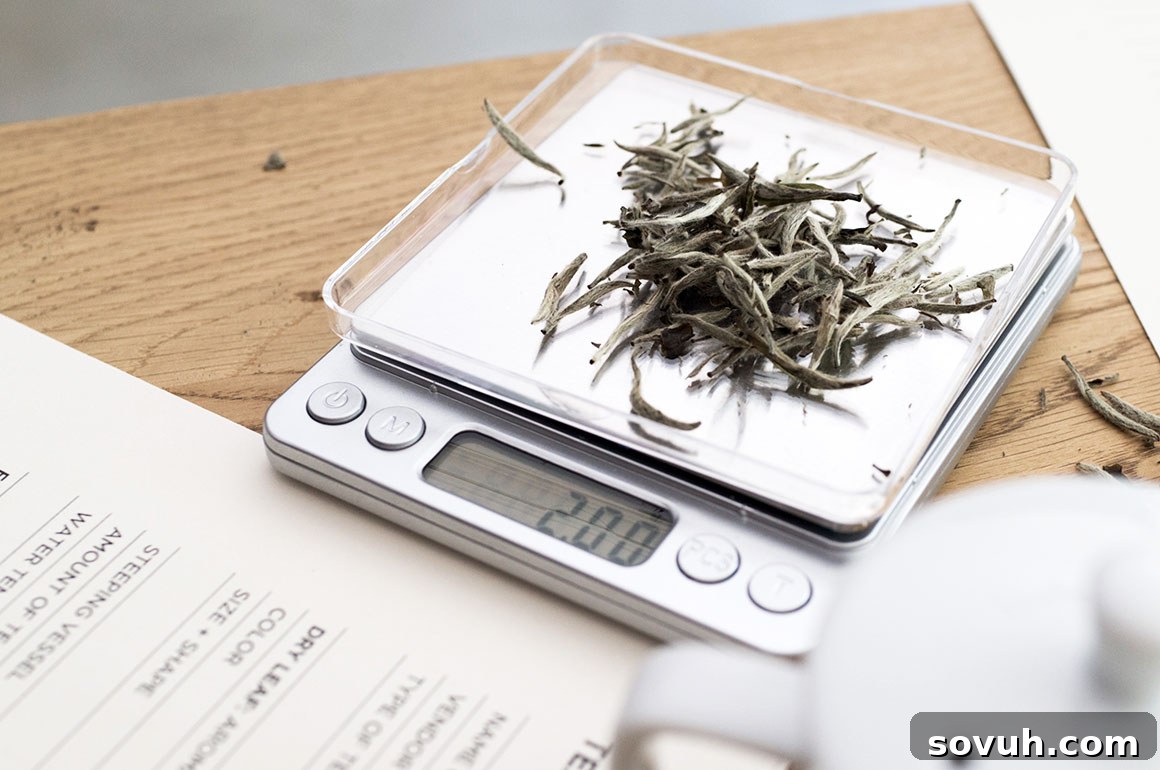
White tea is the least processed of true teas, usually subjected to minimal rolling and often air-dried. Because the leaves are handled gently and are harvested early, white teas tend to yield a lighter liquor than green or black teas and offer a more delicate aroma and flavor profile.
There are two main styles of white tea: those made almost exclusively from buds, and those that include both buds and young leaves. The buds are plucked before they open fully and are often covered in tiny silvery hairs, which is where the name “white tea” comes from. These characteristics produce teas with subtle floral, honeyed, or fruity notes.
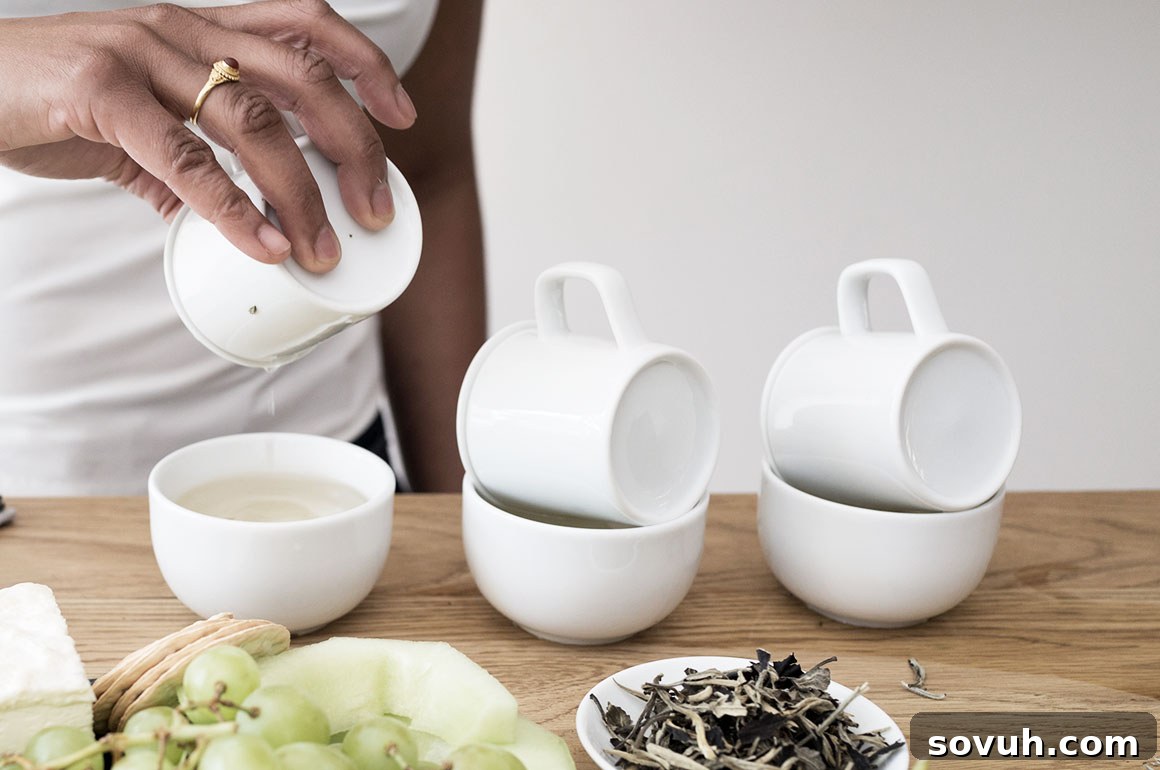
We began with the most delicate example: a Silver Needle. Originating from China, Silver Needle consists predominantly of buds, which makes it especially refined and fragrant. The cup offered soft, honeyed aromas and a clean, smooth mouthfeel.
For the tasting we used professional cupping sets so each of us had a dedicated tasting cup. This allowed us to compare the teas side by side and to evaluate how each cheese influenced the flavor perception of the tea.
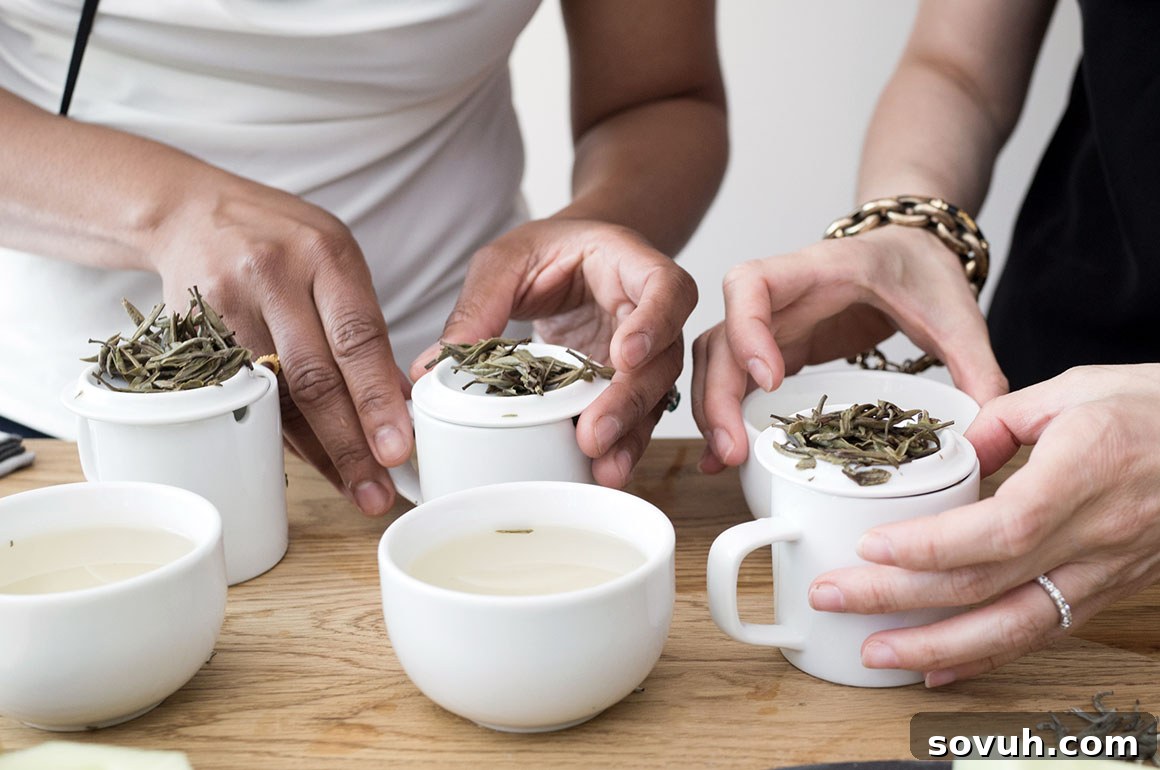
After pouring, we displayed the wet leaves in the inverted lid to observe how they opened and to assess aroma and texture. During the cupping process we noted appearance, smell, body, and finish—details that matter when matching subtle teas with food.
On to the cheese: the French Cheese Board offered a tempting selection. We chose two milder cheeses and one bolder option—a blue goat cheese—to test contrast and complementarity. In general, milder, younger cheeses pair best with white tea because they are less likely to overpower delicate tea flavors.
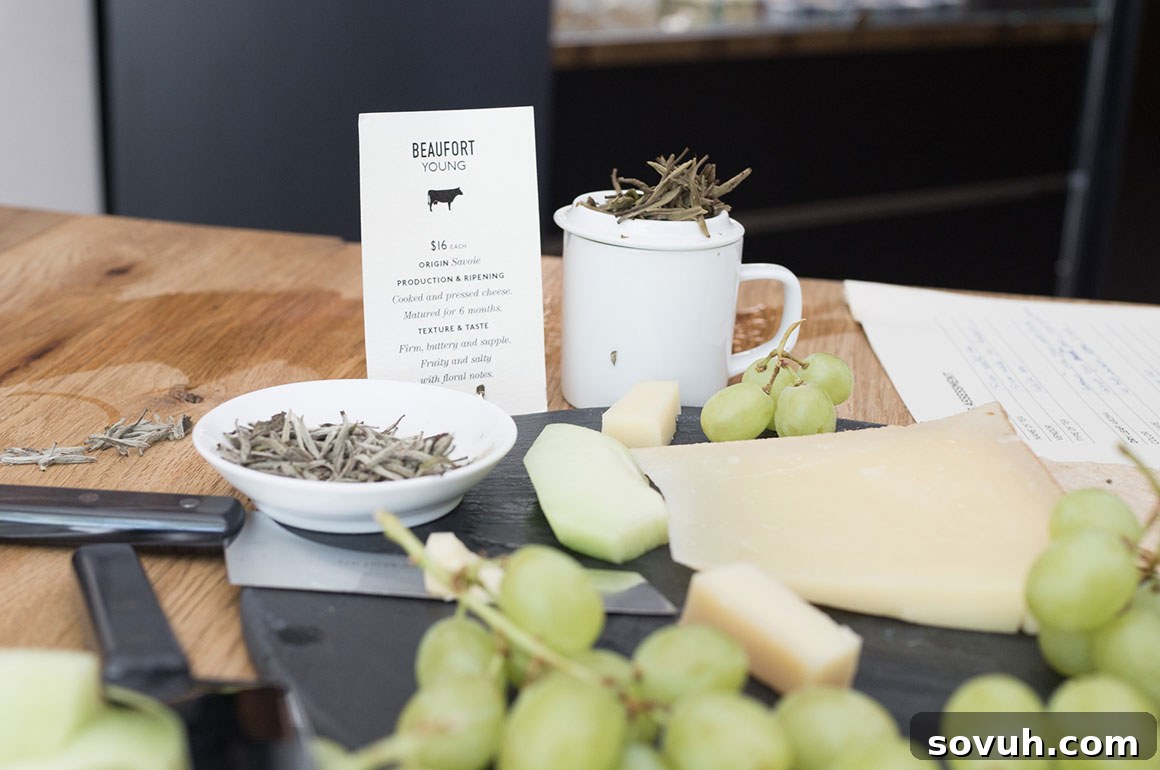
Our tasting ritual was simple: sip the tea, take a bite of cheese, and repeat, allowing a few seconds between sips to register how the flavors evolved. The Silver Needle matched particularly well with the Beaufort. The tea’s gentle sweetness and light floral notes complemented Beaufort’s nutty, slightly fruity profile without competing with it.
Next we tried a Nepal White from Royal Tea New York, which steeped to a pale golden hue and offered melon-like sweetness and a pleasant, rounded finish. This tea worked well with the Beaufort and also highlighted unexpected aspects of the Bleu de Chèvre, the blue goat cheese. The tea amplified the blue cheese’s tangy, creamy qualities, making its flavors feel more immediate and intense, though after tasting the blue cheese the delicate Beaufort was harder to perceive.
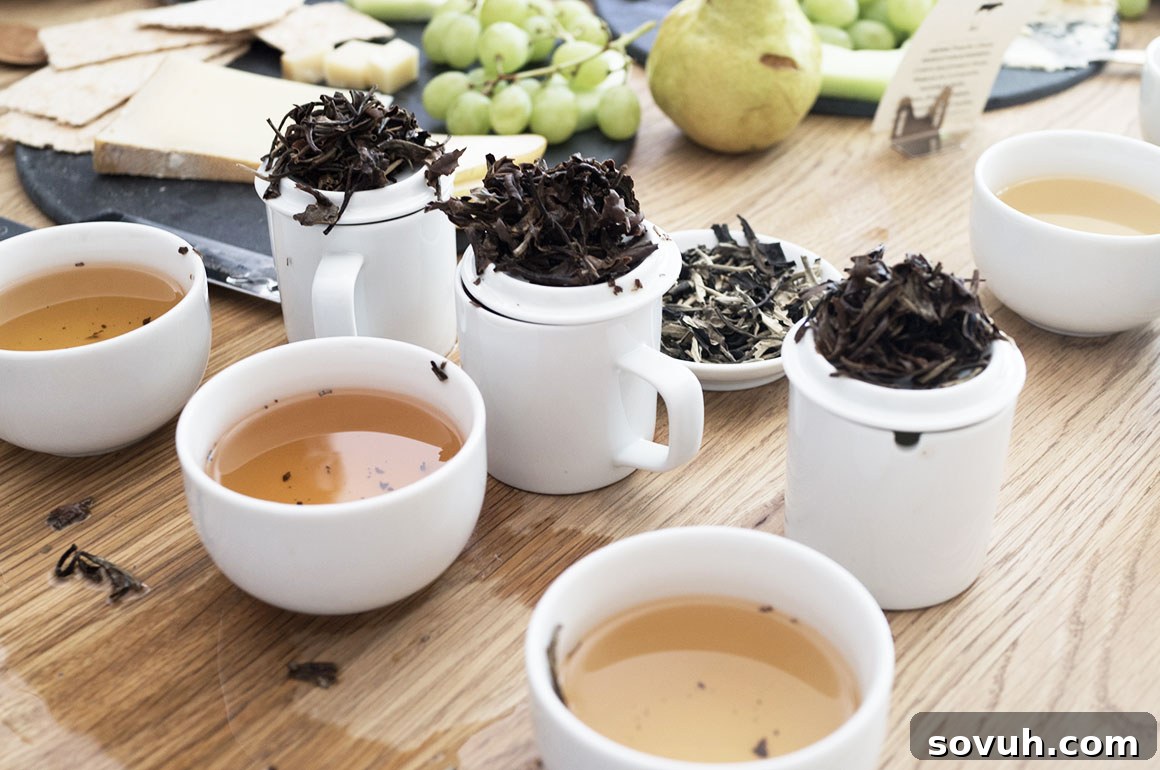
The final tea was Midnight White from In Pursuit of Tea, noticeably darker and richer than the other whites we tried. Its heavier honey notes and fuller body paired beautifully with Brillat-Savarin, a buttery, triple-cream cheese. The creaminess of Brillat-Savarin matched the tea’s rounded sweetness, creating a luxuriously smooth pairing.
Across the tasting, the mildest cheese on the table, Beaufort, proved versatile and compatible with all the white teas, including the richer Midnight White. That reinforced a general principle: when in doubt, choose milder, younger cheeses to preserve the nuance of white tea.
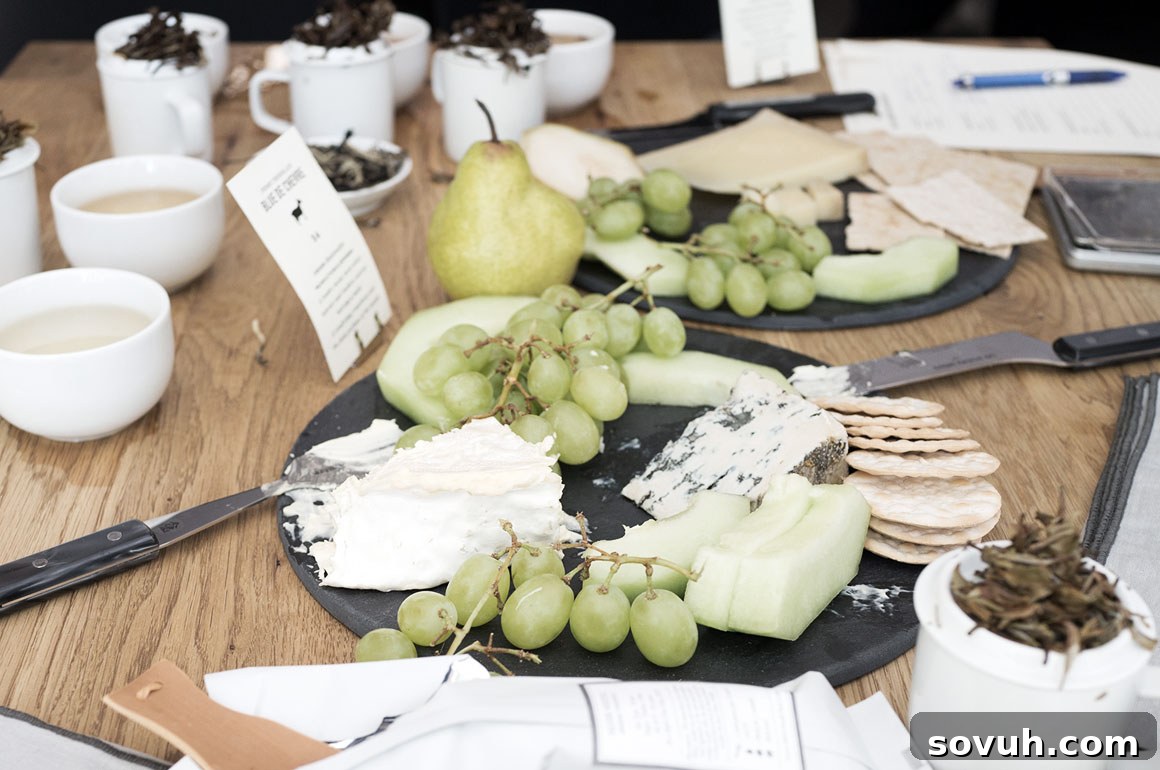
Taking time to brew properly—measuring leaves, using water below boiling, and respecting steep times—and to evaluate each cup thoughtfully makes a big difference to the tea experience. Noticing appearance, aroma, mouthfeel, and finish helps you discover subtle interactions between tea and food.
Practical suggestions for trying your own white tea and cheese pairing: choose a small selection of mild cheeses and one bold choice for contrast; serve cheeses at room temperature; sip tea between bites to observe how flavors change; and cleanse the palate with plain water or a neutral cracker when needed. A controlled, patient tasting will reveal more about the balance between delicate teas and creamy or tangy cheeses.
Related
- Pairing Green Tea with Sweets
- Pairing Oolong Tea with Fruit
- Want to Get Into Oolong Tea? Start Here.











