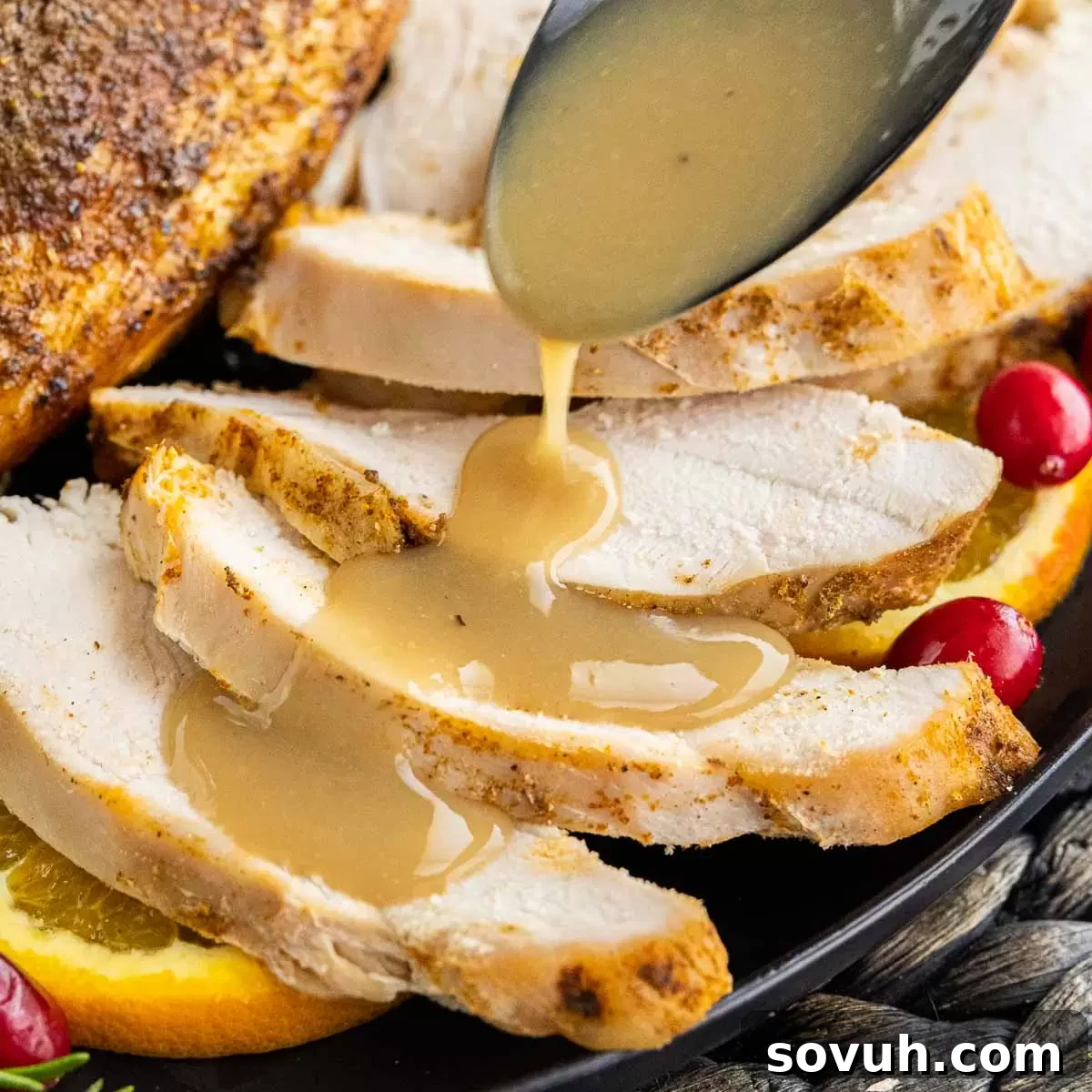
Elevate your holiday meals and everyday dishes with the rich, savory flavor of homemade turkey gravy. Forget bland, store-bought alternatives; this simple yet incredibly delicious recipe promises a silky-smooth texture and a depth of flavor that will transform any turkey breast, mashed potatoes, or even an ordinary sandwich into something truly special. Once you master this easy method, you’ll never consider buying gravy again.
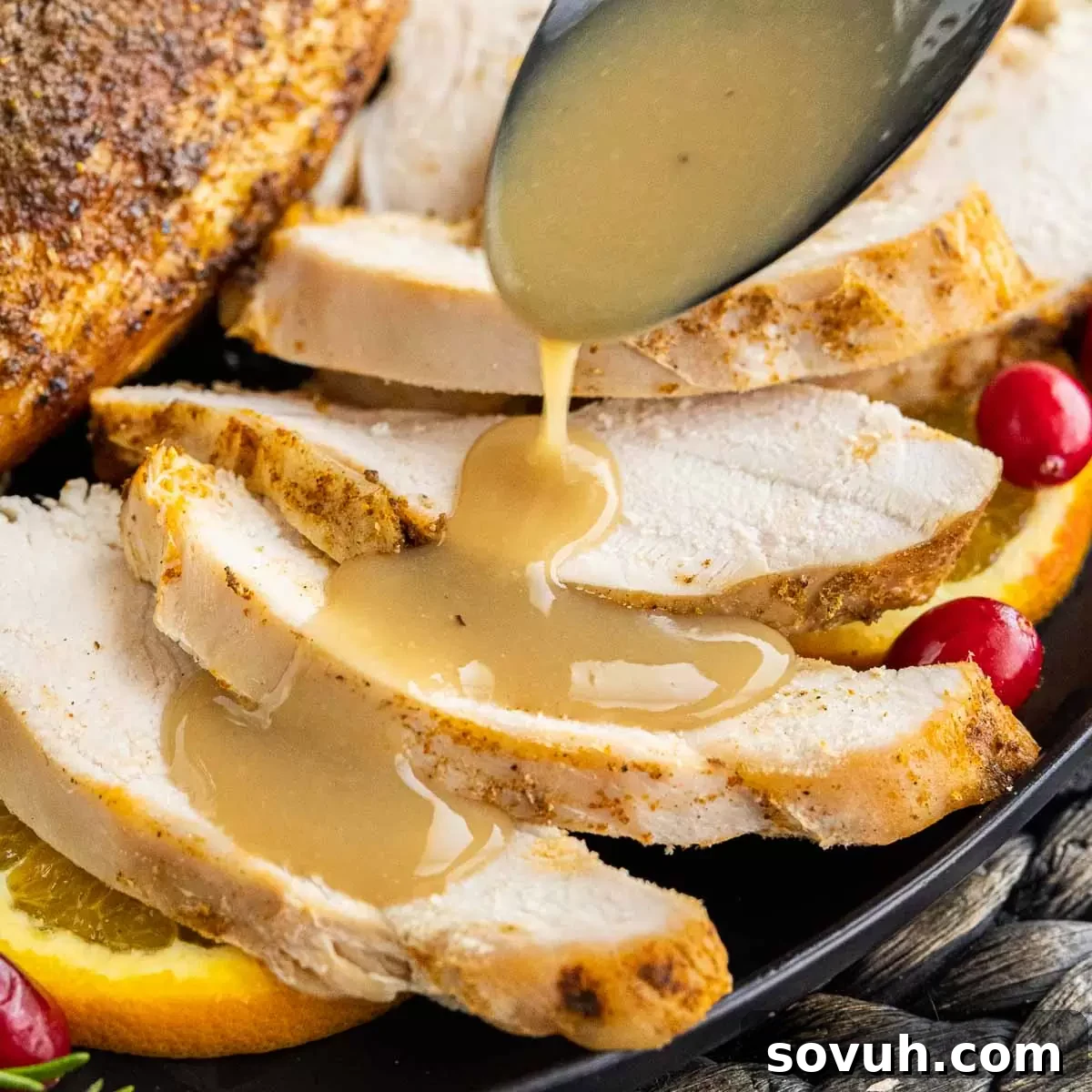
The Ultimate Homemade Turkey Gravy: A Simple Guide to Perfect Flavor
For many, making homemade turkey gravy seems like a daunting culinary challenge, often surrounded by myths of complex techniques and inevitable lumps. But take a deep breath; this perception couldn’t be further from the truth. Crafting your own gravy is surprisingly straightforward, and the reward is a sauce infinitely superior to anything you could ever purchase from a jar or packet. It’s a game-changer that not only enhances your Thanksgiving feast but also adds a touch of gourmet sophistication to any meal.
Imagine drenching your perfectly cooked slow cooker turkey breast, tender Instant Pot turkey breast, creamy mashed potatoes (or our quick Instant Pot mashed potatoes), fluffy cornbread dressing, or savory stuffing in a rich, flavorful homemade gravy. This recipe is designed to help you achieve that luxurious texture and taste every single time, turning an everyday ingredient into a star component of your holiday table or weeknight dinner.
Note: This post may contain affiliate links. That means if you click on a link and make a purchase, we may receive a small commission at no extra cost to you. Thank you for supporting us!
Essential Ingredients for Perfect Gravy
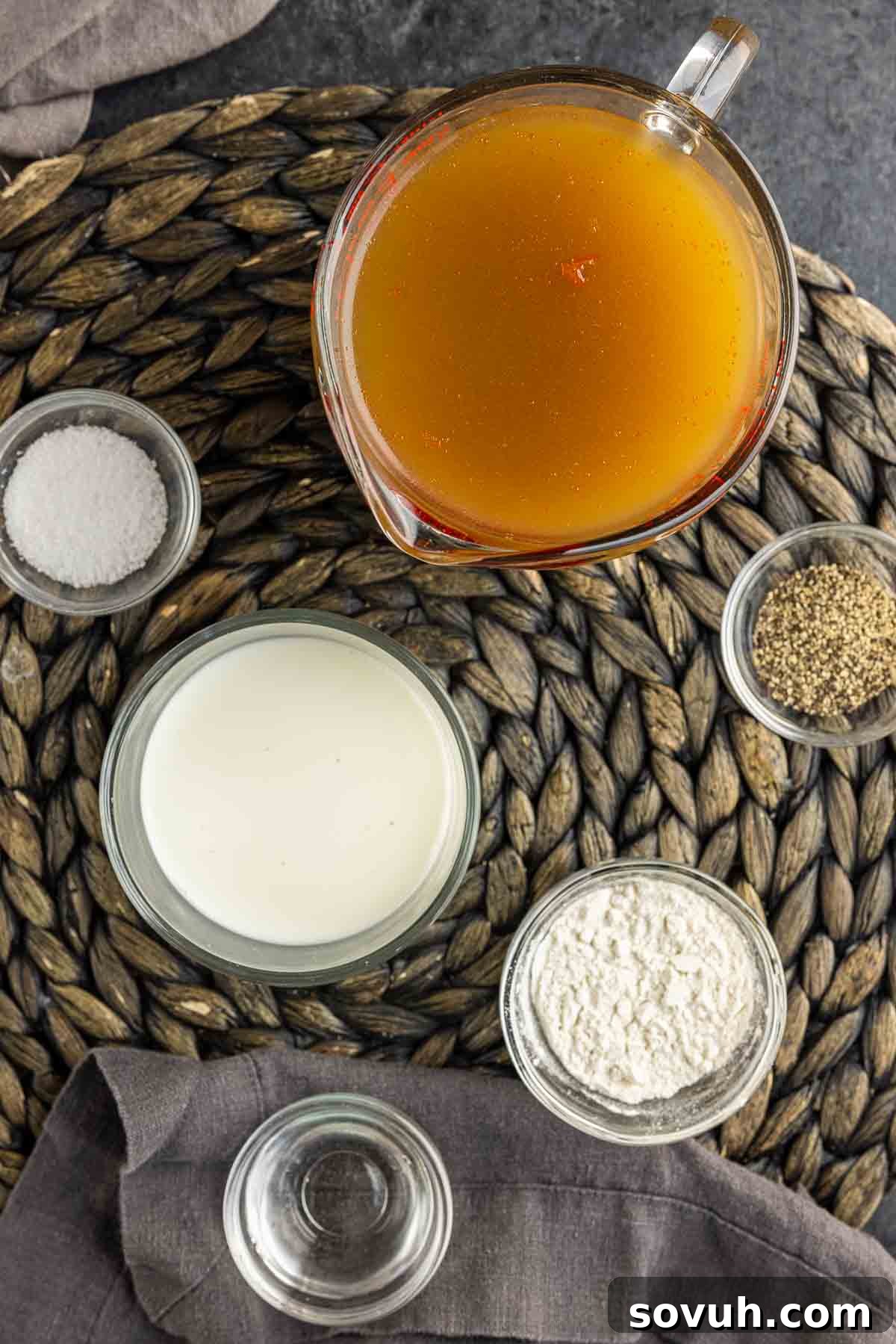
One of the most appealing aspects of this incredible gravy is its simplicity. You only need a handful of core ingredients, making it accessible even for novice cooks. The magic truly happens when these simple components combine to create a deeply satisfying flavor profile.
- Broth + Drippings (if available): The foundation of any great gravy. You can use turkey broth, chicken broth, or a flavorful combination of both. While store-bought broth works in a pinch, nothing beats the richness of homemade. For an unparalleled depth of flavor, incorporating turkey drippings – the savory juices released from a roasting turkey – is key. We recommend using a blend, perhaps 1 cup of drippings from your cooked turkey and 1 cup of quality chicken broth, to achieve a perfectly balanced and robust gravy.
- All-Purpose Flour: This acts as our thickening agent, creating that classic gravy consistency. Regular all-purpose flour is ideal for this recipe. However, if you’re looking for alternatives, whole wheat flour can be used for a slightly nuttier flavor, or a gluten-free all-purpose flour blend can easily be substituted for a gluten-free option. For those seeking an even lighter consistency or wishing to avoid flour, cornstarch or arrowroot powder can also be used as thickeners, though the method for incorporating them (mixing with cool water to form a slurry) remains similar.
- Cool Water: Essential for creating the “slurry” – a smooth mixture of flour and water that, when added to hot liquid, thickens the gravy without forming lumps. The cool temperature prevents the flour from clumping when it hits the hot broth, ensuring a silky finish.
Planning a smaller holiday gathering this year? Be sure to explore our comprehensive post on The Best Way to Cook Turkey Breast for Thanksgiving Dinner for three fantastic methods to achieve a consistently juicy and tender turkey every time!
Step-by-Step Guide to Making Perfect Turkey Gravy
Creating this delicious gravy is far less complicated than you might think. Follow these simple steps for a flawless result:
- Step 1: Bring Broth to a Gentle Boil.
In a large skillet or saucepan, combine your chosen broth (and turkey drippings, if using). Place the skillet over medium-high heat and bring the liquid to a rolling boil. This ensures the broth is hot enough to activate the thickening power of the flour slurry.
- Step 2: Prepare the Slurry.
While your broth is heating, prepare the slurry. In a small bowl or cup, whisk together the flour and cool water until the mixture is completely smooth and free of any lumps. This is a crucial step for achieving a silky, lump-free gravy. Ensure no dry pockets of flour remain.
- Step 3: Whisk in the Slurry to Thicken.
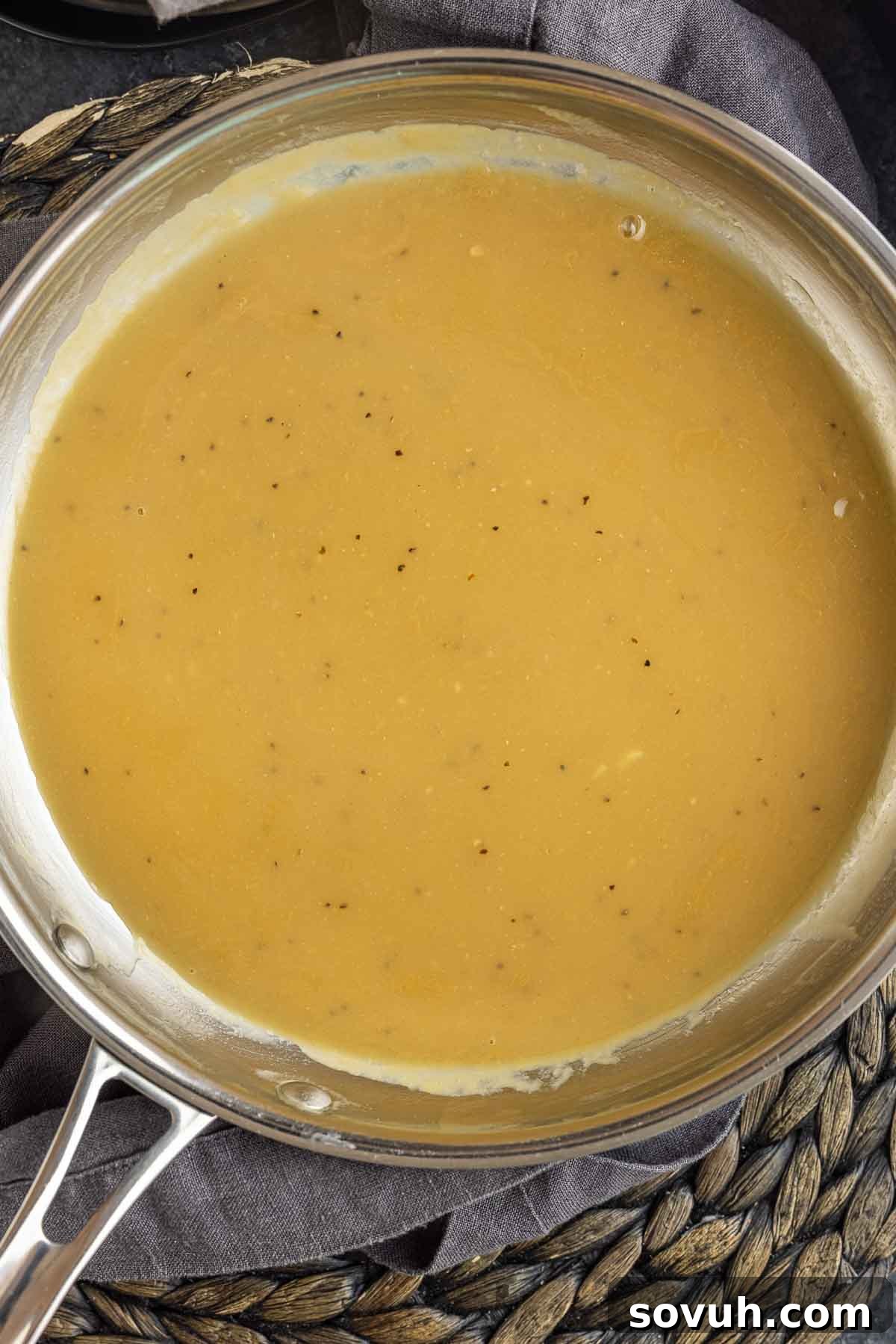
Once the broth reaches a boil, slowly pour the prepared slurry into the hot liquid while continuously whisking. This consistent stirring prevents lumps from forming and helps the flour integrate smoothly. Continue to cook the gravy over medium-high heat for about 5 to 7 minutes, or until it reaches your desired thickness. The gravy will thicken as it simmers, so give it time. If it becomes too thick, you can always add a splash more broth or water; if too thin, a bit more slurry can be added, whisking vigorously.
- Step 4: Serve Immediately.
As soon as the gravy has reached your preferred consistency, remove it from the heat. Carefully pour the hot gravy into a serving bowl or a classic gravy boat. Serve it immediately to enjoy its warmth and fresh flavor. For best results, keep it warm until serving time.
Achieving a Perfectly Smooth Gravy
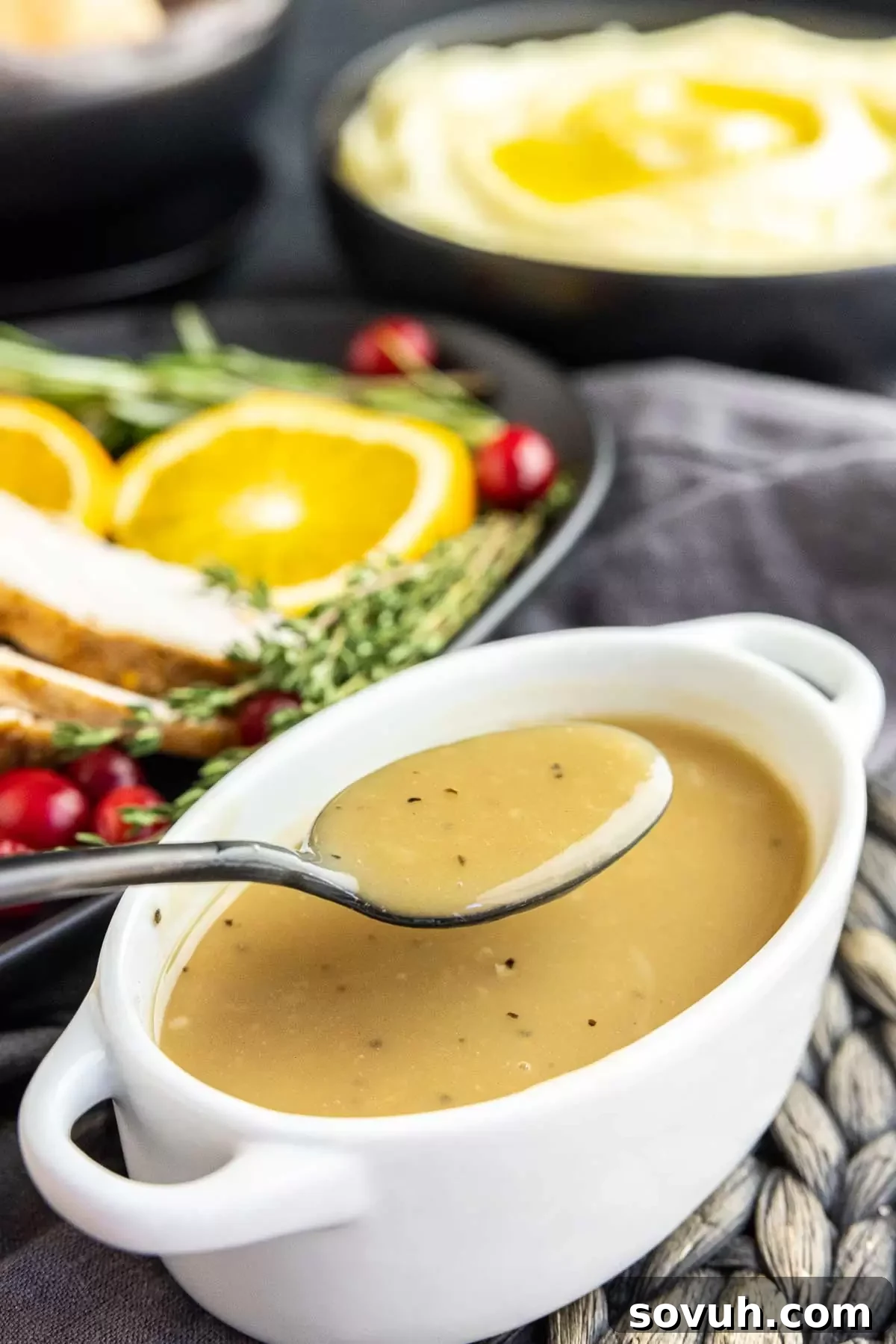
Even the most experienced cooks can occasionally encounter a few lumps in their gravy. It’s a common occurrence and easily fixable! Lumps typically form when dry pockets of flour cook upon contact with hot liquid, especially if not whisked properly or if the flour isn’t fully incorporated into the slurry. The best prevention is a well-mixed slurry and brisk, continuous whisking as you pour it into the boiling broth. Work quickly and thoroughly.
Should lumps still appear, don’t despair! The solution is simple: once your gravy is finished cooking, pour it through a fine mesh strainer directly into your serving bowl or another clean pot. The strainer will catch all the unwanted lumps, leaving you with a beautifully smooth, velvety gravy that’s ready to impress. This simple trick ensures a professional-looking and tasting result every time.
Crafting Your Own Homemade Turkey Broth
As any seasoned home cook will attest, the secret to truly outstanding homemade turkey gravy lies in the quality of your broth. While store-bought options are convenient, a homemade turkey broth delivers a depth of flavor that is simply unparalleled and can be surprisingly difficult to find in stores. Making it from scratch ensures the richest, most authentic taste possible for your gravy.
If you’re already making our easy slow cooker turkey, you’ll likely yield about 1 cup of richly flavored turkey drippings, which are a fantastic base for gravy. When combined with an additional cup of chicken broth, this typically produces about one and a half cups of delicious gravy. However, if you require a larger batch or prefer a 100% turkey-based gravy, preparing your own turkey broth ahead of time is a fantastic idea.
Ingredients You’ll Need for Homemade Turkey Broth:
- Approximately 4 lbs of turkey parts. We highly recommend using bone-in, skin-on wings and thighs. These parts are rich in collagen and fat, which contribute significantly to a deeply flavorful, gelatinous, and robust broth.
- 1 teaspoon Kosher salt
- ½ teaspoon Black pepper
- 1 teaspoon poultry seasoning (for an extra aromatic boost)
- 1 tablespoon Olive oil
- 3 stalks of Celery, roughly chopped into medium-sized pieces
- 2 Carrots, roughly chopped into medium-sized pieces
- 1 Onion, cut into 6 large wedges
- 2 cloves Garlic, smashed (no need to peel, the skins add flavor)
- Cold Water (enough to cover the turkey parts)
Instructions for Making Your Own Turkey Broth:
- Sear Turkey Parts: Heat a large stockpot or Dutch oven over medium-high heat. In a small bowl, mix together the Kosher salt, black pepper, and poultry seasoning. Rub this seasoning mixture generously over all the turkey pieces. Add the olive oil to the heated pot, then carefully place the seasoned turkey parts into the pot. Brown them thoroughly for 5 to 7 minutes, turning occasionally, until they develop a rich, golden color. This browning step is crucial for building deep flavor.
- Add Vegetables and Water: To the browned turkey, add the chopped celery, carrots, onion wedges, and smashed garlic cloves. Pour enough cold water into the pot to fully cover all the turkey pieces and vegetables. Starting with cold water helps to slowly extract maximum flavor from the ingredients as the water heats.
- Simmer to Perfection: Cover the pot with a lid and bring the contents to a strong boil. Once boiling, reduce the heat to a gentle simmer. Allow the broth to cook for at least 90 minutes. For an even more intense flavor, you can simmer it for up to 2-3 hours, replenishing water if it reduces too much.
- Strain and Cool: After simmering, carefully remove the turkey parts and vegetables from the pot using tongs or a slotted spoon. You can shred the meat from the turkey parts for use in other dishes, but discard the bones and vegetables as their flavor has been fully extracted. Carefully pour the broth through a fine-mesh strainer into a large, heat-proof bowl to remove any small food particles or impurities.
- Skim Fat and Store: Let the strained broth cool completely in the refrigerator. As it chills, any fat will rise to the surface and solidify. Once completely cold, skim off the solid fat layer from the top. Store your homemade turkey broth in a sealed container in the refrigerator for up to 5 days, or freeze it for up to 1 month for future use. This broth is a true culinary asset!
Making Your Gravy Ahead of Time
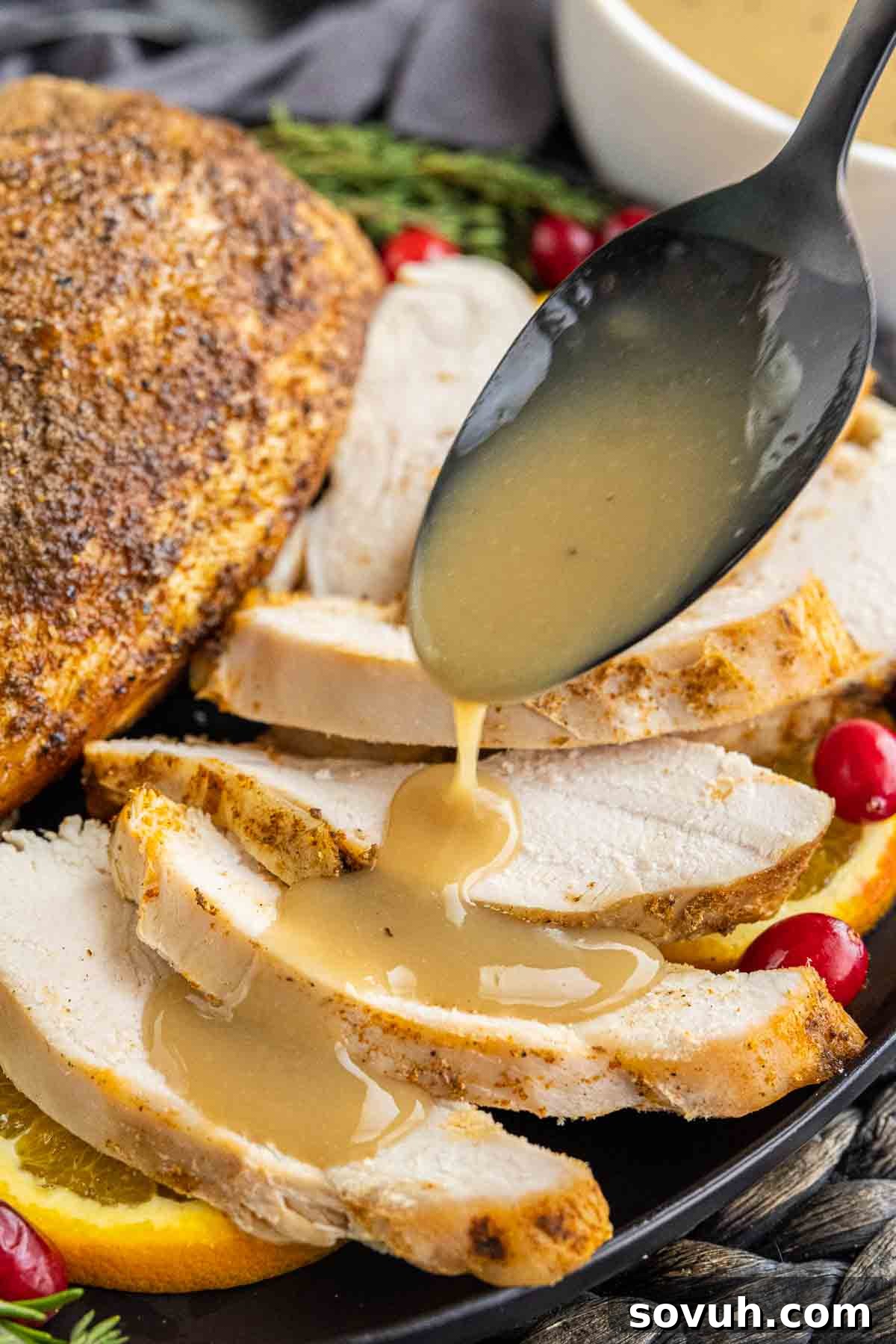
One of the best ways to reduce stress on a busy holiday or dinner party is to prepare components in advance. Gravy is an excellent candidate for make-ahead preparation, allowing you to enjoy a smooth, flavorful sauce without the last-minute rush.
To make it ahead, simply follow the gravy instructions as written in the recipe below. Once the gravy is cooked to your desired consistency, allow it to cool completely to room temperature. Transfer the cooled gravy into an airtight container. It can be stored safely in the refrigerator for up to 5 days, or frozen for up to 1 month. When freezing, consider dividing it into smaller, portion-sized containers for easier thawing and reheating.
When you’re ready to serve, if frozen, make sure to let the gravy thaw completely in the refrigerator for at least 24 hours. To reheat, place the gravy in a saucepan over medium-high heat, stirring frequently, until it is thoroughly warmed through and bubbling gently. If the gravy has thickened too much during storage, you can thin it out with a splash of extra broth or water until it reaches your preferred consistency. If it appears too thin, simply bring it to a boil while stirring constantly to prevent scorching, and let it simmer for a few minutes until it thickens again. This make-ahead approach ensures you always have delicious gravy on hand!
Serving Suggestions and Flavor Variations
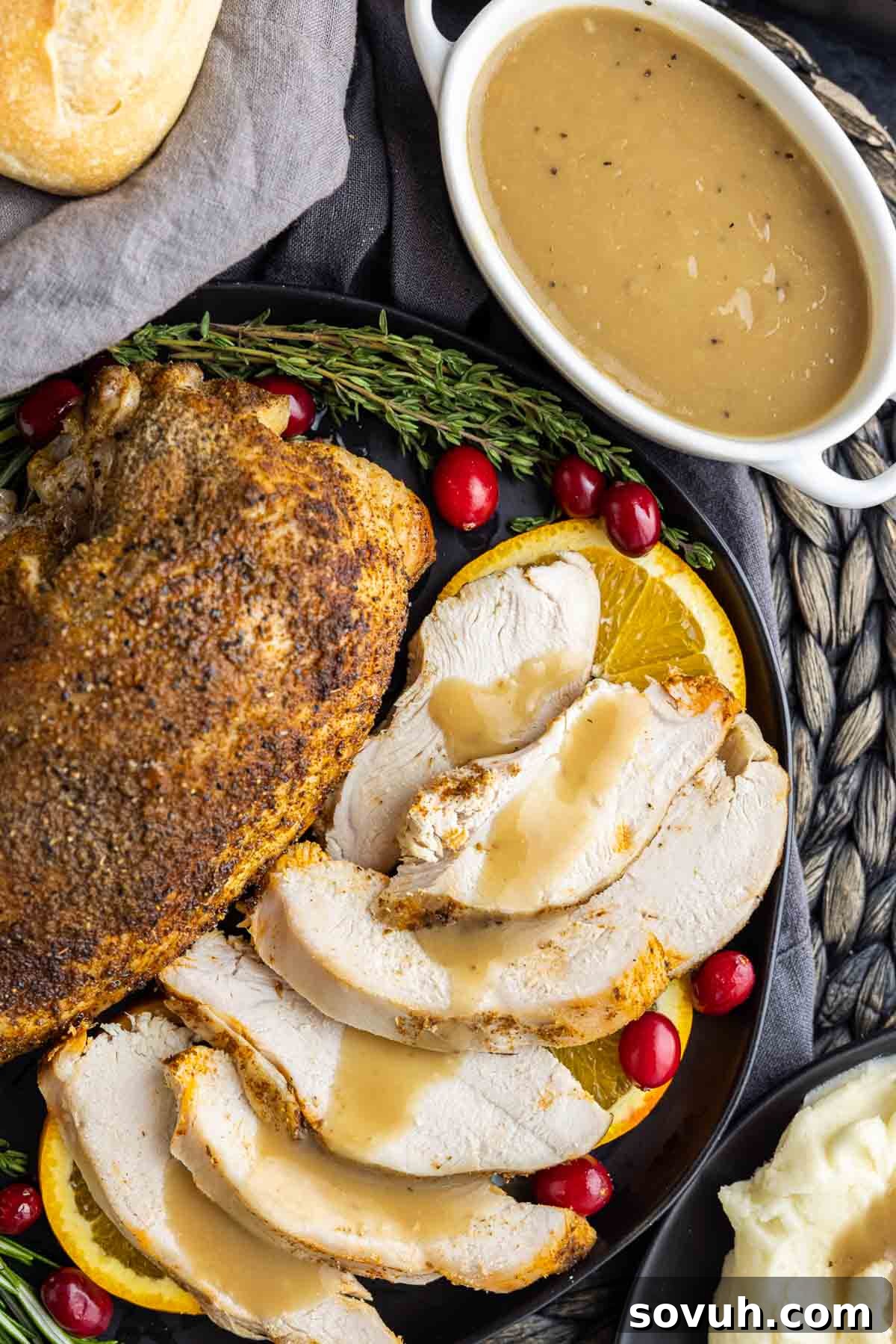
While classic turkey gravy is a holiday staple, its versatility extends far beyond Thanksgiving. Here are some ideas to make this gravy a regular part of your culinary repertoire:
- Beyond Turkey: This gravy pairs wonderfully with roast chicken, pork loin, beef Wellington, or even a simple weeknight meatloaf.
- Vegetarian/Vegan Option: For a plant-based version, simply substitute vegetable broth for turkey/chicken broth and use a plant-based butter or oil instead of drippings. Nutritional yeast can add a savory, umami depth.
- Herb-Infused Gravy: Elevate the flavor by simmering fresh herbs like sage, thyme, or rosemary sprigs in the broth before making the gravy. Strain them out before adding the slurry.
- Mushroom Gravy: Sauté finely diced mushrooms (cremini or shiitake work well) in a little butter until golden brown before adding your broth. This adds a rich, earthy flavor.
- Wine-Kissed Gravy: Deglaze the pan after roasting your turkey with a splash of dry white wine or sherry before adding the broth. This adds a subtle complexity.
- Breakfast Booster: Don’t knock it ’til you try it! A drizzle of savory gravy over biscuits, grits, or even scrambled eggs can be surprisingly delightful.
Frequently Asked Questions About Turkey Gravy
Q: Can I use cornstarch instead of flour?
A: Yes, you can! For every 1 tablespoon of flour, use 1/2 tablespoon of cornstarch. Dissolve the cornstarch in an equal amount of cold water to create a slurry before whisking it into your boiling broth. Cornstarch gravy tends to be glossier and slightly less opaque than flour-based gravy.
Q: My gravy is too thin. How can I thicken it?
A: If your gravy is too thin, you can create a small amount of additional slurry (1 tablespoon flour mixed with 2 tablespoons cold water) and slowly whisk it into your simmering gravy. Cook for a few more minutes until it reaches your desired thickness. Alternatively, a cornstarch slurry can also be used.
Q: My gravy is too thick. How can I thin it out?
A: If your gravy is too thick, simply whisk in a tablespoon or two of extra broth or water until it reaches your desired consistency. Add gradually to avoid making it too thin.
Q: Can I make this gravy gluten-free?
A: Absolutely! Simply use a gluten-free all-purpose flour blend or cornstarch as your thickening agent. Ensure your broth is also gluten-free.
Q: How long does homemade gravy last?
A: Homemade turkey gravy can be stored in an airtight container in the refrigerator for up to 3-5 days. It can also be frozen for up to 1 month.
Looking for More Thanksgiving Recipes?
- Creamed Corn Casserole {Corn Pudding}
- Stovetop Creamed Corn
- Duchess Potatoes
- Overnight Refrigerator Yeast Rolls
- Cheesy Broccoli Casserole Recipe
- Fresh Cranberry Salsa
- Cranberry Jello Salad
- Cranberry Sweet Potato Casserole
- Winter Salad with Homemade Vinaigrette
- More Thanksgiving Recipes…
Love this recipe?
Make sure to follow us on Instagram and Pinterest for more delightful recipes like this one. Share your creations with us!
Homemade Turkey Gravy
This homemade turkey gravy, enriched with savory turkey drippings, is the perfect complement to your Thanksgiving dinner or any meal deserving of extra flavor. Yields about 6 servings.
Prep Time: 5 minutes
Cook Time: 15 minutes
Total Time: 20 minutes
Created By: Kat Jeter & Melinda Machado

Ingredients
- 2 cups Broth + turkey drippings (turkey or chicken broth)
- 2 tablespoons All-Purpose Flour
- 3-4 tablespoons cold water
Instructions
- Pour the broth (and drippings, if using) into a skillet and bring to a boil over medium-high heat.
- In a small bowl or cup, combine the flour and cold water. Whisk together until completely smooth with no lumps (this is known as a slurry).
- Once the broth in the skillet comes to a boil, slowly pour in the slurry while continuously whisking. Continue to cook, whisking occasionally, for 5-7 minutes until the gravy has thickened to your desired consistency.
- Remove the skillet from the heat and carefully pour the gravy into a serving dish or gravy boat.
- Serve immediately and enjoy!
Nutrition Information (Estimated)
Serving Size: 0.25 cup
Calories: 13kcal, Carbohydrates: 3g, Protein: 1g, Fat: 1g, Saturated Fat: 1g, Polyunsaturated Fat: 1g, Monounsaturated Fat: 1g, Sodium: 314mg, Potassium: 3mg, Fiber: 1g, Sugar: 1g, Vitamin A: 167IU, Calcium: 1mg, Iron: 1mg.
Nutrition Disclaimer: We are not certified nutritionists. Nutrition facts are an estimate and are provided as a courtesy. They are generated by an online API which recognizes ingredient names and amounts and makes calculations based on the serving size. Results may vary.
Course: Side
Cuisine: American
