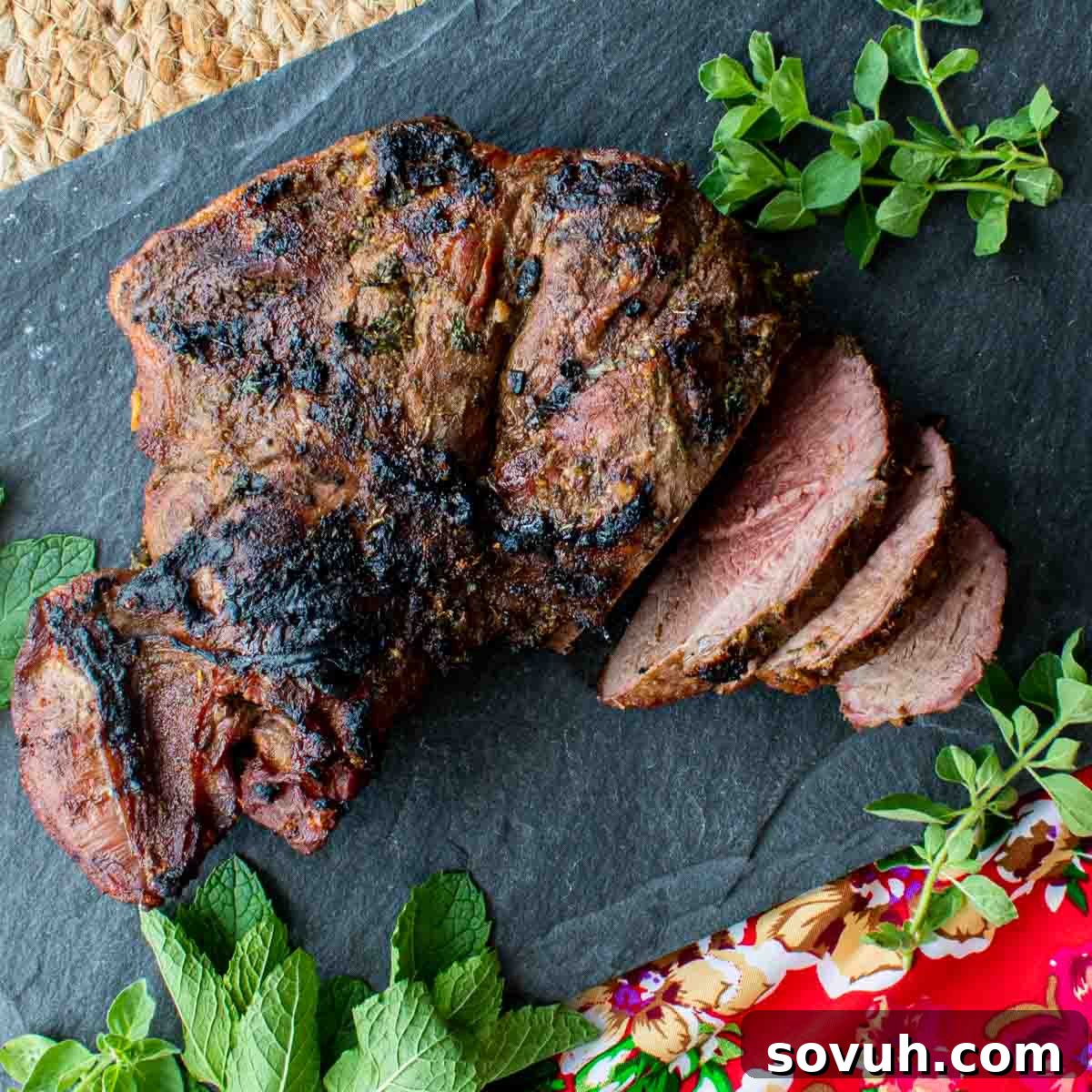
Unlock the secret to extraordinary grilling with our Herb Crusted Grilled Leg of Lamb recipe. Prepare to impress your guests and delight your palate with every tender, juicy, and flavor-packed bite. Elevate your culinary expertise and transform your next gathering into an unforgettable gourmet experience!
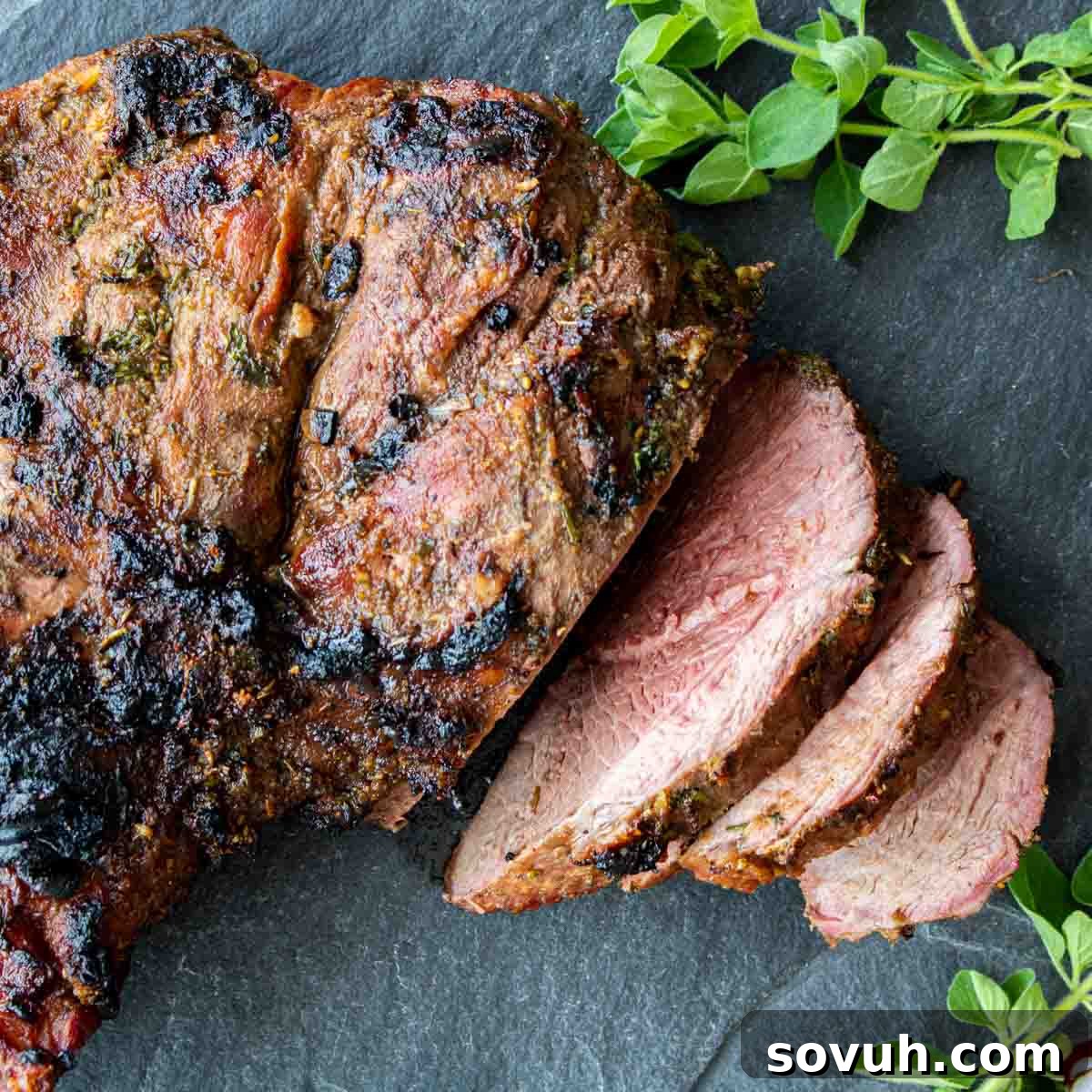
Mastering the Herb Crusted Grilled Leg of Lamb: A Gourmet Guide
There are few culinary achievements as satisfying and impressive as serving a perfectly grilled leg of lamb. When infused with a vibrant herb crust, this already magnificent cut of meat transforms into a succulent masterpiece, promising a truly unforgettable dining experience. Whether you’re a seasoned grill master or looking to elevate your outdoor cooking skills, this comprehensive guide will walk you through every step to create an herb crusted grilled leg of lamb that will earn rave reviews from family and friends.
Lamb, with its distinct and rich flavor profile, is an exceptional choice for grilling. Its natural tenderness, especially when cooked to perfection, pairs beautifully with a fragrant blend of fresh herbs. This recipe focuses on creating a harmonious balance where the earthy notes of the lamb are enhanced, not overpowered, by a medley of aromatic herbs, garlic, and citrus. The result is a dish that boasts a tantalizing crispy exterior and a melt-in-your-mouth juicy interior, making it ideal for special occasions, holiday feasts, or simply a delightful weekend indulgence.
Beyond its incredible taste, grilling a leg of lamb offers a wonderful opportunity to engage with the cooking process, from selecting the finest ingredients to mastering the art of the grill. This guide provides detailed instructions, expert tips, and answers to common questions, ensuring your journey to a flawless grilled lamb is smooth and enjoyable. Get ready to embrace the art of grilling and discover how simple it is to achieve gourmet results right in your backyard.
Note: This post may contain affiliate links. That means if you click on a link and make a purchase we may receive a small commission. Thank you for supporting our content!
Table of Contents
- Ingredients You’ll Need for Success
- Selecting the Perfect Leg of Lamb: Your Foundation for Flavor
- The Art of Herb Crusting: Elevating Flavors and Textures
- How to Grill Leg of Lamb: A Step-by-Step Guide
- What Temperature Should Lamb Be Cooked to on the Grill?
- Frequently Asked Questions About Grilled Lamb
- How to Store Leftover Herb Crusted Grilled Leg of Lamb
- Looking for More Easy Grilling Recipes?
Ingredients You’ll Need for Success
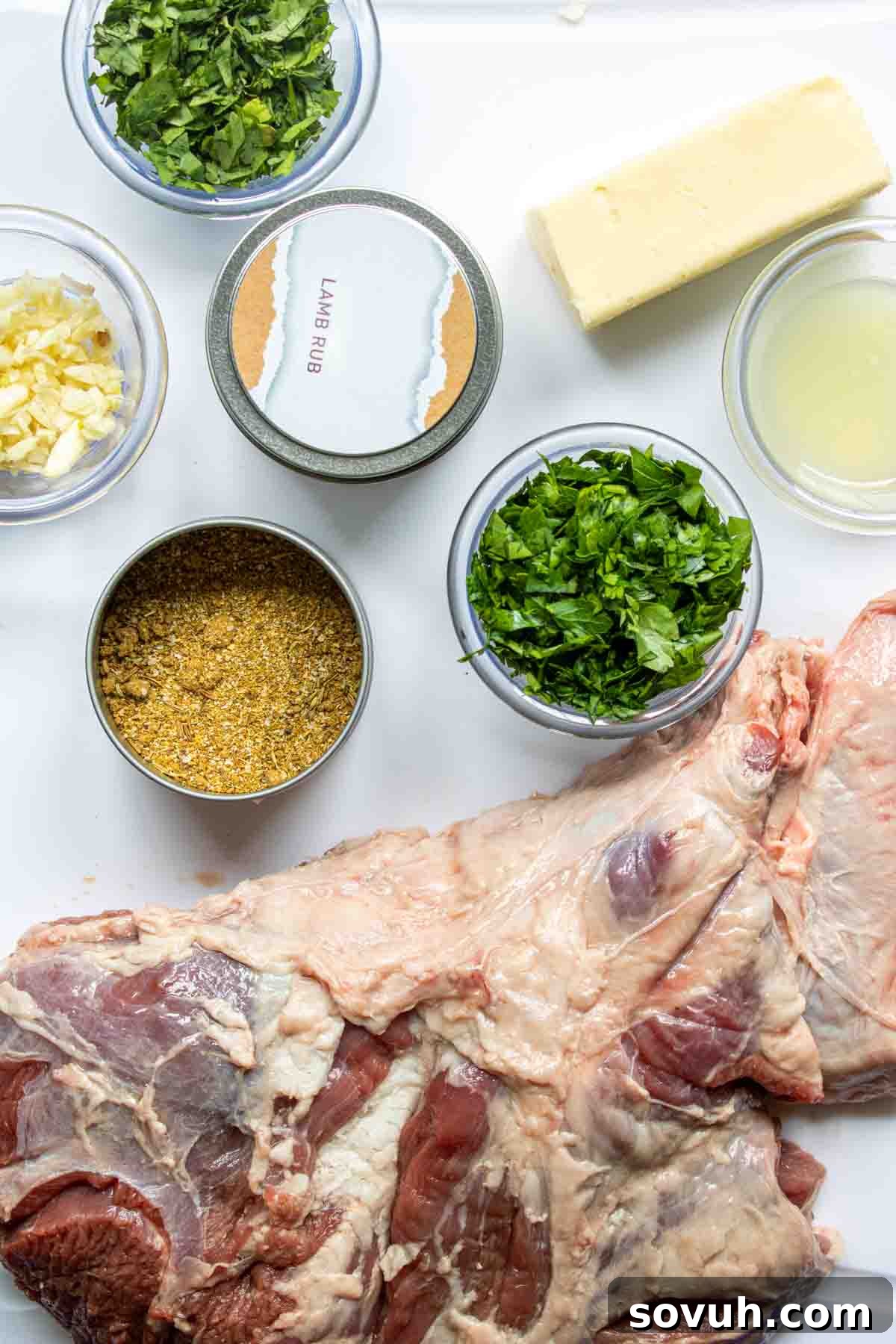
Crafting a truly exceptional herb crusted grilled leg of lamb begins with high-quality ingredients. Here’s a detailed look at what you’ll need and why each component is vital to the dish:
- Leg of Lamb: We recommend a 2.5 to 3-pound boneless leg of lamb. Trimming any excessive fat is key to preventing flare-ups on the grill and ensuring an even cook. Butterflying the lamb, a simple technique where the meat is cut open and flattened, allows for uniform thickness and faster cooking on the grill, resulting in beautifully consistent doneness. While a leg of lamb is ideal, this herb crusting method can also be adapted for other cuts, such as succulent grilled lamb chops, offering versatility for any occasion.
- Lamb Spice Rub: A good quality lamb spice rub forms the flavor base. Look for a blend that complements lamb’s natural richness without being overtly spicy, allowing the fresh herbs to shine. Many excellent brands are available, or you can create your own with staples like dried rosemary, thyme, oregano, paprika, and a touch of cumin. Using a pre-made rub like this one can simplify your preparation.
- Garlic: A cornerstone of savory cooking, fresh minced garlic is absolutely essential here. It infuses the lamb with a pungent, aromatic depth that marries perfectly with the meat’s earthy notes and the brightness of the herbs. Do not skimp on the garlic – its robust flavor is a must-have for this recipe!
- Lemon Juice: Freshly squeezed lemon juice acts as a natural tenderizer and a flavor enhancer. Its vibrant acidity cuts through the richness of the lamb, brightening the overall taste profile and providing a lovely counterpoint to the herbs.
- Parsley: Opt for fresh flat-leaf (Italian) parsley. This bright green herb offers a clean, earthy, and slightly peppery flavor that adds freshness and a beautiful verdant color to the crust. It’s a classic pairing with lamb for good reason.
- Cilantro: Fresh cilantro brings a unique lemony, bright, and slightly peppery flavor. While some people are genetically predisposed to perceive cilantro as soapy, for most, it adds an invigorating, almost citrusy zest that perfectly complements the other herbs and the robust lamb flavor. Ensure it’s fresh for the best results.
- Unsalted Butter: Instead of oil, softened unsalted butter is used as the base for our herb crust. Butter not only adds a rich, creamy flavor but also adheres exceptionally well to the lamb, ensuring an even and thick coating of the herb mixture. This helps create that desirable crispy, flavorful crust as the lamb cooks on the grill.
Selecting the Perfect Leg of Lamb: Your Foundation for Flavor
The journey to a magnificent grilled lamb begins long before it hits the grill. Choosing the right cut of meat is paramount for achieving the desired tenderness and flavor. When at your local butcher or specialty market, look for a leg of lamb that appears fresh, with a vibrant red color and a good amount of marbling – those fine streaks of fat that contribute significantly to juiciness and flavor. Sourcing from a reputable vendor ensures you’re getting high-quality meat.
When considering a leg of lamb, you generally have two options: bone-in or boneless. Both have their merits, but for grilling and ease of carving, a boneless leg of lamb is often preferred. A bone-in leg offers more flavor due to the bone marrow, but it can be more challenging to cook evenly and carve. For this recipe, we specifically opt for a boneless leg of lamb. Once acquired, it’s beneficial to butterfly the leg of lamb. This process involves carefully cutting the meat to open and flatten it into a more uniform thickness. Butterflying ensures that the lamb cooks much more evenly and quickly on the grill, preventing some parts from overcooking while others remain undercooked. This simple preparation step is crucial for achieving that consistent, succulent result we’re aiming for.
The Art of Herb Crusting: Elevating Flavors and Textures
The herb crust is the heart of this recipe, transforming a simple grilled leg of lamb into a dish bursting with aromatic complexity and a delightful texture. This flavorful coating not only seals in the juices but also forms a beautiful, savory layer that crisps up perfectly on the grill.
Selecting the Perfect Herb Combination
While the specific herbs in this recipe are chosen for their synergy with lamb, the beauty of an herb crust lies in its adaptability. Certain herbs, however, are classic companions to lamb, enhancing its natural richness. Consider incorporating these aromatic powerhouses:
- Parsley: We recommend flat-leaf or Italian parsley for its bright, clean, and slightly peppery flavor. This versatile herb adds a fresh, herbaceous note and a vibrant green hue to your crust, making it visually appealing and deliciously fragrant.
- Cilantro: For those who appreciate its distinctive taste, fresh cilantro brings a burst of citrusy, almost tangy flavor. It provides an invigorating contrast that lightens the richness of the lamb and adds an exotic touch to the overall profile.
- Rosemary: A timeless classic with lamb, rosemary offers a robust, piney, and highly aromatic flavor. Its strong character stands up wonderfully to the lamb, creating a deeply savory and fragrant crust.
- Thyme: Delicate yet distinctly earthy, thyme adds a layer of subtle complexity. Its woody, slightly floral notes complement rosemary and parsley beautifully, contributing to a well-rounded herb blend.
- Mint: For a refreshing twist, fresh mint can be a fantastic addition. Known for its bright, cool, and invigorating taste, mint provides a surprising burst of freshness that pairs exceptionally well with lamb, particularly in Mediterranean-inspired dishes.
- Garlic: Indispensable in almost any savory dish, garlic contributes its signature pungent and robust flavor. When minced and incorporated into the crust, it permeates the lamb with an irresistible aroma and taste.
Note: While fresh herbs are always recommended for their superior flavor and aroma, dried herbs can be used as a substitute if fresh ones are not readily available. When substituting, use about one-third the amount of dried herbs compared to fresh, as their flavor is more concentrated.
Creating the Irresistible Herb Crust
Once you’ve gathered your chosen herbs and ingredients, preparing the crust is a straightforward process:
- Prepare the Lamb: Begin by thoroughly patting the boneless leg of lamb dry with paper towels. Removing excess moisture is crucial for achieving a beautiful sear and allowing the herb crust to adhere properly. Ensure it has been butterflied for even cooking.
- Combine the Crust Ingredients: In a small mixing bowl, combine your finely chopped fresh herbs (parsley, cilantro, and any other chosen herbs), minced garlic, your preferred lamb rub, a pinch of salt, freshly ground black pepper, and the softened unsalted butter. Mix these ingredients thoroughly until they are well combined and form a paste-like consistency. The softened butter ensures a smooth, spreadable mixture.
- Apply the Crust: Generously rub the herb mixture evenly over the entire surface of the butterflied leg of lamb. Make sure every crevice and surface is coated to maximize flavor and ensure an even crust forms during grilling. Don’t be shy – a thick, even layer is key to success!
- Allow Flavors to Meld: After applying the crust, allow the lamb to rest at room temperature for at least 30 minutes, or up to an hour. This crucial step allows the flavors from the herb mixture to penetrate the meat, and it also brings the lamb closer to room temperature, promoting more even cooking on the grill.
How to Grill Leg of Lamb: A Step-by-Step Guide
Grilling a leg of lamb might seem daunting, but with the right technique, it’s surprisingly simple and yields spectacular results. Follow these steps for a perfectly cooked, herb-crusted masterpiece:
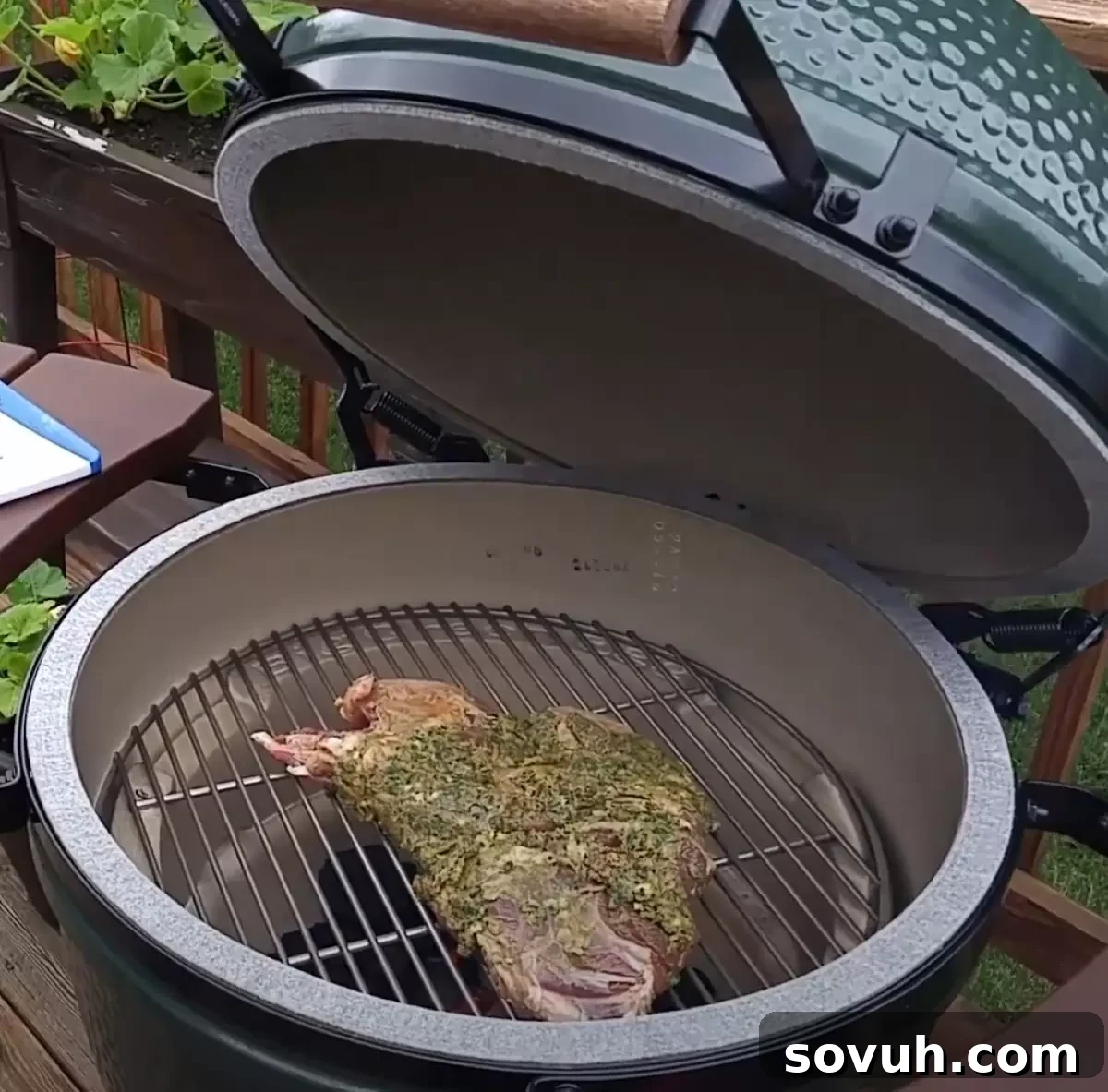
- Preheat Your Grill: Begin by preheating your grill to a medium-high temperature, around 400°F (200°C). It’s essential to allow the grill to heat thoroughly to ensure a good sear and consistent cooking. Clean the grill grates well to prevent sticking.
- Prepare the Lamb with Herb Crust: As detailed in the “Art of Herb Crusting” section, ensure your butterflied leg of lamb is thoroughly patted dry and evenly coated with the herb butter mixture. Allow it to rest at room temperature while the grill preheats.
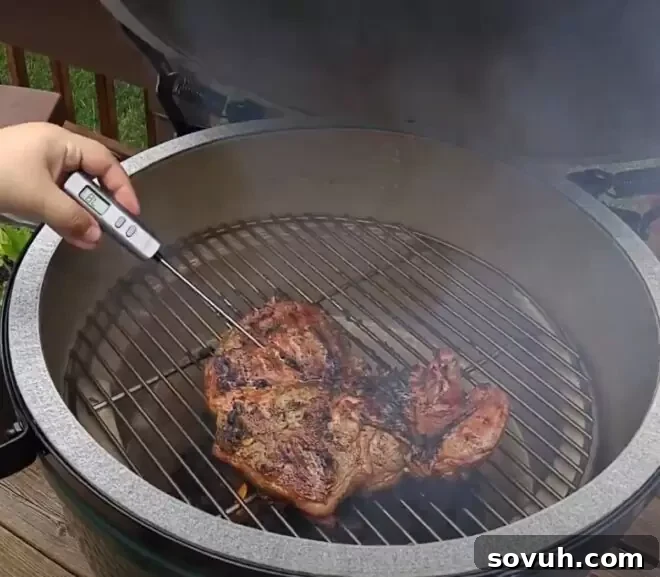
- Initial Sear: Place the herb-crusted leg of lamb directly on the hot grill grates. Sear it for approximately 5 minutes on each side. This initial high-heat searing creates a beautiful, flavorful crust and locks in the juices, contributing to the lamb’s succulent texture.
- Indirect Cooking: After searing, close the grill lid and continue cooking for 30-40 minutes. The exact cooking time will vary depending on the thickness of your lamb, the intensity of your grill, and your desired level of doneness. Use a reliable meat thermometer to monitor the internal temperature, aiming for 145°F (63°C) for medium-rare, or your preferred doneness as outlined below.
- Rest the Lamb: Once the lamb reaches your desired internal temperature, remove it from the grill and transfer it to a clean cutting board. Cover it loosely with aluminum foil and let it rest for at least 10-15 minutes. Resting is a critical step that allows the juices to redistribute throughout the meat, ensuring every slice is incredibly tender and juicy. Skipping this step can result in a dry lamb.
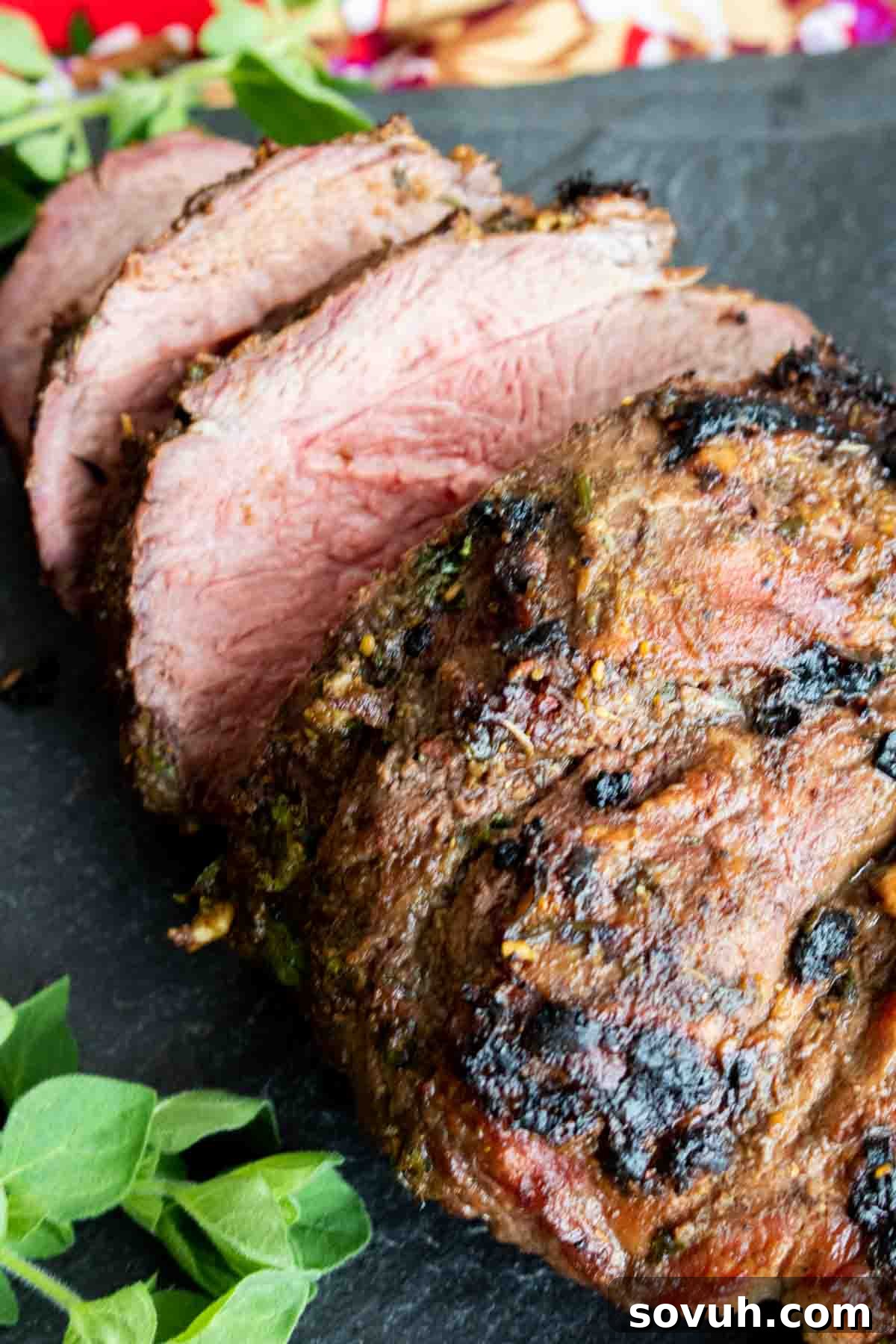
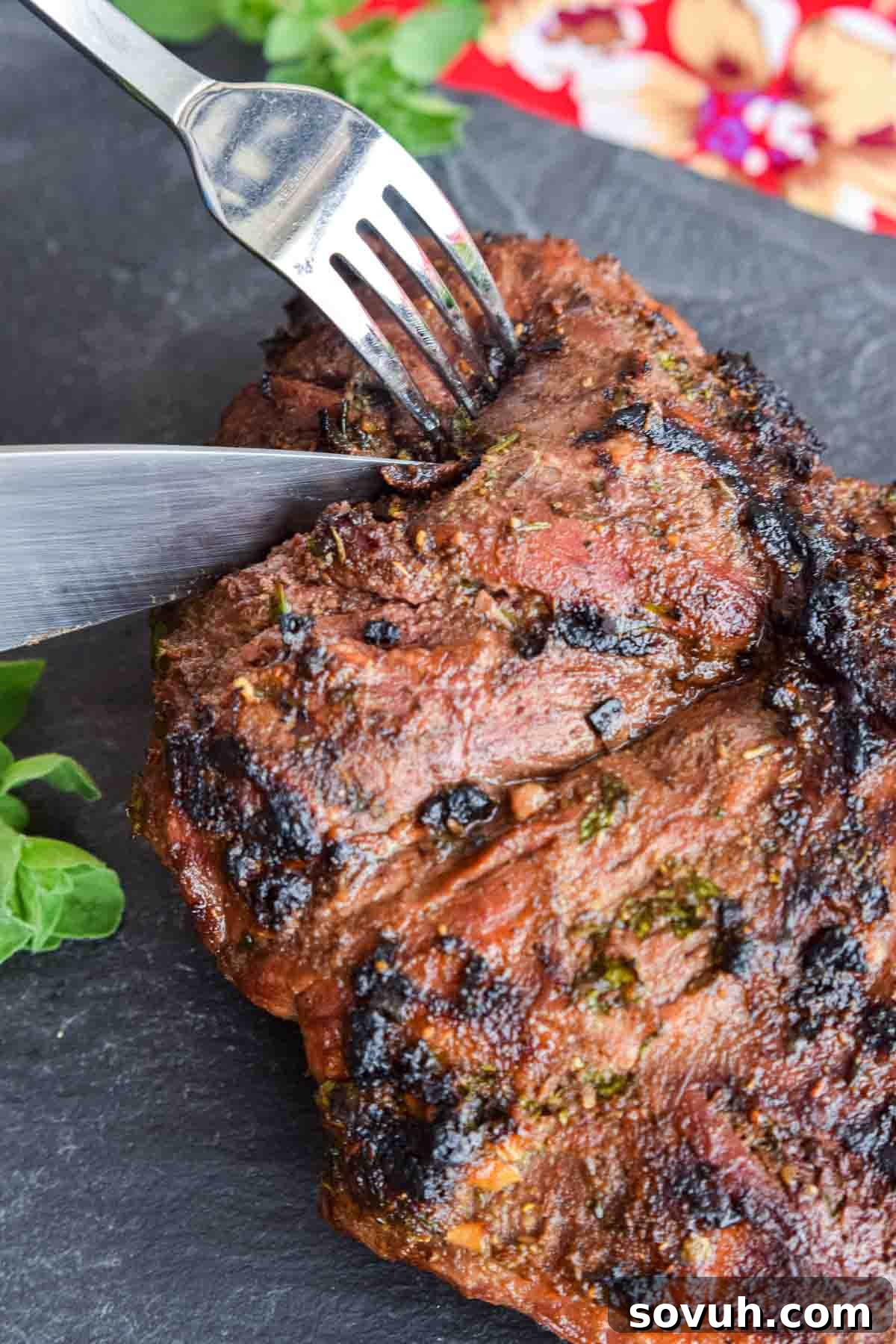
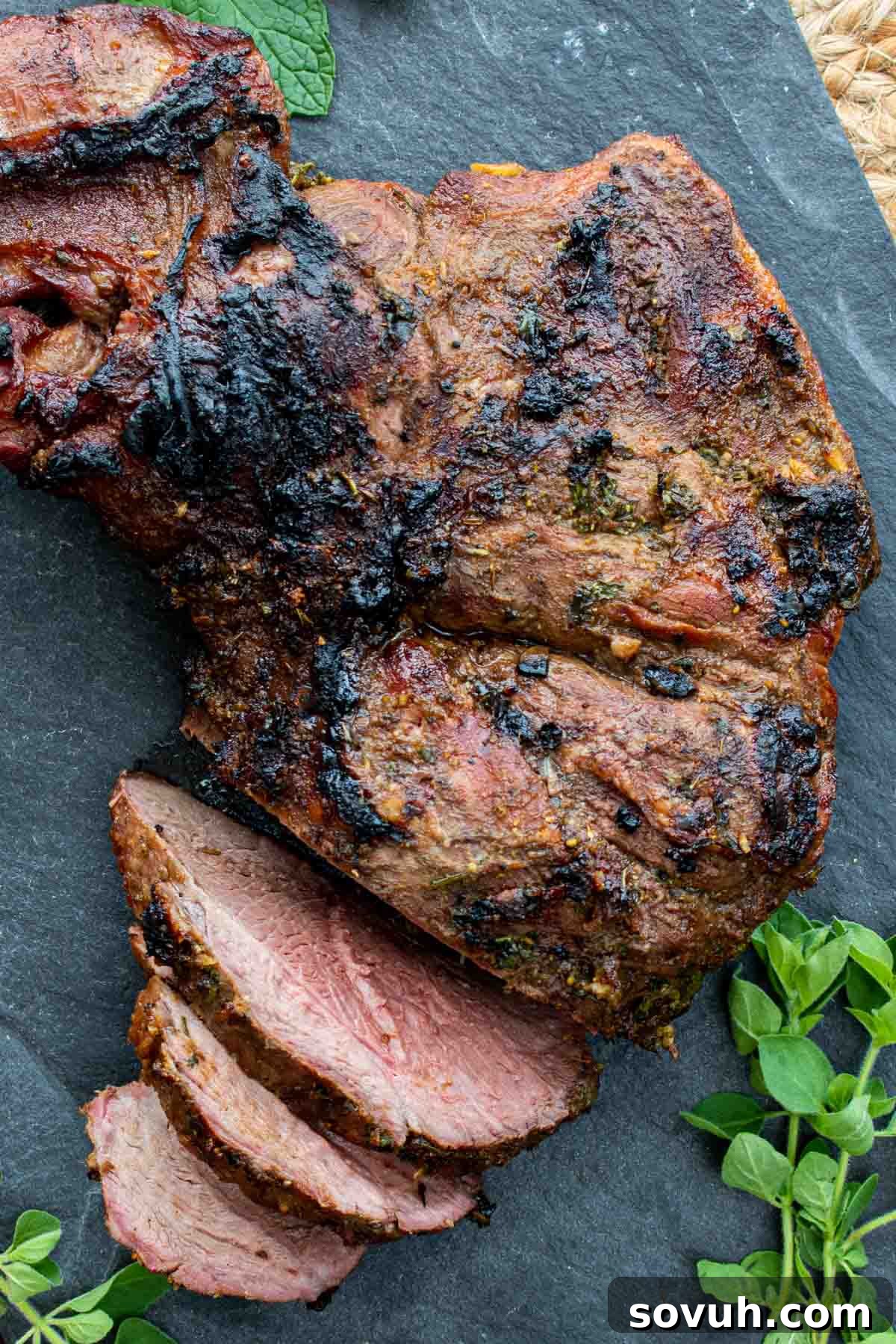
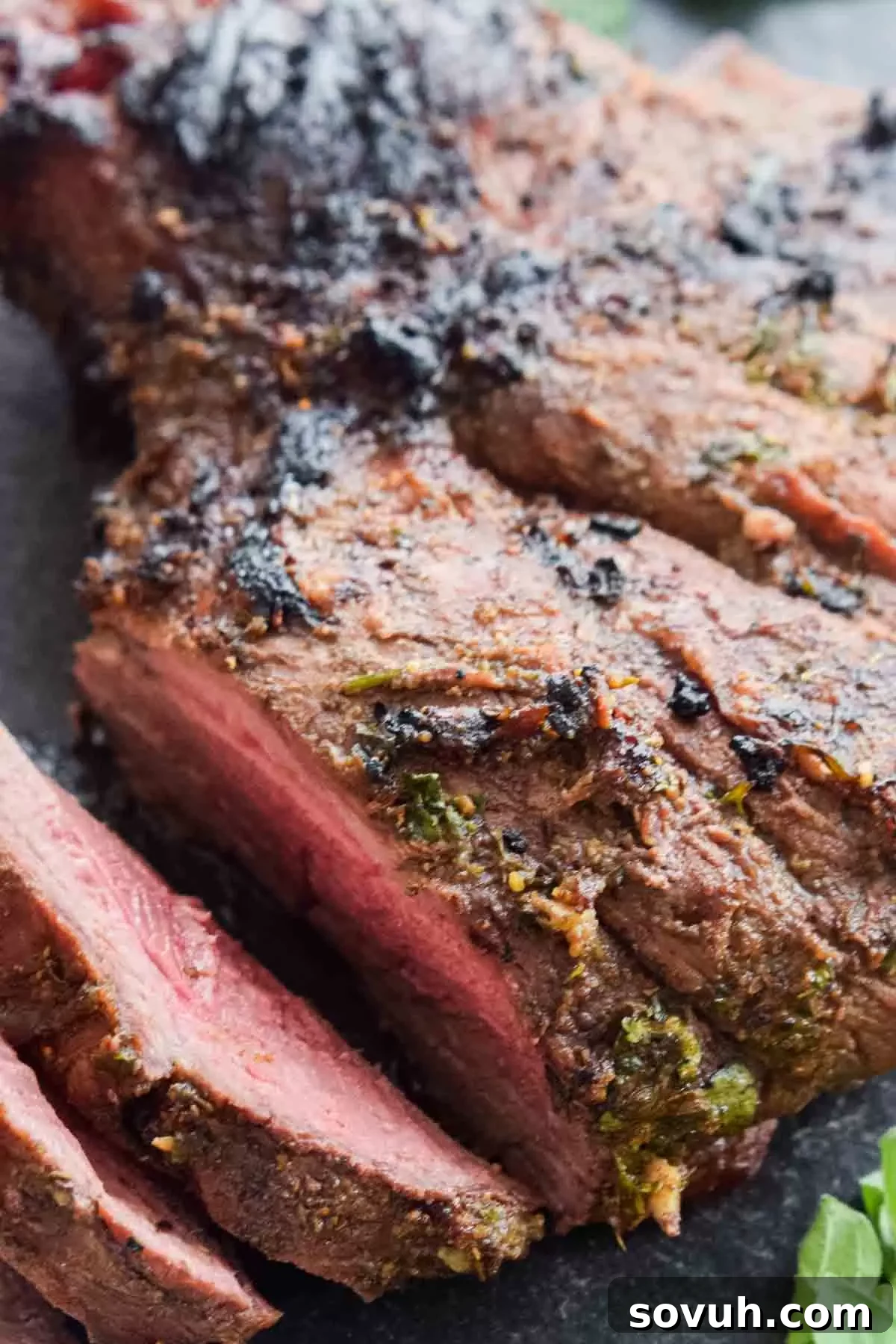
- Carve and Serve: After resting, carve the leg of lamb against the grain into thin slices. Carving against the grain shortens the muscle fibers, making the meat even more tender. Each slice will reveal a beautiful, succulent pink center, showcasing your perfectly grilled masterpiece.
This recipe will undoubtedly convert anyone to a lover of grilled lamb! Once you’ve mastered this classic, explore other exciting variations like our Sriracha Grilled Leg of Lamb, spicy Tandoori Grilled Lamb Chops, or savory Greek Sliders made with flavorful lamb burgers.
What Temperature Should Lamb Be Cooked to on the Grill?
Achieving the perfect doneness for your grilled leg of lamb is crucial for maximizing its flavor and texture. The recommended internal temperature depends on your preference, but a high-quality meat thermometer is your best friend here. Always insert the thermometer into the thickest part of the lamb, avoiding any bones, for an accurate reading.
Here are the general guidelines for internal temperatures for a leg of lamb:
- Medium-Rare: For a deliciously pink and juicy center, aim for an internal temperature of 145°F (63°C). The lamb will be tender with a slightly rare core, offering the most flavor and succulence. This is often the preferred doneness for lamb connoisseurs.
- Medium: If you prefer a slightly more cooked lamb with a less pink center, target an internal temperature of 160°F (71°C). At this point, the meat will still be very juicy and tender, just with a firmer texture than medium-rare.
- Well-Done: For lamb that is fully cooked with no pinkness remaining, cook to an internal temperature of 170°F (77°C) or higher. While some prefer well-done, be aware that cooking lamb beyond medium can sometimes lead to a drier, less tender result. Lamb is generally celebrated for its juiciness, which is best preserved at medium-rare to medium.
It is highly recommended to use a reliable meat thermometer to ensure precision. Remember that the internal temperature will continue to rise by a few degrees even after the lamb is removed from the grill, during the resting period. This is called “carryover cooking,” and it’s why it’s important to pull the lamb off the grill just a few degrees below your target temperature.
Allowing the lamb to rest for 10-15 minutes after cooking is just as important as hitting the correct temperature. This resting period allows the muscle fibers to relax and the internal juices to redistribute, resulting in a significantly more tender and flavorful finished product. Carve against the grain after resting for the ultimate experience.
Frequently Asked Questions About Grilled Lamb
Can I use a different cut of lamb for this recipe?
Absolutely! While a boneless leg of lamb is traditional and excellent for grilling, you can certainly adapt this herb crust recipe for other cuts. Lamb shoulder, lamb loin, or even thick-cut lamb chops work wonderfully. Just be mindful that cooking times and grilling techniques (direct vs. indirect heat) may need adjustments based on the thickness and fat content of the chosen cut. Always rely on a meat thermometer for accurate doneness.
Can I use dried herbs instead of fresh ones for the marinade and herb crust?
Yes, you can use dried herbs if fresh ones are not available. However, for the most vibrant flavor and aromatic experience, fresh herbs are always preferred. Dried herbs have a more concentrated flavor, so use about one-third of the amount specified for fresh herbs (e.g., 1 tablespoon dried instead of 3 tablespoons fresh). The texture of the crust might also be slightly different, but it will still be delicious.
Can I prepare the herb crust in advance?
Yes, you can prepare the herb mixture in advance. Combine all the herb crust ingredients (butter, spices, herbs, garlic, lemon juice) in a bowl, mix thoroughly, and store it in an airtight container in the refrigerator for up to 2-3 days. When you’re ready to use it, allow the mixture to come to room temperature for about 30 minutes, as softened butter is much easier to spread evenly over the lamb.
What are good side dishes to serve with Herb Crusted Grilled Leg of Lamb?
Grilled leg of lamb pairs beautifully with a variety of sides. Consider roasted potatoes with rosemary, a fresh green salad with a light vinaigrette, grilled asparagus or bell peppers, couscous, or a refreshing Greek-inspired quinoa salad. For a heartier meal, serve it alongside a creamy polenta or a rich risotto.
How do I prevent the lamb from sticking to the grill?
To prevent sticking, ensure your grill grates are clean and well-oiled before preheating. Once preheated, you can also lightly brush the lamb with a little extra oil (if not already coated in butter) just before placing it on the grates. Don’t try to move the lamb too soon after placing it on the grill; allow it to sear for the recommended time, and it should release naturally when a good crust has formed.
How to Store Leftover Herb Crusted Grilled Leg of Lamb
Proper storage is key to enjoying your delicious herb crusted grilled leg of lamb for days to come, maintaining its freshness, flavor, and ensuring food safety. Here’s a detailed guide on how to store it effectively:
- Cooling and Resting: After grilling, allow the lamb to cool down to room temperature for a short period, typically no more than 1-2 hours. This resting period, covered loosely with foil, is essential for redistributing juices and enhancing flavor, but don’t leave it out for too long to prevent bacterial growth.
- Refrigeration: Once the lamb has cooled, slice any remaining meat from the bone (if applicable) and transfer the leftovers to an airtight container. Alternatively, wrap the lamb tightly in aluminum foil or plastic wrap. Place the properly sealed lamb in the refrigerator promptly. Proper refrigeration at 40°F (4°C) or below is crucial for preventing spoilage and maintaining food safety.
- Storage Time in Refrigerator: Herb crusted grilled leg of lamb can be safely stored in the refrigerator for up to 3-4 days. Beyond this timeframe, the quality and flavor may begin to deteriorate, and the risk of bacterial growth increases. It’s always best to consume leftovers within this recommended period to enjoy them at their prime.
- Labeling and Dating: To easily keep track of how long your lamb has been stored, label the container or wrapping with the date of preparation. This simple practice helps you identify its freshness and ensures you consume it within the safe storage window.
- Freezing for Longer Storage: If you have a significant amount of leftover lamb or wish to preserve it for an extended period, freezing is an excellent option. For best results, slice the lamb into individual portions. Wrap each portion tightly in freezer-safe plastic wrap, then place them in freezer bags or an airtight freezer-safe container, pressing out as much air as possible to prevent freezer burn. Frozen lamb can be stored for up to 2-3 months without a significant loss of quality.
- Thawing Frozen Lamb: When you’re ready to enjoy your frozen lamb, the safest and best method for thawing is in the refrigerator overnight. This slow thawing process helps maintain the meat’s texture and juiciness. For a quicker thaw, you can place the sealed lamb in a plastic bag and submerge it in cold water, changing the water every 30 minutes until fully thawed. Avoid thawing at room temperature, as this can promote bacterial growth.
- Reheating: To reheat, gently warm the lamb slices in a skillet with a splash of broth, in the oven at a low temperature (around 300°F/150°C) covered with foil to retain moisture, or briefly in the microwave. Be careful not to overcook, as reheating can dry out the lamb.
Looking for More Easy Grilling Recipes?
If you’ve loved mastering the grilled leg of lamb, there’s a whole world of delicious grilling adventures waiting for you. Expand your repertoire with these fantastic and easy grilling recipes:
- Citrus Marinated Grilled Shrimp
- Grilled Teriyaki Chicken and Pineapple Skewers
- Grilled Chicken Fajita Skewers
- Chesapeake Crab Burger
- Chimichurri Steak
- Italian Sausage and Pepper Foil Packet Meal
- Cheddar BBQ Chicken Foil Packets
- Explore More Grilled Recipes…
Like this recipe?
Make sure to follow us on Instagram and Pinterest for more inspiring recipes and culinary tips.
Servings: 10
Prep Time: 10 minutes
Cook Time: 40 minutes
Total Time: 50 minutes
Herb Crusted Grilled Leg of Lamb
Created By: Kat Jeter & Melinda Machado
This easy Herb Crusted Grilled Leg of Lamb is coated in fresh herbs and full of flavor!
Print Recipe
Ingredients
- 2.5 pounds Boneless leg of lamb, butterflied and trimmed
- 1 tablespoon Lamb Spice Rub
- 4 Garlic cloves, minced
- 2 tablespoons Lemon juice
- ½ cup Finely chopped parsley
- ¼ cup Finely chopped cilantro
- 6 tablespoons Unsalted butter, softened
Instructions
- Heat grill to 400 degrees F.
- Pat lamb dry with a paper towel.
- Combine butter, spice rub, garlic, lemon juice, parsley, and cilantro in a bowl and mix well.
- Coat butterflied leg of lamb in the herb butter.
- Place leg of lamb on the grill and sear for 5 minutes on each side.
- Close grill lid and cook for 30-40 minutes or until the lamb reaches an internal temperature of 145 degrees F.
- Remove from the grill and let rest for 10 minutes.
- Carve the leg of lamb against the grain into thin slices, ensuring each piece showcases the succulent pink center.
Nutrition
- Serving: 4oz
- Calories: 273kcal
- Carbohydrates: 1g
- Protein: 70g
- Fat: 21g
- Saturated Fat: 11g
- Polyunsaturated Fat: 1g
- Monounsaturated Fat: 2g
- Cholesterol: 100mg
- Sodium: 3mg
- Potassium: 29mg
- Vitamin A: 500IU
- Vitamin C: 7.4mg
- Calcium: 20mg
- Iron: 2.5mg
Course: Dinner
Cuisine: American
