
Purslane Herbal Tea: Benefits, Uses and Brewing Tips
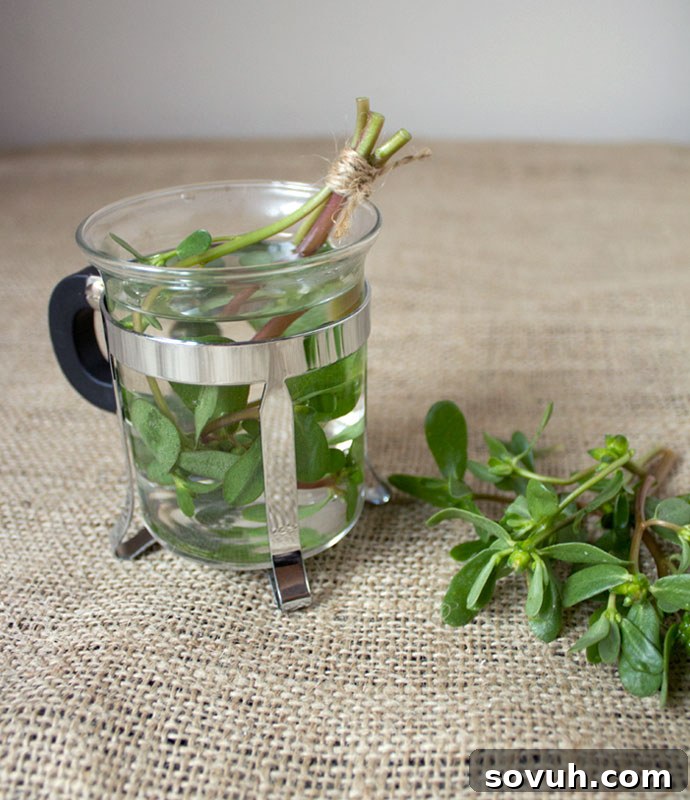
Purslane Tea: A Simple Recipe and Tasting Notes
Yesterday at the Greenmarket I picked up a generous bundle of purslane and decided to try it as a simple herbal infusion. If you’re curious about purslane tea, it’s easy to prepare and yields a clean, bright flavor that surprised me with its mild, leafy character. Below I describe how I made it, what it tastes like, and a few serving ideas and safety notes to keep in mind.
How I Made the Tea
I started by rinsing several stems and leaves under cool running water to remove any grit or insects. After patting the leaves dry, I tore the larger stems into shorter pieces and placed a small handful into a teapot. I poured freshly boiled water over the purslane and let it steep for about five minutes. The infusion developed a light green color and a subtle aroma that remembered me of raw greens.
Flavor and Texture
The resulting tea tastes a little like spinach—vegetal, mild, and clean—with a hint of freshness that keeps it from feeling heavy. It’s not bitter or astringent, which makes it approachable straight, without sweeteners or additions. The mouthfeel is light; it doesn’t have the viscosity that some succulent preparations can produce, probably because the leaves were steeped briefly.
Serving Suggestions and Variations
If you prefer a touch of brightness, a squeeze of lime brightens the infusion and adds a pleasant citrus note that complements the green flavors. For a sweeter take, a small drizzle of honey softens the vegetal edge and rounds out the cup. Other simple variations include:
- Adding a thin slice of fresh ginger during steeping for gentle spice and warmth.
- Blending purslane leaves with green tea or a mild white tea for more complexity.
- Chilling the brewed tea and serving it over ice as a refreshing summer beverage.
Practical Tips
When harvesting or buying purslane, pick firm, succulent stems and bright green leaves; avoid any that look wilted or slimy. Give the greens a thorough rinse and check for grit between the stems and leaves. Because purslane is a succulent, rough handling can release excess moisture; pat it dry before steeping to keep your infusion clear.
Steeping time can be adjusted to taste. I found about five minutes produced a pleasant balance of flavor without extracting anything overly vegetal. If you want a stronger cup, increase steeping by a minute or two, but taste as you go.
Storage
Fresh purslane stores well in the refrigerator for a few days when wrapped loosely in a damp paper towel and placed in a perforated plastic bag or container. Use the freshest leaves you can for the best flavor. Brewed purslane tea will keep in the fridge for a day or two; reheat gently or serve chilled.
Safety Note
If you are pregnant, avoid consuming purslane. It has been reported to possibly stimulate contractions. Thank you to Christobel for the cautionary note shared in the comments. As with any wild or unfamiliar plant, if you have concerns or a medical condition, consult a healthcare professional before adding it to your diet.
Final Thoughts
Purslane tea is a pleasant, low-effort way to enjoy an edible green in a new form. Its spinach-like, clean flavor makes it versatile—delicious plain, brightened with lime, or mellowed with honey. Whether you find purslane at a farmers’ market or growing in your garden, it’s worth trying as a refreshing herbal infusion.











