
Oolong Tea for Beginners: How to Brew and Taste
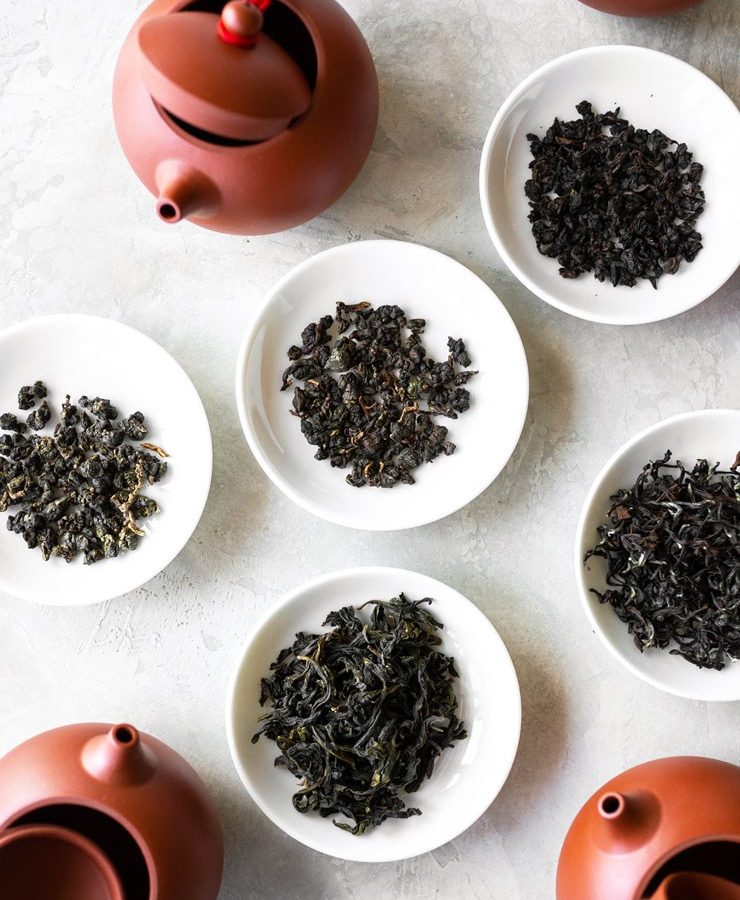
Ready to explore oolong tea but not sure where to start? This step-by-step tasting guide covers everything a beginner needs: how oolong differs from other teas, a simple tasting method, recommended starter oolongs, brewing equipment, and a clear brewing routine you can follow at home.
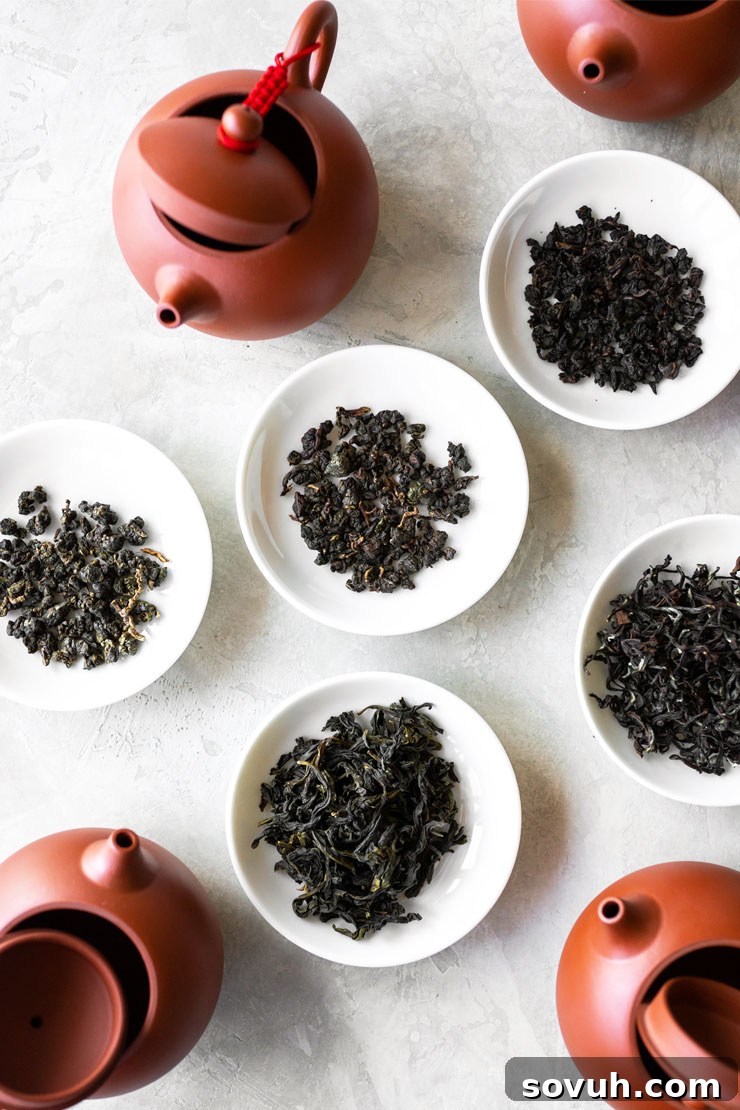
Oolong Tea
Oolong tea is made from the leaves of the camellia sinensis plant. It is a semi-oxidized tea that falls between green tea (lightly processed) and black tea (fully oxidized). The degree of oxidation and the processing methods — how leaves are withered, rolled, and roasted — shape each oolong’s flavor and aroma.
Worldwide, tea is commonly categorized into six major types: black, oolong, green, white, puerh, and yellow. Oolong’s wide range of styles means it can taste closer to green tea or closer to black tea depending on how it was processed and where it was grown.
3 Things About Oolong Tea
1. Oolong originated in China.
Most traditional tea types trace back to China. Oolong was developed there, and centuries ago tea cultivars and techniques spread to Taiwan, where high-mountain oolongs and other celebrated varieties were established. Today both China and Taiwan produce many of the most famous oolongs.
2. Oolong covers a broad flavor spectrum.
You’ll find oolongs that are floral and light, others that are toasty and rich, and everything in between. Terroir — altitude, soil, and climate — along with harvest timing and processing style influence the final cup.
3. Many oolongs are rolled or twisted.
A common visual clue for oolong is the rolled or twisted leaf shape. Some oolongs are tightly balled, while others are long and twisted, and that shape affects how the leaves unfurl and release flavor during multiple steeps.
Related: How to Get Into Green Tea (a helpful companion guide for beginners)
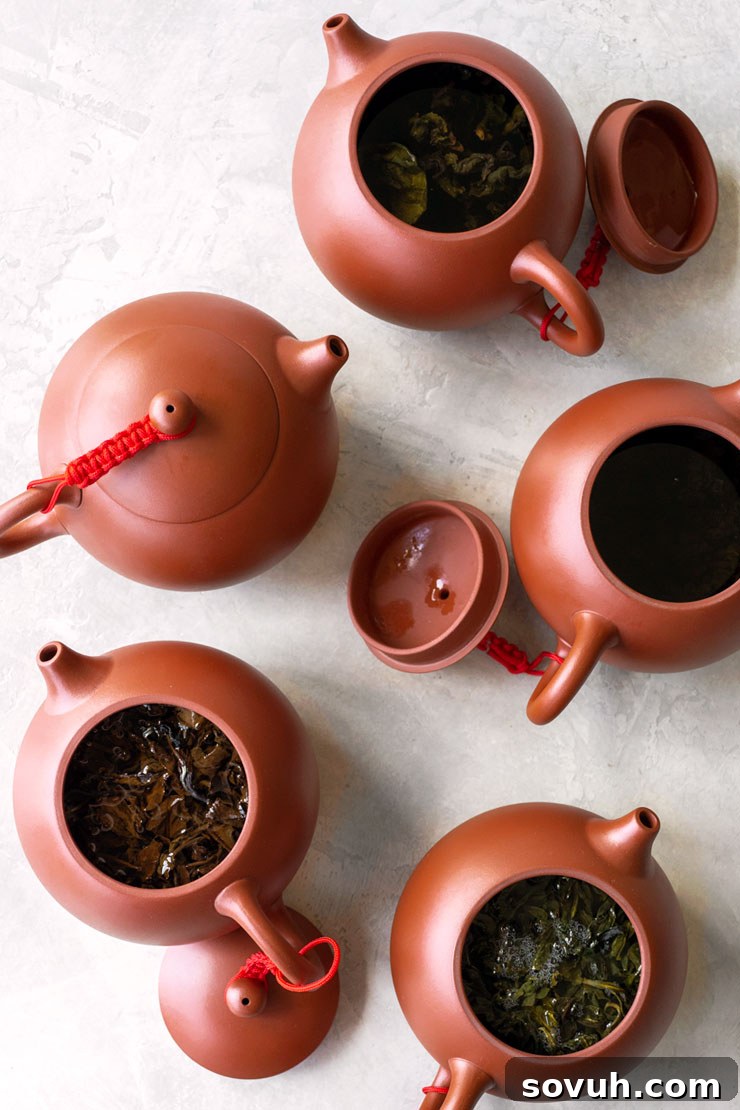
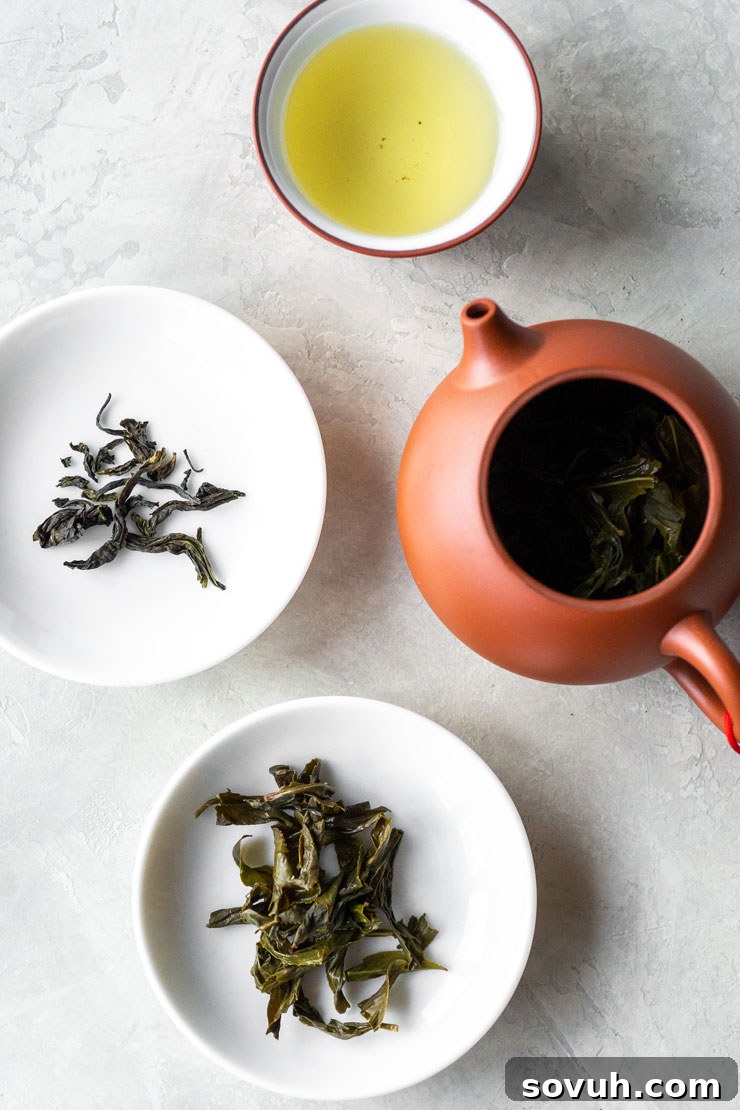
How to Get into Oolong Tea
A practical way to learn any tea is to focus on one at a time. The following method is a simple tasting routine used in professional tea courses and is excellent for beginners.
- Choose one oolong to drink for a full week.
Drink only that one oolong for seven days. Repetition helps you notice consistent characteristics and remember a tea’s unique profile. - Use a mug with an infuser for brewing.
A mug and infuser make it easy to brew single servings repeatedly and to practice timing and temperature control. - At the end of the week, switch to a different oolong.
Compare the new tea to the previous one and note differences in aroma, mouthfeel, and aftertaste. The goal is to train your palate to recognize qualities over time.
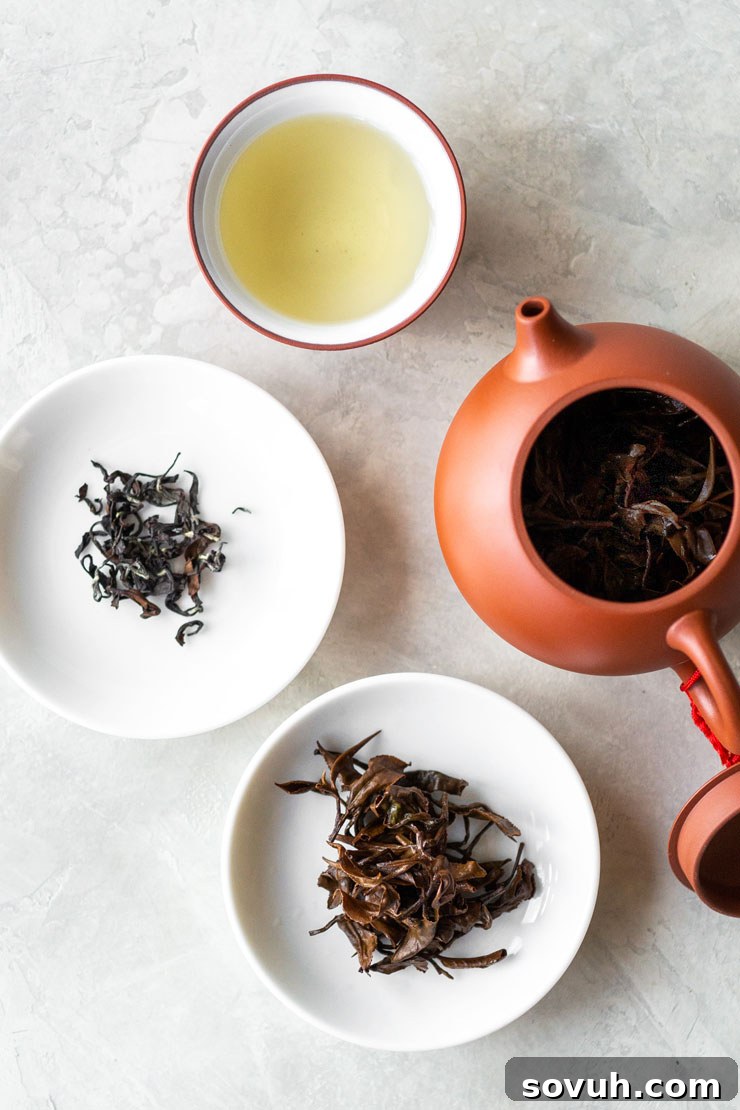
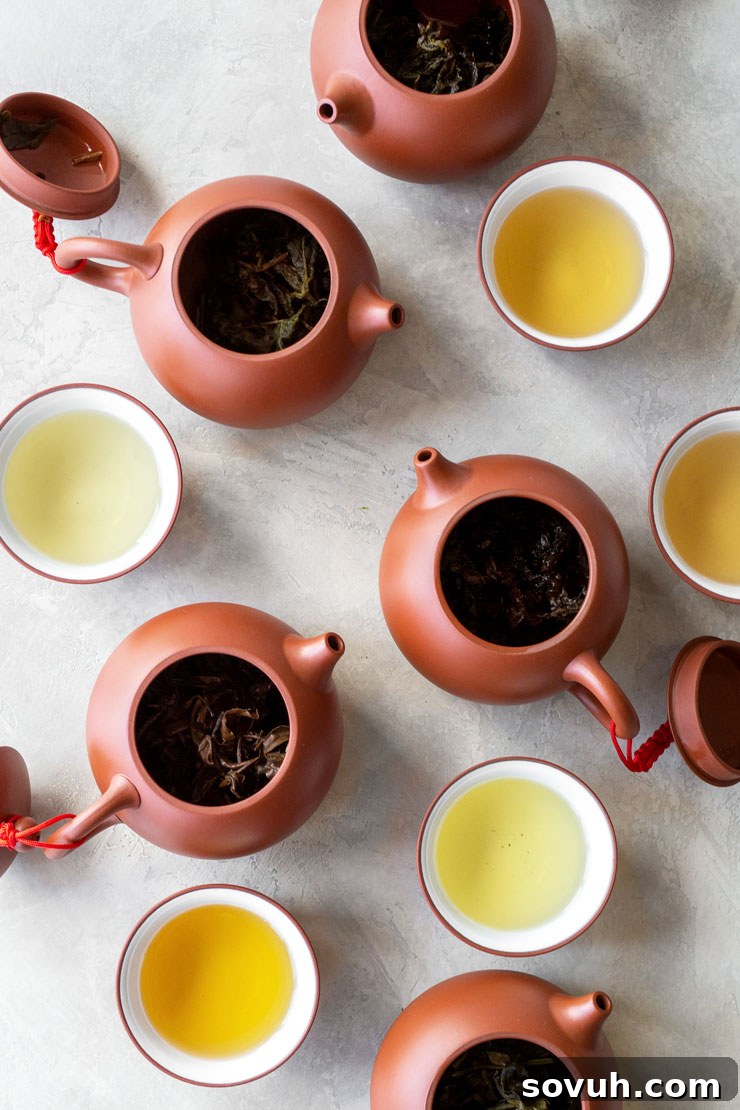
5 Oolong Teas All Beginners Should Try
- Iron Goddess of Mercy (Tie Guan Yin)
A classic and approachable oolong, often floral with a smooth body—great as a first oolong. - Oriental Beauty (Dongfang Meiren / Bai Hao)
A naturally fruity and honeyed oolong with distinctive floral and baked-fruit notes; a favorite for many newcomers. - Frozen Summit (Dong Ding)
Dong Ding can be lightly or heavily roasted; darker roasts yield nutty, toasty flavors while lighter roasts preserve floral sweetness. - Alishan (High Mountain Oolong)
High-altitude Taiwanese oolongs like Alishan are prized for floral, creamy, and delicate mountain aromas. - Bao Zhong
A lighter, very floral oolong with a gentle, fragrant cup—delicate and perfumed.
What You’ll Need to Make Oolong Tea
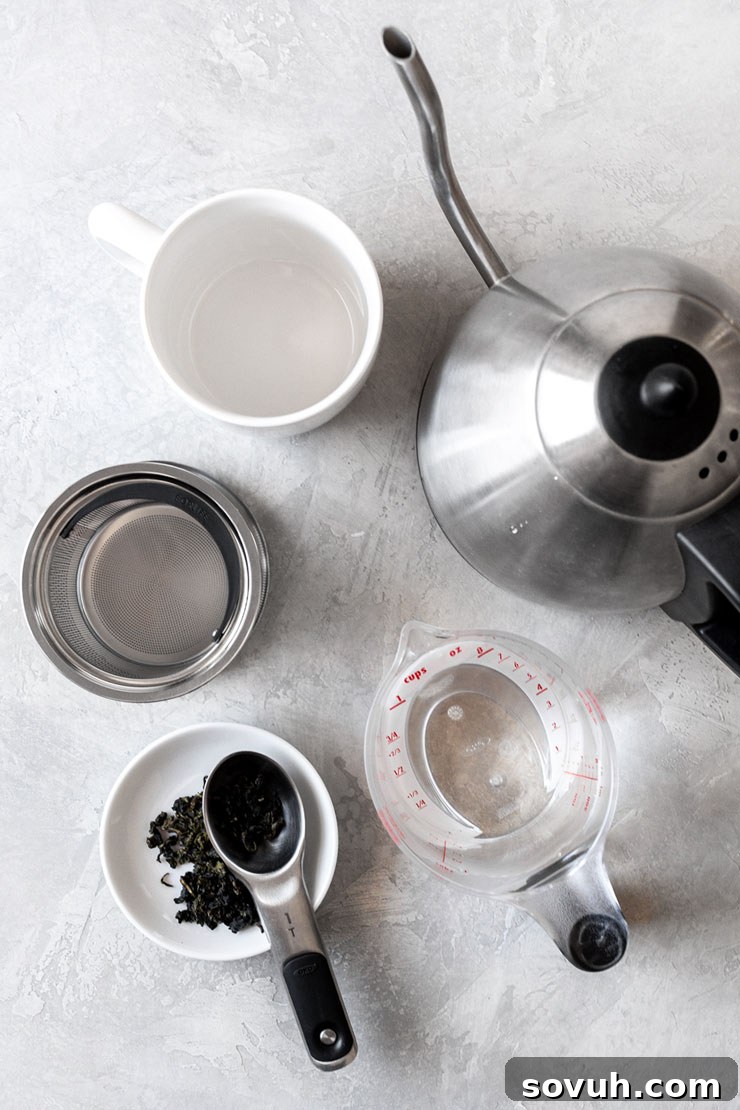
- Loose oolong tea
- Filtered water
- Electric kettle with temperature setting (helpful to hit the ideal range, but stovetop boiling and cooling works too)
- Mug with an infuser (8 oz size recommended)
- Measuring cup or mug marked for 8 oz
- Measuring spoon or tea scale (2 teaspoons or about 6 grams per cup)
- Timer (your phone is fine)
How to Make Oolong Tea for a Tea Tasting
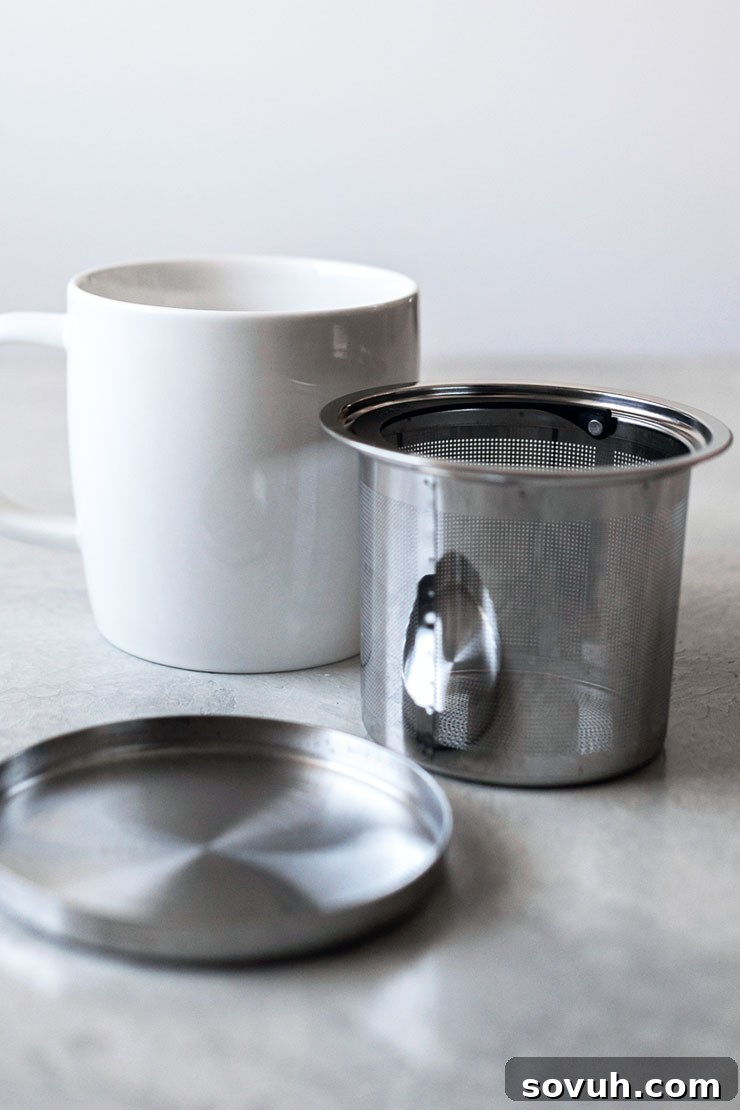
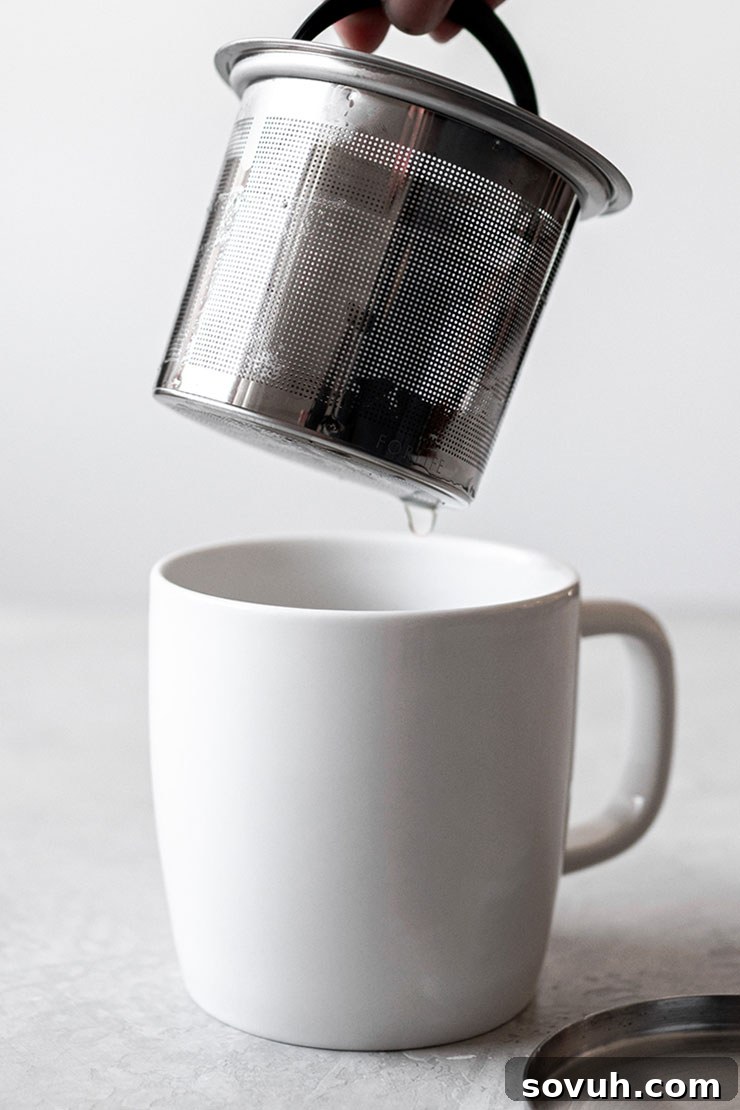
For beginners, brewing in an 8-ounce mug with an infuser is the simplest way to taste and compare oolong teas. Keep each cup single-serving size so you can do multiple short steeps and notice how the flavor evolves.
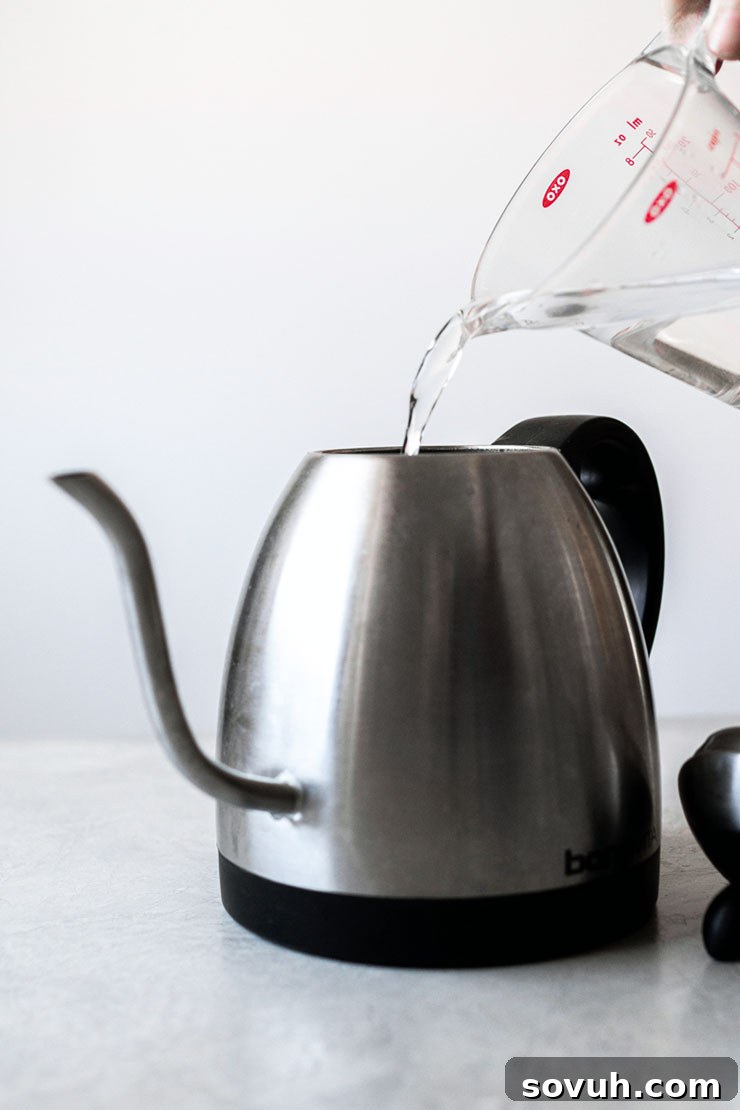
STEP 1: Heat filtered water to the proper temperature.
Oolong brews best between 185°F and 208°F (85°C–98°C). If using an electric kettle with a temperature setting, set it according to the tea’s recommended range. If boiling on the stove, bring to a boil and let the water cool a minute or two.
STEP 2: Warm the mug.
Pour a little hot water into the empty mug, swirl to warm the walls, then discard that water.
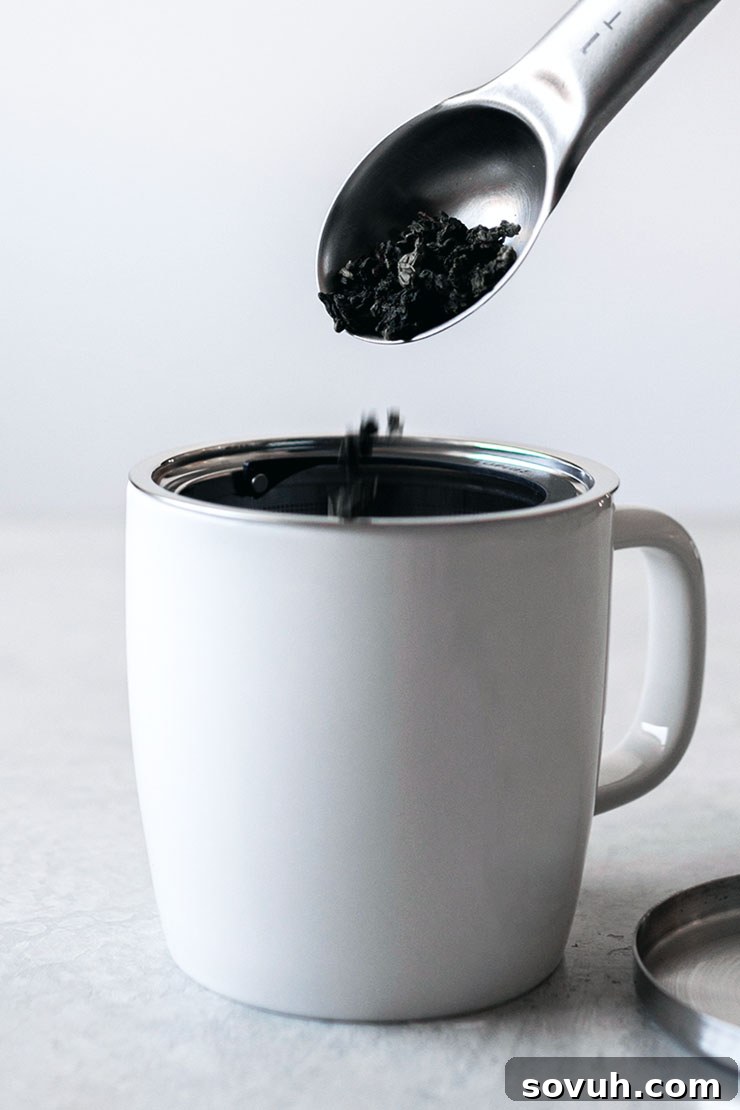
STEP 3: Measure 2 teaspoons (or about 6 grams) of loose oolong into the infuser and add hot water.
If you have a tea scale, 6 grams per 8 oz cup is a good guideline. Otherwise, use two level teaspoons. Make sure the infuser and mug are sized so the leaves can expand.
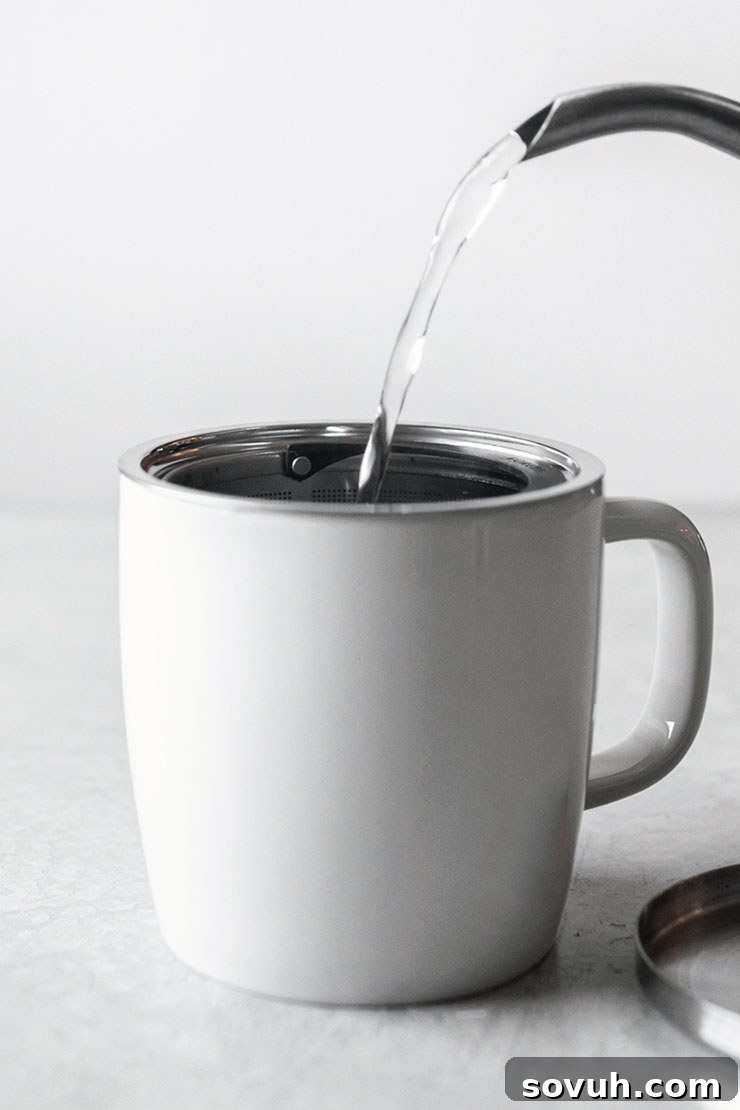
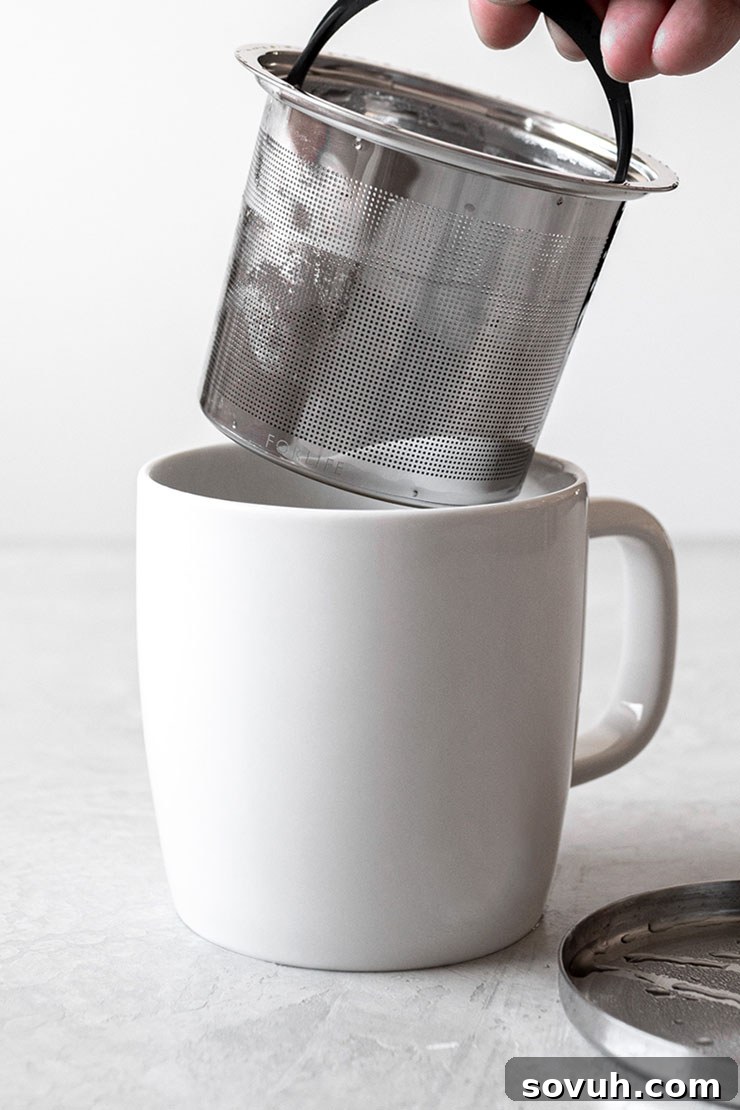
STEP 4: Rinse the leaves (5 seconds) and discard that water.
Fill the mug halfway, swirl for about five seconds, then remove the infuser and discard the water. This quick rinse wakes the leaves and begins the unfurling process.
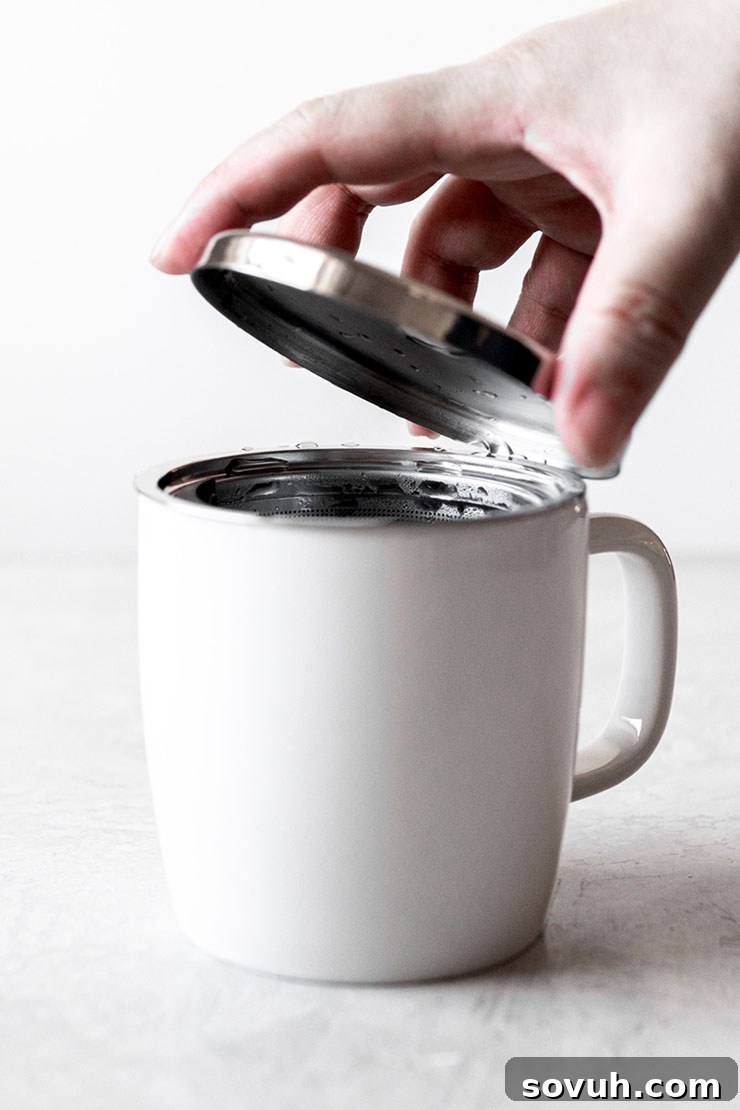
STEP 5: Add a full cup (8 oz) of hot water and steep for 45 seconds with the lid on.
Covering while steeping preserves heat and aroma. A short steep is intentional—good oolong yields multiple infusions with changing flavors.
STEP 6: Remove the infuser and enjoy the first cup.
Removing the leaves stops extraction so the cup won’t over-steep. Keep the infuser nearby for the next brew.
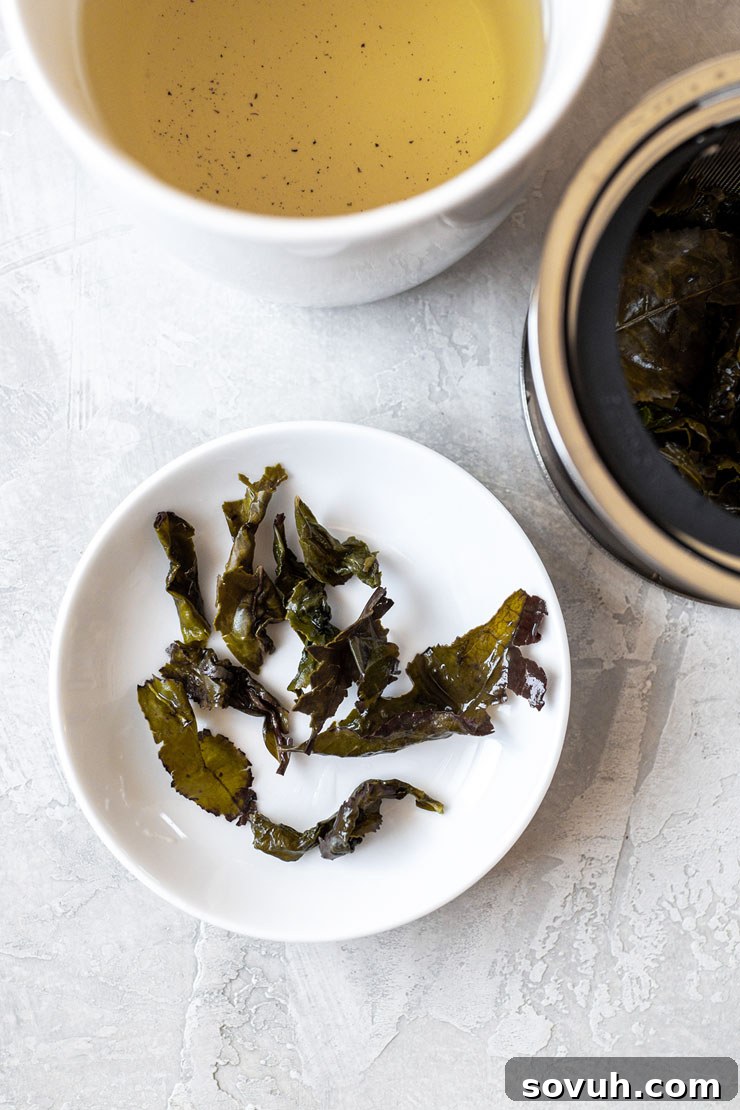
STEP 7: Re-steep the leaves for 1 minute 15 seconds for the second infusion.
After finishing the first cup, place the infuser back and pour another 8 oz of hot water. Increase the steep time by about 30 seconds compared to the previous steep. Notice how the leaves have opened and how the flavor has shifted.
Tea Sommelier’s Tip: Flavors change across successive steeps. Notes that weren’t apparent in the first infusion may appear in later ones, so taste each steep mindfully.
Optional STEP 8: Continue re-steeping the same leaves, adding about 30 seconds to each subsequent steep until the flavor fades. Many good oolongs will offer three to four enjoyable infusions.
Oolong Tea Tips
- Start with more affordable loose-leaf oolongs while you explore styles; premium leaves can be expensive.
- Avoid flavored oolongs (e.g., fruit or candy-flavored blends) at first—pure single-origin teas help you learn natural oolong characteristics.
- Use a small mug with an infuser as your daily practice tool; it’s easier than a traditional clay teapot for beginners.
Questions You May Have
There’s no single oolong flavor. Some oolongs are floral and fruity, others are creamy or honeyed, and many are nutty or toasty when roasted. The variety is part of the appeal.
Yes. Oolong contains caffeine—generally less than coffee but typically more than most herbal infusions. Exact amounts vary by leaf size, steep time, and processing.
Traditionally, oolong is enjoyed plain so you experience its full flavor range. If you prefer additions, try a small taste first without extras to understand the tea’s natural profile.
Loose-leaf tea usually offers better quality and fuller flavor. Tea sachets can be good mid-level options; standard paper tea bags often contain smaller, lower-quality fannings used for convenience rather than tasting.
Loose tea is commonly sold in 2–4 ounce quantities, which is enough for multiple brews and a good way to sample different varieties without a large investment.
Related
- How to Make Oolong Tea in a Clay Teapot
- Oolong Tea Pairing
- Want to Get Into Green Tea? Start Here.
- Where to Buy Tea Online
- Difference Between Loose Tea, Tea Sachets, and Tea Bags
How to Brew Oolong Tea Properly
Equipment
- Electric kettle (temperature control recommended)
- Mug with infuser (8 oz)
- Water filter or filtered water
Ingredients
- 2–4 cups filtered water (for multiple brews)
- 2 teaspoons loose oolong tea per 8 oz cup (about 6 g if using a scale)
Instructions
- Boil filtered water and set to the tea’s recommended temperature (185°F–208°F broadly for oolong).
- Warm your mug by swirling some hot water inside, then discard.
- Place 2 teaspoons (6 g) of loose oolong into the infuser and add hot water.
- Rinse the leaves for 5 seconds, remove the infuser, and discard the rinse water.
- Add a full 8 oz of hot water and steep for 45 seconds with the lid on.
- Remove the infuser and drink. When ready, re-steep the leaves for 1 minute 15 seconds for the second infusion.
- Optional: Continue re-steeping, adding about 30 seconds for each subsequent steep, until flavor diminishes.











