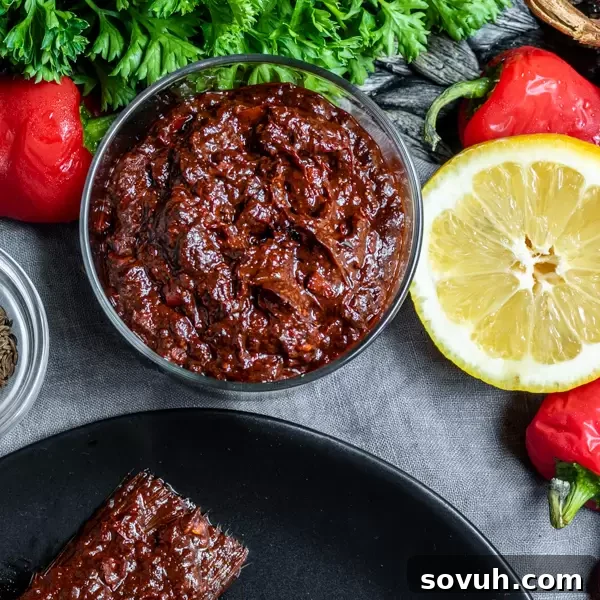
Master the art of crafting authentic Harissa Paste at home. This vibrant North African chili paste, a perfect blend of fiery red peppers and aromatic spices, is your secret ingredient for unforgettable marinades, sauces, and an exotic kick in any meal.
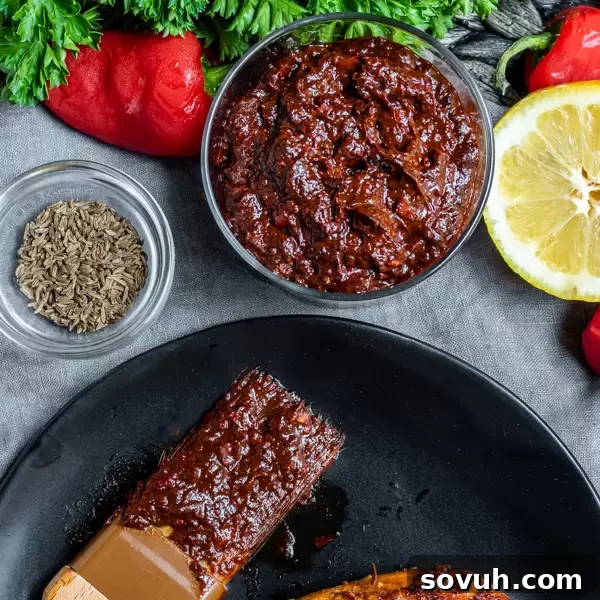
Embark on a culinary journey to North Africa from the comfort of your kitchen with this guide to homemade Harissa Paste. This isn’t just a condiment; it’s a dynamic flavor enhancer, bringing together the smoky depth of roasted peppers, the pungent allure of garlic, and a harmonious blend of earthy spices. Once you experience the rich, complex taste of freshly made Harissa, you’ll understand why it’s a staple in kitchens across Tunisia, Morocco, and beyond.
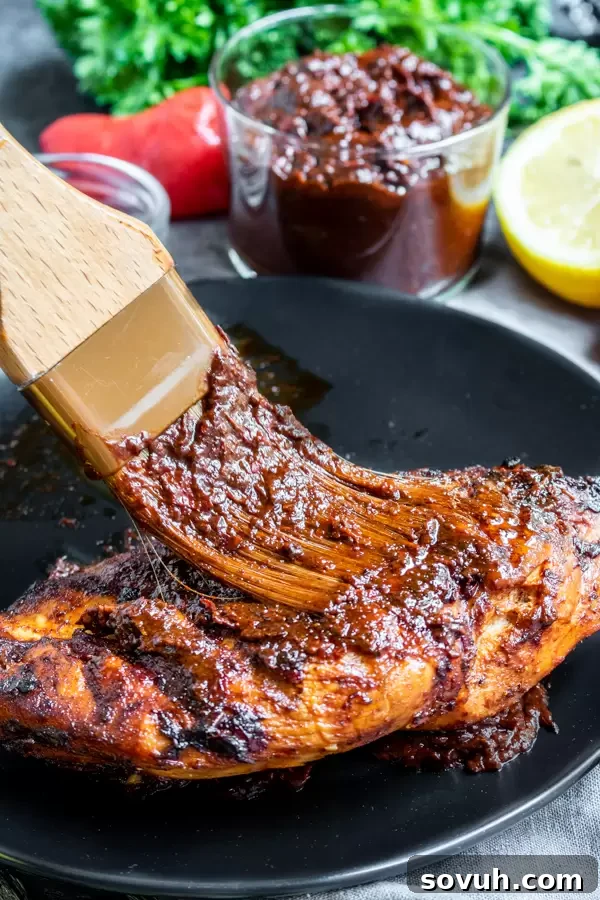
Our easy-to-follow recipe ensures you can create a batch of this wonderfully spicy paste that is perfect for infusing deep, aromatic flavors into countless dishes. From transforming simple grilled chicken or succulent beef into exotic feasts, to enriching hearty soups, vibrant stews, or comforting chilis, homemade Harissa is a game-changer. It’s also an excellent choice for a keto-friendly marinade, offering big flavor without added sugars. If you love discovering new spicy sensations, you’ll definitely want to try this alongside our popular Harissa Chicken recipe. And for another bold, zesty experience, don’t miss our Peri Peri Chicken made with our very own homemade Peri Peri sauce!
Note: This post may contain affiliate links. This means if you click on a link and make a purchase, we may receive a small commission at no extra cost to you. Your support helps us continue to create valuable content. Thank you!
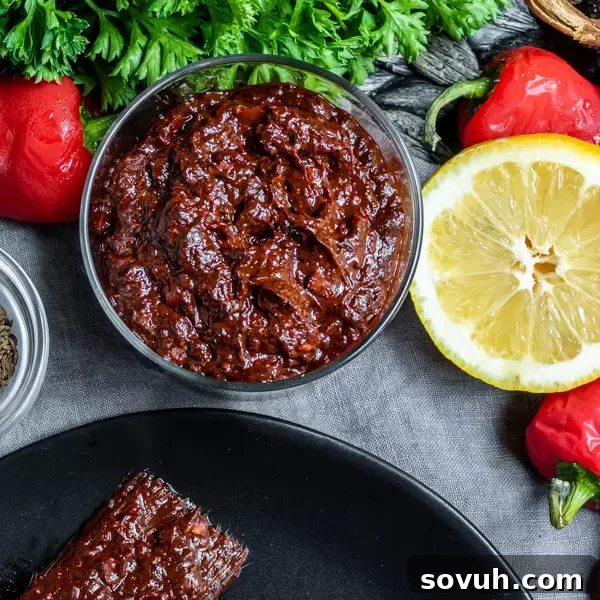
Understanding Harissa Paste: A North African Culinary Essential
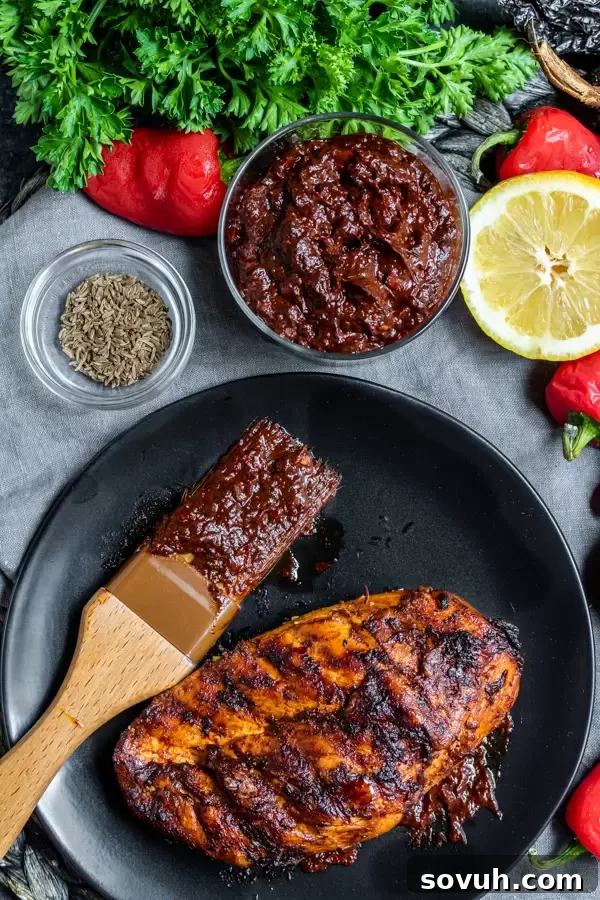
Harissa is a fundamental North African chili paste, deeply rooted in Tunisian culinary traditions, though variations are enjoyed across the Maghreb region. Often misunderstood as merely a spicy condiment, Harissa is actually a complex flavor bomb. It’s typically crafted from basic ingredients such as rehydrated dried red chili peppers, fresh garlic, a drizzle of good olive oil, and a signature blend of spices – most commonly coriander and caraway, with cumin often making an appearance. While it might be likened to the North African counterpart of Sriracha or even a very flavorful ketchup, Harissa distinguishes itself with its profound depth of flavor, which goes far beyond simple heat.
Traditionally prepared by hand-pounding the ingredients, modern recipes often utilize a food processor for ease and efficiency, allowing home cooks everywhere to enjoy this vibrant paste. Harissa serves multiple roles in the kitchen: it’s a potent condiment to be served alongside meals, a robust marinade for meats and vegetables, and a vital flavoring agent for enriching everything from delicate couscous dishes and hearty tagines to warming soups and stews. A spoonful can transform a simple dish, adding a burst of smoky, earthy, and fiery notes. If you’ve enjoyed the bold flavors of our Peri Peri Sauce, you’ll appreciate Harissa’s distinct spice profile and its capacity to add extraordinary character to your cooking.
The Unmatched Benefits of Homemade Harissa
While many excellent store-bought Harissa brands are available, crafting your own paste at home offers a multitude of advantages that elevate your culinary experience. The primary benefit lies in the unparalleled freshness and superior flavor. Commercial varieties, while convenient, can sometimes contain preservatives, artificial additives, or lower-quality oils that might dull the vibrant taste of the chilies and spices. When you make Harissa from scratch, you ensure that every ingredient is at its peak, resulting in a paste that is bursting with authentic aroma and a more intense, layered flavor profile.
Another significant advantage is the complete control you gain over the heat level and the delicate balance of spices. Do you prefer a milder paste with a gentle warmth, or a fiery concoction that truly packs a punch? You can easily customize the types and quantities of chili peppers to suit your preference. Similarly, you can adjust the garlic, add a touch more caraway for earthiness, or increase the lemon for extra brightness. This personalization is crucial for creating a Harissa that perfectly complements your cooking style and your family’s palate. Furthermore, homemade Harissa often proves to be more cost-effective in the long run, especially if you use it regularly. It’s a rewarding process that connects you more intimately with the food you prepare, and the difference in taste is truly remarkable.
Key Ingredients for an Authentic Harissa Paste
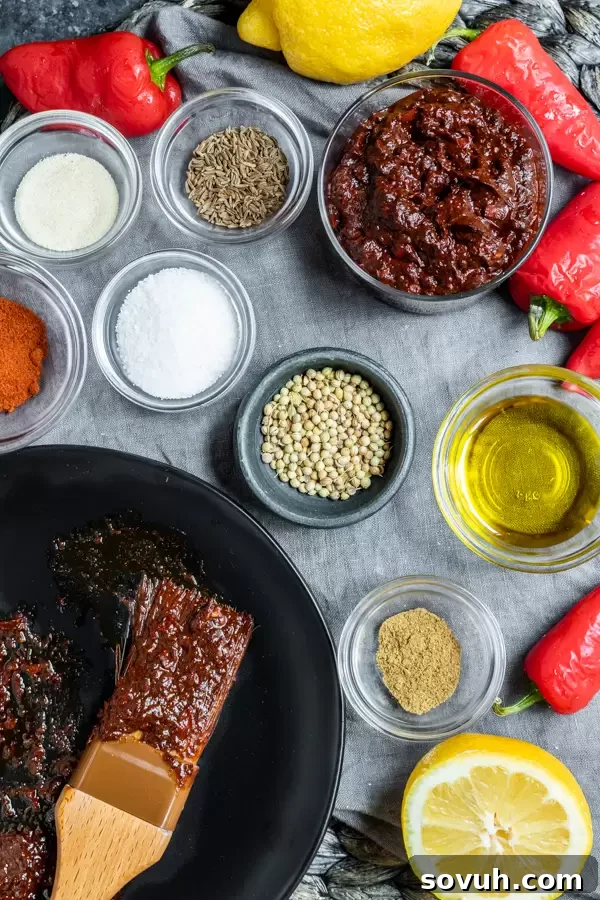
Creating this deeply flavored paste requires a thoughtful selection of ingredients that harmonize to produce its distinctive taste and texture:
- Dried Chili Peppers: These are the very soul of your Harissa. For a beautifully balanced medium heat with intricate flavor, we recommend a mix of Guajillo and Pasilla peppers. Guajillos lend a fruity, tangy note, while Pasillas contribute a rich, earthy, and often smoky depth, creating a well-rounded spice base.
- Roasted Red Peppers: To complement the dried chilies and add a layer of mild sweetness and smoky undertones, jarred roasted red peppers are a fantastic addition. They also contribute to the paste’s luscious consistency and help to yield a larger batch without overpowering the core chili flavors.
- Tomato Paste: A small but mighty ingredient, tomato paste is crucial for adding a concentrated umami richness and a subtle acidity. It helps to round out the overall flavor profile, creating a more robust and satisfying paste.
- Fresh Garlic: Essential for any savory paste, fresh garlic provides a pungent, aromatic foundation. We suggest 2 cloves, but feel absolutely free to increase this quantity if you adore a bolder garlic presence in your Harissa.
- Aromatic Spices: The unique North African character of Harissa is largely defined by its specific blend of ground spices:
- Coriander: Imparts a warm, citrusy, and slightly sweet flavor.
- Caraway: This spice is arguably the most distinctive, offering an earthy, anise-like aroma and taste that is characteristic of authentic Harissa.
- Cumin: Adds a warm, savory, and slightly peppery undertone, complementing the other spices beautifully.
- Paprika: Contributes a vibrant red color and a mild, often sweet or smoky flavor, depending on the type used.
- Kosher Salt: Indispensable for seasoning and enhancing all the other wonderful flavors in the paste. Adjust to your personal taste.
- Fresh Lemon Juice: A splash of freshly squeezed lemon juice is paramount. Its bright, zesty acidity cuts through the richness of the peppers and oil, lifting the flavors and adding a refreshing finish.
- Olive Oil: Used generously to facilitate the blending process, creating a smooth, emulsified paste. A good quality, mild extra virgin olive oil is ideal, as its subtle fruitiness will complement the other ingredients without overpowering them.
Choosing Your Chilis: A Deep Dive into Flavor & Heat Levels
The type of dried chili peppers you select will profoundly influence the character and heat of your homemade Harissa. While our recipe suggests a specific blend, the beauty of making it from scratch lies in your ability to customize. Feel free to use a single variety for a simpler profile or mix and match to craft a complex, bespoke paste that perfectly suits your palate. Here’s a closer look at some excellent red chili varieties:
Ancho: These are dried poblano peppers. Anchos are renowned for their mild heat and distinct flavor profile, which is often described as fruity, slightly smoky, and reminiscent of raisins or prunes. They contribute a beautiful dark red color and a foundational depth without adding excessive heat, making them an excellent choice for a rich, flavorful Harissa.
Guajillo: Derived from the mirasol chili, Guajillos are one of the most common dried peppers and are typically easy to find in most well-stocked grocery stores or Mexican specialty markets. They offer a mild to medium heat level with bright, tangy, and subtly sweet notes, often compared to cranberries. Guajillos are fantastic for adding a vibrant, fruity undertone to your paste.
Pasilla: The dried form of the chilaca pepper, Pasillas are long, slender, and dark-colored, often described as having an earthy, woody, and sometimes even chocolatey flavor. They range from medium to hot on the heat scale and are a key ingredient in many traditional Mexican mole sauces. Including Pasillas in your Harissa will add a wonderful layer of deep, savory complexity.
New Mexico (Chile Colorado): Popular in the Southwest United States, these chilies are celebrated for their mild heat and distinctive sweet, slightly fruity flavor, often evoking hints of cherry. They are ideal if you desire a less intense heat but still want a robust chili flavor in your Harissa.
You can often source these quality dried chili peppers from online specialty retailers. For your convenience, here are some common options: find Ancho chili peppers here, New Mexico Chili peppers here, Guajillo peppers here, and Pasilla peppers here.
A Note on Using Chili Powder as a Substitute: If whole dried peppers are unavailable or if you’re seeking a quicker route, high-quality chili powder can be an acceptable substitute. The general rule for substitution is by weight: if our recipe calls for 2 ounces of dried chilis, you’ll need to use approximately 2 ounces (which is about 4 tablespoons) of your chosen chili powder. Be mindful that the heat and freshness of chili powders can vary significantly, so it’s always wise to start with a slightly smaller amount and adjust to your taste after blending. You can find specific chili powders like Ancho chili powder here, New Mexico Chili Powder here, and Pasilla chili powder here, or frequently in the international aisle of your local grocery store.
Crafting Your Homemade Harissa Paste: A Step-by-Step Guide
Making this incredible North African paste is a straightforward process. Follow these detailed steps to achieve a perfectly smooth and flavorful Harissa every time:
- Prepare the Dried Peppers: Begin by carefully removing the stems from your chosen dried chili peppers. Using a sharp knife or kitchen shears, slice each pepper open lengthwise. Gently, but thoroughly, scrape out and discard all the seeds and any light-colored internal membranes. These parts contain the majority of the capsaicin, the compound responsible for chili heat, so removing them helps to control the overall spiciness and contributes to a smoother final paste.
- Rehydrate the Chilies: Place the deseeded chili peppers into a medium-sized, heat-proof bowl. Pour 2 cups of very hot (but not boiling) water over the peppers, ensuring they are completely submerged. Cover the bowl tightly with a lid or plastic wrap to trap the steam, which aids in softening. Allow the peppers to soak for approximately 30 minutes, or until they have fully softened and become pliable. This rehydration is crucial for achieving a smooth, uniform paste consistency.
- Assemble Ingredients for Blending: Once the peppers are thoroughly softened, carefully drain them, but make sure to reserve about 1/4 cup of the soaking liquid – this can be used later to adjust the paste’s consistency if needed. Transfer the rehydrated peppers to the bowl of a food processor. Add the 6 ounces of drained roasted red peppers, 1 tablespoon of tomato paste, the 2 peeled garlic cloves, all the ground spices (1.5 teaspoons coriander, 1.5 teaspoons caraway, 1 teaspoon cumin, 2 teaspoons paprika, 1/2 teaspoon kosher salt), 3 tablespoons of fresh lemon juice, and 4 tablespoons of olive oil.
- Puree to Perfection: Secure the lid on your food processor and blend the mixture on high speed. Allow it to process for 1 to 2 minutes, stopping occasionally to scrape down the sides of the bowl. This ensures that all ingredients are fully incorporated and blended into a smooth, uniform paste. The goal is a velvety consistency with no discernible chunks of pepper or garlic. If the paste appears too thick or coarse for your preference, gradually add a tablespoon at a time of the reserved pepper soaking liquid or a little extra olive oil until you reach your desired smoothness.
- Taste, Adjust, and Store: Once blended, taste your homemade Harissa Paste and adjust the seasoning as needed. You might find it benefits from a pinch more salt, a little extra lemon juice for brightness, or even an additional dash of a specific spice. Transfer the finished Harissa Paste to a clean, airtight jar or container. For optimal freshness and to prevent discoloration, pour a thin layer of olive oil over the surface of the paste before sealing. Store your Harissa in the refrigerator, where it will keep beautifully for 2 to 3 weeks. For extended storage, freeze smaller portions in an ice cube tray or small containers for several months, ready to be thawed and used whenever inspiration strikes.
Exciting Ways to Enjoy Your Homemade Harissa Paste
The culinary possibilities with homemade Harissa Paste are virtually endless! Its deep, complex flavor makes it incredibly versatile. Here are some inspiring ideas to integrate this North African gem into your daily cooking:
- Robust Marinades: Harissa shines as a marinade! Rub it generously onto chicken, beef, lamb, pork, or even firm fish like cod or salmon before grilling, roasting, or pan-frying. It not only tenderizes but also infuses the protein with an incredible depth of flavor.
- Flavorful Sauces and Dips: Whisk a spoonful into plain Greek yogurt, sour cream, or crème fraîche for a cooling, yet spicy dip perfect for crudités, grilled meats, or alongside falafel. Mix it with mayonnaise for a zesty sandwich spread or a dip for fries.
- Elevate Soups and Stews: Stir a teaspoon or two into lentil soup, a hearty vegetable stew, chili, or even tomato soup for an instant boost of warmth, complexity, and a subtle smoky kick.
- Sensational Roasted Vegetables: Toss cubed potatoes, carrots, cauliflower florets, Brussels sprouts, or sweet potatoes with Harissa and a drizzle of olive oil before roasting. The paste caramelizes beautifully, creating a vibrant and exceptionally flavorful side dish.
- Breakfast and Brunch Booster: For an adventurous start to your day, swirl a small amount into scrambled eggs, dollop it onto huevos rancheros, or spread it thinly on avocado toast before adding your eggs.
- Dynamic Grain and Legume Dishes: Mix Harissa into cooked couscous, quinoa, rice, or even a chickpea salad for an added layer of exotic flavor that transforms simple sides into main attractions.
- Delectable Spreads for Sandwiches and Wraps: Replace your usual condiments with Harissa for a bold and exciting alternative. It pairs wonderfully with grilled halloumi, roasted vegetables, or leftover shredded chicken in a pita.
- Compound Butter: Blend Harissa into softened butter for a flavored butter that can be melted over steaks, corn on the cob, or spread on crusty bread.
Explore More Homemade Sauces & Seasonings
If you’ve enjoyed the rewarding experience of creating your own Harissa, you’ll love exploring other ways to enhance your cooking with homemade condiments and spice blends. Take a look at some of our other popular recipes:
- Keto Alfredo Sauce
- Peri Peri Sauce
- Keto Tzatziki Sauce
- Easy Chimichurri Sauce Recipe
- How to Make Basil Pesto
- Homemade Taco Seasoning
- Easy Hot Pepper Sauce
- How to Make BBQ Sauce
- Discover More Delicious Sauces and Seasonings…
Loved this recipe and want more culinary inspiration?
Make sure to follow us on Instagram and Pinterest for daily dose of delicious recipes, cooking tips, and much more!
24
45 minutes
45 minutes
Homemade Harissa Paste
Kat Jeter & Melinda Machado
Print Recipe
Ingredients
- 6 Dried red peppers (such as Guajillo and Pasilla, see guide above for suggestions)
- 6 ounces Roasted red peppers (drained from a jar)
- 1 tablespoon Tomato paste
- 1.5 teaspoons Ground Coriander
- 1.5 teaspoons Ground Caraway
- 1 teaspoon Ground Cumin
- 2 teaspoons Paprika (sweet or smoked)
- 1/2 teaspoon Kosher salt (or to taste)
- 2 cloves Garlic (peeled and roughly chopped)
- 3 tablespoons Fresh Lemon juice
- 4 tablespoons Olive oil (plus extra for covering the paste)
Instructions
-
Carefully remove the stems from the dried peppers, then slice them open lengthwise. Scrape out and discard all the seeds and internal membranes.
-
Place the deseeded peppers in a small, heat-proof bowl and pour 2 cups of hot water over them, ensuring they are fully submerged.
-
Cover the bowl tightly to trap the steam and allow the peppers to soak for about 30 minutes, or until they have fully softened and are pliable.
-
Drain the softened peppers, reserving about 1/4 cup of the soaking liquid. Transfer the rehydrated peppers to a food processor along with the drained roasted red peppers, tomato paste, garlic, ground coriander, ground caraway, ground cumin, paprika, kosher salt, lemon juice, and 4 tablespoons of olive oil.
-
Process on high speed until a smooth, consistent paste forms. This should take about 1 to 2 minutes. Stop and scrape down the sides of the food processor bowl as needed to ensure everything is blended evenly. If the paste is too thick, gradually add a tablespoon of the reserved pepper soaking liquid or more olive oil until your desired consistency is achieved.
-
Taste the Harissa and adjust seasoning if necessary. Transfer the finished paste to a clean, airtight jar. Pour a thin layer of olive oil over the surface of the paste before sealing. Store in the refrigerator for up to 2-3 weeks, or freeze in smaller portions for longer storage.
Notes for Perfection
- If you are using whole spices (like coriander or caraway seeds) instead of ground, it is highly recommended to toast them lightly in a dry pan for a minute or two until fragrant, then grind them into a fine powder using a spice grinder or a mortar and pestle before adding them to the food processor. This step enhances their flavor significantly.
- For an even deeper, smokier flavor profile, consider incorporating smoked paprika into your spice blend, or add a very small pinch of chipotle powder along with your other chilies.
- Customize the heat: To achieve a milder Harissa, use a higher proportion of Ancho or New Mexico chilis. If you prefer a more fiery paste, add a couple of dried chiles de arbol or a very small amount of cayenne pepper. Always taste and adjust carefully.
Nutrition Information (Estimated)
Calories: 25kcal,
Carbohydrates: 1g,
Protein: 1g,
Fat: 2g,
Saturated Fat: 1g,
Sodium: 151mg,
Potassium: 28mg,
Fiber: 1g,
Sugar: 1g,
Vitamin A: 162IU,
Vitamin C: 4mg,
Calcium: 5mg,
Iron: 1mg
Sauce, Condiment, Marinade
North African, Tunisian, Moroccan
Keto-friendly (when used as marinade), Vegan, Gluten-Free
