No-Knead Homemade Bread Recipe
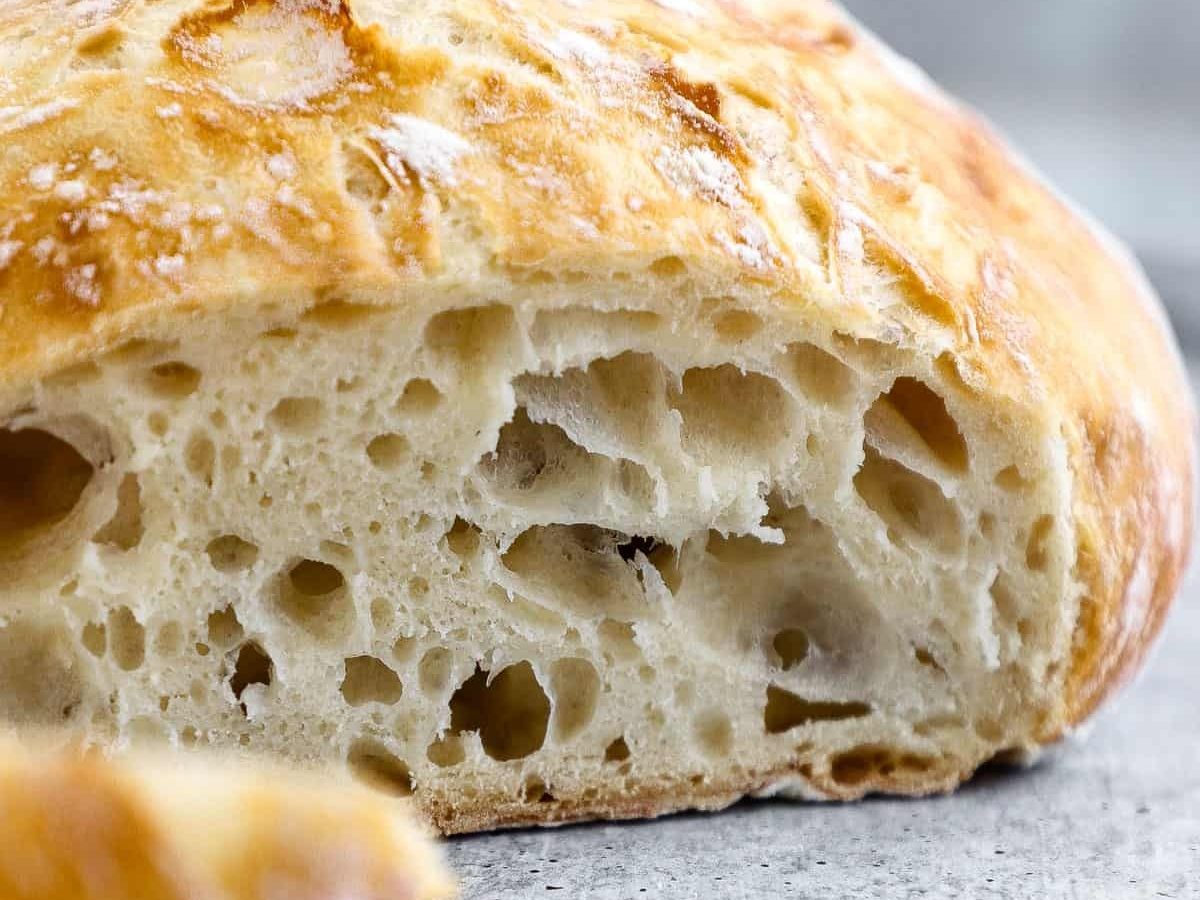
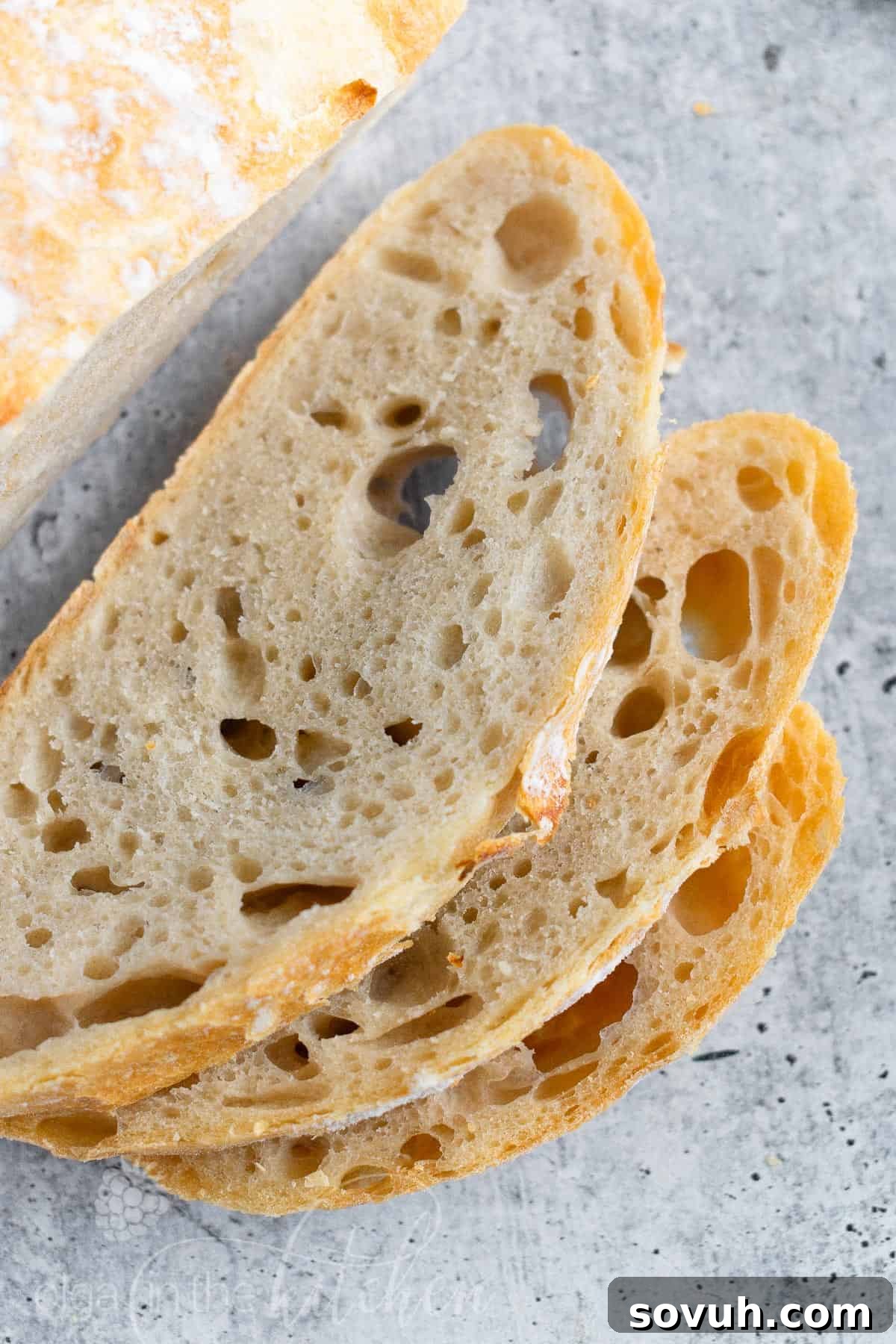
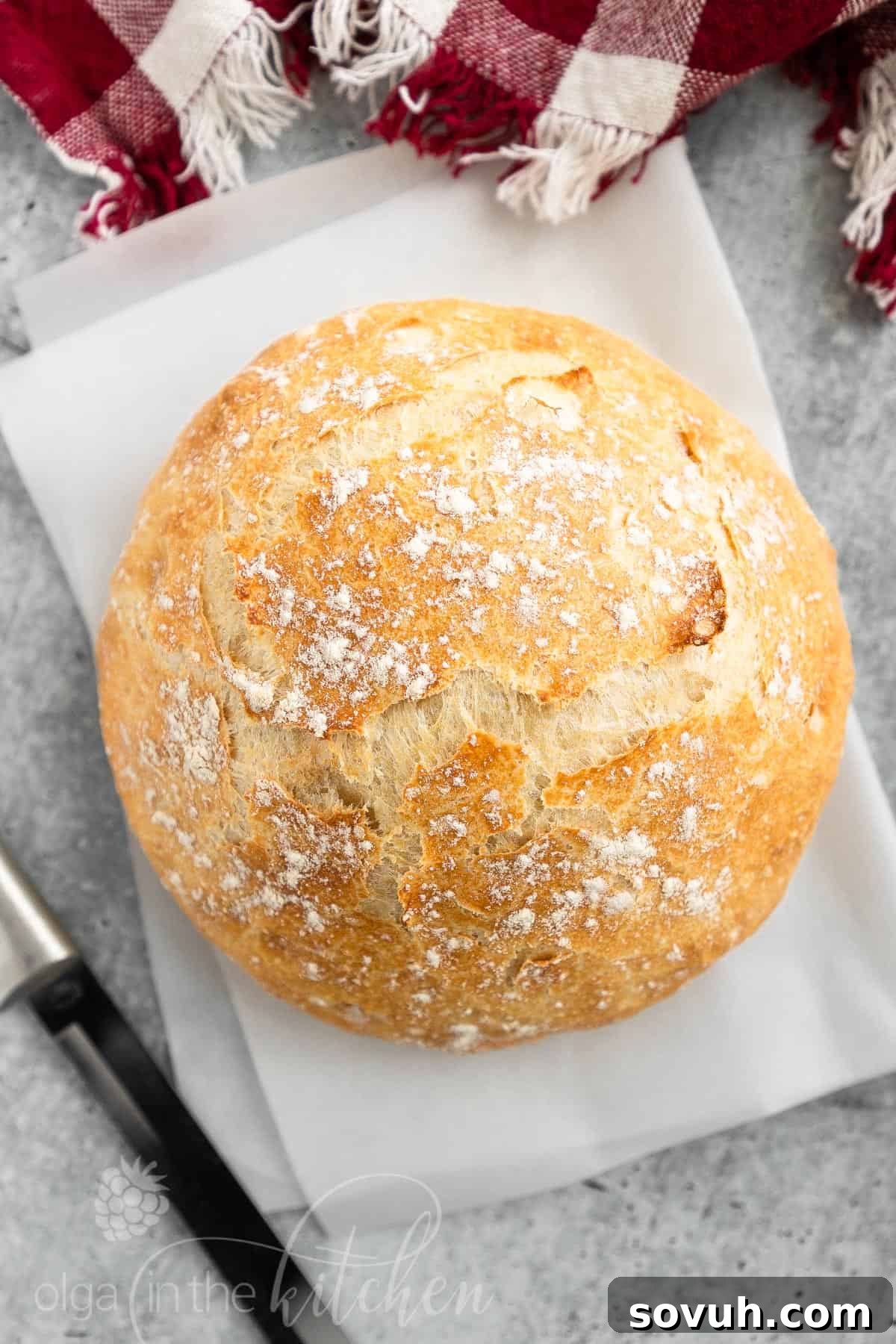
This easy No-Knead Bread recipe produces a loaf with a crisp, golden crust and a soft, spongy interior. Made with only four ingredients—flour, salt, yeast, and water—this method yields bakery-quality homemade bread with minimal effort.
Easy No-Knead Bread Recipe
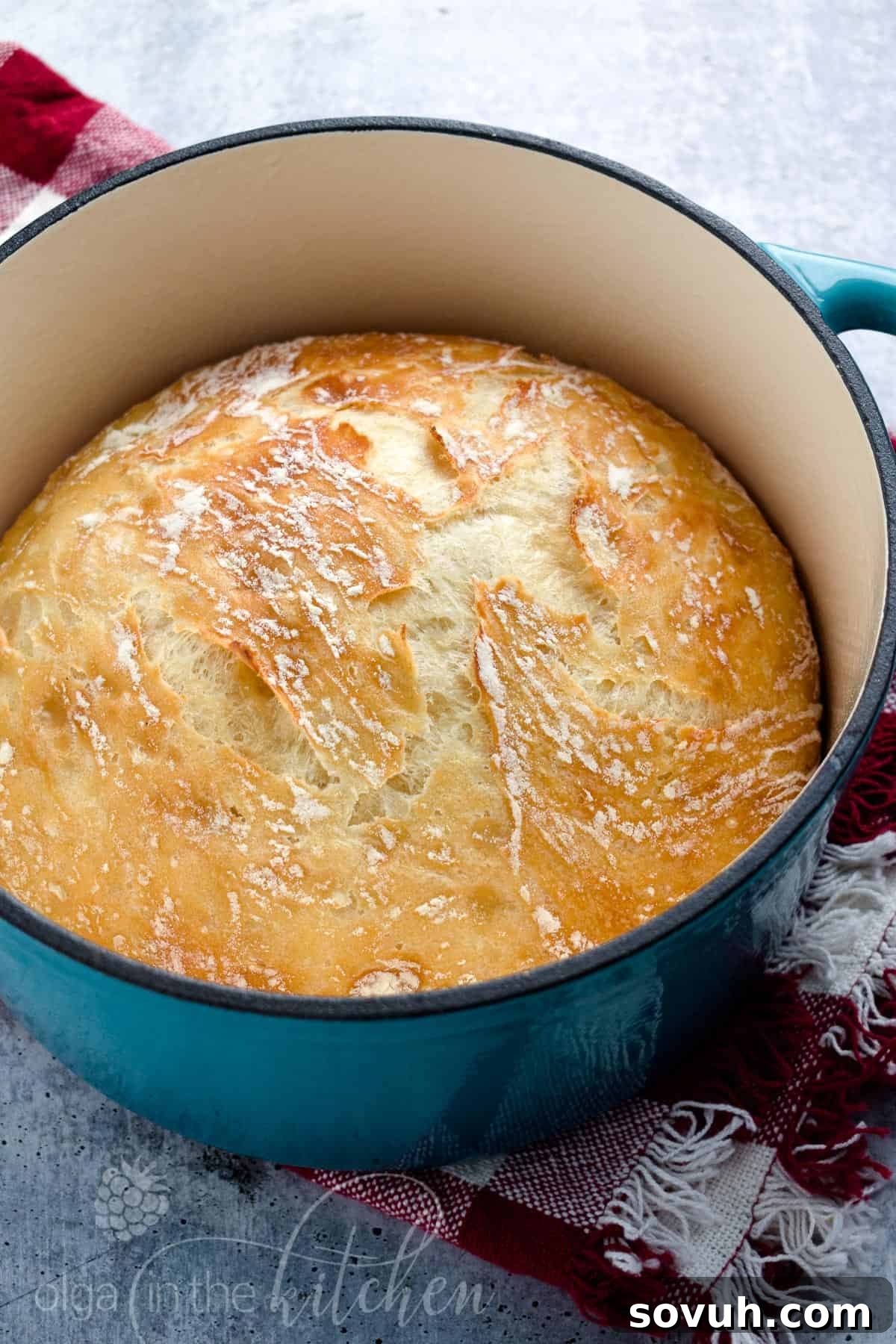
Making Dutch oven bread is surprisingly simple because it requires no kneading. Combine the ingredients in a bowl, stir with a wooden spoon until just mixed, cover, and let the dough rise slowly for 18–24 hours. The long, slow rise creates excellent flavor and a light, open crumb while the preheated Dutch oven forms a beautiful, crackly crust.
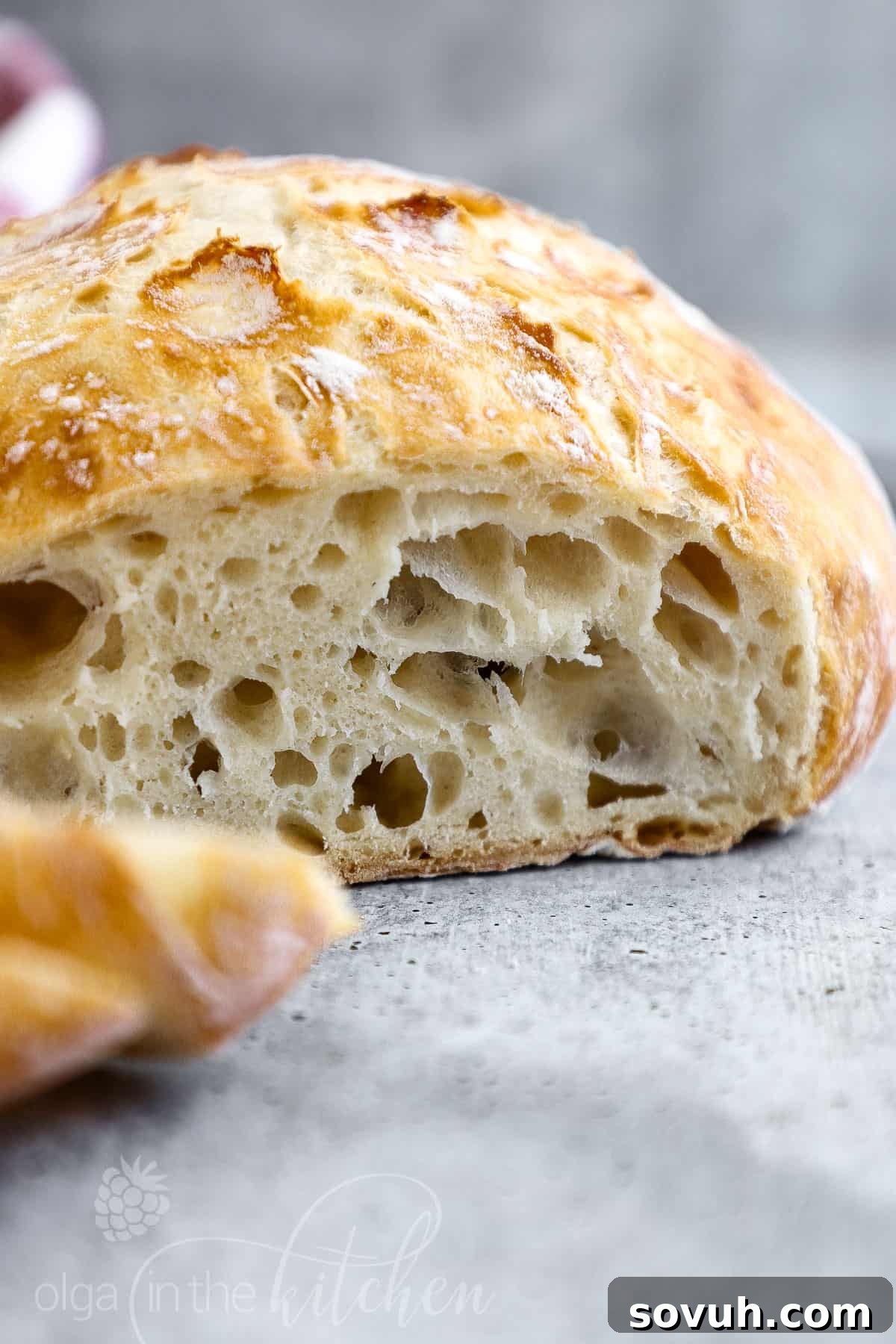
We bake bread at home often and this no-knead loaf is a favorite for its convenience and consistent results. The method is forgiving: a very wet, sticky dough transforms into a rustic, chewy loaf with a tender interior and crisp exterior.
Best Flour for No-Knead Bread
Either all-purpose flour or bread flour works well for this recipe. Bread flour can give slightly more structure due to higher protein, but in practice both produce excellent results. I often use all-purpose flour because it’s what I have on hand, and the loaf still rises beautifully and develops great texture.
Ingredients for Easy Dutch Oven Bread
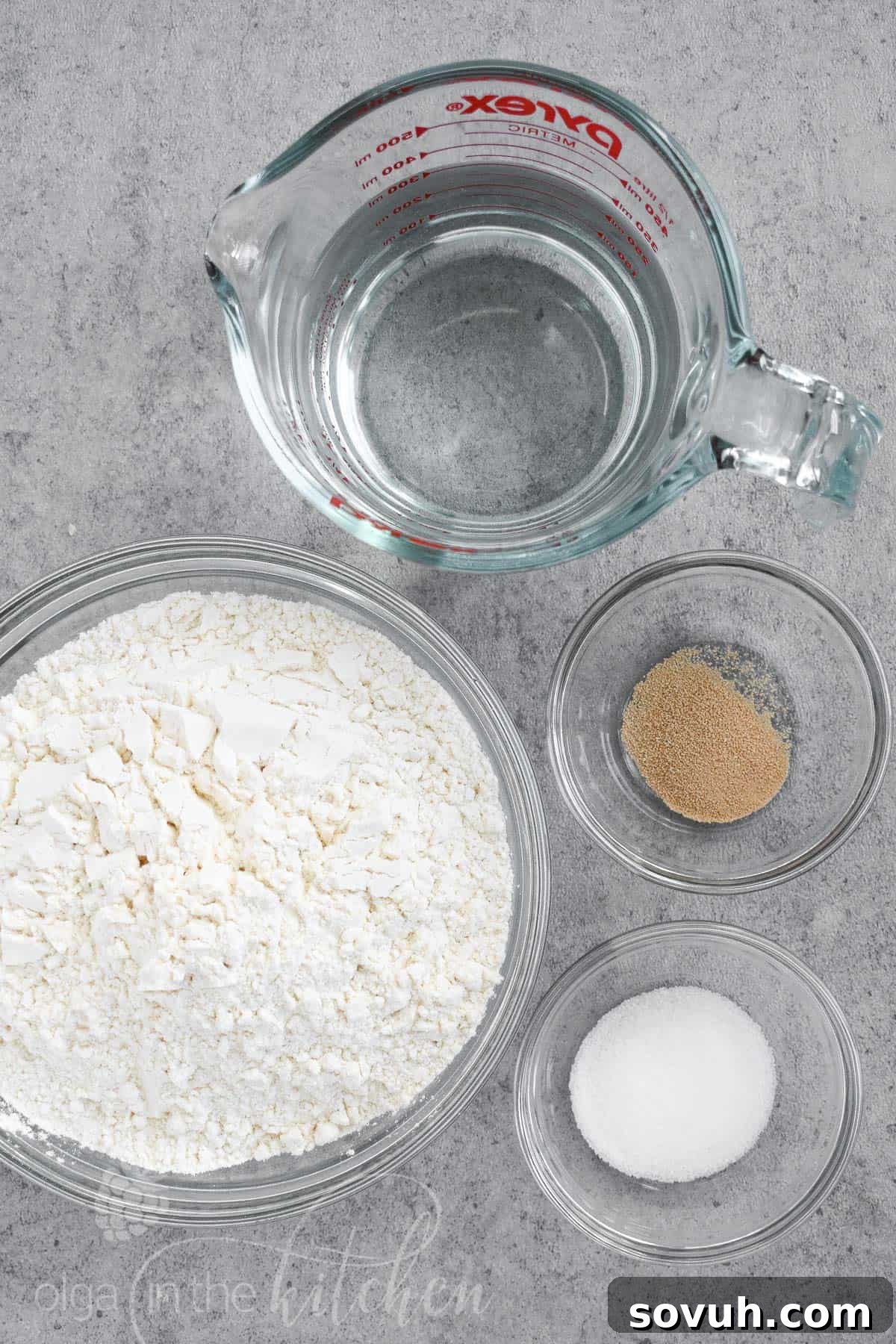
The ingredient list is short and straightforward. Exact measurements are provided in the recipe card below.
- All-purpose or bread flour — no specialty flour required.
- Fine salt — for flavor. Increase slightly if you prefer a saltier loaf.
- Instant dry yeast — instant yeast works well; active dry yeast may be used too (see notes for conversion).
- Warm water (100–110°F / 37–43°C) — comfortable to the touch, not hot, so it won’t deactivate the yeast.
How to Make Easy No-Knead Bread
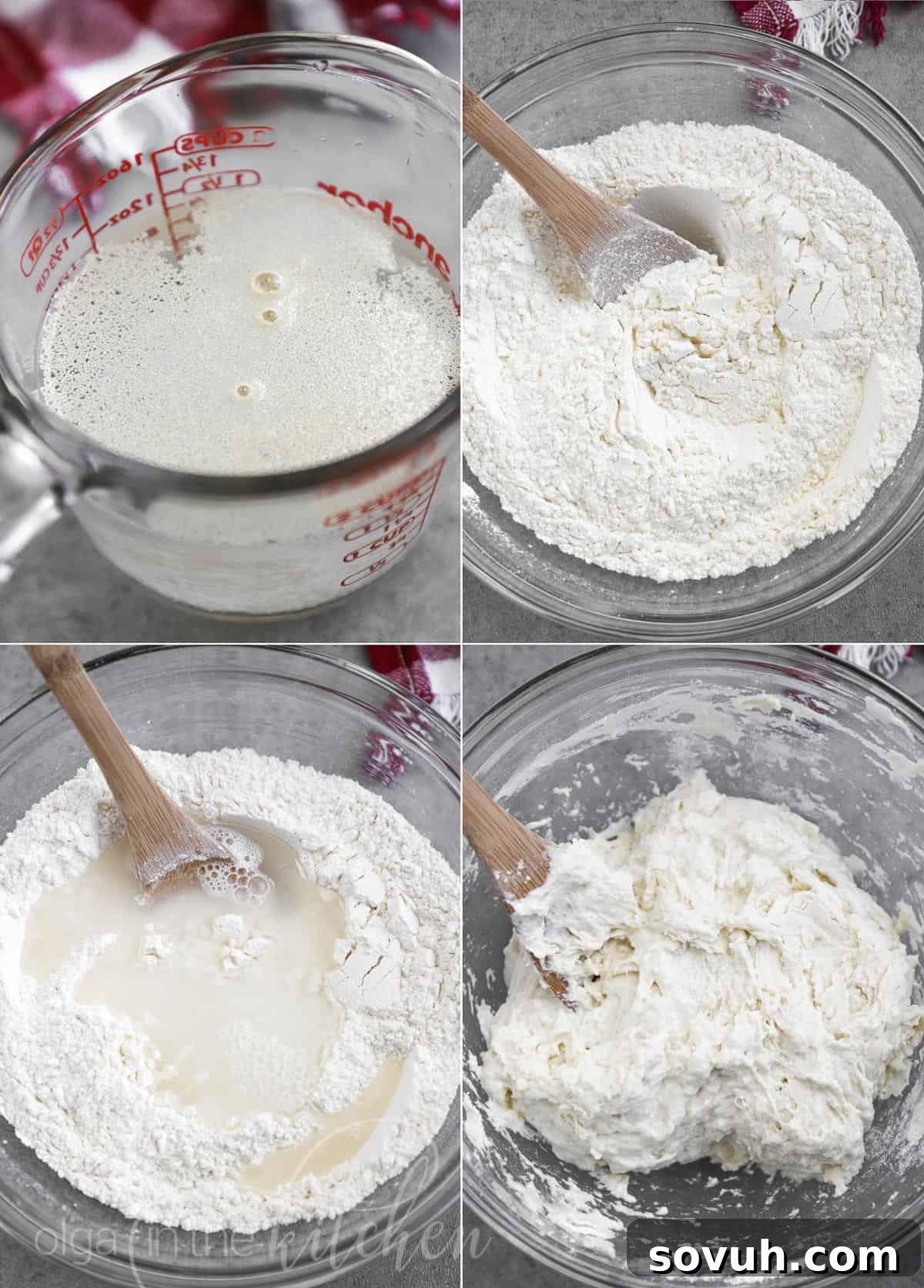
- In a glass measuring cup, dissolve the yeast in 1 1/2 cups of warm water (100–110°F) and let it sit for 2–3 minutes.
- In a large mixing bowl, combine 3 cups all-purpose flour and 1 teaspoon fine salt. Whisk together to evenly distribute the salt.
- Pour the water and yeast mixture into the flour. Stir with a wooden spoon until the flour is fully incorporated. The dough will be very sticky—do not add more flour.
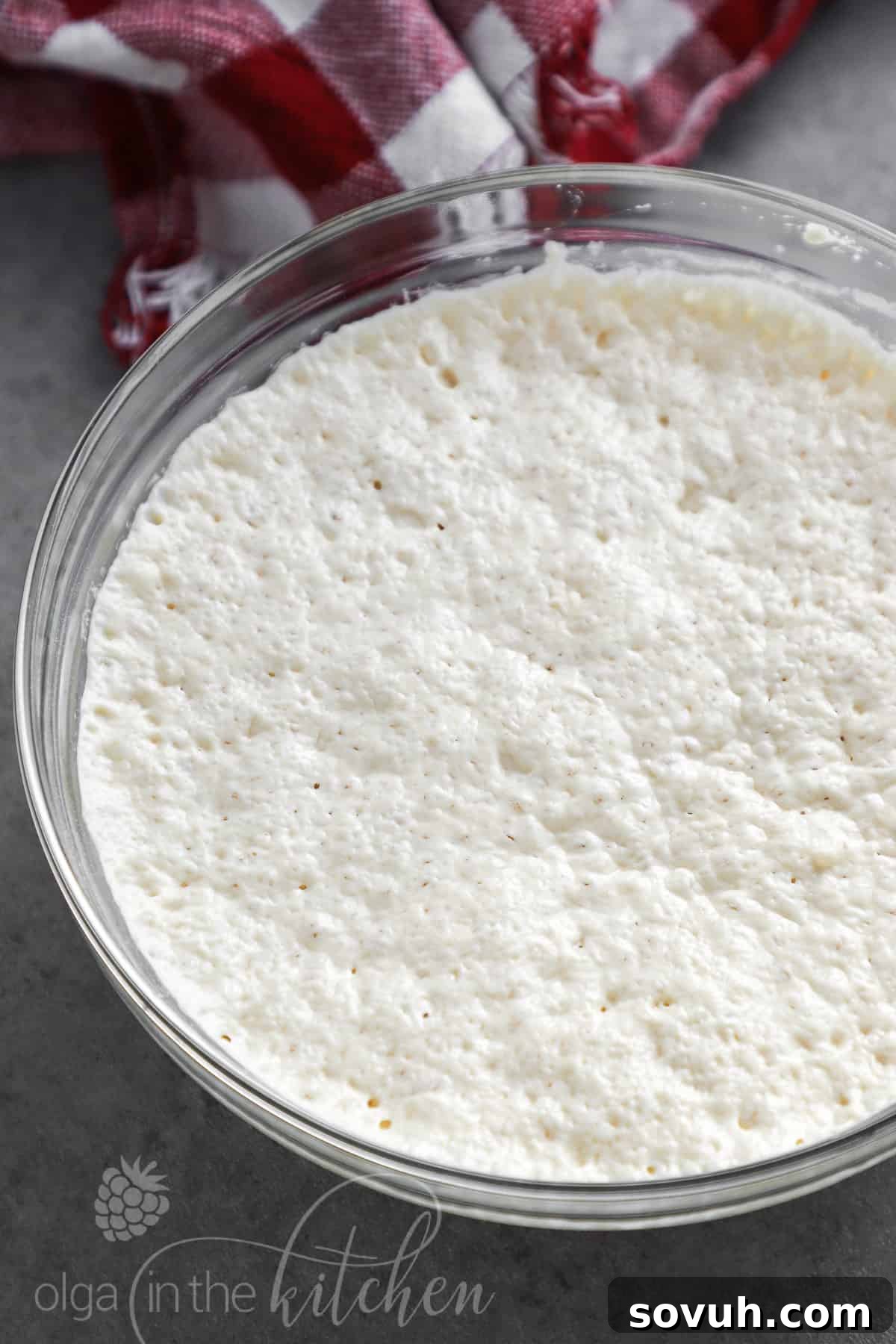
- Cover the bowl with plastic wrap or a lid and let the dough rest in a draft-free spot or inside a turned-off oven for 18–24 hours. The long rise develops flavor and strength in the dough.
- When ready to bake, place an empty Dutch oven and its lid inside your oven and preheat to 450°F (230°C). Carefully remove the hot pot using oven mitts.
- Dust a work surface or cutting board with flour. Using a rubber spatula, scrape the dough onto the floured surface. With a pastry scraper or well-floured hands, fold the dough in half, then in half again, shaping it into a loose ball.
- Sprinkle flour or cornmeal into the bottom of the hot Dutch oven, then carefully place the loaf into the pot. Cover with the lid and bake for 30 minutes at 450°F.
- Remove the lid and bake an additional 15–20 minutes until the crust is deep golden brown.
- Transfer the bread to a wire rack and cool until nearly room temperature before slicing. Cooling preserves the crumb structure and prevents gummy slices.
Quick Tips
- Water temperature: Keep water warm but not hot (100–110°F). Hot water kills yeast.
- Yeast substitution: If using active dry yeast, use about 3/4 teaspoon in place of 1/2 teaspoon instant yeast and allow it to dissolve fully.
- Measuring flour: Spoon flour into the measuring cup and level it off rather than scooping directly from the bag to avoid packing excess flour.
- Rising location: A draft-free, room-temperature spot, an unheated oven, or a turned-off microwave works well. Do not use a warm or hot oven for the rising stage.
- Dutch oven size: A 4–5 quart Dutch oven helps the loaf rise up rather than spread out, resulting in a rounder shape.
- Preheat pot: Inserting the dough into a very hot pot helps create a professional crust.
- Prevent sticking: Dust the bottom of the hot pot with flour or cornmeal before adding the dough.
- Cool before slicing: Waiting until the loaf is nearly room temperature prevents a gummy texture and preserves crumb structure.
Do You Need a Dutch Oven?
A heavy, thick pot with a tight-fitting lid is essential for trapping steam and radiating heat evenly. A cast-iron Dutch oven performs best, but a thick glass or stoneware dish with a lid can work in a pinch. The goal is to replicate the steam-filled environment of a professional bread oven so the crust forms properly.
Common Questions
Do I need to proof the yeast?
Proofing is optional with instant yeast, but dissolving the yeast in warm water first ensures it’s evenly distributed and active, which is helpful for consistent results.
Why did my bread stick to the pot?
Make sure the Dutch oven is fully preheated and sprinkle flour or cornmeal on the bottom before placing the dough inside. Parchment can help but some parchment papers have temperature limits; flour or cornmeal is a safer option at high temperatures.
Why is my bread too dense?
Dense bread usually results from adding too much flour or overmixing early on. This dough should remain sticky. Resist the urge to add extra flour; follow the recommended rise times and gentle shaping to preserve the open crumb.
Recipe Card
Easy No-Knead Bread
Rating: 5 from 113 votes
Prep Time: 18 hours | Cook Time: 45 minutes | Total Time: 18 hours 45 minutes | Servings: 1 loaf
Ingredients
- 3 cups all-purpose flour
- 1 teaspoon fine salt (use 1 1/2 teaspoons for a saltier loaf)
- 1/2 teaspoon instant dry yeast
- 1 1/2 cups warm water (100–110°F)
Instructions
- Dissolve the yeast in warm water and let sit 2–3 minutes.
- Mix flour and salt in a large bowl and whisk to combine.
- Add the water and yeast mixture and stir with a wooden spoon until incorporated. The dough will be sticky; do not add more flour.
- Cover and let rest 18–24 hours at room temperature in a draft-free spot.
- Preheat an empty Dutch oven with lid in the oven to 450°F. Carefully remove when hot.
- Turn the dough onto a floured surface, fold into a loose ball, and place into the preheated pot dusted with flour or cornmeal.
- Cover and bake 30 minutes, remove lid, then bake another 15–20 minutes until deep golden brown.
- Cool on a wire rack until nearly room temperature before slicing.
Notes
- Use warm water between 100–110°F to activate yeast without killing it.
- Substitute active dry yeast by using 3/4 teaspoon and allowing it to dissolve fully.
- Spoon and level flour for accurate measurement.
- Allow the dough to rise in a draft-free, moderate environment—do not use a warm oven for rising.
- Preheat the Dutch oven to promote a superior crust and oven spring.
- Always cool the loaf before slicing to preserve texture.
More Favorite Bread Ideas
- White Bread Machine Bread — a classic everyday loaf.
- Cheese Vatrushka — buns filled with sweet cheese.
- Ukrainian Pumpkin Bread — a seasonal favorite for holidays.
- French Bread Buns — light rolls that pair well with soups.
- Banana Berries Bread — moist quick bread studded with fresh berries.
- Cherry Pizza Pie — a sweet-savory fruit and cheese pie option.