
My Journey to Tea Sommelier Certification
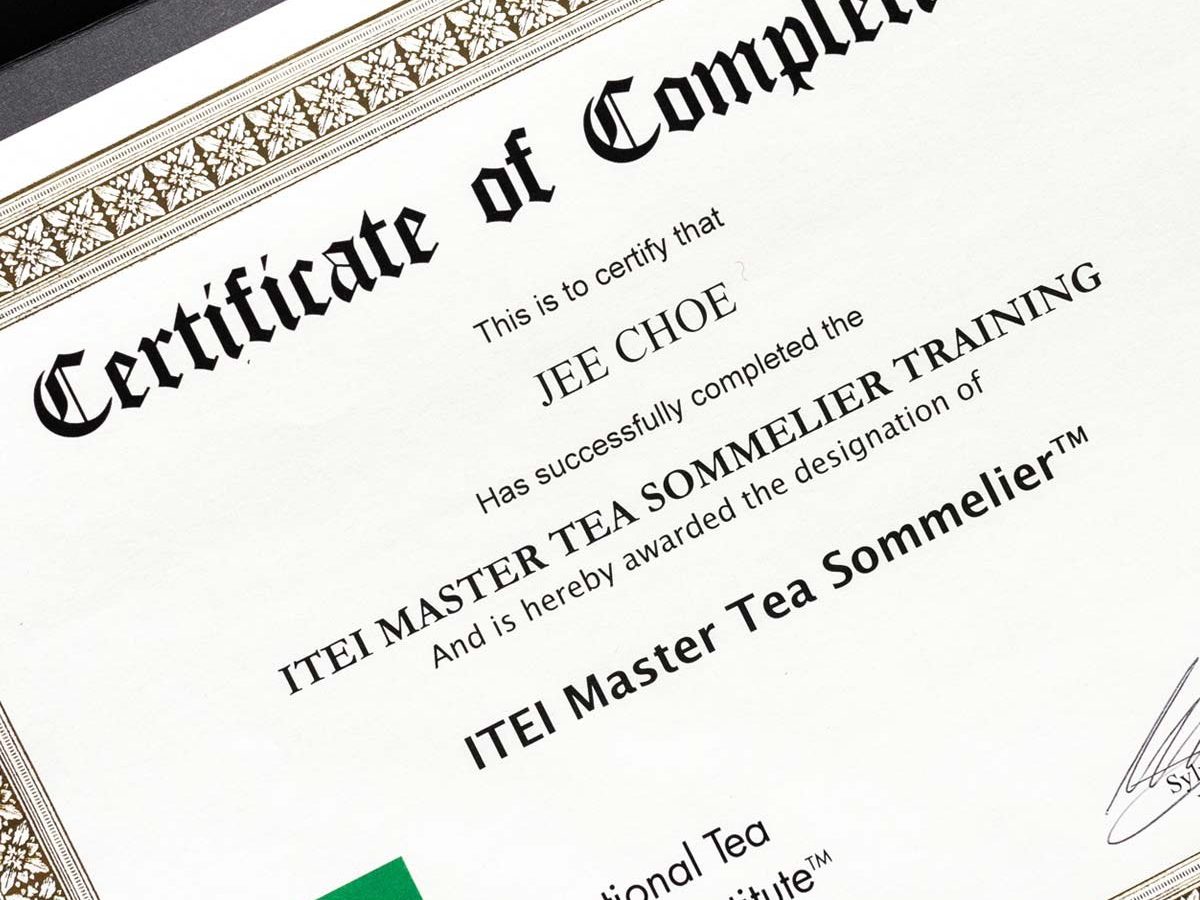
Curious what it takes to become a certified Tea Sommelier? Below is my personal account of the training, what I learned, and what to expect if you pursue certification.
What is a Tea Sommelier?
- A Tea Sommelier is a trained professional with specialized knowledge of tea.
- They can identify tea types, evaluate aromas and flavors, brew using appropriate methods, and recommend tea and food pairings.
- The title is usually awarded after completing a formal certification program.
Note from Jee

My Tea Sommelier training gave me a solid foundation, but tea education is ongoing. The more I study and taste, the more there is to discover. I use this knowledge every day and share my learning on social channels under @ohhowcivilized.
Tea Sommelier Controversy
The term “Tea Sommelier” can spark debate in the tea community. Some feel that formal titles commercialize or oversimplify what many people learn through years of personal experience.
Many respected tea enthusiasts advocate self-directed study—drinking widely, reading, and learning from peers—rather than paying for certification. That approach works for some. For me, a structured program suited my learning style: I wanted a curriculum, expert feedback, and a clear progression. That’s why I pursued certification.
Choosing a Tea School
Selecting the right program takes research. Certification courses typically cost between $1,000 and $3,000, so it’s worth vetting schools and reading reviews. I discovered that while many programs are reputable, some feel overpriced or offer little practical value.
Initially I looked at schools in the U.S., but a trusted colleague recommended exploring Canadian options. After reviewing several programs, I enrolled in the Tea Sommelier certification program at ITEI, the International Tea Education Institute.
Signing up with friends who were also bloggers made the experience more enjoyable and motivating. Going through the course together offered encouragement and the chance to compare notes as we progressed.
ITEI Tea Sommelier Program
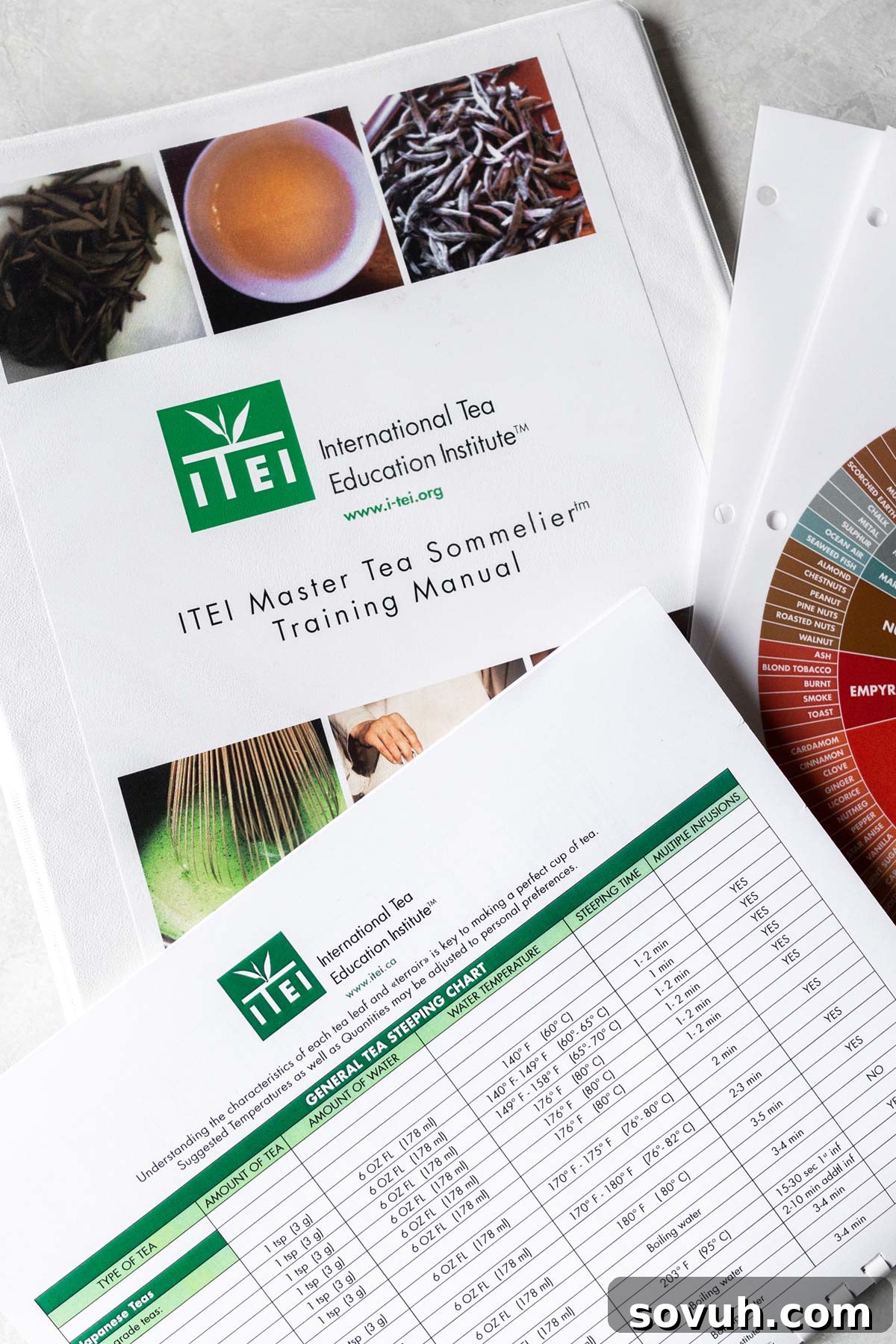
After registering, I received a starter kit containing teas, teaware, and a binder of tasting charts and guides. ITEI’s format was entirely live and online, conducted in small groups over Skype, which allowed real-time interaction with instructors.
The curriculum is divided into nine modules. Each module includes live lectures, guided tastings, discussion, and an open-book exam to complete at your own pace. Modules were roughly 3.5 hours each, spread across weeks so sessions felt manageable.
Classes combined PowerPoint presentations, instructor-led demonstrations, and hands-on tasting. One of the benefits of live video instruction was receiving direct feedback on my brewing technique—especially useful when I was first learning to use a gaiwan.
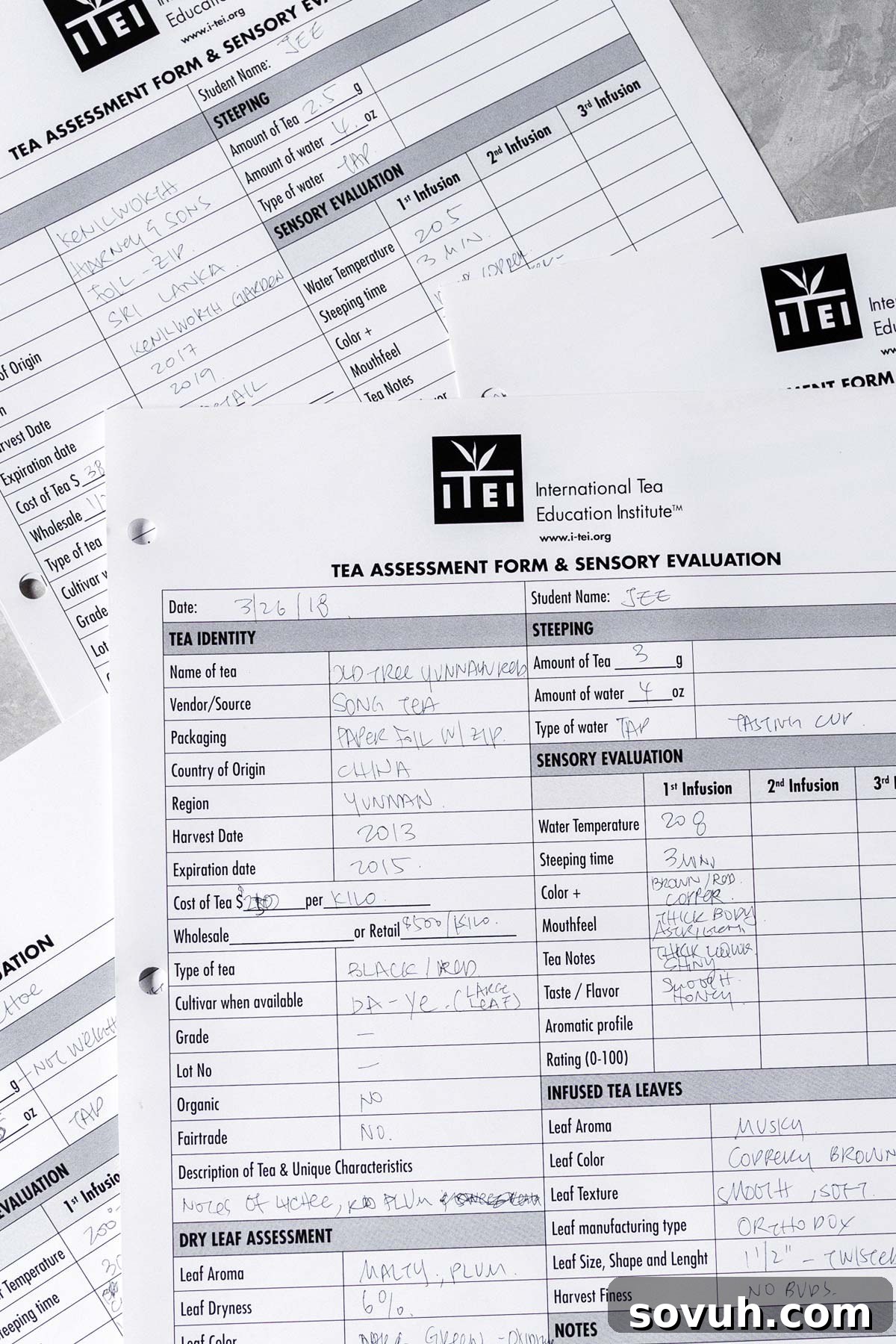
My favorite sessions focused on brewing and evaluation. The course highlighted many subtle steps most people don’t notice: assessing dry leaf appearance, examining wet leaves, controlling water temperature and infusion times, and recording tasting notes. Initially a full tasting and assessment took me about 90 minutes; with practice I completed the same process in 20 minutes.
Tea Sommelier Certification Final Exam
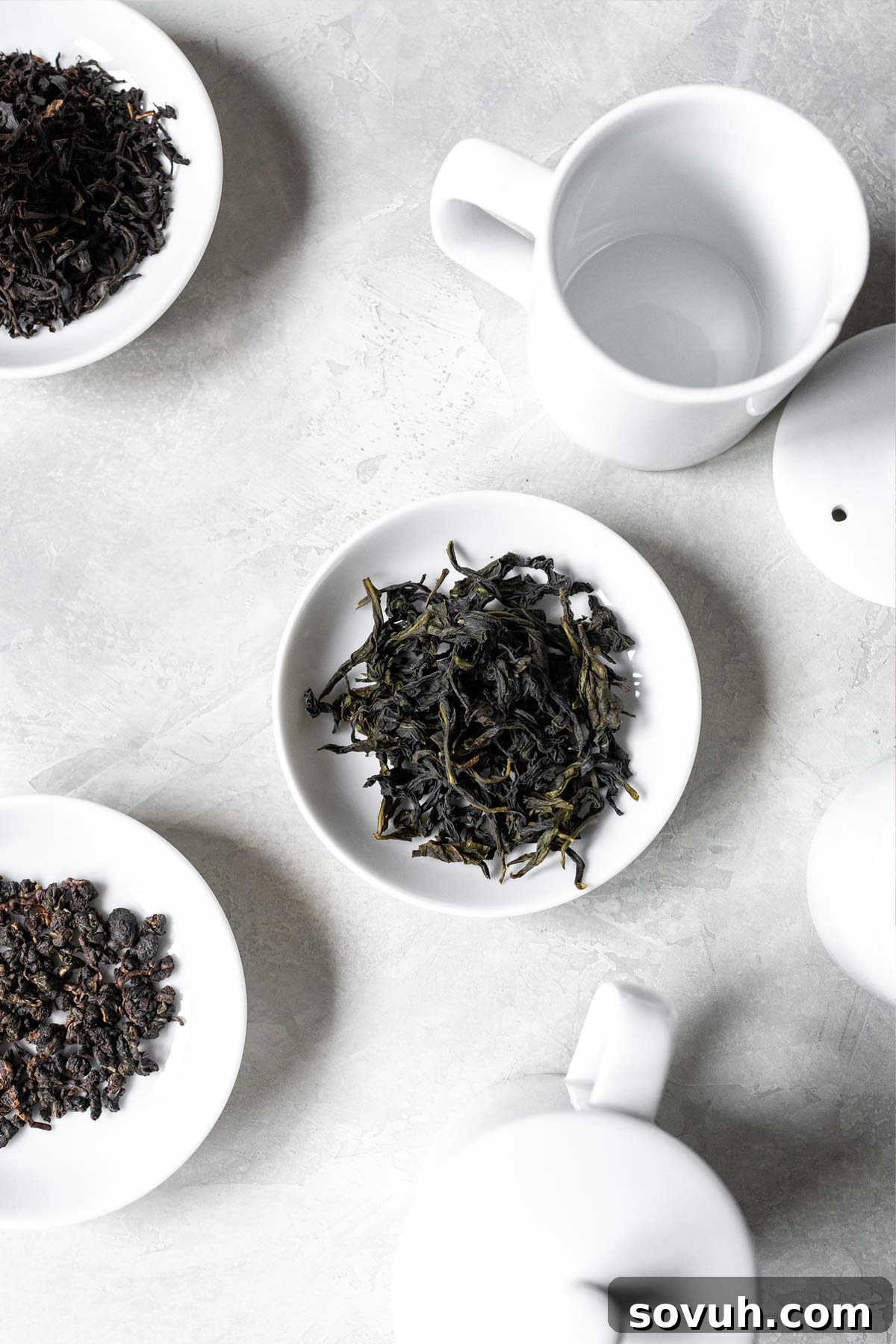
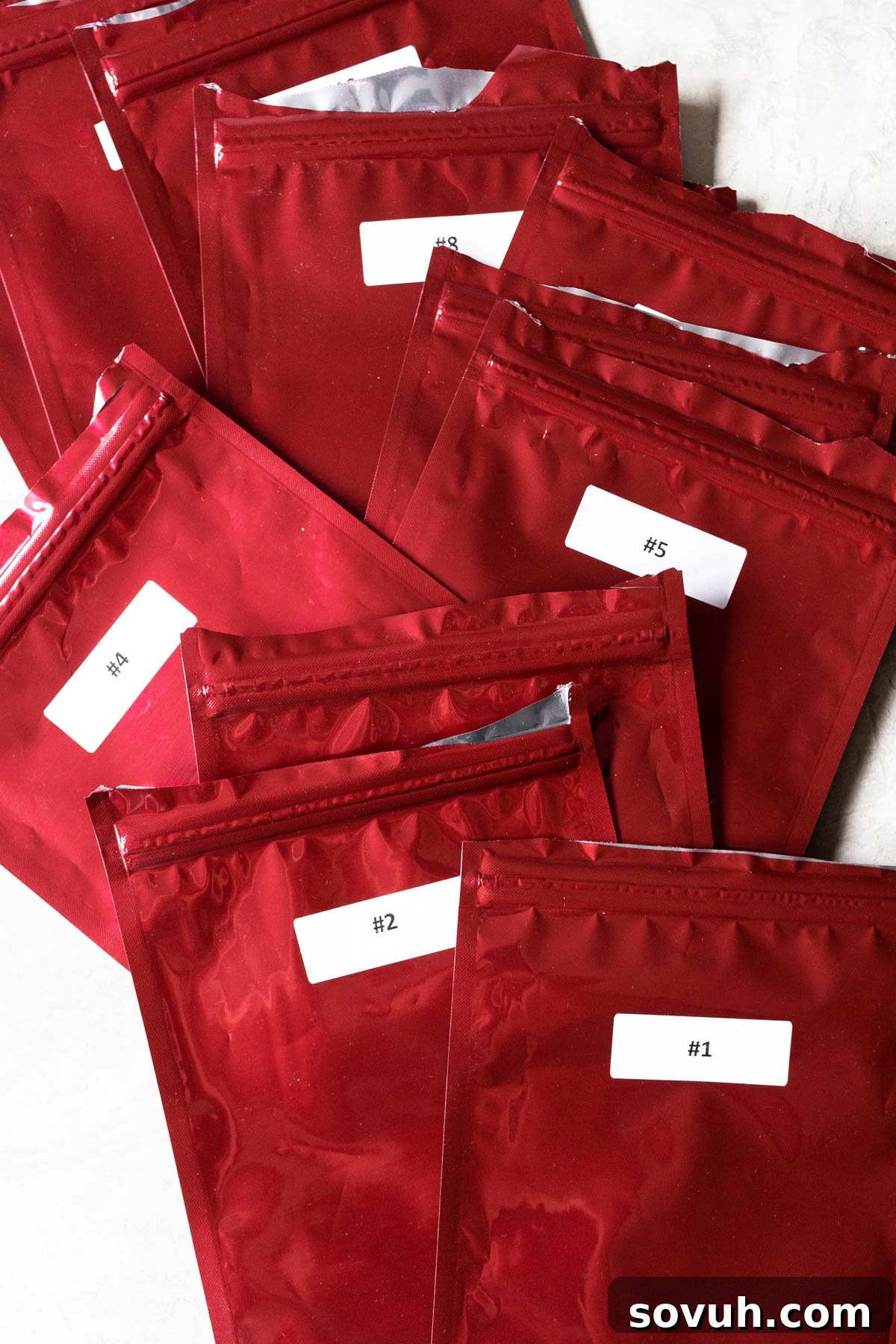
The final exam is challenging and hands-on: you identify twelve unlabeled teas. When it’s time, a set of numbered, sealed envelopes arrives and you open them only under the instructor’s supervision on a live video call.
The exam session lasted two hours. The instructor directed which numbered tea to brew, and I evaluated and identified each sample. It’s intense—black teas were the trickiest for me, since I drink them less often—but the process tests the practical skills the course teaches.
A few weeks after the exam I received my results and passed. The certificate arrived by mail shortly afterward. Different schools run final assessments in different ways; this reflects my ITEI experience.
Becoming a Tea Sommelier
For me, certification was just the beginning. From registration to receiving my certificate took about two years, with breaks along the way. This kind of program isn’t something to rush; absorbing the material, practicing brewing, and learning to distinguish teas takes time and repetition.
If you want a structured path to learn tea theory, tasting technique, and pairing principles, a Tea Sommelier course can be a valuable investment. Don’t expect to learn everything—tea is a vast field—but you will gain a reliable foundation and practical skills you can build on.
Would I do it again? Absolutely. The course gave me confidence, improved my tasting skills, and deepened my appreciation for tea.
Related
- Types of Tea
- Where to Buy Tea Online
- Difference Between Loose Leaf Tea, Tea Sachets, and Tea Bags
- Earl Grey Tea
Want to save this to Pinterest for later? Pin it now to your Pinterest board!











