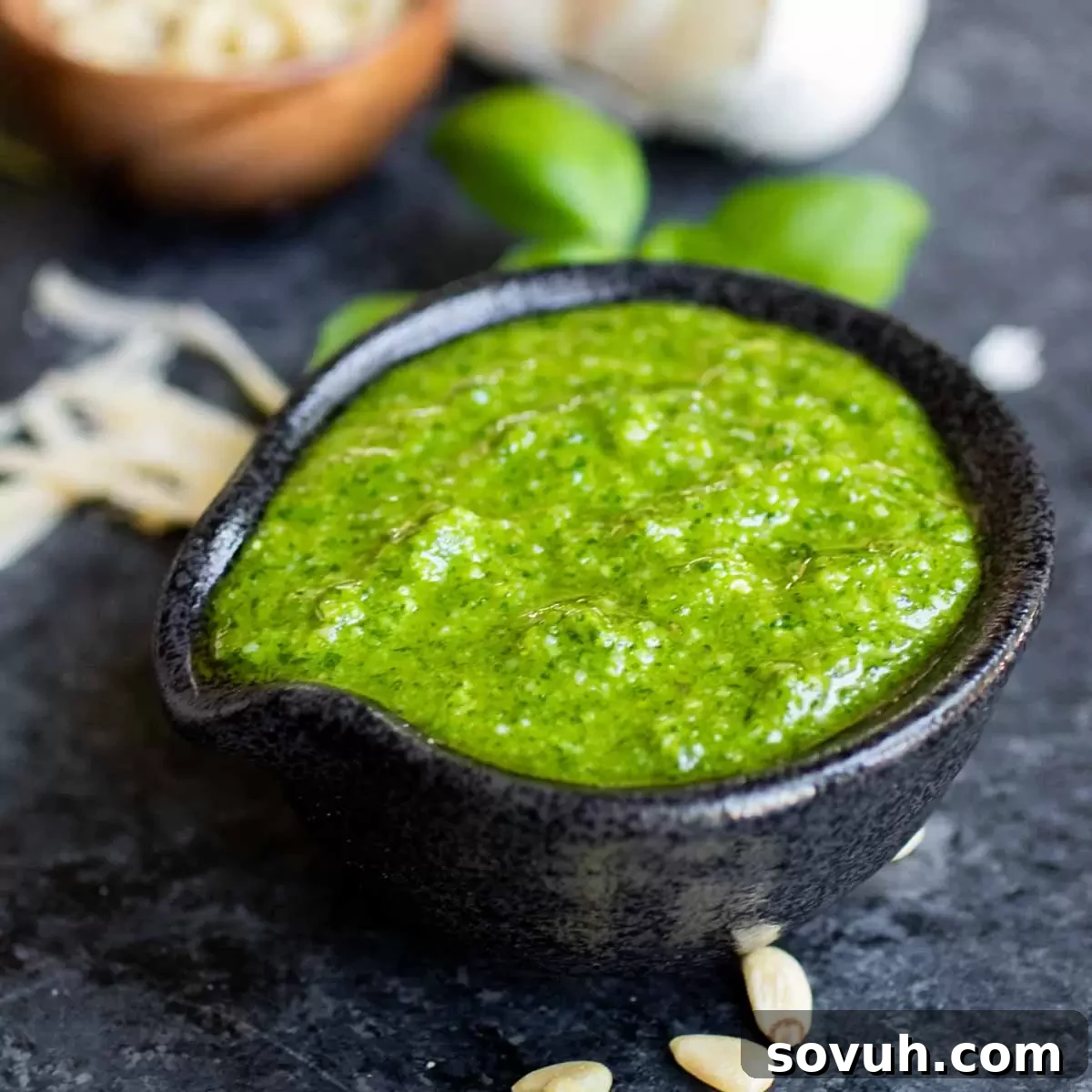
Mastering Authentic Basil Pesto: Your Ultimate Guide to Pesto Genovese
Note: This post may contain affiliate links. That means if you click on a link and make a purchase we may receive a small commission. Thank you!
Embark on a culinary journey to the Ligurian coast of Italy with this comprehensive guide to making the most vibrant, aromatic, and truly authentic basil pesto. Often referred to as Pesto Genovese or simply green pesto, this exquisite sauce is a cornerstone of Italian cuisine, renowned for its fresh, complex flavors and incredible versatility. Forget store-bought versions; we’re showing you how to craft this healthy basil pesto recipe with just 5 simple, high-quality ingredients. It’s remarkably easy to make and guaranteed to elevate everyday weeknight dinners and transform simple appetizers into unforgettable culinary experiences.
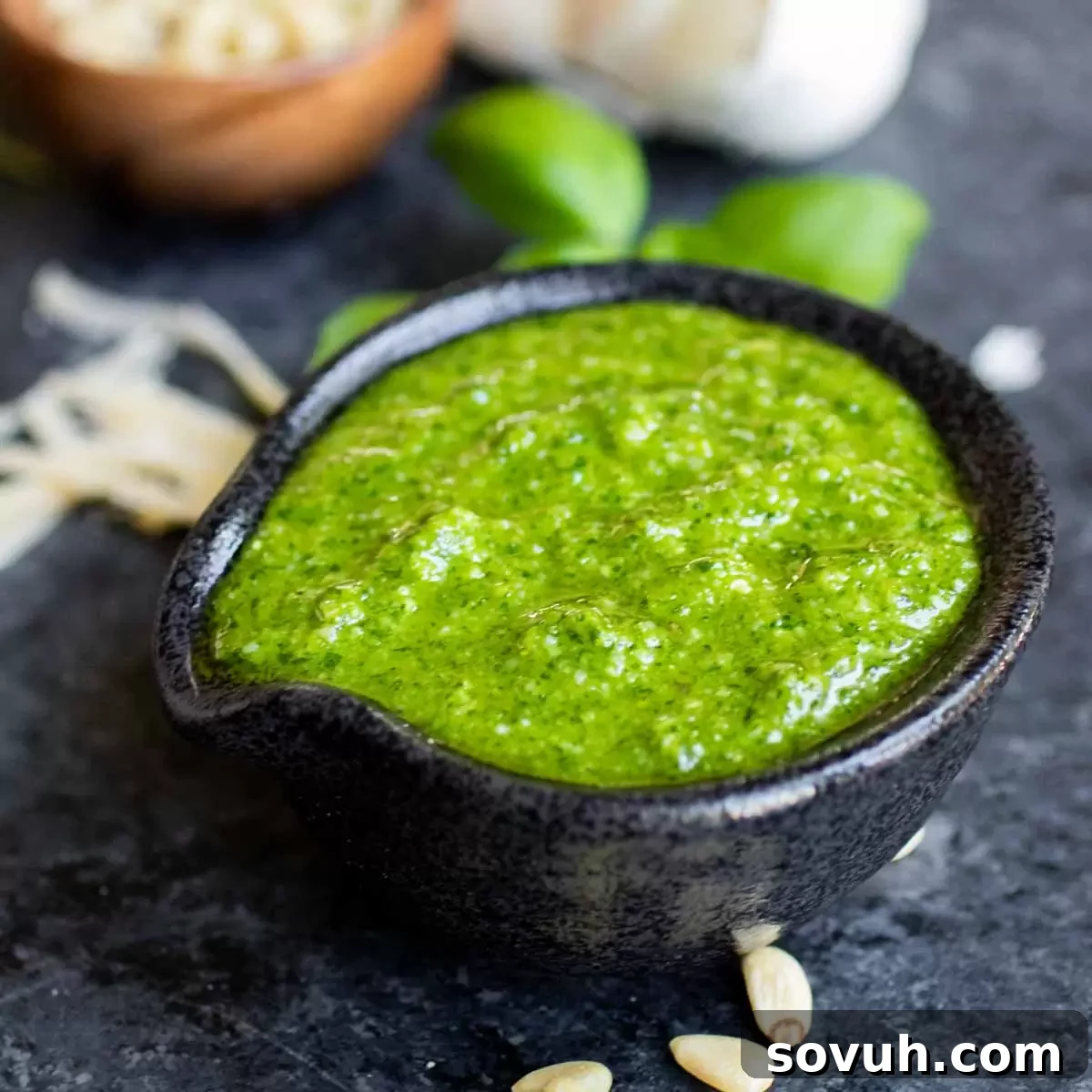
Learning how to make basil pesto is an essential skill for any home cook, opening up a world of culinary possibilities. Its bright, herbaceous notes and rich texture make it a fantastic addition to countless dishes, from comforting basil pesto pasta and succulent basil pesto chicken to effortless appetizers like a creamy Pesto Cream Cheese Spread. The beauty of homemade pesto lies in its unparalleled freshness and the ability to customize it to your taste.
Crafted with only a handful of fundamental ingredients, this vivid green sauce delivers a burst of fresh flavor to anything it touches. Imagine the convenience of having a batch of homemade Pesto Genovese readily available in your refrigerator, ready to add a gourmet touch to any meal. This guide will walk you through every step, ensuring your homemade pesto is nothing short of perfect.
Table of contents
- The Essence of Pesto Genovese: Premium Ingredients
- Basil Pesto Ingredients
- Beyond Basil: Exploring Pesto Variations
- How to Make Authentic Pesto Genovese: Step-by-Step
- Frequently Asked Questions About Pesto
- Versatile Uses for Your Homemade Basil Pesto
- How to Store It to Maintain Freshness
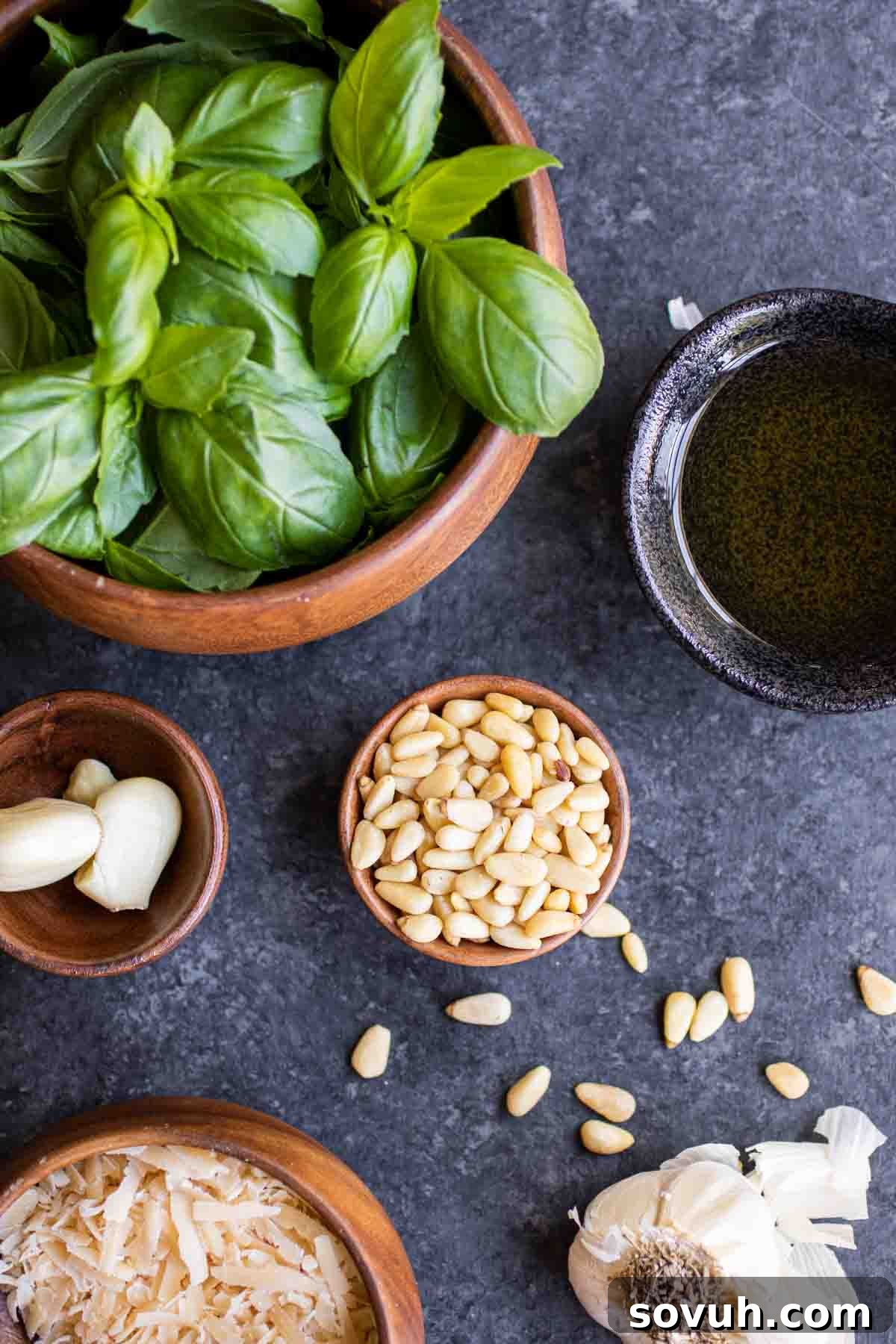
The Essence of Pesto Genovese: Premium Ingredients
The secret to an exceptional homemade basil pesto lies in the freshness and quality of its ingredients. With only a handful of components coming together, each one must be at its peak to contribute maximum flavor and create that signature harmonious taste. Selecting the best basil, olive oil, cheese, nuts, and garlic is paramount to achieving a truly authentic and delicious Pesto Genovese.
Basil Pesto Ingredients
- Basil: For a true Pesto Genovese, the traditional choice is Genovese basil. In many parts of the United States, this is simply known as Sweet Basil. Its large, tender leaves offer a distinct, sweet, and slightly peppery aroma that is fundamental to authentic pesto. Remember, dried basil simply won’t do; fresh basil is non-negotiable for that vibrant color and intense flavor.
- Olive Oil: Opt for the finest quality extra virgin olive oil you can find. A superior olive oil not only provides the necessary emulsification for the sauce but also imparts a rich, fruity, and sometimes peppery undertone that significantly enhances the overall flavor profile of your pesto. This is not the place to skimp!
- Parmesan Cheese: Always use freshly grated Parmesan cheese for your pesto. While Parmigiano-Reggiano is the gold standard (and highly recommended if available), a high-quality Parmesan will still yield excellent results. Avoid the pre-grated or powdered varieties found on grocery store shelves, as they lack the robust flavor and proper texture needed for an authentic pesto.
- Pine Nuts: Known also as pignoli, these delicate nuts are a classic ingredient in pesto. They boast a mild, buttery flavor and their natural oils contribute to the smooth, creamy texture of the sauce. For an added depth of flavor, lightly toasting the pine nuts before blending them is a game-changer. If pine nuts are unavailable or you prefer an alternative, walnuts or almonds can be used, though they will impart a slightly different, yet still delicious, nutty profile to the pesto.
- Garlic: Fresh garlic is undoubtedly the best choice for a pungent, aromatic kick. Its sharpness balances the sweetness of the basil and the richness of the oil and cheese. While freshly minced garlic is ideal, for convenience, a high-quality jarred minced garlic can also be used in a pinch without significantly compromising the taste.
Beyond Basil: Exploring Pesto Variations
Once you’ve mastered the classic basil pesto, the culinary world of pesto truly opens up. You can unleash your creativity by experimenting with various herbs and greens to craft unique green pestos. Consider using baby spinach for a milder, earthier sauce, artichoke hearts for a more savory and substantial spread, or arugula for a peppery kick. Many of these alternative pestos still benefit from a small amount of fresh basil to maintain a balanced, familiar flavor, but each offers its own distinct character.
And don’t stop at green! You can also venture into the vibrant and intensely flavorful world of red pesto, or Pesto Rosso. Made predominantly with sun-dried tomatoes, it offers a sweet, tangy, and deeply savory profile that’s a delightful departure from its green cousin.
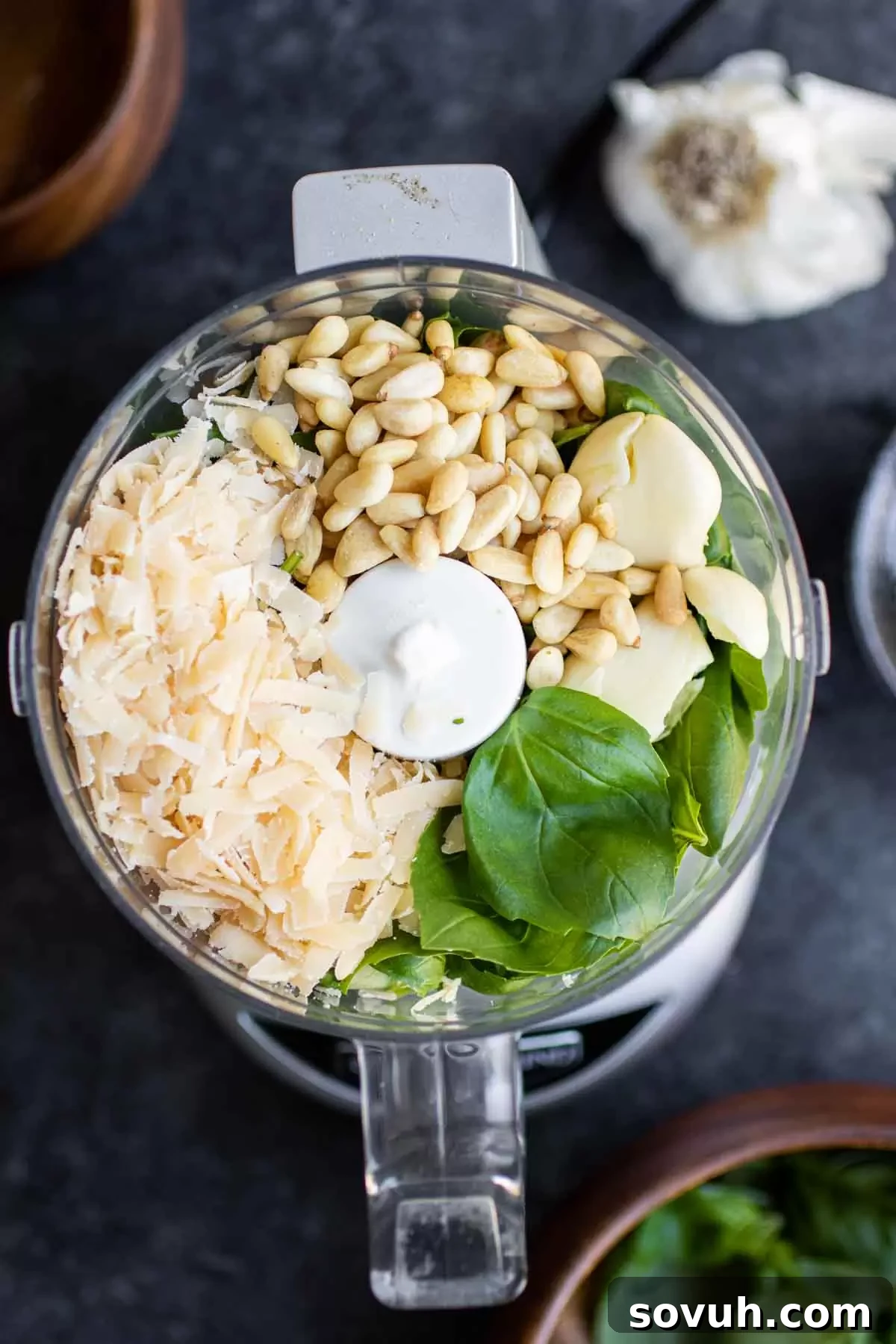
How to Make Authentic Pesto Genovese: Step-by-Step
Now that we’ve delved into the essential ingredients, let’s explore the traditional and modern methods of crafting Pesto Genovese. While purists argue that the sauce should only be prepared using a mortar and pestle to gently bruise the ingredients and preserve their delicate flavors and textures, modern kitchens have embraced the convenience of blenders or food processors. With careful technique, you can achieve an equally delightful pesto without compromising its overall taste and vibrant color. Here’s a detailed, step-by-step guide to crafting the perfect green pesto sauce:
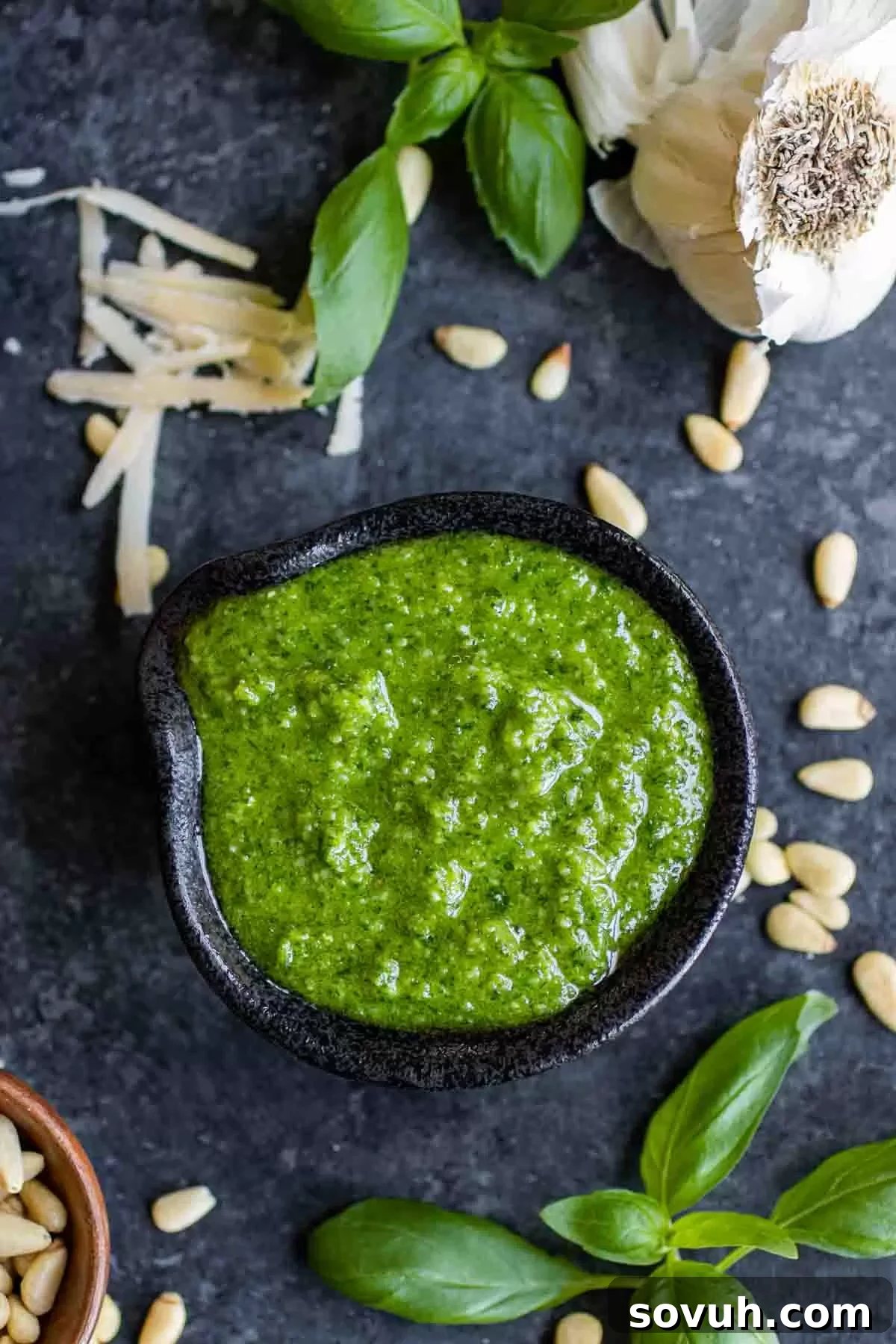
- Gather and Prepare Ingredients: Begin by ensuring all your ingredients are ready. Pick a generous bunch of fresh basil leaves (about 2 cups, lightly packed). Have your pine nuts, garlic cloves (1-2, depending on preference), and grated Parmigiano Reggiano (or high-quality Parmesan) cheese at hand. Measure out your extra-virgin olive oil. Using high-quality, fresh ingredients is the most critical step for achieving the best results.
- Toast the Pine Nuts for Enhanced Flavor: This step is optional but highly recommended for an added depth of flavor. Heat a small, dry skillet over medium-low heat. Add the pine nuts and toast them gently, stirring frequently to prevent burning. They should turn a light golden brown and become fragrant, typically taking 2-3 minutes. Once toasted, immediately remove them from the skillet and set them aside on a plate to cool completely. This prevents them from overcooking and becoming bitter.
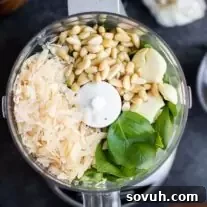
- Initial Blending of Solids: In the bowl of your food processor or blender, combine the fresh basil leaves, cooled toasted pine nuts, peeled garlic cloves, and grated Parmigiano Reggiano cheese. Pulse the mixture several times. This initial pulsing helps to coarsely chop and break down the solids, ensuring an even consistency before the oil is added. Scrape down the sides of the bowl as needed to ensure all ingredients are incorporated.
- Slowly Drizzle in the Olive Oil: With the food processor or blender running on a low setting, slowly and steadily drizzle in the extra-virgin olive oil through the feed tube. Continue blending until the sauce reaches your desired smooth and creamy consistency. The slow addition of oil helps to emulsify the pesto, preventing it from becoming oily or separating. Be careful not to over-blend, as excessive processing can cause the basil to oxidize and turn brown, and can also make the pesto slightly bitter due to over-shearing the olive oil.
- Season to Taste: Stop the machine, taste your freshly made pesto, and season with salt and freshly ground black pepper as desired. Remember that Parmigiano Reggiano cheese is naturally salty, so add additional salt slowly and judiciously to avoid over-salting the sauce. Adjust seasonings until the flavor profile is perfectly balanced.
- Store Properly for Freshness: Transfer your vibrant Pesto Genovese to a clean jar or an airtight container. To preserve its beautiful green color and prevent oxidation, pour a thin layer of extra virgin olive oil over the top of the pesto before sealing the container. This creates a barrier against air. Properly stored, your homemade pesto can be kept in the refrigerator for up to one week, or you can freeze it for a much longer shelf life.
Frequently Asked Questions About Pesto
While Genovese basil (also known as sweet basil) is the traditional and preferred choice for its classic flavor, you absolutely can experiment with other basil varieties. Thai basil, with its slight anise notes, or lemon basil, offering a citrusy twist, can create unique and delicious flavor profiles for your pesto sauce.
Yes, while pine nuts are traditional and contribute a distinct creamy texture, you can certainly substitute them. Walnuts are a popular choice, offering an earthier flavor, while almonds provide a milder nuttiness. Cashews can also be used for a slightly sweeter, richer pesto. Each nut will impart its own unique character to the sauce.
If your pesto has oxidized and lost some of its vibrant green color, you can often revive it. Briefly blanch a few fresh basil leaves in boiling water for about 10-15 seconds, then immediately plunge them into ice water to stop the cooking. Drain and dry the blanched leaves, then blend them into your brown pesto to help restore a more appealing green hue and fresh flavor.
Absolutely! Pesto freezes beautifully, making it perfect for meal prep. To freeze, portion the pesto into ice cube trays or small airtight containers, drizzle a tiny bit of olive oil on top for extra protection, and freeze until solid. Once frozen, you can transfer the cubes to a freezer-safe bag. Thaw individual portions in the refrigerator overnight or use them directly in hot dishes.
Yes, you can easily adapt Pesto Genovese to be vegan. Simply omit the Parmesan cheese. For a similar savory depth, you can add a tablespoon or two of nutritional yeast, which provides a cheesy, umami flavor. The texture might be slightly different, but the core basil and garlic flavors will still shine through.
Versatile Uses for Your Homemade Basil Pesto
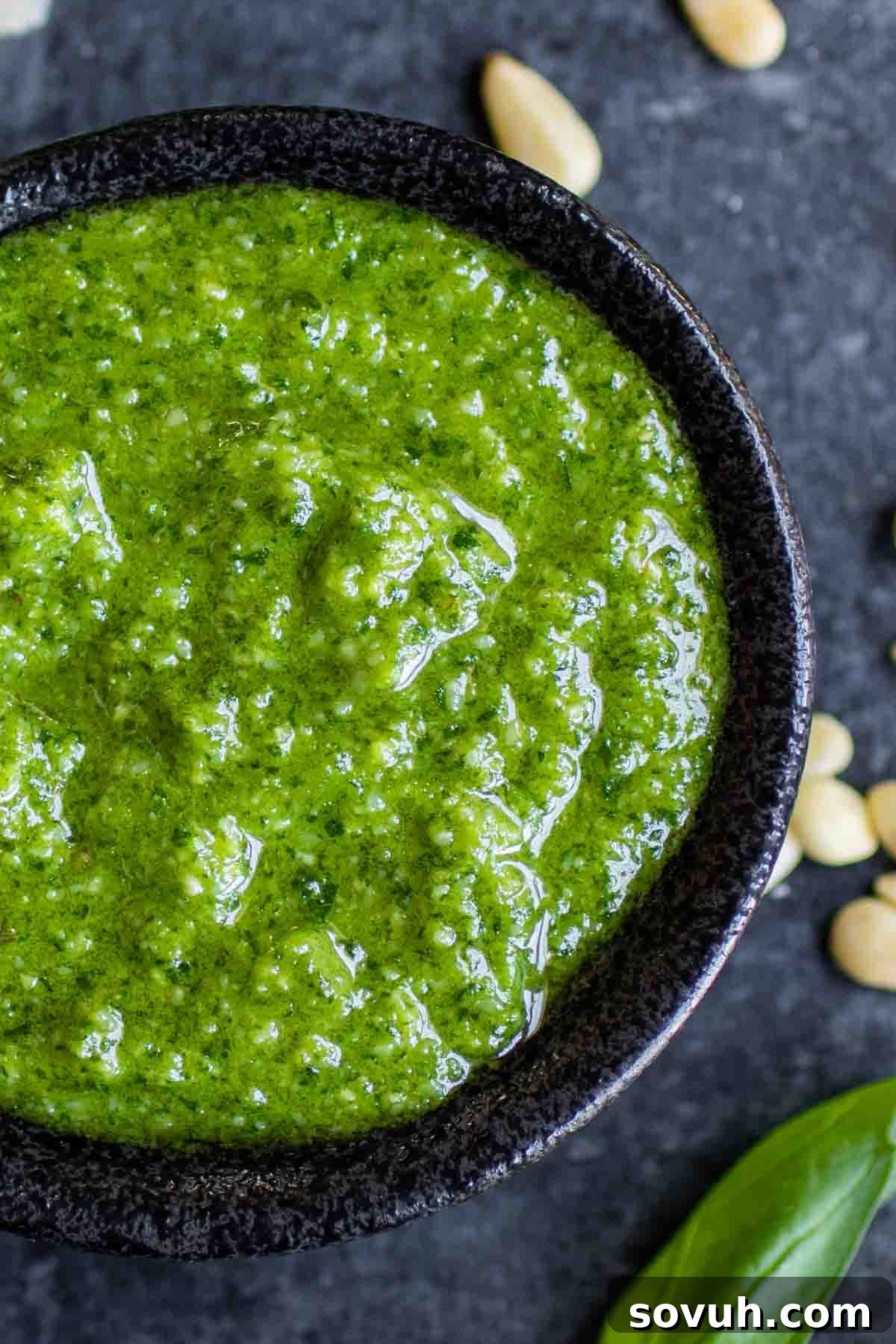
While Pesto Genovese is famously and deliciously paired with pasta dishes and used as a classic topping for pizzas, its incredible versatility extends far beyond these traditional combinations. Don’t limit yourself! Here are some creative and delicious ways to incorporate this vibrant, flavorful sauce into your everyday culinary repertoire, adding a gourmet touch to almost any meal:
- Elevated Sandwiches and Wraps: Transform ordinary sandwiches and wraps into something extraordinary by spreading a generous layer of basil pesto on your bread, rolls, or tortillas. It adds a burst of fresh, herbaceous flavor and complexity that perfectly complements a wide range of fillings, from roasted vegetables and fresh mozzarella to grilled chicken or turkey.
- Zesty Salad Dressing: Use pesto as a dynamic and flavorful dressing for your favorite salads, particularly those with a Mediterranean flair. Simply thin it out with a little extra olive oil or lemon juice if desired. Its vibrant color and zesty, aromatic flavors will invigorate your greens, making even the simplest salad a delight.
- Flavorful Grilled Meats and Poultry: Marinate your favorite cuts of meat, such as chicken breasts, lamb chops, pork tenderloin, or steak, with green pesto before grilling, baking, or pan-searing. The robust herbaceous flavors will deeply infuse the meat, resulting in a tender, tantalizing, and incredibly fragrant dish.
- Vibrant Roasted and Grilled Vegetable Medley: Toss roasted or grilled vegetables with Pesto Genovese for an instant flavor upgrade. It beautifully complements the natural sweetness of vegetables like zucchini, bell peppers, asparagus, cherry tomatoes, and eggplant, turning a simple side dish into a star.
- Exquisite Seafood Delights: Basil pesto pairs exceptionally well with a variety of seafood. Use it as a sauce for grilled shrimp skewers, toss it through cooked mussels or clams, or simply drizzle it generously over a freshly baked or grilled piece of flaky white fish like cod, salmon, or halibut for a truly exquisite meal.
- Gourmet Dips and Spreads: Prepare a delightful and unconventional dip by mixing Pesto Genovese with creamy ingredients like Greek yogurt, sour cream, or cream cheese for a rich and tangy spread. For a truly impressive appetizer, layer green pesto with Pesto Rosso and cream cheese to create a stunning and delicious cheese spread. Serve these with vegetable crudités, crackers, or crusty bread for a crowd-pleasing appetizer.
How to Store It to Maintain Freshness
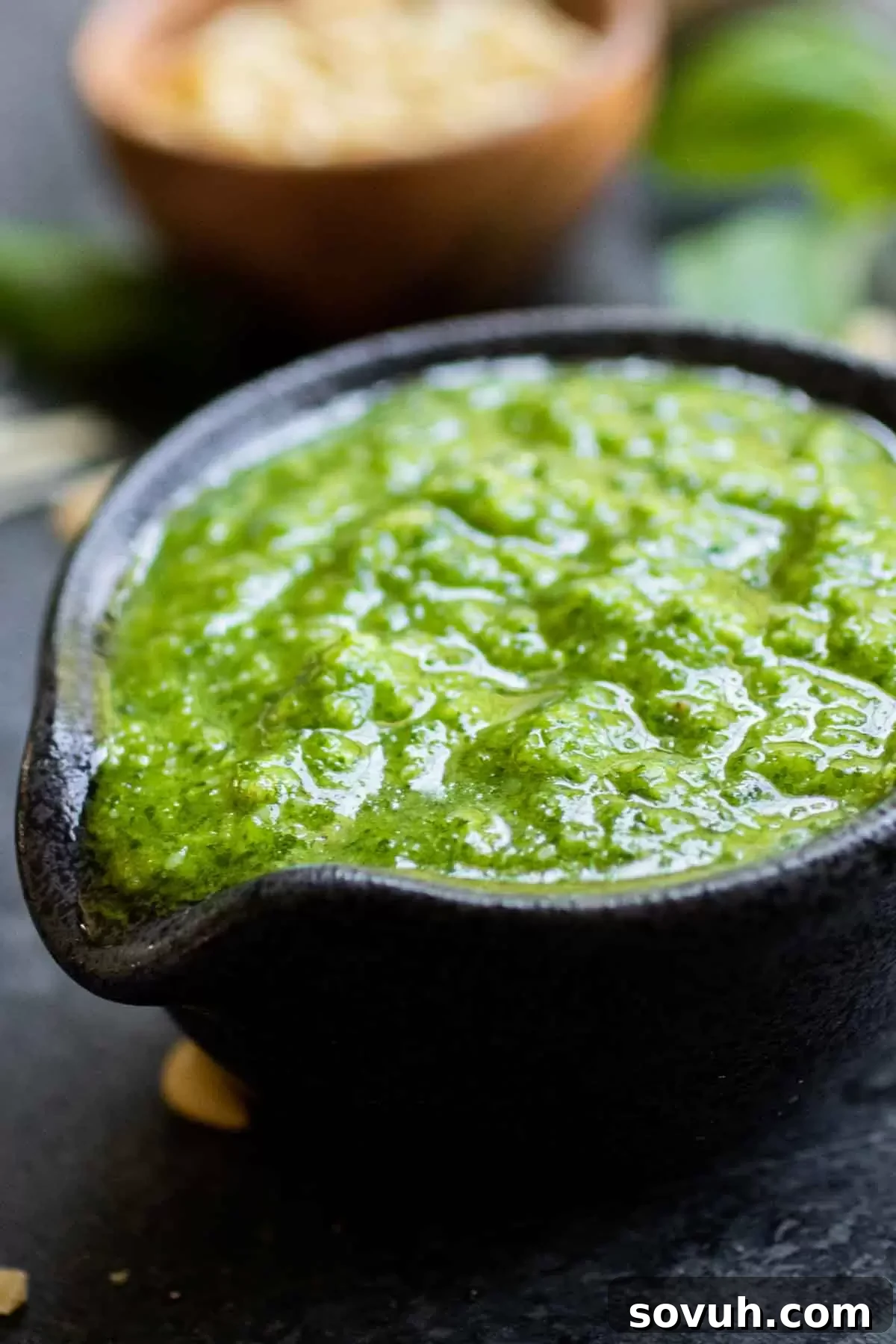
Proper storage is key to extending the life of your homemade Pesto Genovese and preserving its vibrant color and fresh flavor. Here are detailed instructions for both refrigerator and freezer storage:
Refrigerator Storage Instructions:
- Transfer to an Airtight Container: Carefully transfer your freshly made Pesto Genovese into a clean, dry, and airtight container. Glass jars with tight-fitting lids work exceptionally well.
- Create an Olive Oil Seal: To prevent oxidation and keep the pesto’s beautiful green color, pour a thin layer of extra virgin olive oil over the surface of the pesto. This creates a protective barrier against air.
- Seal Tightly: Ensure the container is tightly sealed to prevent any air from entering, which can accelerate spoilage.
- Refrigerate: Place the sealed container in the refrigerator.
- Shelf Life: Stored correctly, your Pesto Genovese will remain fresh and flavorful in the refrigerator for up to one week.
Freezer Storage Instructions:
- Portion for Convenience: For easy future use, portion the Pesto Genovese into small, freezer-safe containers, ice cube trays, or even small freezer bags. This allows you to thaw only what you need.
- Allow for Expansion: If using containers, leave a little space at the top of each to allow for slight expansion as the pesto freezes.
- Apply Olive Oil Barrier: Just like with refrigerator storage, drizzle a thin layer of olive oil over the top of each portion of pesto before sealing or covering. This helps to maintain its color, texture, and flavor during freezing.
- Seal Securely: Seal the containers tightly or cover the ice cube trays with plastic wrap, then place them in a larger freezer bag for extra protection against freezer burn.
- Freeze: Place the containers or ice cube trays in the freezer.
- Shelf Life: Pesto Genovese can be stored in the freezer for up to three months without significant loss of quality.
When you’re ready to use your frozen Pesto Genovese, simply transfer the desired portion to the refrigerator overnight to thaw. Alternatively, for quicker thawing, you can use the defrost setting on your microwave or add the frozen pesto directly to a hot dish (like pasta) during the last few minutes of cooking. Once thawed, give it a good stir to reincorporate any separated oil, and enjoy the delicious flavors of your homemade Pesto Genovese anytime!
Like this recipe?
Make sure to follow us on Instagram and Pinterest for more recipes like this.
Basil Pesto (Pesto Genovese)
This healthy basil pesto recipe is made with just 5 simple ingredients! It’s the perfect sauce to elevate delicious weeknight dinners and amazing appetizers.
Recipe Details
- Servings: 8
- Prep Time: 15 mins
- Total Time: 15 mins
- Created By: Kat Jeter & Melinda Machado
Ingredients
- 2 cups Fresh Basil, packed firmly
- 1/2 cup Parmesan Cheese
- 1/4 cup Pine Nuts
- 1-2 cloves Garlic
- 2/3 cup Olive Oil
- Salt to taste
Instructions
- Heat a small skillet over medium heat and add the pine nuts. Toast them gently, stirring frequently until they turn golden brown. Be cautious as they can burn quickly. Once toasted, set them aside to cool.
- In a blender or food processor, combine the basil leaves, toasted pine nuts, garlic cloves, and grated Parmigiano Reggiano cheese. Pulse the mixture a few times to break down the ingredients.
- Slowly drizzle in the extra-virgin olive oil with the blender or food processor running. Continue blending until the sauce reaches a smooth and creamy consistency. Be mindful not to over-blend, as it can affect the sauce’s texture.
- Transfer the Pesto Genovese to a clean jar or airtight container. To preserve its vibrant green color, cover the sauce with a thin layer of olive oil before sealing. It can be stored in the refrigerator for up to a week or frozen for longer shelf life.
Nutrition Information (Approximate)
- Serving: 2 tablespoons
- Calories: 213 kcal
- Carbohydrates: 1g
- Protein: 3g
- Fat: 22g
- Saturated Fat: 3g
- Cholesterol: 4mg
- Sodium: 100mg
- Potassium: 48mg
- Vitamin A: 365 IU
- Vitamin C: 1.2mg
- Calcium: 85mg
- Iron: 0.6mg
Nutrition Disclaimer: We are not certified nutritionists. Nutrition facts are an estimate and are provided as a courtesy. They are generated by an online API which recognizes ingredient names and amounts and makes calculations based on the serving size. Results may vary.
Recipe Categories
- Course: Main dish
- Cuisine: Italian
Print Recipe