
Loose Leaf Tea vs Tea Sachets and Tea Bags: Which Is Better?
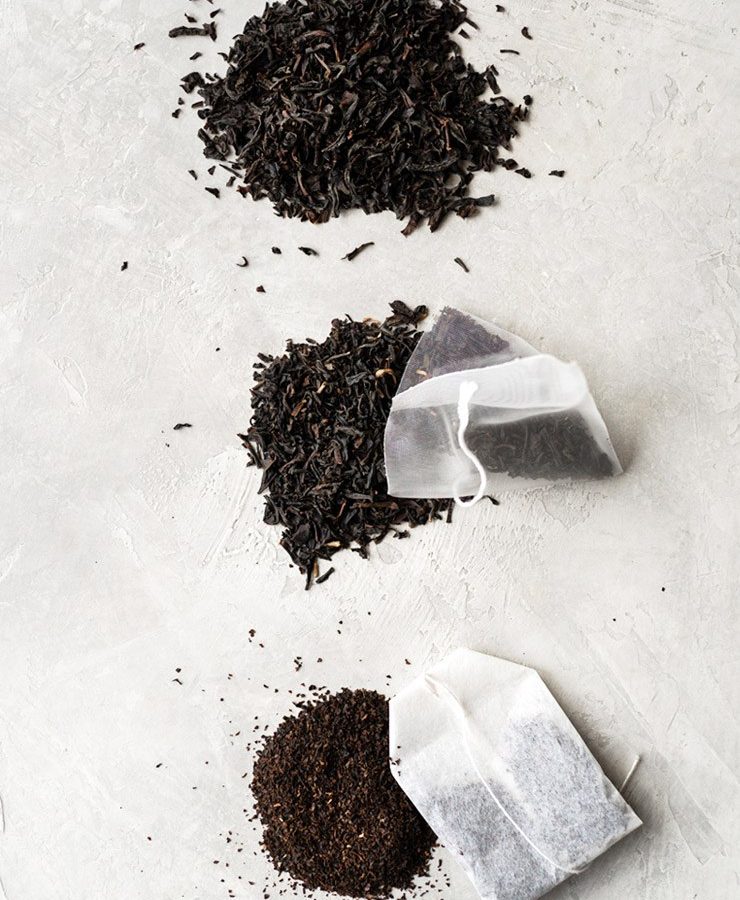
Compare loose tea, tea sachets, and tea bags to understand their differences in quality, flavor and convenience, and learn which option suits different brewing needs.
Tea Quality: Loose Tea, Tea Sachets, and Tea Bags
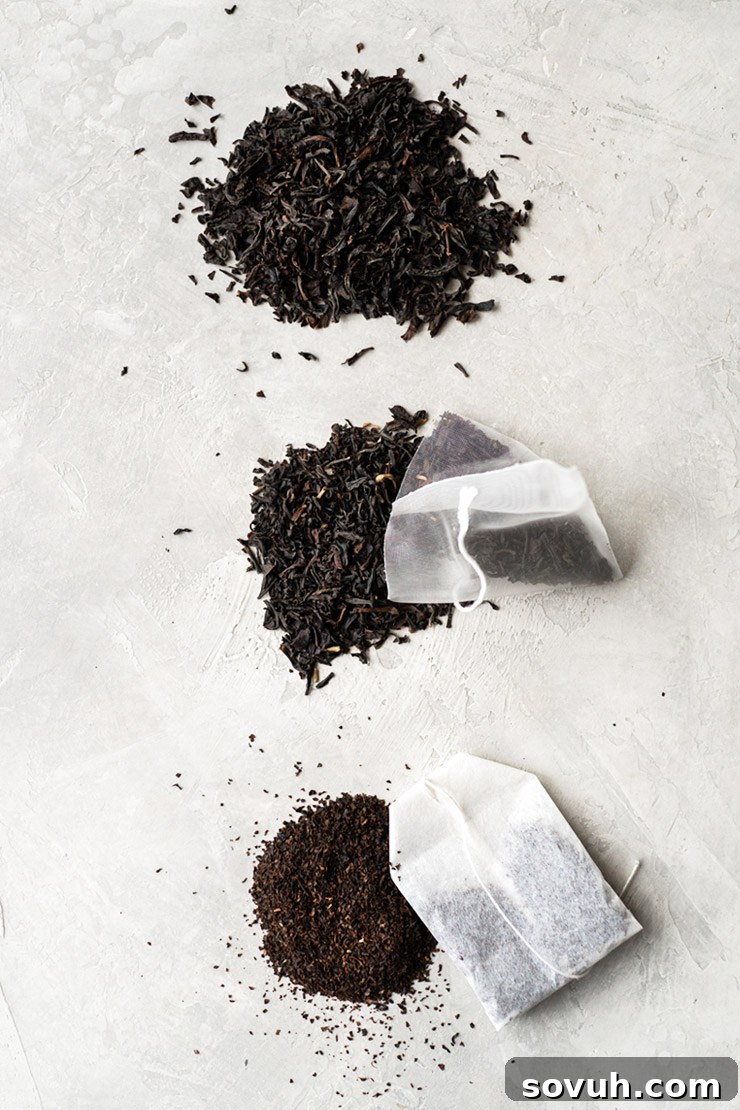
There is a clear difference in quality between loose tea, tea sachets, and tea bags, and it becomes obvious when you examine them closely. All three use dried tea leaf material, but the size and integrity of the leaf fragments greatly affect aroma, flavor and overall depth. In general, the more intact the whole leaf pieces are, the higher the tea quality and the better the cup.
Loose tea (top in the photo) typically consists of whole, unbroken leaves. When brewed, these leaves unfurl and reveal their shape, releasing essential oils gradually for a richer, more nuanced flavor.
Tea sachets (middle in the photo) often contain a blend of whole and broken leaf pieces, usually housed in a pyramid or similar-shaped bag to give the tea more room to expand than a flat bag.
Tea bags (bottom in the photo) are usually filled with very small pieces—sometimes called fannings or dust—so the original leaf form is hard to recognize. These tiny particles release flavor quickly but tend to lack the complexity of larger leaves.
Note from Jee

I’m a Tea Sommelier, but I don’t consider myself a tea snob. When loose tea is available, it’s my preferred choice for drinking as-is because it usually yields the most balanced cup. That said, I appreciate tea sachets and tea bags for their convenience—especially when I’m cooking or making beverages that include many other ingredients.
Loose Tea Is the Highest-Quality Option
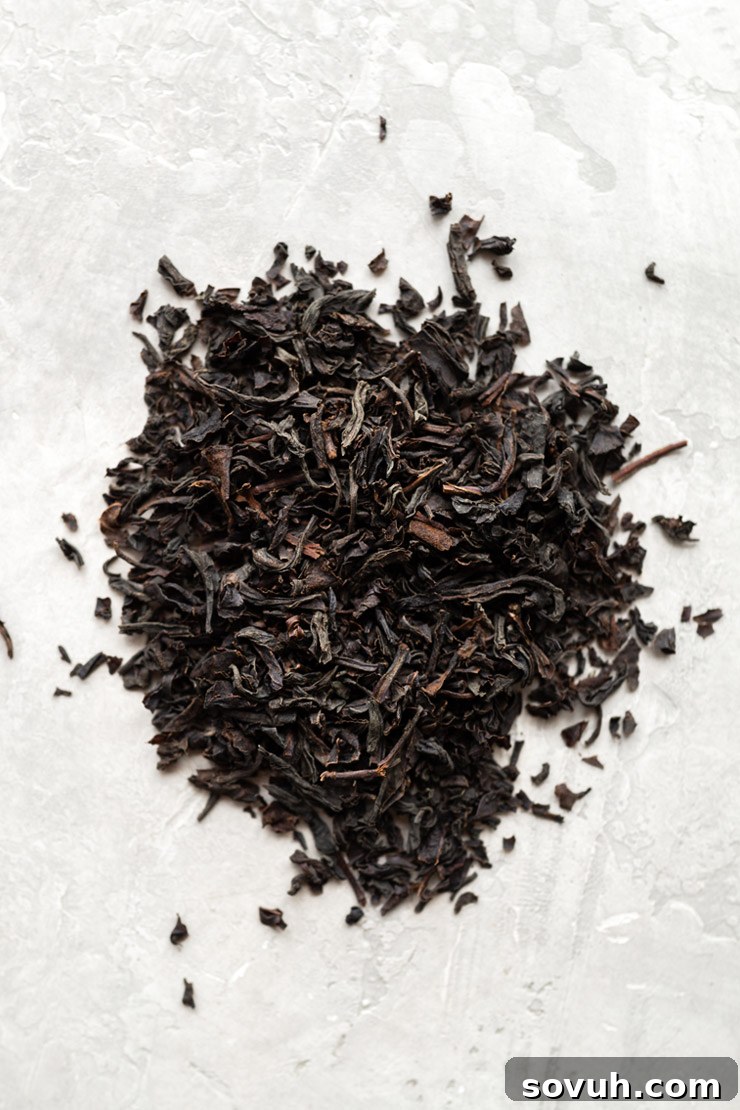
- Loose tea is usually composed of whole tea leaves or large pieces of leaf.
- Essential oils within the leaf are the primary source of a tea’s aroma and flavor; whole leaves retain more of these oils.
- When you want the best possible flavor and complexity, choose loose tea and give the leaves space to fully expand while steeping.
Tea Sommelier’s Tip: Avoid using tiny tea balls for loose tea; they restrict leaf movement. Use a larger infuser, a tea basket, or a teapot with an open strainer so the leaves can unfurl and release a fuller flavor.
Loose tea also offers flexibility: you can adjust leaf quantity and steep time precisely, taste across multiple infusions, and often reuse leaves for a second brew—especially with higher-grade teas such as many oolongs, whites, and some greens.
Tea Sachets Offer a Balance of Quality and Convenience
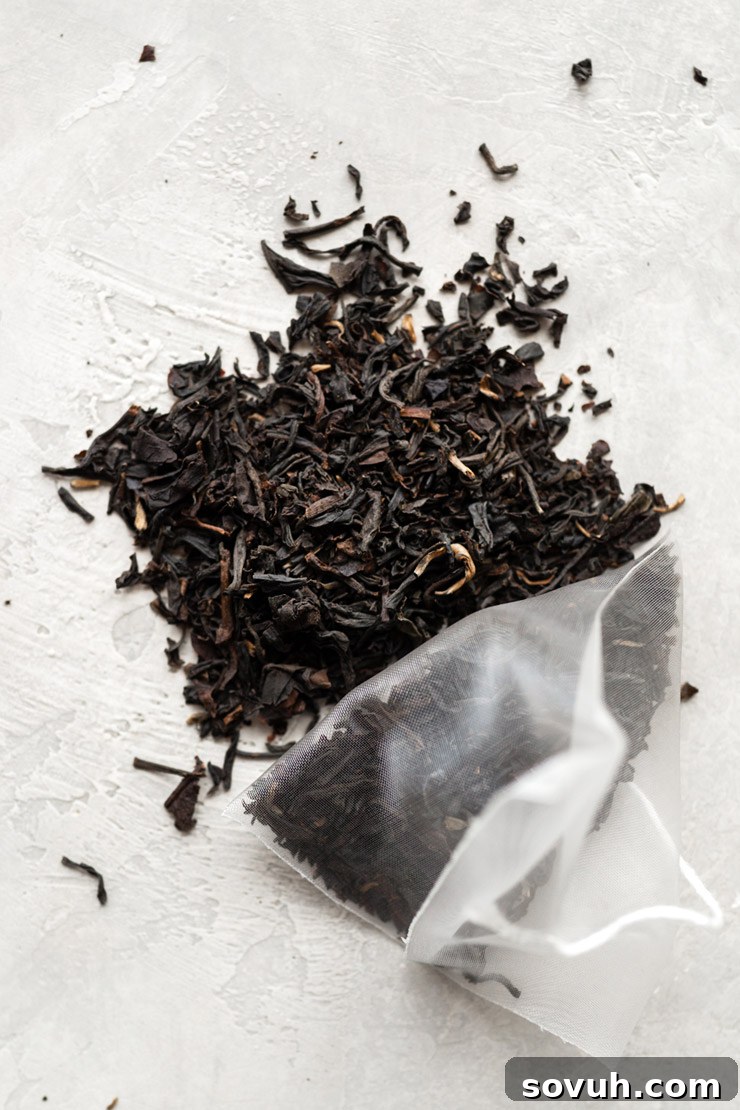
- Pyramid-shaped tea sachets are filled with a mix of broken and whole tea leaves, allowing more room for expansion than flat bags.
- Although broken leaves lose some essential oils, the extra space in a sachet helps preserve more flavor than traditional tea bags.
- Sachets are a good middle ground: they provide decent flavor with easy cleanup and portable convenience.
- Choose sachets when you want better flavor than standard bags but still need an easy-to-use option for travel or quick drinks.
Tea Sommelier’s Tip: Tea sachets work well for milk-based drinks and flavored tea lattes where a stable portion of tea is helpful, and where the sachet’s convenience makes preparation faster.
Tea Bags Are the Most Convenient but Least Complex
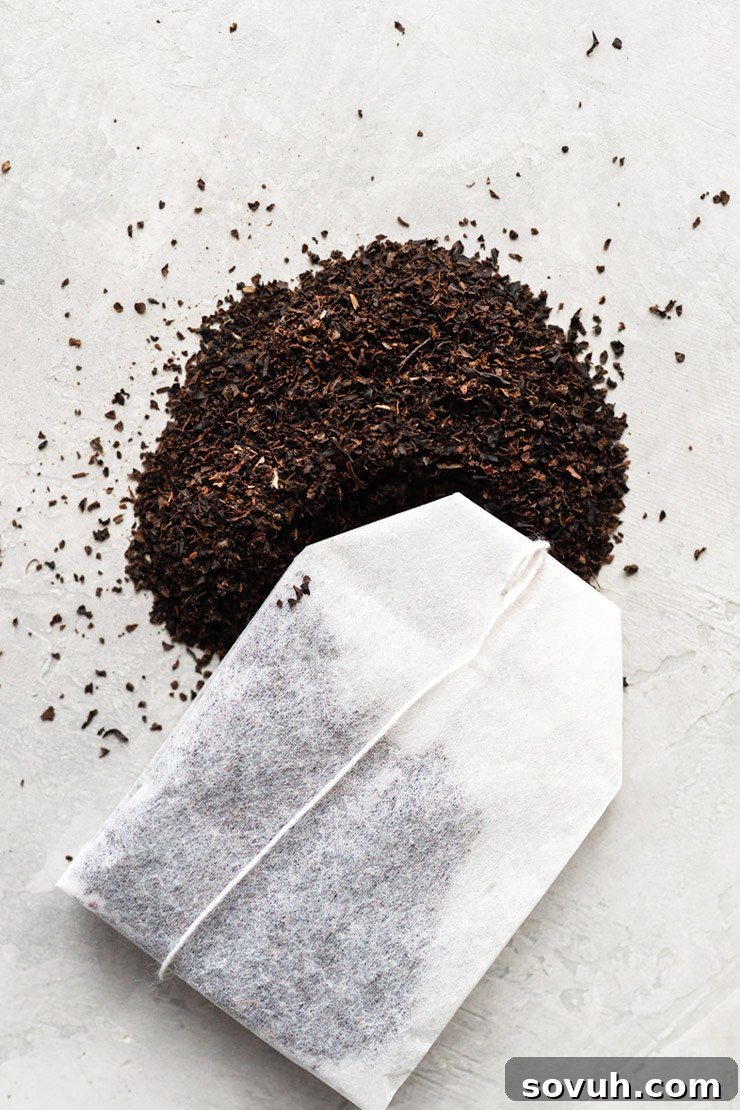
- Tea bags typically contain small broken leaves and fine particles, which release flavor quickly but typically lack depth.
- Because these small particles have been exposed more during processing, much of the delicate essential oil has already dissipated.
- Tea brewed from bags can taste more one-dimensional and less nuanced than tea made from larger leaves.
- Use tea bags when speed and simplicity matter most—such as when making large batches, quick hot cups at work, or recipes where multiple ingredients dominate the flavor.
Tea Sommelier’s Tip: Tea bags are fine for heavily flavored drinks (such as spiced or sweetened beverages) where other ingredients provide most of the taste. In complex mixed drinks, the difference in leaf quality is less noticeable.
Brewing, Storage, and Choosing the Right Tea
Besides leaf size, factors like water temperature, steep time, and storage impact the final cup. Use fresh, filtered water and follow steeping guidance for the tea type you’re using—shorter steeps for delicate whites and greens, longer for robust blacks and pu-erhs. Store all teas away from heat, light and moisture in airtight containers to preserve oils and aromas. If you’re experimenting, start with loose tea for the purest expression, try sachets when you want convenience with reasonable quality, and reserve tea bags for quick, everyday needs.
Related
- Where to Buy Tea Online
- How I Became a Certified Tea Sommelier
- Matcha vs. Green Tea: What’s the Difference?
- Types of Tea
- Tea Sommelier’s Guide to Getting Into Tea











