
Keto Meal Prep: Weekly Low-Carb Plan with Recipes
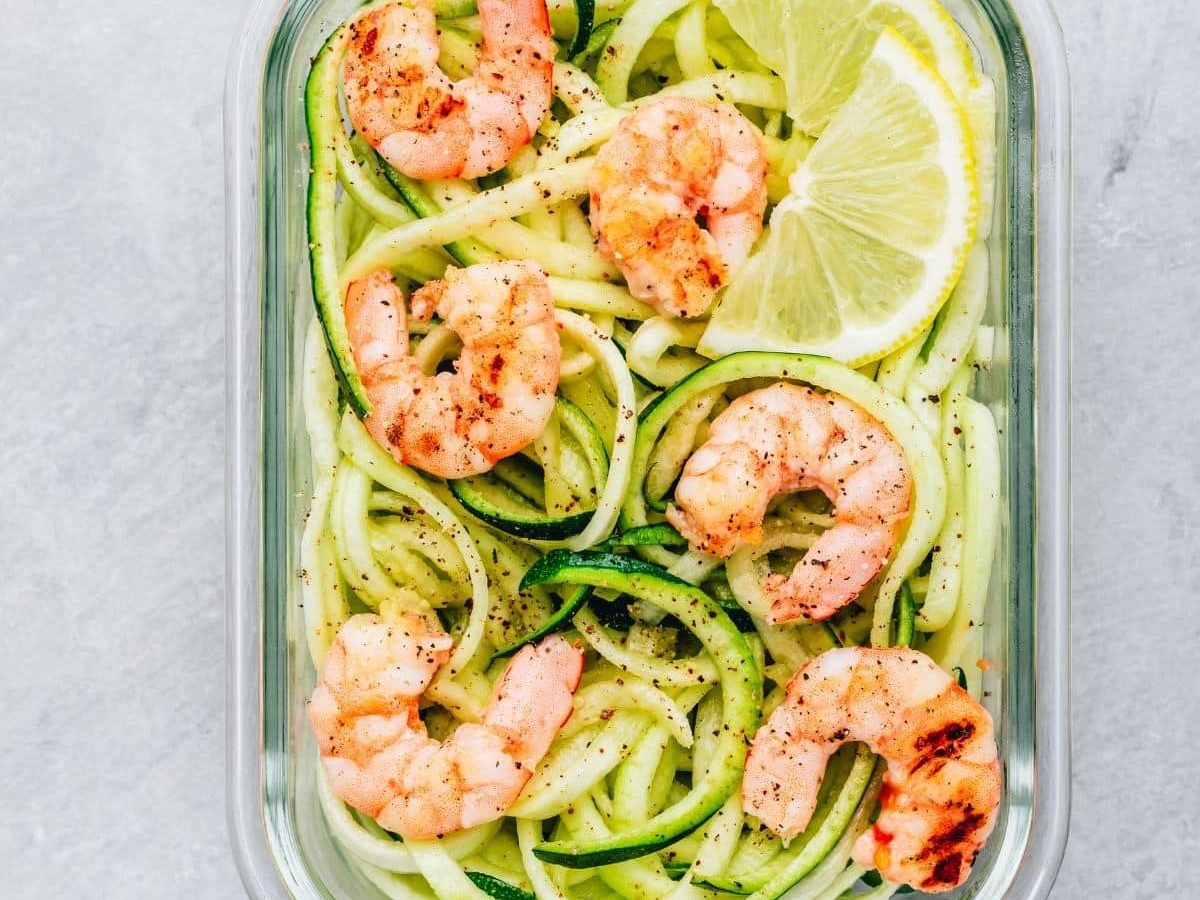
Sticking to healthy eating can be challenging—especially on a keto diet. After a long day, cooking from scratch may be the last thing you want to do. That’s where keto meal prep becomes a lifesaver: prepping meals in advance saves time, reduces stress, and helps you stay on track with your macros.
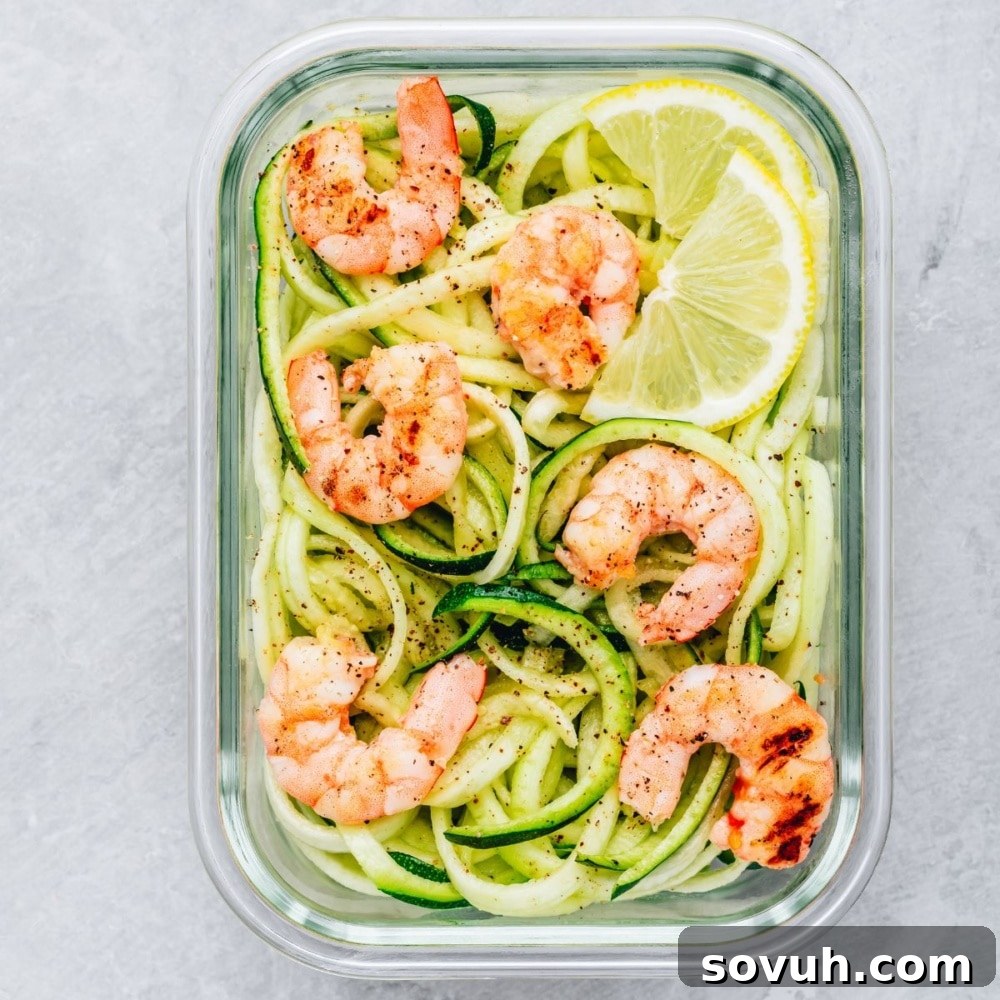
Meal prep may feel intimidating if you worry about hitting keto ratios or planning every meal, but it’s surprisingly straightforward. This guide walks you through a full week of keto meal prep, provides recipe ideas, and offers practical tips to help you get started.
Note: My approach is simple and practical—no fluff. Save this guide for reference and feel free to reach out if you have questions.
Tips Before You Get Started
If planning ahead isn’t your strong suit, preparing a week of keto meals can seem overwhelming. In reality, a little organization goes a long way: spending a few hours to prep saves you many more during the week and prevents last-minute carb-filled choices.
Use these tips to stay flexible and save time while prepping keto meals:
- Plan, but be flexible. A weekly plan gives structure, but life happens—if you eat out unexpectedly, freeze your prepped meal for later. Flexibility keeps meal prep sustainable.
- Choose foods you enjoy. Stock your menu with keto-approved foods you like. Personalizing meals makes it easier to stick with the plan.
- Try new recipes. Meal prep is a great time to test fresh keto recipes you might not have time to cook during the busy week.
- Cook proteins in bulk. Cooking meats, fish, or poultry ahead and portioning them saves huge amounts of time. Refrigerate or freeze serving-size portions for easy use.
- Keep it simple and relax. Meal prepping becomes faster with practice. The goal is convenience and consistency—not perfection.
Reminder: Stay Within Keto Ratios
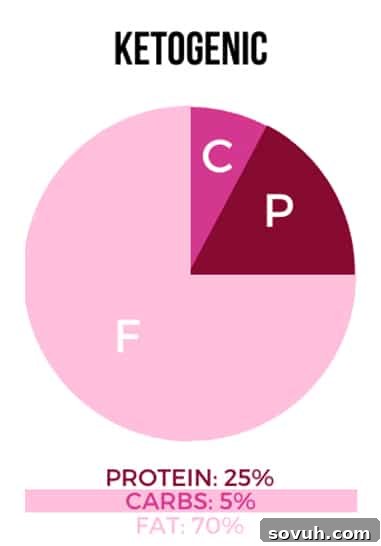
Typical keto macronutrient ranges are roughly 65%–90% fat, 5%–25% protein, and 4%–10% carbs. If you’re unsure about the best ratios for you, consult a healthcare professional. Once your targets are set, meal prep makes it easier to meet them consistently.
Ingredients to Stock Up On
Successful keto meal prep begins with a well-stocked pantry, fridge, and freezer. Keeping essential keto-friendly foods on hand reduces temptation and ensures you always have ingredients to assemble a quick meal.
Here are common staples to consider for your keto pantry and refrigerator:
Pantry
- High-quality oils. Extra virgin olive oil, avocado oil, and coconut oil are versatile for cooking and dressings.
- Canned goods. Keep low-carb canned veggies and proteins with no added sugars for quick meals.
- Spices and seasonings. Salt, pepper, garlic powder, chili powder, basil, and keto sweeteners like monk fruit or erythritol can elevate simple dishes.
- Chocolate and baking supplies. Sugar-free chocolate, cocoa powder, and low-carb baking ingredients help satisfy sweet cravings without derailing keto goals.
- Convenient snacks. Shelf-stable keto snacks are handy—always check labels for carbs and ingredients before buying.
Fridge and Freezer
- Meats and seafood. Keep a variety of minimally processed proteins on hand—beef, pork, chicken, turkey, and fish are keto staples.
- Eggs. Versatile and nutrient-rich, eggs are perfect for breakfasts and quick meals.
- Dairy. Butter, cheeses, cream cheese, yogurt, and heavy cream provide fats and flavor; choose keto-friendly options.
- Low-carb vegetables. Stock broccoli, cauliflower, leafy greens, peppers, zucchini, and other non-starchy veggies.
- Low-carb fruits and fats. Berries in moderation, avocados, and coconut are useful for recipes and snacks.
- Nuts and seeds. Almonds, pecans, walnuts, chia, flax, and pumpkin seeds are good for snacks and toppings—store them in the fridge for freshness.
What Else Do I Need?
Beyond groceries, a few tools and resources make meal prep faster and more efficient:
- Recipes. A collection of go-to keto recipes prevents boredom and simplifies planning.
- Cookware. A skillet, roasting pan, baking dishes, and sheet pans cover most cooking methods.
- Food storage containers. Microwave-safe, stackable containers—especially compartmented ones—streamline storage and reheating.
- Good knives and utensils. A reliable chef’s knife, cutting boards, spatulas, and serving spoons speed prep work.
- Blender or food processor. Useful for sauces, smoothies, and pureed soups.
Useful Tools
- Instant Pot or slow cooker. Great for hands-off cooking—ideal for tough cuts of meat and one-pot meals.
- Air fryer. Makes crispy keto snacks and vegetables with less oil and little fuss.
- Hand mixer or immersion blender. Convenient for blending hot soups or making dressings without extra dishes.
- Vegetable spiralizer. Converts zucchini, carrots, and other veggies into noodle substitutes for low-carb pasta dishes.
Example Keto Meal Prep: One Week
Below is a sample 7-day meal plan you can adapt. Mix and match recipes to maintain variety.
Monday
- Breakfast: Scrambled eggs on the go; Keto chocolate flaxseed muffins
- Lunch: Italian wrap
- Dinner: Keto chili
- Snack: Pork rind nachos
Tuesday
- Breakfast: Keto cinnamon cereal
- Lunch: Pesto chicken salad chaffles
- Dinner: Pot roast with roasted carrots and broccoli
- Snack: Sweet and spicy snack mix
Wednesday
- Breakfast: Keto chicken burrito with fresh blueberries
- Lunch: Cheeseburger casserole with green salad
- Dinner: Pork tenderloin
- Snack: Chocolate crackers and spread
Thursday
- Breakfast: Fried egg and cacao protein shake
- Lunch: Mediterranean lunch bowl
- Dinner: Soft taco casserole with green salad
- Snack: Ham pinwheels
Friday
- Breakfast: Mountain man breakfast
- Lunch: Caprese salad with air fryer salmon
- Dinner: Keto Mexican chicken with sautéed peppers and onions
- Snack: Avocado boats
Saturday
- Breakfast: Cinnamon chaffles
- Lunch: Microwave keto pizza with green salad
- Dinner: Keto meatball parmesan casserole with roasted Brussels sprouts
- Snack: Keto smoothie
Sunday
- Breakfast: Elegant breakfast
- Lunch: Prepared chicken, tuna, or egg salad
- Dinner: Zucchini fritter chaffles
- Snack: Protein ice cream
Best Keto Recipes
To keep meals interesting, rotate recipes from different categories. Here are ideas to include in your rotation:
Breakfast
- Easy breakfast muffins with sausage
- Chia pudding
- Spinach, mushroom & feta crustless quiche
- Almond flour waffles
- Low-carb breakfast pizza
Lunch
- Creamy Tuscan chicken with cauliflower rice
- Shrimp avocado salad
- Garlic lemon butter salmon with asparagus
- Cauliflower and broccoli ham salad
- Sausage cauliflower fried rice
Dinner
- Broiled chicken with artichokes
- Garlic butter steak
- Lemon pepper tilapia with mushrooms
- California burger wraps
- Blue cheese pork medallions
Snacks
- Sugar-free coconut bites
- Savory spiced pecans
- Bacon-wrapped buffalo chicken bites
- Crispy jalapeño cheese crackers
- Cheesy bacon-stuffed mini peppers
Desserts
- Keto avocado brownies
- Three-ingredient peanut butter cookies
- Keto chocolate mousse
- Homemade keto Twix bars
- Keto berry pecan cheesecake bars
How To Package and Reheat Your Meals
Use microwave-safe glass or BPA-free plastic containers with tight lids for storing prepared meals. Compartments are helpful for separating components. Stackable containers save space in the fridge and freezer.
To reheat, microwave directly if the container is microwave-safe. Alternatively, transfer to an oven-safe dish or warm on the stovetop. If using oven-safe glass with a plastic lid, replace the lid with foil before heating.
How to Keep in the Fridge or Freezer
Follow these storage practices to keep meals fresh longer:
- Maintain proper temperatures. Keep the refrigerator around 35–38°F and the freezer at or below 0°F.
- Avoid washing produce early. Washing can speed spoilage—wash just before use.
- Keep items in original packaging when possible. Opening packages exposes food to air and bacteria, shortening shelf life.
- Don’t refreeze thawed food. Refreezing lowers quality and increases spoilage risk.
- Use lemon juice to prevent browning. A light coating helps cut fruits like apples and avocados stay fresh longer.
- Store produce properly. Leafy greens last longest washed, dried, and stored in airtight containers lined with paper towels.
What Should I Not Freeze?
Avoid freezing foods that lose texture or flavor:
- Lettuce. Thawed lettuce becomes limp and soggy.
- Eggs. Cooked eggs become rubbery; raw eggs expand and can crack shells.
- Fresh-eaten vegetables. Vegetables intended to be eaten raw get watery after thawing.
- Coffee. Freezing beans or grounds can diminish flavor.
- Avocados. Thawed avocados often become mushy and brown, better used fresh.
- Canned foods. Canned goods are shelf-stable and may burst if frozen.
Is There Anything I Can Prep Monthly?
Yes—many cooked meats and vegetables freeze well and can be prepared month-by-month as TV-dinner style meals. Proper portioning and airtight packaging help foods last longer in the freezer. For more detailed guidance, consult specialized monthly meal prep resources.
What Ingredients Should I Only Use Fresh?
- Dairy products. Most dairy keeps best in the fridge and should be used within a week or two.
- Fresh produce for raw use. Salads and fresh fruit are best made close to serving time.
- Eggs. Cooked eggs store for a few days refrigerated; whole eggs last longer in the shell but are best used fresh.
Why Keto Meal Prep
Meal prep supports a keto lifestyle by making healthy low-carb choices easy and convenient:
- Convenience. Prepping saves time during the week and removes the question of what to eat.
- Temptation control. Having planned meals and snacks handy reduces the chance of reaching for high-carb convenience foods.
- Better food choices. When healthy meals are ready, you’re more likely to stick with nutritious, keto-friendly options.
More meal prep resources
- Keto Meals For A Month
- Meal Prep Made Easy
- Meal Prep Package with Grocery List











