
How to Make Pumpkin Puree from Scratch
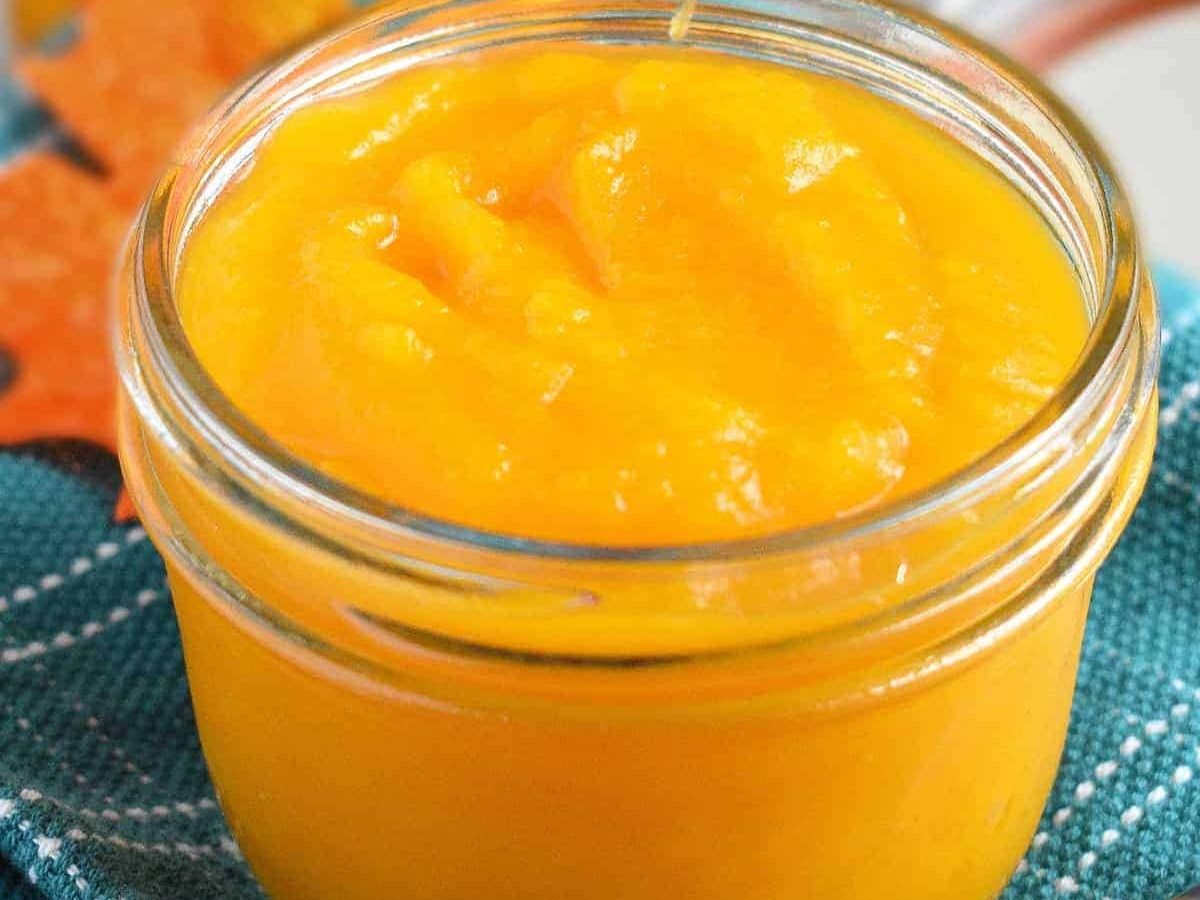
Homemade Pumpkin Puree: an easy, reliable method for making a light, applesauce-like pumpkin puree you can refrigerate or freeze. Fresh homemade puree brightens desserts, breads, and savory dishes with true pumpkin flavor.
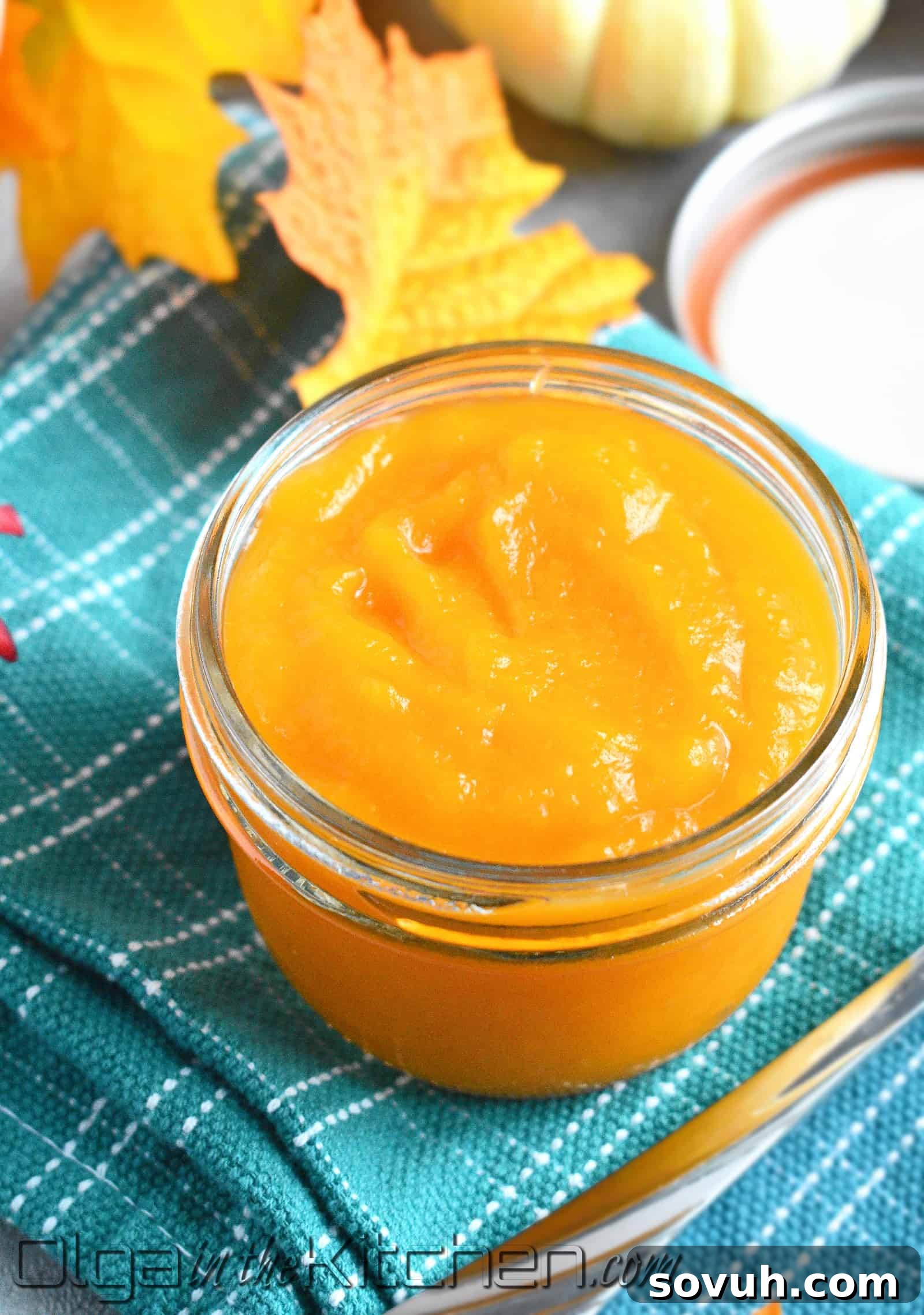
Homemade Pumpkin Puree Recipe
Making pumpkin puree at home is straightforward and rewarding. The finished texture is similar to applesauce — smooth, light, and slightly thin compared with many store-bought canned varieties. This method uses stovetop cooking and a double-boil step that the author has relied on for long-term storage in sterilized jars. When handled and stored as described, the puree can be refrigerated or frozen for later use.
The stovetop method yields a very soft, evenly textured puree that fills jars easily. Because it produces a thinner, lighter puree than the baked approach, it’s ideal when you want a delicate texture for quick mixing into batters, soups, or sauces.
Pumpkin Puree for Pumpkin Bread
A major reason for making homemade puree is traditional pumpkin bread. The author’s family recipe for Ukrainian pumpkin bread works best with fresh puree — it produces a light, fluffy loaf with a soft color and true pumpkin flavor. Store-bought canned pumpkin often gives different results, so if you bake pumpkin bread regularly it’s worth preparing your own puree.
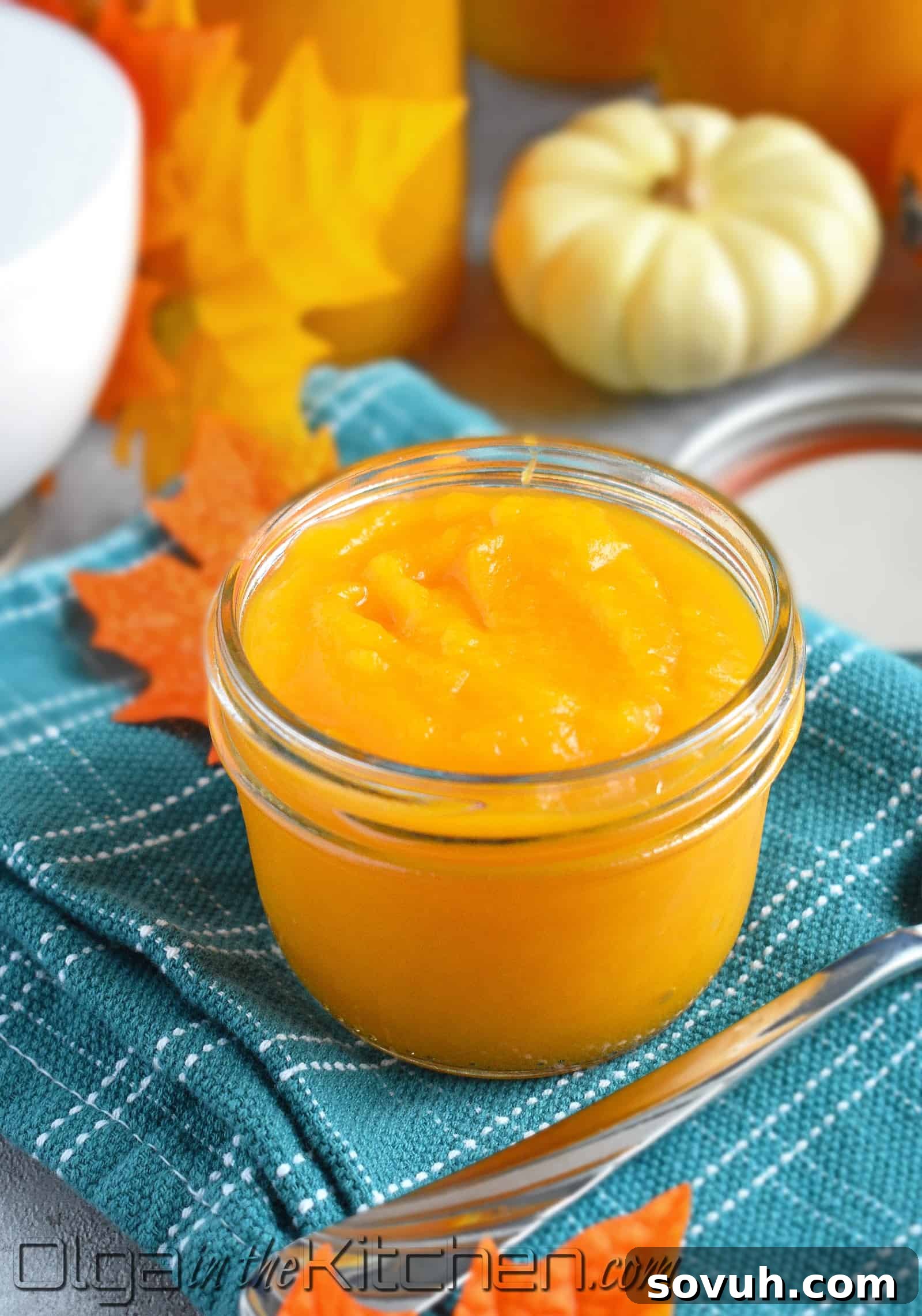
Storing Pumpkin Puree
There are several storage options depending on how soon you plan to use the puree:
- Opened jars: use within about one week.
- Twice-boiled puree in sterilized glass jars: stored in a cool refrigerator, these jars can keep for up to a year according to the method described here.
- Baked pumpkin: store in the refrigerator for a shorter period (about three months is suggested in the original method).
- Freezing: pack about 1 cup per small freezer bag and freeze up to one year. Note that frozen puree can be slightly more watery after thawing but still works well in recipes that call for homemade pumpkin puree.
Pumpkin Puree Ingredients
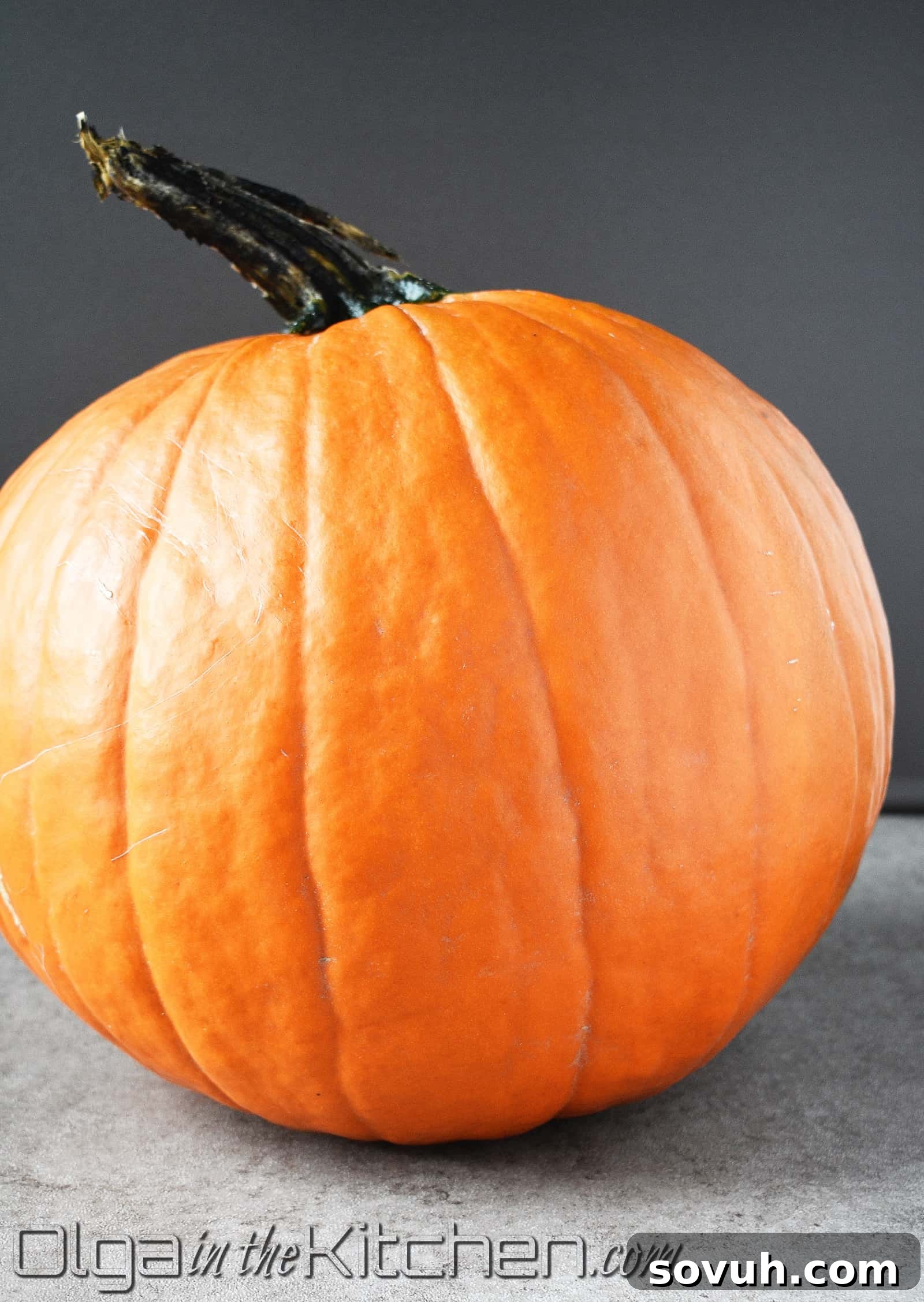
- Pumpkin — any size (about a 14-inch pumpkin was used in the example)
- Water — cold, warm, or hot (amount described in instructions)
How to Make Pumpkin Puree
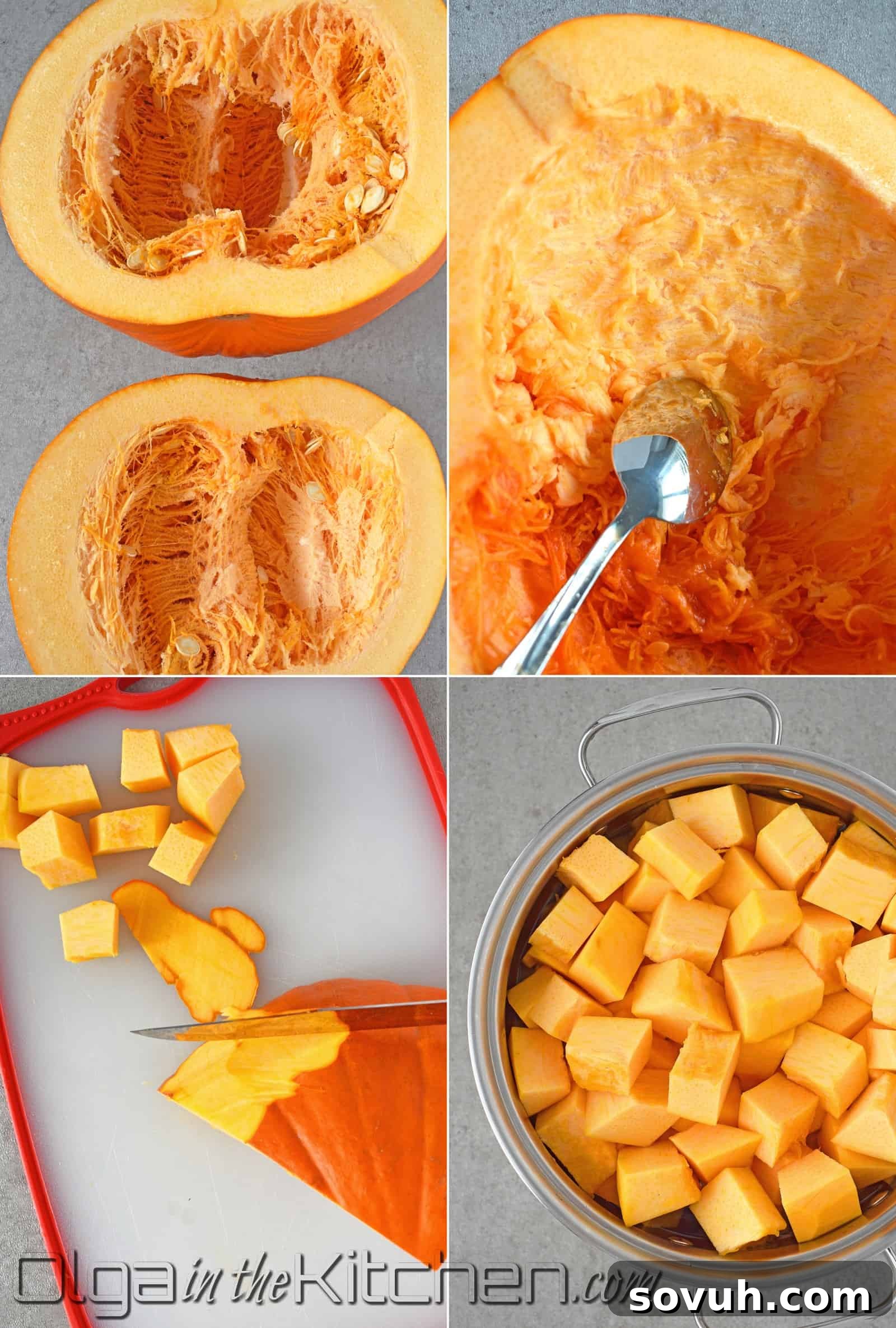
- Wash the pumpkin thoroughly with warm water and a sponge to remove dirt. Cut the pumpkin in half with a sharp knife and scoop out the seeds and stringy pulp. (Reserve seeds for toasting if desired.)
- Cut the pumpkin flesh into manageable pieces — peel with a thin knife and chop into approximately 2-inch cubes. Place the cubes into a large pot; you may need more than one pot for large pumpkins.
- Add water to the pot so it reaches about 2 inches below the pumpkin cubes — the water does not need to fully cover the pumpkin. Use cold, warm, or hot water; cold water will simply take longer to reach a boil.
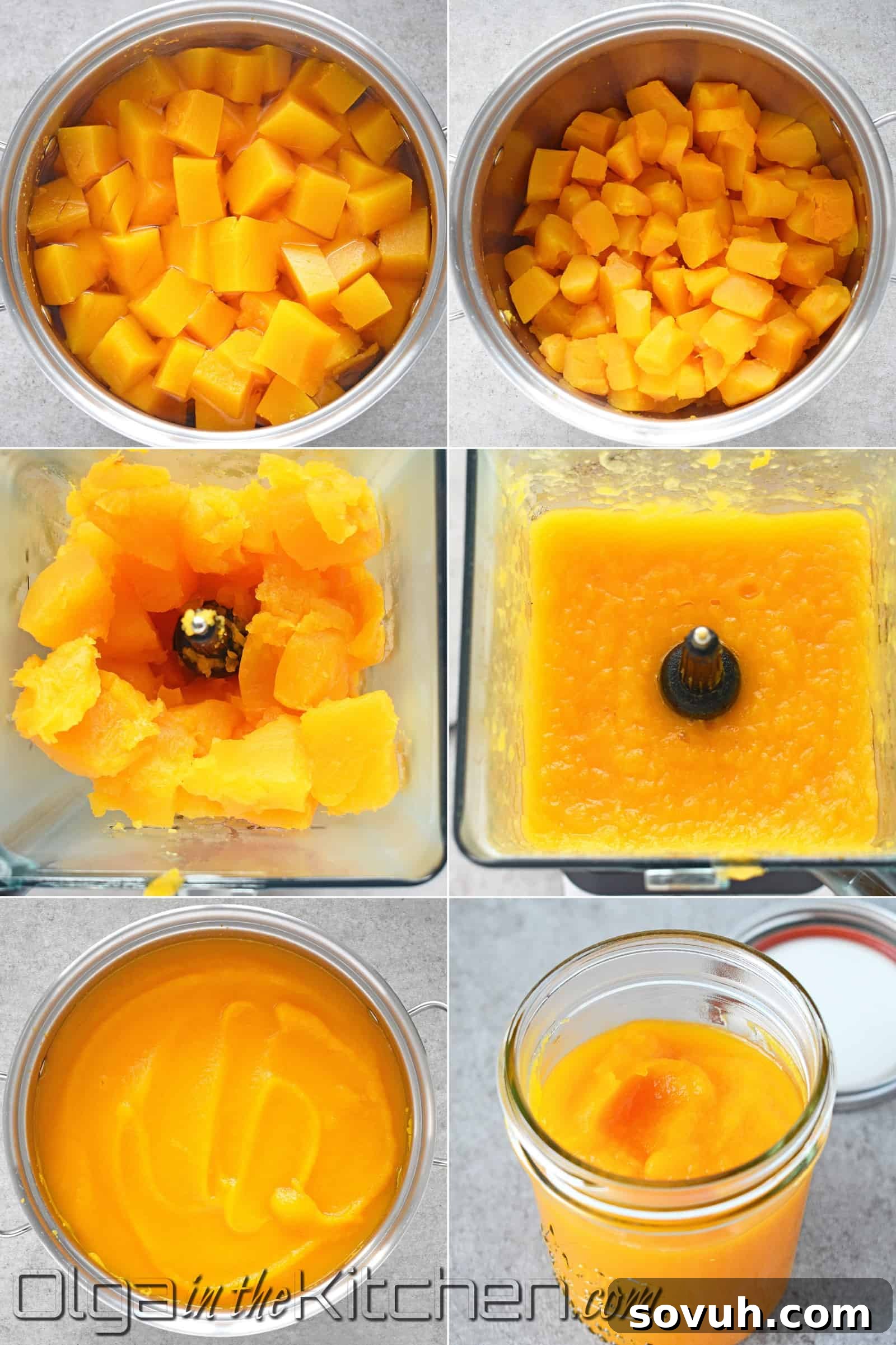
- Bring the pot to a boil over high heat, then reduce to low and simmer for about 1 hour, or until the cubes are easily pierced with a fork. Extended cooking helps reduce bacteria for prolonged storage.
- Once cooked, pour off most of the cooking water (a little residual liquid is normal) and let the pumpkin cool slightly so it is safe to handle and won’t damage blender blades.
- In batches, transfer the cooked pumpkin to a blender or food processor and puree until it reaches an applesauce-like consistency (usually 1–2 minutes per batch). Return the puree to the pot, removing any remaining loose water first to minimize splashing.
- Bring the puree to a gentle boil over low heat and cook for another 10–15 minutes. You’ll know it’s actively boiling when large bubbles form and the pot becomes hot and splattered around the lid area.
- Spoon the hot puree into sterilized jars, wipe the rims clean with a paper towel, and seal each jar tightly but without over-torquing.
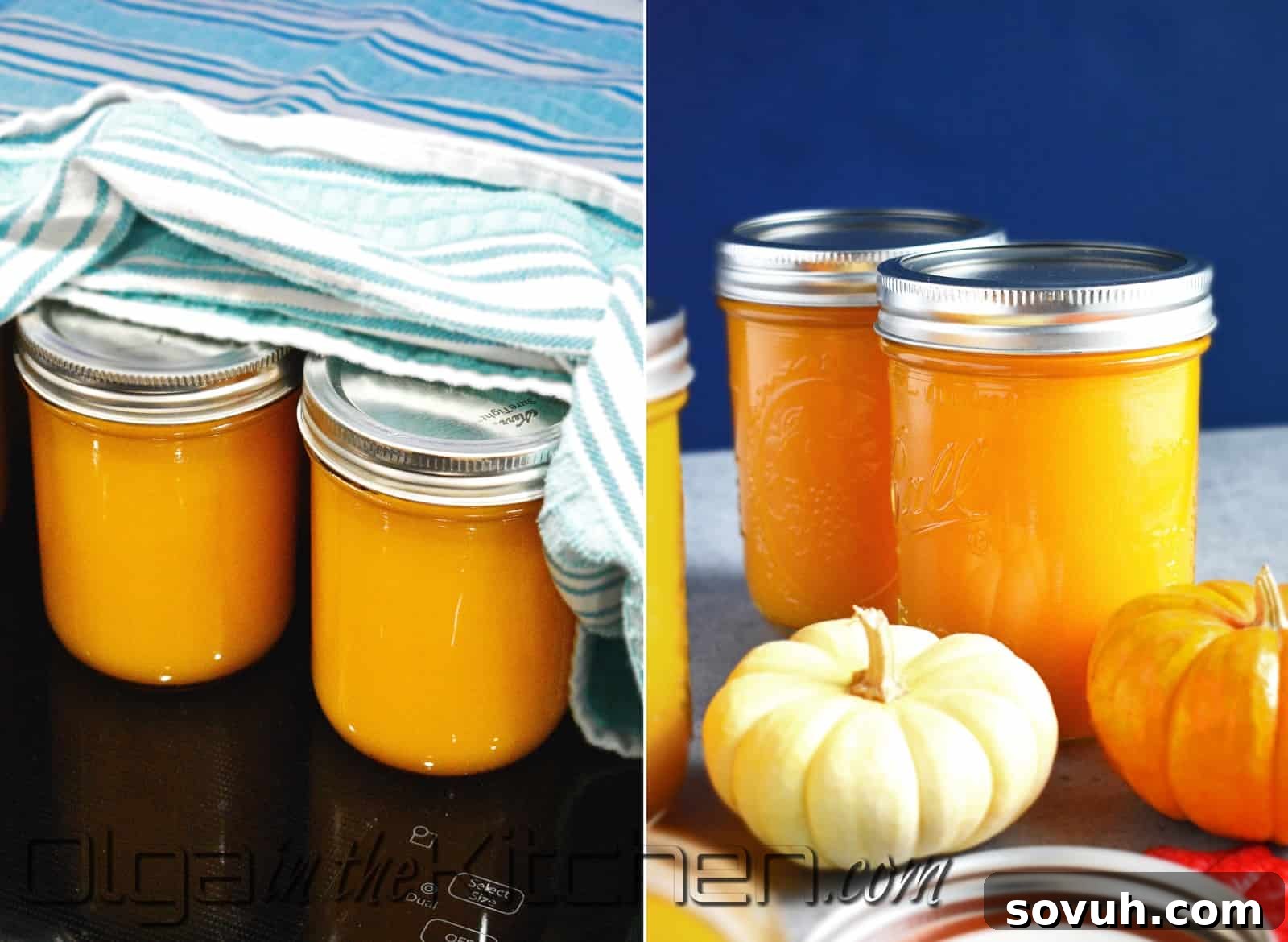
- Cover the jars with kitchen towels and let cool completely at room temperature — cooling may take many hours or up to a day. Once cooled, store jars in the refrigerator or freeze portions as preferred.
Sterilizing Jars and Lids
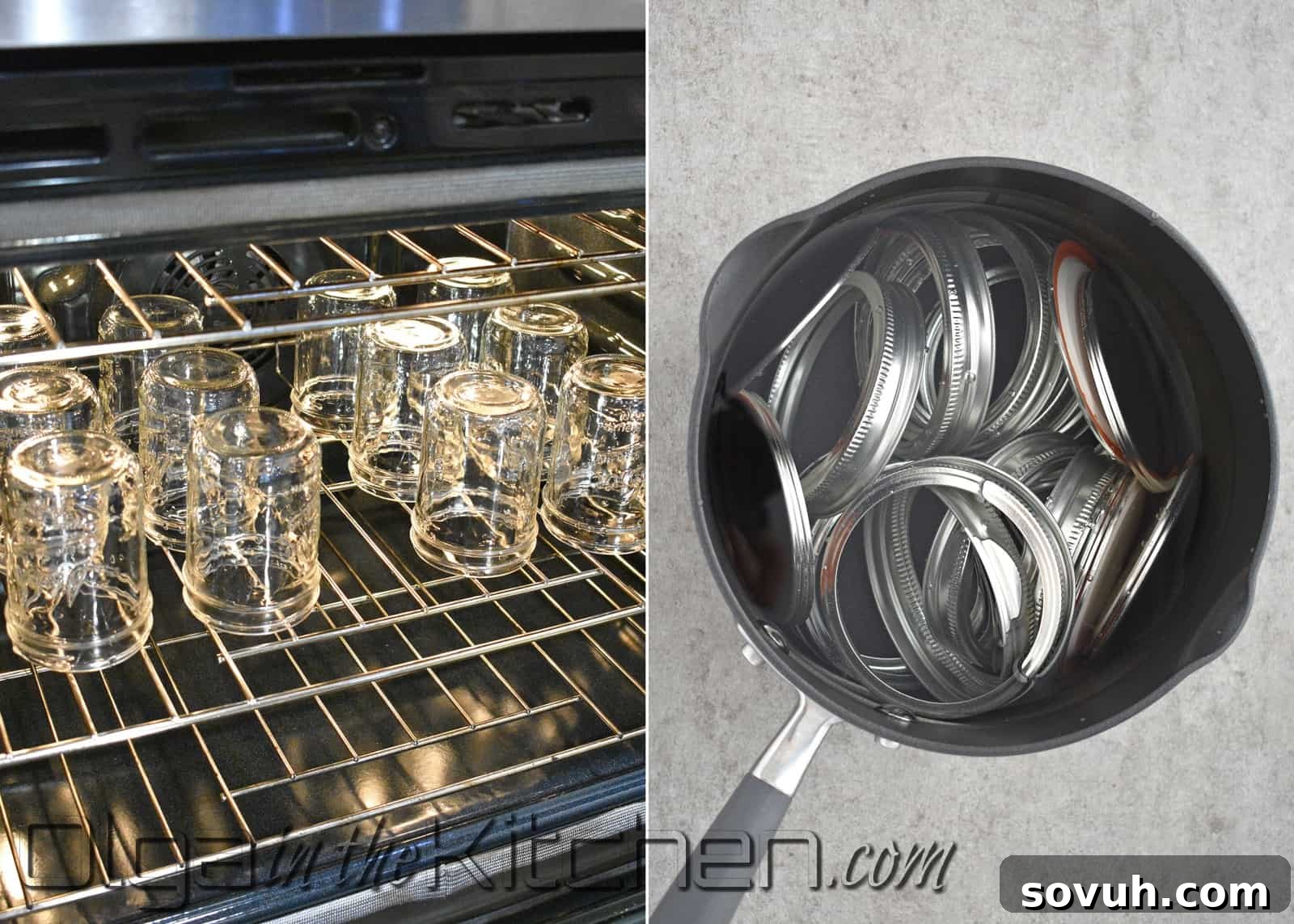
Preheat your oven to 215°F. Wash jars and lids with warm, soapy water. Place clean jars upside down on the oven’s center rack and dry them for about 20 minutes, or until completely dry. Remove jars using pot holders and set them upside down on a clean towel to avoid lint. Boil lids in a small pot of water for 4–5 minutes, then drain and place the hot lids on a towel to dry while you finish the puree.
Final Tips and Notes
- The stovetop, double-boil approach produces a softer, thinner puree that captures fresh pumpkin flavor and fills jars easily.
- Because this method includes boiling the puree twice and using sterilized jars, the author reports successful storage for extended periods in a cool refrigerator. Keep jars cool if you plan to store them long-term.
- Frozen puree tends to release more water upon thawing; drain or reduce the liquid if a recipe requires thicker consistency.
- Use homemade puree in breads, muffins, soups, sauces, and any recipe where you want a clean, bright pumpkin flavor and smooth texture.
Notes
Canning: Many sources advise caution when canning low-acid foods. The method described here relies on boiling the puree twice and using sterilized glass jars; the author finds this approach effective for longer storage in a cool refrigerator based on personal experience. If you have concerns about home canning safety, follow local food safety guidelines or consult reliable resources before long-term storage.
Quick Recipe Summary
Prep: about 15 minutes. Cook: about 1 hour 20 minutes. Total time: roughly 1 hour 35 minutes. Ingredients: pumpkin and water. The process: wash and cube the pumpkin, simmer until tender, puree to a smooth texture, boil the puree briefly, then pack into sterilized jars and cool. Store refrigerated or freeze in portions for future use.











