
How to Make Classic English Scones – Light and Fluffy
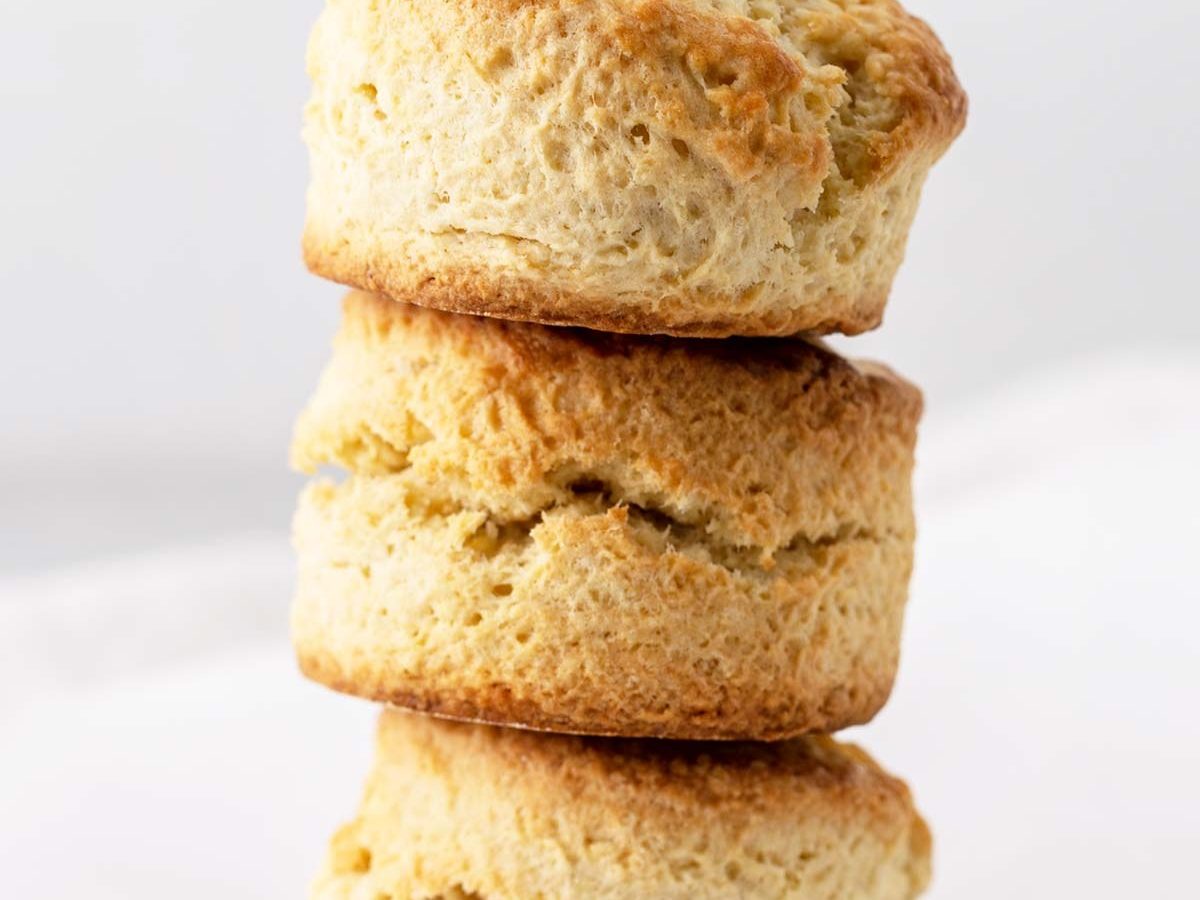
Light and delicious English scones, just like those served at afternoon tea, can be made at home with this simple 6-ingredient recipe.
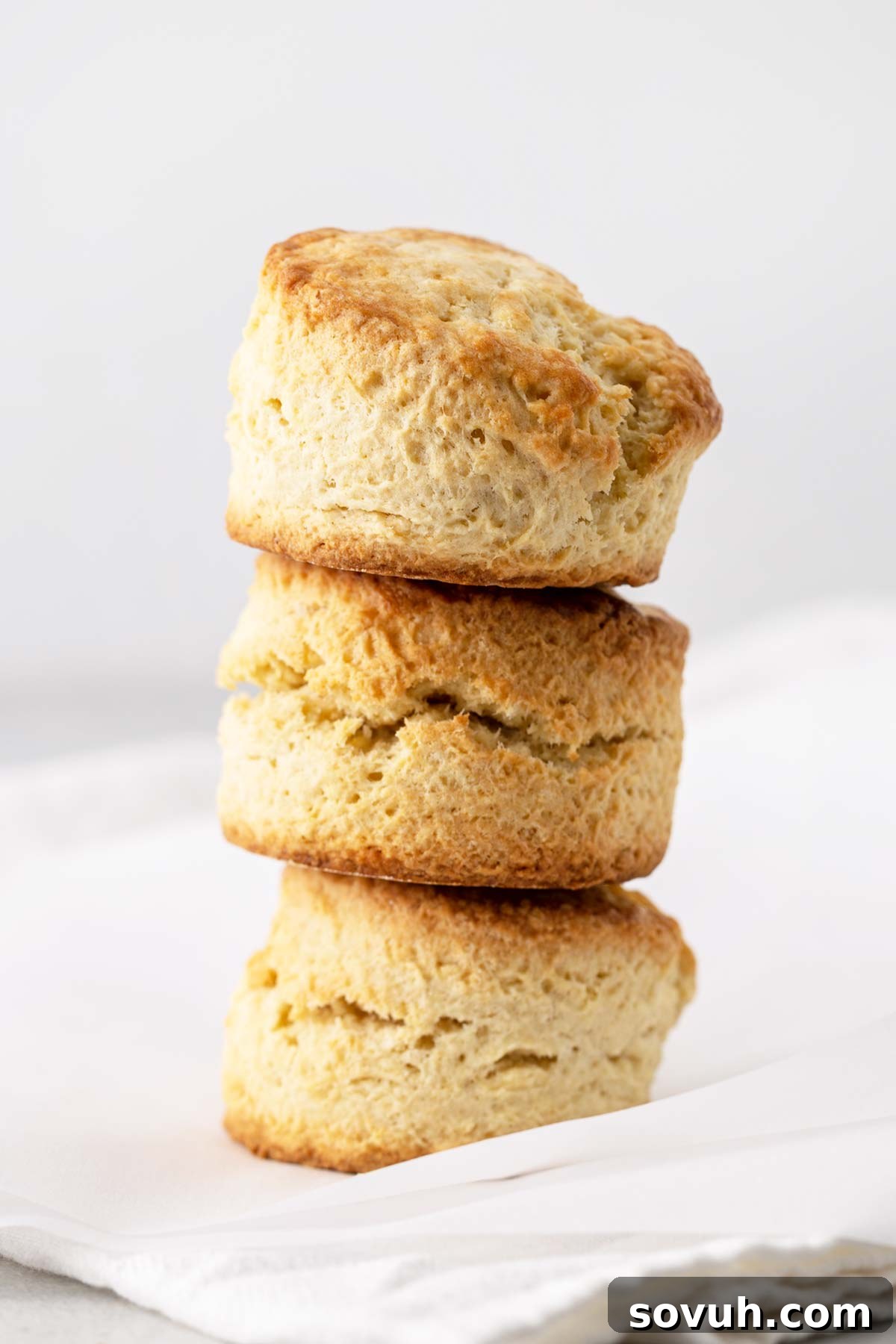
English Scones for Tea Time
How do you pronounce “scone”? In the UK it’s often pronounced “scon” (to rhyme with “gone”); in the US many people say “scone” (to rhyme with “cone”). Whatever you choose, afternoon tea feels incomplete without a batch of round English scones. These biscuit-like, subtly sweet pastries are light, flaky, and buttery — ideal with a steaming cup of tea.
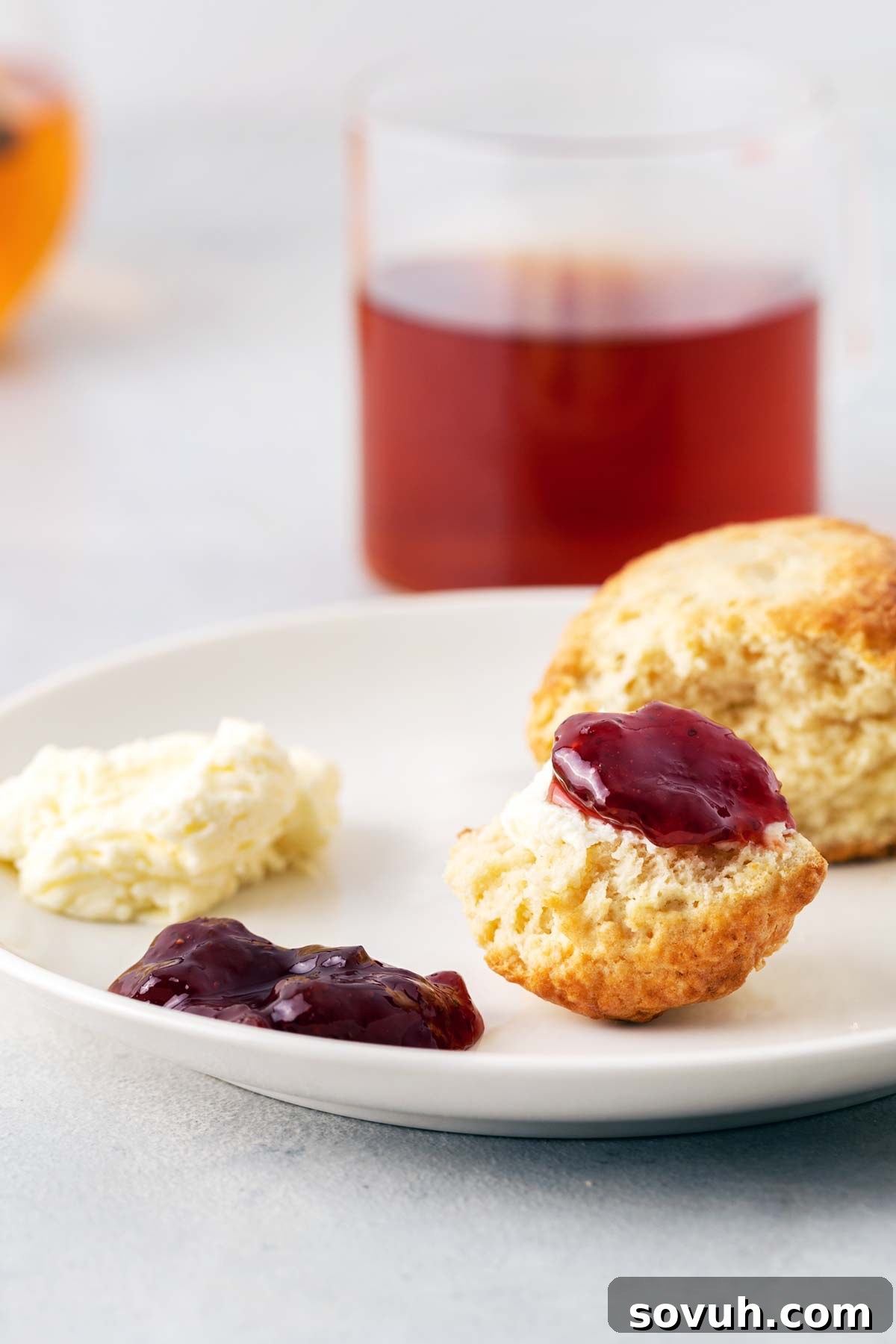
Traditional English scones are commonly served with clotted cream and jam as part of a cream tea, and they pair well with tea sandwiches and small desserts for a full afternoon tea spread.
Note from Jee

From my experience at afternoon tea in New York, I usually see round scones rather than triangular wedges. English and American scones differ: English scones tend to be taller and lighter, while some American versions are denser and shaped into triangles. English scones also typically use less butter and sugar. As for whether to spread the clotted cream or the jam first — both are fine, but I prefer clotted cream first.
Recipe Summary
- This recipe uses six simple ingredients: all-purpose flour, granulated sugar, baking powder, salted butter, heavy cream, and an egg.
- Scones are shaped round to match classic afternoon-tea style.
- Yield: about 7 to 8 scones (enough for 4 people, two scones per person).
Ingredient Notes
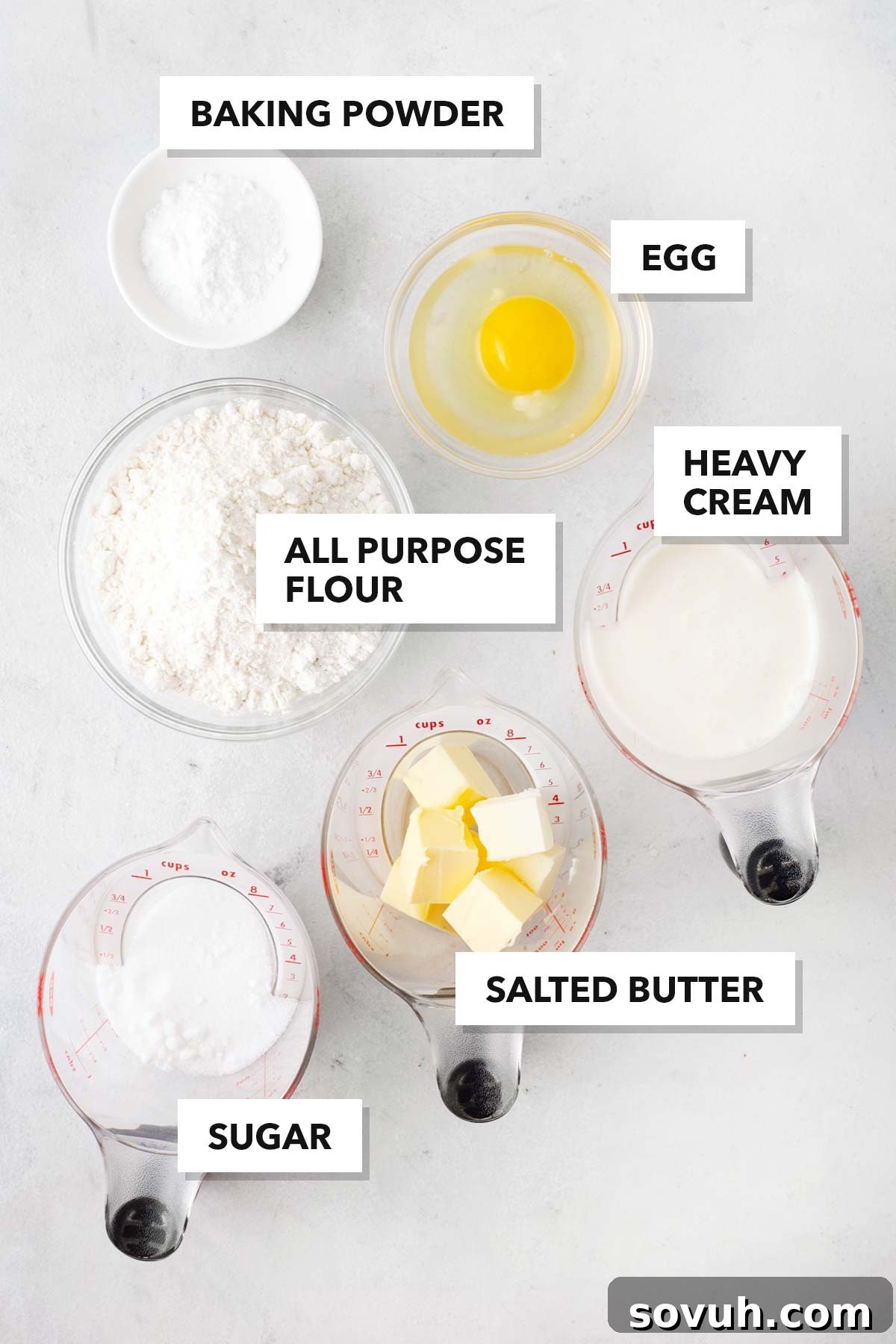
- Flour: All-purpose flour works well for a tender, flaky scone.
- Sugar: Use white granulated sugar for a clean, subtle sweetness.
- Baking powder: Essential for lift; it creates the light, airy texture.
- Salted butter: Use very cold butter. Cold butter creates flaky layers as it melts in the oven.
- Heavy cream: Adds moisture and richness to the dough.
- Egg: Enriches the dough and, combined with a little cream, provides a glossy egg wash for golden tops.
Full ingredient amounts and step-by-step instructions are provided in the recipe section below.
Step-by-Step Instructions
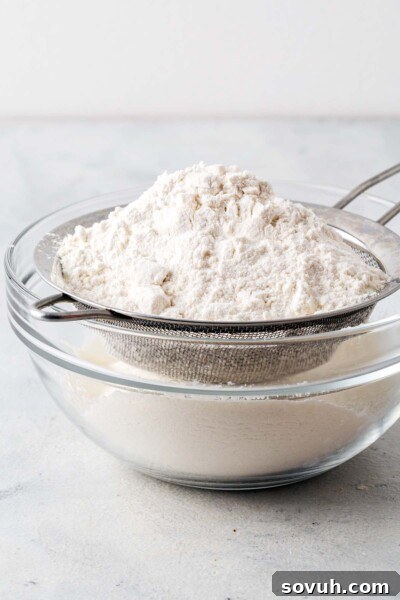
Step 1: Sift and combine the dry ingredients.
Sift the flour, sugar, and baking powder into a large bowl to remove any lumps and ensure an even texture.
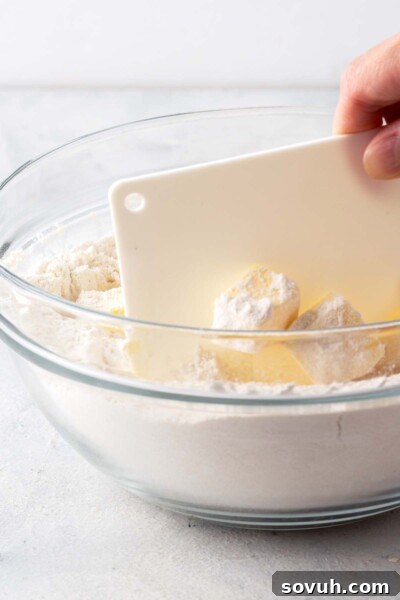
Step 2: Cut cold butter into small cubes and work it into the flour.
Use a pastry cutter, two forks, or your fingertips quickly to blend the butter into the dry mix until pea-sized pieces remain. Keep the butter cold to preserve flaky layers.
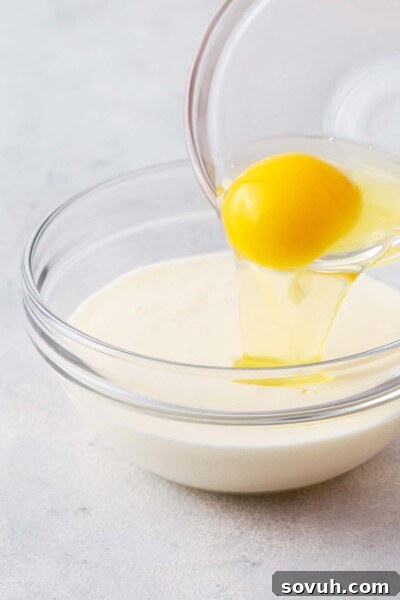
Step 3: Whisk the heavy cream and egg together.
In a small bowl, whisk 1/2 cup heavy cream with 1 large egg until smooth. Reserve 1 tablespoon of this mixture for the egg wash and chill it until needed.
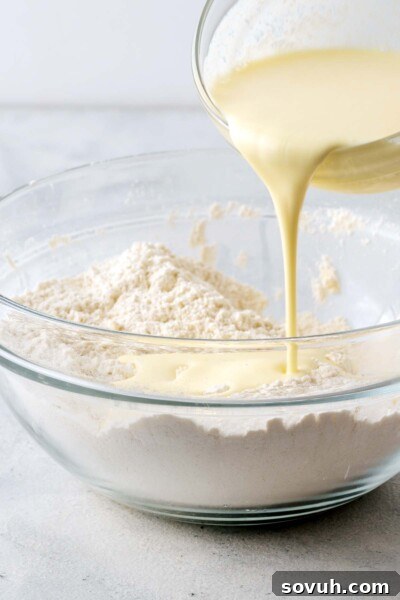
Step 4: Combine wet and dry ingredients.
Slowly pour most of the cream-and-egg mixture into the flour-butter mixture, stirring gently with a fork until the dough just starts to come together. Do not overmix; the dough should look crumbly but hold together when pressed.
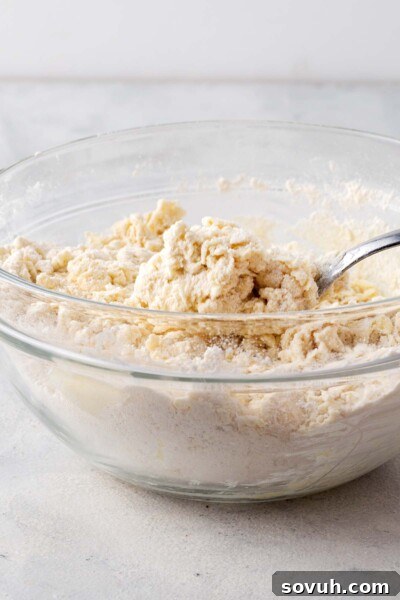
Step 5: Form and chill the dough.
Gather the dough into a rough ball. If it’s too dry, add an extra tablespoon of cream. Wrap in plastic wrap and refrigerate for at least 1 hour (or overnight) to firm up.
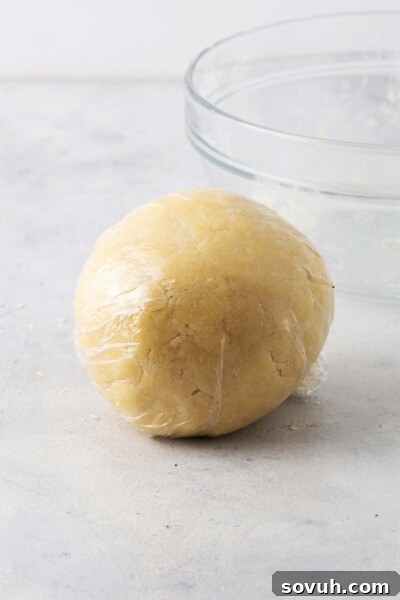
Step 6: Preheat the oven and prepare a baking sheet.
Preheat the oven to 400°F (200°C) and line a baking sheet with parchment paper.
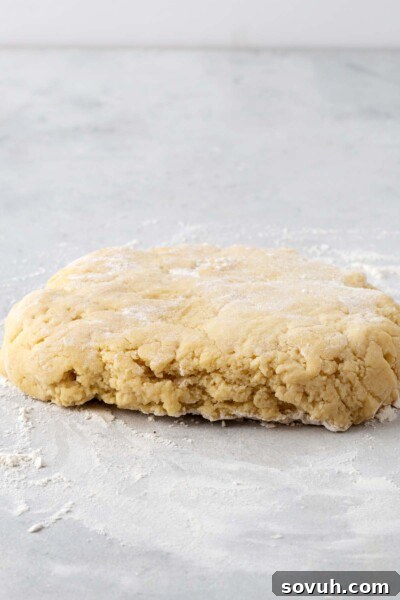
Step 7: Roll or pat the dough flat.
Lightly flour a work surface. Remove the chilled dough, knead it briefly, and flatten to about 1 to 1½ inches thick. For taller scones, fold the dough over once and flatten again to keep layers.
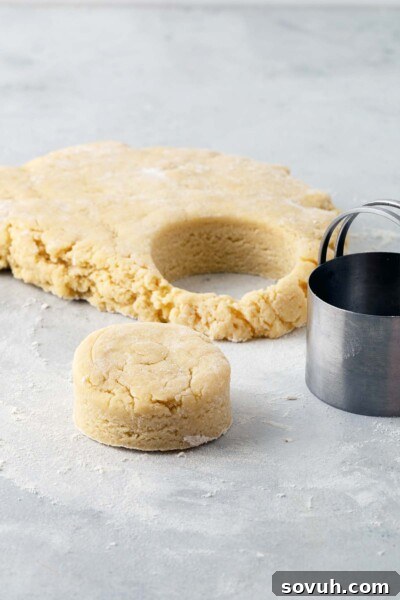
Step 8: Cut the scones.
Use a round cutter (about 2¼ inches) and press straight down without twisting. Lift the cutter straight up to keep the sides even. Re-form scraps gently and cut additional rounds.
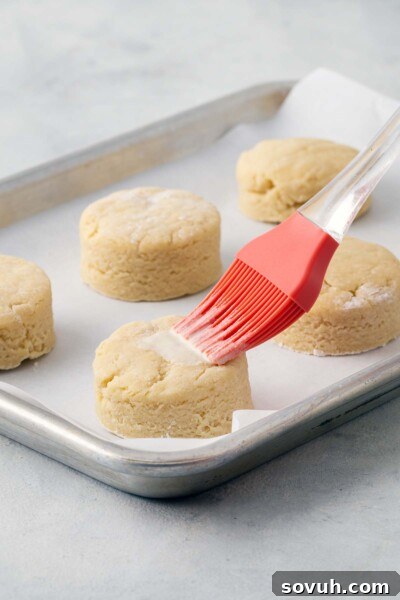
Step 9: Brush with egg wash and bake.
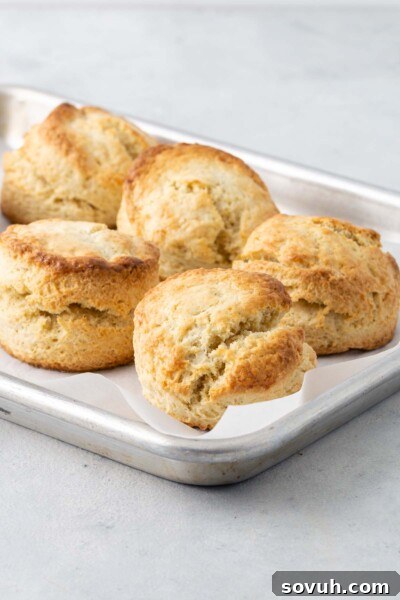
Place scones on the prepared sheet. Brush tops with the reserved tablespoon of cream-and-egg mixture. Bake at 400°F for 18–20 minutes until edges are golden and tops are lightly browned.
Step 10: Cool and serve.
Transfer scones to a wire rack to cool slightly. Serve warm with clotted cream and jam, or let cool completely and enjoy later.
Recipe Notes
Keep the butter very cold
Cold ingredients help maintain butter pieces in the dough so they melt during baking and create flaky layers. Only bring wet ingredients out of the fridge when you are ready to use them.
Be gentle with the dough
Overworking the dough develops gluten and yields tough scones. Mix only until the dough comes together and handle it minimally when shaping and cutting.
Freezing and baking from frozen
You can freeze unbaked cut scones on a tray, then transfer to a resealable bag for up to three months. When ready to bake, brush frozen tops with milk or the reserved cream-and-egg mixture and bake; you may need to add a few extra minutes to the bake time.
Expert Tips
- Sift dry ingredients for an even texture and to avoid dense pockets in the scones.
- To keep scones tall and even, do not twist the cutter—push down and pull straight up.
- Serve classic scones with clotted cream and jam for an authentic afternoon tea experience.
Round English Scones — Ingredients & Instructions
Ingredients (makes ~7 scones)
- 2 cups all-purpose flour
- 1/4 cup granulated sugar
- 1 tablespoon baking powder
- 1/3 cup salted butter, cold and cubed
- 1/2 cup heavy cream, plus 1 tablespoon reserved for egg wash
- 1 large egg
Instructions
- Preheat oven to 400°F (200°C) and line a baking sheet with parchment paper.
- Sift the flour, sugar, and baking powder into a bowl. Stir to combine.
- Cut the cold butter into small cubes and work into the dry ingredients until pea-sized pieces remain.
- Whisk together 1/2 cup heavy cream and 1 egg. Reserve 1 tablespoon of this mixture for brushing the tops and chill it.
- Pour the remaining cream-and-egg mixture into the flour and butter, mixing gently until the dough just comes together. If too dry, add a tablespoon more cream.
- Form the dough into a ball, wrap, and chill for at least 1 hour.
- On a lightly floured surface, flatten the dough to about 1 to 1½ inches thick. Fold once for layers if desired and flatten again.
- Cut rounds with a 2¼-inch cutter, pressing straight down and lifting straight up. Re-shape scraps gently and cut remaining scones.
- Place scones on the prepared sheet, brush with reserved cream-and-egg wash, and bake 18–20 minutes until golden.
- Cool on a wire rack and serve warm with clotted cream and jam or your preferred accompaniments.
Nutrition (approximate per scone)
- Calories: 304
- Carbohydrates: 35 g
- Protein: 5 g
- Fat: 16 g
- Saturated Fat: 10 g
- Sodium: 267 mg
- Sugar: 8 g
Nutrition information is an estimate and should be used only as a guideline.
If you’d like to save this recipe for later, consider bookmarking or pinning it in your personal recipe collection.











