
Green Tea vs Black Tea: Flavor, Caffeine and Antioxidants
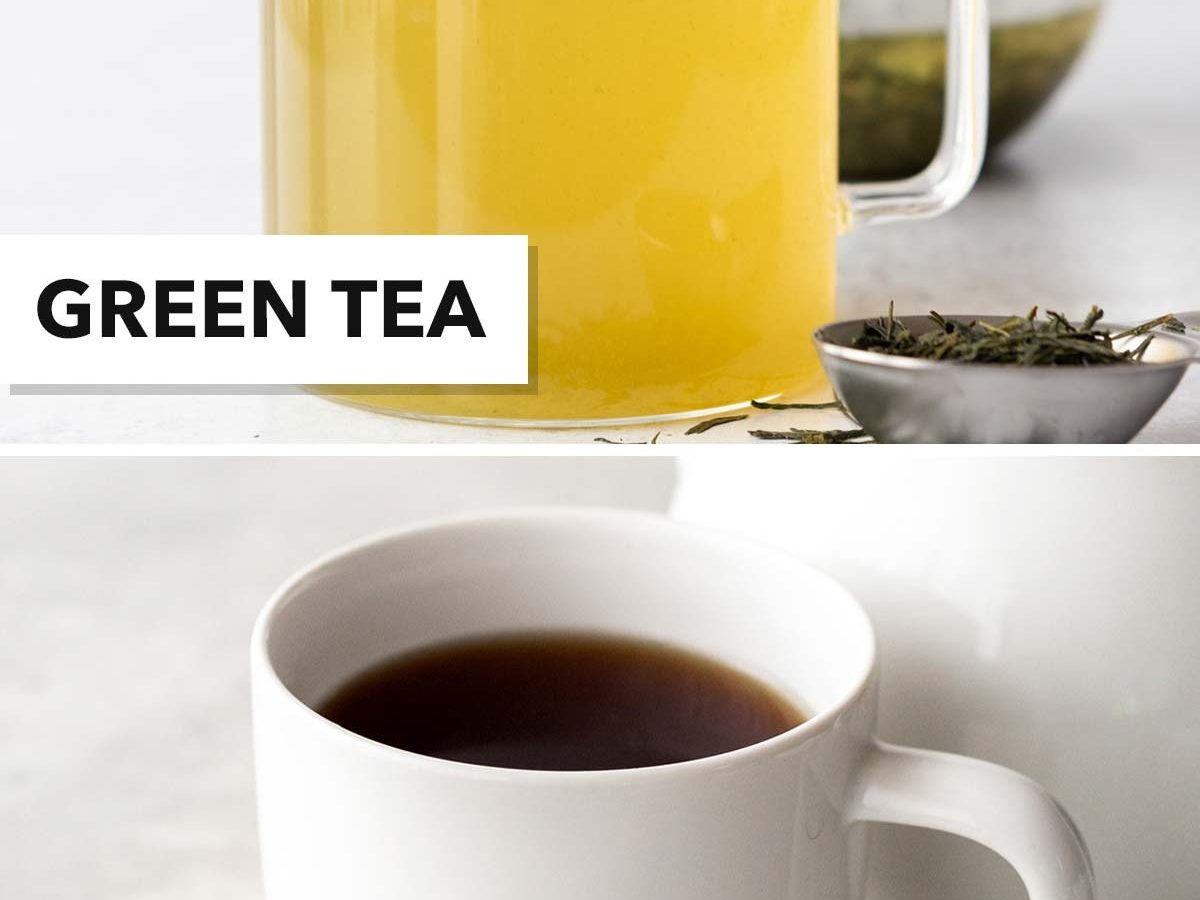
Green tea and black tea both originate from the same plant, Camellia sinensis, yet they develop distinct colors, flavors, and characteristics through different processing methods. Below is a clear, user-friendly comparison to help you understand what makes each tea unique and how to brew them for the best flavor.
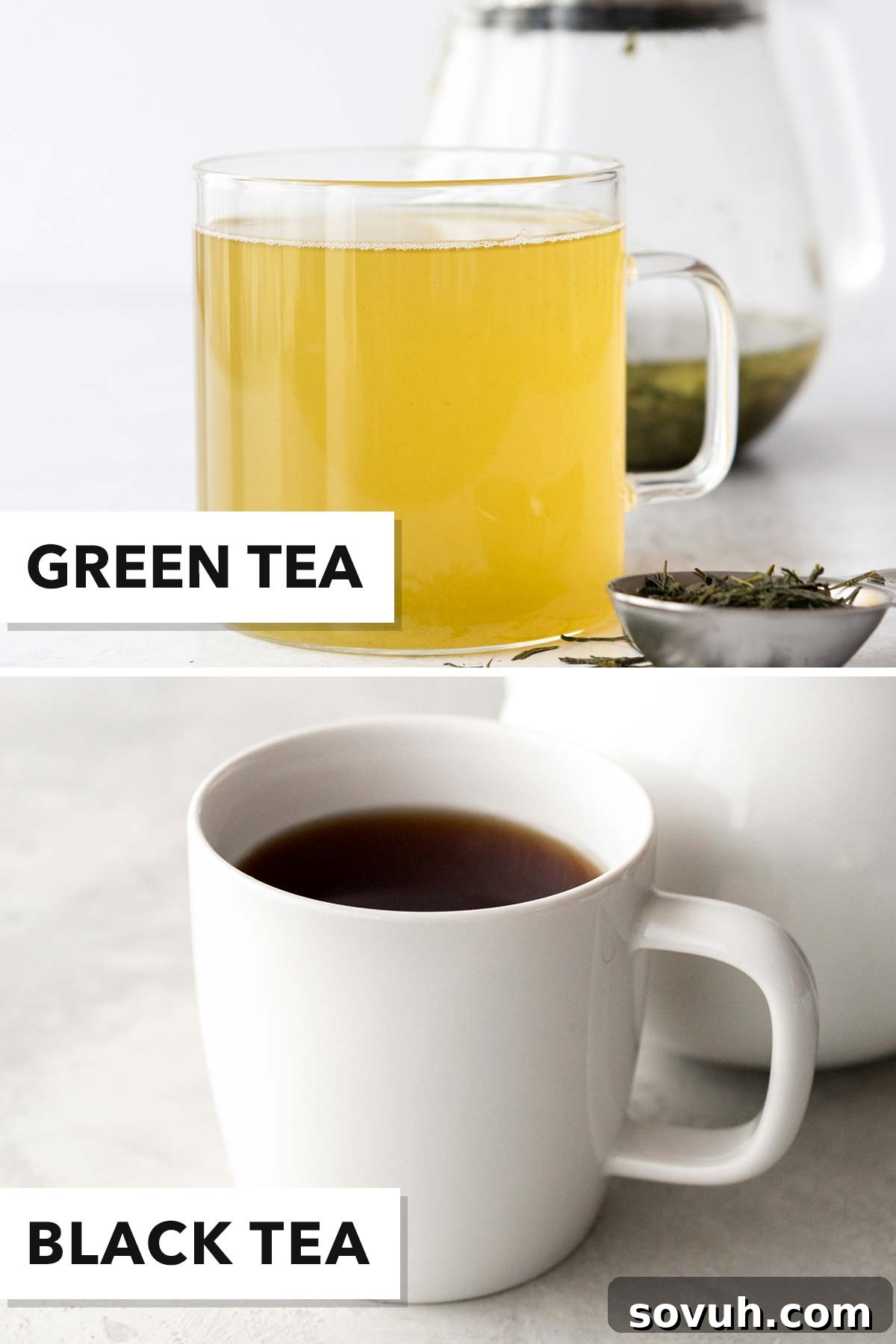
Green Tea vs. Black Tea
Both green and black teas are harvested from the same plant, Camellia sinensis, but processing—especially oxidation—creates the most noticeable differences. Below we compare color, flavor, caffeine content, origins, and preparation tips so you can choose the tea that best suits your taste and routine.
Related: Matcha vs. Green Tea: What’s the Difference?
Color
Green Tea: Green tea retains much of the leaf’s original green hue because the leaves undergo minimal oxidation during processing.
Black Tea: Black tea is oxidized for a longer period, which darkens the leaves and produces a brewed liquor that can range from reddish to deep amber or golden tones.
Flavor
Green Tea: Green tea generally offers a lighter, more delicate flavor profile. Depending on the variety and origin, it can taste grassy or vegetal, sometimes with sweet or nutty notes. The brewing method strongly influences taste—using water that’s too hot or steeping too long can make the cup bitter.
Black Tea: Black tea tends to be more robust, often described as full-bodied, malty, or astringent. Certain black teas present smoky or earthy notes while others are surprisingly smooth and slightly sweet. Because black teas are bolder, many people enjoy them with milk or sugar, though they are also commonly consumed plain.
Brewing tip: Both teas are made by steeping leaves in hot water. For green tea, avoid excessively high temperatures and long steep times to prevent bitterness. For black tea, steeping longer than about five minutes can produce a harsher, more astringent cup; follow the tea’s packaging if available.
Caffeine Content
Both green and black teas contain caffeine, but amounts vary by leaf type, preparation, and serving size.
Green Tea: A typical 8-ounce cup of green tea contains about 28 mg of caffeine.
Black Tea: A typical 8-ounce cup of black tea contains about 47 mg of caffeine, which is generally less than a standard cup of coffee but more than most green teas.
What Is Green Tea?
Green tea is a category of tea made from leaves of the Camellia sinensis plant that undergo minimal oxidation. Because processing is lighter, green tea preserves more of the leaf’s natural color and delicate flavors. Major green tea producers include China and Japan, with smaller-scale production in countries such as South Korea, India, and New Zealand.
Common types of green tea include:
- Genmaicha
- Hojicha
- Gunpowder
- Sencha
Popular green tea preparations and recipes range from simple hot brews to iced variations and creative drinks like iced green tea lemonade, cold-brew green tea, and jasmine bubble tea.
What Is Black Tea?
Black tea is the most widely consumed tea in many regions. It is produced by allowing tea leaves to oxidize fully, which develops a darker leaf and a stronger flavor. Black tea is versatile—commonly enjoyed plain, with sweeteners, or with milk—and is produced in several countries, notably China and India, with additional production in Nepal, Sri Lanka, Vietnam, Kenya, and Nigeria.
Well-known black tea varieties include:
- Earl Grey
- English Breakfast
- Ceylon
- Assam
- Lapsang Souchong
Black tea lends itself to many recipes such as milk tea, lavender iced tea, lemon iced tea, iced milk tea, and regional specialties like Hong Kong–style bubble tea.
Questions You May Have
Yes. On average, black tea contains more caffeine than green tea. Typical values are about 47 mg per 8-ounce cup for black tea and about 28 mg per 8-ounce cup for green tea, though exact amounts vary by variety and brewing method.
Yes. Both green and black teas come from the Camellia sinensis plant. The differences arise from how the leaves are processed after harvest.
Yes. Black teas tend to be more robust, bold, and sometimes bitter or malty, while green teas are typically milder and can range from grassy and vegetal to sweet and nutty. Each category contains many varieties with distinct flavor profiles.
Related
- Where to Buy Tea Online
- 17 Best Earl Grey Tea Recipes
- 30 Refreshing Iced Tea Recipes
- 17 Delicious Bubble Tea Recipes
- How to Make a Tea Latte











