
Green Tea and Desserts: Perfect Pairings
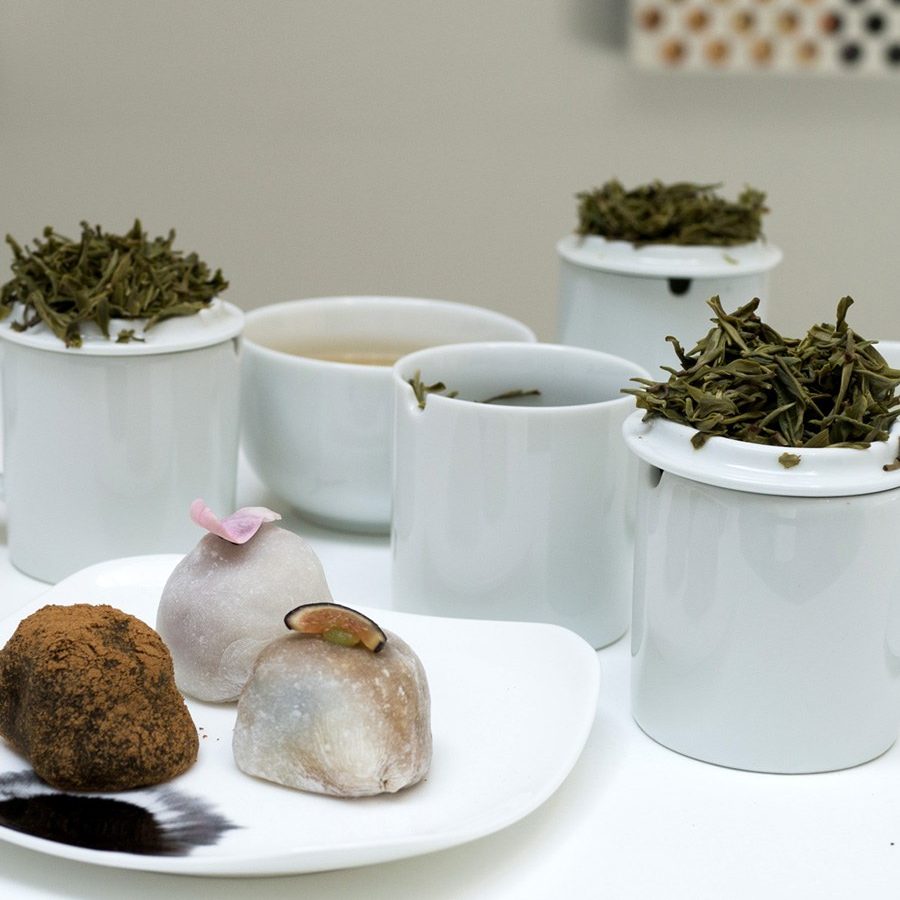
I organized a tea pairing session with mochi to discover which combinations complemented each other best. Below I share the tasting process, observations, and practical tips for pairing green teas with rice-based sweets.
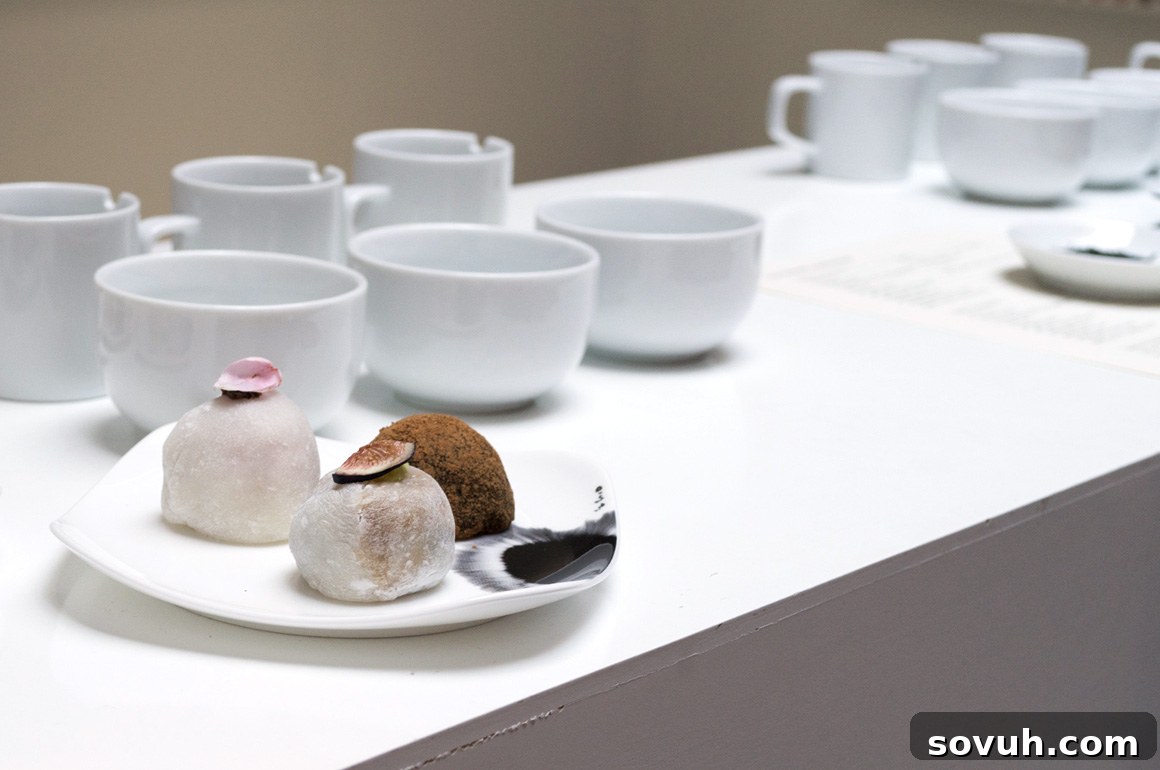
Green Tea Pairing: How to Match Green Tea and Mochi
Green tea is lightly oxidized, which helps it keep a fresh green hue and a delicate flavor compared with more oxidized teas like oolong or black tea. You can generally tell how oxidized a tea is from the color and texture of the leaves: greener, steamed teas often taste more vegetal and bright, while pan-fired varieties lean toward nutty or toasty notes.
Regional processing affects flavor: Japanese green teas are commonly steamed, producing a vegetal, sometimes seaweed-like or spinach character with a gentle sweetness. Chinese and Korean green teas may be pan-fired or roasted, which develops warm, nutty, or chestnut-like flavors. When brewed with appropriate water temperature and steep time, green tea should not taste harsh or overly bitter.
For this tasting, Sara, Georgia, and I selected three representative green teas: a Japanese Sencha, a Chinese Dragonwell (Longjing), and a Korean Woojeon. We prepared tasting notes and a simple protocol so we could compare objectively and remember our impressions.
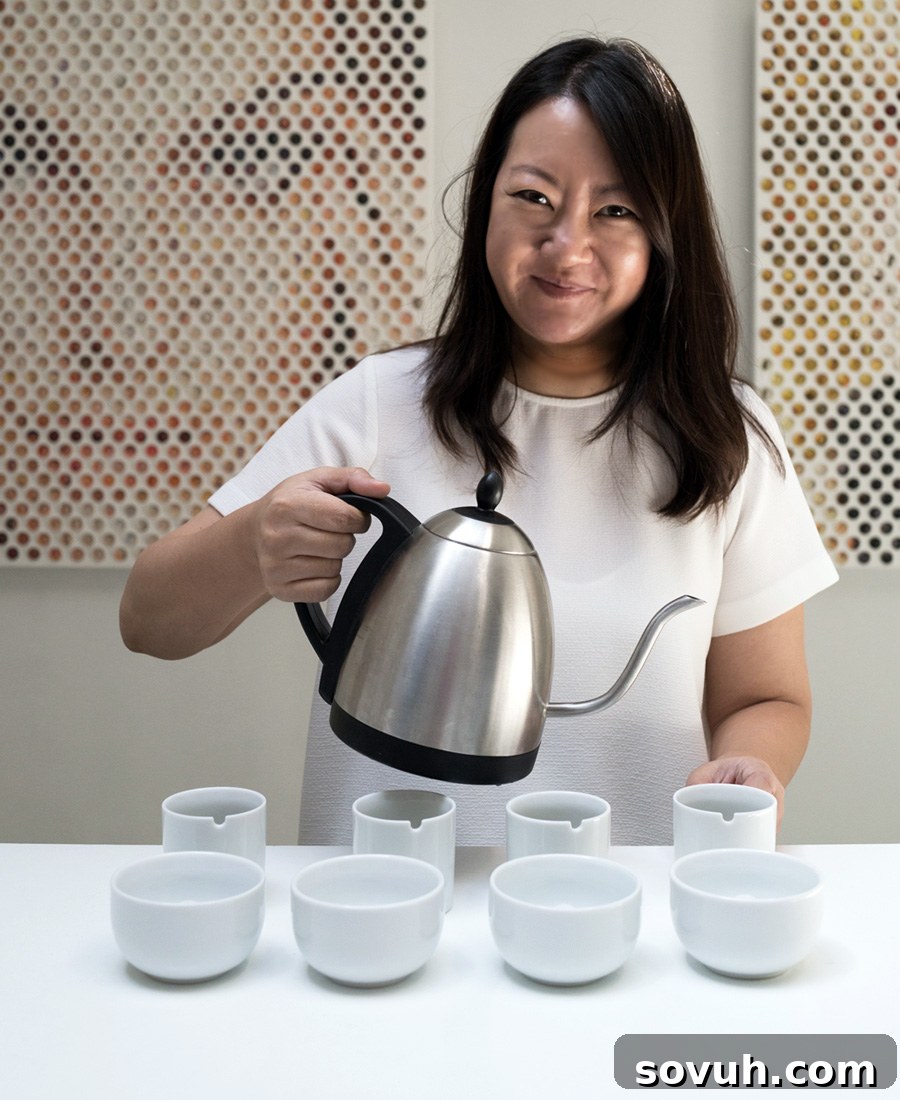
To decide the tasting order, we consulted each tea’s brewing guidance and started with the tea that recommended the lowest water temperature, indicating a more delicate brew. We used professional tasting cups and weighed leaves to keep each cup consistent. We also embraced the traditional slurping method to aerate the tea and spread it across the palate, which helps reveal subtle flavors and finish.
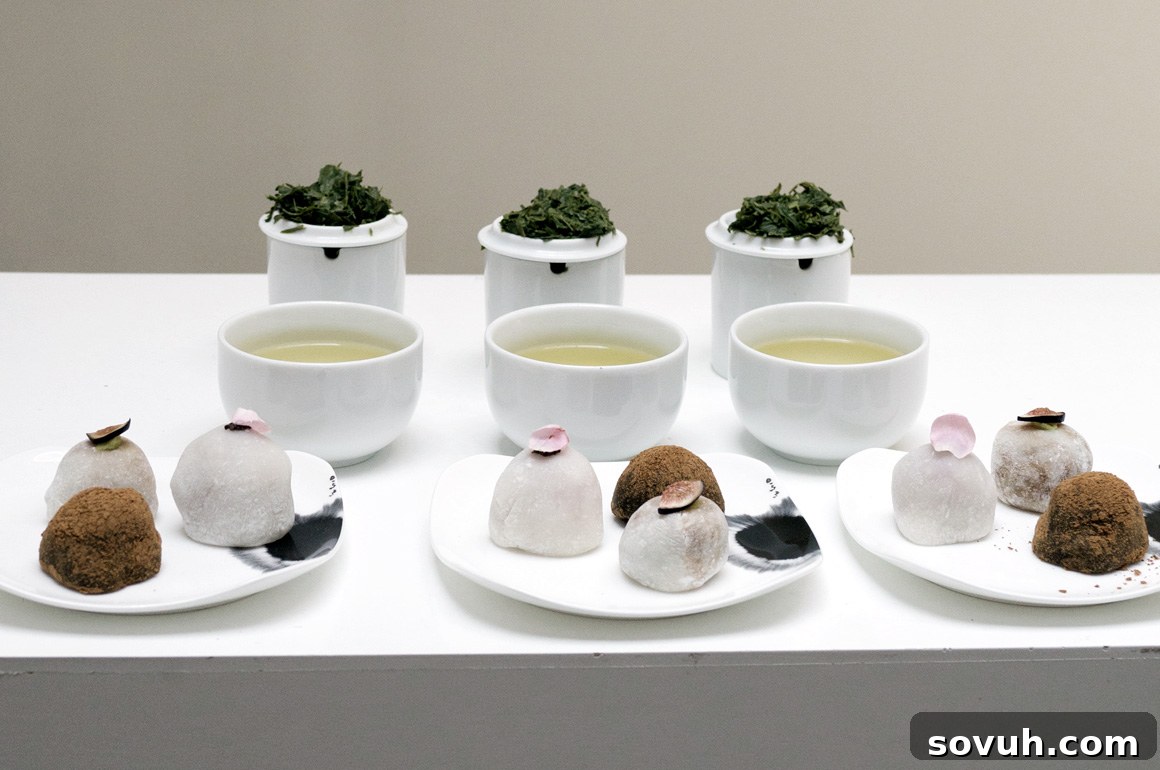
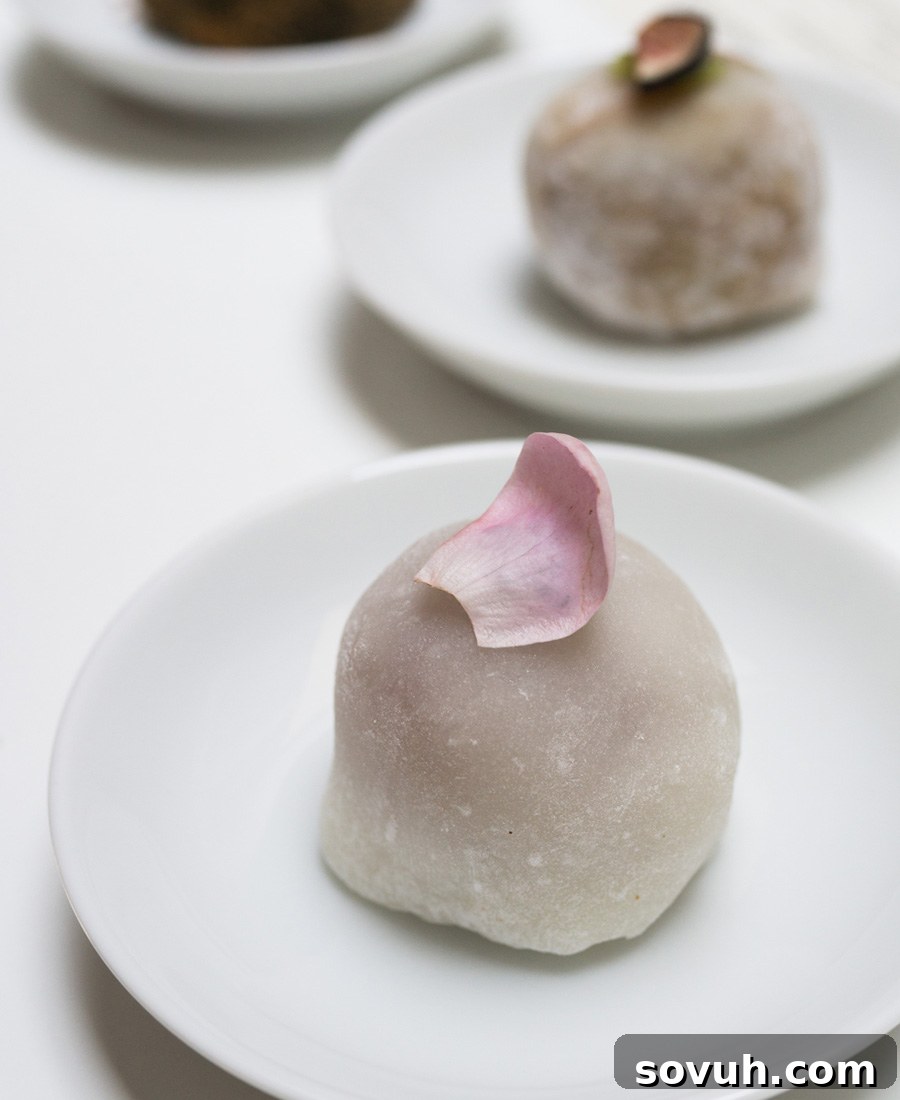
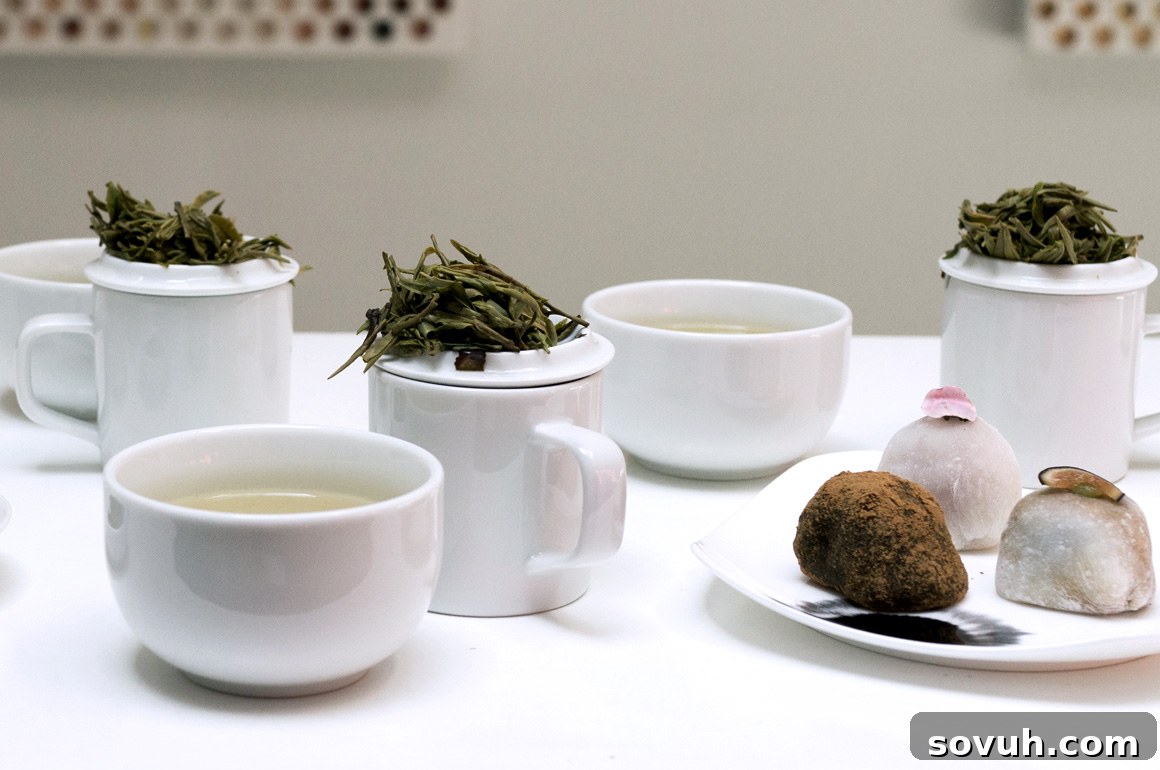
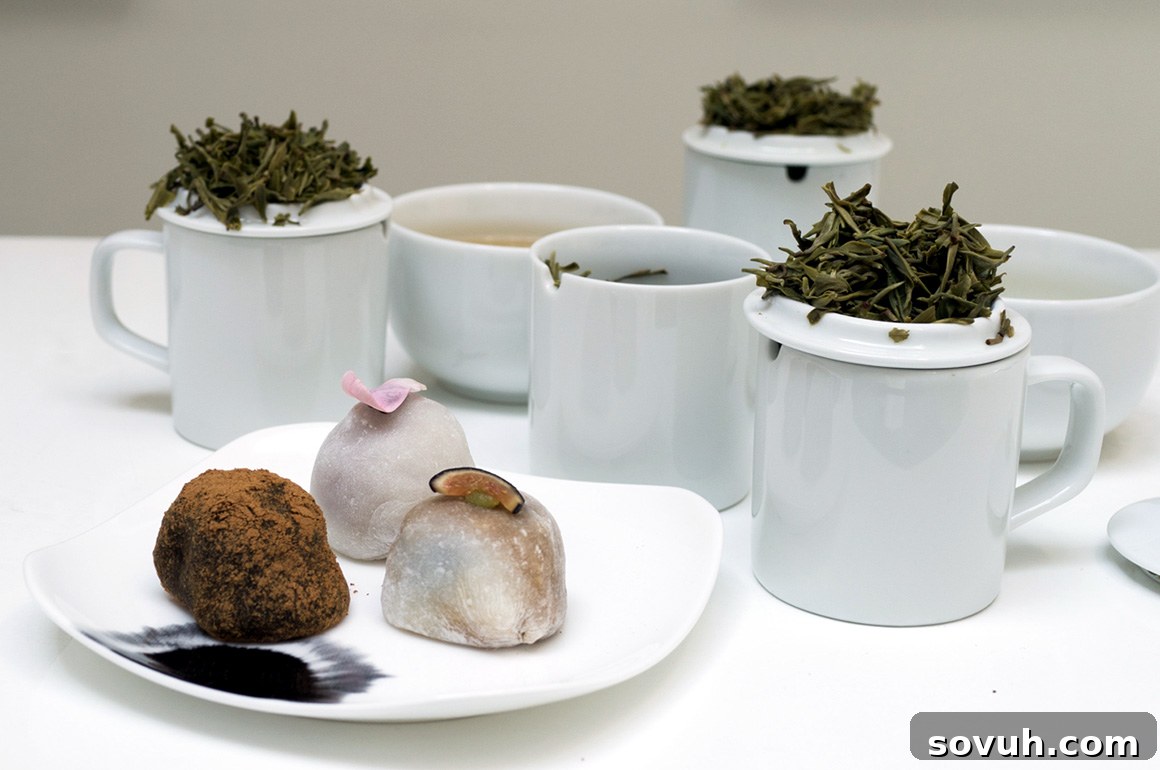
For sweets, we chose three kinds of mochi: a strawberry-and-rose mochi with a whole fresh strawberry inside, a fig-and-pistachio mochi, and a red-bean paste mochi flavored with cinnamon. Mochi’s chewy texture and rice sweetness make it an excellent partner for green tea; the neutral rice base highlights either complementary or contrasting notes in the tea.
Sencha (Japanese): brewed first, the Sencha showed bright vegetal notes reminiscent of steamed greens with a subtle sweetness. Its vivid green character and fresh finish paired especially well with the fig-and-pistachio mochi. The nutty fruit filling balanced the tea’s vegetal profile and highlighted the Sencha’s sweeter undertones.
Dragonwell (Longjing, China): this pan-fired tea delivered a sweet, slightly nutty character with just a touch of vegetal flavor. When tasting, we alternated bites of mochi with sips of tea to evaluate synergy. The fig-and-pistachio mochi again emerged as the best match because its nutty, slightly earthy taste complemented the tea’s toasty notes. The strawberry-and-rose mochi provided a bright contrast, while the cinnamon-and-red bean mochi was pleasant but less harmonious with Dragonwell’s delicate roast.
Woojeon (Korean): this pan-fired Korean tea had distinct chestnut and toasted notes that I found especially enjoyable. Its warm, nutty profile meant it blended seamlessly with the fig-and-pistachio mochi once again, while the cinnamon-and-red-bean mochi placed a close second because the spice echoed the tea’s roasted character. The strawberry-and-rose mochi offered a refreshing contrast but did not amplify the Woojeon’s signature nuttiness the way the fig-and-pistachio did.
Across the three teas, the fig-and-pistachio mochi consistently paired best because both the teas and that mochi shared nutty, toasty, or earthy qualities. Matching similar flavor families—nutty with nutty, roasted with roasted—created a sense of cohesion that felt pleasing on the palate. The strawberry-and-rose mochi worked well as a contrasting partner, brightening the teas and offering palate-cleansing acidity from the fresh strawberry. The red-bean-and-cinnamon mochi performed best as a supporting partner, especially with the more roasted green teas.
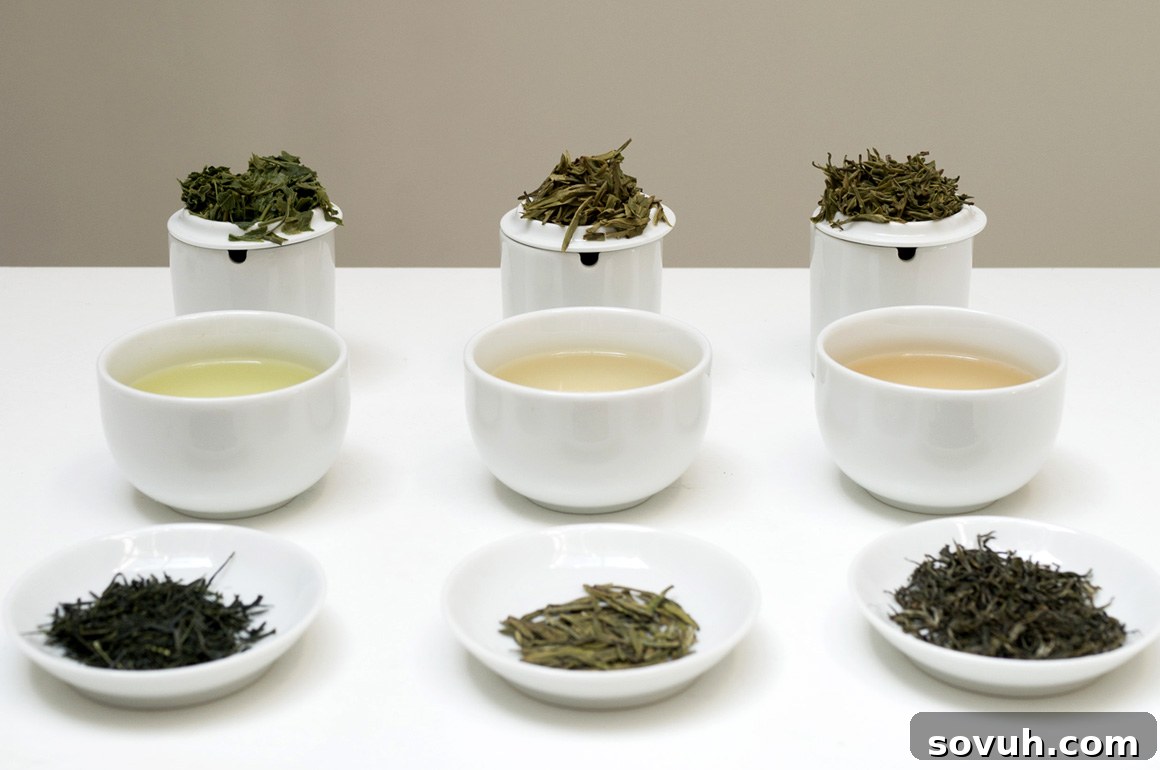
Visually, each green tea brewed to a slightly different shade. The steamed Sencha retained the greenest hue, reflecting its processing method. The Dragonwell’s color leaned toward pale gold from its shorter pan-firing, and the Woojeon showed a deeper tone, consistent with a longer or slightly darker pan-firing. These visual cues often align with the tasting impressions: greener teas taste fresher and more vegetal, while paler gold to deeper tones suggest roast and nuttiness.
Practical tips from this session: brew green tea gently with water that’s cooler than boiling and watch steep time to avoid bitterness; use small tasting cups and take deliberate slurps to evaluate mouthfeel and finish; try pairing green teas with rice-based sweets, nuts, or mildly spiced fillings to either harmonize or contrast flavors; and cleanse the palate with water or a plain bite of mochi between samples.
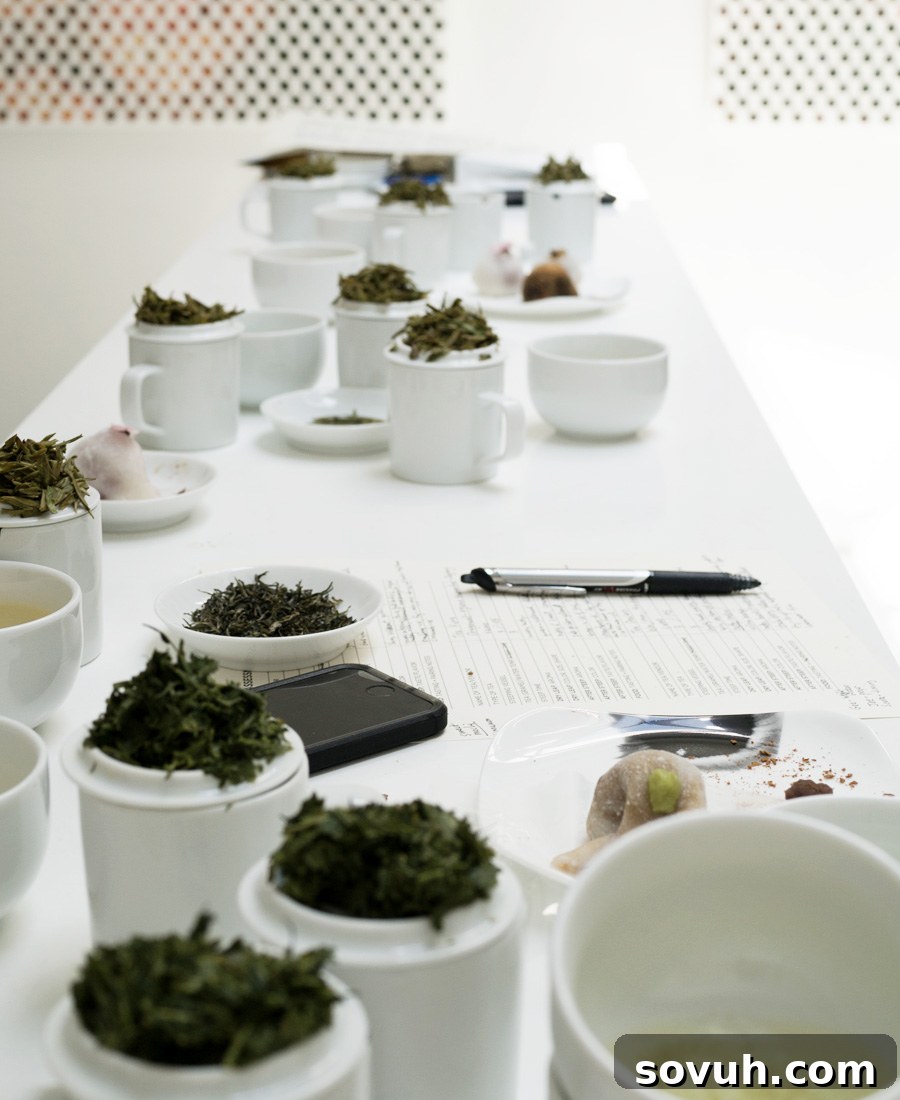
The delightful mess we make at every tea pairing session says it all: experimenting, tasting, and discussing creates both tasty discoveries and memorable moments. If you enjoy green tea and sweets, try a small tasting of your own—start with one steamed and one pan-fired tea, select two or three contrasting sweets, and let your palate guide you.
Related
- Pairing Oolong Tea with Fruit
- Pairing White Tea with Cheese
- Want to Get Into Oolong Tea? Start Here.











