
Essential Vegan Keto Grocery List for Meal Planning
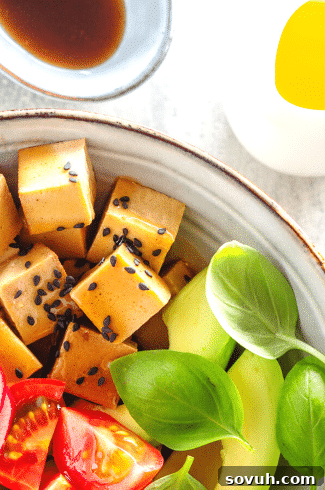
Following a vegan keto diet can make grocery shopping feel overwhelming, especially when you’re figuring out which plant-based items fit a low-carb plan. To simplify your trips, here’s a concise, practical and SEO-friendly vegan keto shopping list that covers essentials for meals, snacks and pantry staples. Use it to plan balanced, low-carb, plant-based meals without stress.
Vegan keto basics: emphasize non-starchy vegetables, healthy plant fats (avocado, coconut, olive), nuts and seeds, and concentrated plant proteins such as tofu, tempeh and seitan. Prioritize whole, unprocessed foods and limit highly processed vegan convenience items.
Vegan Keto Shopping List
1. Non-starchy Vegetables: Low-Carb Staples
Non-starchy vegetables are the foundation of a vegan keto diet—low in net carbs and rich in vitamins, minerals and fiber. Keep a variety on hand for salads, sautés, roasts and low-carb swaps like cauliflower rice or zucchini noodles.
- Leafy greens: spinach, kale, Swiss chard, collard greens—great for salads, smoothies and cooked dishes.
- Cruciferous vegetables: broccoli, cauliflower, Brussels sprouts and cabbage—roast, steam, or mash as low-carb sides.
- Zucchini and cucumber: versatile for zoodles, salads and snacking.
- Bell peppers: colorful, low-carb additions for stir-fries, stuffed peppers or raw snacks.
- Asparagus and green beans: simple roasted or steamed sides seasoned with olive oil and herbs.
Always check carb counts to fit your daily target, and rotate vegetables for variety and nutrition.
2. Fats & Oils: Keep Meals Satisfying
Healthy fats are essential on keto to promote fullness and provide energy. Stock a few quality plant-based fats for cooking, dressings and snacks.
- Coconut oil: versatile for cooking, baking, or adding to drinks.
- Extra-virgin olive oil: ideal for dressings, low-heat cooking and finishing dishes.
- Avocado oil: high smoke point for higher-heat cooking and grilling.
- MCT oil: concentrated medium-chain triglycerides often added to coffee or smoothies.
- Nuts and seeds: almonds, walnuts, macadamia nuts, chia, flax and hemp for fats, protein and texture.
- Nut & seed butters: natural, unsweetened almond, cashew or sunflower butter—watch portions.
- Avocados: excellent source of monounsaturated fats, fiber and potassium.
3. Plant Protein Sources
Meeting protein needs is achievable on a vegan keto plan with concentrated plant proteins and seeds. Include a mix of whole-food proteins and powders if needed.
- Tofu: firm or extra-firm for stir-fries, scrambles and baking.
- Tempeh: fermented soy with a firm texture and nutty flavor.
- Seitan: wheat gluten with a meat-like texture (not suitable for gluten-sensitive diets).
- Nuts & seeds: almonds, walnuts, hemp, chia and flax provide protein and healthy fats.
- Vegan protein powders: pea, hemp or brown rice protein can help meet targets—choose unsweetened varieties.
4. Vegan Keto Snack Ideas
Planning snacks helps avoid high-carb temptations. Keep easy, grab-and-go options available for busy days.
- Homemade trail mix: a mix of nuts, seeds and unsweetened coconut flakes; add a few sugar-free dark chocolate chips if desired.
- Kale chips or flaxseed crackers: baked and seasoned for a crunchy alternative to chips.
- Energy balls: nut butter, seeds, a sugar-free sweetener and optional vegan protein powder—store chilled.
- Veggie sticks with dip: cucumber, bell pepper and celery with avocado-based dips or dairy-free dressings.
Prepping snacks ahead makes it easier to stick to your goals while out and about.
5 Tips for Building Your Vegan Keto Shopping List
- Plan meals: map out breakfasts, lunches, dinners and snacks for the week and list needed ingredients.
- Shop the store perimeter: focus on produce, plant proteins and oils rather than processed center-aisle items.
- Be adventurous: try new vegetables, seasonings and plant proteins to prevent boredom.
- Buy non-perishables in bulk: nuts, seeds and flours can save money when purchased in larger quantities.
- Read labels: watch for hidden sugars and high-carb additives in packaged products.
Money-Saving Strategies
- Buy bulk staples: stock up on nuts, seeds and coconut oil to lower costs over time.
- Choose seasonal produce: seasonal vegetables are typically fresher and less expensive.
- Make your own condiments: homemade dressings, mayo and sauces reduce added sugars and save money.
Keto Foods: Which Are Vegan?
| Keto Foods | Vegan |
|---|---|
| Avocado | Yes |
| Coconut oil | Yes |
| Olive oil | Yes |
| Almonds | Yes |
| Macadamia nuts | Yes |
| Walnuts | Yes |
| Chia seeds | Yes |
| Flaxseeds | Yes |
| Hemp seeds | Yes |
| Pumpkin seeds | Yes |
| Sunflower seeds | Yes |
| Tofu | Yes |
| Tempeh | Yes |
| Seitan | Yes |
| Unsweetened almond milk | Yes |
| Unsweetened coconut milk | Yes |
| Unsweetened coconut yogurt | Yes |
| Nutritional yeast | Yes |
| Dark leafy greens | Yes |
| Broccoli | Yes |
| Cauliflower | Yes |
| Zucchini | Yes |
| Asparagus | Yes |
| Bell peppers | Yes |
| Cucumber | Yes |
| Mushrooms | Yes |
| Olives | Yes |
| Eggs | No |
| Cheese | No |
| Butter | No |
| Heavy cream | No |
| Ghee | No |
| Meat | No |
| Fish | No |
| Shellfish | No |
| Full-fat dairy yogurt | No |
Vegan Keto Grocery List by Category
1. Protein
- Tofu (firm, extra-firm)
- Tempeh
- Seitan
- Edamame
- Lupini beans
- Textured vegetable protein (TVP)
- Vegan protein powder (pea, hemp, brown rice)
2. Dairy Alternatives
- Unsweetened almond milk
- Unsweetened coconut milk
- Unsweetened cashew milk
- Unsweetened soy milk
- Dairy-free coconut yogurt
- Almond or cashew yogurt
- Vegan cheese alternatives (nut-based or nutritional yeast blends)
3. Fibrous Vegetables
- Broccoli
- Cauliflower
- Brussels sprouts
- Cabbage
- Green beans
- Bok choy
- Swiss chard
- Collard greens
- Artichokes
- Eggplant
- Okra
- Fennel
4. Fatty Vegetables
- Avocado
- Olives
5. Salad Greens
- Spinach
- Kale
- Arugula
- Romaine
- Butterhead lettuce
- Endive
- Radicchio
- Watercress
6. Fruit (limited)
- Blackberries
- Raspberries
- Strawberries
- Blueberries (in moderation)
- Lemon
- Lime
7. Fats & Oils
- Coconut oil
- Olive oil
- Avocado oil
- MCT oil
- Flaxseed oil
- Walnut oil
- Sesame oil
8. Nuts & Seeds
- Almonds
- Walnuts
- Macadamia nuts
- Pecans
- Hazelnuts
- Brazil nuts
- Chia seeds
- Flaxseeds
- Hemp seeds
- Pumpkin seeds
- Sunflower seeds
- Sesame seeds
- Poppy seeds
9. Condiments & Sauces
- Apple cider vinegar
- Balsamic vinegar (use sparingly)
- Red wine vinegar
- Mustard
- Hot sauce
- Soy sauce or tamari
- Liquid aminos
- Nutritional yeast
- Sugar-free ketchup, BBQ sauce and salad dressings
- Sugar-free salsa and pickles
- Capers and sugar-free relish
10. Herbs & Spices
- Basil
- Cilantro
- Parsley
- Mint
- Thyme
- Rosemary
- Oregano
- Dill
- Chives
- Tarragon
- Sage
11. Baking Supplies & Sweeteners
- Almond flour
- Coconut flour
- Flax meal
- Psyllium husk powder
- Erythritol
- Stevia
- Monk fruit sweetener
- Xanthan gum
- Baking powder (aluminum-free)
- Baking soda
- Unsweetened cocoa powder
- Unsweetened coconut flakes
- Sugar-free dark chocolate or chips
Why Choose a Plant-Based Approach?
A plant-based approach can improve overall health, support weight management, and reduce intake of processed animal fats. When structured correctly, a vegan keto diet delivers essential nutrients through vegetables, nuts, seeds and concentrated plant proteins. Many people enjoy the environmental and ethical benefits of eating more plants alongside the metabolic advantages of reduced carbohydrates.
If you’re transitioning, consider starting with a few plant-based meals each week, then increase as you become comfortable with keto-friendly ingredients and meal prep routines.
What the Experts Say
A number of clinicians and registered dietitians note that a carefully planned ketogenic diet can be adapted to a vegan pattern. The emphasis is on whole, nutrient-dense plant foods, sufficient protein, and adequate healthy fats to sustain energy and satiety. Planning and variety are key to long-term success.
Final Thoughts
Transitioning to a vegan keto lifestyle is manageable with a well-organized shopping list and a few go-to recipes. Focus on nutrient-dense, low-carb plant foods, stock vegan pantry staples, include reliable protein sources, and prepare snacks ahead of time. With planning and variety, you can maintain a balanced, satisfying vegan keto diet that supports your health goals.
Sources
- Cole, W. (2018). Ketotarian: The (Mostly) Plant-Based Plan to Burn Fat, Boost Your Energy, Crush Your Cravings, and Calm Inflammation.
- Spritzler, F. (2017). The Low Carb Dietitian’s Guide to Health and Beauty: practical tips for low-carb, whole-food eating.
- O’Neill, L. (2018). The Essential Vegan Keto Cookbook: plant-based ketogenic recipes and meal ideas.
If this guide was helpful, use it as a starting point for meal planning and adjust quantities to match your daily carb goals and calorie needs. Happy shopping—and enjoy experimenting with plant-based, low-carb cooking!











