
Unlock the incredible benefits of homemade chicken bone broth with ease! This comprehensive guide shows you how to make a rich, flavorful, and nutrient-dense chicken bone broth in your Instant Pot in just a few hours. Say goodbye to store-bought versions and hello to a culinary staple that supports your health and elevates your cooking.

Mastering Instant Pot Chicken Bone Broth: A Step-by-Step Guide
Diving into the world of homemade bone broth can feel intimidating, but with an Instant Pot, it becomes a simple and rewarding endeavor. For many, including myself, making this wholesome liquid was one of the first successful culinary adventures with a new Instant Pot. Given its versatility in countless recipes and its incredible health benefits, especially for those following a ketogenic diet or seeking general wellness, learning to make chicken bone broth at home is a game-changer.
What sets bone broth apart from regular stock or broth is its extended cooking time, which allows for maximum extraction of vital vitamins, minerals, collagen, and amino acids from the bones and connective tissues. This prolonged simmer transforms simple ingredients into a highly therapeutic and nutrient-rich elixir. Traditionally, this process could take 12-24 hours on the stovetop. However, the Instant Pot dramatically cuts down this time, enabling you to achieve that deep, rich flavor and gelatinous texture in a fraction of the time – typically just a few hours!
If you’re new to the Instant Pot, don’t worry! It’s a versatile kitchen appliance that simplifies complex cooking processes. You can find many beginner guides to help you understand the basics of using your Instant Pot before you embark on this delicious bone broth journey.

Broth, Bone Broth, and Stock: Understanding the Key Differences
While often used interchangeably, broth, bone broth, and stock have distinct characteristics that influence their flavor, texture, and nutritional profile. Understanding these differences will help you appreciate the unique value of a well-made bone broth.
Bone Broth: The Nutrient Powerhouse
Bone broth, as its name suggests, is primarily made from the bones of animals like chicken or beef, often including small scraps of meat and connective tissues. It is cooked for an extended period, typically 6 to 24 hours on a stovetop, or significantly less in a pressure cooker. This long cooking process is crucial because it allows the bones and connective tissues to thoroughly break down, releasing a high concentration of essential nutrients, minerals (like calcium, magnesium, and phosphorus), collagen, gelatin, and amino acids (such as glycine and proline) into the liquid.
A tell-tale sign of a high-quality bone broth is its tendency to gel as it cools. This gelatinous consistency is due to the abundant collagen extracted from the bones and connective tissues. Don’t be alarmed; this gel is a prized indicator of its richness and nutritional density! Once heated, it will return to a liquid state, ready to be enjoyed.
Stock: A Culinary Foundation
Stock is quite similar to bone broth in that it is also made with bones and often includes some vegetables (mirepoix: carrots, celery, onion). However, stock is typically cooked for a shorter duration, usually 2-6 hours. This shorter cooking time means the bones don’t break down to the same extent as in bone broth, resulting in less collagen and fewer minerals being extracted. Stock often has a thicker mouthfeel than broth, but it rarely gels as firmly as bone broth. It’s an excellent base for many dishes, providing depth of flavor, but it doesn’t offer the same profound nutritional benefits as bone broth.
Broth: The Lighter Option
Broth is generally the quickest to make of the three. It is primarily made from meat, with little to no bones, and vegetables, simmered for a relatively short period, often less than 2 hours. Because it focuses on the meat rather than the bones, it contains fewer minerals, collagen, and gelatin compared to bone broth or stock. Broth typically has the weakest flavor profile and a thinner consistency. It’s perfect for lighter soups or for adding a touch of savory liquid to dishes without overpowering other flavors.
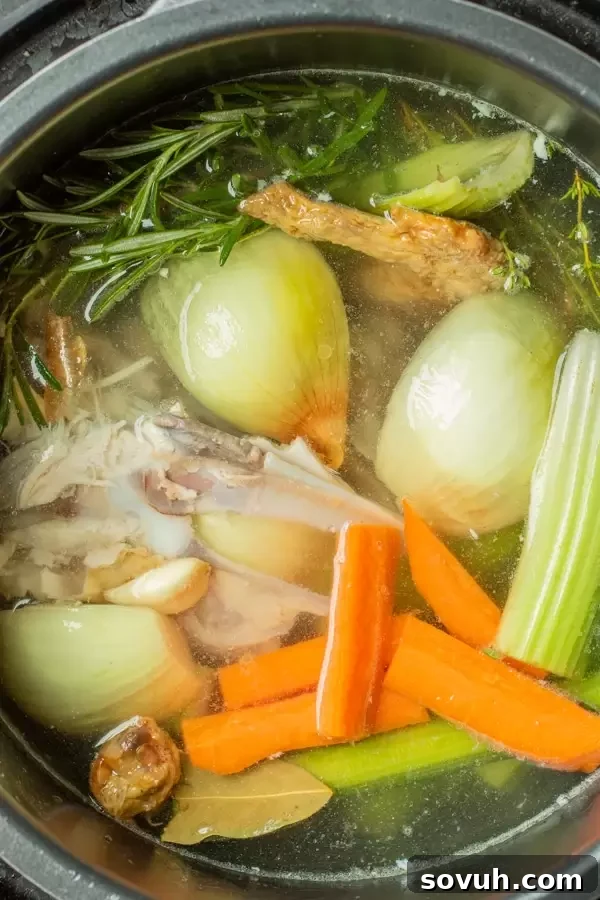
Can You Make Bone Broth in a Pressure Cooker? Absolutely!
Yes, absolutely! Not only can you make bone broth in a pressure cooker (like an Instant Pot), but it’s arguably the best method for achieving high-quality results in significantly less time. The high-pressure environment of these appliances accelerates the cooking process, breaking down bones and connective tissues much faster than traditional simmering. This means you can extract maximum nutrients and gelatin from your chicken parts, vegetables, and herbs in just a few hours, rather than a full day on the stovetop. The pressure cooker creates an intensely flavorful and nutrient-dense bone broth that rivals traditionally slow-simmered versions, making it an indispensable tool for busy home cooks.
Optimal Chicken Parts for Superior Bone Broth
The quality of your bone broth starts with the right ingredients, particularly the chicken parts you choose. For a truly gelatinous and nutrient-dense broth, focus on parts rich in collagen and connective tissue. Here are the best options:
- Bones: This includes whole chicken carcasses (from a roasted chicken or raw), backs, necks, and any leftover scraps of meat clinging to them. Bones are the foundation for flavor and mineral extraction.
- Wings: Chicken wings are an excellent source of collagen due to their high ratio of bone, cartilage, and skin. They contribute significantly to the broth’s gelatinous texture.
- Necks: Similar to wings, chicken necks are packed with connective tissue and cartilage, making them ideal for yielding a rich, thick broth.
- Feet: Often overlooked, chicken feet are arguably the best source of collagen for bone broth. They consist almost entirely of skin, bones, and connective tissue, which break down beautifully to create an exceptionally gelatinous broth. While they can be a little hard to find in conventional supermarkets and some people might be hesitant to use them, their contribution to the broth’s texture and nutrient profile is unmatched.
You can use a single type of bone (like just carcasses) or a combination of several chicken parts to maximize the flavor and collagen content. For instance, in the accompanying recipe, we suggest using two chicken carcasses along with a few chicken wings. If chicken feet aren’t available or palatable for you, wings and necks are fantastic alternatives that will still produce a wonderful, gelling broth.
Using a Rotisserie Chicken Carcass for Bone Broth: A Smart Hack
Yes, absolutely! Using the carcass of a rotisserie chicken is not only an excellent way to prevent food waste but also a fantastic shortcut to making delicious homemade bone broth. It’s one of my favorite methods! After enjoying a flavorful rotisserie chicken for dinner, you’re left with a perfectly cooked and seasoned frame that’s ready to be transformed into liquid gold. The bones are already cooked, which means they’ve started to release some flavor, and any lingering meat scraps will only add to the richness of your broth.
Feel free to use the entire rotisserie chicken carcass, or combine it with other chicken parts like wings or necks if you want to boost the collagen even further. The convenience of this method means you can enjoy a wholesome meal and then use the leftovers to prepare a foundational ingredient for future dishes, making healthy eating both easy and economical.
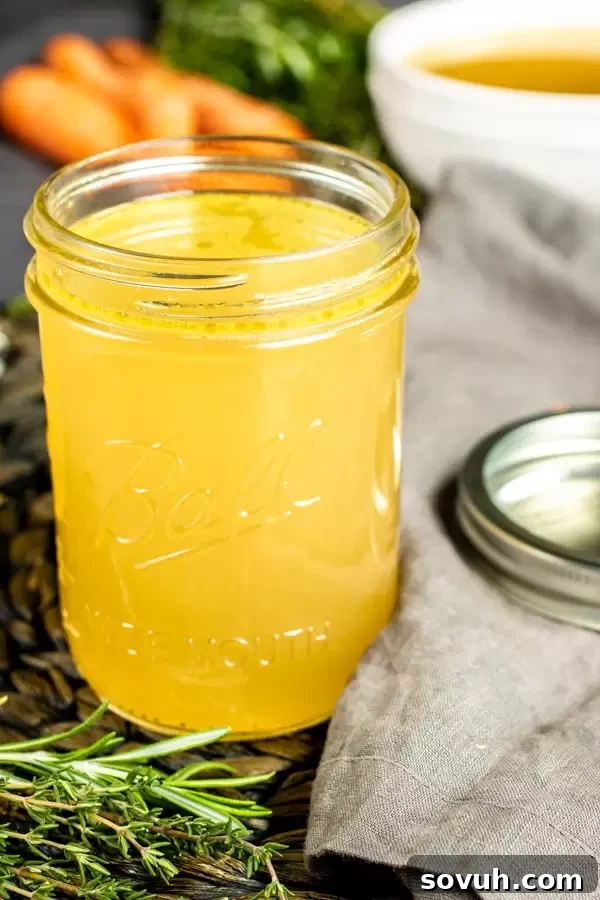
To Roast or Not to Roast: Maximizing Flavor in Your Bone Broth
The decision to roast your chicken bones before making broth largely depends on whether they are already cooked and the depth of flavor you desire. Roasting adds an extra layer of richness and a beautiful golden color to your finished broth.
- If using cooked chicken carcasses or pieces (e.g., from a rotisserie chicken): There’s no need to pre-roast them. They have already undergone a cooking process, which means some flavor development has occurred. You can simply add them directly to your Instant Pot.
- If using raw chicken bones or parts: Roasting is highly recommended for an enhanced flavor profile. To do this, spread the raw bones and chicken parts (like necks or wings) in a single layer on a baking sheet. Roast them in a preheated 400°F (200°C) oven for about 20-30 minutes, or until they are nicely browned. Once roasted, carefully transfer the bones and any rendered juices from the baking sheet into your Instant Pot. The caramelized bits from roasting will contribute a deeper, more complex taste to your bone broth.
Optimal Pressure Cooking Time for Chicken Bone Broth
For a robust, nutrient-dense chicken bone broth in your Instant Pot, the ideal pressure cooking duration is key to extracting maximum flavor and collagen. Set your Instant Pot to cook on HIGH pressure for 2 hours (120 minutes). After the cooking cycle is complete, allow for a natural pressure release for 30 minutes. This natural release phase is important as it allows the pressure to drop gradually, helping to further tenderize the ingredients and preventing a sudden burst of steam that could splash hot liquid. After 30 minutes, you can carefully perform a quick release of any remaining pressure before safely opening the lid.
Simple Steps to Homemade Instant Pot Chicken Bone Broth
Making nutritious chicken bone broth in your Instant Pot is incredibly straightforward. Follow these steps for a perfect batch every time:
- Load the Pot: Carefully place all your chosen chicken parts (carcasses, wings, necks, feet), roughly chopped celery, carrot, quartered onion, bay leaves, fresh thyme, and rosemary into the inner pot of your Instant Pot.
- Add Water: Pour in cold water until it reaches just below the “Max Fill” line marked on the inner pot. Ensure that the ingredients are largely submerged.
- Seal and Set: Secure the Instant Pot lid in place and turn the steam release valve to the “SEALING” position. Select the “Pressure Cook” or “Manual” setting and set the cooking time to 120 minutes (2 hours) on HIGH pressure.
- Natural Release: Once the cooking cycle is complete and the timer goes off, press “CANCEL.” Allow the Instant Pot to naturally release pressure for 30 minutes. Do not manually vent it immediately, as this gradual release helps enhance the broth’s flavor and safety.
- Vent Remaining Steam: After the 30-minute natural release, carefully flip the steam release valve to the “VENTING” position to release any remaining pressure. Wait until the float valve drops before safely opening the lid.
- Strain the Broth: Using a fine-mesh strainer, carefully pour the entire contents of the Instant Pot into a large, heatproof bowl or another pot. This will separate the liquid broth from the cooked bones, vegetables, and herbs. Discard the solids, or pick off any remaining chicken meat for another use.
- Season to Taste: Taste your fresh bone broth and add salt and pepper as needed. Remember, you can always add more seasoning later when using the broth in recipes.
- Cool and Store: Allow the broth to cool completely before transferring it to airtight containers for storage in the refrigerator or freezer.
PRO TIP for Fat Removal: If you prefer to remove the fat from your broth, simply let the strained broth cool completely and then store it in an airtight container in the refrigerator overnight. By morning, a solid layer of congealed fat will have formed on the surface. You can easily scoop this off and discard it. Below this fat layer, you’ll find your beautifully gelatinous and nutrient-rich bone broth, ready to be portioned and stored as desired. This clarified broth is often preferred for its cleaner taste and lighter texture, though some prefer to keep the fat for added flavor and richness.
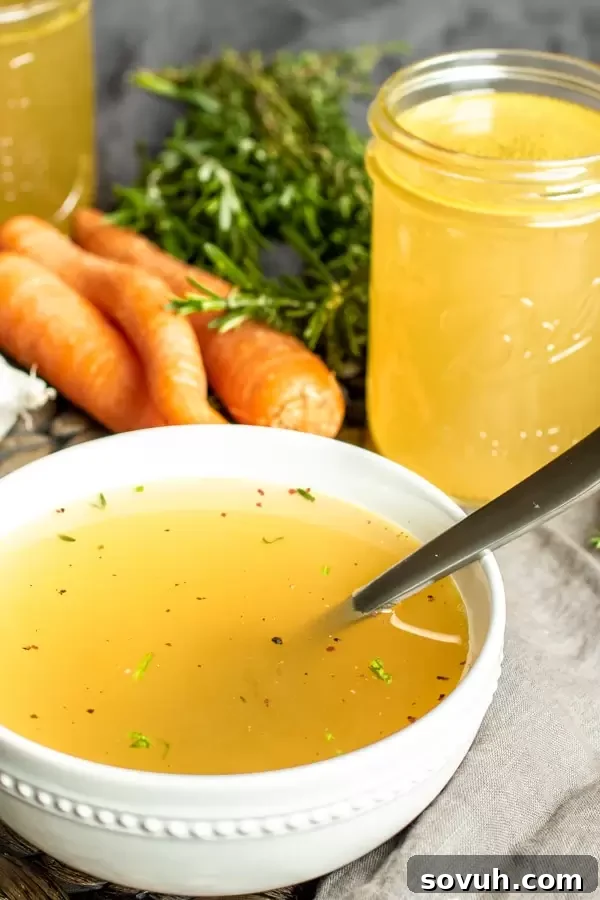
Storing Your Homemade Chicken Bone Broth Safely
Proper storage is essential to maintain the freshness and quality of your homemade chicken bone broth. Here’s how to keep it safe and ready for use:
- Refrigerator Storage: Once cooled, transfer your bone broth to a clean, airtight container. It can be safely stored in the refrigerator for up to 4 days. Always ensure it’s completely cooled before refrigerating to prevent bacterial growth and to allow for proper gelling.
- Freezer Storage: For longer preservation, bone broth freezes beautifully. Stored in an airtight, freezer-safe container, homemade chicken bone broth can last for up to 6 months in the freezer. This allows you to prepare large batches and have a healthy supply on hand whenever you need it.
Always inspect your broth before use. Any off-smell, discoloration, or signs of mold indicate that the broth has spoiled and should be discarded.
Best Practices for Freezing Bone Broth
Freezing bone broth is an excellent way to ensure you always have this nutritious ingredient available. To freeze it effectively and safely:
- Cool Completely: Before freezing, ensure your bone broth has cooled down entirely. Pouring hot broth into containers and immediately freezing it can lower the freezer’s temperature and potentially affect other frozen foods.
- Choose Freezer-Safe Containers: Use sturdy, airtight, freezer-safe containers. Glass jars (ensure they are freezer-safe and leave headspace for expansion), heavy-duty freezer bags, or silicone molds (like ice cube trays) are all great options.
- Portion Control: Whenever possible, separate the broth into convenient single-serving portions (e.g., 1-cup or ½-cup measurements). This method is incredibly practical as it allows you to defrost only the amount you need for a specific recipe, minimizing waste and speeding up thawing time. Once frozen in molds, you can pop out the cubes and transfer them to a freezer bag for more compact storage.
- Label and Date: Always label your containers with the contents (e.g., “Chicken Bone Broth”) and the date it was made. This helps you keep track of its freshness.
When you’re ready to use frozen bone broth, you can often add it directly to hot soups or sauces. For other uses, simply thaw it in the refrigerator overnight or gently warm it on the stovetop.
Delicious Uses for Your Instant Pot Chicken Bone Broth
Homemade Instant Pot chicken bone broth is more than just a healthy drink; it’s a versatile culinary ingredient that can elevate the flavor and nutritional value of countless dishes. Here are some popular and creative ways to incorporate your homemade bone broth into your cooking:
- Instant Pot Loaded Cauliflower Soup: Adds a rich, savory depth to creamy, low-carb soups.
- Instant Pot Cabbage Roll Soup: Enhances the hearty flavors of traditional comfort food.
- Low Carb Creamy Chicken Soup: Provides a nourishing base for light yet satisfying meals.
- Pressure Cooker Taco Soup: Infuses a subtle umami flavor into spicy, flavorful stews.
- Cooking Grains: Use bone broth instead of water when cooking rice, quinoa, couscous, or pasta for an added boost of flavor and nutrients.
- Sauces and Gravies: Replace water or store-bought broth with bone broth to make richer, more flavorful sauces, gravies, and pan drippings.
- Braising Meats: Bone broth is an excellent liquid for braising chicken, beef, or pork, resulting in incredibly tender and flavorful dishes.
- Sautéing Vegetables: A splash of bone broth can deglaze a pan or add moisture and flavor when sautéing vegetables, rather than using oil or water.
- As a Simple Drink: Warm a mug of bone broth with a pinch of salt and pepper for a comforting, gut-healing, and hydrating beverage, especially beneficial during colder months or when feeling under the weather.
Enjoying this recipe and looking for more culinary inspiration?
Make sure to follow us on Instagram and Pinterest for a continuous stream of delicious recipes and kitchen tips!
12
10 minutes
2 hours
30 minutes
2 hours
40 minutes
Instant Pot Chicken Bone Broth
Kat Jeter & Melinda Machado

Print Recipe
Ingredients
- 2 Rotisserie Chicken carcasses
- 4 Chicken Wings
- 2 stalks Celery, roughly chopped
- 1 Carrot, roughly chopped
- 1 large Onion, quartered
- 2 Bay Leaves
- 1 bunch Fresh thyme
- 2 – 3 sprigs Fresh Rosemary
- 2 teaspoons Salt, plus more to taste
- ½ teaspoon Pepper
- Water
Instructions
-
Place all ingredients in your Instant Pot and fill the pot with water until it reaches just below the max fill line.
-
Lock the Instant Pot lid in place, turn the valve on top to SEALING and set your Instant Pot to HIGH pressure for 120 minutes.
-
When the timer goes off press CANCEL and then let it do a natural release for 30 minutes.
-
After 30 minutes flip the valve to VENTING to let out any remaining steam and remove the lid.
-
Pour the broth through a fine mesh strainer into a bowl (you can wait until the broth cools some if you like) to strain out the chicken bones, vegetables, and herbs.
-
Add salt to taste.
-
Store in a sealed container in the refrigerator until ready to use, or freeze in a sealed container for up to 6 months.
Nutrition
Serving:
1
cup
,
Calories:
45
kcal
,
Carbohydrates:
1
g
,
Protein:
5
g
,
Fat:
1
g
,
Cholesterol:
19
mg
,
Sodium:
466
mg
,
Potassium:
109
mg
,
Vitamin A:
905
IU
,
Vitamin C:
2
mg
,
Calcium:
12
mg
,
Iron:
0.2
mg
Main
American
