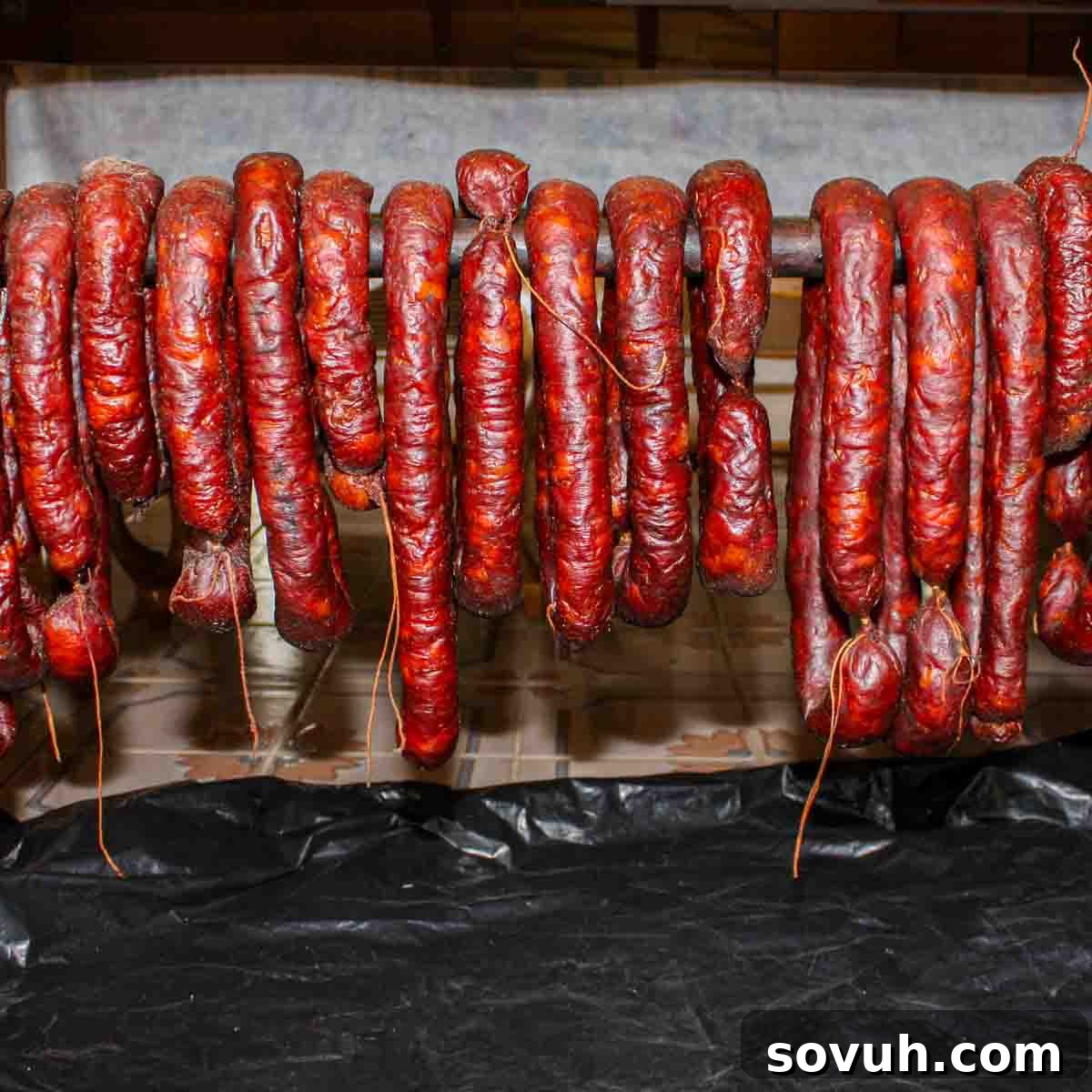
Embark on a culinary journey to craft authentic Chouriço, the iconic Portuguese smoked sausage, right in your own kitchen. This definitive guide will walk you through every traditional step, from meticulously preparing and stuffing the pork to the intricate smoking and drying processes, ensuring a truly authentic taste that embodies centuries of Portuguese heritage.
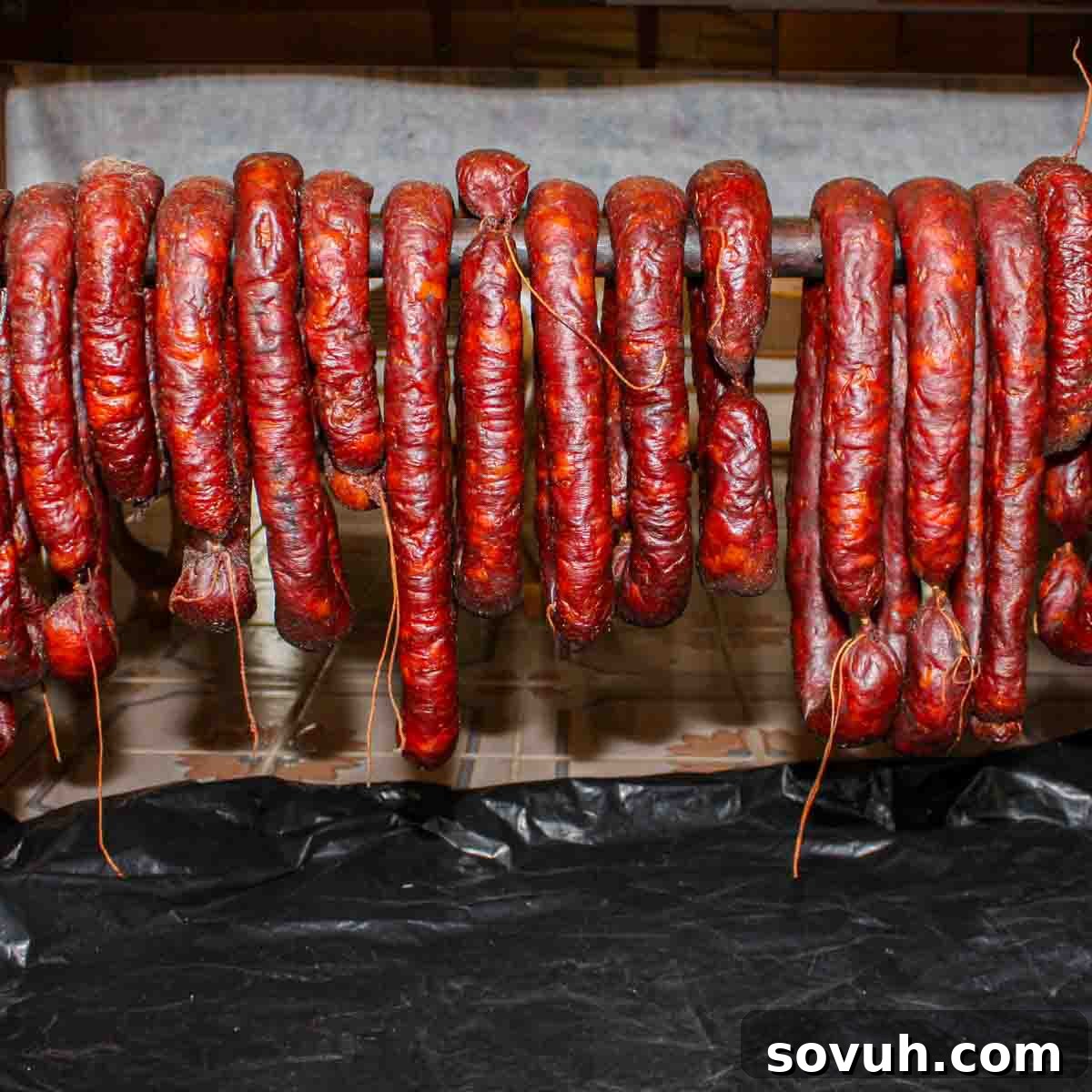
For many Portuguese-Americans, the crisp arrival of autumn heralds a cherished annual tradition: matança time. This period marks the eagerly anticipated creation of homemade Chouriço, a robustly flavored smoked Portuguese sausage that forms the very heart of Portuguese gastronomy. As a first-generation Portuguese-American, I’ve had the privilege of witnessing my parents meticulously uphold these invaluable cultural practices on American soil, ensuring our heritage thrives through the generations.
Among these traditions, the making of Chouriço stands out as my absolute favorite. It’s a labor of love, a communal event steeped in history and flavor. Decades ago, our family would engage in the full matança—the traditional slaughtering of a pig—during the colder months, a practice common in rural Portugal. However, as my parents gracefully aged, they adapted, now sourcing high-quality pork from a trusted local butcher. Yet, the essence remains: they still dedicate days to preparing immense batches of this exceptional sausage, lovingly smoking it in their custom-built backyard smoker. It’s more than just cooking; it’s a grand family gathering, a testament to enduring culinary artistry, and a celebration of our roots.
Note: This post may contain affiliate links. That means if you click on a link and make a purchase we may receive a small commission. Thank you for supporting our tradition!
Table of Contents
- What Exactly Is Chouriço?
- Portuguese, Spanish, and Mexican Chorizo: Understanding the Distinctions
- Mastering the Pronunciation of Chouriço
- Gathering Your Essential Ingredients
- Step-by-Step Guide to Making Homemade Chouriço
- Preparing the Sausage Mixture
- The Art of Smoking Your Sausage
- Drying and Curing for Perfection
- Creative Culinary Uses for Chouriço
- Traditional Portuguese Recipes Featuring Chouriço
- Proper Storage for Longevity
- Explore More Authentic Portuguese Recipes
What Exactly Is Chouriço?
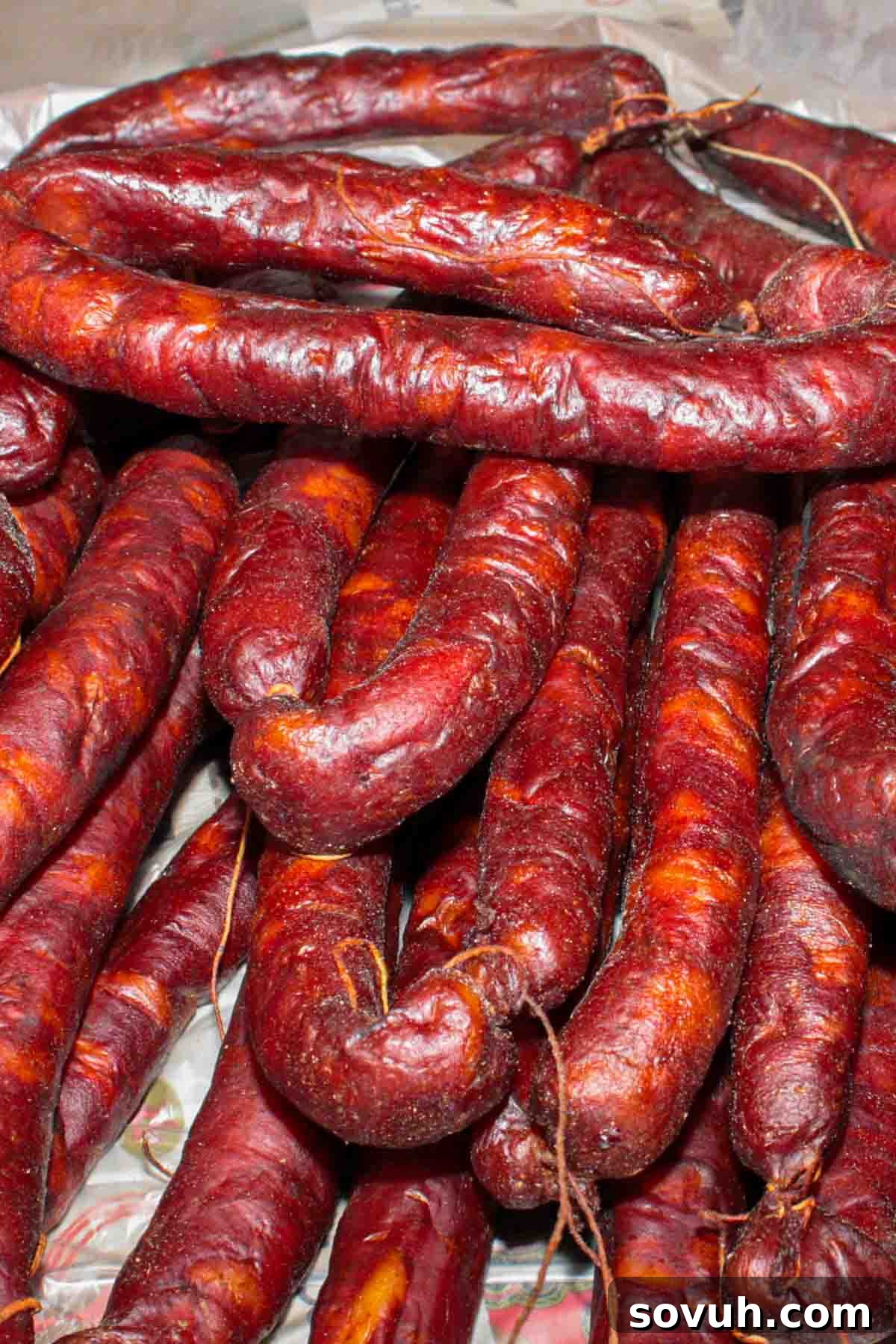
Chouriço, a name synonymous with rich flavor and Portuguese culinary identity, is far more than just a sausage; it’s a testament to the nation’s gastronomic heritage. This traditional pork sausage holds a revered status not only across mainland Portugal but also thrives in its enchanting island regions, including Madeira and the Azores. Its delectable allure has transcended borders, gaining immense popularity in countries with strong Portuguese influences, such as Brazil, where it’s celebrated for its distinctive profile.
What truly sets Chouriço apart from other common sausages is its unmistakable character. It boasts a profound smoky depth, achieved through a careful curing process, coupled with a vibrant kick of garlic and the warm, often piquant notes of paprika. This combination creates an aromatic and flavorful experience that is truly unique and immediately recognizable to anyone familiar with Portuguese cuisine.
At its core, authentic Chouriço is crafted from high-quality pork, typically derived from finely shredded Boston butt or pork shoulder. The emphasis on quality meat is paramount, with traditional preparations deliberately avoiding fillers or artificial additives. This commitment ensures that the sausage retains its authentic texture and a high percentage of lean, flavorful pork. The meticulous selection of meat contributes significantly to the Chouriço’s superior taste and consistency, setting it apart from mass-produced alternatives.
The versatility of Chouriço in the kitchen is another reason for its enduring appeal. While often enjoyed smoked to perfection and served cold as part of an appetizer platter, its true potential shines when cooked. It can be fried until beautifully crisp, grilled to unlock its smoky aromas, or gently boiled to infuse broths and stews with its rich essence. This adaptability makes Chouriço an indispensable ingredient in a myriad of Portuguese dishes, from the rustic charm of Caldo Verde, a hearty kale and potato soup where it adds a crucial smoky layer, to more elaborate main courses. Understanding Chouriço is to appreciate a cornerstone of Portuguese culinary tradition, a flavor that speaks of home, family, and timeless taste.
Portuguese, Spanish, and Mexican Chorizo: Understanding the Distinctions
While the terms “Chouriço” and “Chorizo” are often used interchangeably, these sausages, originating from Portugal, Spain, and Mexico respectively, possess distinctive flavor profiles, textures, and culinary applications. Navigating these differences is key to appreciating their unique contributions to global cuisine.
- Portuguese Chouriço: This beloved sausage is primarily characterized by its deep smoky flavor and a moderate spice level, often imparted by generous amounts of paprika and garlic. Unlike some of its counterparts, Portuguese Chouriço can be found in both smoked and cured varieties. Its texture is typically firmer, making it a robust addition to a range of dishes. It is frequently diced and integrated into hearty stews like feijoada, enriches rice dishes, and serves as a foundational flavor in many traditional Portuguese soups, lending a rustic, comforting depth that defines the cuisine.
- Spanish Chorizo: Hailing from Spain, this chorizo is renowned for its intense, smoky aroma and vibrant reddish-orange hue, predominantly derived from smoked Spanish paprika (pimentón). Spanish chorizo is almost exclusively cured or semi-cured, which means it can be sliced and enjoyed raw as a delectable tapa, similar to salami. Its texture is firm and dense, and it comes in sweet (dulce) or spicy (picante) varieties. Beyond tapas, it’s a popular ingredient in paella, stews, and sautéed dishes, where its potent flavor can stand up to other strong ingredients.
- Mexican Chorizo: In stark contrast to its Iberian cousins, Mexican chorizo is typically a fresh, uncooked sausage. It boasts a much softer, crumbly texture and a distinctly spicy, tangy flavor profile, largely attributed to the use of various chili peppers (like ancho or guajillo), vinegar, and other spices. Because it is raw, Mexican chorizo requires thorough cooking before consumption. When cooked, it crumbles beautifully, making it an incredibly versatile ingredient. It’s a breakfast staple, often scrambled with eggs, used as a flavorful filling for tacos and burritos, or incorporated into rich, savory salsas, contributing a bold, zesty punch.
Understanding these subtle yet significant differences allows one to fully appreciate the rich tapestry of flavors each sausage offers and to select the perfect type for any given dish, honoring their respective culinary traditions.
Mastering the Pronunciation of Chouriço
For those new to Portuguese cuisine, correctly pronouncing “Chouriço” can seem daunting, but it’s simpler than it appears. Achieving the authentic Portuguese articulation only requires a bit of familiarity and practice. The correct pronunciation sounds like “sho-ree-soo”. It’s designed to be a swift, fluid word, gliding smoothly without any harsh pauses between its syllables.
To master it, try to avoid lingering on any single part of the word. Allow your mouth to transition effortlessly from one sound to the next. The “ch” sound is soft, like the “sh” in “shoe,” not a hard “ch” as in “chair.” The “ou” creates a sound similar to the “o” in “go,” and the “iço” concludes with a clear “soo” sound, where the “ç” is pronounced like a soft “s.”
A common pitfall for non-native speakers is to pronounce it as “chore-ee-so” or even “chor-ee-tho.” Mispronouncing this staple can lead to confusion, or worse, ordering a dish you didn’t intend to! So, practicing “sho-ree-soo” will ensure you not only sound authentic but also get exactly what you’re craving.
It’s also worth noting that regional accents within Portugal, and in other Portuguese-speaking countries like Brazil or Angola, may introduce slight variations in pronunciation. However, the “sho-ree-soo” form is widely understood and accepted, serving as an excellent starting point for anyone looking to embrace the language of Portuguese culinary delights.
Gathering Your Essential Ingredients
Crafting your own Chouriço is a rewarding endeavor, deeply rooted in tradition and demanding significant dedication. Because it’s a labor-intensive and time-consuming process, most families, including ours, typically undertake this annual ritual just once a year. This ensures we produce a generous batch of exquisite sausage to enjoy throughout the year and share with cherished friends and family. While this recipe is scaled for a large yield, reflecting our family’s tradition, you can certainly adjust the quantities to suit your specific needs. Here’s a breakdown of the critical ingredients that impart Chouriço its signature flavor:
- Pork Butt (or Pork Shoulder): This is the cornerstone of your Chouriço. Pork butt, also known as Boston butt, is ideal due to its excellent fat-to-meat ratio and rich marbling, which contributes significantly to the sausage’s flavor and juiciness. Pork shoulder is a suitable alternative if pork butt is unavailable.
- Fresh Garlic Cloves: Use whole, fresh garlic cloves. These will be cut in half to allow their pungent flavor to infuse the meat during marination. Remember, they will be removed before stuffing the casings to ensure a smooth sausage.
- Kosher Salt: Essential for both seasoning and preservation, kosher salt is preferred for its larger crystal size, which allows for better adherence to the meat and a more even distribution of flavor.
- Inexpensive White Wine: Any dry, inexpensive white wine will suffice. Its acidity helps tenderize the meat, while its subtle fruit notes add complexity and depth to the marinade.
- Paprika (McCormick recommended): Paprika is a non-negotiable ingredient, providing Chouriço with its characteristic vibrant color and foundational smoky flavor. We consistently use McCormick paprika for its reliable quality and consistent taste profile.
- Black Pepper: Freshly ground black pepper adds a classic peppery warmth, enhancing the overall spice blend without overpowering it.
- Cayenne Pepper: This is the secret to Chouriço’s signature spicy kick. Adjust the quantity to your preference, making it mildly piquant or boldly fiery.
- Bay Leaves: Whole bay leaves contribute an aromatic, subtly herbal note to the marinade. Ensure they remain whole during mixing, as they will need to be carefully removed before stuffing to prevent tearing the casings.
- Sausage Casings: Natural sausage or hot dog casings are absolutely essential for forming the Chouriço links. These can be purchased online or acquired from a reputable local butcher who often carries them. Selecting high-quality casings is crucial for both the stuffing process and the final texture of your sausage.
Step-by-Step Guide to Making Homemade Chouriço
This comprehensive guide details the traditional method for making homemade Chouriço, specifically tailored for use with an outdoor brick smoker. Please note that while the principles remain the same, you will need to adapt these instructions to match the specific type and features of your smoking equipment. This is a journey of patience and precision, yielding truly remarkable results.
Preparing the Sausage Mixture
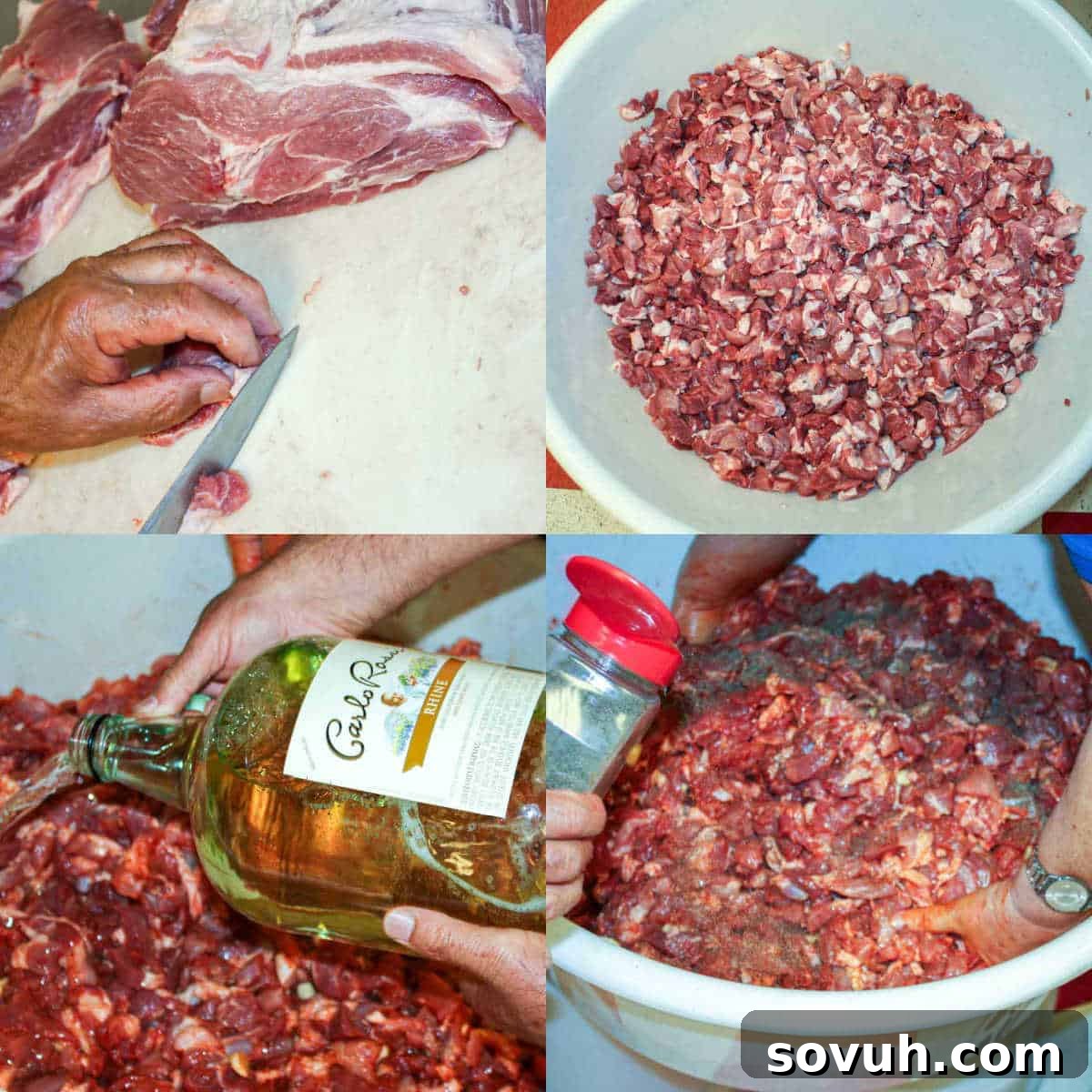
- Step 1: Prep the Pork. Begin by meticulously trimming the pork. Aim for an optimal ratio of approximately 80% lean meat to 20% fat. This balance is crucial for both flavor and moisture retention. Carefully remove any tough sinew, gristle, or excess connective tissue that could compromise the sausage’s texture. Once trimmed, cut the pork into uniform 1-inch diameter cubes. Consistency in size ensures even marination and cooking.
- Step 2: Season the Meat. In an exceptionally large basin or food-grade container, combine all the cubed pork with the prepared garlic cloves (cut in half), kosher salt, white wine, paprika, black pepper, cayenne pepper, and bay leaves. Using your hands (gloves recommended for hygiene), thoroughly mix all the ingredients. The goal is to ensure every piece of pork is evenly coated with the seasoning blend. Exercise caution to keep the bay leaves intact, as they will need to be removed later.
- Step 3: Marinate for Flavor Development. Cover the basin tightly with plastic wrap to create an airtight seal, then transfer the seasoned meat to the refrigerator. This crucial marination period allows the flavors to penetrate deep into the pork. Every 12 hours, remove the basin from the refrigerator and give the mixture a thorough mix by hand, redistributing the spices and ensuring all meat comes into contact with the marinade. Repeat this mixing process over a full 2-day period.
- Step 4: The Taste Test. Throughout the marination period, particularly during each mixing interval, conduct a taste test to verify your seasoning. Take a small handful of the uncooked pork mixture, cook it quickly in a skillet until done, and taste. Remember that pork will lose some of its flavor intensity during the long smoking process, so it’s highly recommended to “over-season” slightly at this stage. Adjust seasoning if necessary, adding more salt, paprika, or cayenne to the remaining uncooked mixture.

- Step 5: Prepare Casings. After the 2-day marination, it’s time to prepare the casings. Rinse each casing thoroughly under cool running water several times to remove excess salt and ensure pliability. Carefully inspect each casing for any tiny holes or defects that could cause issues during stuffing. Using baking twine, securely tie off one end of each casing, creating a closed end for filling.
- Step 6: Prepare Meat Mixture for Stuffing. Before you begin filling, carefully go through the marinated meat mixture and remove all the garlic cloves and bay leaves. These elements have imparted their flavor and are no longer needed, and leaving them in could puncture the casings.
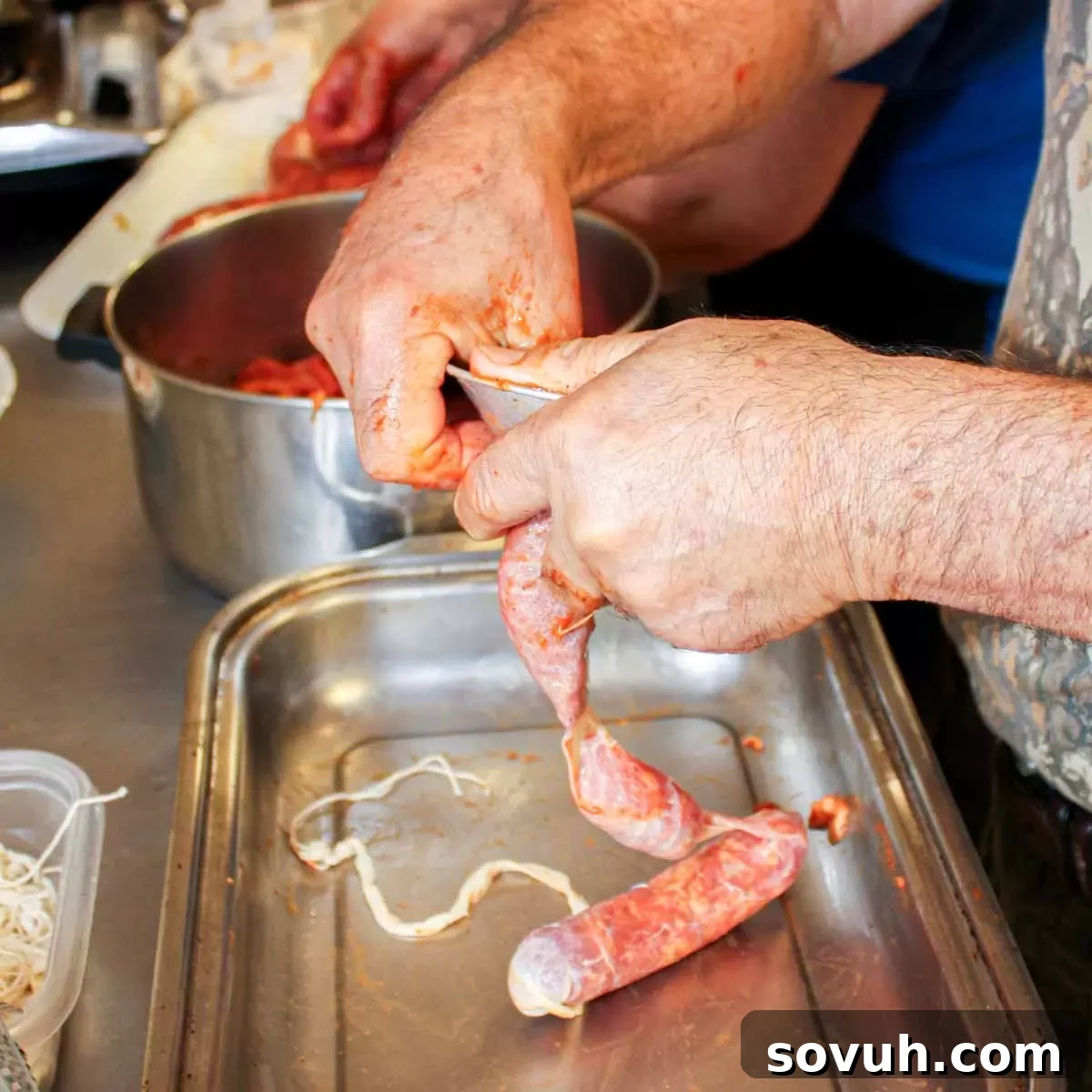
- Step 7: Fill Casings. Gently fit a 1 to 1.5-inch funnel into the open end of a prepared sausage casing. While firmly holding the casing onto the end of the funnel, begin to feed the pork mixture into the funnel. Gradually and steadily work the meat down towards the tied end of the casing, ensuring it is tightly and evenly filled. Avoid overfilling, which can lead to bursting, but also prevent underfilling, which results in a loose sausage.
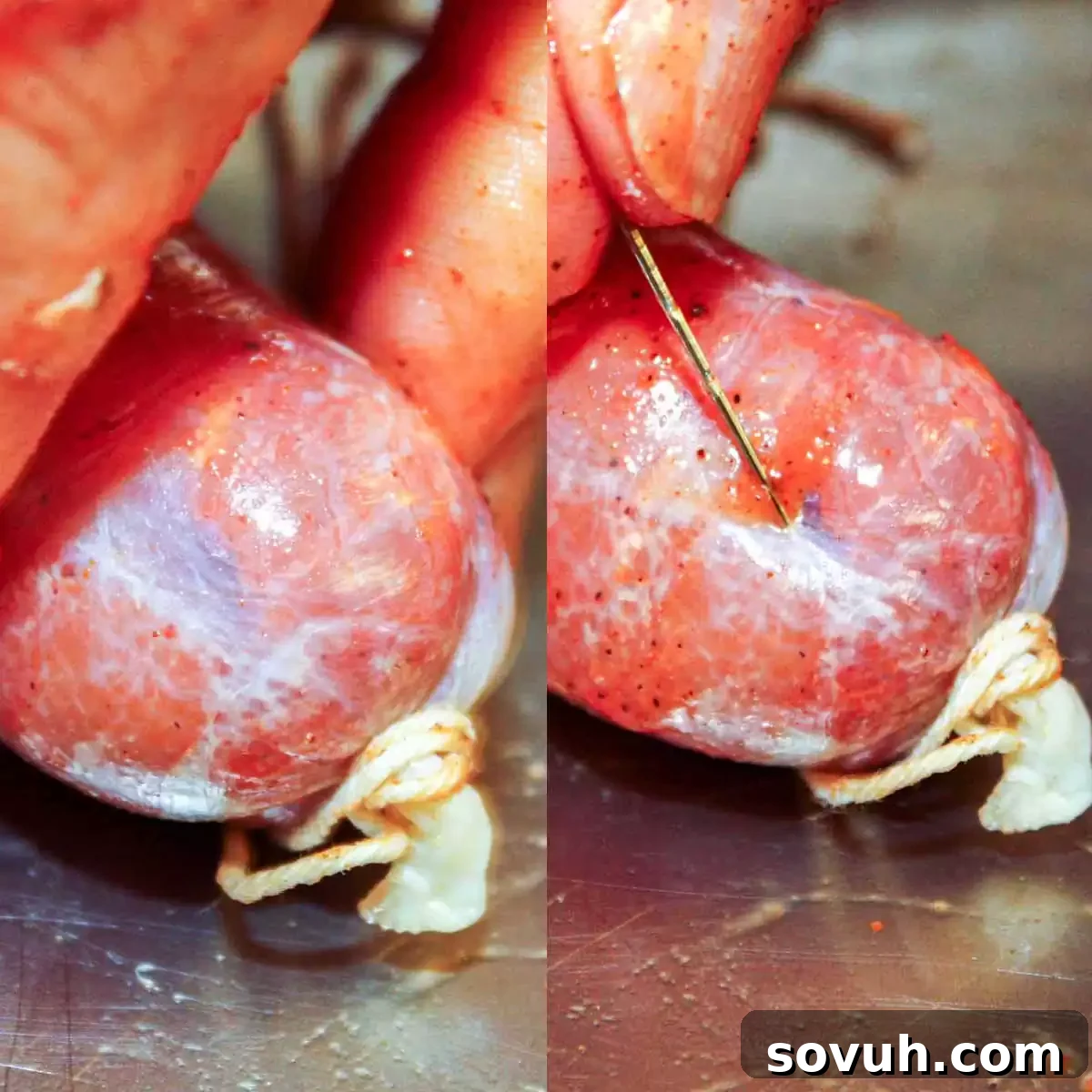
- Step 8: Remove Excess Air. It’s crucial to eliminate any excess air trapped within the sausage casing, as air pockets can harbor bacteria and lead to spoilage. Using a sterilized safety pin or a thin needle, gently prick any visible air pockets along the length of the sausage. As you prick, simultaneously press down on the sausage mixture, working it towards the ends to fill up the evacuated space. Pro Tip: To avoid losing your needle amidst the activity, tie a long, brightly colored string to it.

- Step 9: Close Casings. Once each casing is uniformly filled and all air pockets have been addressed, use strong butcher’s twine to tightly tie off the open end of the casing. For traditional Chouriço, you can often gently coil the sausage into a ring before tying, though straight links are also common. Ensure the knots are secure to prevent the filling from escaping during smoking.
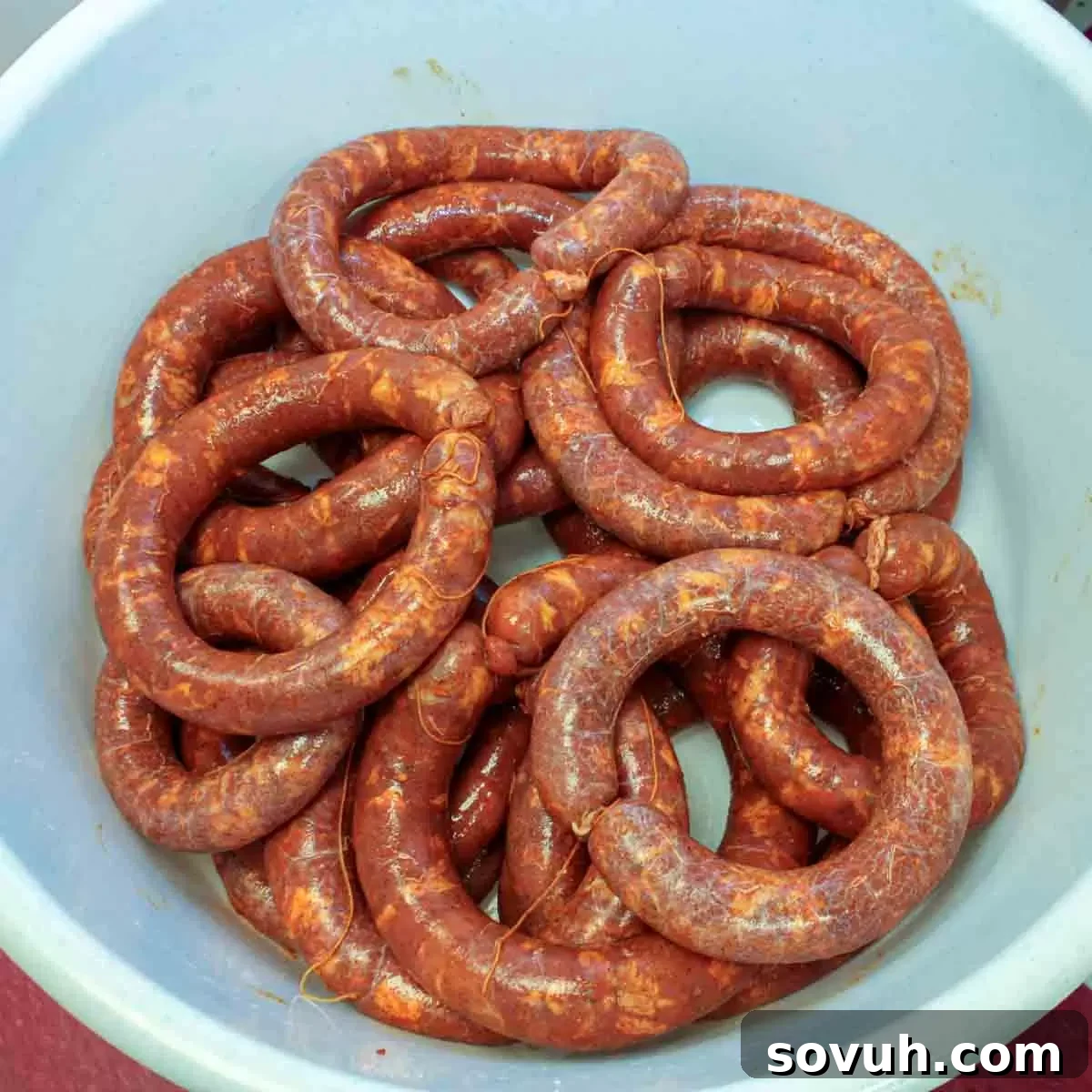
Making Chouriço is indeed a significant undertaking, often transforming into a lively family affair. The more hands involved, the merrier the process! It can easily take an entire day to expertly fill all the casings, making it the perfect occasion to invite all your tia’s and tio’s (aunts and uncles) over to share in this cherished tradition, laughter, and the promise of delicious food.
The Art of Smoking Your Sausage
Once all the sausages are meticulously crafted, the next pivotal stage begins: smoking them to perfection. In many Portuguese households, particularly those with a strong connection to traditional practices, a large, often brick-built outdoor smoker is a staple feature in the backyard. If you’ve ever encountered one of these impressive structures and wondered its purpose, now you know – it’s dedicated to imparting that unmistakable smoky flavor to sausages! These instructions are specifically tailored for a large, traditional brick smoker; adjustments will be necessary if you are using a different type of smoking apparatus.

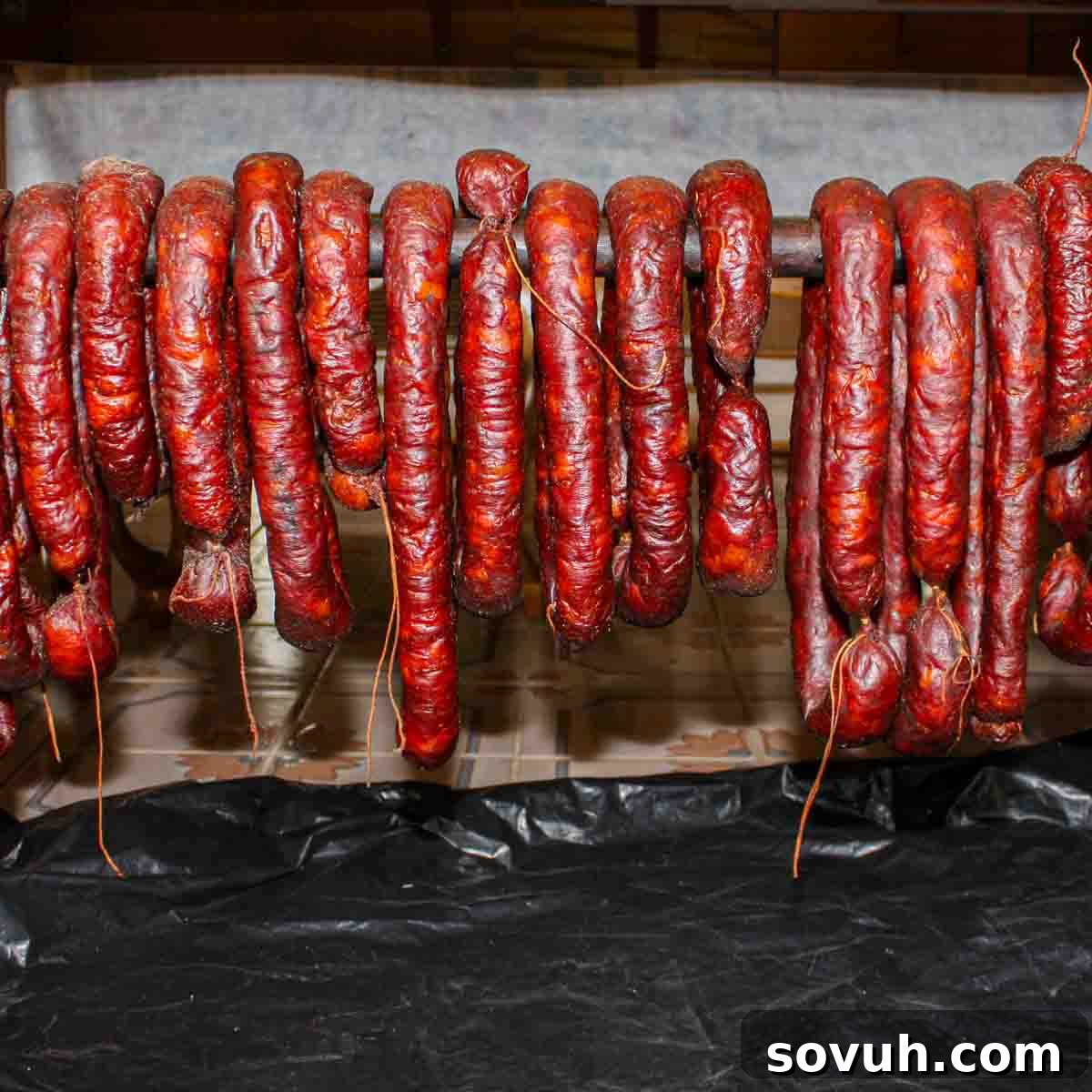
- Step 1: Positioning in the Smoker. Gently hang the filled Chouriço links onto a sturdy wooden pole (a clean, old broomstick often serves this purpose perfectly). Arrange the sausages so they are relatively close together but crucially, they must not touch each other. Adequate air circulation is vital for even smoking. Position the pole near the top of the smoker, ensuring the sausages are far enough from the heat source to prevent burning and to facilitate a slow, gradual smoking process.

- Step 2: Initiate Smoking. Carefully build your fire using preferred hardwoods (oak or fruit woods are common choices for their subtle smoke flavor that complements pork well). Once the fire is established and producing a steady, clean smoke, begin the smoking process. The key here is “low heat and lots of smoke” maintained over an extended period. Vigilantly monitor the fire to prevent any flare-ups that could scorch the sausages. Equally important is ensuring the fire doesn’t die out, as consistent smoke is vital for proper flavor development and preservation.
- Step 3: Continuous Smoking and Flipping. After the initial 24 hours of smoking, allow the fire to naturally die down. Carefully remove the sausages and flip them over, repositioning them if necessary to ensure even exposure to smoke. This flipping step is crucial for uniform drying and smoke absorption. Re-ignite your fire and recommence the smoking process. At this juncture, leverage your experience (or the guidance of seasoned Chouriço makers) to gauge the progress. While 24 hours per side is often a minimum, additional days of smoking may be required depending on the ambient conditions and desired intensity of flavor and dryness. This stage is where instinct and tradition truly come into play.

Drying and Curing for Perfection
Once your Chouriço has absorbed its rich, smoky essence through the extensive smoking process, the final crucial step is proper drying. This stage is essential not only for achieving the desired texture but also for further developing its complex flavors and ensuring its longevity.
Carefully bring the smoked sausages indoors to a cool, well-ventilated area. Hang them on a rack or line, ensuring ample space between each link for optimal air circulation. Allow the sausages to dry for a period of 2 to 3 days. During this time, the sausages will lose additional moisture, firm up, and their flavors will continue to meld and intensify. This natural curing process is what contributes to the unique character of authentic Chouriço.
Once properly dried, your homemade Chouriço is ready! You can choose to enjoy it immediately, savoring its fresh, smoky notes, or proceed with proper storage methods to preserve its quality for future indulgence. If you ever have the extraordinary opportunity to taste genuine homemade Portuguese Chouriço, seize it without hesitation! While I may be somewhat biased, I firmly believe it stands as the finest, most flavorful sausage you will ever encounter, a true highlight of Portuguese culinary tradition.

Creative Culinary Uses for Chouriço
The culinary versatility of Chouriço is truly astounding, opening up a world of nearly endless possibilities in the kitchen! Its robust, smoky, and slightly spicy flavor makes it a fantastic addition to a wide array of dishes. Personally, I adore incorporating it into a sophisticated charcuterie board, pairing it with an assortment of hard and soft cheeses, olives, and crusty bread for a delightful appetizer. Another favorite is to fry it until crispy and mix it into an omelet or scrambled eggs for a truly satisfying and flavorful breakfast.
Beyond these, here are several simple yet delicious ways to enjoy your fresh homemade Chouriço. Don’t hesitate to experiment and discover your own preferred methods to savor this incredible sausage:
- Grilled or Pan-Fried: Slice the Chouriço into rounds and grill or pan-fry them until they develop a beautiful crispy exterior and caramelized edges. Serve these flavorful slices as a standalone appetizer, or integrate them into gourmet sandwiches, vibrant salads, or hearty wraps for an explosion of flavor and texture.
- Pasta Dishes: Sauté Chouriço slices or chunks until rendered and slightly crisp, then toss them with your favorite pasta, a rich sauce (creamy or tomato-based sauces pair exceptionally well), and a medley of fresh vegetables. The inherent spiciness of the Chouriço complements and elevates the pasta, creating a deeply satisfying meal.
- Pizza Topping: Elevate your homemade pizza by using thinly sliced Chouriço as a gourmet topping. Its smoky and savory notes harmonize wonderfully with classic pizza ingredients like melted cheese, sweet tomatoes, briny olives, and a variety of other vegetables, resulting in a robust and incredibly flavorful pizza.
- Soups and Stews: Chouriço is an indispensable ingredient for adding profound depth and richness to soups and stews. Incorporate diced or sliced Chouriço early in the cooking process to allow its flavors to infuse the broth. It pairs exquisitely with legumes like beans and lentils, root vegetables, and potatoes, transforming a simple soup into a comforting and hearty meal.
- Omelets and Scrambles: For a power-packed breakfast or brunch, dice Chouriço and add it to your omelets or scrambled eggs. Combine it with your favorite cheese, fresh herbs, and an assortment of vegetables for a wholesome, flavorful, and incredibly satisfying start to your day.
- Roasted Vegetables: Toss chunks of Chouriço with root vegetables like potatoes, carrots, and onions, along with some olive oil and herbs, and roast until tender and slightly charred. The sausage drippings will flavor the vegetables beautifully.
- Sandwiches & Rolls: Use grilled or fried Chouriço slices in a crusty bread roll (like Pão com Chouriço, mentioned below) or integrate it into a vibrant sandwich with some roasted peppers and a sharp cheese for a quick and satisfying lunch.
Traditional Portuguese Recipes Featuring Chouriço
Chouriço is a star in numerous traditional Portuguese dishes, lending its unique smoky and spicy character to create unforgettable flavors. Here are some quintessential recipes where Chouriço plays a leading role:
- Caldo Verde Soup: This iconic, comforting Portuguese green soup is traditionally made with puréed potatoes, finely shredded kale, and a touch of Chouriço. The sausage is often sliced and lightly fried before being added as a garnish or cooked within the soup, infusing it with its essential smoky flavor. It’s the ultimate comfort food, perfect for a cozy weeknight dinner.
- Cozido à Portuguesa: A grand and hearty Portuguese mixed meat and vegetable stew, Cozido à Portuguesa is a magnificent display of slow-cooked ingredients. Chouriço, along with other cured meats, plays a vital role in imparting a deep, complex flavor to the broth and tender vegetables, making it a truly delicious and satisfying comfort food.
- Chouriço Assado: This is a classic, rustic dish where Chouriço is flame-grilled, often in a traditional clay roaster or on an open flame. The high heat crisps the exterior and renders the fat, releasing incredible aromas and flavors. It’s simple, flavorful, and totally delicious, often served as an appetizer with crusty bread.
- Cataplana de Marisco: A delightful Portuguese seafood stew, typically cooked in a hinged copper pot called a “cataplana.” This dish beautifully marries the delicate flavors of various seafood with the bold, smoky notes of Chouriço, creating a rich and harmonious culinary experience.
- Pão com Chouriço: Translating to “Bread with Chouriço,” this is a popular Portuguese snack or light meal. It features pieces of Chouriço baked inside a soft bread roll, similar in concept to a sausage roll found in the UK, but with the distinctive Portuguese flavor.
Proper Storage for Longevity
Once you’ve invested the time and effort into crafting your exquisite homemade Chouriço, proper storage becomes paramount to preserving its exceptional flavor, ideal texture, and extending its shelf life. As homemade products typically lack the array of preservatives found in commercial alternatives, diligent storage practices are key. Here’s a detailed, step-by-step guide to ensure your Chouriço remains delicious for as long as possible:
- Cooling Down: After the extensive smoking and subsequent drying process, it is absolutely vital to allow the Chouriço to cool down completely to room temperature. Rushing this step and packaging warm sausages can lead to condensation forming inside the wrapping, which creates a moist environment conducive to bacterial growth and spoilage.
- Individual Wrapping for Breathability: Individually wrap each Chouriço sausage in either parchment paper or specialized butcher paper. These materials are chosen specifically because they allow the sausage to “breathe” while simultaneously offering protection from external contaminants. This prevents excessive moisture buildup and maintains the sausage’s texture.
- Airtight Sealing (Vacuum or Ziploc): For significantly extended shelf life and maximum freshness, consider vacuum sealing each individually wrapped Chouriço. A vacuum sealer removes virtually all air, drastically slowing down oxidation and bacterial activity. If a vacuum sealer isn’t available, place the parchment-wrapped sausages into high-quality, airtight Ziploc bags. Before sealing, remove as much air as possible by pressing firmly on the bag.
- Refrigeration for Short-Term Use: If you intend to consume your Chouriço within approximately one month, storing it in the refrigerator is appropriate. The ideal temperature range for refrigerated storage is between 34°F and 40°F (1°C and 4°C). Ensure it’s placed in the coldest part of your refrigerator.
- Freezing for Long-Term Preservation: For storage extending beyond one month, freezing is the most effective method. Place the sealed bags of Chouriço into the freezer, making sure they are well-spaced initially to allow for efficient and rapid freezing. Label each bag clearly with the date of freezing; this is crucial for tracking freshness and ensuring optimal quality. Chouriço can maintain excellent quality in the freezer for up to 6 months or even longer if properly sealed.
- Safe Thawing Practices: When you’re ready to enjoy your frozen Chouriço, transfer it from the freezer to the refrigerator and allow it to thaw slowly overnight. Avoid thawing Chouriço at room temperature, as this can encourage rapid bacterial growth and compromise food safety. Slow thawing helps maintain texture and flavor.
- Inspect Before Use: Prior to cooking or consuming any stored Chouriço, always conduct a thorough inspection. Look for any unusual signs of mold (beyond acceptable surface mold for cured sausages, which should be wiped off), off odors, or a slimy texture. If any of these adverse signs are present, it is safest to discard the affected sausage to prevent foodborne illness.
- Re-packaging Unused Portions: If you only use a portion of a Chouriço link, promptly re-wrap the unused segment following the same steps outlined above (parchment, then airtight seal) and return it to the refrigerator or freezer without delay. This minimizes exposure to air and maintains freshness.
By diligently adhering to these storage guidelines, you can ensure that your prized homemade Chouriço retains its exquisite flavors and textures, ready to be enjoyed in a diverse range of dishes whenever the craving strikes. Remember, the absence of commercial preservatives means your care in storage is vital to the quality and safety of your delicious creation.
Explore More Authentic Portuguese Recipes
If you’ve enjoyed the journey of making traditional Chouriço, you’ll surely appreciate exploring other authentic Portuguese culinary delights. Here are more beloved recipes that capture the essence of Portuguese cooking:
- Portuguese Rice Pudding {Arroz Doce}: A creamy, comforting, and subtly spiced rice pudding, often garnished with cinnamon designs. A classic dessert.
- Portuguese Milk Tarts {Queijadas de Leite}: Delicate, sweet, and custardy tarts with a hint of lemon, perfect for a treat or afternoon tea.
- Portuguese Chocolate Salami {Salame de Chocolate}: A delightful no-bake dessert made with rich chocolate, crushed biscuits, and sometimes nuts, shaped to resemble a salami.
- Bolo de Bolacha {Portuguese Biscuit Cake}: A beloved, easy-to-make layered cake featuring coffee-soaked biscuits and rich cream, a true Portuguese classic.
- Portuguese Shrimp Turnovers – Rissóis de Camarão: Crispy fried pastries filled with a creamy, flavorful shrimp béchamel. An exquisite appetizer or snack.
- Portuguese-style Baked Rockfish: A simple yet flavorful dish featuring baked rockfish with Mediterranean influences, often including tomatoes, onions, and herbs.
Did you love this traditional recipe?
For more authentic Portuguese dishes, cooking tips, and culinary inspiration, make sure to follow us on Instagram and Pinterest. Your next favorite recipe awaits!