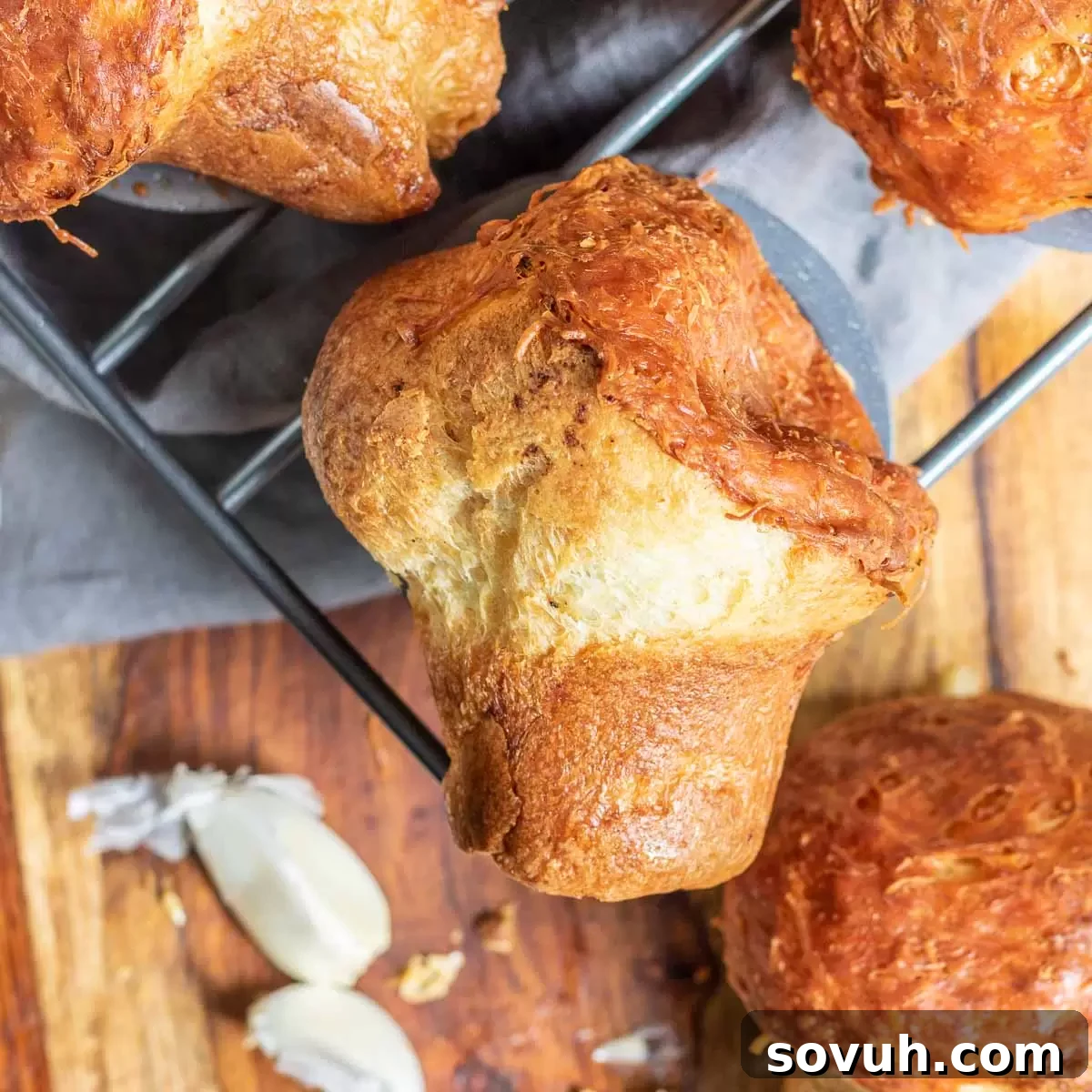
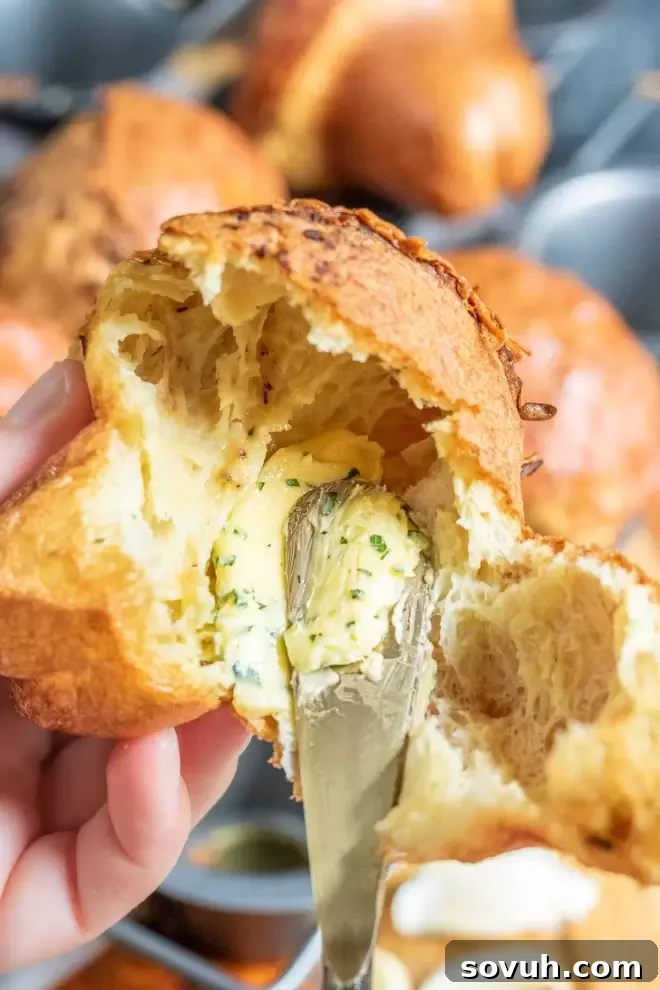
Discover the ultimate fusion of classic garlic bread and traditional popovers with this incredible recipe for Garlic Parmesan Popovers. These light, airy, and incredibly flavorful rolls are a versatile addition to almost any meal, promising to elevate your dinner experience with their irresistible aroma and tender texture.
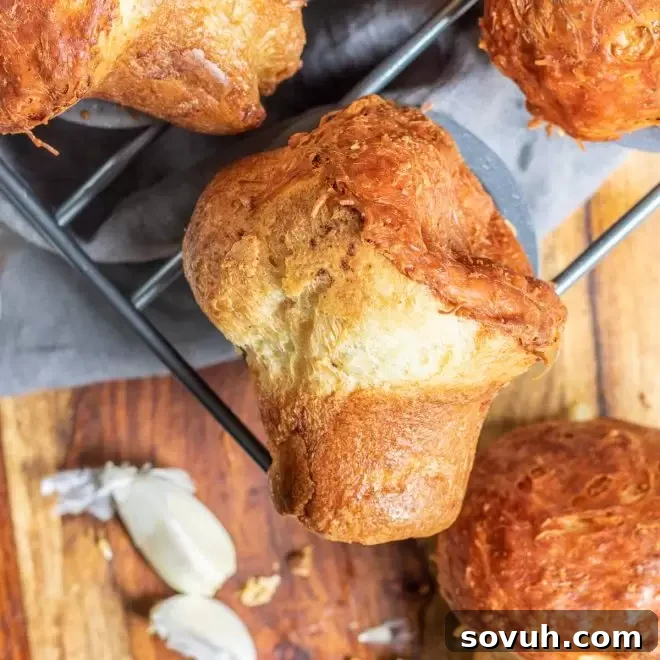
Have you ever savored the delightful experience of a Yorkshire pudding? These light, savory baked puddings are a beloved staple in English cuisine, traditionally served alongside a hearty pot roast. They boast a unique texture—crisp on the outside, tender and airy within—making them a perfect accompaniment to rich, meaty dishes.
Our Garlic Parmesan Popover recipe takes this classic concept and infuses it with an exciting, aromatic twist. While maintaining the signature light and buttery qualities that pair so wonderfully with roast beef or any main course, our version is enhanced with the robust flavors of fresh garlic and rich Parmesan cheese. This ingenious combination transforms a simple side into an unforgettable culinary treat. For those who enjoy a different cheesy variation, we also have an equally amazing Gruyere Popover recipe that offers its own unique depth of flavor.
Our specific take on this beloved baked good bears a strong resemblance to a popular regional variation often known as a Portland or Oregon popover. These versions frequently incorporate garlic and various herbs to create a distinct and inviting flavor profile, much like what you’ll find in our recipe. Whether you refer to them as popovers, a modern twist on Yorkshire puddings, or simply incredibly delicious savory rolls, one thing is certain: you and your dinner guests are guaranteed to fall in love with these fluffy, flavorful creations.
Note: This post may contain affiliate links. This means that if you click on a link and make a purchase, we may receive a small commission, at no extra cost to you. Your support helps us continue creating delicious recipes!
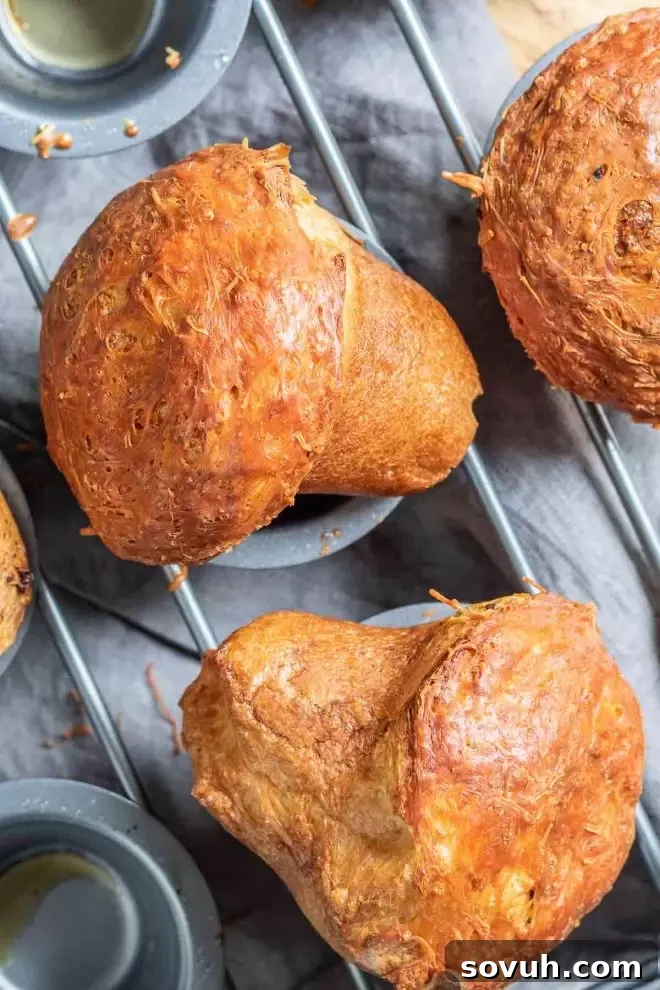
Essential Ingredients for Fluffy Garlic Parmesan Popovers
Crafting these perfectly puffed, savory popovers requires a few simple yet essential ingredients. The quality of each component plays a crucial role in achieving the ideal texture and flavor that makes these rolls so irresistible. Here’s a detailed look at what you’ll need to gather:
- Whole Milk: The choice of milk significantly impacts the final product. Whole milk, with its higher fat content, offers the richest flavor and contributes to a wonderfully tender and moist interior, enhancing the overall texture of your popovers. While other types of milk can be used, whole milk yields the best results.
- All-Purpose Flour: Standard all-purpose flour is the backbone of this recipe, providing the necessary structure for the popovers to rise dramatically. Sifting the flour beforehand is a small but crucial step that helps create a smoother batter, preventing lumps and ensuring a consistently airy crumb.
- Seasonings: We keep the seasonings simple yet impactful. Kosher salt is preferred for its pure flavor and coarse texture, while fresh black pepper adds a subtle kick. These two seasonings are all you truly need to complement the garlic and Parmesan without overpowering them.
- Eggs: You’ll need six large eggs for this recipe, and their role is paramount. Eggs are the primary leavening agent in popovers, working in conjunction with steam to create their signature rise. The key is whipping them thoroughly until frothy, incorporating plenty of air which is essential for that light, puffy structure.
- Salted Butter: Butter brings richness and a golden crust to the popovers. Using salted butter adds an extra layer of savory flavor that beautifully harmonizes with the garlic and Parmesan. If you only have unsalted butter, simply add an additional pinch of salt to the batter.
- Fresh Garlic: The heart of the “garlic” in Garlic Parmesan Popovers! Using fresh garlic is non-negotiable for the best flavor. Finely mincing it or using a garlic press ensures that its pungent, aromatic oils are evenly distributed throughout the butter and into the popover batter.
- Parmesan Cheese: A generous amount of grated Parmesan cheese provides a sharp, salty, and utterly delicious counterpoint to the garlic. Whether you choose pre-grated Parmesan or grate a fresh block yourself, ensure it’s finely grated to melt smoothly and distribute flavor effectively.
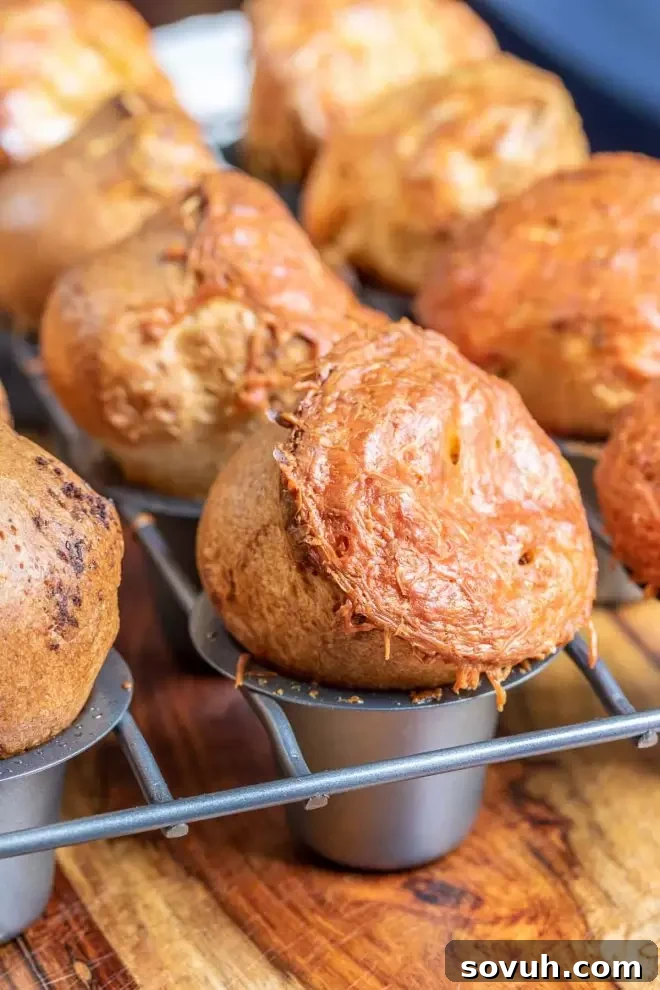
Step-by-Step Guide to Perfect Garlic Parmesan Popovers
Making light and airy popovers might seem intimidating, but with these clear, step-by-step instructions, you’ll be baking perfect Garlic Parmesan Popovers in no time. Precision and patience are your best friends here!
Step 1 – Prepare the Flavored Butter and Preheat the Pan. Begin by creating your flavorful garlic butter. In a small bowl, combine the softened salted butter with the finely minced garlic. Use a fork or a small spatula to mash them together until the garlic is thoroughly incorporated into the butter. This simple step infuses the popovers with a foundational layer of garlic flavor right from the start.
Next, prepare your popover pan. For a standard 6-cup popover pan (or a 12-cup muffin tin if you’re substituting), place approximately ½ teaspoon of the prepared garlic butter into the bottom of each cup. Distribute it evenly, ensuring a thin coating. This butter will melt and sizzle, helping the popovers achieve a beautiful golden crust and preventing sticking.
Once the pan is ready, strategically place it in the bottom third of your oven. Then, preheat the oven to 400°F (200°C). Allowing the pan to preheat with the oven is critical; a hot pan ensures the batter immediately begins to steam and puff when poured in, contributing to that impressive rise.
Step 2 – Craft the Silky Batter. While your oven and pan are preheating, turn your attention to the popover batter. In a small saucepan over medium-high heat, gently warm the milk. Heat it until you observe small bubbles forming around the edges of the saucepan, indicating it’s adequately warmed but not boiling vigorously.
Concurrently, in a separate bowl, combine your all-purpose flour and kosher salt. To achieve an exceptionally fine and lump-free texture, run this dry mixture through a sieve or fine-mesh strainer. This helps prevent lumps in the final batter and promotes an even rise. Set the sieved flour mixture aside.
Now, crack your six large eggs into a large mixing bowl. Using a whisk, beat the eggs vigorously until they become light, pale, and notably frothy. This aeration is incredibly important as it incorporates air into the eggs, which acts as a leavening agent alongside the steam, making your popovers light and airy.
Once the milk is warmed, remove it from the heat. Begin to slowly pour the warm milk into the frothy egg mixture, whisking continuously and gently as you pour. This slow, steady stream and constant whisking are crucial to temper the eggs, preventing them from scrambling or cooking from the hot milk. The goal is to gradually raise the temperature of the eggs while combining them smoothly.
After the milk and eggs are thoroughly combined, add the previously sieved flour mixture to the wet ingredients. Whisk this mixture until it is completely smooth and free of any lumps. Don’t overmix, but ensure all ingredients are well integrated to form a smooth, pourable batter.
Step 3 – Fill, Bake, and Serve Immediately. With your batter perfected and your pan piping hot, it’s time for the final stretch. Carefully, and with oven mitts, remove the preheated popover pan from the oven. Working quickly but precisely, fill each cup approximately three-quarters full with the prepared batter. Overfilling can cause them to overflow, while underfilling might result in smaller popovers.
Immediately after filling, generously top the batter in each cup with about ½ ounce of grated Parmesan cheese. This cheese will melt into the popover, creating a savory, cheesy crust and infusing every bite with rich flavor.
Gently place the filled pan back into the oven. It’s a good practice to place a baking sheet on the rack directly below the popover pan to catch any potential drippings, which can sometimes occur if the butter or batter bubbles over. Bake the popovers for a precise 45 minutes. During this entire baking period, it is absolutely critical that you DO NOT open the oven door. Opening the door releases the trapped steam, which is essential for the popovers to rise and maintain their structure, and can cause them to collapse.
Once the timer signals the end of baking, carefully remove the golden, puffed popovers from the oven. To prevent them from collapsing as they cool, immediately pop them out of the tin. Using a sharp knife or kitchen shears, cut a small slit into the bottom of each popover. This action allows the trapped steam to escape, helping them maintain their impressive, airy shape. Transfer your magnificent Garlic Parmesan Popovers to a bread basket and serve them immediately while they are still wonderfully warm and tender. Enjoy!
Expert Tips for Crafting the Best Popovers Every Time
Garlic Parmesan Popovers are relatively simple to make, yet achieving that consistently impressive rise and airy interior can be a subtle art. With a few key techniques and insider tips, you can master this recipe and impress everyone at your dinner table. Here are our top recommendations for baking the perfect popovers:
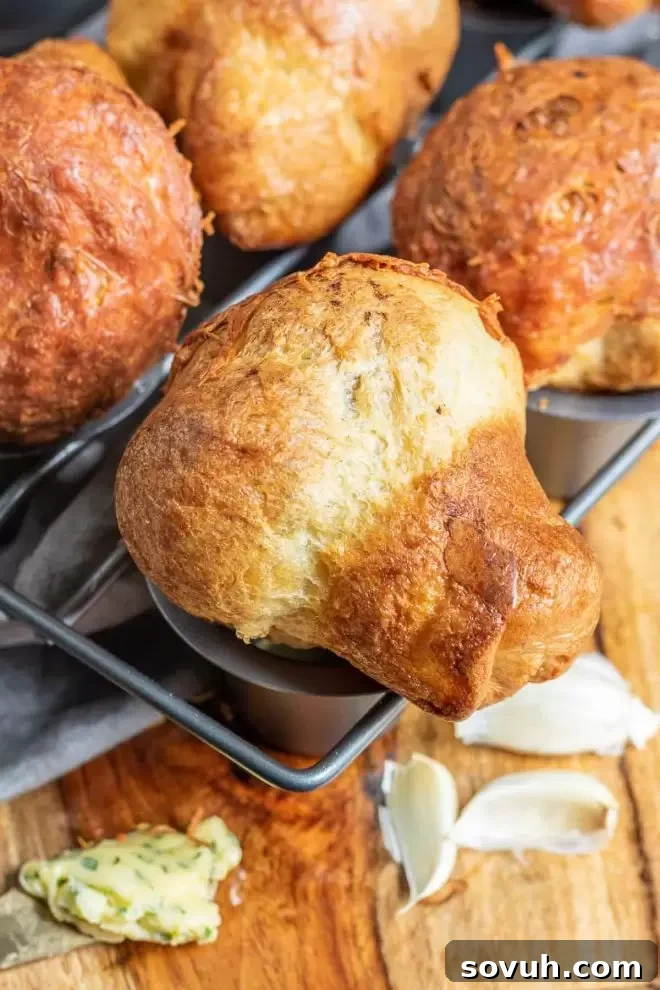
- Invest in the Right Tool: The Popover Pan. While it’s true you can use a standard muffin tin as an alternative, a specialized popover pan is highly recommended for optimal results. The tall, narrow cups of a popover pan are specifically designed to force the batter upwards as steam builds inside, encouraging that distinctive, dramatic rise and creating the classic, airy, and fluffy interior. Muffin tins tend to produce shorter, broader, and denser results. Using the proper pan truly makes a visible difference in the popover’s iconic shape and texture.
- Whisk Vigorously for Maximum Air. Unlike many baked goods that rely on chemical leavening agents like baking powder or soda, popovers achieve their incredible height and fluffiness almost entirely through steam and the air incorporated into the batter. The critical step here is to thoroughly whisk your eggs until they are genuinely frothy and light. This process incorporates a significant amount of air into the egg mixture, which then expands during baking, pushing the popovers upwards. Don’t be shy with your whisking – the more air you get into that batter, the lighter and taller your popovers will be!
- The Power of a Preheat: Heat Your Pan. This often-overlooked step is a game-changer for tall popovers. Pouring your well-prepared batter into a piping hot pan causes the exterior of the batter to set quickly while the internal moisture rapidly turns to steam. This immediate burst of steam is what propels the popover to rise dramatically. Place your empty popover pan in the oven as it preheats, and let it sit at the target temperature for at least 5-10 minutes before you’re ready to fill it. Only remove the pan from the oven right before you’re about to pour in the batter, and work quickly to retain as much heat as possible.
- Resist the Urge to Peek! This is perhaps the most crucial rule for popover success. Once your popovers are safely in the oven and baking, it is absolutely essential that you do not open the oven door until the timer goes off. Even a brief opening of the oven door allows cooler air to rush in, causing the temperature to drop and the steam to escape prematurely. This sudden change can cause your beautifully rising popovers to deflate or prevent them from rising at all, resulting in dense, disappointing rolls. Trust the process and keep that door closed!
- Prevent Collapse: Release the Steam. Popovers are best enjoyed warm, straight from the oven, when they are at their peak of fluffiness. However, as they cool, they have a natural tendency to deflate. To help them maintain their impressive shape and airy interior, immediately after removing them from the oven, gently cut a small slit into the bottom or side of each popover. This allows the superheated steam trapped inside to escape, equalizing the pressure and helping to prevent the center from collapsing. Serve them up quickly for the ultimate experience!
- Ensure Optimal Oven Temperature: While our recipe calls for 400°F, many ovens can fluctuate in temperature. If you frequently bake, consider investing in an oven thermometer to ensure your oven is truly at the set temperature. An accurate oven temperature is vital for the correct steam formation and the perfect rise of your popovers.
- Avoid Overmixing the Batter: After adding the flour mixture, whisk until just combined and smooth. Overmixing can develop the gluten in the flour too much, leading to tougher popovers instead of the desired delicate, airy texture.
Popovers vs. Yorkshire Pudding vs. Dutch Baby: A Family of Flavorful Breads
Popovers, Yorkshire puddings, and even Dutch babies are all delightful members of the same culinary family, sharing fundamental ingredients and a unique baking characteristic: they rely on steam for their dramatic rise. While they all start with a simple batter of eggs, flour, and milk, their preparation methods, traditional accompaniments, and serving styles are what give each its distinct identity.
Popovers are typically baked in specialized popover pans, which feature tall, individual cups. Before the batter is poured, a little heated butter or oil is often placed in the bottom of each cup. As we do in this recipe, popovers are incredibly versatile and can be enhanced with additional seasonings like garlic, fresh herbs, or a generous topping of cheese, as with our Parmesan Popovers. The unique design of the popover pan is key to their distinctive, impressive height and puffy, airy tops. The tall sides of the pan force the steam to push the batter upwards, resulting in those beloved light and hollow centers.
Yorkshire pudding, a quintessential British side dish, traditionally boasts a richer history and a slightly different cooking method. Historically, the batter for Yorkshire puddings was poured into a hot pan containing the savory drippings from a roast that had been cooking low and slow all day. The hot fat and oven temperature would cause the batter to puff up around the meat drippings, creating a gloriously fluffy and flavorful bread, perfect for soaking up gravies and serving alongside roast beef. Today, while drippings are still prized, many home cooks use bacon grease, rendered fat from a roast, or simply oil or butter in a hot pan. Yorkshire puddings are often made in larger baking dishes or, for individual portions, in muffin tins, much like mini popovers, though their shape tends to be broader and less dramatically tall than a popover.
A Dutch Baby, also known as a German pancake, is typically a breakfast or brunch delicacy. It shares the same basic batter ingredients as popovers and Yorkshire pudding but is characterized by its large, pancake-like form. A Dutch Baby is almost always baked in a preheated cast-iron skillet, though a casserole dish can also be used. As it bakes, it puffs up impressively around the edges, forming a large, golden, and slightly crisp pancake with a tender center. Once it emerges from the oven, the Dutch Baby is traditionally topped with a variety of sweet or savory ingredients. Sweet options often include a dusting of powdered sugar, fresh fruits like berries, a drizzle of maple syrup, or a homemade strawberry sauce. For a savory twist, you might find it topped with crispy bacon, breakfast sausage, ham, sautéed vegetables, or cheese, making it a versatile and satisfying meal for any time of day.
Do You Have to Use a Popover Pan? Understanding Your Options
The question of whether a specialized popover pan is absolutely essential is a common one for anyone venturing into popover baking. While a popover pan will undeniably yield the most visually striking, tall, and impressively puffed popovers with their characteristic hollow centers, it’s not strictly mandatory to get a delicious result.
If you don’t own a popover pan or prefer not to purchase one, a regular muffin tin can serve as a perfectly acceptable alternative. However, there are a few considerations to keep in mind:
- Size and Shape: When using a muffin tin, your popovers will naturally be smaller and have a broader, more muffin-like shape rather than the tall, slender profile of those baked in a dedicated popover pan. The steam inside the muffin cups won’t have the same vertical space to push the batter upwards as dramatically.
- Batter Quantity: You will generally use less batter per cup in a standard muffin tin. Still aim to fill each muffin cup about three-quarters full to allow for sufficient rise without overflowing.
- Texture Variation: While they will still be delicious, the texture might vary slightly. They may be a bit denser or less airy in the center compared to their popover-pan counterparts, simply due to the difference in how the steam expands.
In essence, using a muffin tin means you can still enjoy homemade popovers, but they will be more akin to “mini Yorkshire puddings” in appearance and texture. They’ll still be warm, savory, and a wonderful accompaniment to your meal, just with a slightly different aesthetic. So, don’t let the lack of a specialized pan stop you from trying this fantastic recipe!
Perfect Pairings: What to Serve with Garlic Parmesan Popovers
These savory Garlic Parmesan Popovers are incredibly versatile and can complement a wide array of dishes. Their light texture and robust flavor make them a fantastic alternative to traditional bread rolls. Here are some ideas for perfect pairings:
- Roast Dinners: Just like traditional Yorkshire puddings, these popovers are phenomenal with any kind of roast. Think classic roast beef, a succulent roasted chicken, or even a tender lamb shoulder. They’re perfect for soaking up flavorful gravies.
- Steak and Potatoes: Elevate a simple steak dinner by serving these popovers instead of your usual bread. The garlic and Parmesan flavors beautifully complement grilled or pan-seared steaks.
- Soups and Stews: Their airy texture makes them ideal for dipping into hearty soups and stews, from a rich beef stew to a creamy tomato soup.
- Holiday Feasts: These popovers are a guaranteed showstopper for holiday tables. They’re a unique and memorable addition to Thanksgiving, Christmas, or Easter dinners.
- Pasta Dishes: Serve them alongside your favorite pasta, especially those with rich sauces like bolognese or a creamy Alfredo, to sop up every last bit of deliciousness.
- Weekend Brunch: For a more adventurous brunch, serve them alongside scrambled eggs, bacon, and fresh fruit for a savory twist on breakfast bread.
Storing and Reheating Your Popovers
Popovers are undeniably at their best when served immediately, warm from the oven. However, if you happen to have any leftovers, they can be stored and reheated, though they might lose some of their initial crispness and dramatic puff.
- Storage: Allow any leftover popovers to cool completely to room temperature. Store them in an airtight container or a resealable plastic bag at room temperature for up to 1-2 days. For longer storage, you can refrigerate them for up to 3-4 days.
- Reheating: To reheat, preheat your oven to 350°F (175°C). Place the popovers directly on a baking sheet and heat for 5-10 minutes, or until warmed through and slightly crisp again. Be careful not to overheat, as they can become dry. A toaster oven also works well for reheating individual popovers.
Looking for More Delicious Bread Recipes?
If you’ve enjoyed making and tasting these Garlic Parmesan Popovers, you’re in for a treat! We have a treasure trove of other fantastic bread recipes, ranging from quick breads to savory rolls, perfect for any occasion. Explore our collection and find your next baking adventure:
- Overnight Refrigerator Yeast Rolls
- Fluffy Baking Powder Biscuits
- Delightful Cranberry Orange Quick Bread
- Spicy Jalapeño Cheddar Cornbread
- Irresistible Apple Cinnamon Pull Apart Bread
- Sweet Caramel Apple Bread
- Discover More Bread Recipes…
Loved this Garlic Parmesan Popovers recipe?
Don’t miss out on our latest culinary inspirations! Make sure to follow us on Instagram and Pinterest for more delectable recipes, baking tips, and meal ideas.
Servings: 12
Prep Time: 20 mins
Cook Time: 45 mins
Total Time: 1 hr 5 mins
Garlic Parmesan Popovers
Created By: Kat Jeter & Melinda Machado
Garlic Parmesan Popovers are the perfect combination of garlic bread and traditional popovers. This soft, puffy roll will complement nearly any dinner!
Ingredients
- 3 cups Whole Milk
- 3 cups All-purpose flour
- 3 teaspoons Kosher salt
- 1 teaspoon Black Pepper
- 6 large Eggs
- 2 tablespoons Salted Butter
- 2 cloves Fresh Garlic, finely minced
- 6 ounces Parmesan cheese, grated
Instructions
- In a small bowl, mash together the minced garlic and softened butter until well combined.
- Prepare a 12-cup popover pan (or muffin tin) by placing ½ teaspoon of the garlic butter in the bottom of each cup.
- Place the pan in the bottom third of your oven and preheat the oven to 400°F (200°C).
- In a saucepan over medium-high heat, warm the milk until small bubbles begin to form around the edges.
- In a separate bowl, combine the flour and salt. Sieve the mixture to ensure it is extra fine and lump-free. Set aside.
- In a large mixing bowl, whisk the eggs vigorously until they are light and frothy.
- Remove the warm milk from the heat. Slowly pour it into the frothy egg mixture, whisking continuously to temper the eggs and prevent scrambling.
- Once the milk and eggs are combined, gradually add the sieved flour mixture, whisking until the batter is smooth and no lumps remain.
- Carefully remove the hot popover pan from the oven and quickly fill each cup approximately 3/4 full with the batter.
- Generously top the batter in each cup with about 1/2 ounce of grated Parmesan cheese.
- Place the pan back into the oven, ideally with a baking sheet on the rack below to catch any drips. Bake for 45 minutes without opening the oven door at any point.
- Once baked, remove the popovers from the oven. Immediately remove them from the tin and cut a small slit in the bottom of each to release steam and prevent collapsing. Serve immediately in a bread basket.
Nutrition Information (Estimated)
Serving: 1 popover
Calories: 252kcal
Carbohydrates: 28g
Protein: 13g
Fat: 9g
Saturated Fat: 5g
Trans Fat: 1g
Cholesterol: 112mg
Sodium: 889mg
Potassium: 168mg
Fiber: 1g
Sugar: 3g
Vitamin A: 365IU
Vitamin C: 1mg
Calcium: 260mg
Iron: 2mg
Course: Side Dish
Cuisine: American
