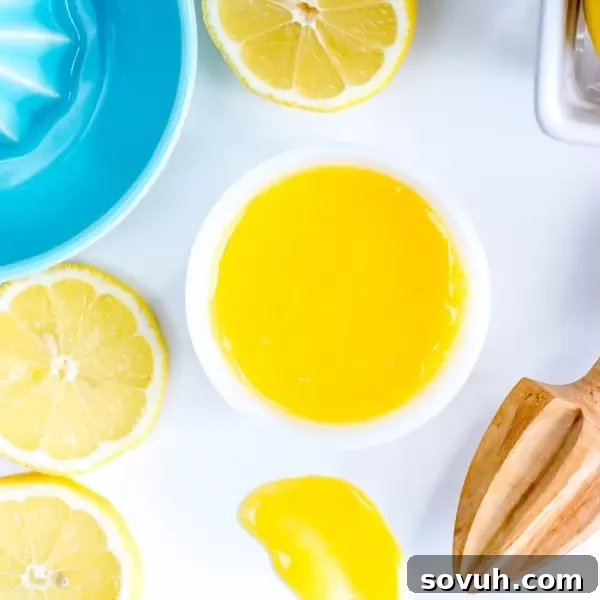
How to Make the Best Lemon Curd: A Zesty Guide to Homemade Perfection
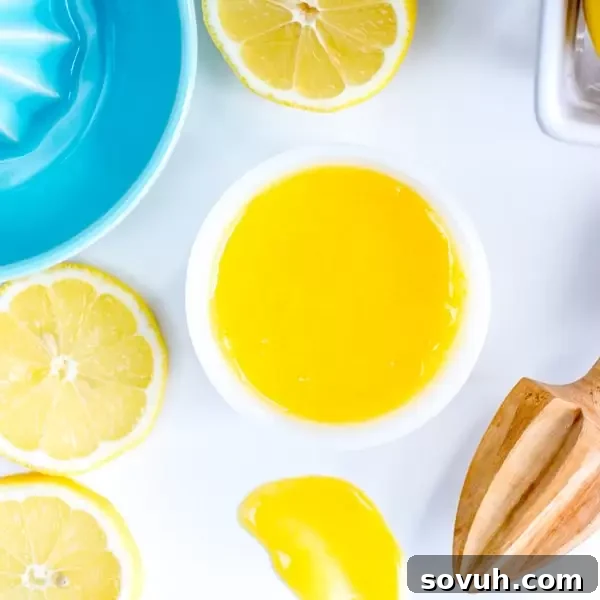
For anyone who appreciates the vibrant, uplifting flavor of lemons, learning how to make lemon curd is an absolute kitchen essential. This delightful citrus creation is more than just a spread; it’s a versatile filling and topping that brings a burst of sunshine to any dish. Imagine a spoonful of creamy, tangy, and perfectly sweet lemon goodness – that’s the magic of homemade lemon curd. It’s undeniably bright, wonderfully tart, and possesses a velvety texture that melts in your mouth, making it an irresistible component in countless desserts.
Whether you’re a seasoned baker or a curious beginner, mastering this easy lemon curd recipe will open up a world of culinary possibilities. You can use it as a luxurious filling between layers of a fluffy coconut cake, blend it with cream cheese for an incredible lemon cream cheese danish, or even whip it into a light and airy no-bake lemon meringue dip. Its versatility is truly remarkable, allowing you to elevate simple treats into extraordinary delights.
What Exactly is Lemon Curd?
Lemon curd is a smooth, rich, and intensely flavored dessert spread typically made with lemon juice, zest, sugar, eggs, and butter. Originating in England in the late 19th century, it was traditionally served with bread or scones as an alternative to jam, particularly during afternoon tea. Unlike fruit jams or marmalades, which are thickened with pectin and contain whole fruit pieces, lemon curd achieves its thick, creamy consistency primarily through the coagulation of egg yolks and the emulsification of butter. Its unique texture is somewhere between a thick custard and a soft jelly, offering a delightful melt-in-your-mouth experience.
The distinct flavor profile of lemon curd is a delicate balance of intense tartness from fresh lemons and a comforting sweetness, enriched by the butter and eggs. This combination creates a complex, bright, and utterly delicious spread that stands out from other dessert fillings.
Lemon Curd vs. Lemon Pie Filling: Understanding the Nuances
While both lemon curd and lemon pie filling share a common lemony essence and often appear in similar dessert applications, there’s a fundamental difference in their composition and texture. This distinction is crucial for achieving the desired outcome in your baking.
Generally, lemon pie filling relies on thickening agents like cornstarch, flour, or even gelatin to achieve its firm, sliceable consistency. These starches or gelling agents allow the filling to set up quite firmly, making it ideal for holding its shape within a pie crust, as seen in many classic lemon meringue pies or tarts. The use of these thickeners can sometimes mute the pure lemon flavor slightly and create a texture that, while sturdy, might lack the inherent silkiness of a true curd.
In contrast, lemon curd is thickened solely by the proteins in eggs and the emulsification of butter. This method results in a product that is considerably more spreadable, lusciously smooth, and intensely flavored. It doesn’t set into a firm, gelatinous mass like many pie fillings; instead, it maintains a velvety, spoonable, and almost pourable quality when warm, firming up to a soft, creamy consistency when chilled. This makes it perfect for swirled desserts, cake fillings, or as a vibrant topping where a delicate texture is desired. While it can be used in tarts, it will remain softer than a traditional starch-thickened pie filling.
Why Make Your Own Homemade Lemon Curd?
Making lemon curd from scratch might seem intimidating, but the rewards are immense. Here’s why homemade is always the best choice:
- Unmatched Freshness: Store-bought curds often contain artificial flavors and preservatives. Homemade lemon curd, made with fresh lemon juice and zest, offers an unparalleled brightness and depth of flavor that simply cannot be replicated.
- Customizable Sweetness and Tartness: When you make it yourself, you have complete control over the balance of sweet and tart. Prefer a tangier curd? Adjust the sugar slightly. Like it a bit sweeter? A small addition makes all the difference.
- Superior Texture: The silky-smooth, luxurious texture of homemade lemon curd is far superior to many commercial versions, which can sometimes be too gel-like or sticky.
- Economical: Lemons, eggs, sugar, and butter are common pantry staples. Making your own curd is often more cost-effective than purchasing high-quality artisanal curds from specialty stores.
- Impressive Factor: There’s a special satisfaction in serving a dessert featuring a component you made entirely from scratch. Your guests will undoubtedly be impressed by the vibrant flavor and elegant presentation.
The Essential Ingredients for Perfect Lemon Curd
The beauty of lemon curd lies in its simplicity, using just a few high-quality ingredients to achieve profound flavor and texture.
- Fresh Squeezed Lemon Juice: This is non-negotiable! Bottled lemon juice lacks the bright, nuanced flavor of fresh lemons and can often taste metallic or overly acidic. For the best result, use fresh, ripe lemons.
- Lemon Zest: The zest contains essential oils that impart a more intense lemon aroma and flavor without adding extra acidity. Always zest your lemons before juicing them.
- Eggs (primarily Yolks): Egg yolks are the primary thickening agent, providing richness and body. Using mostly yolks (sometimes with a whole egg or two) creates that signature creamy texture. Ensure they are at room temperature for better incorporation.
- Granulated Sugar: Balances the tartness of the lemons. The amount can be adjusted slightly to suit your preference for more or less sweetness.
- Unsalted Butter: Added at the end, butter contributes to the curd’s luxurious silky texture, adds richness, and gives it a beautiful glossy sheen. Using unsalted butter allows you to control the overall salt content of your recipe. Ensure it’s cut into small pieces and at room temperature for easy melting and emulsification.
Step-by-Step Guide: How to Make Easy Lemon Curd
Creating homemade lemon curd is a straightforward process that yields incredibly delicious results. Follow these simple steps for a perfect batch every time.
-
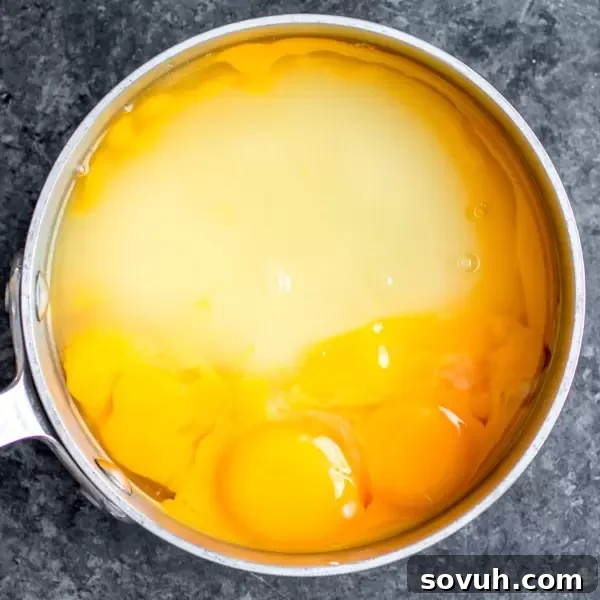
Combine and Heat Ingredients: In a small, heavy-bottomed saucepan, whisk together the egg yolks (and any whole eggs if using), granulated sugar, and fresh lemon juice until well combined. Place the saucepan over medium-high heat.
Begin cooking the mixture, stirring constantly with a whisk. Consistent stirring is key to prevent the eggs from scrambling and sticking to the bottom of the pan. Continue to cook until the curd thickens. The ideal temperature is approximately 170°F (77°C); it should never come to a boil, as boiling will curdle the eggs. This process typically takes about 10-15 minutes, during which the mixture will gradually thicken. -
Check for Thickness and Strain: The curd is ready when it’s thick enough to coat the back of a spoon. To test, dip a spoon into the curd, then run your finger across the back of the spoon. If the line you draw holds and the curd doesn’t run back together, it’s done.
Immediately remove the saucepan from the heat. To ensure a perfectly smooth and velvety curd, pour the mixture through a fine-mesh strainer into a clean bowl. This step removes any tiny bits of egg that might have accidentally cooked or any pieces of zest, resulting in a beautifully consistent texture. - Incorporate Butter and Zest: Add the small pieces of room-temperature unsalted butter to the warm strained curd. Stir continuously until the butter is completely melted and fully combined, making the curd even smoother and glossier. Finally, stir in the fresh lemon zest. Adding the zest at this stage, after the cooking process, helps preserve its vibrant aroma and flavor, preventing it from cooking out.
-
Cool and Store: Once the lemon curd has cooled slightly at room temperature, transfer it to a clean, resealable container. To prevent a “skin” from forming on the surface as it cools further, place a piece of plastic wrap directly onto the surface of the curd, ensuring it touches every part.
Allow it to cool completely in the refrigerator. Store the homemade lemon curd in the refrigerator for up to one week. For longer storage, it can be frozen for up to 2-3 months.
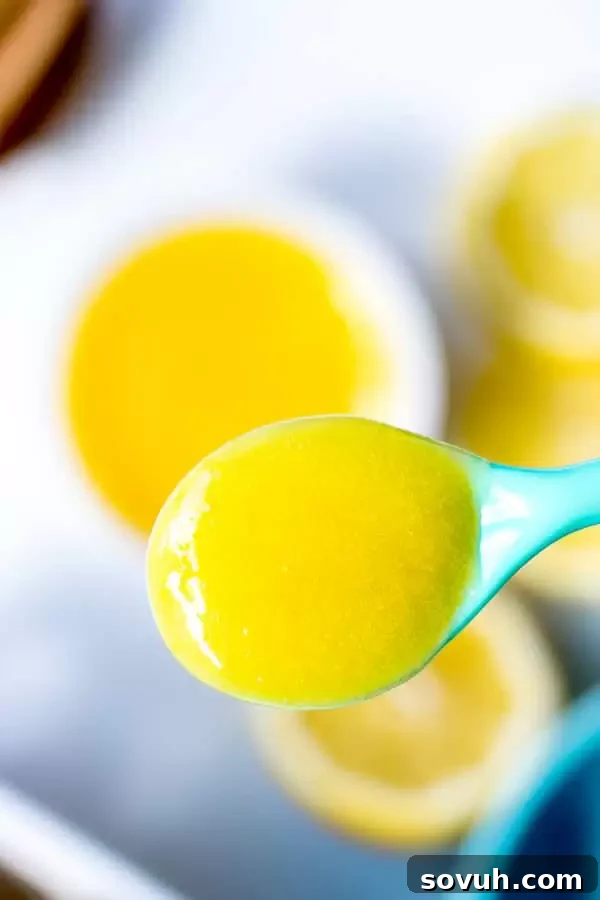
Once your glorious homemade lemon curd is ready, you’ll find it incredibly difficult to resist dipping a spoon in for a taste – or two! The beauty of this recipe is its perfect balance; it’s never overly sour, offering just the right amount of tanginess to complement its sweetness, delivering an intensely pure lemon flavor. Now that you know how to make lemon curd, it’s time to give this delightful recipe a try. You absolutely won’t be disappointed!
Expert Tips for Flawless Lemon Curd
- Always Use Fresh Lemons: As mentioned, bottled juice simply doesn’t compare. Freshly squeezed juice and zest are paramount for that bright, authentic lemon flavor.
- Stir Constantly: This is critical to prevent the eggs from scrambling and ensures a smooth, even consistency. Use a heat-proof rubber spatula or a whisk that can reach all corners of the pan.
- Control the Heat: Keep the heat at medium-high, but be prepared to reduce it if the mixture seems to be heating too quickly or threatening to boil. Gentle, consistent heat is better than high, rapid heat.
- Don’t Boil: Boiling the curd will cause the egg proteins to curdle, resulting in a lumpy texture. If you see it starting to simmer, remove it from the heat immediately and whisk vigorously.
- Use a Thermometer (Optional but Recommended): A candy thermometer or instant-read thermometer can be your best friend. Cooking to 170°F (77°C) ensures the eggs are fully cooked and the curd is safely thickened without overcooking.
- Strain for Silkiness: Don’t skip the straining step! It’s your insurance policy for an incredibly smooth and professional-looking curd.
- Chill Thoroughly: Lemon curd thickens considerably as it chills. Allow several hours (or overnight) in the refrigerator for it to reach its ideal consistency.
Troubleshooting Common Lemon Curd Problems
- Curd is Too Thin: If your curd isn’t thickening after the recommended cooking time, it might be due to insufficient heat or not enough cooking time. Return it to medium-high heat and continue whisking constantly until it reaches the desired thickness (the spoon test). Be patient, as it can take a bit longer sometimes.
- Curd is Grainy or Scrambled: This usually happens if the heat was too high or you didn’t stir constantly. If it’s slightly grainy, straining will help. If it’s truly scrambled, unfortunately, it’s difficult to fully salvage, but straining can still remove larger lumps. Prevention through proper heat management and constant stirring is key.
- Curd is Too Sour/Sweet: Taste your curd before adding the butter. While it’s harder to adjust once cooked, in future batches, you can slightly alter the sugar quantity to match your preference.
Creative Ways to Enjoy Your Homemade Lemon Curd
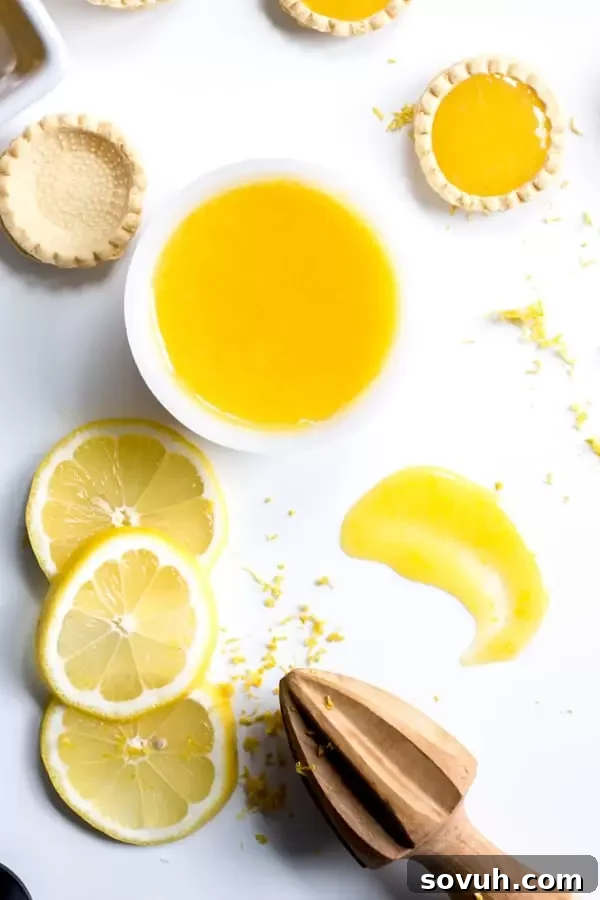
The versatility of lemon curd extends far beyond just spreading it on toast (though it’s utterly fantastic that way too!). Here are some creative ideas to incorporate your homemade lemon curd into a variety of delectable treats:
- Cake and Cupcake Filling: Lemon curd is an exquisite filling for vanilla cakes, coconut cakes, or even other citrus-flavored bakes. Its tangy brightness perfectly cuts through the sweetness of frosting.
- Tarts and Pies: Create elegant Lemon Curd Tartlets, a classic Lemon Meringue Pie, or a simple yet sophisticated lemon tart. The smooth texture of the curd is ideal for these pastries.
- Breakfast Boost: Swirl it into yogurt or oatmeal, spread it generously on scones, crumpets, croissants, or pancakes for a truly decadent breakfast or brunch.
- Cheesecake Topping: Drizzle warm lemon curd over a chilled cheesecake for an irresistible tangy counterpoint.
- Parfaits and Trifles: Layer lemon curd with whipped cream, fresh berries, and cake pieces or crushed cookies for a stunning and refreshing dessert.
- Donut or Danish Filling: Inject warm curd into homemade donuts or use it as a filling for flaky danishes, like our Lemon Cream Cheese Danish.
- Ice Cream or Sorbet Swirl: Swirl a spoonful into vanilla ice cream for a vibrant flavor twist, or blend it into a homemade lemon sorbet base.
- Whip into Mousse or Dip: Fold cooled lemon curd into whipped cream or meringue for a light and airy mousse, or create a delightful dip like our No Bake Lemon Meringue Dip.
- Lemon Bars: Use it as the tangy top layer for classic lemon bars, contrasting beautifully with a buttery shortbread crust.
- Cookie Sandwiches: Spread it between two shortbread cookies for a simple yet elegant treat.
HOW TO MAKE LEMON CURD
Like this recipe? Pin it to your Dessert board!
Follow Home. Made. Interest. on Pinterest
10
10 minutes
15 minutes
25 minutes
Lemon Curd Recipe
Kat Jeter & Melinda Machado

Print Recipe
Ingredients
- 6 Egg Yolks, room temperature
- 1 cup Granulated Sugar
- 1/2 cup Freshly Squeezed Lemon Juice, from approximately 4-5 lemons (do not use bottled lemon juice!)
- ¼ cup Unsalted Butter, cut into small pieces, room temperature
- 1 tablespoon Lemon Zest
Instructions
-
In a small, heavy-bottomed saucepan, combine the egg yolks, granulated sugar, and fresh lemon juice. Whisk them together continuously over medium-high heat until the curd begins to thicken. The temperature should reach approximately 170 degrees F (77°C) but should not boil. This typically takes about 10-15 minutes, with constant stirring to prevent scrambling.
-
Once the curd is thick enough to coat the back of a spoon and leaves a clear line when you drag your finger through it, remove it from the heat. Pour the curd through a fine-mesh strainer into a clean bowl to remove any potential bits of scrambled egg or zest, ensuring a silky-smooth texture.
-
Add the small pieces of unsalted butter to the warm curd, stirring until it is fully melted and incorporated, making the curd rich and glossy. Stir in the fresh lemon zest at this stage to retain its vibrant aroma and flavor.
-
Once the lemon curd has cooled slightly, transfer it to a resealable container. Press plastic wrap directly onto the surface of the curd to prevent a skin from forming as it cools further. Store in the refrigerator for up to 1 week, or freeze for longer storage.
Nutrition
Calories:
155
kcal
,
Carbohydrates:
21
g
,
Protein:
1
g
,
Fat:
7
g
,
Saturated Fat:
3
g
,
Cholesterol:
129
mg
,
Sodium:
46
mg
,
Potassium:
24
mg
,
Sugar:
20
g
,
Vitamin A:
300
IU
,
Vitamin C:
5.5
mg
,
Calcium:
15
mg
,
Iron:
0.3
mg
Dessert
American
More Delicious Recipes That Feature Lemon Curd:
- Lemon Curd Tartlets
- Lemon Cream Cheese Danish
- Lemon Berry Napoleon
- No Bake Lemon Meringue Dip