This post originally appeared on Real Housemoms, where we are proud contributors.
Authentic Pasta Carbonara: Your Guide to Crafting the Perfect Creamy Italian Classic at Home
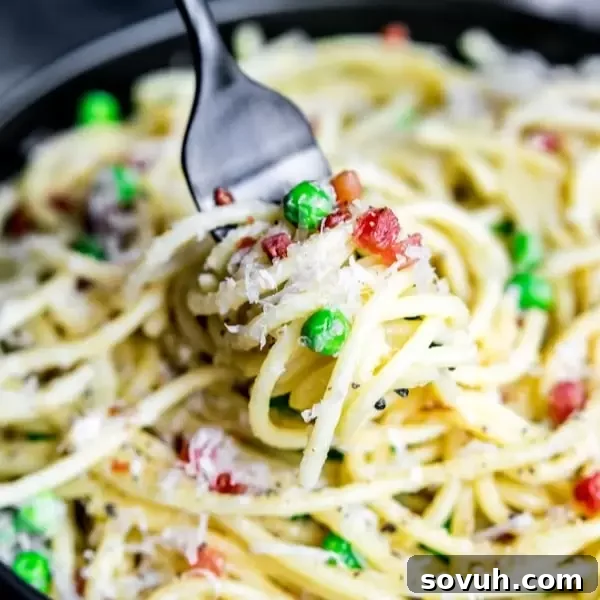
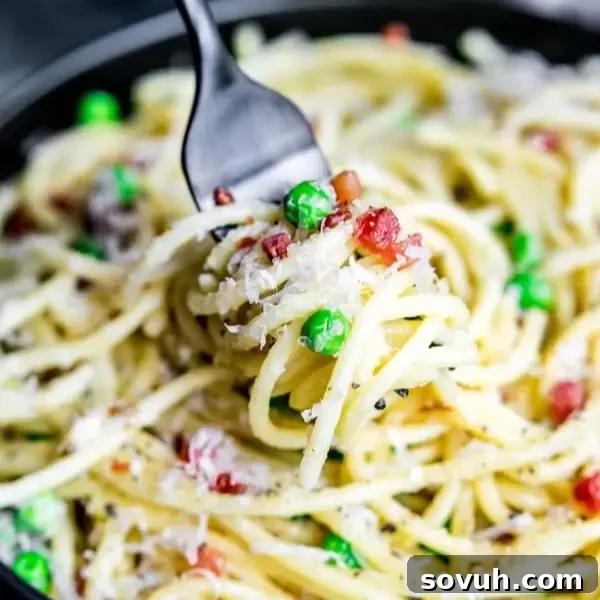
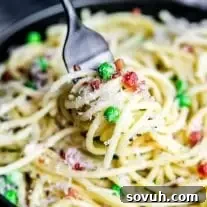
Unlock the secrets to a truly unforgettable Pasta Carbonara! This timeless Italian dish features al dente spaghetti coated in a rich, velvety sauce of eggs and cheese, perfectly balanced with crispy pancetta (or guanciale) and a touch of sweet peas.
The Enduring Allure of Authentic Pasta Carbonara
Pasta Carbonara holds a special place in the pantheon of Italian cuisine. It’s a dish that, despite its seemingly simple ingredient list, possesses an incredible depth of flavor and a luxurious creaminess that is utterly captivating. For many food enthusiasts, it represents the epitome of comfort food – a warm, satisfying embrace that transports you straight to the heart of Italy with every forkful. While it’s a staple on Italian restaurant menus worldwide, finding a version that truly captures the authentic essence of Roman Carbonara can be a delightful challenge. This quest often leads home cooks to discover the immense satisfaction of preparing this classic dish themselves.
The true genius of Carbonara lies in its unique sauce. Unlike many pasta dishes that rely on heavy cream for richness, traditional Carbonara achieves its iconic velvety texture through a masterful emulsification of raw eggs, finely grated Pecorino Romano cheese, the flavorful rendered fat from cured pork (ideally guanciale or pancetta), and the starchy water left over from cooking the pasta. When these elements are skillfully combined with hot, al dente spaghetti, they transform into a silky, glossy coating that perfectly adheres to each strand, delivering a symphony of savory, salty, and umami notes.
Beyond the luscious sauce, the dish is elevated by the inclusion of crisp, salty pieces of cured pork, which provide a delightful textural contrast and an intense burst of savory goodness. A generous grinding of fresh black pepper adds a warm, aromatic kick, tying all the flavors together. Our beloved rendition also features vibrant English peas, which, while not universally traditional, offer a refreshing hint of sweetness and a pop of color that beautifully balances the richness of the dish. This balanced complexity makes homemade Carbonara a truly rewarding culinary experience that is both impressive and surprisingly approachable.
Note: This post may contain affiliate links. That means if you click on a link and make a purchase we may receive a small commission. Thank you for supporting our content!
The Essential Ingredients for Your Perfect Carbonara
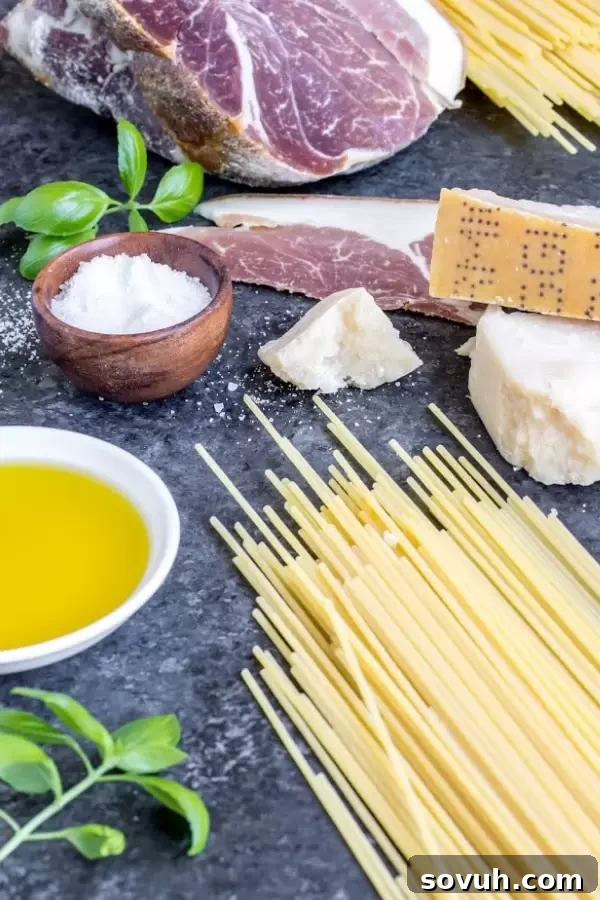
The secret to an extraordinary Pasta Carbonara lies not in a lengthy list of exotic items, but in the quality and proper preparation of a few key ingredients. Each component plays a vital role in building the dish’s signature flavor and texture. Here’s a closer look at what you’ll need:
- Spaghetti: While spaghetti is the classic and most popular choice, its long, thin, and round strands are ideal for picking up and holding the luxurious sauce. Other long pasta shapes like bucatini (a thicker, hollow spaghetti), fettuccine, or linguine can also be used effectively. Even shorter, tubular pastas like rigatoni can work, though they offer a different mouthfeel. The most important aspect is to cook your chosen pasta to a perfect “al dente” – firm to the bite – ensuring it maintains its structure and provides a satisfying texture within the creamy sauce.
- Pancetta or Guanciale: For truly authentic Roman Carbonara, guanciale, a cured pork jowl, is the traditional choice. It boasts a richer fat content and a deeper, more complex flavor than other cured pork. However, guanciale can be difficult to find outside of Italy or specialty Italian delis. Italian pancetta, which is cured pork belly, serves as an excellent and more accessible substitute. Both render delicious fat that forms the base of the sauce and crisp up into irresistible savory bits. If neither is available, high-quality, thick-cut smoked bacon can be used, though it will impart a smokier flavor profile that deviates slightly from the traditional.
- Pecorino Romano Cheese: This sharp, salty, hard Italian cheese, made from sheep’s milk, is absolutely essential. Its distinct tangy and savory punch is what gives Carbonara much of its characteristic flavor. While Parmigiano-Reggiano can be used as a milder alternative, it will result in a different, less robust taste. For the best melting consistency and flavor, always grate your Pecorino Romano fresh from a block.
- Eggs: The heart of the creamy sauce! A typical Carbonara recipe uses a combination of whole eggs and extra egg yolks. The yolks contribute richness and help create a thicker, more luxurious emulsion, while the whites add volume. The key is that the heat from the freshly cooked pasta, not direct stove heat, gently cooks the eggs, transforming them into a silky sauce rather than scrambled bits. Fresh, good-quality eggs are important, and for safety, pasteurized eggs are highly recommended.
- Freshly Ground Black Pepper: Often referred to as “carbon” in the dish’s name (referencing the appearance of coal flecks), black pepper is more than just a seasoning. A generous amount of freshly cracked black pepper adds a fragrant, pungent warmth that beautifully cuts through the richness of the pork and cheese. Avoid pre-ground pepper; its flavor and aroma are incomparable to freshly cracked.
- English Peas (Optional): While some purists argue against their inclusion, English peas are a popular and delicious addition to Carbonara for many. They introduce a lovely pop of color, a delicate sweetness, and a fresh contrast that lightens the richness of the dish. If you enjoy them, they’re a wonderful complement; otherwise, feel free to omit them.
- Extra Virgin Olive Oil: Used minimally, primarily to start the rendering process of the pancetta, or to supplement its fat if needed.
Is It Safe to Consume Under-Cooked Eggs in Carbonara?
Concerns about consuming under-cooked eggs are valid and frequently arise when discussing Carbonara. However, when prepared correctly, Pasta Carbonara is generally considered safe and undeniably delicious. The eggs in Carbonara are not intended to be fully “cooked” in the traditional sense, like scrambled eggs or an omelet. Instead, they are gently emulsified and warmed by the residual heat of the hot pasta and the rendered pork fat, creating a creamy sauce. This process typically doesn’t bring the eggs to the 160°F (71°C) temperature required for full coagulation.
To significantly mitigate any potential risks of foodborne illnesses, such as Salmonella, it is strongly recommended to use pasteurized eggs for this recipe. Pasteurization is a heat treatment that reduces harmful bacteria without actually cooking the egg. Always check your egg carton for labeling indicating “pasteurized” when purchasing ingredients for Carbonara.
Despite using pasteurized eggs, it’s wise to exercise particular caution when serving dishes containing under-cooked eggs to certain vulnerable populations. This includes pregnant women, infants and very young children, elderly individuals, and anyone with a compromised immune system. For these groups, the risk, however small, may outweigh the enjoyment of the traditional preparation. If you have any reservations or are serving a high-risk individual, you might consider alternative “Carbonara-style” recipes that incorporate a cooking method that ensures the eggs reach a higher temperature, or use a cream-based sauce, though this would deviate from authentic Carbonara.
Mastering the Art of Homemade Pasta Carbonara: A Step-by-Step Guide
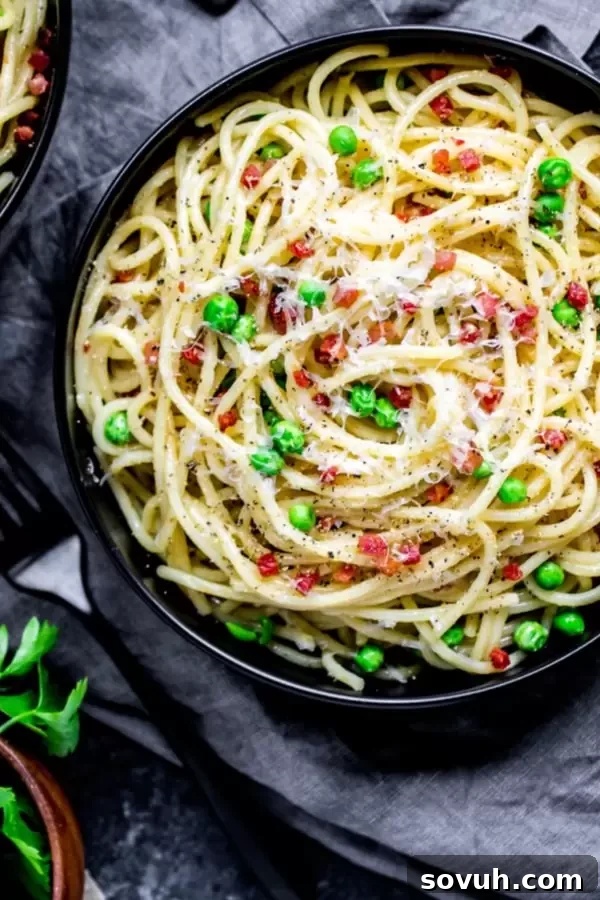
Crafting a perfect Pasta Carbonara at home is a rewarding experience that requires attention to detail, particularly regarding timing and temperature. The goal is a rich, emulsified sauce, not scrambled eggs. Follow these comprehensive steps to achieve a truly authentic and delicious outcome:
- Crisp the Pancetta (or Guanciale): In a large Dutch oven or a deep, heavy-bottomed skillet, add 1-2 tablespoons of extra virgin olive oil. Heat over medium-high heat. Add the thinly sliced or diced pancetta (or guanciale) and cook, stirring occasionally, until the pork is beautifully crisp and has rendered most of its fat. This step is crucial for both the crispy texture and the flavorful fat that forms the sauce’s base.
- Prepare the Pan and Pork: Using a slotted spoon, carefully remove the crispy pancetta from the pan and transfer it to a plate lined with paper towels to drain any excess grease. Set it aside for later. Pour off all but approximately 3 tablespoons of the rendered fat and olive oil mixture from the pot. If you have less than 3 tablespoons, add a little more olive oil to reach the desired amount. This seasoned fat is essential for flavoring the pasta.
- Whisk the Egg and Cheese Mixture: In a medium-sized bowl, whisk together your eggs (e.g., 2 whole eggs and 1-2 extra yolks for richness) and the finely grated Pecorino Romano cheese until the mixture is smooth and well combined. Season generously with freshly ground black pepper. Important: Do NOT add salt at this stage, as the Pecorino Romano and pancetta are already quite salty.
- Cook the Pasta Al Dente: Bring a large pot of water to a vigorous boil. Add a generous amount of sea salt to the water – it should taste noticeably salty, like the ocean. Add the spaghetti and cook according to package instructions until it is perfectly al dente. This means it should be firm to the bite, not mushy, as it will continue to cook slightly when combined with the hot sauce.
- Reserve Starchy Pasta Water: Before draining the pasta, use a heat-proof measuring cup to reserve at least 1 cup of the starchy pasta water. This cloudy, salty, starchy water is your secret weapon; it helps to emulsify the sauce and allows you to adjust its consistency to perfection.
- Combine Pasta with Fat: Drain the cooked pasta thoroughly, but do not rinse it. Immediately transfer the hot, drained pasta back into the Dutch oven or skillet with the reserved 3 tablespoons of warm rendered fat and olive oil. Toss the pasta gently to coat it evenly. This helps to separate the strands and primes them for absorbing the egg mixture.
- Emulsify the Sauce (Crucial Step): Remove the pot from the heat completely. This is the most critical step to prevent the eggs from scrambling. Slowly pour the whisked egg and Pecorino Romano mixture over the hot pasta. Immediately and vigorously stir and toss the pasta continuously with tongs. The residual heat from the pasta will gently cook the eggs, creating a rich, creamy, and velvety sauce that coats every strand. If the sauce appears too thick or dry, gradually add a small amount of the reserved pasta water, one tablespoon at a time, continuing to toss until you achieve your desired silky consistency.
- Add Pancetta and Peas: Once the sauce has beautifully emulsified and coats the pasta, add the crispy pancetta back into the pot. If using, also add the thawed English peas. Toss everything together gently until the peas are warmed through and evenly distributed throughout the pasta.
- Serve Immediately: Serve your freshly made Pasta Carbonara immediately. Garnish each generous serving with a little extra freshly grated Pecorino Romano cheese and a final, generous crack of fresh black pepper to taste. Enjoy the incredible harmonious flavors and textures of this truly authentic Italian classic!
Pro Tips for Achieving Carbonara Perfection
While the steps are clear, a few expert tips can elevate your homemade Carbonara from good to truly exceptional:
- Master Temperature Control: This is paramount. The pasta must be steaming hot to cook the eggs gently, but the pan must be off direct heat when the egg mixture is added. Work swiftly to toss and combine.
- Prevent Scrambling: The rapid and continuous tossing is crucial. If you’re nervous about the eggs scrambling, you can “temper” them by whisking a small amount of hot pasta water into the egg mixture just before adding it to the pasta. This raises the egg’s temperature gradually.
- Invest in Quality Ingredients: With so few components, the quality of each shines. Seek out authentic Pecorino Romano (not generic Parmesan), good quality pancetta or guanciale, and fresh, pasteurized eggs.
- Always Grate Cheese Fresh: Pre-grated cheeses often contain anti-caking agents that can make your sauce gritty or less creamy. Grating Pecorino Romano fresh ensures the best texture and flavor.
- Freshly Cracked Pepper is Non-Negotiable: The aroma and bite of freshly cracked black pepper are vastly superior to pre-ground versions. It makes a significant difference.
- Don’t Undervalue Pasta Water: This starchy, salty liquid is your best friend for achieving the perfect sauce consistency and ensuring a smooth, emulsified finish. Always reserve more than you think you’ll need.
Common Carbonara Mistakes to Avoid
Even seasoned cooks can stumble with Carbonara if they overlook a few critical points. Being aware of these common pitfalls can save your dish:
- Adding Cream: This is the most common and often debated mistake. Authentic Carbonara does NOT use cream. Its richness comes from eggs, cheese, and rendered pork fat, emulsified with starchy pasta water.
- Scrambling the Eggs: This is a frequent error caused by adding eggs to a pan that’s too hot or not tossing quickly enough. Remember, the pan should be off the heat when the egg mixture goes in.
- Not Salting the Pasta Water Adequately: The pasta water is your primary opportunity to season the pasta itself. Bland pasta leads to bland Carbonara. Be generous with the salt.
- Rinsing the Pasta: Never rinse your cooked pasta! Rinsing washes away the essential starch that helps the Carbonara sauce emulsify and cling beautifully to the strands.
- Overcooking the Pasta: Mushy pasta can’t properly hold the sauce and significantly detracts from the dish’s overall texture. Aim for a firm al dente.
- Using Too Much Rendered Fat: While essential, an excessive amount of rendered pork fat can make the dish greasy and heavy. Measure carefully and drain off any excess.
Delicious Variations and Customizations for Your Palate
While we champion the classic, there’s always room for personal touches and minor variations once you’ve mastered the authentic technique:
- Explore Different Pasta Shapes: Beyond spaghetti, consider bucatini for a satisfying chew, rigatoni or penne for a heartier, sauce-catching option, or even tagliatelle.
- Alternative Cured Pork: If guanciale or pancetta are unavailable, good quality smoked bacon can be a delicious, albeit smokier, substitute. Seek out varieties with a good fat-to-meat ratio.
- Vegetable Additions: While peas are a popular option, other vegetables can be subtly incorporated. Try thinly sliced sautéed mushrooms, blanched asparagus tips, or even wilted spinach for added texture and nutrients. Add them with the crispy pork at the final stage.
- Cheese Blends: For a slightly milder or nuanced flavor, you could experiment with a blend of Pecorino Romano and Parmigiano-Reggiano, though Pecorino should always be the dominant cheese for true Carbonara character.
- Spice It Up: A pinch of red pepper flakes added with the pancetta can introduce a subtle heat that complements the rich flavors.
Why You’ll Fall in Love with This Easy Pasta Carbonara Recipe
This comprehensive guide and recipe offer a straightforward path to creating an incredibly flavorful, deeply satisfying, and authentically Italian meal right in your own kitchen. It’s the perfect dish for those busy weeknights when you’re craving something special but don’t want to spend hours cooking, or for impressing friends and family with a classic Italian masterpiece. The magical combination of savory cured pork, sharp Pecorino Romano, and a silky egg-based sauce makes for an unforgettable culinary experience. Once you master this simple yet profound technique, Pasta Carbonara will undoubtedly become a cherished favorite in your recipe repertoire.
Explore More Delicious Pasta Recipes
If you’ve enjoyed mastering this authentic Carbonara, you’re sure to love exploring other easy and delicious pasta dishes:
- Shrimp Alfredo Pasta
- Chicken Florentine Pasta
- Creamy Sausage Pasta with Butternut Squash
- One Pot Summer Vegetable Pasta
PASTA CARBONARA
Like this recipe? Pin it to your Pasta dinner board!
Follow Home. Made. Interest. on Pinterest
Classic Pasta Carbonara Recipe
Servings: 4 | Prep Time: 10 mins | Cook Time: 15 mins | Total Time: 25 mins
Created By: Kat Jeter & Melinda Machado
This authentic Pasta Carbonara recipe delivers a rich, creamy sauce made from eggs and Pecorino Romano cheese, tossed with spaghetti, crispy pancetta, and sweet English peas for a truly Italian experience.
Ingredients
- 1 pound Spaghetti
- 2 tablespoons Sea salt (for pasta water)
- 2 tablespoons Extra virgin olive oil
- 4 ounces Pancetta, thinly sliced or diced (or guanciale)
- 1 cup Pecorino Romano cheese, freshly grated
- 3 large Eggs (preferably pasteurized; typically 2 whole eggs + 1 extra yolk for richer sauce)
- 1 cup Frozen English peas, thawed (optional)
- Freshly cracked Black pepper to taste
Instructions
- In a large Dutch oven or deep skillet, heat 1-2 tablespoons of olive oil over medium-high heat. Add the diced pancetta and cook until beautifully crisp and golden.
- Remove crispy pancetta with a slotted spoon and set aside on a paper towel-lined plate. Pour off all but 3 tablespoons of the rendered fat and oil mixture from the pan.
- In a medium bowl, whisk together the eggs and grated Pecorino Romano cheese. Season generously with freshly cracked black pepper. Do not add salt.
- Cook spaghetti according to package directions in generously salted boiling water until al dente. Before draining, reserve 1 cup of starchy pasta water.
- Return the pan with the reserved fat to medium heat briefly, if needed, just to warm it slightly.
- Immediately add the hot, drained spaghetti to the warm pan. Remove the pan completely from the heat. Slowly pour the whisked egg and cheese mixture over the pasta, tossing vigorously and continuously with tongs to create a creamy sauce and prevent the eggs from scrambling. If the sauce is too thick, gradually add reserved pasta water, 1 tablespoon at a time, continuing to toss until desired consistency is reached.
- Stir in the crispy pancetta and thawed English peas (if using) until heated through and evenly distributed.
- Serve immediately, garnished with extra grated Pecorino Romano and more freshly cracked black pepper.
Nutrition (Estimated per serving)
Calories: 774kcal | Carbohydrates: 91g | Protein: 32g | Fat: 29g | Saturated Fat: 10g | Cholesterol: 167mg | Sodium: 4031mg | Potassium: 464mg | Fiber: 5g | Sugar: 5g | Vitamin A: 560IU | Vitamin C: 14.5mg | Calcium: 317mg | Iron: 2.9mg
Nutrition Disclaimer: These nutrition facts are estimates provided as a courtesy by an online API based on ingredient names and amounts. Results may vary and are not a substitute for professional nutritional advice. We are not certified nutritionists.
Course: Main | Cuisine: Italian