
Afternoon Tea Explained: Traditions, Etiquette & What to Expect
“There are few hours in life more agreeable than the hour dedicated to the ceremony known as afternoon tea.” – Henry James
What is Afternoon Tea?
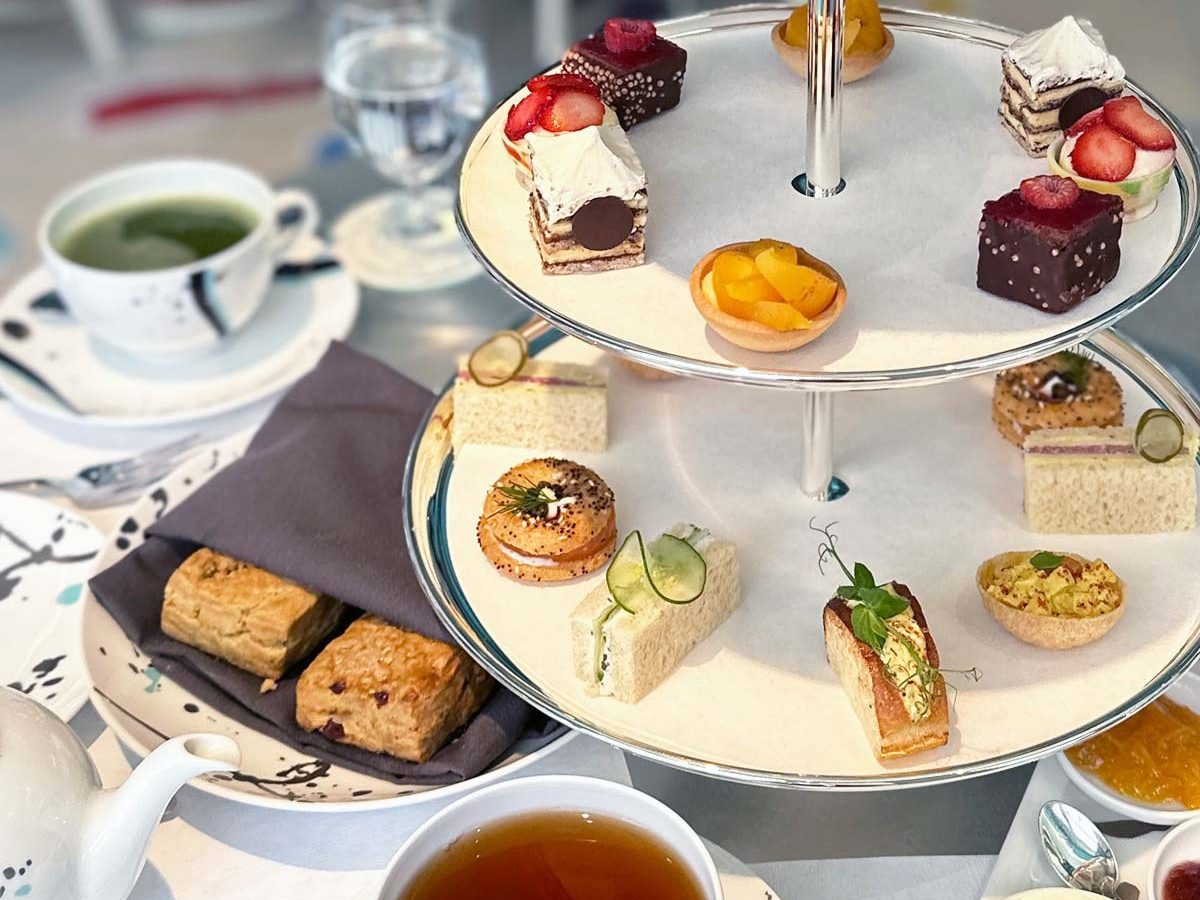
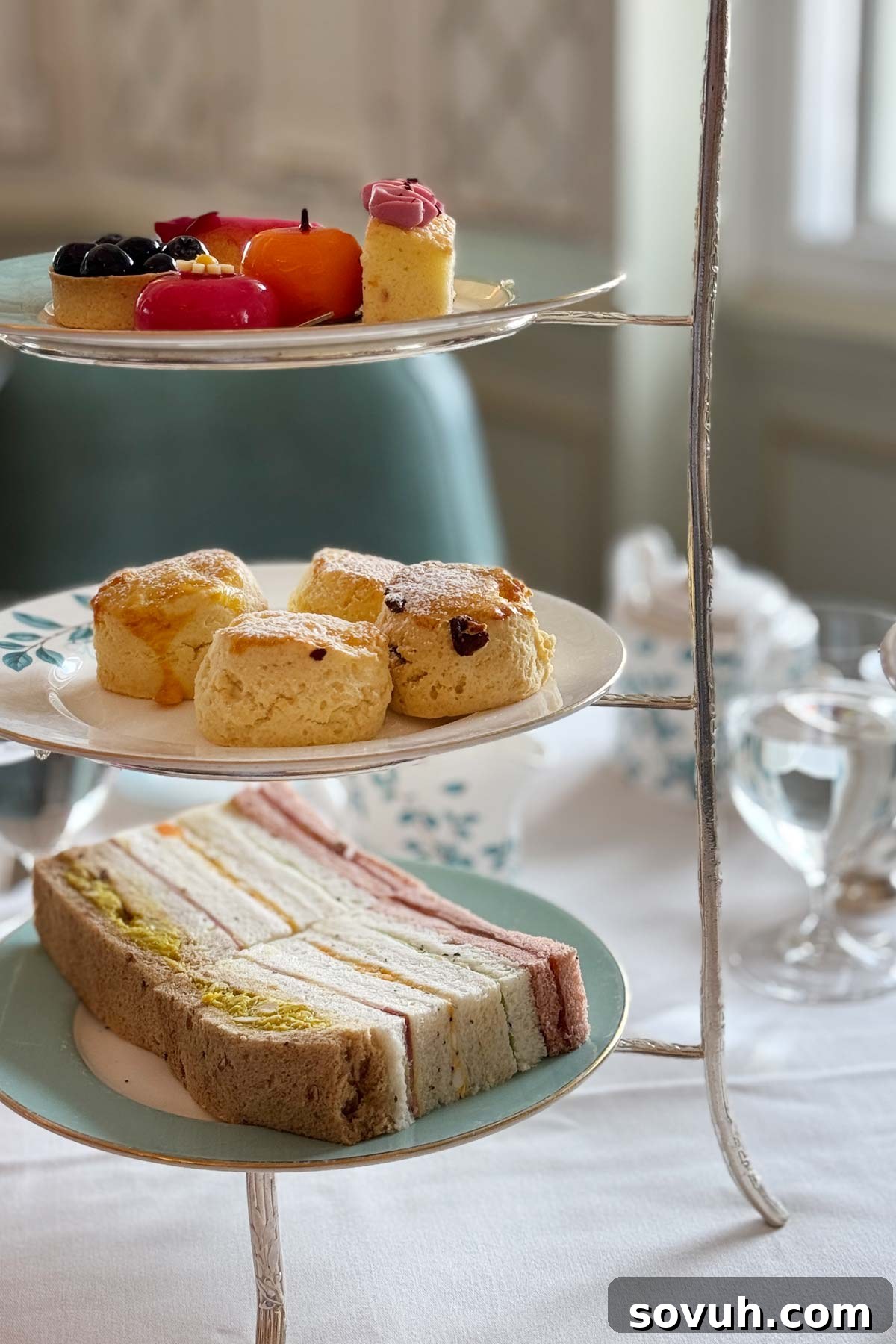
Afternoon tea is a light meal typically enjoyed between lunch and dinner, usually between 3 PM and 5 PM. It is a structured, leisurely meal traditionally served in three courses—savory finger sandwiches, warm scones with accompaniments, and a selection of small sweets—always complemented by a pot of tea.
Afternoon tea is not the same as high tea. High tea originally referred to a heartier, working-class evening meal served at a dining table between about 5 PM and 7 PM. The two traditions are distinct in origin, menu, and social context.
Its origins date to the 1840s in England, when Anna, the seventh Duchess of Bedford, began inviting friends to join her for a light meal in the late afternoon. What started as a remedy for late-afternoon hunger evolved into a popular social ritual, especially among women of the upper classes.
Afternoon tea is also called “low tea.” That name points to the relaxed setting: tea and food are served on low tables with comfortable chairs. By contrast, high tea is eaten at a high dining table. Calling afternoon tea “high tea” is a common misconception.
Afternoon Tea Courses
A classic afternoon tea is presented in three courses on a tiered stand and accompanied by a pot of tea. Each course is designed to be eaten with ease and elegance.
First Course: Tea Sandwiches
Tea sandwiches are small, crustless finger sandwiches meant to be eaten by hand. They are delicate and often feature simple, fresh fillings. Classic varieties include cucumber, egg salad, and smoked salmon.
Second Course: Scones
Warm scones are served with clotted cream and jam. They are typically eaten by hand; you may split the scone and spread cream and preserves as you prefer. Properly prepared scones are tender, slightly crumbly, and warm from the oven.
Third Course: Sweets
The final course consists of small pastries and confections, each designed to be eaten in two or three bites. These sweets can include petit fours, tarts, and miniature cakes—often finished with delicate glazes or garnishes. A small dessert fork is optional if a pastry is particularly delicate.
How to Order
- Select an afternoon tea set.
Most venues offer one or two set options. Each guest orders their own set—pricing is per person—and the menu selections are predetermined, so you typically do not choose individual items within the set. - Choose your tea.
The set usually includes a tea list. Traditional pairings favor black teas, but herbal and decaffeinated options are widely available for those sensitive to caffeine or for children.
How Afternoon Tea Works
- After you order, your selected pot of tea arrives first so you can begin sipping while waiting for the food.
- The food is served on a three-tiered stand or brought out in course order. Servers normally describe each item as it is presented.
- Eat the sandwiches first, then the scones with clotted cream and jam, and finish with the sweets. Most items are intended to be eaten with your hands; utensils are generally only needed for spreading or for a particularly messy dessert.
A typical afternoon tea experience lasts about two hours. It is meant to be a relaxed, unhurried social occasion—take your time and enjoy the ritual.
If you finish your pot of tea and would like more, ask for hot water to refresh your pot. If you have dietary restrictions—vegetarian, vegan, gluten-free, or allergies—notify the venue when you reserve and remind the server when you order; most places will accommodate reasonable requests.
Dress Code
While afternoon tea is relaxing, it is also somewhat formal. Avoid casual footwear like sneakers and steer clear of worn jeans. Aim for business casual or smart casual as a minimum. Afternoon tea is a pleasant occasion to dress up and enjoy the refinement.
Afternoon Tea Etiquette
Pinky finger down.
Hold the teacup by the handle with your thumb and index finger; the third finger can rest on the handle and the pinky should remain relaxed, not extended. Raising the pinky is a common myth but is considered improper in formal settings.
Utensils.
After using a knife or fork, place it on a plate rather than directly on the table. Keep your place setting tidy and discreet.
Teaspoon.
If you stir sugar or milk with a teaspoon, place the spoon on the saucer—not in the cup—before you drink.
Teacup and saucer.
Keep the teacup and saucer close together. When seated normally you should not need to lift the saucer; if you lean back, hold the saucer at waist level while sipping from the cup.
Leftovers.
Taking leftovers home is not standard etiquette, though it is generally acceptable if the server offers. If you would like a takeaway, you may politely ask the staff to pack any remaining items.
Related
- 21 Afternoon Tea Etiquette Rules
- 24 Delicious Tea Sandwiches Perfect for Tea Parties
- Difference Between Afternoon Tea and High Tea
- Afternoon Tea at The Plaza
- Afternoon Tea at The Ritz London











