
How to Brew Perfect Black Tea
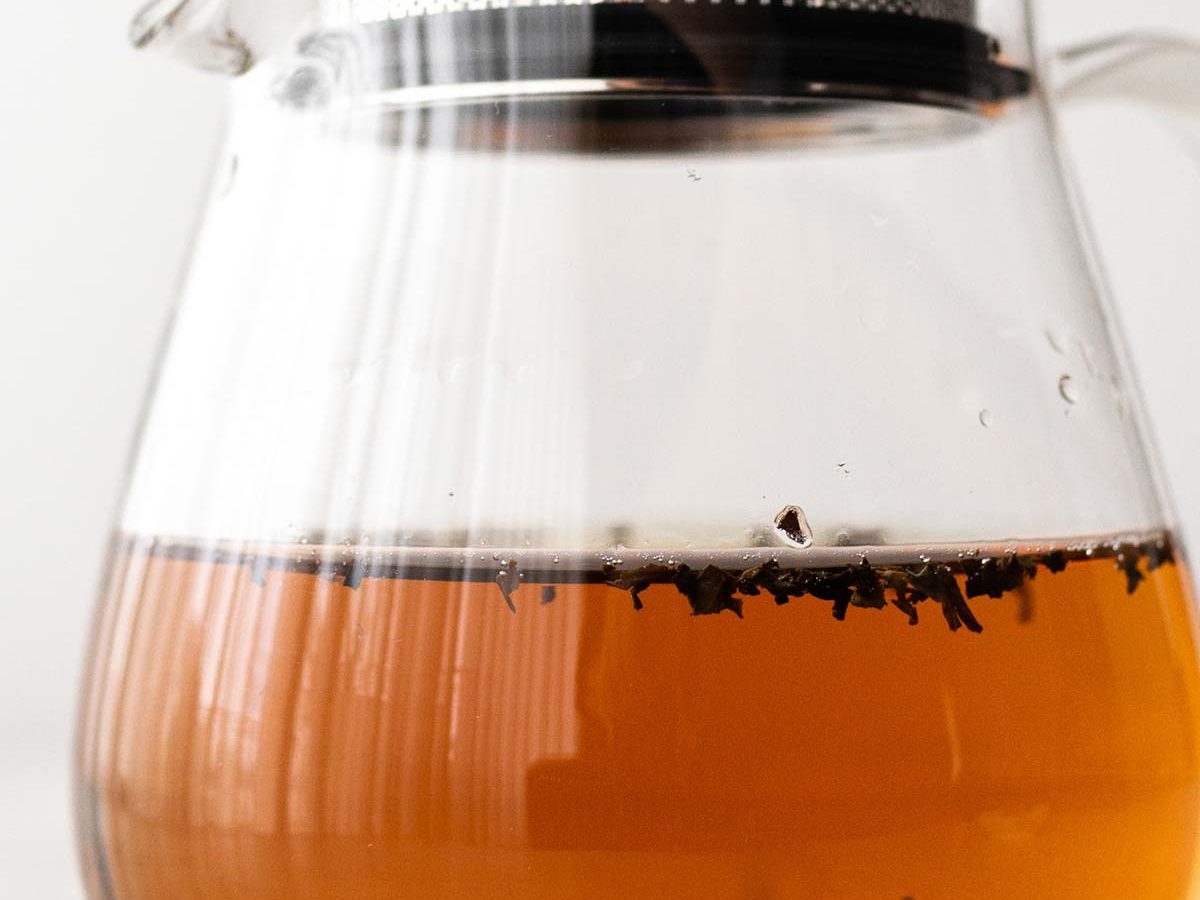
Get step-by-step instructions and expert tips on how to make black tea properly from a Tea Sommelier.
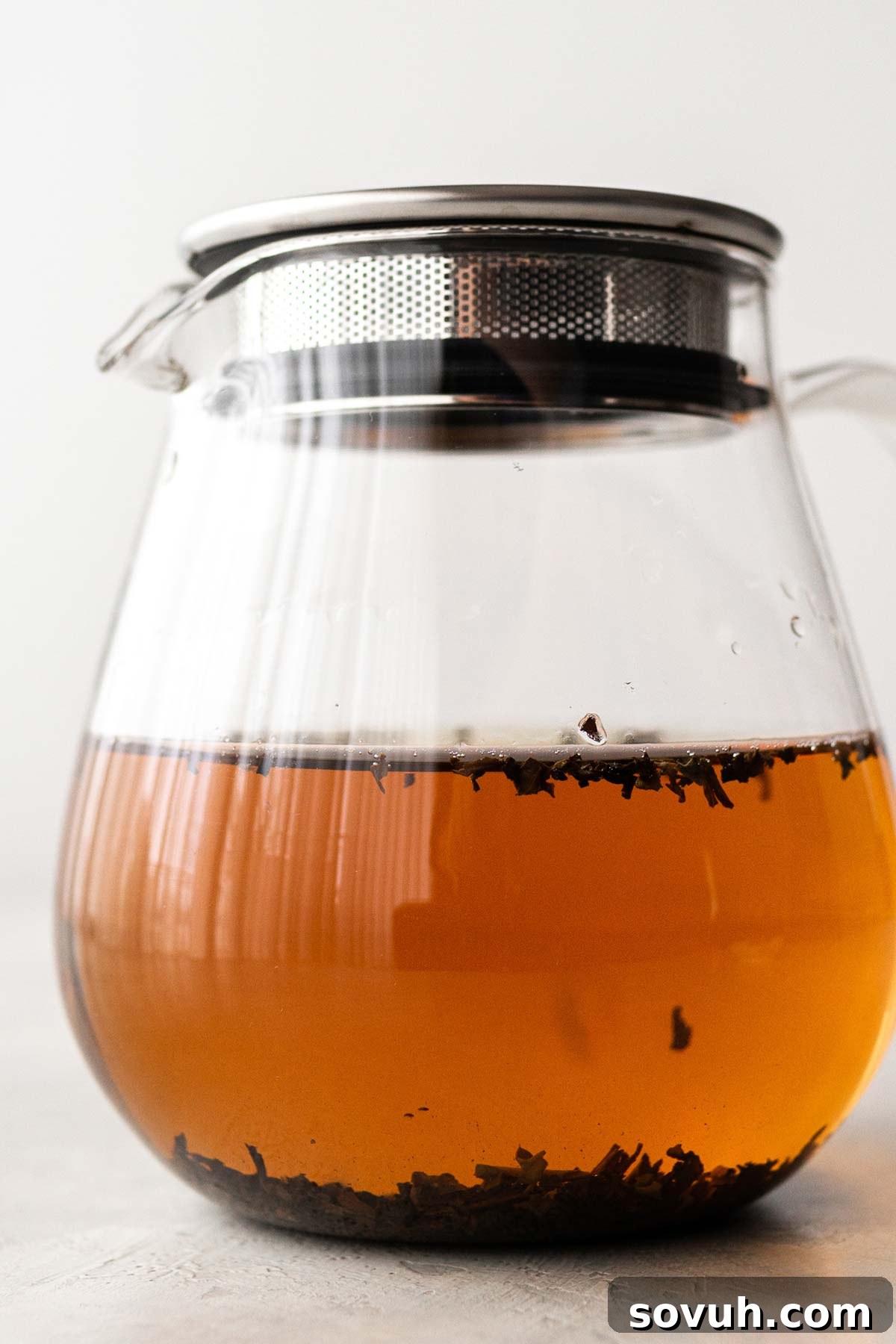
Black Tea
Black tea is the most widely consumed style of tea in the world. Like green, oolong, and white tea, black tea comes from the Camellia sinensis plant and naturally contains caffeine. What distinguishes black tea is the full oxidation the leaves undergo after picking. During oxidation the leaves darken and develop more robust, malty, and sometimes sweet or smoky flavor components.
Black tea is produced in many tea-growing regions, with long histories in China and India, and important production in Sri Lanka and other countries. Each region and processing style creates its own characteristic profile: some black teas are bold and full-bodied, others are bright and citrusy, and some are floral or lightly smoky. The variety of flavors makes black tea versatile for drinking plain, with milk, or as a base for spiced blends like chai.
When choosing black tea, look at the leaf size and appearance. Whole-leaf teas typically offer more complexity and a cleaner cup than broken leaves or tea dust. Proper storage—air-tight, away from light, heat, and strong odors—keeps tea fresher and preserves its aroma and flavor.
Note from Jee

While training as a Tea Sommelier I drank a lot of black tea and practiced identifying aromas and flavors. A simple way to train your palate is to focus on one black tea for a full week: brew and taste that same tea each day, paying attention to its aroma, body, and finish. After a week you will be more likely to recognize it later. Then switch to a different black tea and repeat the process.
Different Black Teas
Below are some well-known styles of black tea and what to expect from each:
- English Breakfast: A blended black tea created to deliver a strong, full-bodied cup. Often enjoyed with milk and sugar.
- Earl Grey: Black tea flavored with bergamot oil, giving a distinctive citrusy floral aroma.
- Chai: A spiced black tea blend commonly made with cinnamon, cardamom, cloves, ginger, and black pepper.
- Assam: A bold, malty black tea from India; commonly used in blends and strong breakfast teas.
- Darjeeling: A lighter, fragrant Indian black tea often called the “Champagne of teas” for its delicate, fruity aroma.
- Ceylon: Tea from Sri Lanka with a bright, citrusy character that works well hot or iced.
- Lapsang Souchong: A Chinese black tea that has a distinct smoky, woody flavor from traditional smoke-drying.
- Keemun: A Chinese black tea with a gentle, sometimes winey aroma; used in many classic blends.
Step-by-Step Instructions
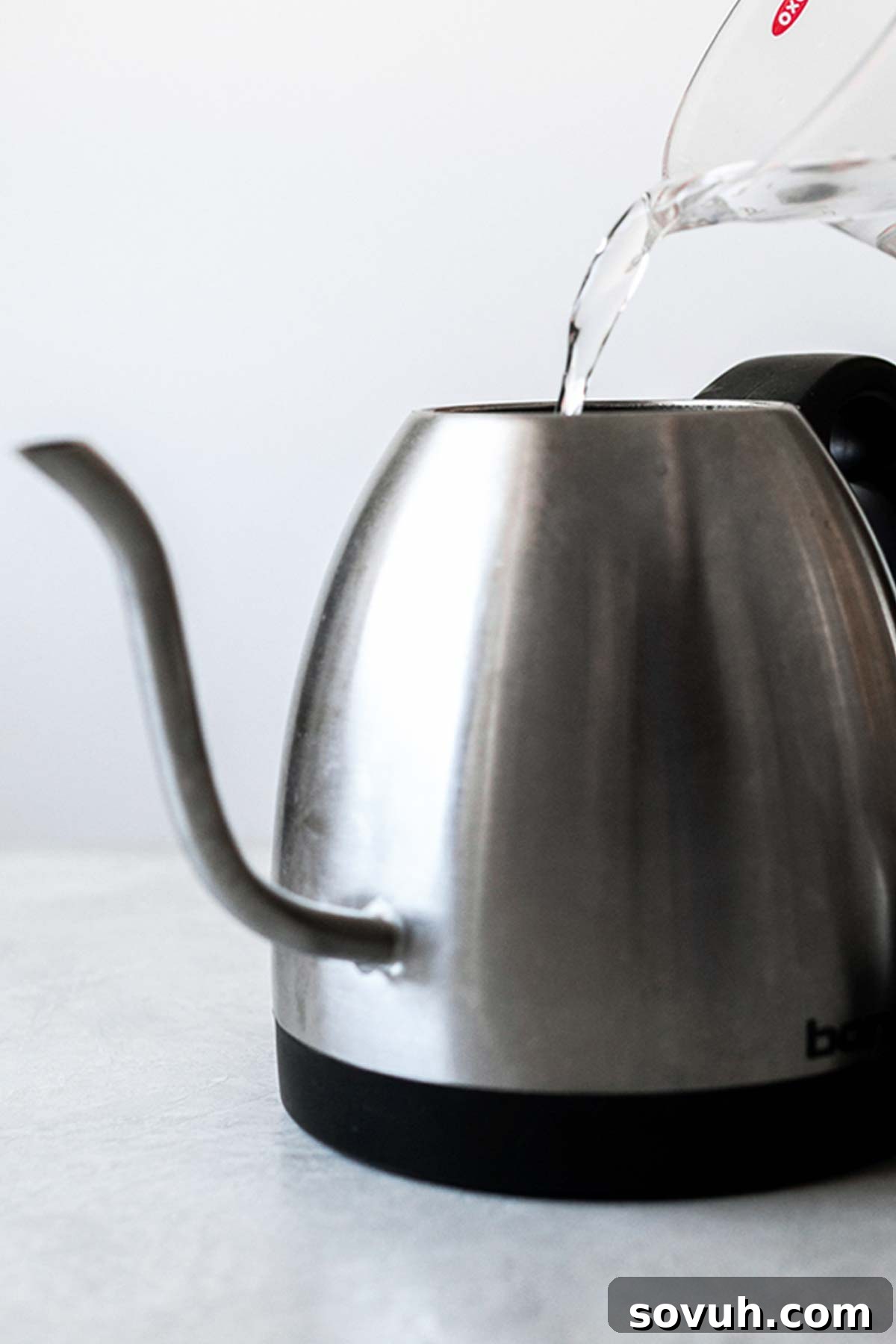
Step 1: Boil water. Heat fresh, filtered water. If you have an electric kettle with temperature control, set it to the temperature recommended on your tea package. Many black teas brew well at or near boiling—around 200–212°F (93–100°C).
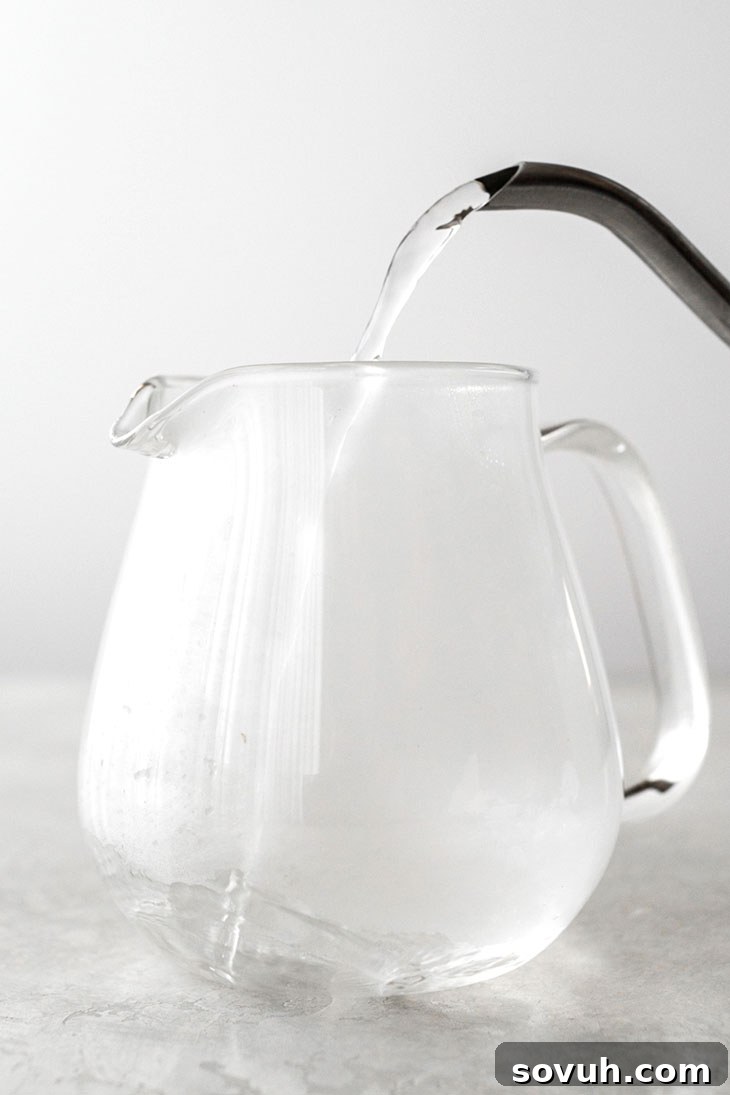
Step 2: Warm the teapot. Pour a small amount of hot water into the teapot, swirl to warm the vessel, then discard. Warming the teapot helps keep the brewing temperature steady.
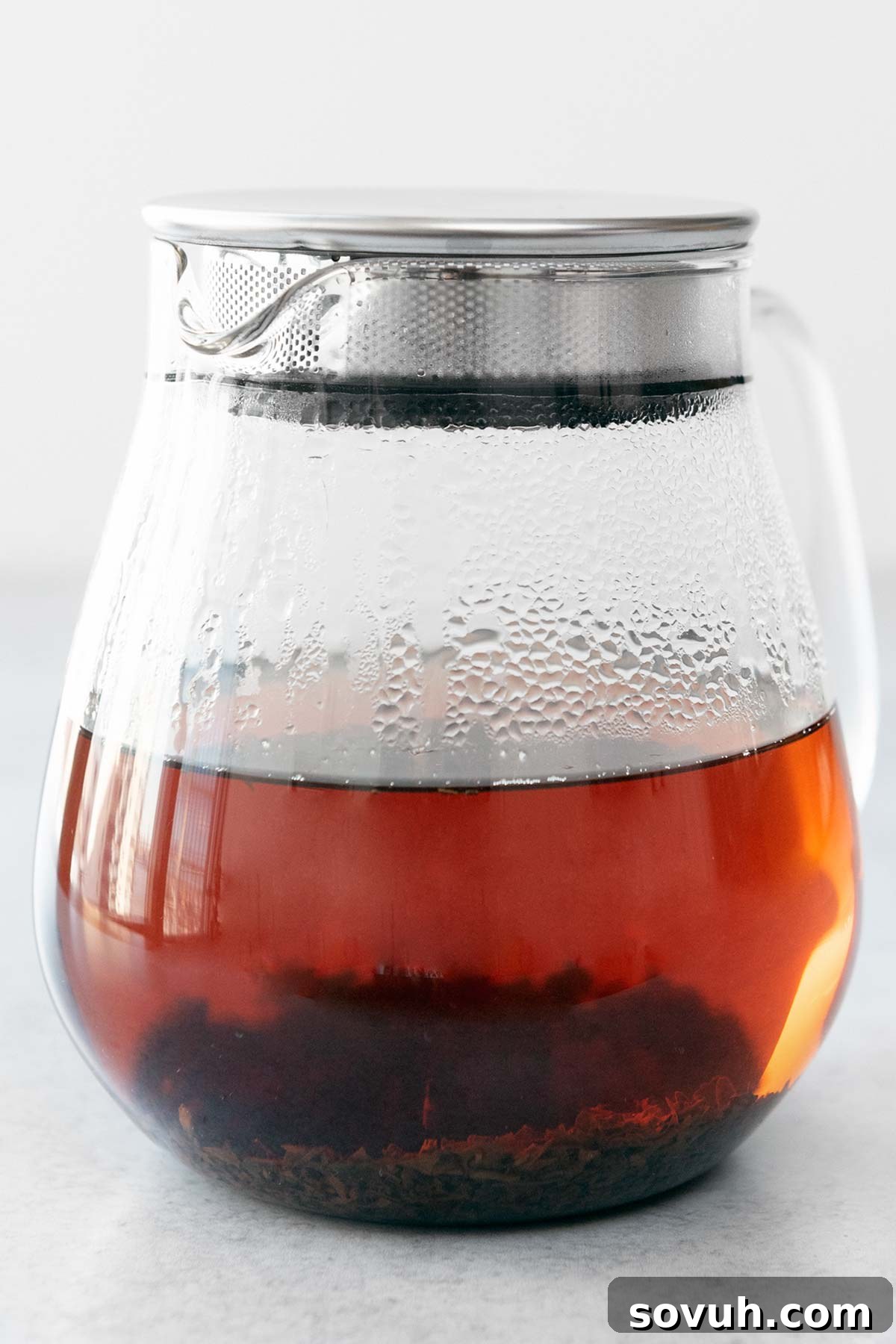
Step 3: Add tea and water, then steep. Use about 1 to 1½ teaspoons of loose black tea per 8-ounce cup (or one tea bag). Add hot water, cover the teapot, and steep. Typical steep time is 3–5 minutes depending on the tea and your taste; check the package for specific guidance.
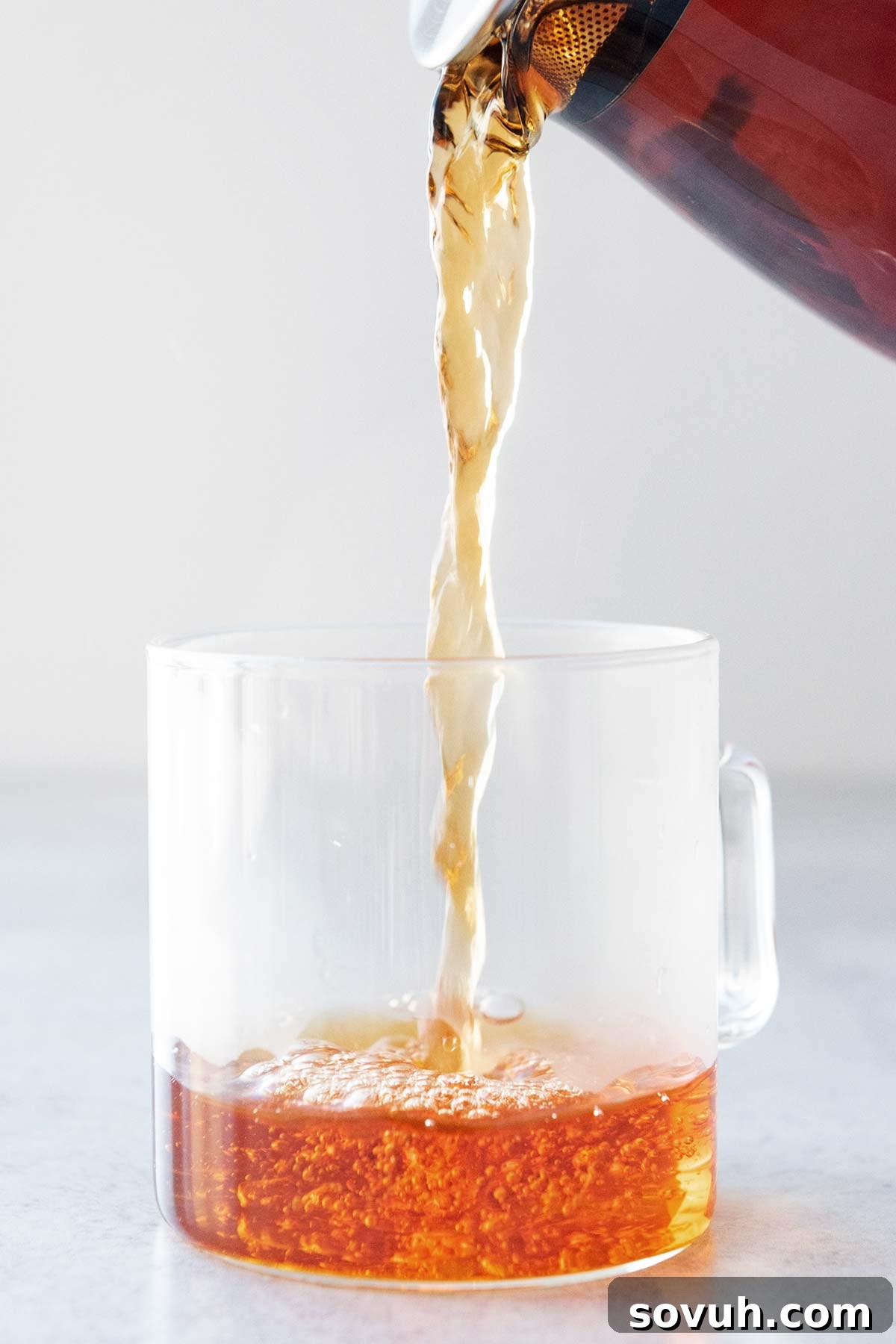
Step 4: Strain and serve. Remove the leaves or tea bag to stop extraction and pour the brewed tea into cups. Taste and adjust: add milk or sweetener if desired.
Tea Sommelier’s Tips
Don’t oversteep the tea
Oversteeping extracts too many tannins and can make the cup bitter. As a general rule, keep steeping under 5 minutes for most black teas, and follow the producer’s recommended time when available.
Water quality is important
Fresh, filtered water produces the cleanest, truest flavors. Avoid using water that tastes or smells of chlorine or minerals that can mask delicate notes.
Adjust to taste: milk, sugar, or plain
Black tea can be enjoyed plain, with a splash of milk, or with sugar or honey. Stronger, malty black teas often pair well with milk, while lighter black teas are pleasant without additions. Experiment to find how you prefer it.
Brewing ratio and reheating
A good starting point is 1 teaspoon (about 2–3 grams) of loose-leaf black tea per 8-ounce cup. Whole-leaf teas can often be steeped more than once; subsequent steeps may require slightly longer time. If reheating brewed tea, avoid boiling it again—gentle warming preserves the delicate aromas.
Related
- 10 Tea Sommelier Tips
- Where to Buy Tea Online
- Lavender Iced Tea
- Lemon Iced Tea
- Iced Milk Tea
Want to save this info for later? Pin this guide to your Pinterest board or save it to your favorites.
How to Make Black Tea Properly
Ingredients
- 1 cup water (plus extra to warm teapot)
- 1–1½ teaspoons loose black tea (or 1 teabag) per 8-ounce cup
Instructions
- Boil water. Use fresh filtered water. If you have a temperature-controlled kettle, set it to the temperature recommended for your tea (many black teas brew at 200–212°F). Heat slightly more water than needed so you can warm the teapot.
- Warm the teapot. Pour a small amount of hot water into the teapot, swirl, and discard. This step helps maintain brewing temperature.
- Add tea and steep. Place the measured tea in the teapot, add hot water, cover, and steep for 3–5 minutes depending on taste and the tea’s instructions.
- Strain and serve. Remove the leaves or tea bag to stop brewing and pour into cups. Add milk or sweetener if desired.
Notes
- Brewing temperatures vary by tea: many black teas prefer near-boiling water (200–212°F). Check the tea packaging for guidance.
- Keep steeping times under 5 minutes to avoid excessive bitterness; adjust to your taste.
- Use clean, filtered water for the best flavor.
- Black tea can be enjoyed plain, with milk, or with sweeteners. Iced tea adapts well to Ceylon and other bright black teas.
Nutrition
Calories: ~0.1
Carbohydrates: ~0.02 g
Sodium: ~12 mg
Potassium: ~3 mg
Calcium: ~7 mg
Nutrition information is an approximation.











