
Mint Tea Benefits: 7 Ways It Aids Digestion, Sleep & Stress

Fresh and fragrant, mint tea is a simple, soothing drink with several helpful effects for the body. Below you’ll find clear information on what mint tea is, how it differs from other teas, and seven proven ways it can support digestion, hydration, immunity and more.
What Is Mint Tea?
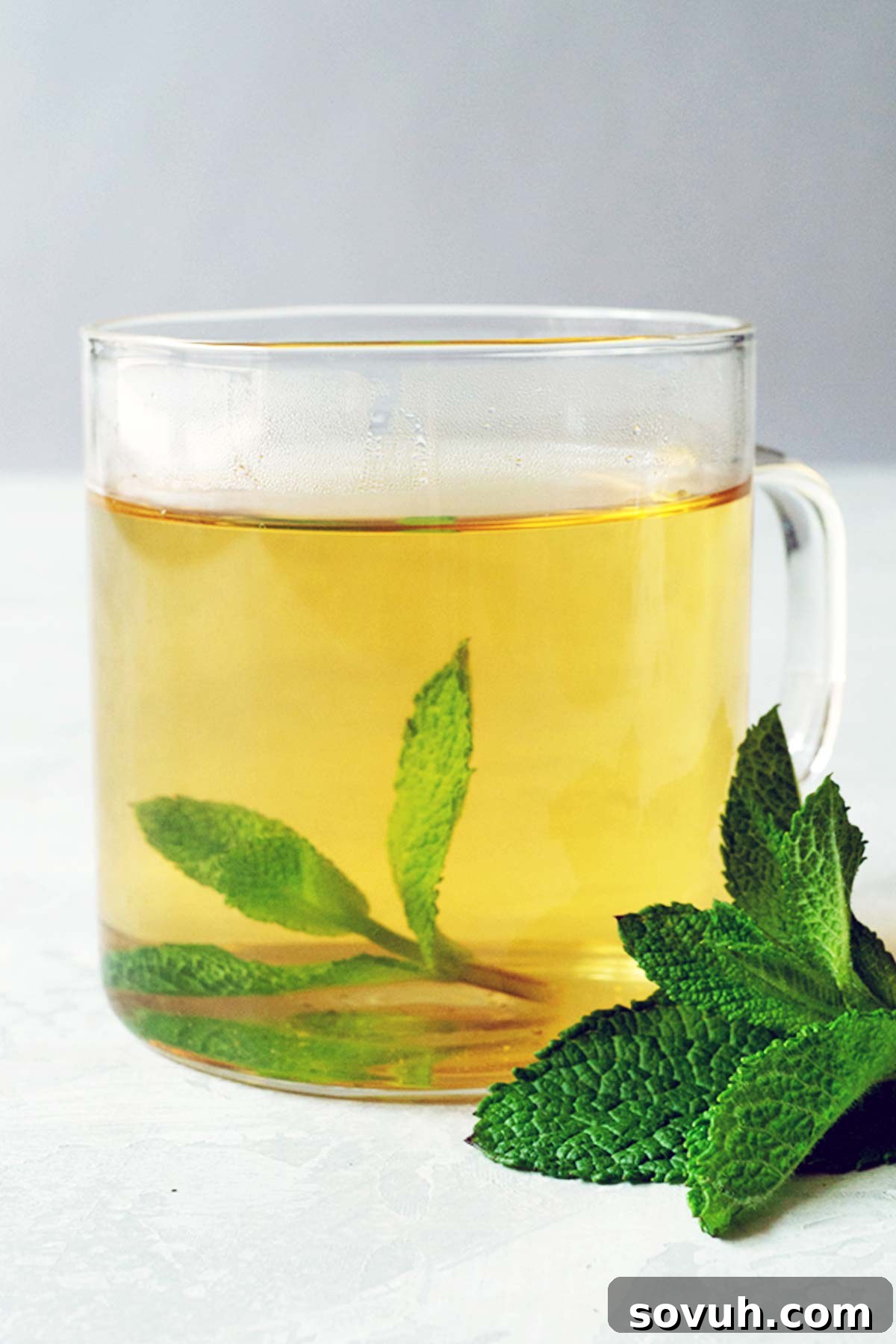
Mint tea is made by steeping fresh or dried mint leaves—most commonly peppermint or spearmint—in hot water. The resulting infusion has a clear, light-brown color and a cool, aromatic flavor that feels refreshing and mild.
Related: How to Make Peppermint Tea Properly
Peppermint is a hybrid plant that originated from a cross between spearmint and other mint species. Spearmint itself is closely related and has a milder, sweeter flavor. Both varieties are naturally caffeine-free when brewed on their own, and they contain a number of beneficial plant compounds.
Not all beverages labeled “mint tea” are caffeine-free: some blends include green or black tea leaves, which add caffeine. Always check the ingredients if you want a caffeine-free herbal infusion.
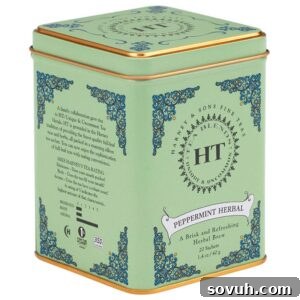
My Peppermint Tea Pick
7 Mint Tea Health Benefits
1. Improves Digestion
Mint tea is widely used to support digestion. It contains menthol, a compound known for its antispasmodic effects on smooth muscle. By relaxing the muscles of the gastrointestinal tract, mint tea can help ease bloating, reduce gas, calm nausea and relieve mild cramping or diarrhea.
Menthol and other mint constituents also have anti-inflammatory properties that may protect the lining of the gut and support a healthy microbial environment. In addition, drinking a warm cup of mint tea can soothe the stomach through gentle heat and hydration, offering quick comfort when your digestion feels unsettled.
2. Supports Hydration
Herbal teas, including mint tea, count toward your daily fluid intake. Staying well-hydrated helps regulate body temperature, supports digestion and assists the body’s natural elimination processes. Mint leaves contribute trace minerals such as magnesium, calcium and potassium, which are involved in fluid balance.
For extra refreshment and a mild electrolyte boost, some people add a squeeze of lemon to their mint tea. That simple addition enhances flavor while adding extra vitamin C and minerals.
3. Naturally Caffeine-Free
When prepared with only mint leaves, mint tea is caffeine-free, making it suitable any time of day or evening without the risk of sleep disruption. This makes mint tea a good alternative for people sensitive to caffeine who still want a warm, comforting beverage.
4. Reduces Oxidative Stress
Mint tea contains antioxidants—compounds that neutralize free radicals and help protect cells from oxidative damage. Regular consumption of antioxidant-rich beverages can support long-term health by reducing the oxidative stress associated with chronic conditions.
Key antioxidants in mint include vitamin C, carotenes and various flavonoids. These substances work together to support cellular health and overall resilience.
5. Eases Coughs and Congestion
Menthol in mint provides a cooling sensation that can soothe an irritated throat and help calm coughing. Mint acts as a mild expectorant, loosening mucus so it is easier to clear from the airways. A hot cup of mint tea may be particularly comforting during a cold or when you feel congested.
For added throat-soothing benefits, many people combine mint tea with honey and lemon, which can provide extra relief and a pleasant flavor balance.
6. Supports Immune Health
Mint tea contributes to immune support in several ways. Its antioxidant and anti-inflammatory actions help defend cells from damage that can weaken immune responses. Mint also supplies vitamin C, an important nutrient for immune cell function.
Additionally, staying hydrated with herbal tea helps transport nutrients to cells and maintain healthy tissues, both of which are important for a well-functioning immune system.
7. Eases Menstrual Discomfort
Mint tea can be useful for relieving menstrual cramps. Menthol’s muscle-relaxing effects may reduce the intensity of uterine contractions that cause cramping. If digestive symptoms accompany your period, mint tea’s soothing effects on the digestive tract can also provide extra relief.
Even the aroma of hot mint can be calming; inhaling the scent of menthol-rich steam may help reduce perceived pain and promote relaxation during uncomfortable moments.
Related
- Mint Iced Tea
- Chocolate Mint Tea Latte
- 12 Benefits of Drinking Peppermint Tea
- 5 Best Teas for a Sore Throat
- Moroccan Mint Tea
- 7 Benefits of Drinking Cinnamon Tea
- 7 Benefits of Drinking Nettle Tea
- 7 Benefits of Drinking Chrysanthemum Tea











