
Matcha vs Coffee: Differences in Caffeine, Flavor, and Effects
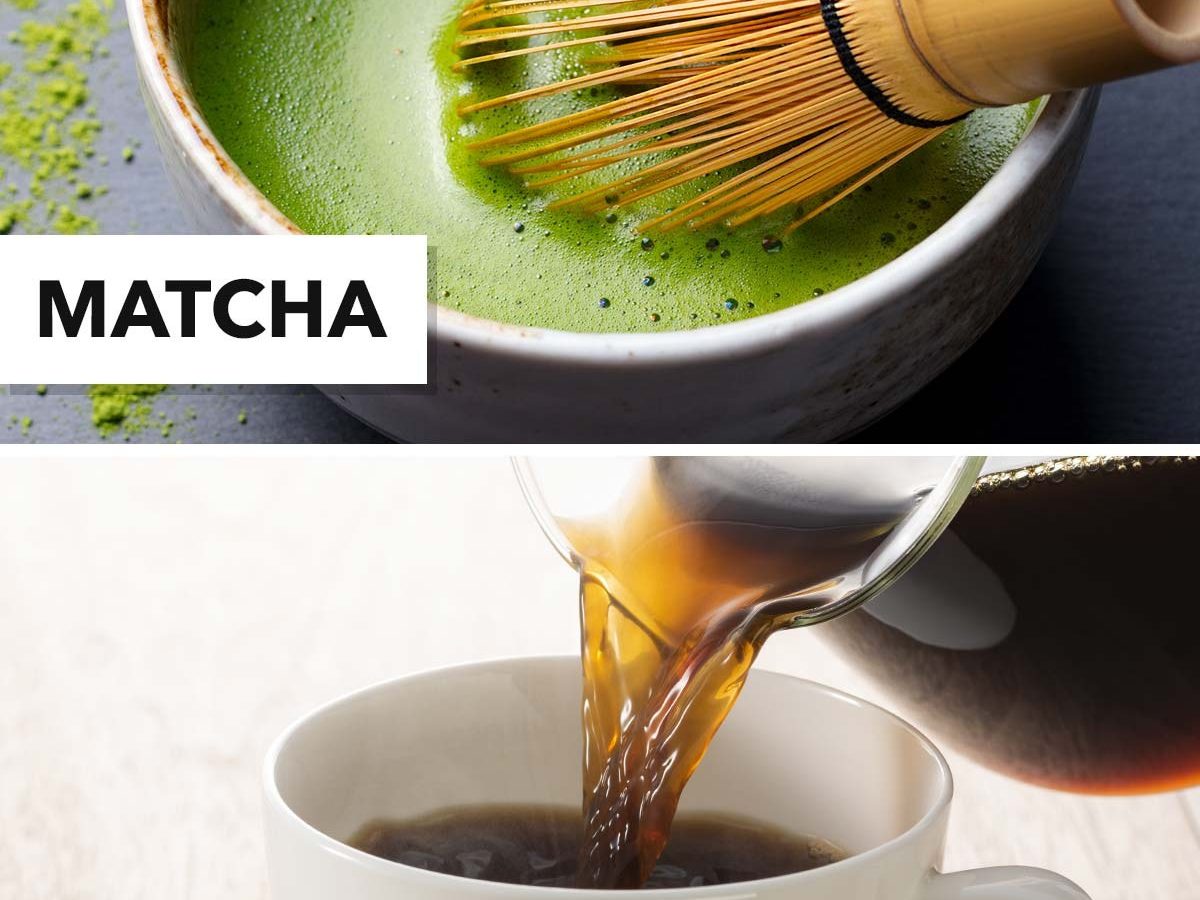
Matcha and coffee are two widely enjoyed beverages that provide a caffeine boost and distinct flavor experiences. While both can be served hot or iced and help increase alertness, they differ in origin, production, preparation, taste, and typical caffeine levels. This article compares matcha and coffee so you can decide which suits your taste and routine.
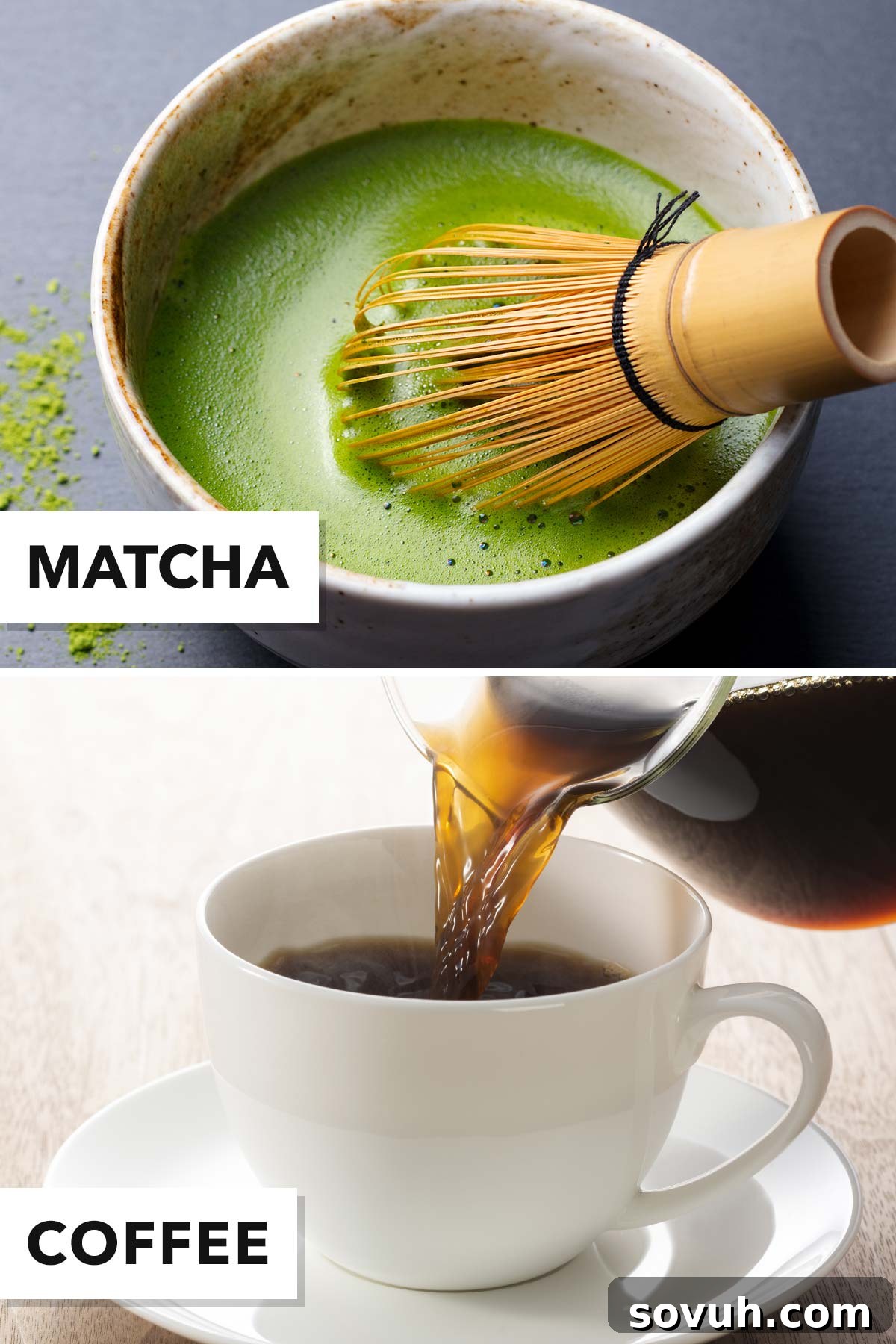
Matcha vs. Coffee
Both matcha and coffee are popular for their energizing effects and rich flavors, but they offer different sensory profiles and rituals. Matcha is ground green tea powder whisked into water, while coffee is brewed from roasted beans. The differences begin with cultivation and harvesting and continue through processing, brewing, color, and taste.
RELATED: Matcha vs. Green Tea: What’s the Difference?
How It’s Made
Matcha: Matcha comes from the leaves of the Camellia sinensis plant. To make matcha, tea plants are shaded for several weeks before harvest to increase chlorophyll and alter flavor compounds. After harvest, leaves are steamed, de-stemmed, de-veined, and stone-ground into a fine, bright green powder that is then prepared directly into beverages and foods.
Coffee: Coffee begins as cherries that grow on coffee plants. The cherries are processed to remove the fruit, leaving the coffee beans, which are dried and roasted to various degrees (light, medium, dark). Roasting transforms flavor and color; the roasted beans are then ground to the coarseness appropriate for the brewing method being used.
Brewing Method
Matcha: Traditional matcha preparation involves sifting the powder into a bowl and whisking it with hot water until frothy so the powder is suspended evenly. A few basic tools—such as a bamboo whisk and bowl—are traditionally used, though a fine mesh strainer and a kettle for hot water are often helpful at home.
Coffee: Coffee is commonly brewed by pouring near-boiling water over ground beans in a filter or using methods such as drip machines, French press, pour-over, or espresso machines. Brewing extracts soluble compounds from the grounds and typically takes a few minutes, depending on the method and grind size.
Caffeine Content
Caffeine levels vary by serving size, preparation, and product quality. In general, brewed coffee contains more caffeine per typical serving than matcha, though matcha can still provide a meaningful boost depending on the amount used.
Matcha: Matcha contains roughly 19 to 44 mg of caffeine per gram of powder. A common serving of about two grams yields approximately 38 to 88 mg of caffeine.
Coffee: Coffee averages about 12 to 16 mg of caffeine per fluid ounce, so an 8-ounce cup can contain around 96 to 128 mg of caffeine, depending on the strength of the brew and the beans used.
Color
Matcha: Matcha’s vivid green color is the result of the shading process and high chlorophyll content. A vibrant, bright green usually indicates higher-quality matcha.
Coffee: Coffee ranges from medium brown to deep, near-black shades depending on roast level. The roasting process determines much of the visual and aromatic character.
Flavor
Matcha: Matcha is typically described as grassy, vegetal, and mildly bitter with a smooth umami note. High-quality matcha balances bitterness with a subtle sweetness and a rich, rounded mouthfeel.
Coffee: Coffee’s flavor can range widely—sweet, nutty, fruity, earthy, floral, or chocolatey—depending on origin and roast. Commonly it features a mix of bitterness and acidity, with aromatic complexity produced during roasting.
What is Matcha?
Matcha (pronounced MAHT-cha) is a finely ground Japanese green tea powder. The name reflects its production—ground tea leaves—and it has a long history in Japanese tea ceremony. Today matcha is enjoyed traditionally as a hot whisked tea and also used in lattes, smoothies, baking, and cooking because the whole leaf is consumed in powdered form, providing concentrated flavor and color.
When served in the traditional way, matcha is often paired with something sweet to counterbalance its natural bitterness. Its versatility makes it popular in a wide variety of modern recipes and beverages.
Delicious matcha drink ideas:
- Iced Matcha Latte
- Matcha Lemonade
- Matcha Smoothie
- Iced Pineapple Matcha
- Matcha Protein Shake
What is Coffee?
Coffee is a brewed beverage made from roasted and ground coffee beans, which come from the seeds of coffee cherries. Coffee has a rich global history and is cultivated mainly in regions near the equator. Roasting and brewing methods greatly influence the final taste and strength of the cup.
Coffee can be enjoyed black or with milk, creams, flavored syrups, and a variety of toppings. It lends itself to countless preparations—from simple drip coffee to espresso-based drinks and cold brew variations—each highlighting different flavor notes from the beans.
Related
- 23 Delicious Matcha Drink Recipes
- Green Tea vs. Black Tea: What’s the Difference?
Choosing between matcha and coffee comes down to taste preferences, desired caffeine strength, and how you like to prepare your beverages. Matcha offers a smooth, vegetal experience and is used in many culinary applications. Coffee delivers a broader range of roast-driven flavors and typically provides a stronger caffeine hit per cup. Both beverages have rich traditions and can be adapted to many personal styles—experiment to find which fits your morning ritual or afternoon pick-me-up best.











