
Matcha vs Green Tea: Flavor, Caffeine, and Preparation
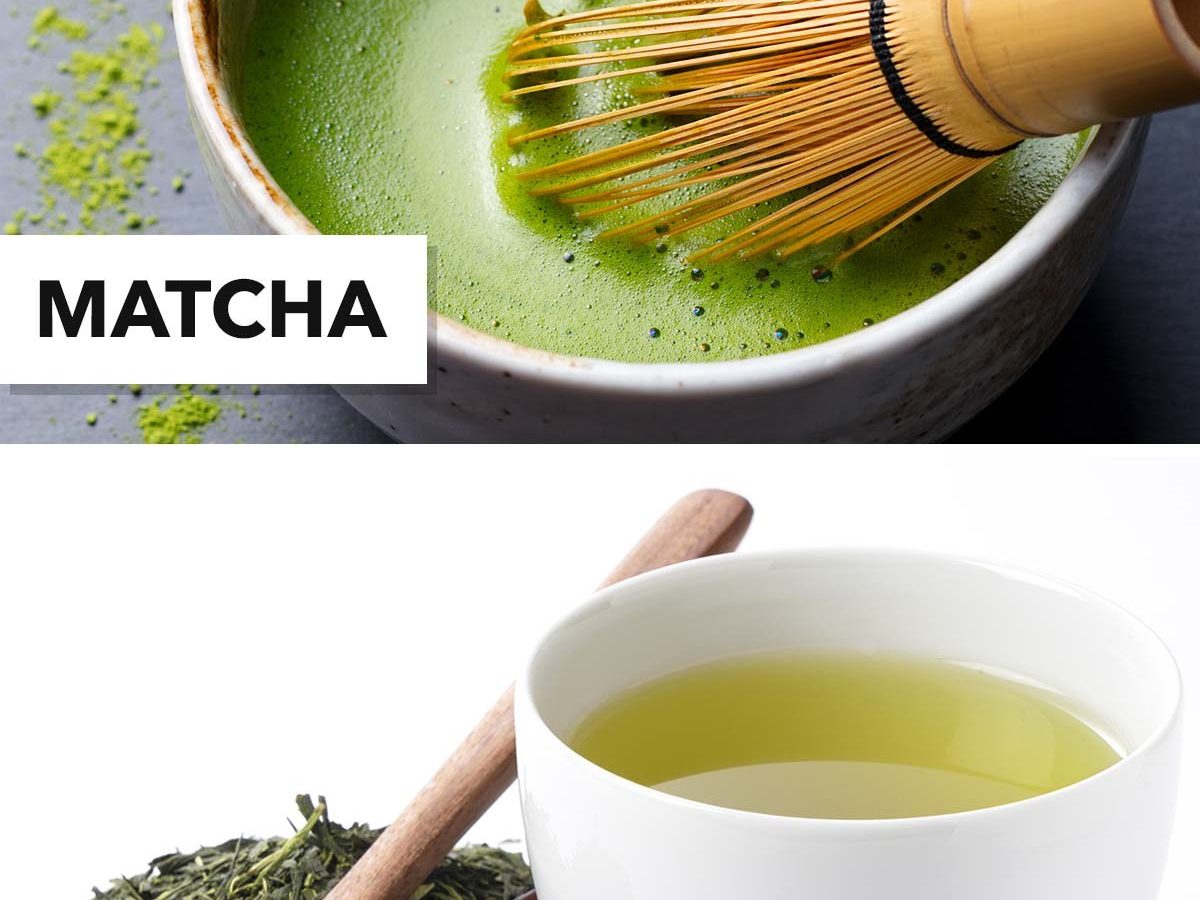
Matcha is a distinctive form of green tea with its own production methods, preparation techniques, flavor profile, and nutritional characteristics. Below is a clear comparison of matcha and other green teas—how they’re made, how to brew them, their caffeine levels, cost, and taste—followed by concise definitions and recipe ideas.
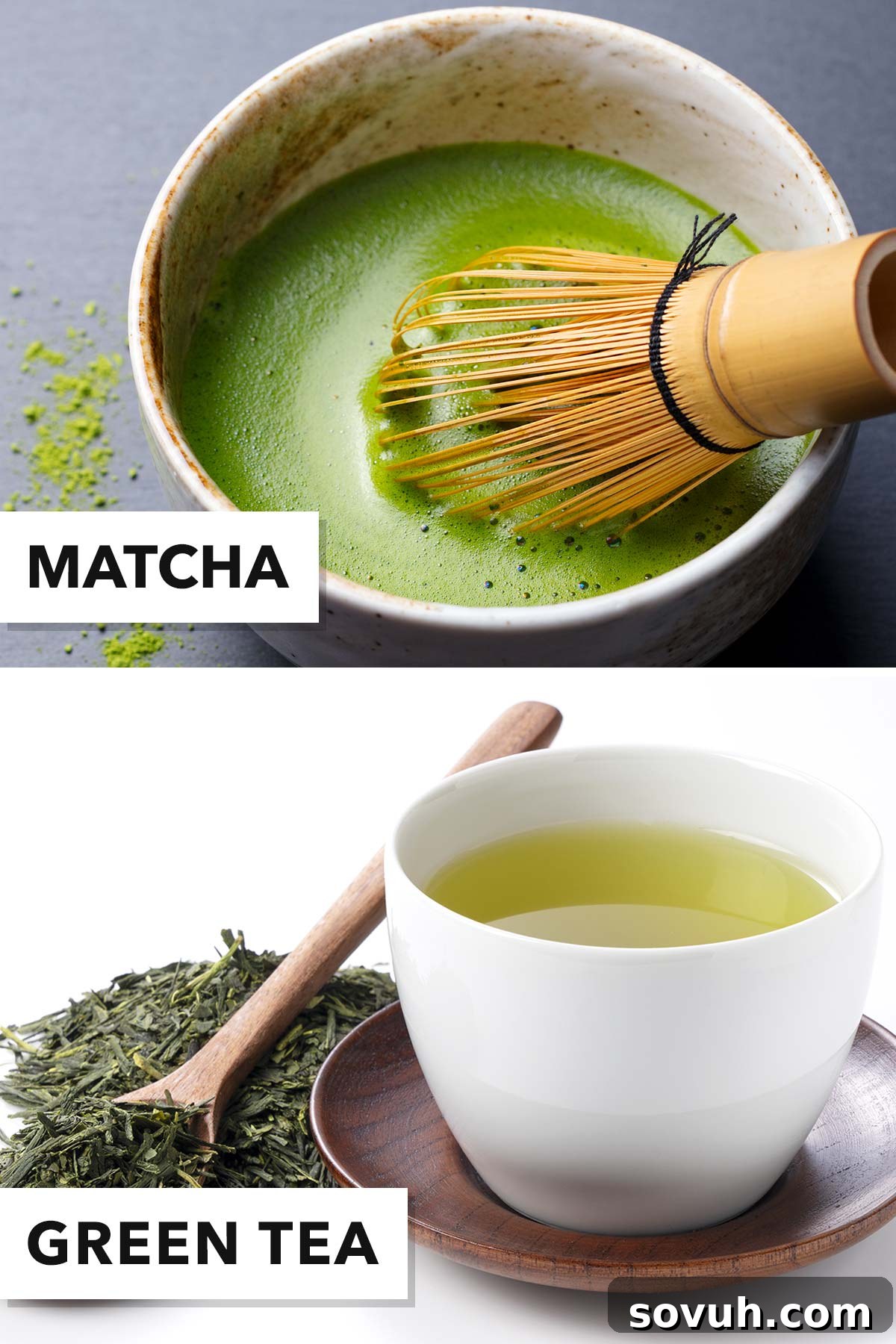
Matcha vs. Green Tea
Although both matcha and other green teas come from the Camellia sinensis plant, matcha is unique because it is stone-ground into a fine powder that you drink whole, while most green teas are processed into dried leaves that are steeped and discarded. These differences affect flavor, preparation, caffeine concentration, and cost.
How It’s Made
Matcha: Matcha production involves several distinct steps beyond typical green tea processing. Tea plants intended for matcha are shaded before harvest, then the picked leaves are de-stemmed and de-veined. The resulting tender leaf material is carefully stone-ground into a smooth, bright-green powder. This powder is the final product and is consumed directly.
Green Tea: Other green teas follow a different sequence that can vary by region and style. Common steps include withering, heating (steaming or pan-firing), rolling, and drying. The outcome is whole or broken dried leaves meant for steeping in hot water rather than consuming the leaves themselves.
How It’s Brewed
Matcha: Traditional matcha preparation is part of Japanese tea ceremony practice and uses a specific set of tools: a matcha bowl, a bamboo scoop (chashaku), a bamboo whisk (chasen), and a fine mesh to break up clumps. Matcha powder is whisked into hot water to suspend the fine particles, producing a frothy, evenly textured beverage. Because the powder remains in the drink, whisking is essential to avoid lumps and ensure a smooth mouthfeel.
Green Tea: Most green teas are made by steeping the dried leaves in hot water for a few minutes before straining. Water temperature matters: using water that’s too hot can scorch the leaves and create bitterness, so many green teas are brewed below boiling to preserve delicate flavors.
Caffeine Content
All green teas contain caffeine, but the amount you ingest differs by style and preparation.
Matcha: Because you consume the whole ground leaf, matcha generally provides a higher concentration of caffeine per serving than steeped green tea. Typical estimates for a cup of matcha fall within a broad range depending on the serving size and grade.
Green Tea: Steeped green teas usually deliver less caffeine per cup than matcha, since only a portion of the leaf’s compounds are extracted into the water during infusion.
Cost
Matcha: Matcha tends to be pricier because of the extra care and processing required—shading, selective harvesting, and fine grinding all add to production costs. Higher-grade ceremonial matcha commands the highest prices.
Green Tea: Prices for other green teas vary widely by type and origin but are generally lower than matcha on a per-cup basis, since dried leaves are less costly to produce.
Taste
Green Tea: Flavor varies widely across green tea types. Some are grassy or vegetal, others nutty, sweet, or subtly floral. Processing methods and leaf variety create a broad taste spectrum.
Matcha: Matcha has a more concentrated, vivid green-tea flavor—often described as grassy, earthy, with a gentle bitterness and a savory umami quality. Because it’s more intense, matcha is frequently balanced with sweeteners or blended into lattes and smoothies.
What is Matcha?
Matcha is a powdered form of Japanese green tea made from carefully cultivated and processed leaves. The Japanese term reflects its preparation: “matsu” (rub) and “cha” (tea), meaning ground or rubbed tea. Historically used in Japanese tea ceremonies, matcha is consumed by dissolving or whisking the powder into water, which makes it a concentrated source of the tea leaf’s flavor and nutrients.
Because you ingest the whole leaf in powdered form rather than discarding it after steeping, matcha delivers a more pronounced flavor and a higher intake of the leaf’s compounds per serving. The taste profile is earthy and slightly bitter, often with a pleasing umami finish, and many people pair matcha with something sweet to offset bitterness. Common pronunciations include MAHT-CHA or MA-CHA.
Delicious matcha drink ideas:
- Iced Matcha Latte
- Matcha Lemonade
- Matcha Smoothie
- Iced Pineapple Matcha
- Matcha Protein Shake
What is Green Tea?
Green tea is one of the major types of tea made from the leaves of the Camellia sinensis plant, alongside black and white teas. It retains its green color because it undergoes minimal oxidation during processing, preserving many of the leaf’s natural characteristics.
Green tea has a long history originating in China, and over centuries Japan developed its own varieties and traditions. Today, many green teas come from China and Japan and include a wide range of styles—from steamed Japanese teas to pan-fired Chinese teas.
Popular non-matcha green teas include Dragonwell, gunpowder, and sencha—each offering its own distinct aroma and flavor depending on cultivar and processing.
Green tea recipe ideas to try:
- Iced Green Tea
- Strawberry Green Tea Lemonade
- Cold Brew Green Tea
- Genmaicha
- Hojicha











