
12 Surprising Benefits of Peppermint Tea
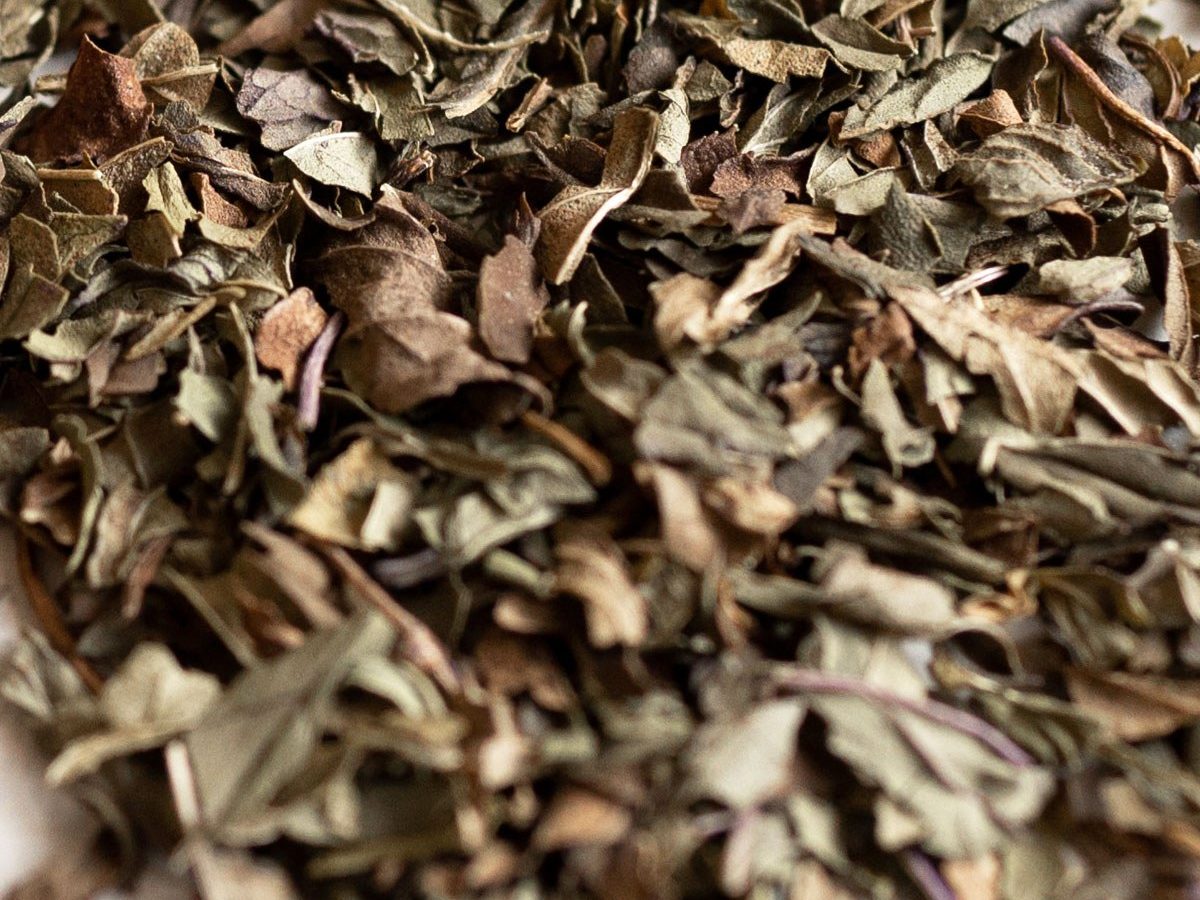
Peppermint tea is a refreshing, naturally caffeine-free herbal infusion celebrated for its many health benefits. Made by steeping dried peppermint leaves in hot water, this aromatic tea delivers antioxidants and soothing compounds, especially menthol, which contribute to its therapeutic effects.
What Is Peppermint Tea?
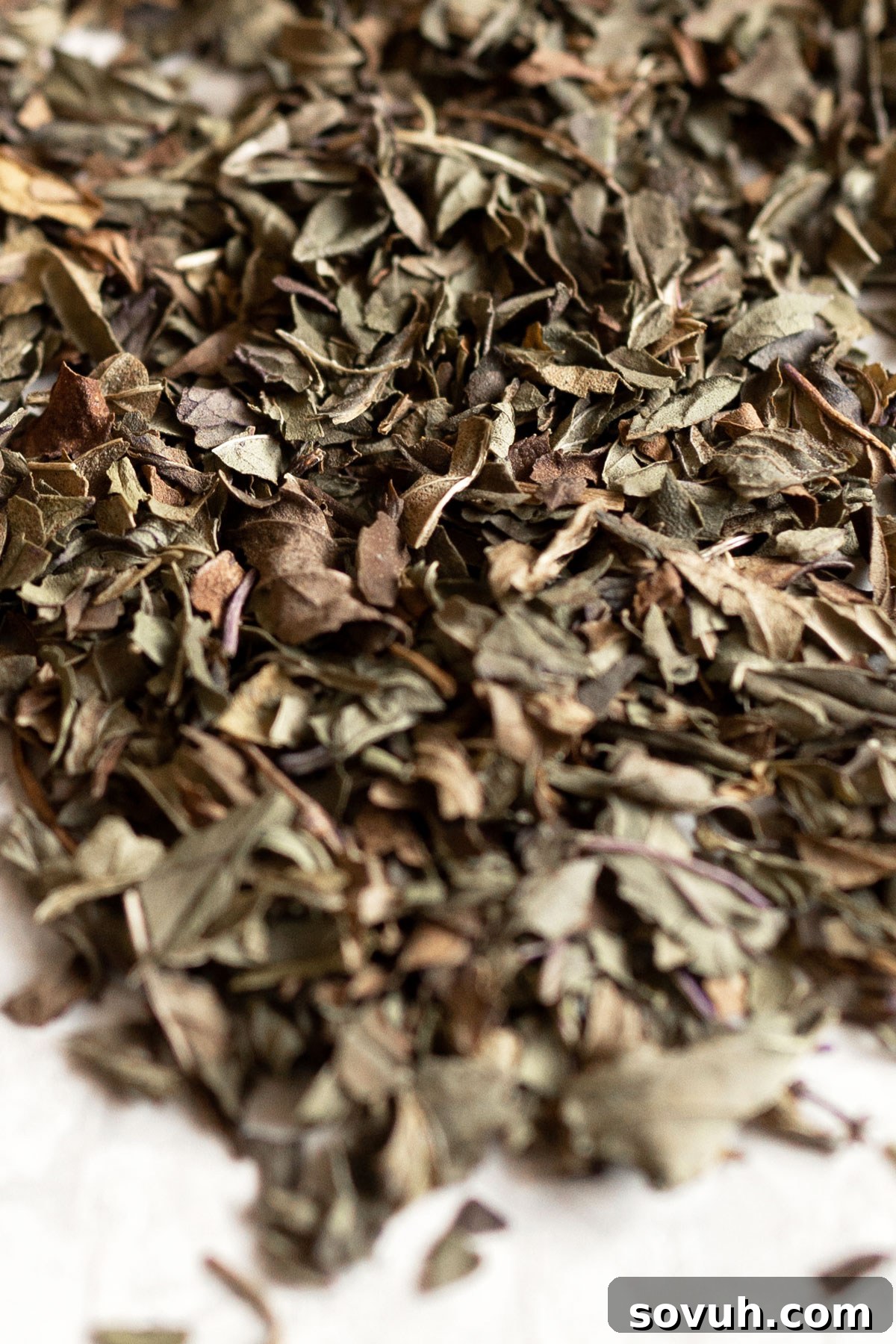
Peppermint tea is simply water infused with the leaves of the peppermint plant. Peppermint itself is a hybrid herb, the offspring of spearmint and watermint, and it has a long history of use in Europe and the Middle East. The leaves are rich in essential oils—especially menthol—which give the tea its cool, refreshing taste and many of its health-promoting properties.
Related: How to Make Peppermint Tea Properly

Photo credit: Harney
12 Peppermint Tea Health Benefits
1. Relaxes Muscles
One of peppermint tea’s best-known effects is its ability to relax muscles. Menthol, the primary active compound, interferes with certain muscle reactions and helps prevent involuntary contractions. That reduction in tension can ease aches and stiffness, making a warm cup of peppermint tea a comforting choice when you feel sore or tight.
2. Soothes Digestive Issues
Peppermint tea can calm the digestive tract by relaxing the smooth muscle lining of the gut. This action may reduce symptoms associated with conditions like irritable bowel syndrome—such as cramping, bloating, and gas—and can help relieve general stomach discomfort. Being naturally caffeine-free also makes it gentle on sensitive stomachs.
3. Lowers Oxidative Stress
Peppermint leaves contain antioxidants such as rosmarinic acid, which help neutralize free radicals—unstable molecules that contribute to oxidative stress. Over time, oxidative stress can damage cells and plays a role in chronic illnesses. Regularly consuming antioxidant-rich herbal teas like peppermint may support cellular health as part of a balanced diet.
4. Boosts Energy
Although peppermint tea does not contain caffeine, many people find it invigorating. Its cool, bright flavor and invigorating aroma can reduce feelings of mental fatigue and refresh the senses. Iced peppermint tea is especially revitalizing on hot days, while simply inhaling the steam of a hot cup can lift alertness.
5. Reduces Menstrual Cramps
For people who experience painful menstrual cramps, peppermint tea may offer relief. Menthol’s muscle-relaxing and mild analgesic properties can ease uterine cramping and reduce discomfort. Because it is a natural option with fewer side effects than some medications, peppermint tea is often used as a soothing complement to other pain-relief strategies.
6. Fights Inflammation
Compounds in peppermint, including rosmarinic acid and menthol, exhibit anti-inflammatory activity. Reducing inflammation may help manage symptoms in conditions where inflammation plays a role, such as certain allergic reactions or joint discomfort. This anti-inflammatory action also contributes to the overall pain-relieving effects of the tea.
7. Clears Congestion
Peppermint tea can act as a natural decongestant. Menthol helps thin mucus and may assist in clearing nasal passages, while the warm steam from a hot cup helps loosen phlegm. Many people find peppermint tea useful for easing breathing and soothing the throat during colds or seasonal congestion.
8. Provides Hydration
Staying hydrated is essential for digestion, metabolism, and temperature regulation, and herbal teas count toward daily fluid intake. Drinking peppermint tea is a flavorful way to increase hydration. Adding a splash of lemon can provide additional electrolytes and a refreshing citrus note.
9. Relieves Headaches
Peppermint tea may help reduce headache symptoms for several reasons: it supports hydration, can ease sinus congestion, and contains compounds that can lower inflammation and relax tense muscles. Even inhaling the scent of peppermint steam can be calming and may reduce head discomfort for some people.
10. Freshens Breath
The peppermint oil in the tea has natural antibacterial properties and delivers a clean, minty aroma that helps freshen breath. Staying hydrated by sipping peppermint tea also stimulates saliva production, which helps control oral bacteria and reduces dry-mouth–related odors.
11. May Inhibit Cancer Cell Growth
Laboratory research has shown that menthol can interfere with cancer cell behaviors such as uncontrolled division and tissue invasion, and it may trigger programmed cell death in certain contexts. Antioxidants in peppermint could also help limit oxidative damage that contributes to cancer risk. These findings are promising but should be interpreted with caution until confirmed by further clinical research.
12. Naturally Caffeine-Free
Peppermint tea contains no caffeine, making it an excellent choice for people avoiding stimulants or looking for a soothing drink before bed. Its calming warmth makes it a pleasant evening beverage that typically won’t interfere with sleep.
Side Effects
Peppermint tea is safe for most people, but those with a history of acid reflux, hiatal hernia, or kidney stones should consult a healthcare professional before making it a regular habit, as it can sometimes worsen these conditions. Allergic reactions are uncommon but possible; stop drinking the tea and seek medical advice if you experience symptoms such as hives, coughing, or difficulty breathing.
Questions You May Have
For most people, daily peppermint tea is safe and can be part of a healthy routine. However, avoid or limit it if you are sensitive to mint, or if you have conditions like acid reflux, a hiatal hernia, or certain types of kidney stones—check with your doctor if you are unsure.
Because it contains no caffeine, peppermint tea can be enjoyed any time of day. Many people prefer it after meals to aid digestion or in the evening as a relaxing, caffeine-free option.
Peppermint tea is valued for its muscle-relaxing menthol, which can ease digestive discomfort, menstrual cramps, and general pain. It also supplies antioxidants and offers benefits such as hydration, congestion relief, and breath freshening.
Related
- Mint Iced Tea
- Mint Lemonade
- Mint Lemonade Iced Tea
- Chocolate Mint Tea Latte
- Moroccan Mint Tea
- Cold Brew Green Tea with Fresh Mint
- 15 Benefits of Drinking Ginger Tea
- 7 Benefits of Drinking Green Tea











