Boba (Bubble Tea): Origins, Flavors, and How It’s Made
Boba refers both to the chewy tapioca pearls and to the popular drink that contains them, commonly called bubble tea or milk tea. This guide explains what boba is, where it came from, the varieties you’ll find, and how to enjoy or make it at home.
Boba, Explained
Boba (pronounced BOE-BAH) can mean the black tapioca pearls themselves or the beverage that features those pearls. The drink, often called bubble tea, has become a global favorite thanks to its combination of tea, milk or fruit flavors, and the distinctive chewy texture of tapioca pearls.
Boba = Tapioca Pearls
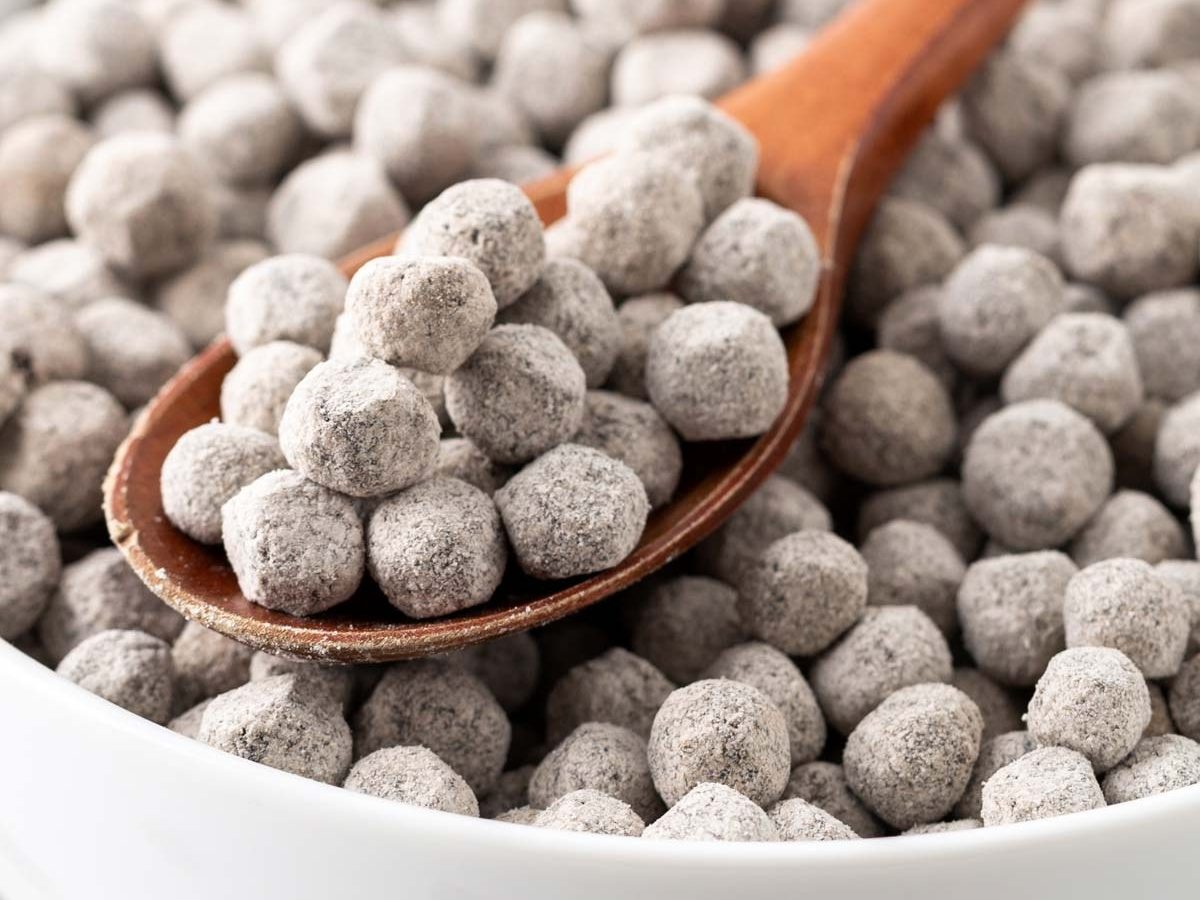
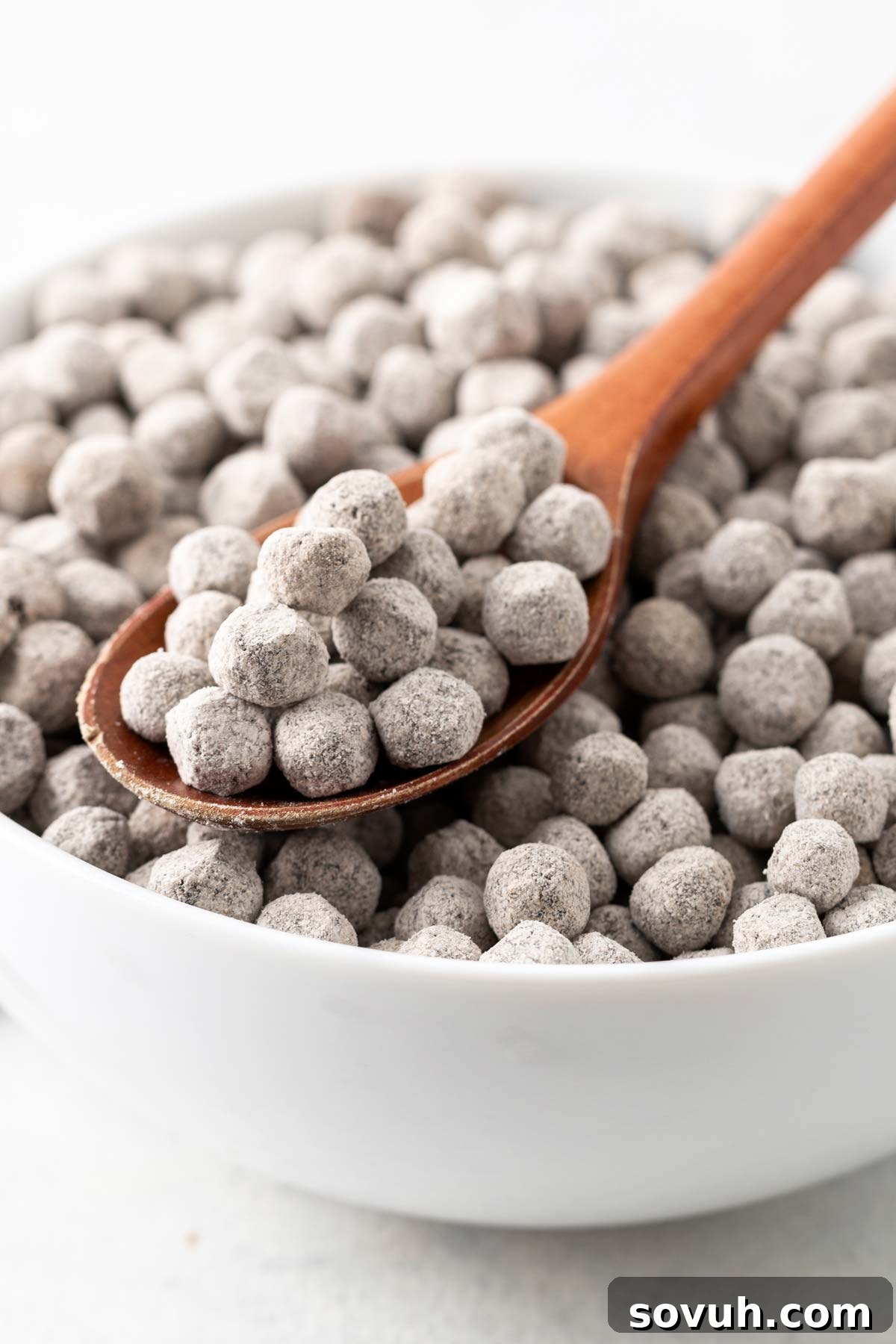
As an ingredient, boba refers to small, chewy balls made from tapioca starch, which is extracted from the cassava root. The pearls are prized for their springy, slightly gummy texture—described in Taiwan as “QQ,” a term used for foods that are pleasantly chewy.
Tapioca is naturally white, but many commercially made pearls are dark brown or black. That color comes from the addition of brown sugar, caramel coloring, or molasses during preparation. Because pearls are larger than typical drink bits, bubble tea is served with a wide straw so you get both liquid and tapioca with every sip. The pearls are meant to be chewed, not swallowed whole.
Boba = Bubble Tea
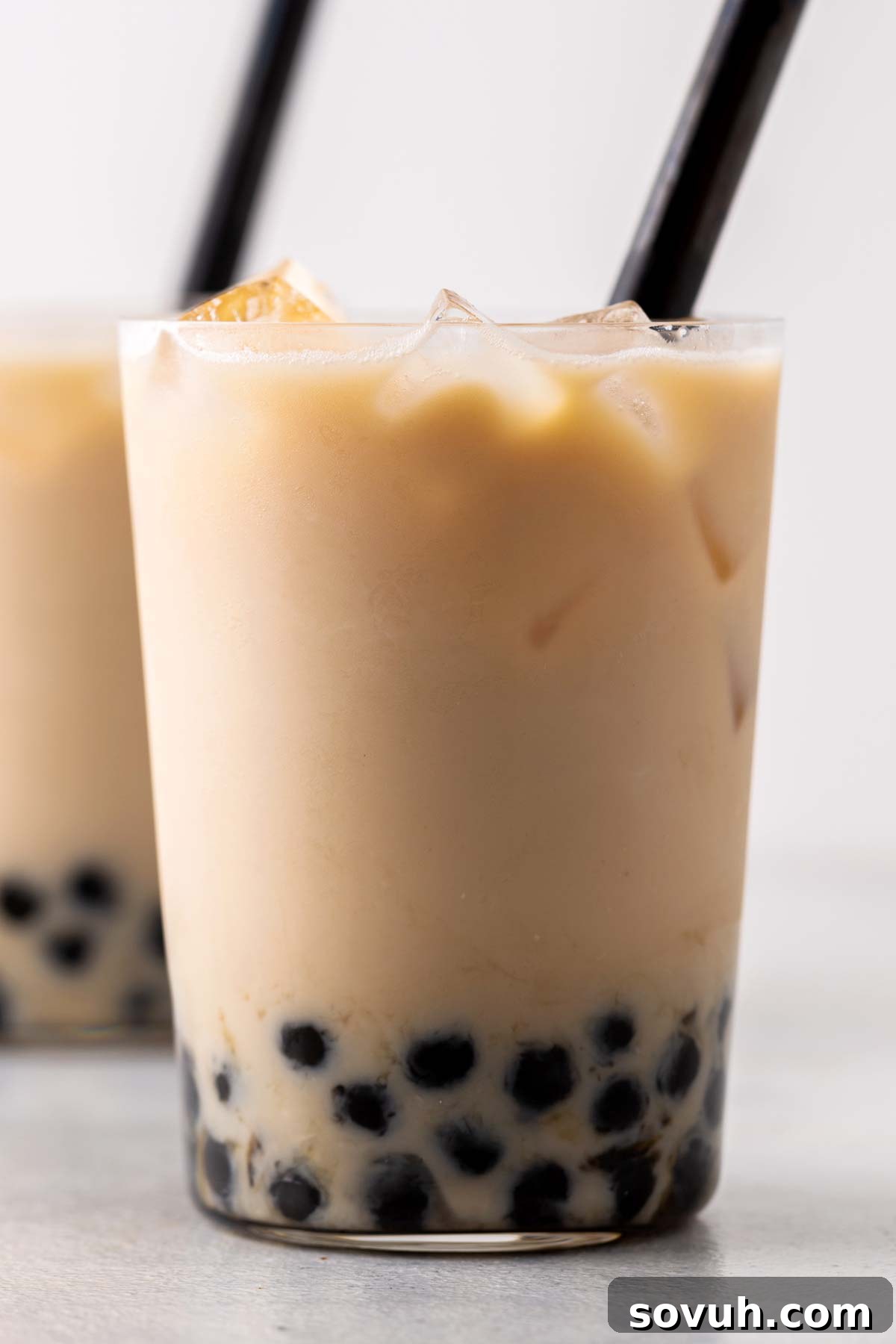
Bubble tea is the beverage that incorporates boba pearls. It most commonly comes in milk tea varieties—black tea or oolong mixed with milk or creamer—but fruit teas, slushies, and dairy-free versions are also common. Bubble tea shops often offer a range of sweeteners, syrups, and toppings beyond classic tapioca: fruit jellies, popping boba, pudding, and flavored syrups expand the possibilities.
RELATED: 17 Delicious Bubble Tea Recipes
Origins: Taiwan in the 1980s
Boba originated in Taiwan during the 1980s. Multiple teahouses claim to have invented the drink, and stories vary: one account describes a teahouse owner adding chewy tapioca balls purchased from a market into tea, while another credits a staff member who dropped tapioca pearls intended for dessert into an iced tea. Regardless of which version is true, the drink quickly took hold and evolved into the many styles enjoyed today.
RELATED: Bubble Tea with Cold Foam
Boba at Home
You can make both boba pearls and bubble tea at home with store-bought dry tapioca pearls and a few simple ingredients. Dry pearls cook relatively quickly in boiling water; once they are tender and chewy, they can be rinsed and soaked in a sweet syrup—often brown sugar or simple syrup—to add flavor and keep them from sticking together.
Many commercial bubble tea shops use powdered tea mixes and powdered creamer for convenience, but homemade bubble tea is easy and often tastier when you use brewed tea and real milk or plant-based milk. Brew your preferred tea strong and chill it, then add milk, sweetener, fruit purée, or flavored syrups. Finish by spooning warm or room-temperature boba into the bottom of the glass and topping with ice.
A few practical tips: cook pearls in plenty of water and stir occasionally to prevent sticking; once cooked, transfer them to a sweetened syrup to hold flavor; and serve the pearls while they’re still warm or just slightly cooled—their texture is most pleasing that way. Using a wide straw makes the drinking experience effortless and enjoyable.
Related
- Butterfly Pea Flower Bubble Tea
- Oolong Bubble Tea
- Strawberry Matcha Latte Bubble Tea
- Thai Bubble Tea
- Purple Sweet Potato Bubble Tea
- Lavender Bubble Tea
Want to save this for later? Pin it to your Pinterest board to remember tips, recipes, and favorite bubble tea ideas.