
How to Become a Tea Sommelier: A Beginner’s Guide
Want to get into tea but don’t know where to start? You’re in the right place. This guide offers practical tips and a clear, step-by-step method for brewing and tasting tea like a pro.
Getting Into Tea
One of the most rewarding parts of my Tea Sommelier certification was learning how to taste tea properly. A focused tasting practice is one of the best ways to learn and appreciate different teas.
Below are simple methods and practical recommendations to help you explore tea confidently.
Drink a lot of tea
- To understand and appreciate tea, you need regular practice. Aim to drink tea several times a week.
- Spend a little time each day, when possible, to brew your tea properly. For many people, the ritual of making tea is as rewarding as drinking it.
Use loose leaf tea
- Move away from standard paper tea bags and choose loose leaf tea. Loose leaf usually offers better quality and more nuanced flavor.
- Loose leaf allows leaves to expand and release more of their natural character compared with most bagged teas.
Drink one tea for a week
- To build recognition, pick a single well-known tea and drink only that for a week (or two). This helps train your palate to identify characteristic flavors.
- If you can still recognize that tea months later, your tasting memory is improving.
Avoid milk and sugar when learning
- Milk and sugar can mask subtle flavors. When you’re learning a tea’s profile, taste it plain so you can notice its true aroma and flavor.
- After you learn a tea, you can decide if additions make sense for your preference.
What You’ll Need
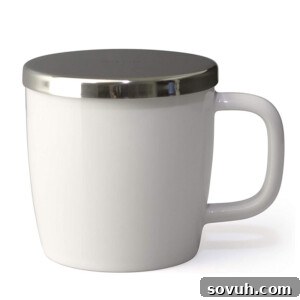
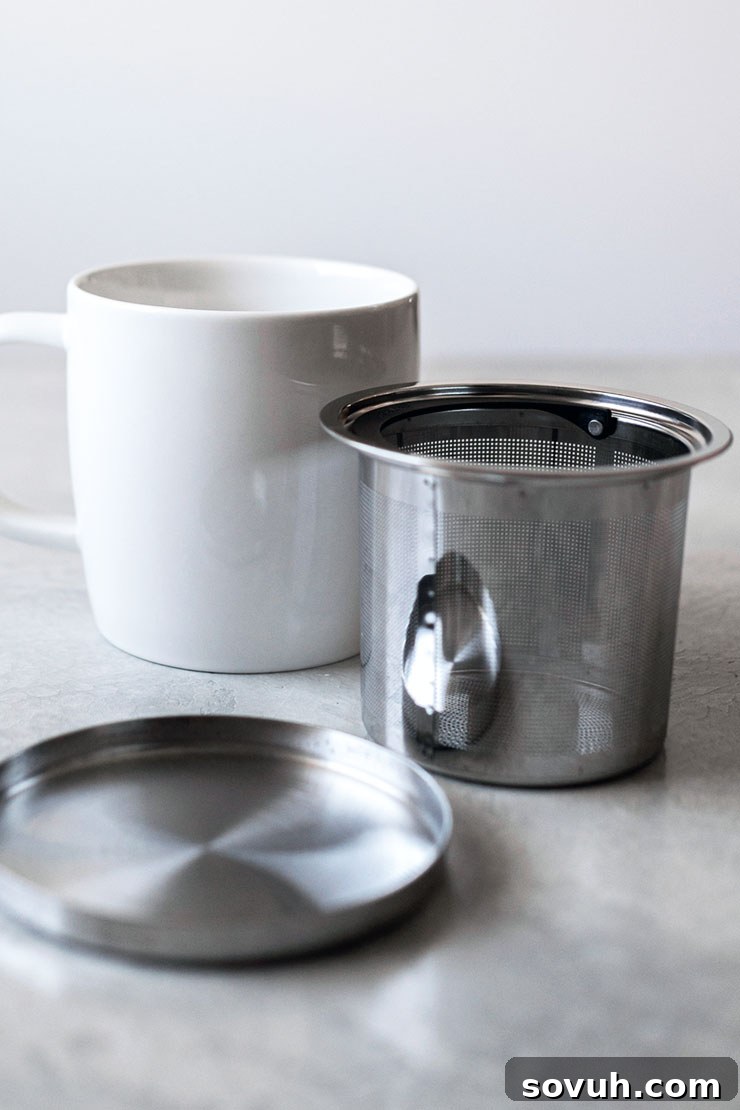
A small mug with a removable infuser is ideal for single-cup brewing when you’re starting out.
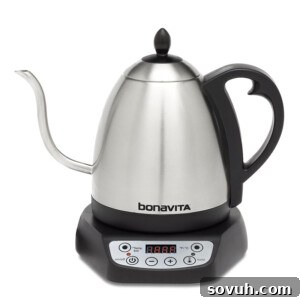
Controlling water temperature is important because different teas need different heat levels for best results.
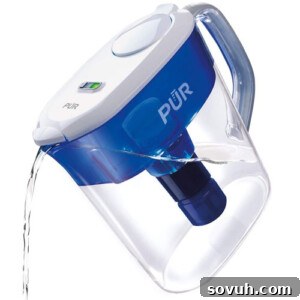
Good water makes better tea. If your tap water tastes mineral-heavy or chlorinated, filtered water will improve the cup.
How to Make Tea in a Mug with an Infuser
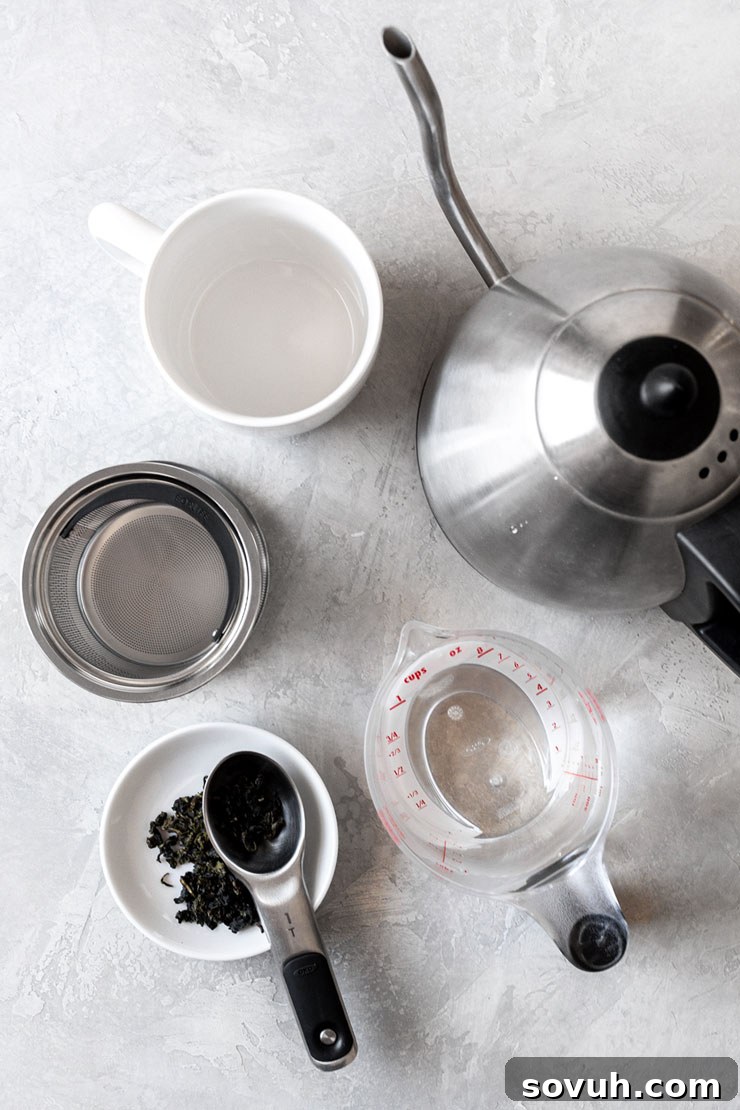
Brewing tea in a mug with an infuser is a practical, low-intimidation way to start. It gives you good control over leaf exposure and steep times, and it’s perfect for single servings.
Make sure the mug isn’t oversized; aim to steep one cup (about 8 oz) at a time for the method below.
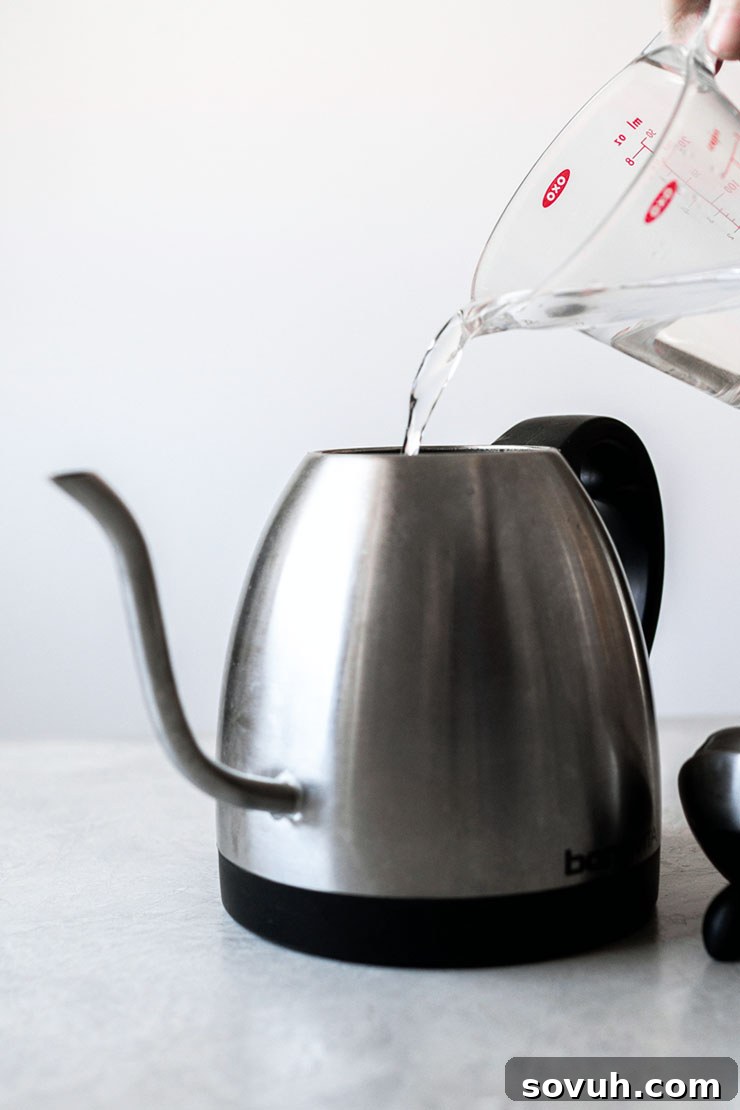
STEP 1: Heat filtered water to the proper temperature.
Check the tea packaging or a trusted reference for the recommended temperature. Different teas require different temperatures — for example, green teas are typically cooler than black teas.
STEP 2: Warm the mug.
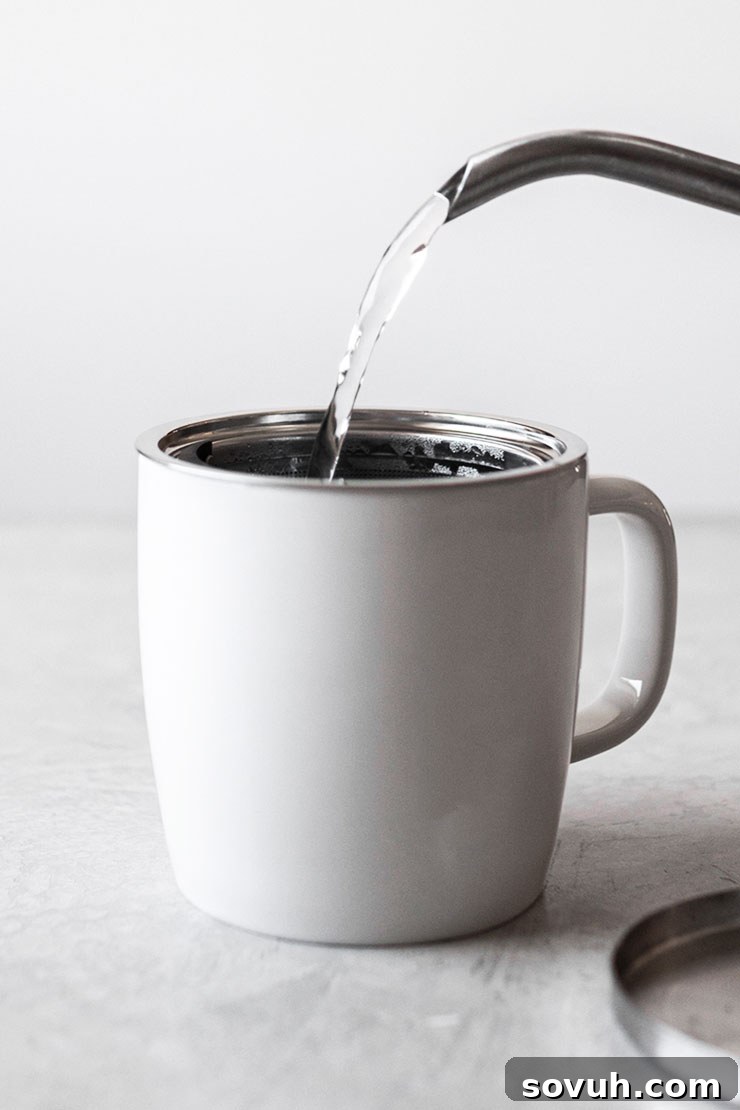
Pour a little hot water into the mug, swirl to warm the walls, then discard. Warming the mug prevents the brewing water from losing too much heat on contact.
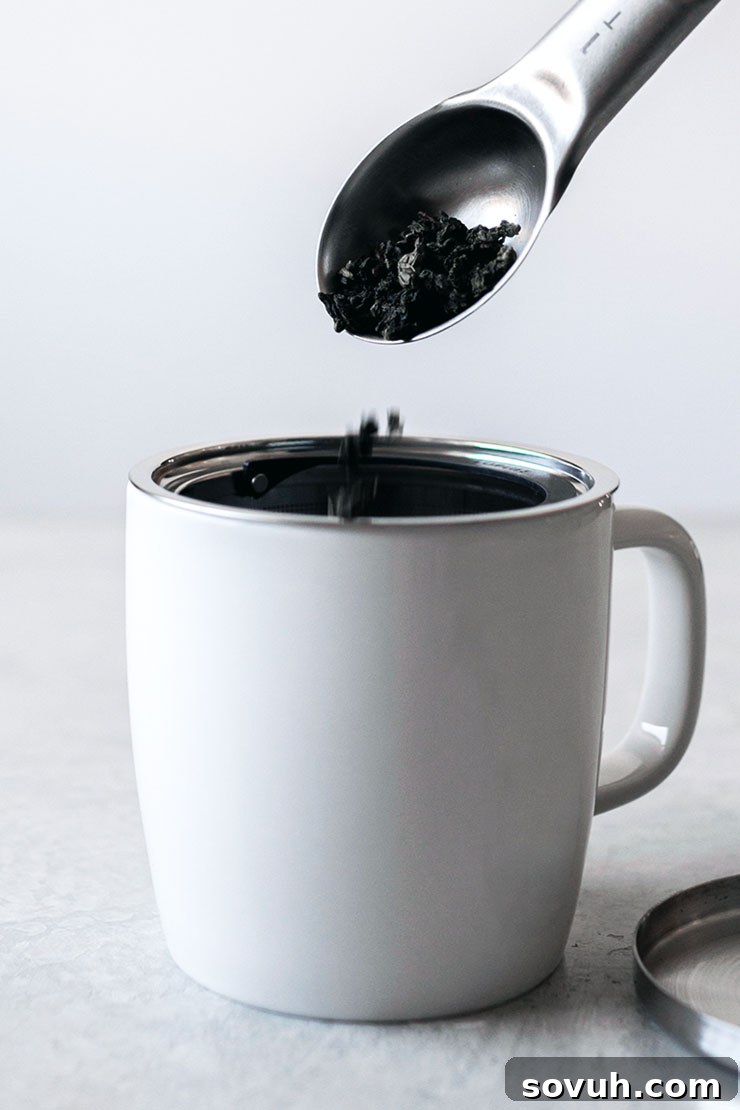
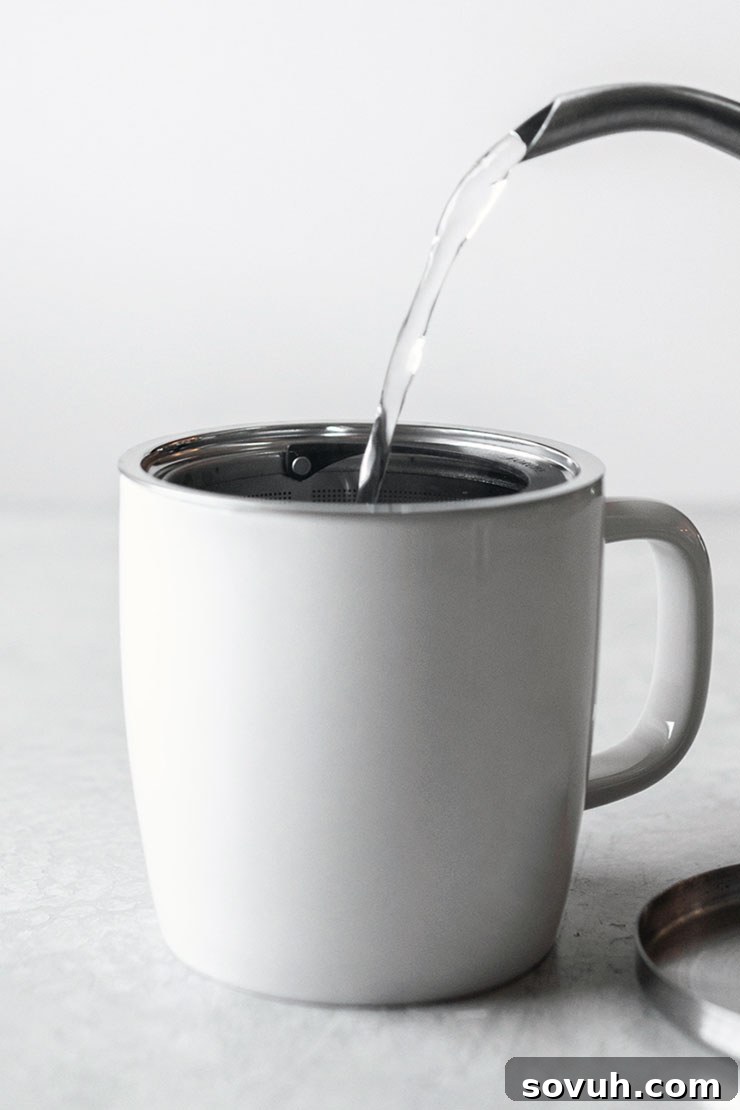
STEP 3: Measure 1.5–2 teaspoons of loose tea into the infuser, then add hot water.
Look at the dry leaves — their shape and aroma tell you a lot about the tea. Beginners can use a teaspoon; as you progress, a small scale can help you standardize brew strength.
STEP 4: Rinse — steep for 10 seconds and discard.
Pour hot water over the leaves for about 10 seconds, remove the infuser, and discard the water. This quick rinse helps open the leaves and remove dust, waking the tea for the first proper steep.
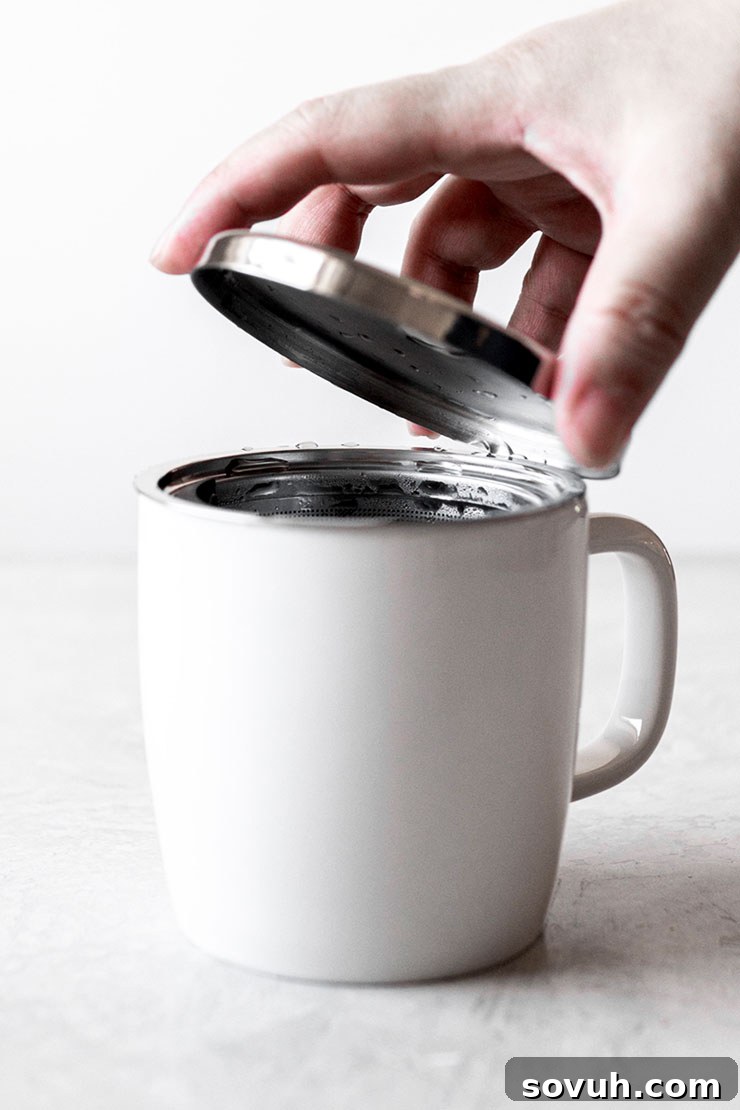
STEP 5: Add 8 oz (1 cup) of hot water and steep for 45 seconds with the lid on.
This method uses shorter initial steeps to avoid bitterness while extracting flavor. Use a measuring cup or a familiar mug to keep portions consistent. Set a timer for precision.
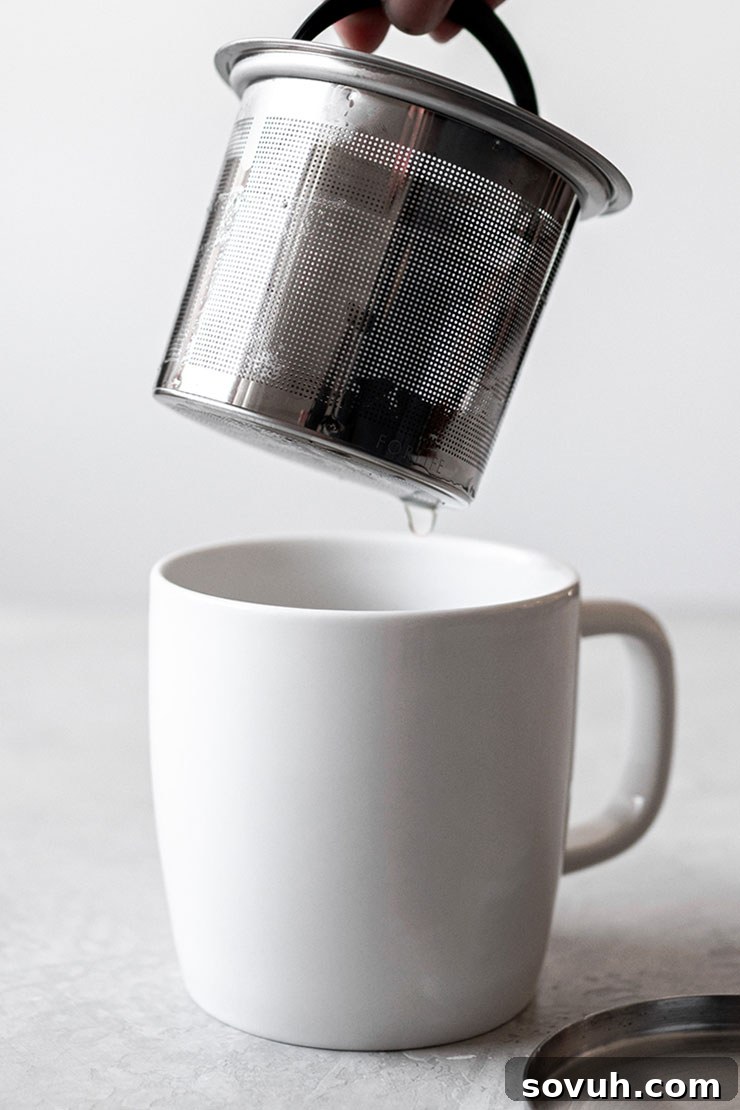
STEP 6: Remove the infuser and enjoy.
Don’t leave the leaves sitting in the water after the steep ends; the brew will become bitter. Removing the infuser lets you sip at leisure without over-extraction.
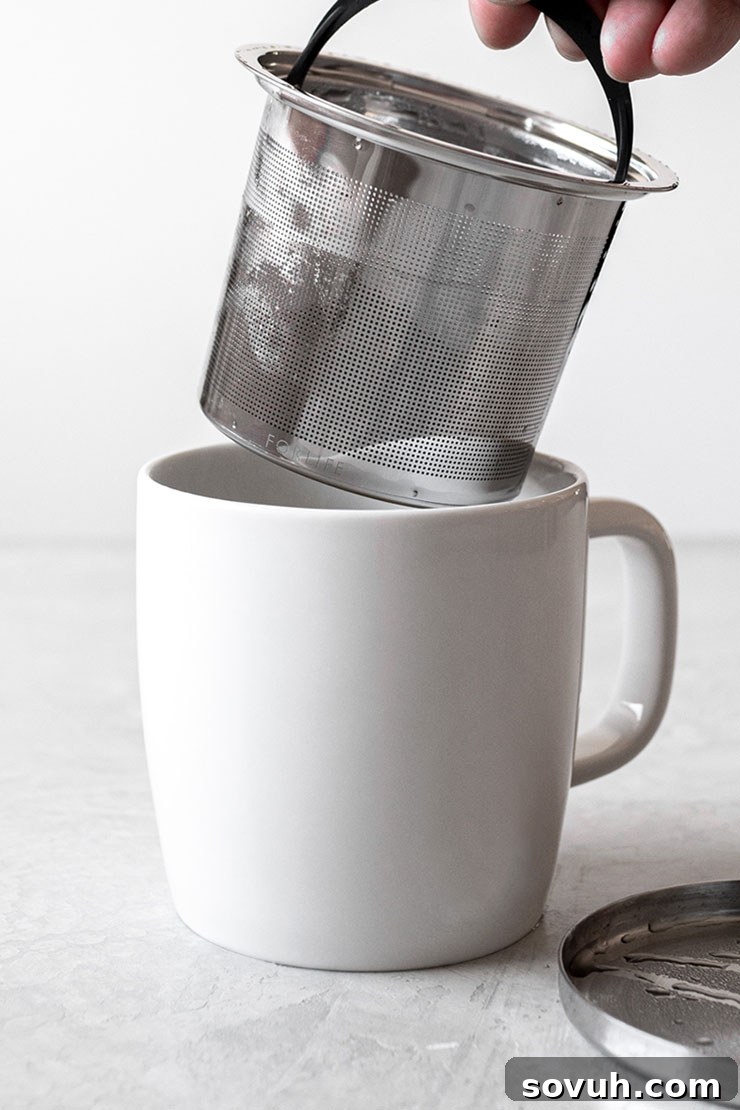
STEP 7: Re-steep the leaves for 1 minute 15 seconds.
After drinking the first cup, return the infuser to the mug and add another cup of hot water. Steep longer — about 1 minute 15 seconds — then remove the infuser. Many loose-leaf teas open up and reveal new flavors on the second infusion.
OPTIONAL STEP 8: Continue re-steeping, adding about 30 seconds to each previous steep.
You can often re-steep leaves a third or fourth time. Take note of how the flavor evolves and when the cup becomes muted — that’s your cue to stop. Tea professionals sometimes inspect a few leaves after each steep to observe how they unfurl.
8 Teas to Try First
Spend a week or so with a single tea to learn its character. Here are eight classic teas that are great for beginners and for training your palate:
- White Peony (Bai Mudan)
- Silver Needle (a delicate white tea)
- Dragonwell (Lung Jing, a pan-fired green tea)
- Sencha (a steamed Japanese green tea)
- Tie Guan Yin (Iron Goddess of Mercy, a classic oolong)
- Oriental Beauty (a highly aromatic oolong)
- Darjeeling (a light, floral black tea)
- Assam (a robust, malty black tea)
Tea Tasting Tips
- “Steeps” are also called infusions; each infusion can reveal different aspects of the leaf.
- If drinking full 8 oz cups is too much, try 1 teaspoon of tea with 1/2 cup of water to allow multiple steeps with smaller portions.
- You can keep re-steeping loose tea until the flavor is gone; note how taste shifts across steeps.
- Once leaves have fully unfurled, their flavor typically fades sooner than during the initial infusions.
- If you’ve brewed only a couple of infusions and still have usable leaves, consider cold-brewing the remaining leaves in the refrigerator for a refreshing second format.
- Buy tea in manageable quantities and store it in a cool, dry, airtight container away from light and strong odors to keep it fresh.
Related
- How to Make Oolong Tea in a Clay Teapot
- Where to Buy Tea Online
- Difference Between Loose Tea, Tea Sachets, and Tea Bags
- Oolong Tea Starter Guide
- Green Tea Starter Guide











