
How to Brew Sencha: Hot and Iced Guide
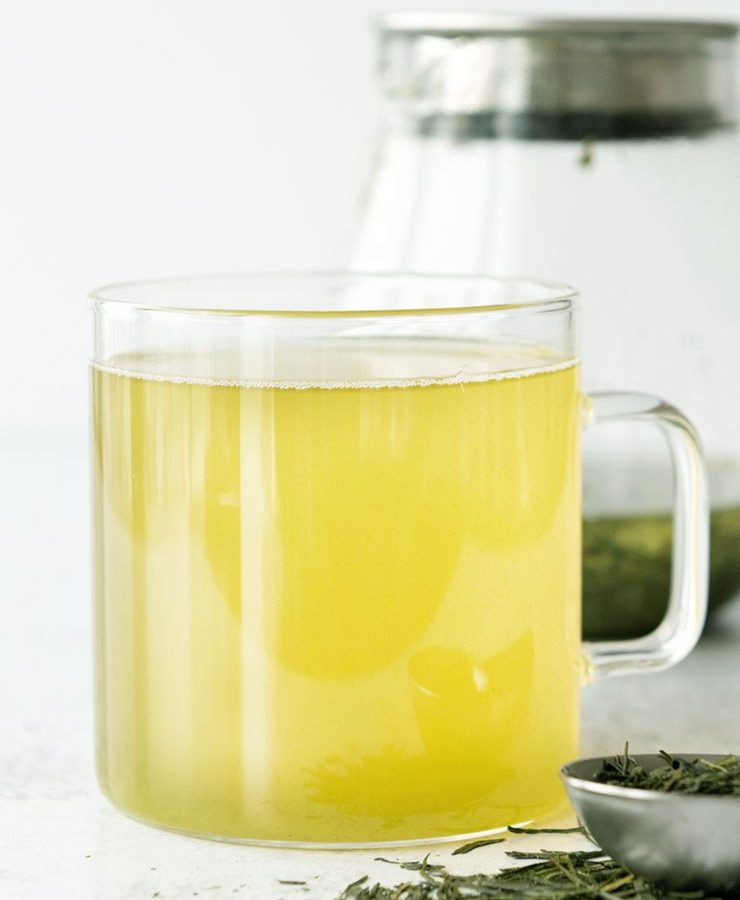
Sencha is the most popular green tea in Japan. When brewed correctly it is bright, fresh and pleasantly grassy. Below you’ll find clear instructions for making both hot and cold sencha at home.
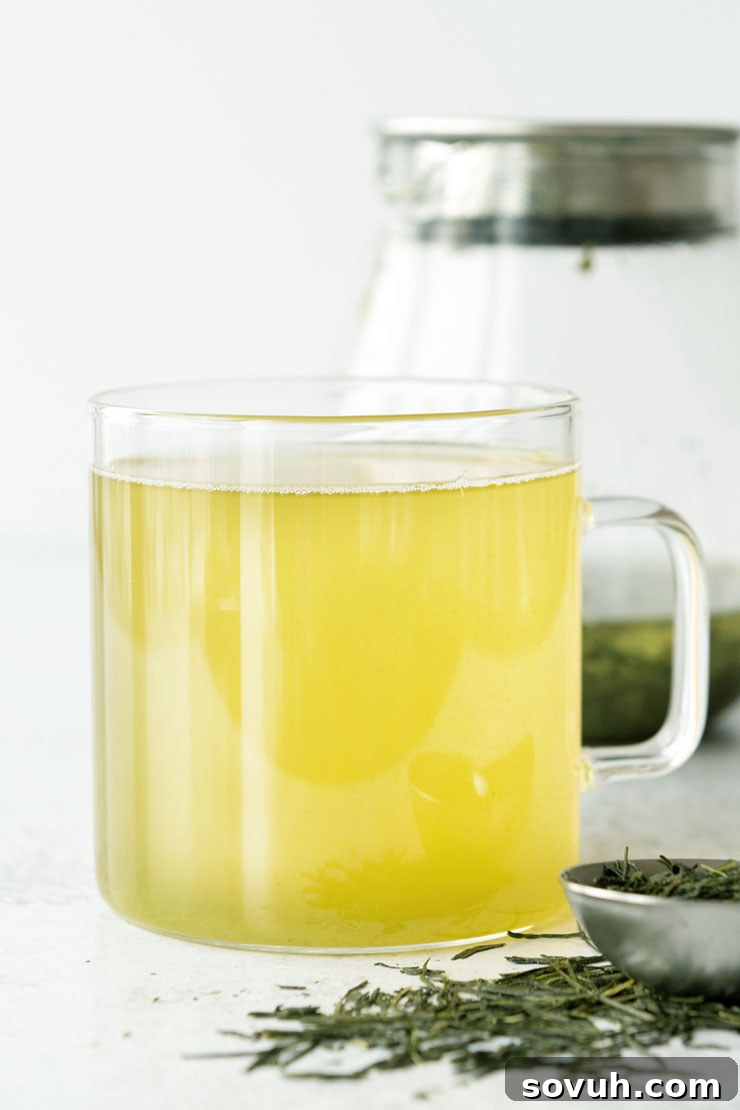
Sencha
- Sencha is a Japanese green tea made from the Camellia sinensis plant.
- It is the most commonly consumed tea in Japan.
- Sencha contains caffeine, though typically less than coffee.
- Leaves for sencha are steamed to stop oxidation, giving the tea its fresh vegetal character.
- The word “sencha” loosely translates to “simmered tea” in modern usage, though the term refers broadly to steamed green teas.
Sencha Brewing Guide
TO MAKE HOT SENCHA
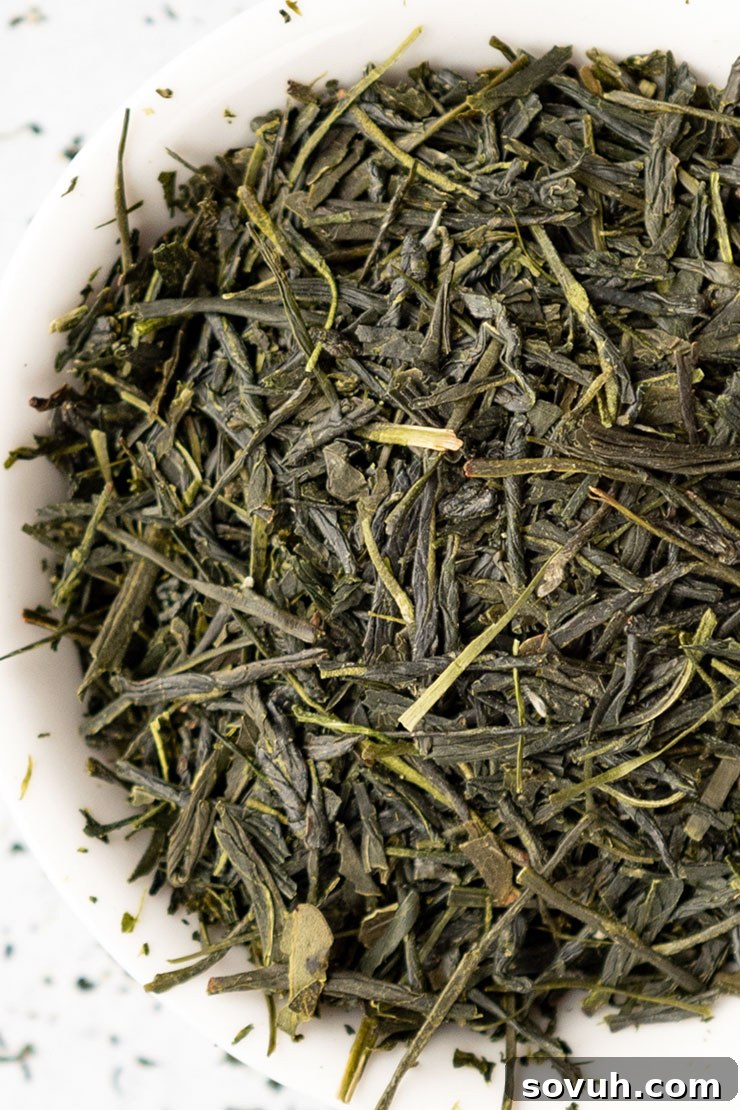
TEA: 1½ teaspoons loose sencha or 1 tea sachet
WATER: 1 cup (8 fl. oz.)
WATER TEMPERATURE: 160°F (about 70°C)
STEEP TIME: 2 minutes
TO MAKE COLD BREW SENCHA
TEA: 1½ teaspoons loose sencha or 1 tea sachet
WATER: 1 cup (8 fl. oz.) of cold or room-temperature water
WATER TEMPERATURE: cold
STEEP TIME: 3 hours in the refrigerator
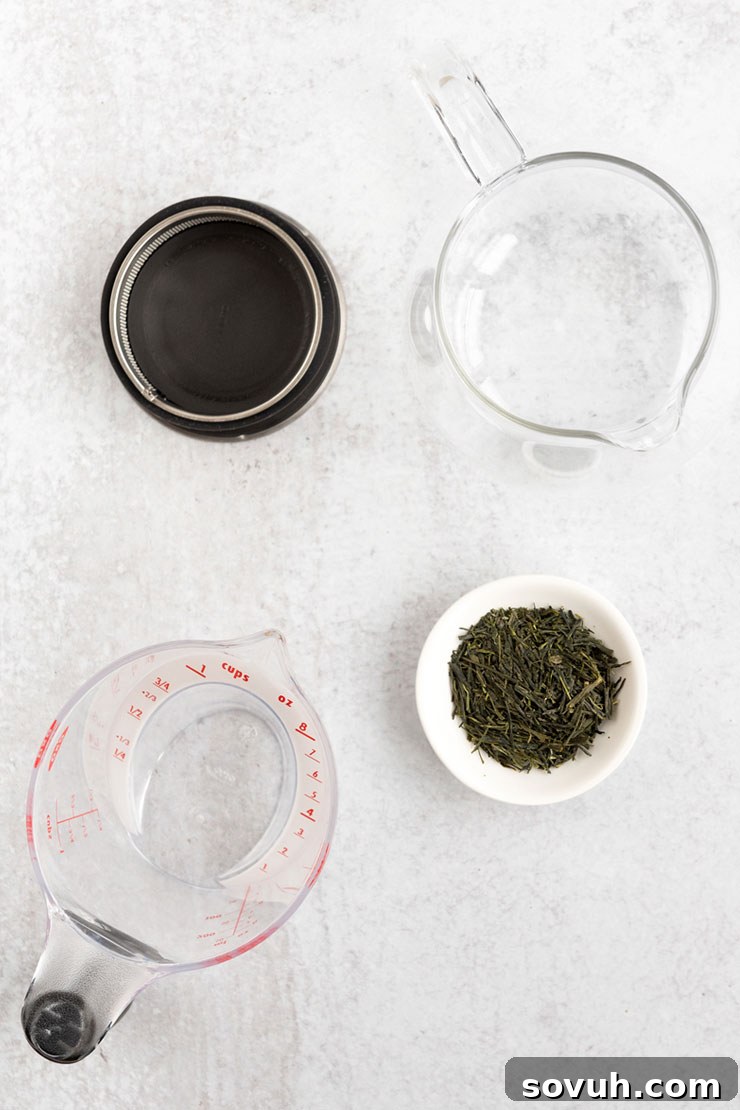
What you’ll need
TO MAKE HOT SENCHA
- Loose sencha or a quality tea sachet.
- Filtered water for the cleanest flavor.
- Teapot with a fine strainer or a kyusu-style pot (Japanese teapot) for traditional brewing.
- An electric kettle with temperature settings or a way to cool boiled water to about 160°F (70°C).
TO MAKE COLD BREW SENCHA
- Loose sencha or a tea sachet.
- Filtered water.
- A pitcher or glass container with a lid for refrigeration.
- Ice if you prefer your iced tea extra cold (optional).
My Sencha Pick
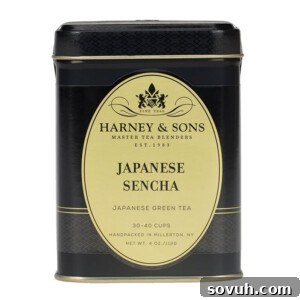
Photo credit: Harney.com
A solid starter Japanese sencha: good quality and reasonably priced, suitable for both hot and cold brewing.
How to Make Hot Sencha Properly
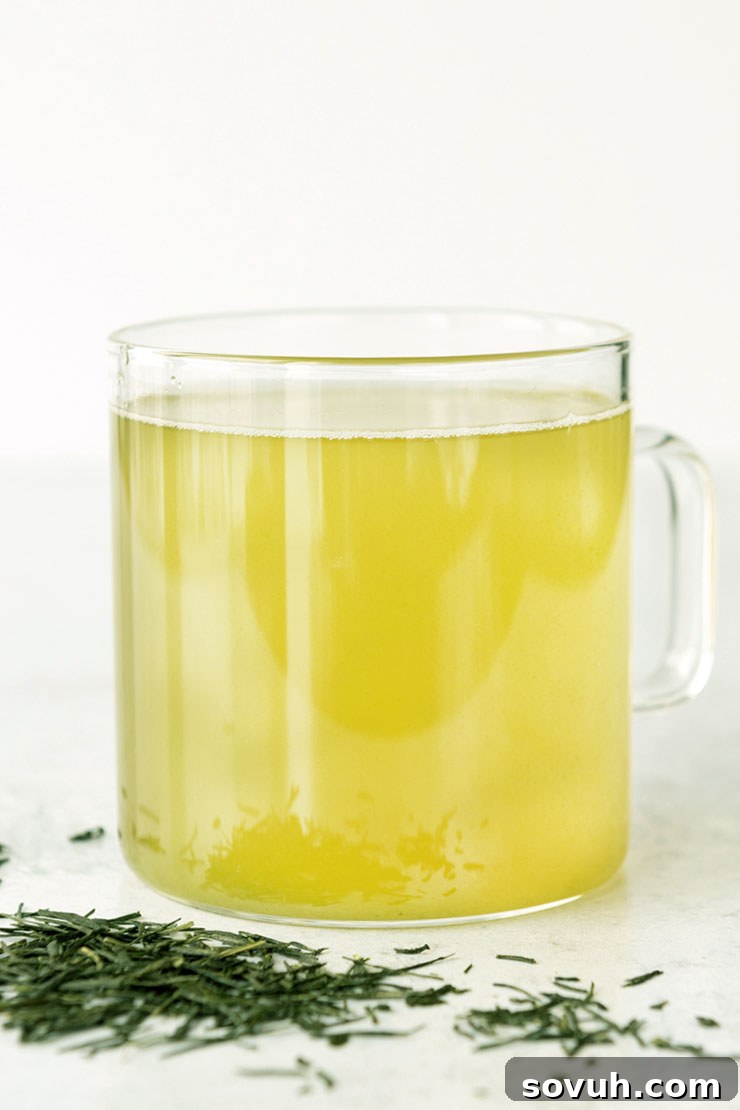
STEP 1: Prepare and heat water.
Use filtered water for the cleanest cup; the mineral content of your water affects flavor. Heat water to around 160°F (70°C). If you boil water on the stove, remove it as soon as it reaches a gentle simmer and let it cool a bit. Heat slightly more water than you need so you can warm the teapot.
STEP 2: Warm the teapot.
Pour a small amount of the hot water into your teapot, swirl it around, and discard it. Warming the pot stabilizes temperature during steeping and helps the leaves infuse evenly.
STEP 3: Add sencha and pour the water.
Place 1½ teaspoons of loose sencha into the teapot (or one sachet). Pour the 160°F water over the leaves.
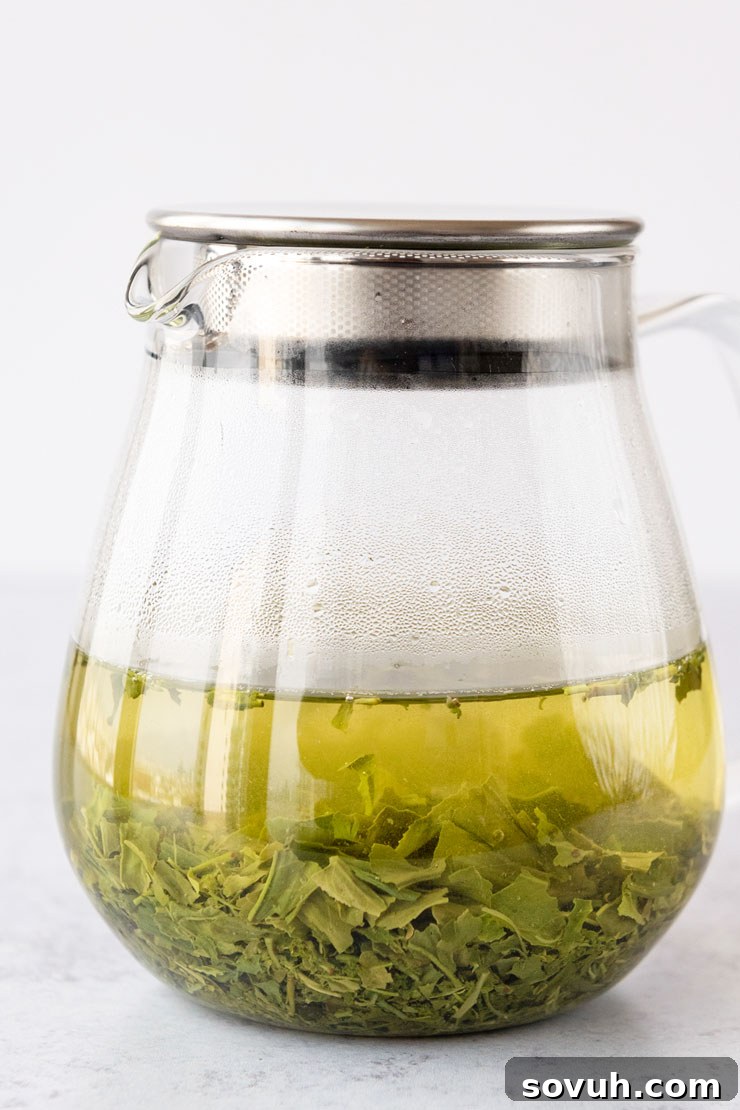
STEP 4: Cover and steep for 2 minutes.
Sencha is delicate—steep for no longer than 2 minutes to avoid bitterness. Keep the teapot covered so the water stays close to the target temperature while the leaves infuse.
Tea Sommelier’s Tip: Because sencha is steamed rather than heavily oxidized, it is sensitive to high temperatures. Boiling water extracts harsh tannins; cooling the water to about 160°F helps preserve sweetness and umami.
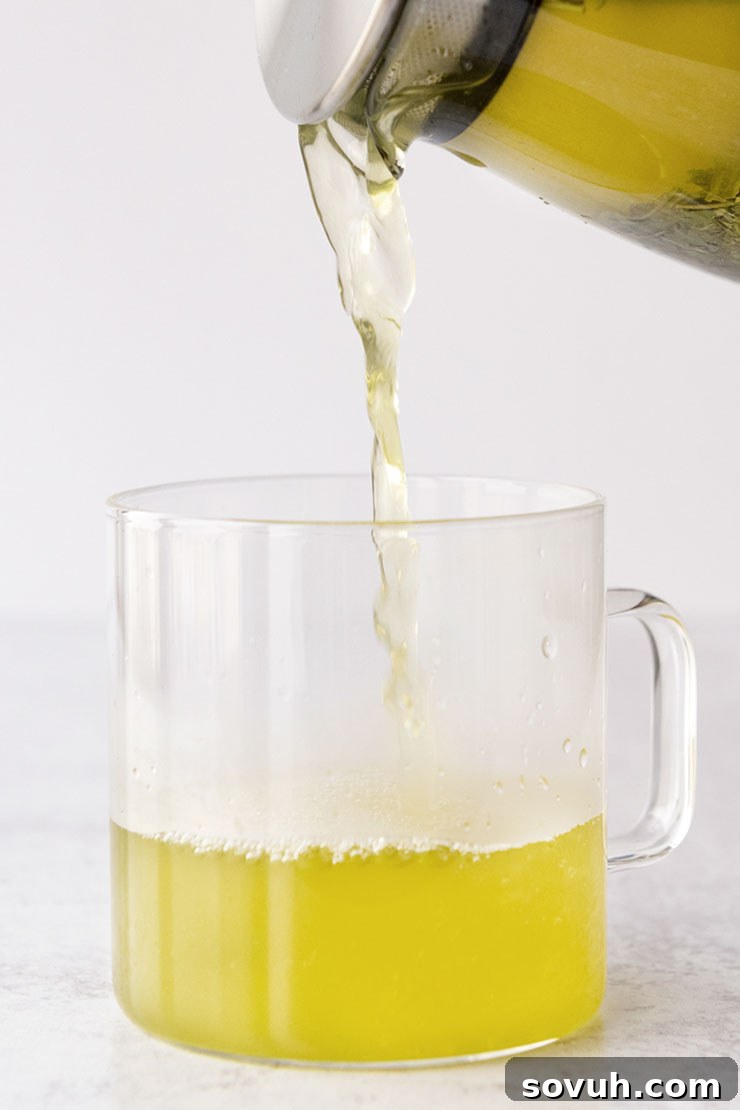
STEP 5: Strain and serve.
Pour the tea through a strainer into cups to separate the leaves. A well-brewed sencha should be savory and bright without unpleasant bitterness.
How to Make Iced Sencha Properly
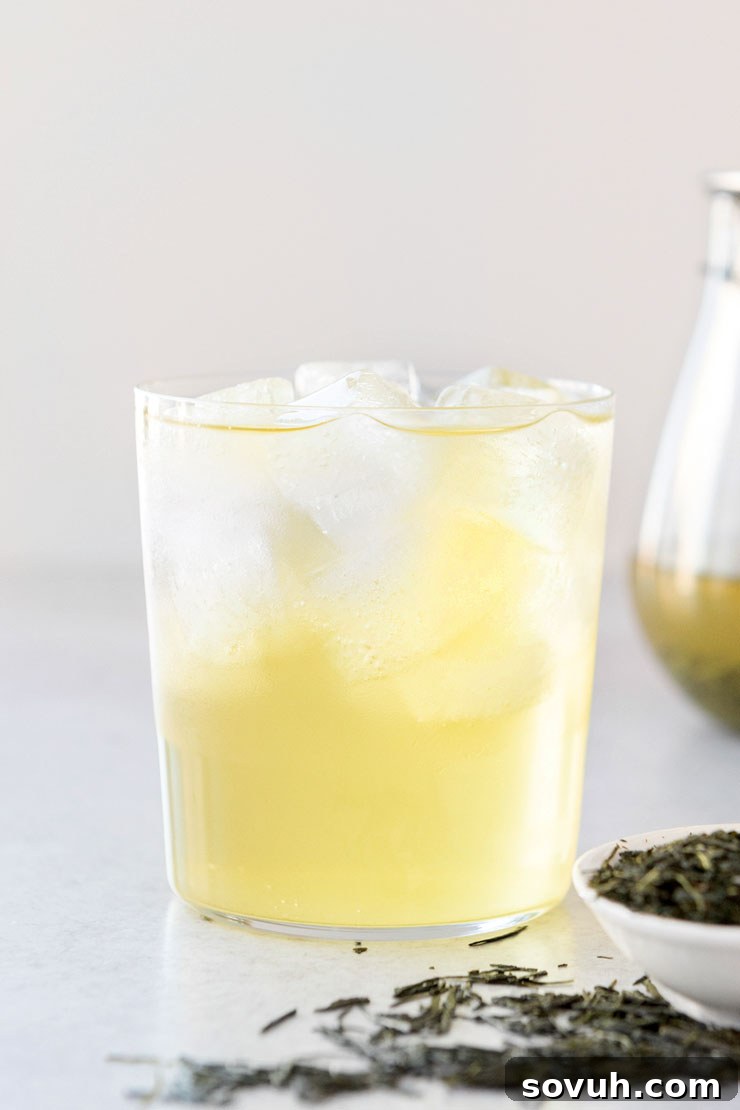
Iced sencha is refreshing and especially pleasant when cold-brewed. Cold brewing extracts a smoother, less astringent flavor than hot brewing followed by chilling.
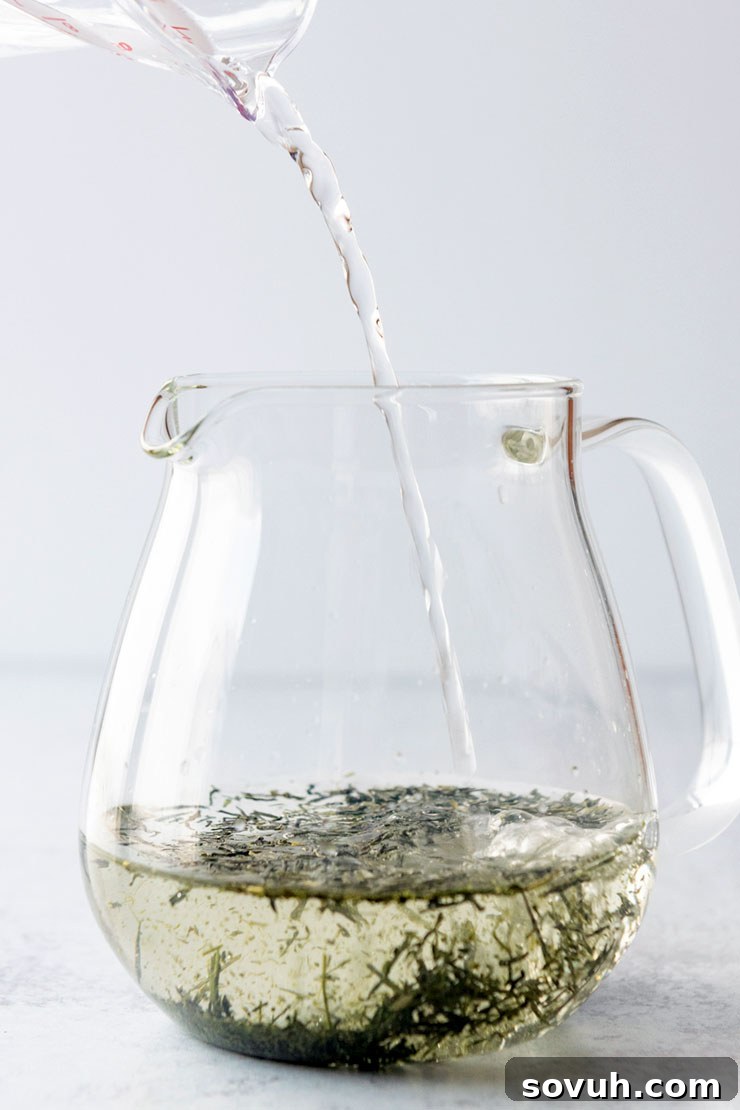
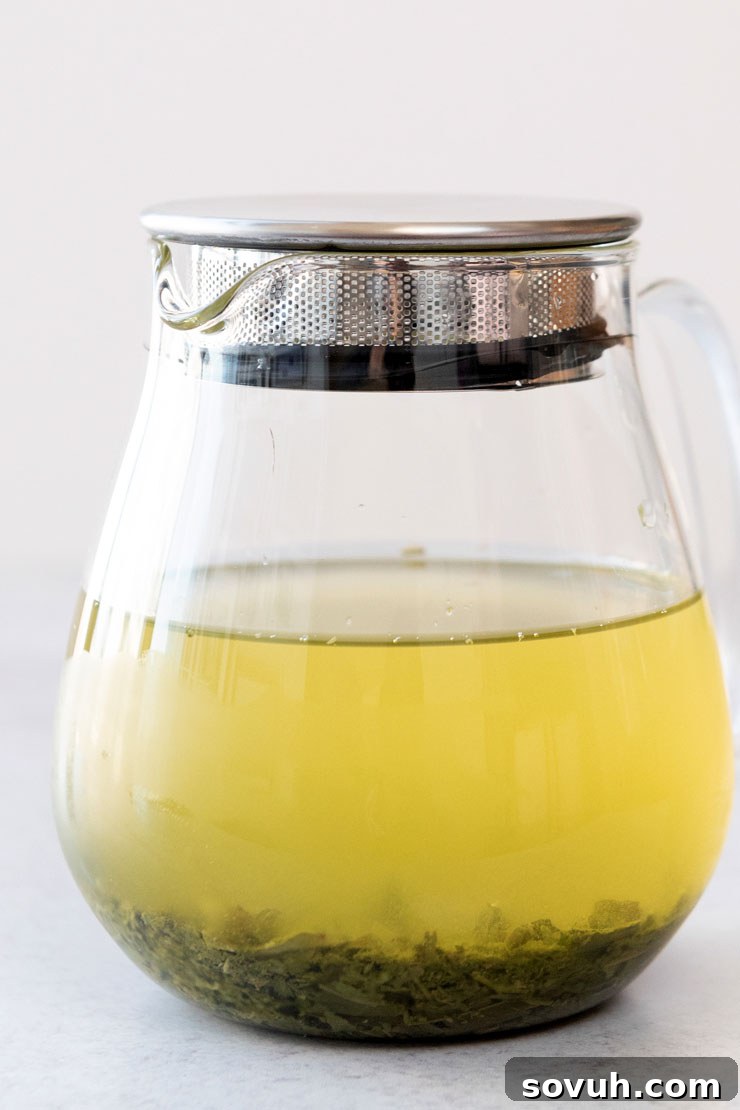
STEP 1: Combine tea and water in a pitcher.
Put 1½ teaspoons of loose sencha (or one sachet) into a pitcher and add cold or room-temperature filtered water (about 1 cup per serving). Stir gently to ensure the leaves are submerged.
STEP 2: Refrigerate for 3 hours.
Cover the pitcher and chill in the refrigerator for roughly 3 hours. Green teas extract faster during cold brew than many black or oolong teas, so long refrigeration is unnecessary.
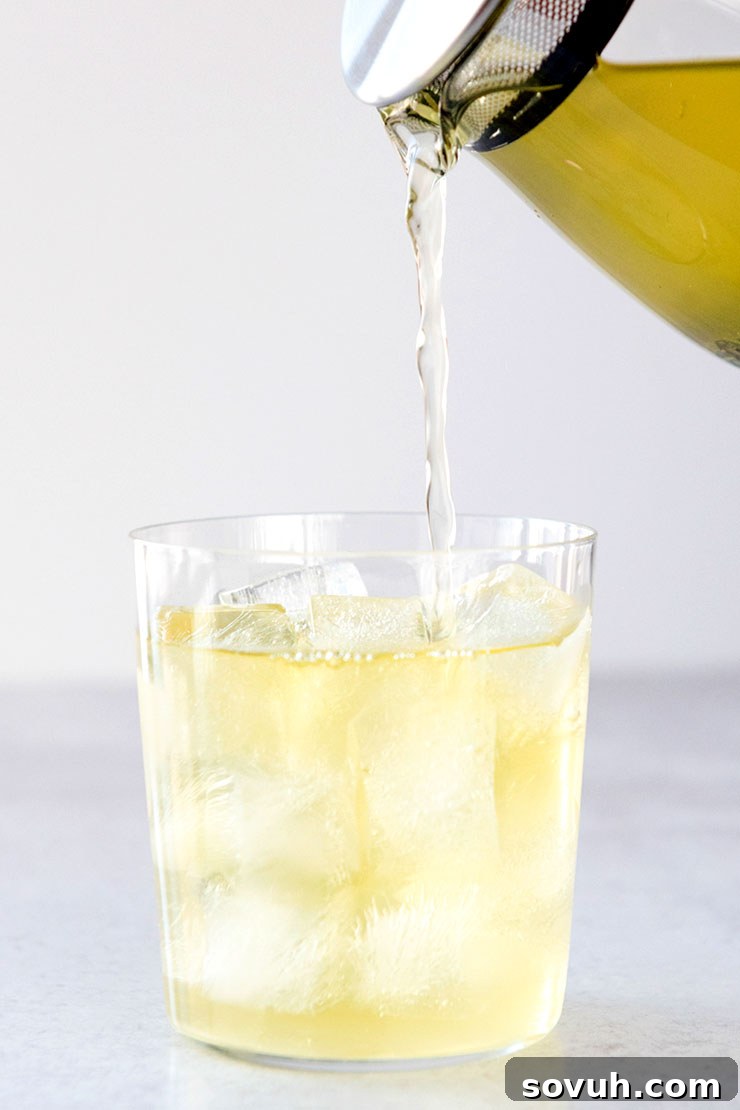
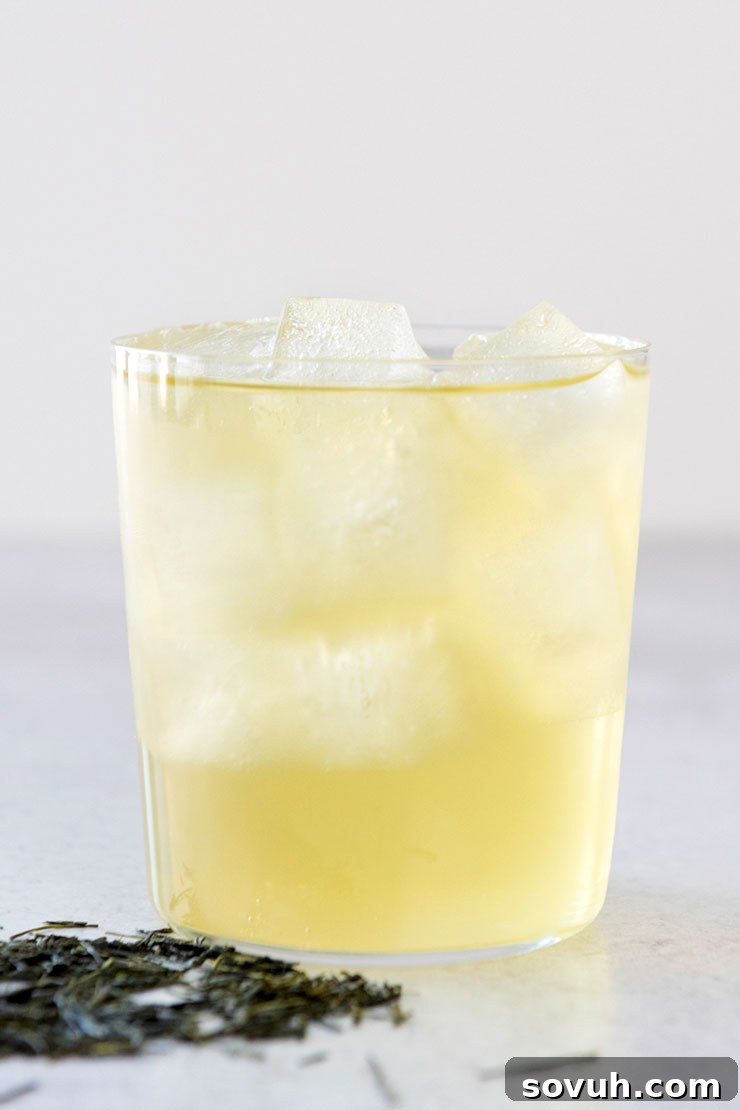
STEP 3: Strain and serve chilled.
Strain out the leaves and pour the cold tea into glasses. Because the tea is already cold, ice is optional. Sencha traditionally isn’t served with milk or sugar—if you prefer sweetened iced tea, dissolve simple syrup (equal parts sugar and warm water) before chilling and add to taste.
Sencha Tips
- Drink sencha plain to appreciate its natural flavors; milk typically masks the tea’s delicate notes.
- If your cup is bitter, the water was too hot or the leaves steeped too long—try cooler water or a shorter steep.
- For the most authentic flavor look for sencha grown and harvested in Japan.
Questions You May Have
Sencha tastes fresh and grassy with vegetal, sometimes seaweed-like or spinach-like notes and a savory umami character. The flavor can vary with the harvest and region.
Improper brewing—using boiling water or steeping for too long—often produces bitterness. Use lower temperatures and short steep times to avoid tannic extraction.
Yes. Sencha contains caffeine like other green teas, typically less than a similar volume of coffee but enough to provide a mild lift.
Plain sencha contains essentially zero calories. Additions like sugar or syrup will add calories.
Loose-leaf sencha generally provides the best flavor since the leaves are less broken and can unfurl fully. High-quality sachets can be a good compromise; many standard tea bags contain lower-grade leaves.
Yes—sencha is made from the Camellia sinensis plant and is a true tea, not an herbal infusion.
Traditionally, sencha is brewed in a kyusu, a small Japanese teapot designed for efficient steeping and easy pouring.
More Green Tea
- Want to get into green tea? Start with classic sencha and try other types like gyokuro and genmaicha for variation.
- Learn how to make the best iced green tea by cold brewing for a smoother, less astringent cup.
- Genmaicha and jasmine tea are other approachable green tea options worth trying.
Sencha Tea — Quick Recipe
By: Jee Choe
How to make hot & iced sencha tea properly.
Equipment
- Electric kettle (with temperature control recommended)
- Teapot with fine strainer or kyusu
- Water filter or filtered water
Ingredients (per 1 cup)
- 1 cup filtered water (+ extra to warm teapot for hot tea)
- 1½ teaspoons sencha loose tea
Instructions
- Boil water. Heat filtered water to about 160°F (70°C). Prepare slightly more water than needed to warm the teapot.
- Warm the teapot. Pour hot water into the teapot, swirl, and discard the warming water.
- Add tea and water. Place sencha leaves in the teapot and pour in water at 160°F.
- Steep 2 minutes. Cover the teapot and time the steep carefully to avoid bitterness.
- Strain and serve. Pour the tea through a strainer into a cup.
Nutrition information: plain sencha contains negligible calories. Flavor and caffeine levels vary by leaf and preparation.











