30 Zero-Carb High-Protein Foods: Brands and Prep Tips
Are you searching for high-protein, zero-carb foods or simply want to add more variety to a carnivore, keto, or low-carb plan? This guide offers practical tips, brand suggestions, and a wide-ranging list of foods that are naturally high in protein with little to no carbohydrates. Use it to plan meals, discover new options, and stay satisfied while keeping carbs to a minimum.
Below are practical tips for anyone focused on high-protein, zero-carb eating, followed by recommended brands and a comprehensive food list to inspire meals and snacks.
10 Tips When Choosing High-Protein, Zero-Carb Foods
A high-protein, zero-carb approach emphasizes animal-based proteins and select dairy while minimizing or eliminating carbohydrates. Whether your goals are weight loss, muscle building, or better blood sugar control, these tips will help you navigate choices and maintain variety and balance.
- Know Which Foods Truly Fit – Learn which items are essentially zero carb—many plain meats, seafood, eggs, and some cheeses qualify. Check nutrition labels carefully for hidden sugars or fillers.
- Rotate Proteins – Eat a mix of beef, pork, poultry, fish, and dairy to avoid taste fatigue and broaden your nutrient intake. Include organ meats when possible for extra micronutrients.
- Watch Portions – Protein needs vary by activity and goals. Use visual cues—like a palm-sized portion of meat—to estimate serving sizes and avoid overconsumption.
- Master Simple Prep Methods – Grilling, roasting, pan-searing, and slow cooking preserve flavor and nutrients. Batch-cook and freeze portions for busy days.
- Plan Meals Ahead – Weekly meal planning prevents last-minute carb-heavy choices and keeps shopping focused on zero-carb essentials.
- Stay Hydrated – High-protein menus can be more dehydrating. Drink water throughout the day and consider electrolytes if needed.
- Monitor Your Body – Track energy, digestion, and lab markers where appropriate. If you notice adverse changes, consult a healthcare professional.
- Consider Targeted Supplements – Some people may need fiber or specific vitamins and minerals that are harder to obtain on a zero-carb plan; discuss options with your clinician.
- Include Adequate Fats – With carbs removed, healthy fats provide essential calories and support satiety. Choose saturated and unsaturated animal and dairy fats according to your preferences and tolerance.
- Connect with Others – Communities, forums, and recipe groups can offer meal ideas, motivation, and troubleshooting tips for a high-protein, low-carb lifestyle.
Use a printable high-protein, low-carb food list or a visual guide to make shopping and meal planning easier.
Brands to Consider for High-Protein, Low- or Zero-Carb Foods
When selecting packaged products, choose brands that prioritize quality, minimal processing, and clear ingredient lists. Below are reputable names commonly sought by people following high-protein, low-carb, or carnivore-style diets.
Look for products labeled grass-fed, pasture-raised, wild-caught, or organic when you want higher-quality sourcing and fewer additives.
- US Wellness Meats – Known for grass-fed and pasture-raised meat options, including cuts and organ meats.
- ButcherBox – A delivery service offering grass-fed beef, organic chicken, and pork selections.
- Wild Planet – Offers sustainably sourced canned and fresh seafood such as tuna and salmon.
- Epic Provisions – Specializes in meat-based snacks like jerky and meat bars.
- Vital Choice – A source for wild seafood and related products.
- Applegate Farms – Produces minimally processed deli meats and sausages without unnecessary fillers.
- Bell & Evans – Known for high-quality poultry raised without antibiotics.
- Pederson’s Natural Farms – Offers bacon, sausages, and other pork products with simple ingredients.
- Teton Waters Ranch – Focuses on grass-fed beef products with minimal processing.
- D’Artagnan – Offers specialty and game meats for those looking for variety.
- Kettle & Fire – Known for bone broths and soups with clean ingredient lists.
- Fage – Full-fat Greek yogurt options that are higher in protein and low in added sugars.
- Organic Valley – Offers organic dairy products including cheeses and creams.
- Niman Ranch – Produces a range of all-natural meats from sustainable practices.
- SeaPak – Provides frozen seafood options that can complement a low-carb plan.
- Chomps – Meat stick snacks made from grass-fed or finished meats with minimal additives.
- Vital Farms – Pasture-raised eggs and butter, popular for quality-focused shoppers.
- Tillamook – A dairy brand known for cheeses that are naturally low in carbs.
- Now Foods – Supplies protein powders and pantry items suitable for low-carb diets.
- Crown Prince – Offers canned fish like tuna and sardines that are convenient and protein-rich.
High-Protein, Zero-Carb Foods List
Meat
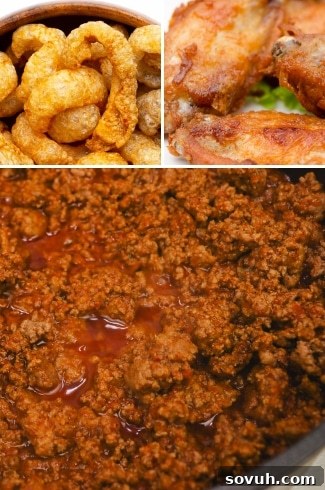
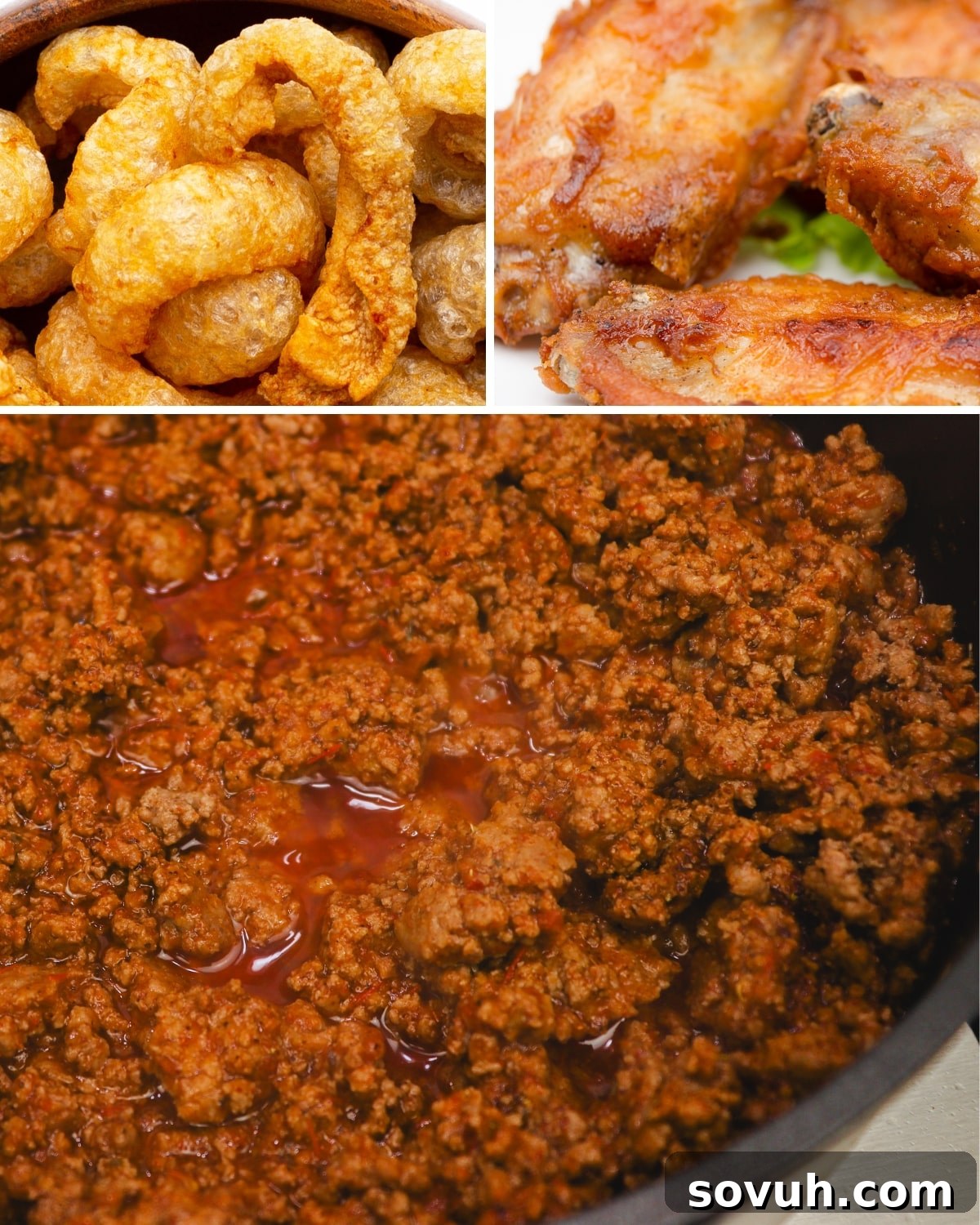
- Beef – Steaks, roasts, and ground beef are versatile. Choose grass-fed when available for flavor and nutrient differences.
- Pork – Pork chops and loin are lean choices. Pork rinds provide a crispy, carb-free snack but check labels for added sugars.
- Lamb – Rich in flavor and excellent roasted or grilled.
- Veal – Tender and mild, suitable for elegant preparations.
- Pemmican – Traditional dried meat and fat; omit any fruit additions to keep it zero-carb.
Organ Meats
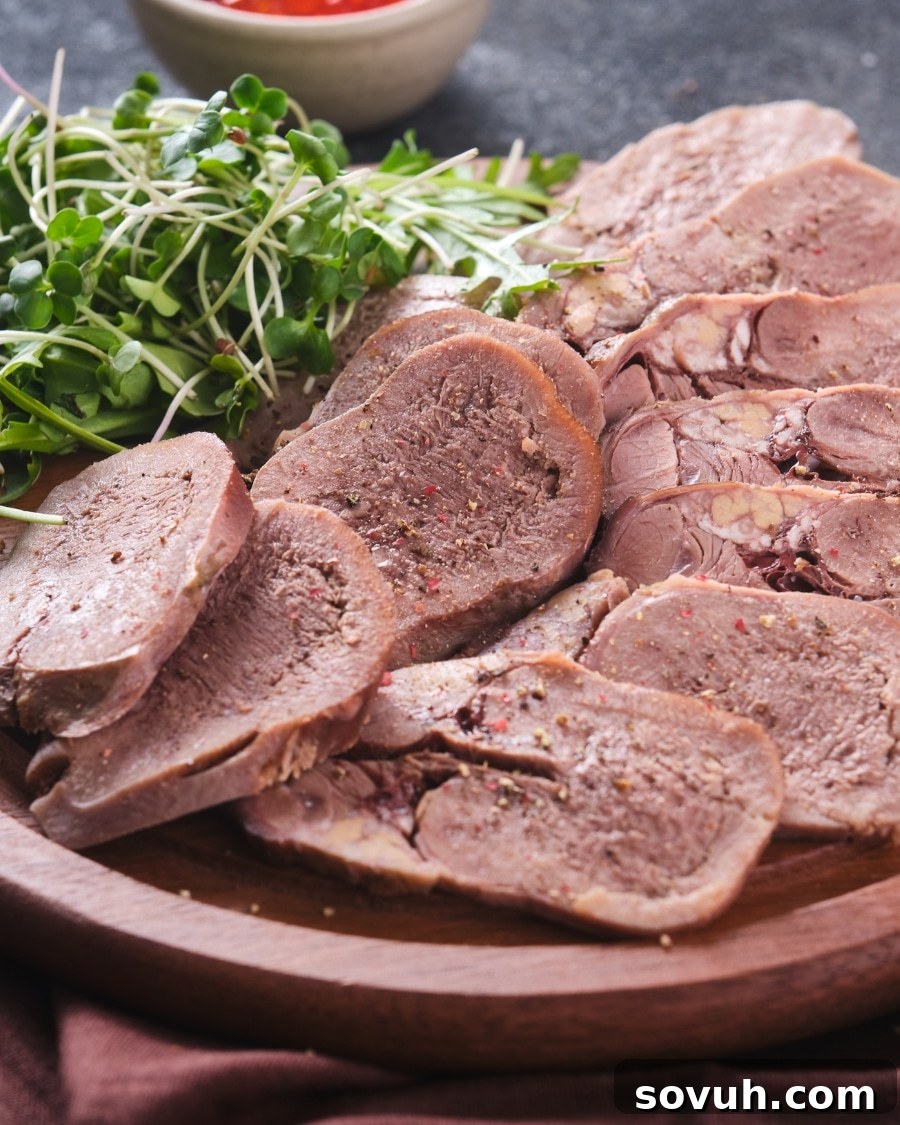
- Tongue – Tender when slow-cooked or braised; slices make a rich protein option.
- Heart – Dense in protein and flavorful when grilled or sautéed.
- Kidney – Best prepared slowly in stews or braises.
Game Meats
- Venison – Lean and flavorful for steaks or ground preparations.
- Bison – Leaner alternative to beef, great for burgers or roasts.
- Pheasant – A game bird often roasted or used in refined dishes.
- Quail – Small, tender birds for quick roasting or grilling.
- Caribou – Lean and rich in flavor, prepared like other game meats.
- Elk – Mild and lean, suitable for steaks and burgers.
Exotic Meats
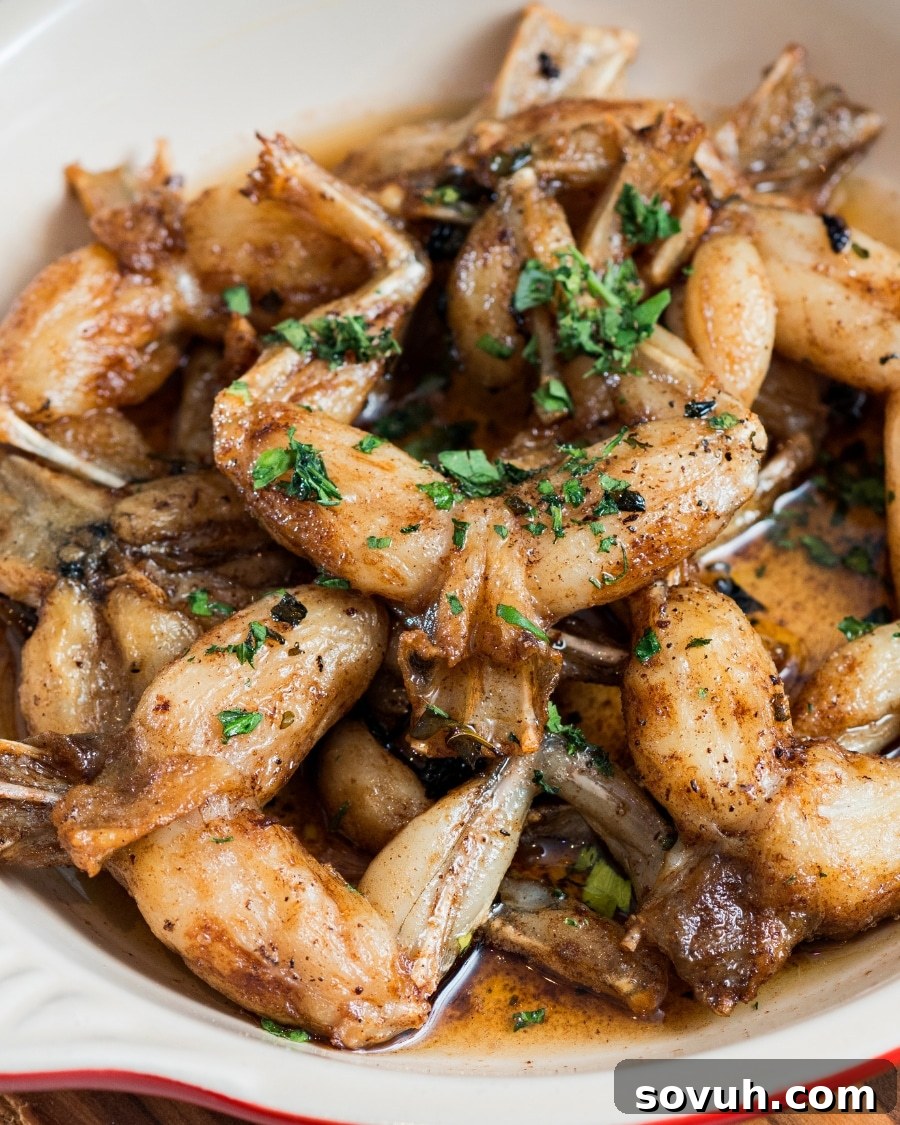
- Frog Legs – Light texture, often sautéed or fried.
- Ostrich – Lean red meat similar to beef, best cooked to medium-rare.
- Alligator – Mild, adaptable meat that grills or fries well.
- Camel – Consumed in some regions; lean and protein-rich.
- Emu – Lean, beef-like meat high in protein.
Poultry
- Chicken Breast – Skinless, boneless cuts are lean and easy to prepare.
- Turkey – Ground or whole breast works as a low-carb protein choice.
- Duck – Richer and higher in fat, great pan-seared for crispy skin.
- Goose – Flavorful and traditionally roasted for special occasions.
Fish and Seafood
- Tuna – Fresh steaks or canned in water are convenient, protein-dense choices.
- Salmon – Provides omega-3s along with substantial protein.
- Shrimp – Quick to cook and versatile in many dishes.
Dairy
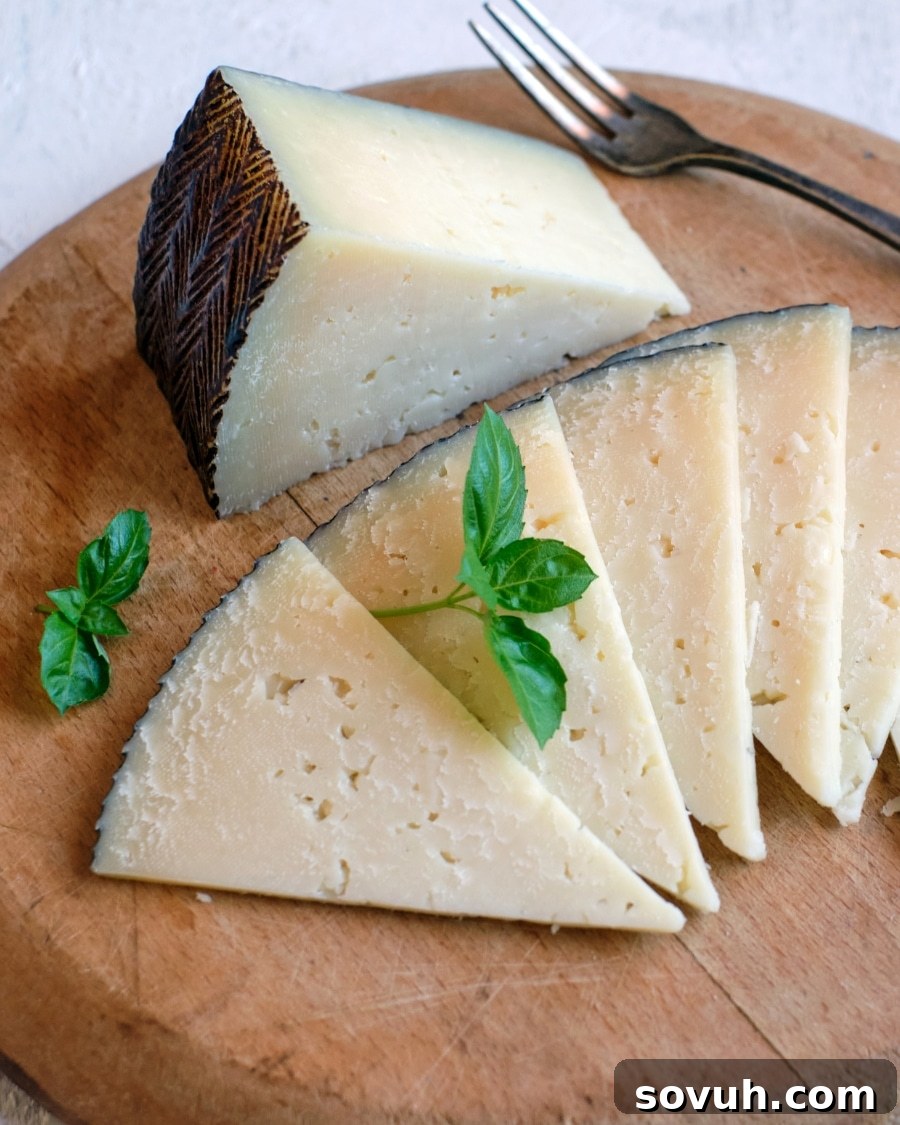
- Manchego – A firm sheep’s milk cheese that is essentially zero-carb when unsweetened.
- Goat Cheese – Creamy and tangy, often very low in carbs depending on the variety.
Broths
- Bone Broth – Rich in collagen and minerals when simmered slowly; choose unsweetened varieties.
- Seafood Broth – Made from fish or shellfish scraps for a flavorful, low-carb base.
High-Protein, Almost No-Carb Foods
The following items are very low in carbs and commonly included in high-protein, low-carb plans. They may contain trace carbs but are generally acceptable for most low-carb approaches.
Processed Meats
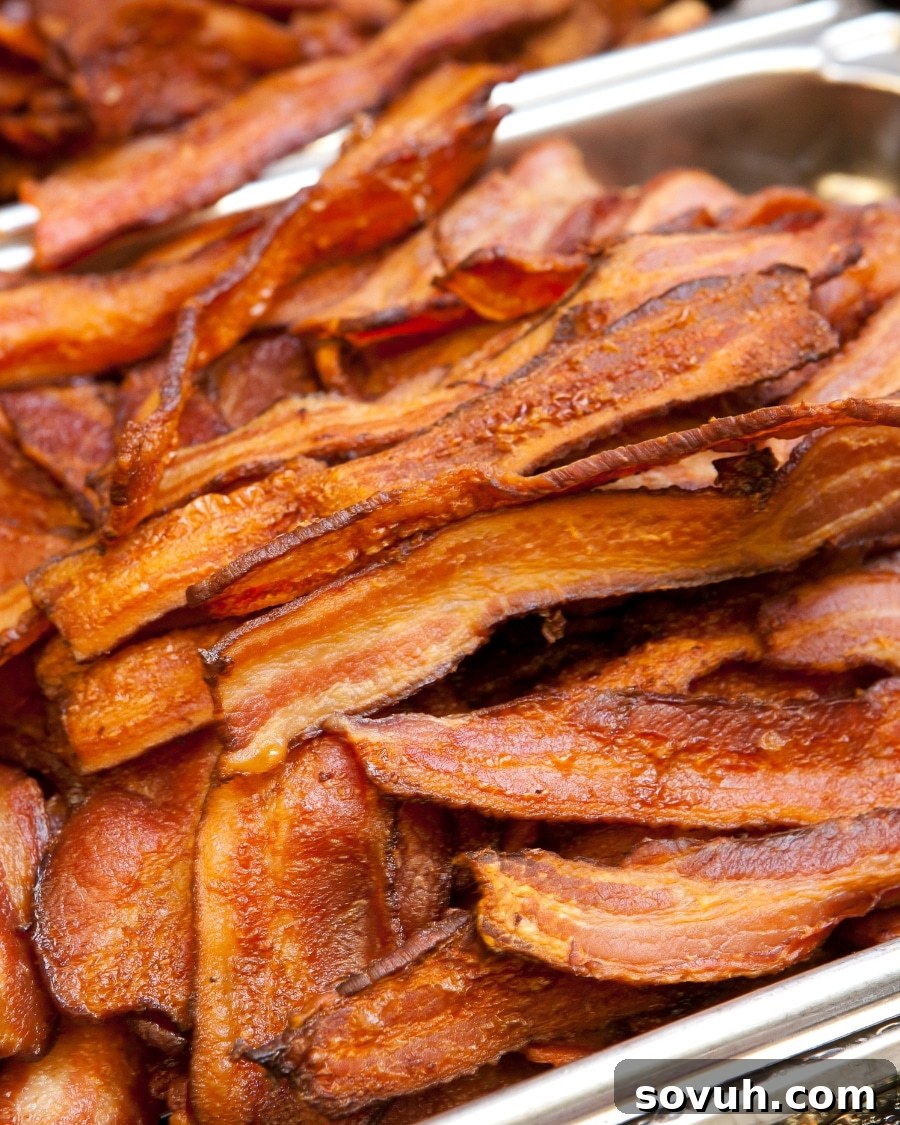
- Bacon – Crispy and flavorful; select brands without added sugars.
- Pepperoni – Good for snacks or crisped as a chip substitute.
- Sausages – Tasteful and convenient; read labels to avoid fillers or sweeteners.
- Deli Meats – Choose minimally processed options for sandwiches or platters.
Seafood
- Mussels – Steam with herbs for a simple protein-rich dish.
- Squid – Quick-cooking and popular as calamari.
- Oysters – Often served raw or briefly grilled.
- Lobster – Steamed or boiled and served simply with butter.
Dairy
- Parmesan – Hard, flavorful cheese ideal for grating or snacking in small amounts.
- Cheddar – Widely used and naturally low in carbs when unsweetened.
- Swiss – Mild-flavored cheese suitable for melting.
- Greek Yogurt – Choose full-fat plain varieties and check labels for added sugars.
- Cottage Cheese – Full-fat versions typically have fewer carbs than low-fat alternatives.
Eggs
- Chicken Eggs – Versatile and nutrient-dense; boiled, scrambled, or made into omelets.
- Duck Eggs – Larger and richer, offering a higher yolk-to-white ratio.
Specialty Snacks
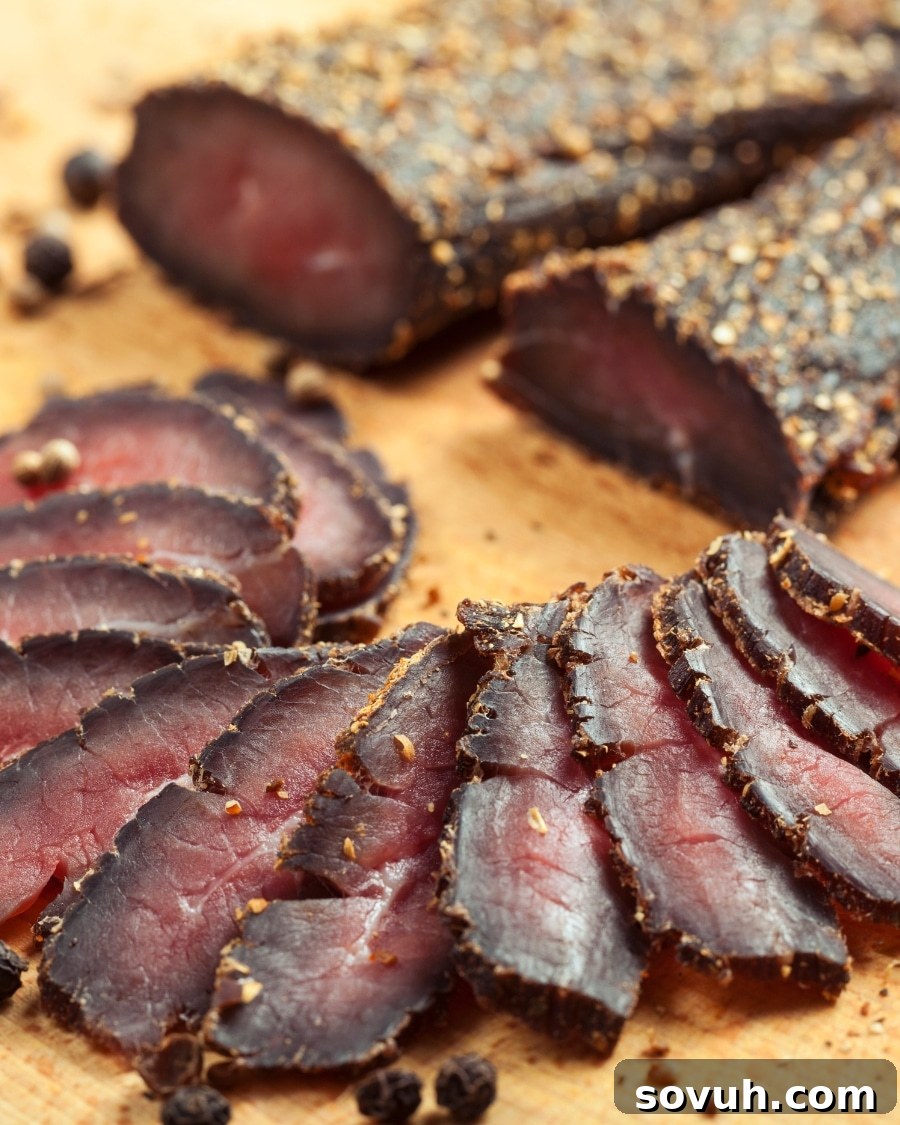
- Biltong – Air-dried cured meat with simple seasonings; choose varieties without sugar.
- Beef Jerky – Portable and protein-rich; opt for low- or no-sugar options.
- Cheese Crisps – Baked cheese snacks that are crunchy and low-carb.
Supplements
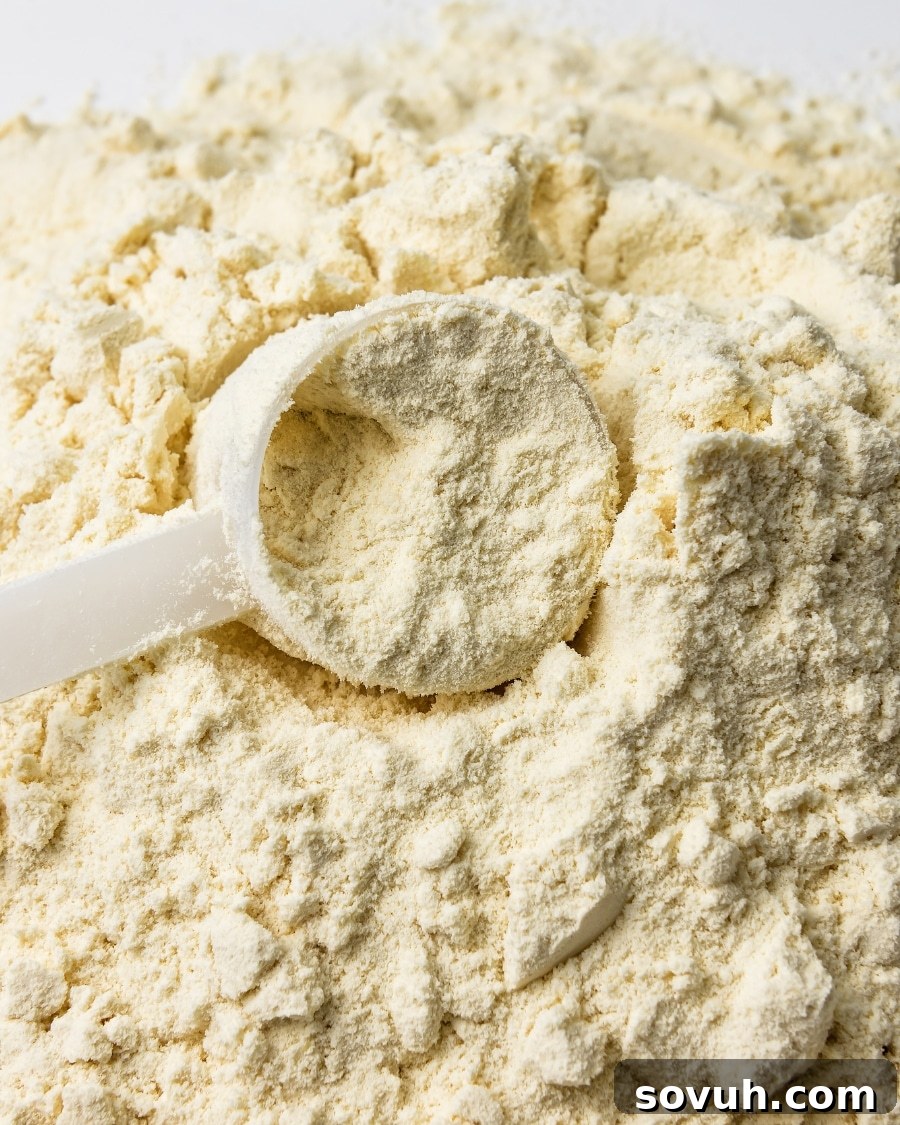
- Whey Protein Isolate – A purified protein powder with minimal carbs when properly sourced.
- Casein Protein – Slower-digesting dairy protein that is typically low in carbs.
- Egg White Protein – Made from dried egg whites and often nearly carb-free.
- Collagen Peptides – A virtually carb-free protein source that supports connective tissues.
If you found these high-protein meal ideas helpful, use them as a starting point to build a sustainable, satisfying eating plan. Rotate foods, check ingredient lists, and adjust portions to meet your personal goals and preferences.
PIN FOR LATER!