
11 Keto Holiday Cookie Recipes to Bake This Season
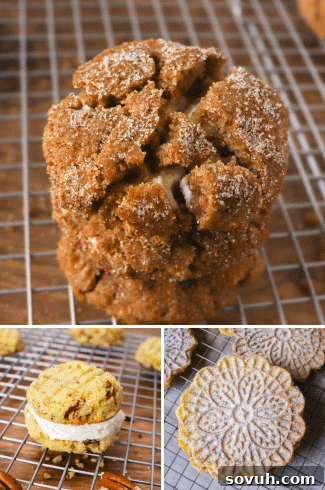
Here are 11 keto cookie recipes perfect for the holidays—or any time you want a low-carb treat. Gather room-temperature ingredients, parchment paper, and your preferred sugar substitutes, and get ready to enjoy keto baking that’s both satisfying and easy to customize.
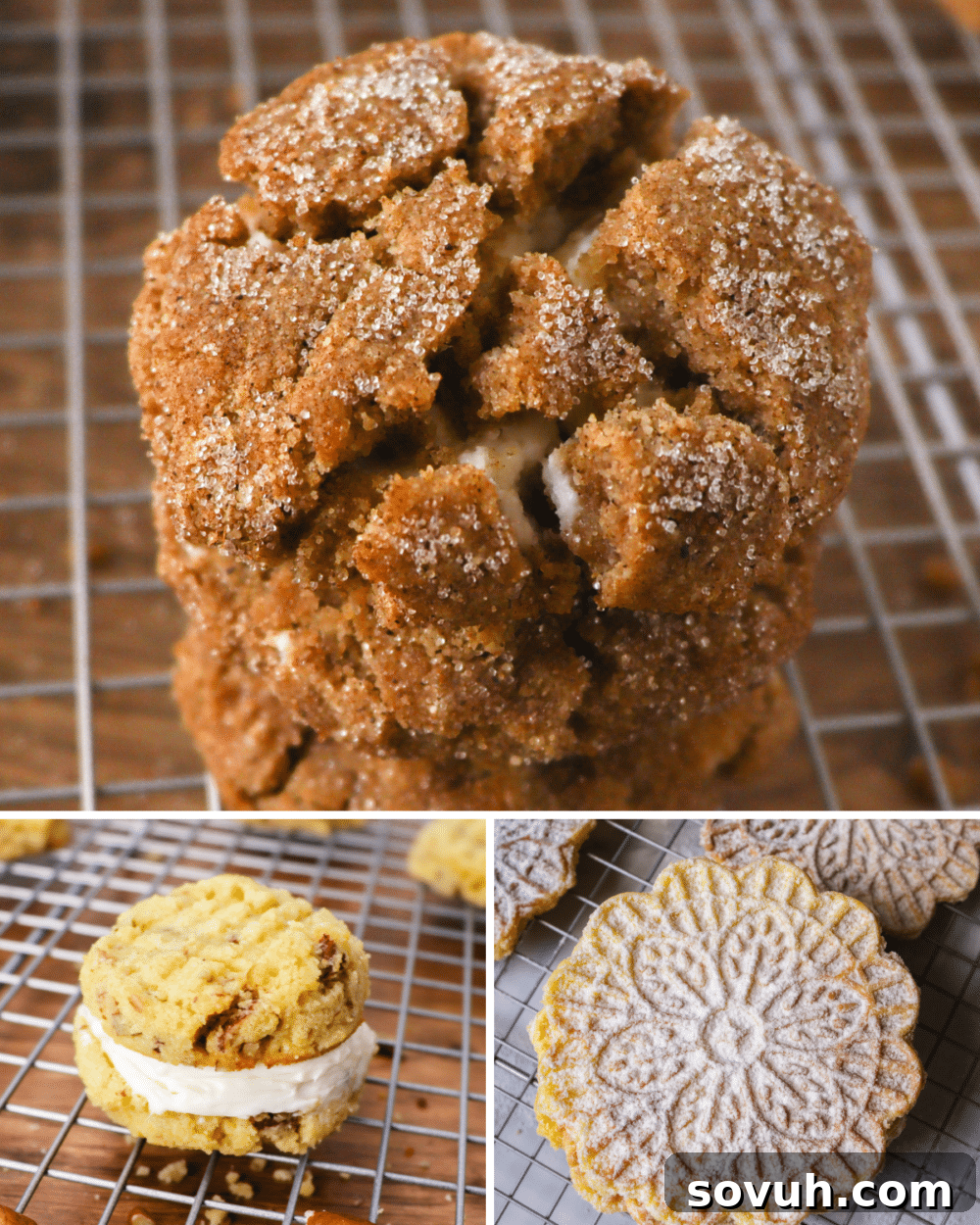
A ketogenic eating plan doesn’t mean you have to give up cookies. By swapping traditional high-carb ingredients for low-carb alternatives, you can recreate beloved cookie flavors with almond or coconut flour and keto-friendly sweeteners like monk fruit, erythritol, or allulose. These recipes focus on texture, flavor, and techniques that work well with low-carb ingredients so you get soft centers, crisp edges, and the classic cookie experience without the sugar spike.
Before you begin, read each recipe through and measure ingredients precisely. Keto baking rewards accuracy. Many recipes benefit from chilling dough, using room-temperature dairy and eggs, and allowing cookies to cool fully before storing so they reach the intended texture.
Keto Cookie Recipes
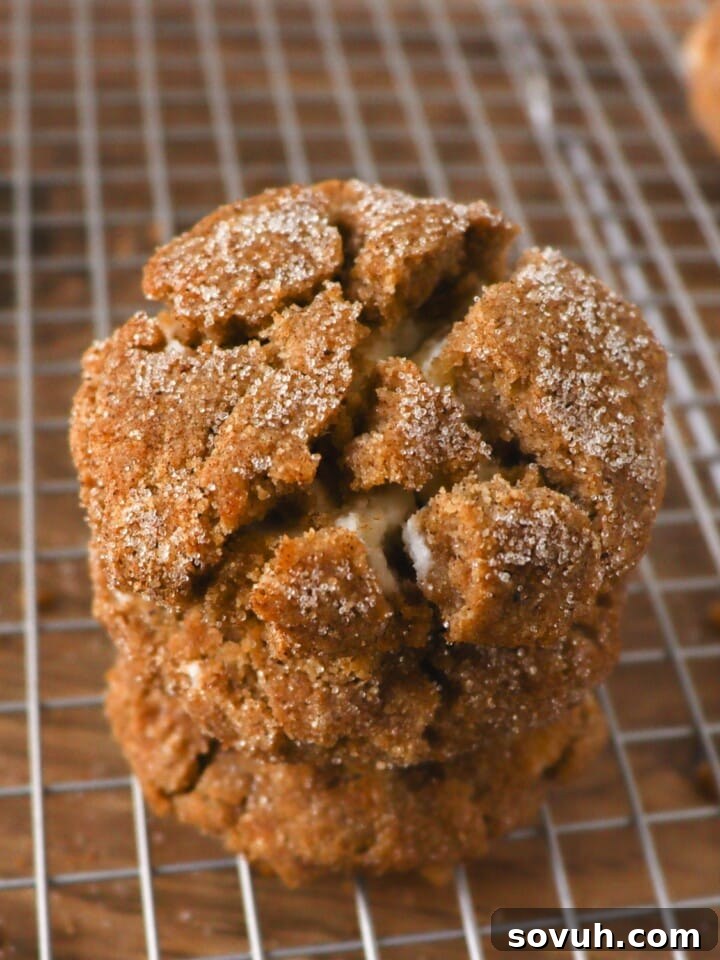
Go to Recipe

Go to Recipe
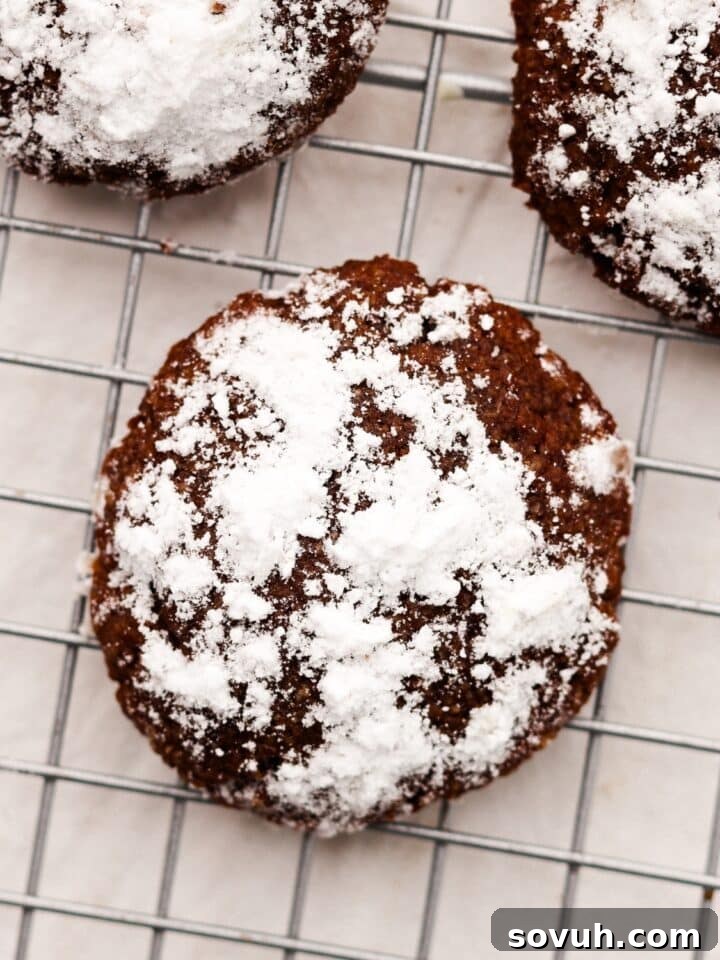
Go to Recipe
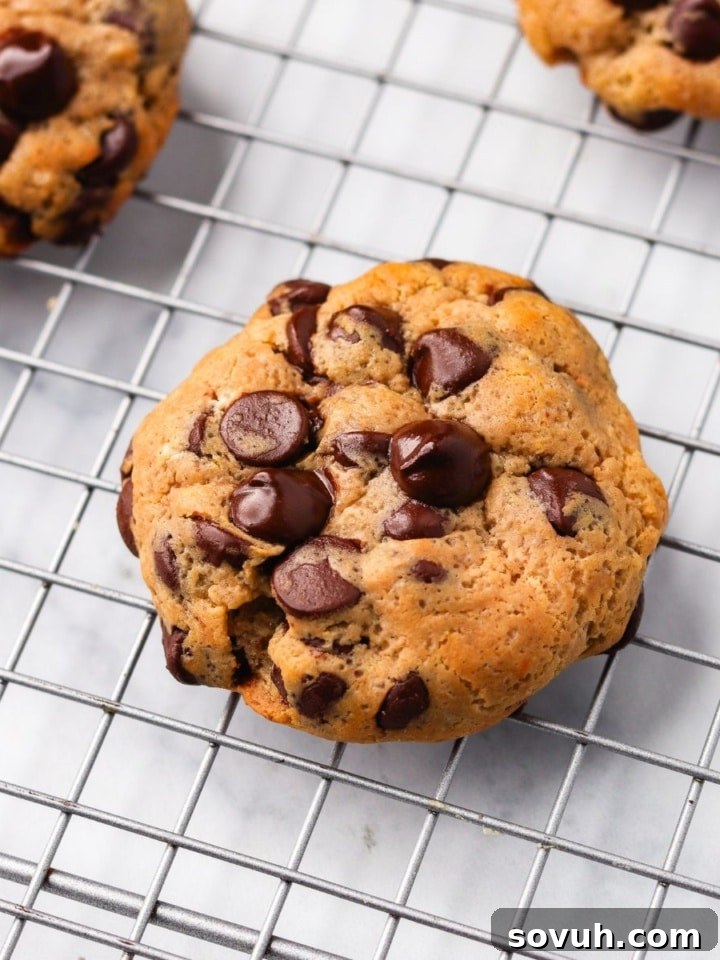
Go to Recipe
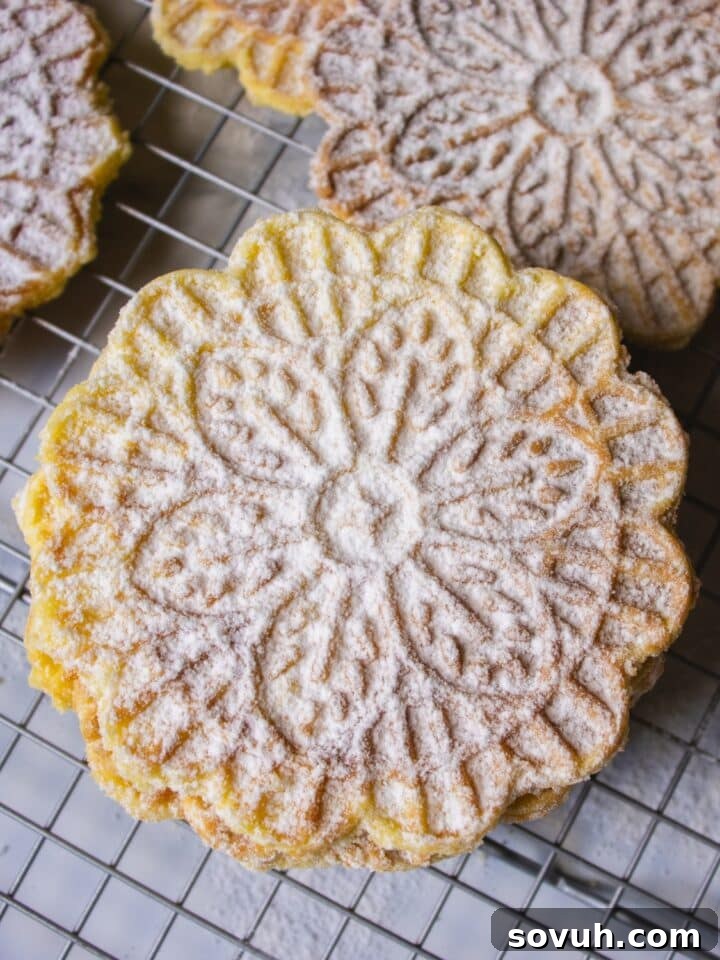
Go to Recipe

Go to Recipe

Go to Recipe
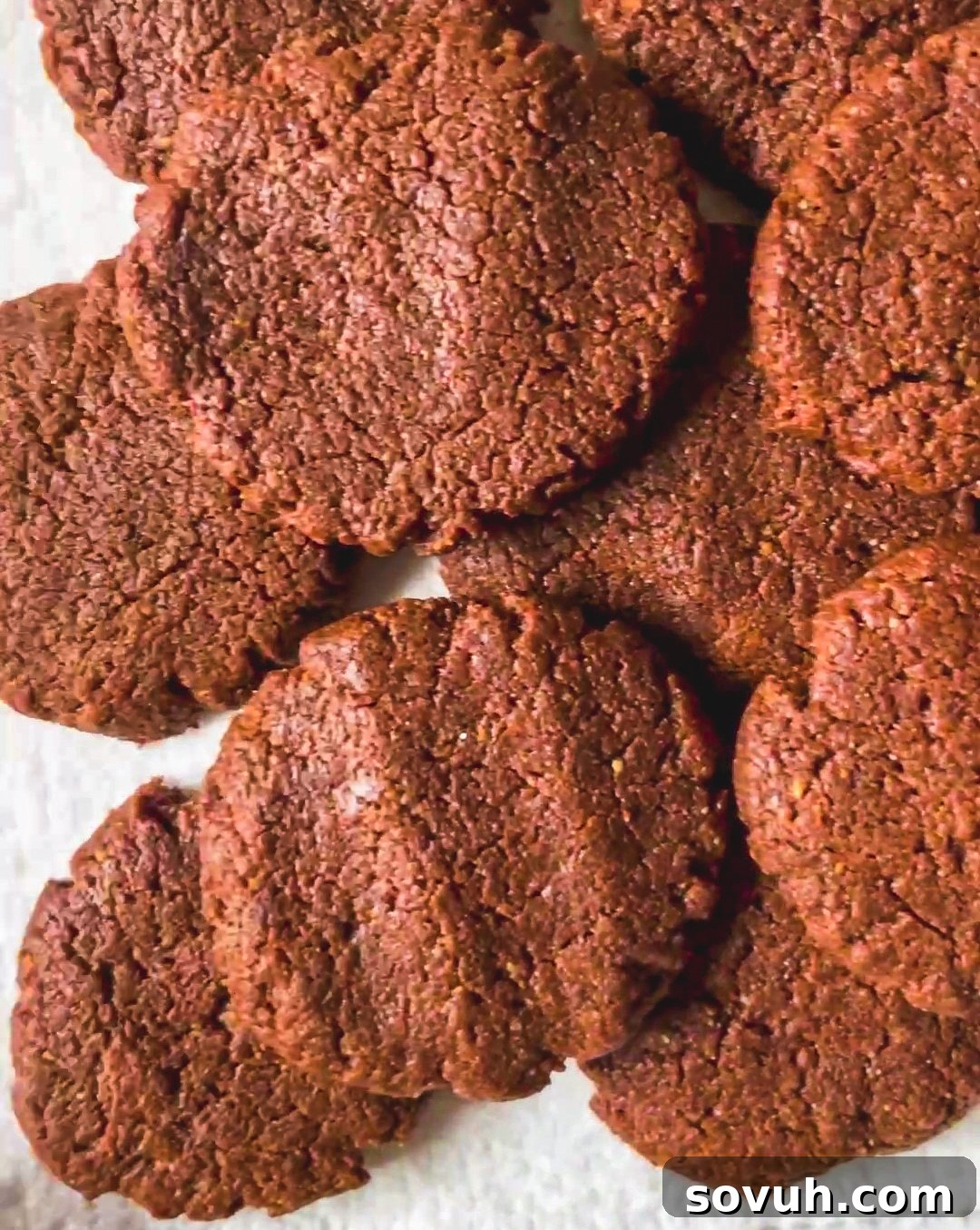
Go to Recipe
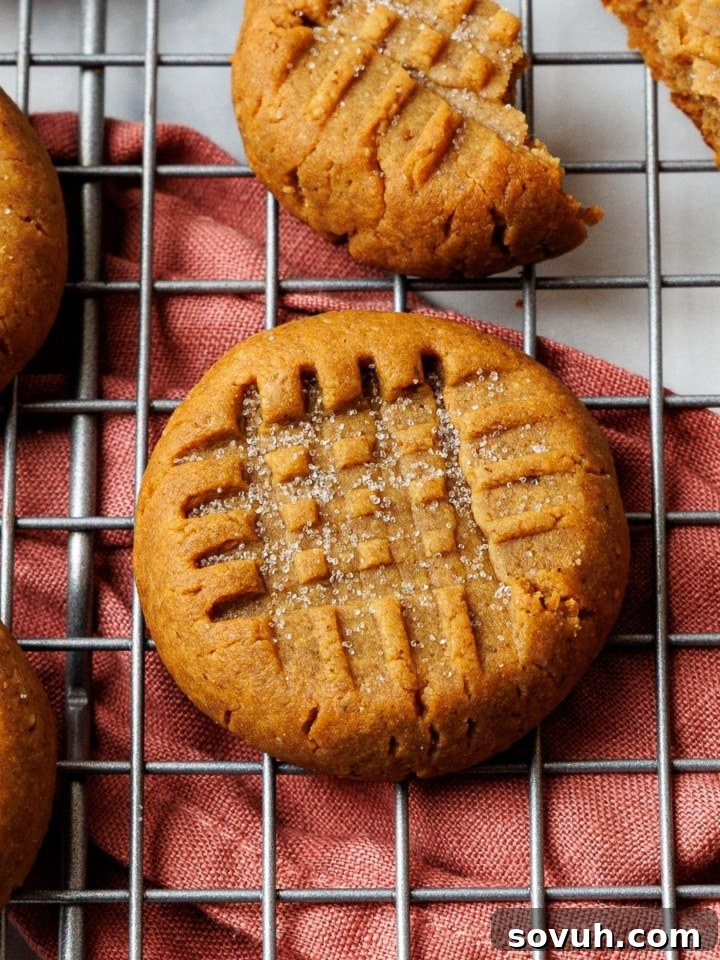
Go to Recipe
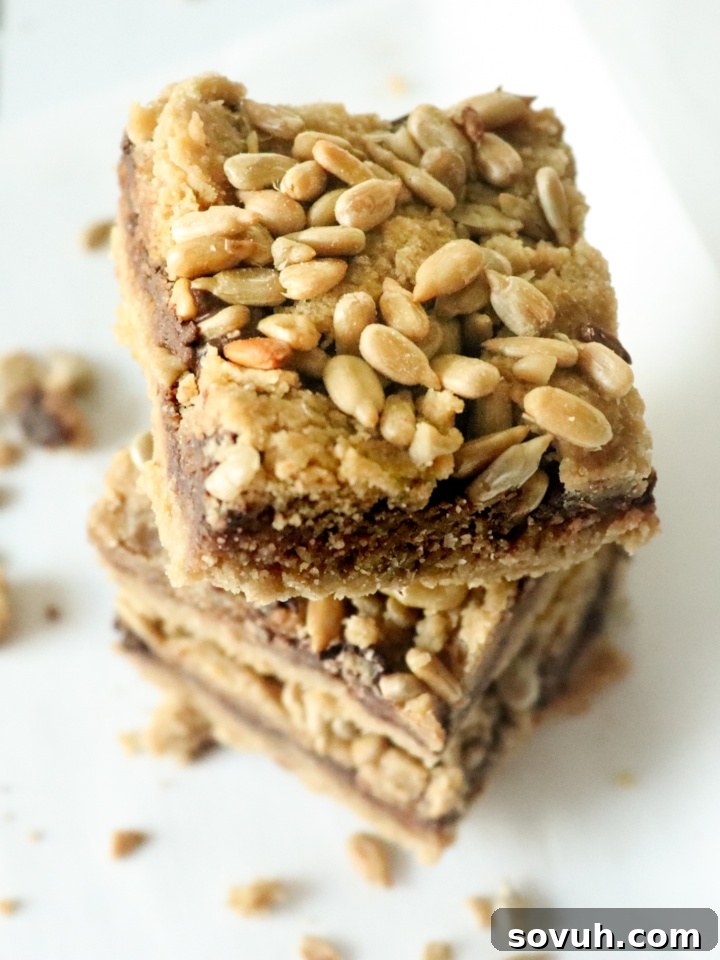
Go to Recipe
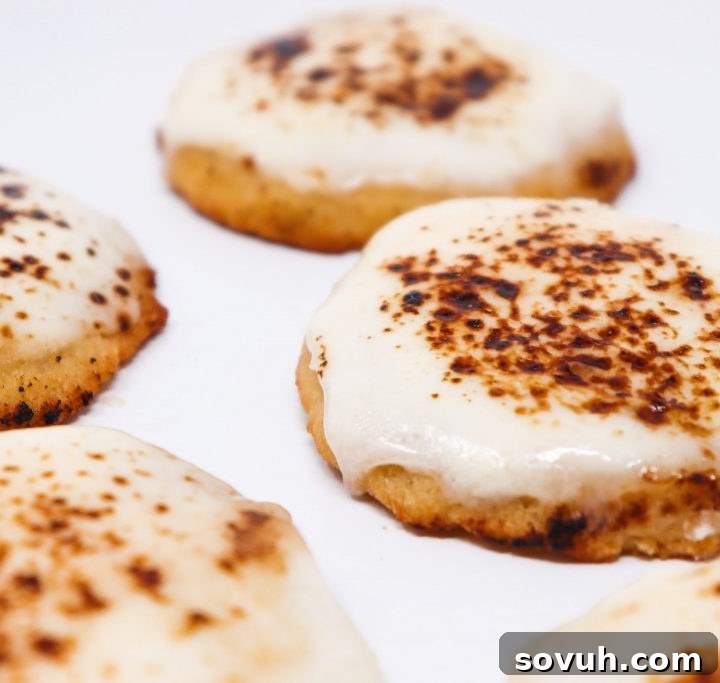
Go to Recipe
Top Tips For Making Keto Cookies
- Choose the right low-carb flours: Almond and coconut flours are common keto alternatives, but they behave differently. Almond flour is denser and moister; coconut flour absorbs more liquid. Adjust recipes accordingly—don’t swap them 1:1 without testing.
- Pick keto-friendly sweeteners: Erythritol, monk fruit, allulose, and stevia each have distinct sweetness and texture properties. Allulose browns more like sugar; erythritol can cool the mouth. Taste and texture tests will help you decide which you prefer.
- Measure precisely: Keto baking is less forgiving than conventional baking. Use a digital scale when possible and follow the recipe’s recommended volumes for consistent results.
- Use room-temperature ingredients: Eggs, butter, and cream cheese incorporate more smoothly at room temperature, producing a creamier batter and more even bake.
- Chill the dough when needed: Many keto cookie doughs benefit from chilling to firm up the fats and prevent spreading, producing neater, thicker cookies.
- Don’t rely on color alone: Keto cookies often won’t brown as much. Check doneness by time, touch, and set edges—centers should be slightly soft but no longer raw.
- Use binders wisely: Eggs provide structure; xanthan gum or psyllium husk can improve chewiness and cohesion in recipes with many nut flours. Add small amounts—a little goes a long way.
- Understand carbs and sugar alcohols: Net carbs are calculated by subtracting fiber and certain sugar alcohols from total carbs. Many keto sweeteners are sugar alcohols with lower glycemic impact, but count them appropriately if tracking macros.
- Line pans and portion consistently: Use parchment paper or silicone mats to prevent sticking, and a cookie scoop for even sizes to ensure uniform baking.
- Cool fully before storing: Keto cookies often firm up as they cool. Transfer to a wire rack and wait until they’re completely cool before placing in an airtight container to maintain texture.
- Experiment with flavors and mix-ins: Add nuts, sugar-free chocolate chips, extracts, spices, or swap butter for coconut oil to tailor texture and taste to your preference.
- Practice and adapt: Keto baking takes adaptation. Expect to tweak timing, sweeteners, and flours to suit your oven and taste—each attempt will get you closer to perfection.
Keto baking is creative and flexible—use these tips to refine texture and flavor, and enjoy experimenting to make each cookie your own. Happy baking!
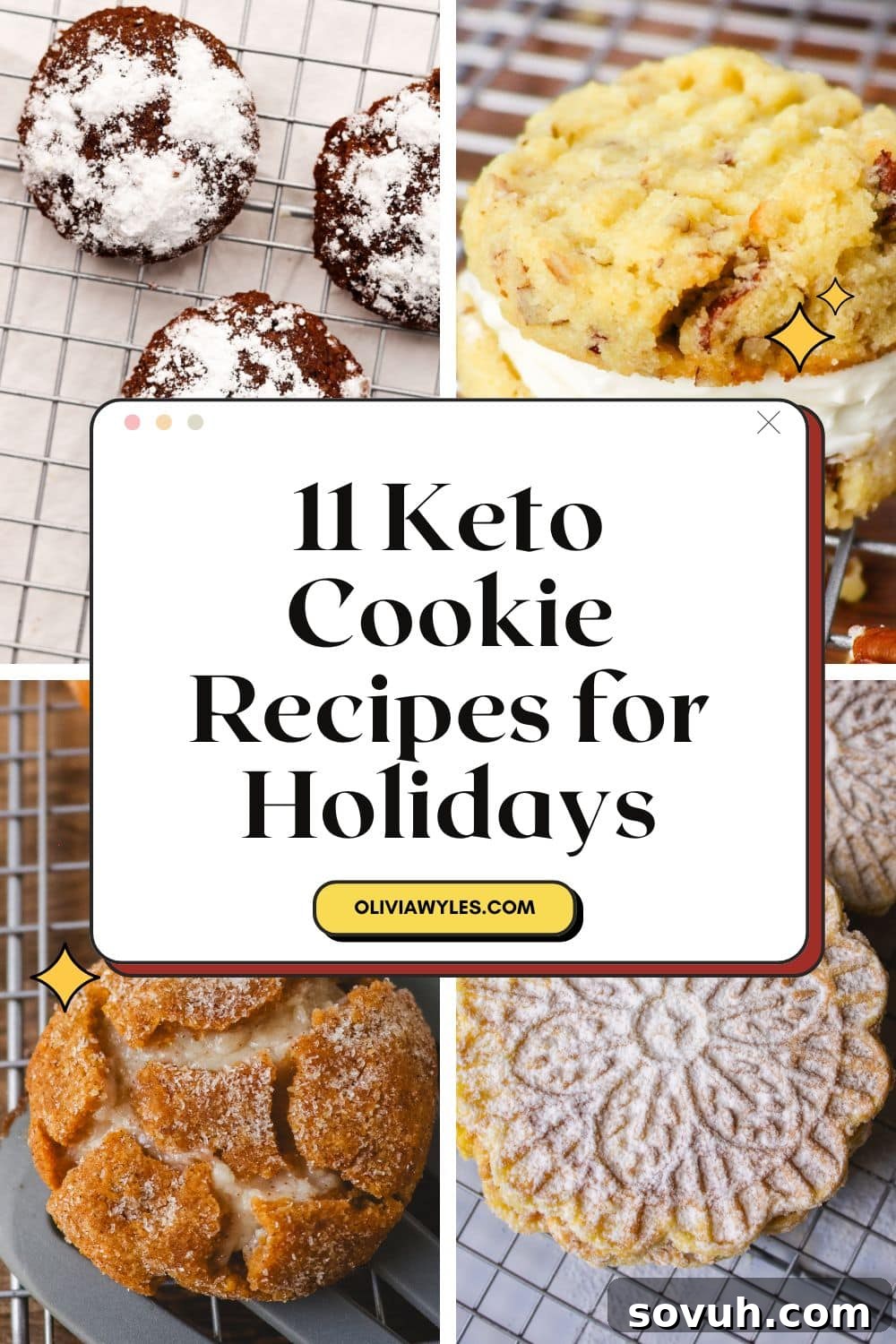
PIN FOR LATER!
More Keto Desserts
- 50 Quick & Easy Keto Recipes To Help You Get Started
- 25 Tasty Quick & Easy Keto Dessert Ideas You’ll Actually Make
- 8 Keto Candy Copycats That’ll Satisfy Your Cravings
- 11 Fail Proof Quick & Easy Keto Fat Bomb Recipes With Only 3 Ingredients
- Keto Mug Cake Recipe – 5 Different Ways To Beat Sweet Cravings











