
21 Afternoon Tea Etiquette Rules You Need to Know
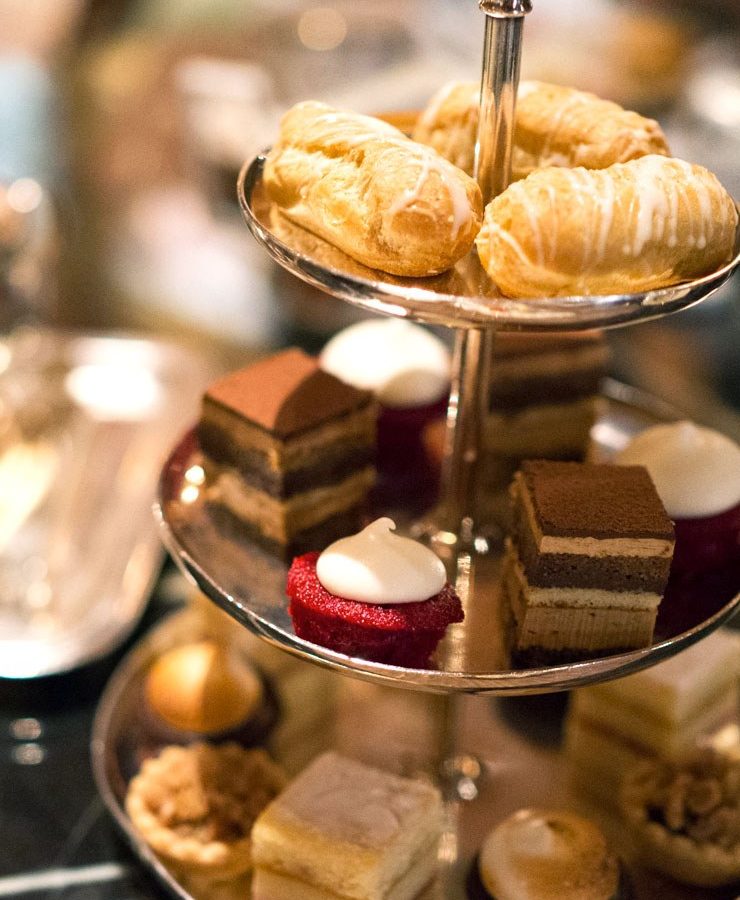
Pinkie up or down? Should you dunk your scone in tea? Afternoon tea is a charming ritual, and knowing a few simple rules will help you enjoy it with confidence. These practical afternoon tea etiquette tips cover table manners, tea service behavior, and how to handle scones, sandwiches, and sweets so your experience is both relaxed and refined.
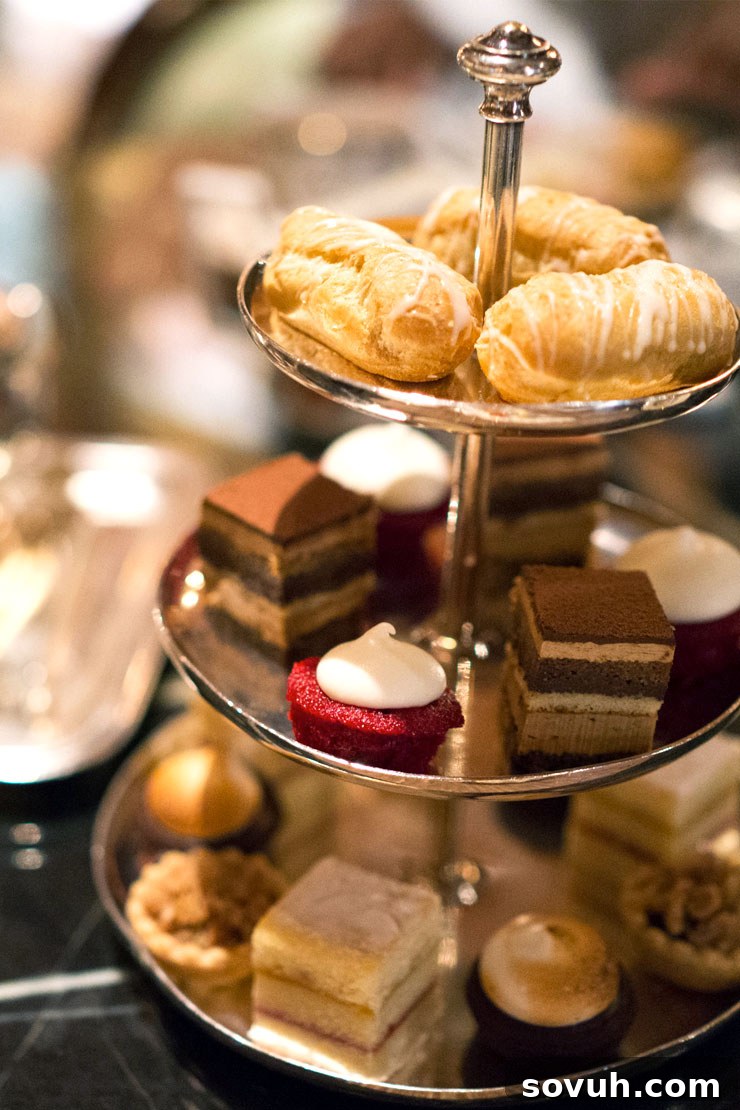
Afternoon Tea Etiquette
Etiquette is simply being considerate of others and mindful of the setting. Good afternoon tea etiquette means keeping noise to a minimum, eating politely, and handling cups and utensils correctly. While the tradition can appear formal, these guidelines make the event comfortable and enjoyable for everyone.
Note: High tea is not the same as afternoon tea. Afternoon tea is a light, social meal typically served with sandwiches, scones, and sweets. High tea historically refers to a more substantial early evening meal. Understanding this distinction helps when choosing the right venue or invitation.
21 Afternoon Tea Etiquette Rules
1. Dress appropriately
Most tea rooms expect smart casual attire. You don’t need formal wear, but avoid jeans, athletic wear, and sneakers. Aim for neat, comfortable clothing that suits a refined social setting.
2. Keep phones off the table
Keep phones, sunglasses, and other personal items off the table. Place them on your chair or in a bag to avoid distractions and preserve the atmosphere.
3. Put your pinkie finger down
When holding a teacup, keep your pinkie down. The graceful way to hold a cup is by the handle with a relaxed grip; the raised pinkie is a myth often associated with affectation.
4. Hold the teacup by the handle
Avoid cupping your hand around the bowl of the cup. Use the handle, which helps maintain balance and prevents heat transfer from your hand to the cup.
5. Stir without any noise
Stir gently so the spoon doesn’t clink the sides of the cup. A soft up-and-down motion prevents noise and keeps the moment civilized.
6. Don’t drink from your teacup with the teaspoon in it
After stirring, place the teaspoon on the saucer. Leaving it in the cup looks untidy and can create noise or spills.
7. Don’t put the teaspoon in your mouth
The teaspoon is for mixing only—avoid tasting directly from it. This keeps the ritual hygienic and polite.
8. Saucer stays on the table
Leave the saucer on the table while seated. Only lift the saucer when standing or moving a distance from the table; then hold the saucer in your left hand and the cup in your right.
9. Don’t blow on the tea to cool it down
Let hot tea cool naturally. Blowing into the cup is unnecessary and can be disruptive in close company.
10. Take small sips of tea
Sip quietly and in small amounts. Loud slurping should be avoided so the conversation remains pleasant for everyone.
11. Don’t swish your mouth with tea
Tea is for drinking, not rinsing. Avoid any behavior that resembles mouth rinsing to keep the experience refined.
12. Use milk and sugar only for black tea
Milk and sugar complement many black teas, but they can overpower delicate green, white, oolong, or herbal teas. Use additions sparingly and with consideration for the tea’s character.
13. Eat with your fingers
Many items at afternoon tea—tea sandwiches, finger pastries, and petits fours—are meant to be eaten by hand. Keep bites small and tidy. Use a knife only for spreading clotted cream and jam on scones.
14. Tea sandwiches are eaten first
A typical afternoon tea follows a sequence: savory sandwiches first, then scones with clotted cream and jam, and finally sweets. Eat sandwiches in two or three polite bites.
15. Break scone into small pieces
Break a scone into bite-sized pieces, spread clotted cream and jam with a knife, and eat in small portions. Avoid assembling oversized scone sandwiches.
16. Never dunk your scone into tea
Dunking scones is not part of proper tea service. Enjoy scones alongside your tea rather than dipping them into the cup.
17. Used utensils don’t go back on the table
Place used utensils to the right of your plate when finished. This keeps the table tidy and signals you have completed a course.
18. Don’t lick your fingers
Avoid licking fingers; instead, use a napkin to clean any traces of food.
19. Dab, don’t wipe
If you need to clean your face or hands, gently dab with your napkin rather than wiping vigorously. This preserves composure and neatness.
20. Place utensils on the plate in the 4:20 position when tea service is over
Positioning utensils at about 4 o’clock with the fork tines up and the knife blade facing you signals to staff that you are finished. To indicate you are not finished, place utensils in a more casual 8:20 position.
21. Place napkins on the left side of the place setting at the end
At the end of the meal, fold your napkin neatly and place it to the left of your plate. Do not leave the napkin on your plate or crumpled on the table.
Related
- Difference Between Afternoon Tea and High Tea
- Afternoon Tea Course Order
- Afternoon Tea at The Plaza
- What is Afternoon Tea
- Tea Sandwiches for Tea Time











