
Vegan Keto Shopping List: Weekly Meal Planning Essentials
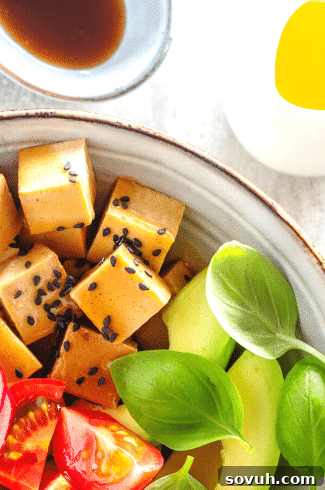
Following a vegan keto diet can make grocery shopping feel overwhelming, especially when you’re balancing low carbs with plant-based choices. This clear, practical vegan keto shopping list will help you shop confidently and plan simple, satisfying meals that keep you on track. Below you’ll find staples, snack ideas, pantry essentials, and tips for building a cost-effective, nutrient-dense vegan keto kitchen.
Vegan keto basics: focus on non-starchy vegetables, avocados, nuts and seeds, coconut products, plant-based proteins such as tofu, tempeh, and seitan, and healthy oils like olive and avocado. Prioritize whole, minimally processed foods and limit highly processed vegan alternatives.
Vegan Keto Shopping List
1. Non-starchy Vegetables: Low-Carb Essentials
Non-starchy vegetables provide fiber, vitamins, and volume with minimal carbs. Stock a range of textures and flavors so meals stay interesting:
- Leafy greens: spinach, kale, Swiss chard, collard greens — great for salads, sautés, and smoothies.
- Cruciferous vegetables: broccoli, cauliflower, Brussels sprouts, cabbage — roast, steam, or pulse into low-carb rice or mash.
- Zucchini and cucumber: use for zoodles, salads, or snacks with dip.
- Bell peppers: color, crunch, and vitamin C for stir-fries, stuffing, or snacking.
- Asparagus and green beans: simple roasted or sautéed sides that are low in carbs.
Always check serving sizes and carb counts to fit vegetables into your daily allowance.
2. Fats and Oils: Keep Meals Satisfying
Healthy fats are central to the keto diet — they keep you full and provide steady energy. Choose plant-based options that suit different cooking methods:
- Coconut oil: versatile for cooking, baking, or adding to coffee.
- Olive oil: extra-virgin is best for dressings and low-heat cooking.
- Avocado oil: high smoke point for high-heat cooking and grilling.
- MCT oil: concentrated medium-chain triglycerides for smoothies or drinks.
- Nuts and seeds: almonds, walnuts, chia, flax, and hemp seeds for fats, fiber, and texture.
- Nut and seed butters: unsweetened almond, cashew, or sunflower butter for snacks — watch portions.
- Avocados: a staple for healthy fats, fiber, and potassium.
3. Plant-Based Protein Sources
Meeting protein needs while keeping carbs low is manageable with a variety of vegan options:
- Tofu (firm or extra-firm): adaptable for stir-fries, scrambles, and grilling.
- Tempeh: fermented soy with a nutty flavor and firm texture — great in tacos, salads, or bowls.
- Seitan: wheat gluten-based option with a meaty texture (not suitable for gluten-sensitive diets).
- Nuts and seeds: double as fat and protein sources — add to salads or snacks.
- Vegan protein powders: pea, hemp, or brown rice powders can help meet protein targets; choose unsweetened versions.
4. Easy Vegan Keto Snacks
Keep a few portable, low-carb options handy to prevent overeating and maintain energy between meals:
- Homemade trail mix: nuts, seeds, and unsweetened coconut flakes; add a few sugar-free dark chocolate pieces if desired.
- Crunchy alternatives: baked kale chips or flaxseed crackers seasoned to taste.
- Energy balls: nut butter, seeds, and sugar-free sweetener with optional vegan protein — refrigerate or freeze for easy snacks.
- Veggie sticks with dip: cucumber, bell pepper, celery with avocado-based dip or dairy-free ranch.
Planning snacks ahead prevents impulse choices and keeps your macros consistent.
Practical Tips for Building Your Vegan Keto Shopping List
- Plan meals: outline a week of breakfasts, lunches, dinners, and snacks before shopping.
- Shop the perimeter: focus on fresh produce, whole foods, and healthy fats rather than processed aisles.
- Be adventurous: try new vegetables, spices, and plant-based proteins to avoid monotony.
- Buy in bulk: purchase nuts, seeds, and flours in larger quantities to save money.
- Read labels: watch for added sugars, starches, and unfamiliar carbohydrate sources in packaged foods.
Money-Saving Strategies
- Bulk purchases: buy non-perishables like nuts, seeds, and oils in bulk.
- Seasonal produce: choose vegetables that are in season for better prices and freshness.
- DIY condiments: make your own mayonnaise, dressings, and sauces to control ingredients and costs.
Keto Foods and Vegan Status
| Keto Foods | Vegan |
|---|---|
| Avocado | Yes |
| Coconut oil | Yes |
| Olive oil | Yes |
| Almonds | Yes |
| Macadamia nuts | Yes |
| Walnuts | Yes |
| Chia seeds | Yes |
| Flaxseeds | Yes |
| Hemp seeds | Yes |
| Pumpkin seeds | Yes |
| Sunflower seeds | Yes |
| Tofu | Yes |
| Tempeh | Yes |
| Seitan | Yes |
| Unsweetened almond milk | Yes |
| Unsweetened coconut milk | Yes |
| Unsweetened coconut yogurt | Yes |
| Nutritional yeast | Yes |
| Dark leafy greens (spinach, kale, etc.) | Yes |
| Broccoli | Yes |
| Cauliflower | Yes |
| Zucchini | Yes |
| Asparagus | Yes |
| Bell peppers | Yes |
| Cucumber | Yes |
| Mushrooms | Yes |
| Olives | Yes |
| Eggs | No |
| Cheese | No |
| Butter | No |
| Heavy cream | No |
| Ghee | No |
| Meat (beef, chicken, pork, etc.) | No |
| Fish (salmon, tuna, etc.) | No |
| Shellfish (shrimp, crab, etc.) | No |
| Full-fat yogurt (dairy) | No |
Vegan Keto Grocery List By Category
1. Protein
- Tofu (firm, extra-firm)
- Tempeh
- Seitan
- Edamame
- Lupini beans
- Textured vegetable protein (TVP)
- Vegan protein powder (pea, hemp, brown rice)
2. Dairy Alternatives
- Unsweetened almond milk
- Unsweetened coconut milk
- Unsweetened cashew milk
- Unsweetened soy milk
- Dairy-free coconut yogurt
- Dairy-free almond yogurt
- Dairy-free cashew yogurt
- Vegan cheese alternatives (nut-based or nutritional yeast blends)
3. Fibrous Vegetables
- Broccoli
- Cauliflower
- Brussels sprouts
- Cabbage
- Green beans
- Bok choy
- Swiss chard
- Collard greens
- Artichokes
- Eggplant
- Okra
- Fennel
4. Fatty Vegetables
- Avocado
- Olives
5. Salad Greens
- Spinach
- Kale
- Arugula
- Romaine lettuce
- Butterhead lettuce
- Endive
- Radicchio
- Watercress
6. Low-Carb Fruit
- Blackberries
- Raspberries
- Strawberries
- Blueberries (in moderation)
- Lemon
- Lime
7. Fats & Oils
- Coconut oil
- Olive oil
- Avocado oil
- MCT oil
- Flaxseed oil
- Walnut oil
- Sesame oil
8. Nuts & Seeds
- Almonds
- Walnuts
- Macadamia nuts
- Pecans
- Hazelnuts
- Brazil nuts
- Chia seeds
- Flaxseeds
- Hemp seeds
- Pumpkin seeds
- Sunflower seeds
- Sesame seeds
- Poppy seeds
9. Condiments
- Apple cider vinegar
- Balsamic vinegar
- Red wine vinegar
- Mustard
- Hot sauce
- Soy sauce or tamari (for gluten-free)
- Liquid aminos
- Nutritional yeast
- Sugar-free ketchup, BBQ sauce, and salsa
- Sugar-free pickles and relish
- Capers
10. Herbs & Spices
- Basil
- Cilantro
- Parsley
- Mint
- Thyme
- Rosemary
- Oregano
- Dill
- Chives
- Tarragon
- Sage
11. Baking Supplies & Sweeteners
- Almond flour
- Coconut flour
- Flax meal
- Psyllium husk powder
- Erythritol
- Stevia
- Monk fruit sweetener
- Xanthan gum
- Baking powder (aluminum-free)
- Baking soda
- Unsweetened cocoa powder
- Unsweetened coconut flakes
- Sugar-free dark chocolate or chips
Why Choose a Plant-Based Approach?
A plant-based approach paired with low-carb principles can support weight management and overall health by emphasizing vegetables, healthy fats, and whole foods over processed animal products. Including a variety of plant foods helps ensure you get fiber, vitamins, and minerals while reducing saturated fat and added sugars. If you’re transitioning, try a vegetarian or flexitarian approach first, or introduce more plant-based meals gradually to see how your body responds.
Expert Perspectives
A well-formulated ketogenic plan that includes a variety of nutrient-dense plant foods can be followed as a vegan approach. Focus on unprocessed vegetables, healthy fats, and plant proteins to meet nutrient needs and maintain balance.
Planning and a stocked pantry of vegan keto staples make long-term success more achievable. Prioritize whole foods and a variety of meal ideas to keep the diet sustainable and enjoyable.
Final Thoughts
Switching to a vegan keto lifestyle is more manageable when you shop with purpose. Focus on low-carb vegetables, quality plant-based proteins, and healthy fats. Keep pantry staples like almond and coconut flour, sugar alternatives, nuts, seeds, and flavoring herbs on hand. Prepare snacks and simple meals in advance to avoid decision fatigue and stay consistent with your goals. With planning and variety, a vegan keto approach can be nutritious, satisfying, and flexible.
Additional Resources
For more recipe ideas and meal-planning strategies, browse vegan keto cookbooks, registered dietitian guidance, and trusted low-carb resources to adapt plans to your personal needs and preferences.
Enjoy experimenting with these ingredients and building a vegan keto pantry that supports your health goals. Happy shopping and happy cooking!











