
Afternoon Tea vs High Tea: What’s the Difference?
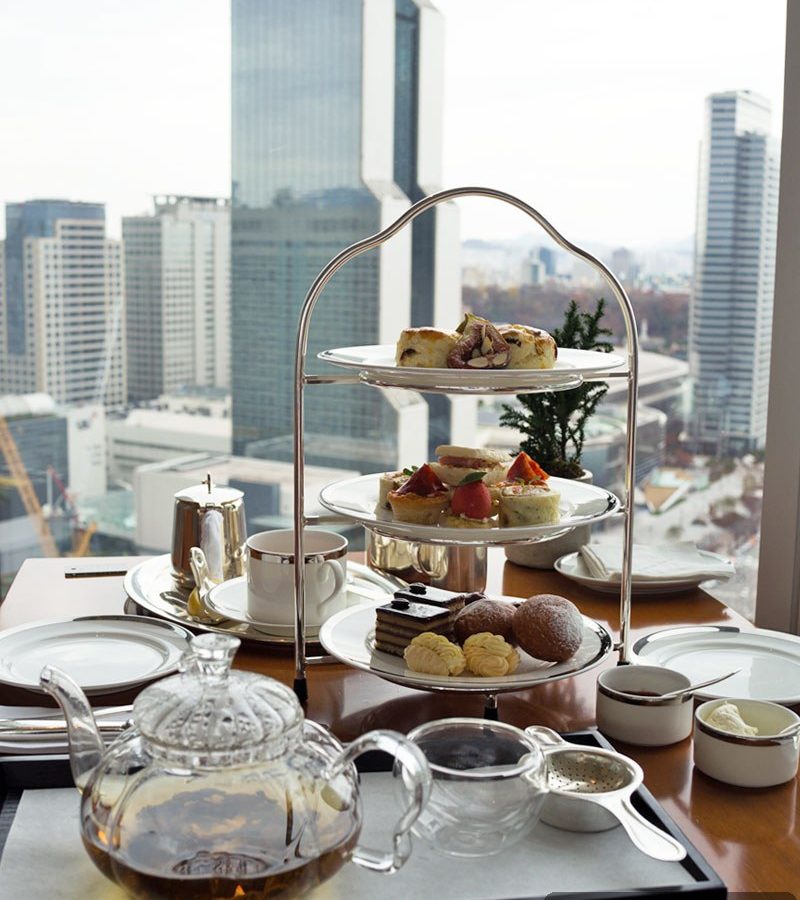
Is afternoon tea the same as high tea? Short answer: no. Although the terms are often used interchangeably, they refer to very different meals with distinct histories, menus, and social contexts. Understanding the difference can help you choose the right experience—whether you want delicate finger sandwiches and pastries or a hearty evening supper.
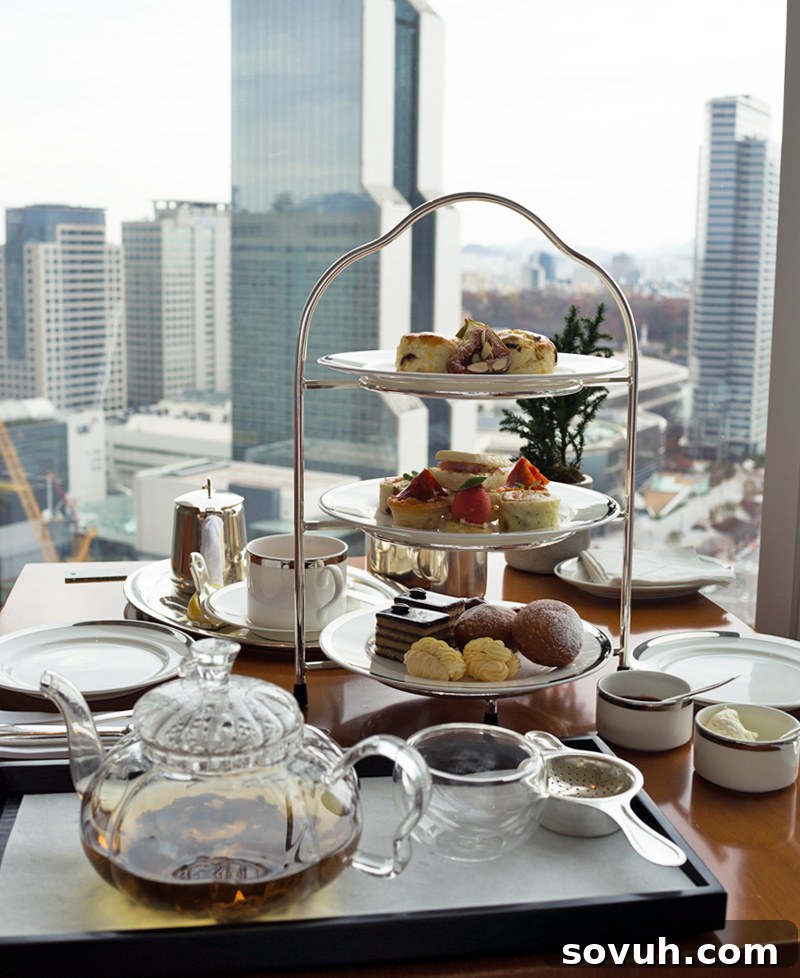
Afternoon Tea and High Tea
Many people call afternoon tea “high tea,” but that’s a misconception. Afternoon tea and high tea evolved in different social classes and served different purposes. Afternoon tea emerged among the upper classes as a light, elegant mid-afternoon social meal. High tea developed as a substantial evening meal for working families, eaten around a high dining table. Knowing the distinction clarifies etiquette and expectations when you hear either term.
Afternoon Tea
Afternoon tea is a light, three-course affair designed to be elegant and dainty. It typically begins with savory tea sandwiches—thinly sliced, often crustless—followed by freshly baked scones served with clotted cream and jam, and finished with an assortment of sweet pastries and petits fours. Portions are bite-sized and often eaten by hand, accompanied by a pot of quality tea.
Traditionally served around 3:30–4:30 PM, afternoon tea was created to bridge the long gap between a leisurely lunch and a late dinner. The custom is commonly associated with 19th-century England, where the Duchess of Bedford popularized the practice as a social ritual. Because it was enjoyed on low tables with comfortable chairs in drawing rooms, it’s also called “low tea.” Modern hotels and tea rooms continue to offer elegant afternoon tea services that emphasize presentation, refinement, and a relaxed atmosphere.
High Tea
High tea, despite its grand-sounding name, is a far heartier meal. Historically associated with the working class, it served as an early evening supper—often between 5:00 and 7:00 PM—after a long day of labor. The menu for high tea leaned toward substantial dishes: meat pies, roasted or boiled meats, potatoes, baked beans, hearty breads, and other filling comfort foods meant to satisfy a family returning from work.
The term “high tea” refers to the high dining table at which the meal was eaten, not to any sense of aristocratic luxury. It’s a practical, nourishing meal rather than a delicate social ritual. Today, some restaurants and hotels use “high tea” to market refined afternoon services, but that usage is historically inaccurate.
So why do people still call it high tea?
Partly because “high tea” sounds fancy, and partly due to marketing. Many establishments label their elegant afternoon service as “high tea” to attract customers who might not know the historical difference. In tourist settings—especially in places that celebrate British tradition—you’ll often see menus calling a formal tea service “high tea,” even though it’s really afternoon (or low) tea.
If a friend invites you to “high tea,” they most likely mean an elegant afternoon tea with sandwiches and pastries. A light correction is fine if you care about terminology, but most people simply want a pleasant tea experience.
What are the different types of afternoon tea?
Afternoon tea—the full, three-course version—includes a savory course (tea sandwiches), a scone course (with clotted cream and jam), and a sweet course (pastries and cakes), served with a pot of tea.
Low tea is another name for traditional afternoon tea and highlights the low table setting and relaxed seating.
Cream tea is a simplified option focused mainly on scones, clotted cream, jam, and tea—perfect for a lighter or quicker treat.
Royal tea usually denotes a more luxurious afternoon tea that may include Champagne or other premium additions, elevating the experience for special occasions.
Should I smack someone in the face if they call afternoon tea, high tea?
Definitely not. While it’s fun to correct terminology, a friendly clarification is far more civilized. Most people use the terms interchangeably out of ignorance rather than malice. If you want to be precise, gently explain the historical difference; otherwise, enjoy the tea and the company.
So I shouldn’t invite anyone to my high tea party?
You can call your event whatever you prefer. If your goal is authenticity, label a delicate mid-afternoon gathering as “afternoon tea” or “low tea.” If you’re hosting a hearty, supper-style gathering with robust dishes, “high tea” fits historically. Ultimately, the name matters less than the food, atmosphere, and the pleasure of sharing a meal.
Related
- Afternoon Tea in New York City, Ranked
- Afternoon Teas in London, Ranked
- Afternoon Tea at the Baccarat Hotel in New York City
- Afternoon Tea at Le Cafe Louis Vuitton in NYC
- How Afternoon Tea Works











