
Complete Keto Meal Prep Plan: Weeklong Recipes and Shopping List
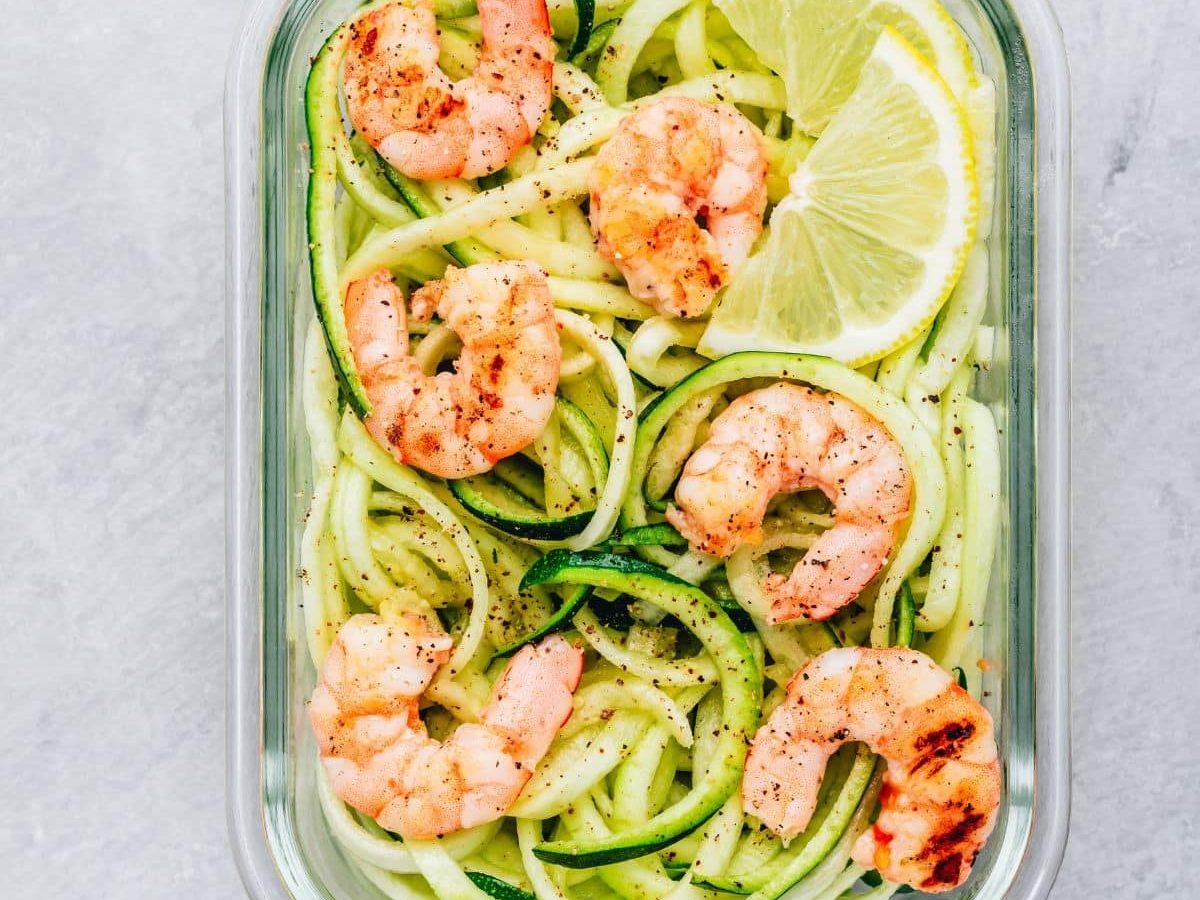
Sticking to healthy eating can be challenging, especially on a keto diet. After a long day, cooking from scratch isn’t always realistic. That’s where keto meal prep helps: preparing multiple meals ahead of time saves time, reduces stress, and keeps you on track with your macros.
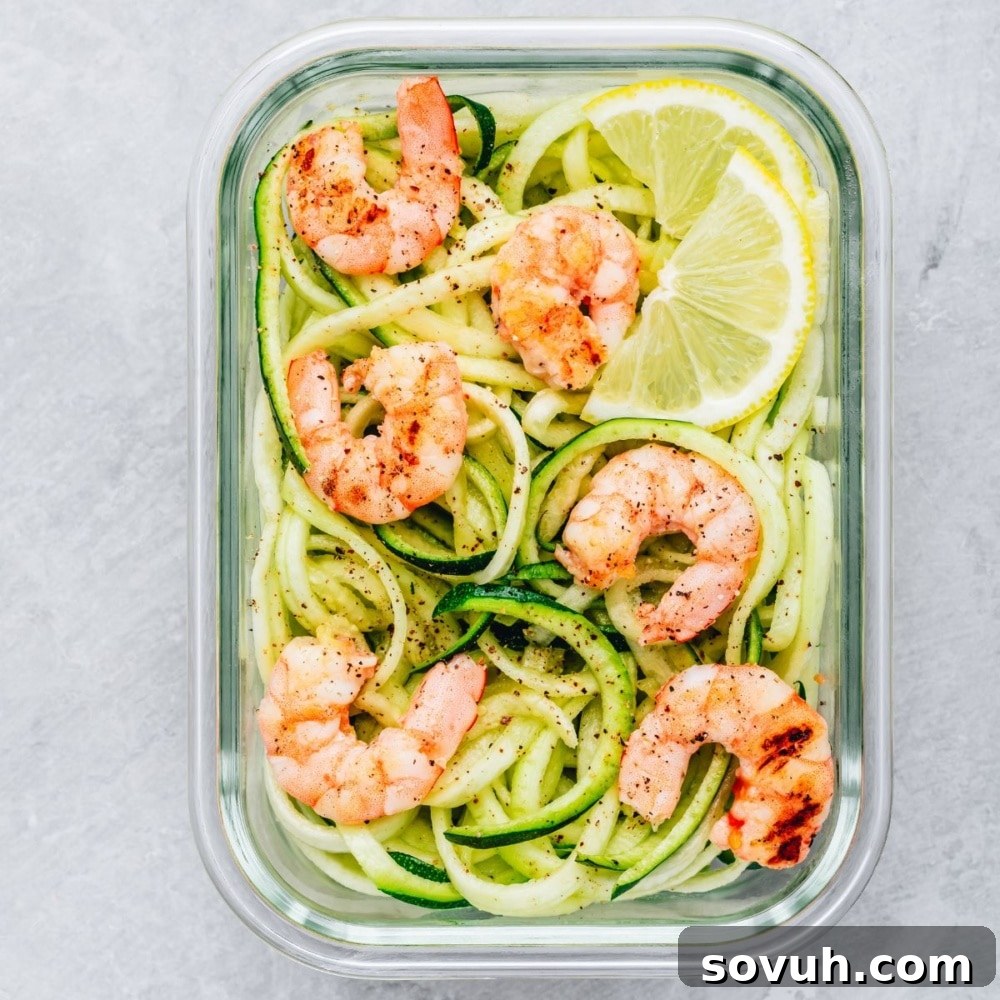
Meal prepping can feel intimidating at first, especially when you’re paying attention to keto ratios and food choices. But with a simple plan, the right ingredients, and a few useful tools, you can prep a week’s worth of keto meals efficiently and enjoyably.
This guide walks you through practical tips before you start, essential pantry and fridge staples, useful equipment, a sample 7-day keto meal plan, recipe ideas, and storage and reheating best practices to help you succeed.
Tips Before You Get Started
Prepping a week of meals becomes much easier with a little organization. These simple habits reduce stress and make it more likely you’ll stick with keto long-term.
- Plan, but stay flexible. A meal plan gives structure, but life happens. If you eat out unexpectedly, freeze or save your prepped meal for another day.
- Choose foods you enjoy. Focus on keto-friendly ingredients you like so meals feel satisfying, not punitive.
- Experiment. Meal prep is a great time to try new keto recipes you wouldn’t normally make during a busy week.
- Cook proteins in bulk. Roasting, grilling, or baking several portions of meat, poultry, or fish at once saves time. Portion and refrigerate or freeze for quick use.
- Keep it simple and relaxed. Meal prepping becomes faster with practice. A little planning goes a long way toward avoiding impulsive, non-keto choices.
Reminder: Stay Within Keto Ratios
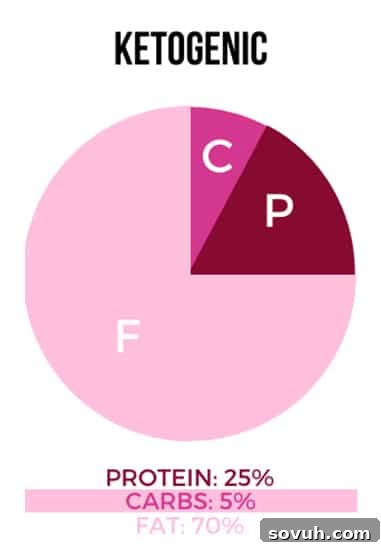
Typical ketogenic macronutrient targets range roughly from 65%–90% fat, 5%–25% protein, and 4%–10% carbohydrates. If you’re unsure which ratios suit you, consult a healthcare professional. Once you know your targets, prepping meals in advance makes it easier to hit them consistently.
Ingredients to Stock Up On
Successful keto meal prep depends on having staples on hand. Stock your pantry, fridge, and freezer with versatile, low-carb options so you can assemble meals quickly.
Pantry
- Healthy oils: Extra virgin olive oil, coconut oil, and avocado oil for cooking and dressings.
- Canned goods: Canned meats and vegetables are a convenient backup—check labels for added sugars or carbs.
- Spices and sweeteners: Salt, pepper, garlic powder, chili powder, dried herbs, and sugar-free sweeteners like monk fruit or erythritol.
- Low-sugar chocolate and cocoa: For baking and treats—choose sugar-free options.
- Shelf-stable snacks: Keep a few convenient keto-friendly snacks, but always check macros on packaged items.
Fridge and Freezer
- Meats: Beef, pork, chicken, turkey, fish, and other minimally processed proteins are keto staples; buy and portion for the week.
- Eggs: Versatile and nutrient-dense—an excellent base for many breakfasts and snacks.
- Dairy: Butter, heavy cream, cheese, cream cheese, and full-fat yogurt or kefir (if tolerated) provide fats and nutrients.
- Low-carb vegetables: Broccoli, cauliflower, leafy greens, zucchini, peppers, and mushrooms.
- Low-carb fruits and fats: Berries in moderation, avocados, and coconut are solid options.
- Nuts and seeds: Almonds, pecans, walnuts, chia, flax, and pumpkin seeds make quick snacks—store in the fridge to preserve freshness.
What Else Do I Need?
Beyond ingredients, the right equipment and recipes make meal prep efficient.
- Recipes: A collection of reliable keto recipes prevents boredom and provides structure for shopping and prep.
- Pots, pans, and baking dishes: A good skillet and a roasting pan cover most cooking methods.
- Food storage containers: Microwave-safe glass or BPA-free plastic containers with lids—compartmentalized and stackable containers are ideal.
- Knives and utensils: A chef’s knife, cutting boards, spatulas, and serving spoons make prep faster and safer.
- Blender or food processor: Useful for sauces, smoothies, and purees.
Useful Tools
- Instant Pot or slow cooker: Great for hands-off meals like stews, pot roasts, and shredded meats.
- Air fryer: Crisps up snacks like cheese chips and makes quick protein sides.
- Immersion blender or hand mixer: Handy for hot soups and small blending tasks without extra dishes.
- Vegetable spiralizer: Turn zucchini and other veggies into noodle substitutes for low-carb “pasta.”
Example Keto Meal Prep: One Week
Below is a sample 7-day meal plan to inspire your prep. Swap recipes and portions to match your macros and preferences.
Monday
- Breakfast: Scrambled eggs and keto flaxseed muffins
- Lunch: Italian-style wrap (lettuce-wrapped)
- Dinner: Keto chili
- Snacks: Pork rind nachos
Tuesday
- Breakfast: Keto cereal
- Lunch: Pesto chicken salad chaffles
- Dinner: Pot roast with roasted low-carb vegetables
- Snacks: Sweet-and-spicy nut mix
Wednesday
- Breakfast: Chicken breakfast burrito (in chaffle or low-carb wrap) with berries
- Lunch: Cheeseburger casserole and green salad
- Dinner: Pork tenderloin
- Snacks: Chocolate-flavored low-carb crackers or fat bombs
Thursday
- Breakfast: Fried egg and cacao protein shake
- Lunch: Mediterranean salad bowl
- Dinner: Soft taco casserole with mixed greens
- Snacks: Ham and cream cheese pinwheels
Friday
- Breakfast: Hearty mountain-man style eggs and protein
- Lunch: Caprese salad with air-fryer salmon
- Dinner: Mexican chicken with sautéed peppers and onions
- Snacks: Avocado boats
Saturday
- Breakfast: Cinnamon chaffles
- Lunch: Microwave keto pizza and green salad
- Dinner: Meatball parmesan casserole with roasted Brussels sprouts
- Snacks: Keto smoothie
Sunday
- Breakfast: Elegant brunch-style eggs
- Lunch: Prepared chicken, tuna, or egg salad
- Dinner: Zucchini fritter chaffles
- Snacks: Protein ice cream or frozen keto treat
Best Keto Recipes
Rotate recipes to avoid burnout. Good categories to build from include:
Breakfast
- Egg-based muffins, chaffles, and crustless quiches
- Chia pudding and low-carb waffles made with almond flour
Lunch
- Creamy Tuscan chicken with cauliflower rice
- Shrimp or salmon salads with avocado and leafy greens
- One-pot cauliflower “fried rice” with sausage or shrimp
Dinner
- Garlic-butter steak, broiled chicken with artichokes, and lemon-pepper fish
- Baked pork medallions, burger wraps with low-carb tortillas, and casseroles
Snacks
- Savory spiced pecans, bacon-wrapped bites, cheese crackers, and stuffed mini peppers
Desserts
- Keto brownies made with avocado or almond flour, peanut butter cookies, chocolate mousse and berry cheesecake bars
How To Package and Reheat Your Meals
Use microwave-safe glass or BPA-free plastic containers with tight lids. Compartmentalized containers keep components separate and make reheating easier. Stackable containers save fridge and freezer space.
To reheat: microwave directly in microwave-safe containers, or transfer plastic-stored food to an oven-safe dish and warm in the oven or on the stovetop. If using oven-safe glass, cover with foil when reheating if the lid is plastic.
How to Keep Food Fresh in the Fridge or Freezer
Correct storage extends shelf life and prevents waste. Follow these guidelines:
- Maintain proper temperatures: Keep the fridge between 35–38°F and the freezer at or just below 0°F.
- Avoid washing produce early: Wash only before use to prevent faster spoilage.
- Store items in appropriate packaging: Keep meat and dairy in their original packaging if possible; dividing portions speeds use but shortens storage time.
- Don’t refreeze thawed food: Refreezing lowers quality and increases spoilage risk.
- Prevent browning: A light coating of lemon juice helps cut oxidation on cut fruits like apples and avocados.
- Use produce drawers: Store greens in airtight containers lined with paper towels to absorb moisture for longer crispness.
What Not to Freeze
Avoid freezing items that lose texture or flavor when thawed:
- Lettuce and other salad greens
- Raw eggs in the shell and many cooked egg dishes (texture becomes rubbery)
- Vegetables you plan to eat raw
- Coffee beans or grounds (loses flavor)
- Fresh avocados for direct eating (they get mushy, though mashed avocado can work in smoothies)
- Canned goods—no need to freeze canned items and expansion can damage cans
Can I Prep Monthly?
Yes. Many cooked meals—meats, stews, casseroles, and roasted vegetables—freeze well for a month or more when packaged properly. Planning a monthly batch of “TV-dinner” style meals can be a time-saver for very busy schedules.
Ingredients Best Used Fresh
- Dairy: Most dairy items keep best refrigerated and should be used within a week or two.
- Fresh produce: Vegetables and fruits intended to be eaten raw have a short shelf life and are best prepped close to consuming.
- Eggs: Store raw eggs in their shells in the fridge for best quality; cooked eggs are short-lived.
Why Keto Meal Prep?
- Convenience: Prepare many meals at once and reclaim time during the week.
- Reduced temptation: With keto meals and snacks ready, you’re less likely to choose convenience foods that don’t fit your plan.
- Healthier choices: Prepping encourages variety and makes it easier to try new, nutritious keto recipes.
More Meal Prep Resources
- Keto meal plans for monthly prep and grocery lists
- Interviews and tips from experienced meal preppers
- Prebuilt meal prep packages and printable grocery lists to streamline shopping











